
The Intersection of Gender and Spirituality in Ancient Indian Philosophy

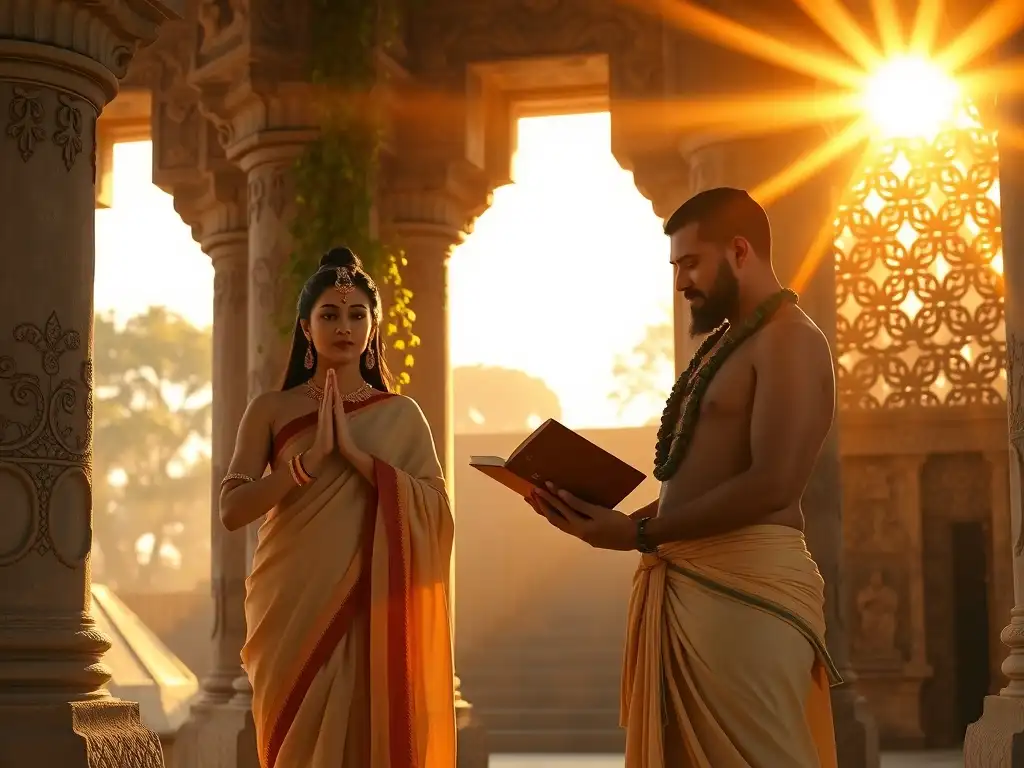
Welcome to Ancient India History, where we embark on a captivating journey through the rich tapestry of ancient Indian civilizations. Today, we delve into the intriguing topic of Gender and Spirituality in Ancient India, exploring how women's roles and contributions shaped philosophical thought and spiritual practices. Prepare to uncover the profound connections between gender dynamics and spiritual beliefs that have influenced society for centuries.
As we navigate this fascinating intersection, you'll discover insights that challenge modern perceptions and invite you to rethink the legacy of ancient Indian culture. Let your curiosity lead you further into this exploration of history, philosophy, and the remarkable women who helped define it.
Introduction to Gender and Spirituality in Ancient India
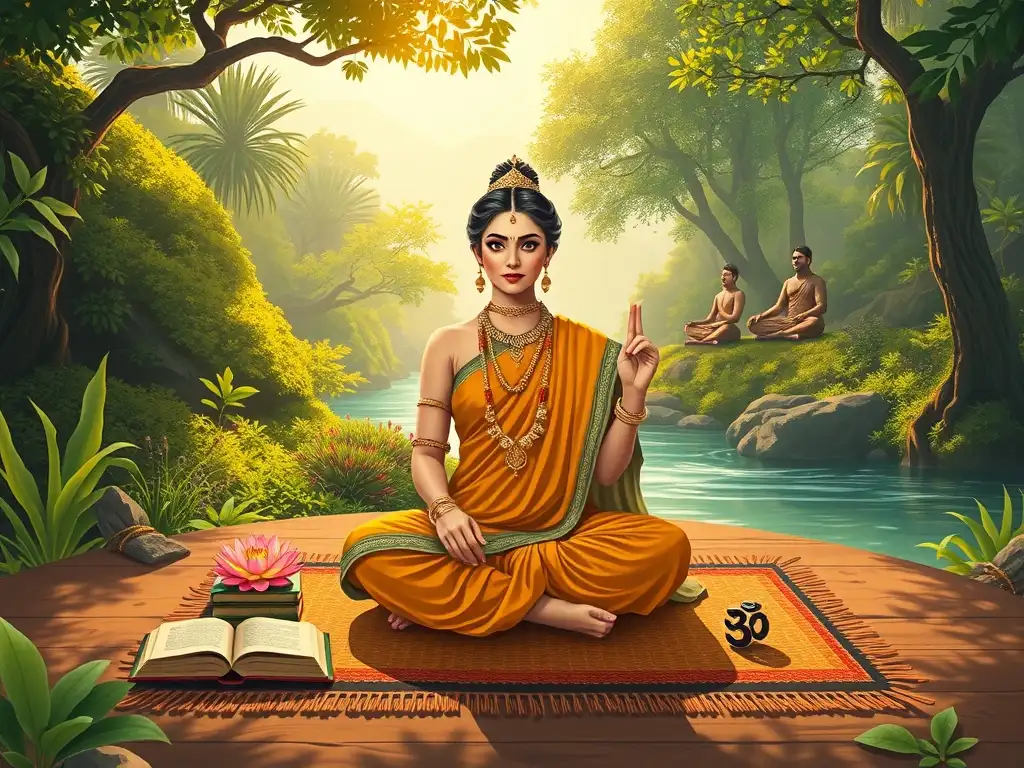
The interplay between gender and spirituality in ancient India presents a complex tapestry woven from the threads of philosophy, culture, and religious practice. Throughout history, Indian civilization has showcased a rich diversity of thought and belief systems that shaped the roles of women and men in spiritual contexts. Understanding how gender was perceived and its impact on spiritual practices is essential for grasping the broader narrative of ancient Indian philosophy. This exploration not only highlights the contributions of women in religious traditions but also reveals the nuanced dynamics of gender roles that have persisted through time.
Overview of Ancient Indian Philosophy
Ancient Indian philosophy is characterized by its profound inquiry into the nature of existence, consciousness, and the universe. Major philosophical schools such as Vedanta, Samkhya, and Buddhism have contributed significantly to this discourse, often intertwining with spiritual practices. These traditions examined the relationship between the self (atman) and the ultimate reality (Brahman), leading to diverse interpretations of spiritual experiences. As we delve into these philosophical frameworks, it becomes clear that gender roles were often embedded within the spiritual narratives, influencing both practice and belief.
The Significance of Gender Roles in Spiritual Practices
Gender roles in ancient Indian spirituality were not monolithic; they varied across different texts, traditions, and regions. Women, for instance, held distinguished positions as sages, saints, and devotees, contributing to spiritual discourses through texts like the Bhagavad Gita and various Upanishads. However, societal norms often dictated the extent of their participation and influence. Understanding these roles is pivotal in appreciating how spirituality was experienced differently by men and women, and how these differences shaped religious practices and beliefs.
Purpose of Exploring Gender and Spirituality
This exploration aims to shed light on the intricate relationship between gender and spirituality within ancient Indian philosophy. By analyzing historical texts, practices, and societal norms, we seek to uncover the contributions of women, the challenges they faced, and the transformative impact of their spiritual roles. This understanding is crucial not only for historical accuracy but also for recognizing the enduring legacy of these dynamics in contemporary discussions on gender and spirituality.
Historical Context of Gender Roles in Ancient India
Gender Dynamics in Ancient Indian Society
The societal structure of ancient India was deeply influenced by caste, class, and gender, with distinct roles assigned to men and women. Patriarchal norms dominated, often relegating women to subordinate positions. However, this was not universally applicable; various regions and communities exhibited differing dynamics. Some texts revealed that women enjoyed a degree of autonomy, participating in rituals and philosophical discussions. This section will explore these varied dynamics, illustrating the complexities of gender roles in spiritual contexts.
Key Texts Influencing Gender and Spirituality
Several ancient texts played a crucial role in shaping the understanding of gender and spirituality in India. Key scriptures, such as the Vedas, Upanishads, and Puranas, provide insights into the spiritual aspirations and restrictions placed on women. By examining these texts, we can identify the prevailing attitudes towards gender and how they influenced spiritual practices. This analysis will highlight contradictions and affirmations within the texts, offering a comprehensive view of gender's role in ancient Indian spirituality.
Feminine Spirituality in Ancient Indian Philosophy
Feminine spirituality in ancient Indian philosophy encompasses a broad spectrum of beliefs and practices that highlight the role of women in the spiritual landscape of the time. Historically, women were not merely passive recipients of spiritual teachings; they actively contributed to philosophical discourse and ritual practices. Texts such as the Rigveda and Upanishads articulate a deep connection between feminine principles and the cosmos, suggesting that women embodied aspects of divinity and wisdom. This spirituality was often intertwined with nature, reflecting the nurturing and life-giving qualities attributed to the feminine.
Moreover, the portrayal of women in spiritual contexts reflects a complex interplay of reverence and restriction. While they were celebrated for their spiritual insights and capabilities, societal norms often limited their roles in religious practices. Yet, many women transcended these boundaries, becoming revered sages, poets, and philosophers, thus creating a rich tradition of feminine spirituality that continues to inspire modern interpretations of gender and spirituality.
Representation of Women in Spiritual Texts
Women in ancient Indian spiritual texts are represented with a dual lens of veneration and subjugation. Texts such as the Mahabharata and Ramayana present female characters who embody strength, wisdom, and moral fortitude. Figures like Draupadi and Sita are not only central to these narratives but also serve as archetypes of resilience and virtue. They illustrate the complexities of female identity, navigating their roles within familial and societal structures while simultaneously asserting their spiritual agency.
In contrast, some texts reinforce traditional gender roles, depicting women primarily in domestic spheres. This dichotomy raises important questions about the broader implications of these representations on societal views of women in spirituality. The coexistence of reverence and restriction in religious texts indicates a nuanced perspective on gender roles, illustrating that women were both celebrated as spiritual leaders and confined by societal expectations.
Goddesses and Their Spiritual Significance
The pantheon of Hindu goddesses offers profound insights into the spiritual significance of femininity in ancient India. Deities such as Saraswati, Lakshmi, and Durga symbolize various aspects of life—knowledge, prosperity, and strength—embodying the multifaceted nature of feminine divinity. These goddesses serve as powerful representations of the spiritual potential inherent in women, often invoked in rituals to seek blessings and guidance.
The worship of goddesses also reflects cultural attitudes towards femininity and divinity. The reverence for these deities illustrates a recognition of the feminine as sacred, providing a counter-narrative to the more restrictive societal norms surrounding women's roles. Furthermore, goddess worship often involved women as active participants in rituals, reinforcing their spiritual significance within both personal and communal practices.
Gender and Spirituality: Philosophical Perspectives
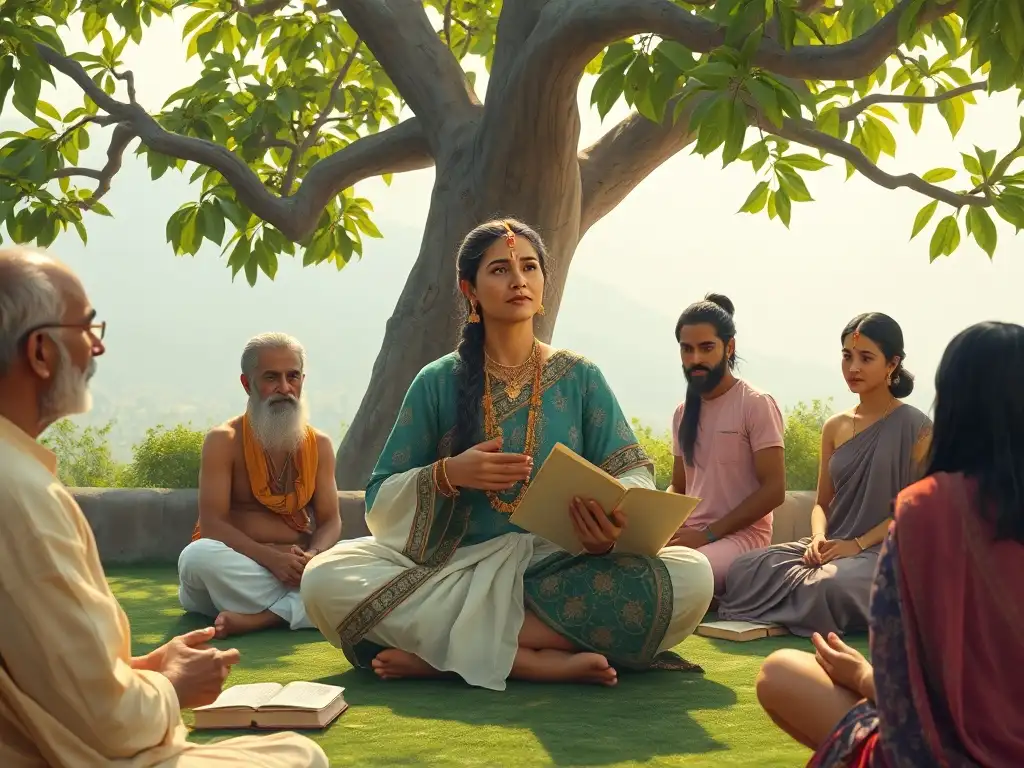
The philosophical discourse on gender and spirituality in ancient India is intricate, exploring the dualistic and non-dualistic approaches to understanding gender constructs. These perspectives offer rich insights into how ancient Indian thinkers conceptualized the relationship between the self, the divine, and gender.
Dualism and Non-Dualism in Gender Constructs
In ancient Indian philosophy, dualism often framed gender as a binary opposition, where masculine and feminine qualities were viewed as distinctly separate yet complementary. This perspective can be seen in texts that emphasize the interplay between Purusha (the cosmic man) and Prakriti (the cosmic woman), suggesting that both are essential for cosmic balance. However, this dualistic framework also led to rigid gender roles, with a clear delineation of responsibilities and attributes assigned to each gender.
Conversely, non-dualistic philosophies, particularly in the Advaita Vedanta tradition, challenge the binary constructs of gender. These philosophies propose that the ultimate reality transcends gender distinctions, emphasizing a unified consciousness that encompasses all beings, regardless of gender. This perspective opens the door for a more inclusive understanding of spirituality, allowing for the recognition of diverse gender identities and experiences within the spiritual realm.
The Concept of Dharma and Gendered Responsibilities
Dharma, or righteous duty, plays a critical role in understanding the intersection of gender and spirituality in ancient India. The concept of dharma is deeply intertwined with societal roles, where men and women were often assigned different responsibilities based on their gender. Texts such as the Manusmriti outline specific duties for women, emphasizing their roles within the family and society.
However, this gendered understanding of dharma is not universally restrictive. Many ancient texts also highlight the potential for women to embody dharma through their spiritual practices and contributions to philosophical discourse. Women like Gargi and Maitreyi challenged traditional norms, exemplifying how adherence to dharma could also involve seeking knowledge and engaging in spiritual pursuits. The evolving interpretation of dharma thus reflects the dynamic relationship between gender roles and spiritual authority.
Spiritual Liberation (Moksha) and Gender
The quest for spiritual liberation, or moksha, is a central theme in ancient Indian philosophy that transcends gender. While traditional narratives often prioritize male figures in the pursuit of moksha, there are numerous accounts of women achieving spiritual liberation through their practices, insights, and devotion. The stories of female saints and sages, such as Andal and Mirabai, illustrate how women navigated societal constraints to attain spiritual freedom.
Moreover, the philosophical discourse surrounding moksha invites a re-examination of gendered experiences in spirituality. The recognition that moksha is accessible to all, irrespective of gender, underscores the inherent equality of spiritual potential. This perspective encourages a broader understanding of how gender shapes individual paths to liberation, allowing for a more inclusive and holistic view of spirituality in ancient India.
Women’s Contributions to Spirituality and Philosophy
The contributions of women to spirituality and philosophy in ancient India are often overlooked, yet they are pivotal in shaping the spiritual landscape of the time. Women played a significant role not only as practitioners of spirituality but also as thinkers, philosophers, and leaders. Their insights and teachings contributed to the development of various philosophical schools and spiritual traditions.
Women in ancient India were involved in diverse spiritual practices, including meditation, yoga, and ritualistic worship. They were instrumental in preserving and transmitting spiritual knowledge through oral traditions and writings. Texts like the Brahmanas and Upanishads reflect the participation of women in philosophical discourse, emphasizing their intellectual contributions and spiritual authority. The existence of female ascetics and philosophers, such as Gargi and Maitreyi, underscores the integral role women played in exploring profound metaphysical questions and engaging in dialogues that shaped ancient Indian thought.
Notable Female Philosophers and Saints
Several notable female philosophers and saints stand out in the history of ancient Indian spirituality. Gargi Vachaknavi, a prominent sage mentioned in the Brihadaranyaka Upanishad, is celebrated for her intellectual prowess and philosophical inquiries into the nature of reality and the self. Her dialogues with male sages illustrate her significant role in philosophical debates, challenging the norms of her time.
Maitreyi, another significant figure, is known for her profound discussions on the nature of the self and the universe. Her exchanges with her husband, Yajnavalkya, reflect a deep understanding of metaphysical concepts, showcasing women’s active participation in philosophical discourse. Additionally, the poet-saint Mirabai, renowned for her devotional songs to Lord Krishna, represented a unique intersection of spirituality and gender, as she challenged societal norms through her passionate expressions of love and devotion.
Women's Roles in Rituals and Spiritual Leadership
Women in ancient India often held critical roles in rituals and spiritual leadership. They were responsible for performing domestic rituals and ceremonies, which were essential for maintaining spiritual harmony within the household. This domestic sphere allowed women to be influential in shaping the spiritual practices of their families and communities.
In some traditions, women were also recognized as spiritual leaders and gurus. The presence of female gurus in the Bhakti movement exemplifies this, where women like Akka Mahadevi and Mirabai led congregations and inspired followers through their teachings and devotional practices. These women transcended traditional gender roles, asserting their spiritual authority and reshaping the narrative around women's roles in religious life. Their leadership roles not only empowered other women but also contributed to the broader spiritual discourse of the time.
The Interplay of Gender and Spirituality in Ancient Texts
The interplay of gender and spirituality in ancient Indian texts offers a rich field for exploration, revealing how gender dynamics influenced spiritual narratives and philosophies. Texts such as the Vedas, Upanishads, and Puranas present varied depictions of women, reflecting both reverence and subjugation. These texts provide insights into the societal norms and spiritual beliefs of ancient India, illustrating the complexity of women's roles in spirituality.
Analysis of Gender Representation in Key Scriptures
A closer analysis of key scriptures reveals a dual representation of women in ancient Indian spirituality. On one hand, texts like the Rigveda celebrate women as seers, poets, and divinities, highlighting their spiritual significance. The hymns dedicated to goddesses like Saraswati and Durga emphasize women's power and wisdom, portraying them as embodying spiritual ideals.
Conversely, other texts reflect patriarchal structures, often relegating women to secondary roles in religious and philosophical contexts. The * Manusmriti*, for instance, outlines restrictive social norms for women, which influenced their participation in spiritual practices. This duality illustrates the ongoing tension between the veneration of female divinity and the societal limitations placed on women, showcasing how gender representation in texts impacted spiritual practices and beliefs.
Contemporary Interpretations of Gender and Spirituality
Contemporary interpretations of gender and spirituality in ancient Indian philosophy have sparked renewed interest in the roles of women. Modern scholars and feminists are re-evaluating ancient texts to uncover hidden narratives and reclaim the spiritual authority of women. This re-examination seeks to highlight the contributions of female philosophers and saints, encouraging a more inclusive understanding of spirituality that recognizes the complexity of gender dynamics.
Additionally, contemporary spiritual movements often draw inspiration from ancient traditions, emphasizing the importance of gender equality in spiritual practices. By revisiting the teachings of historical figures like Mirabai and Gargi, modern practitioners are fostering a deeper appreciation for the significance of gender and spirituality in shaping holistic spiritual experiences. This evolving dialogue not only enriches our understanding of ancient Indian philosophy but also paves the way for more equitable spiritual practices today.
Challenges and Transformation of Gender Roles in Spirituality
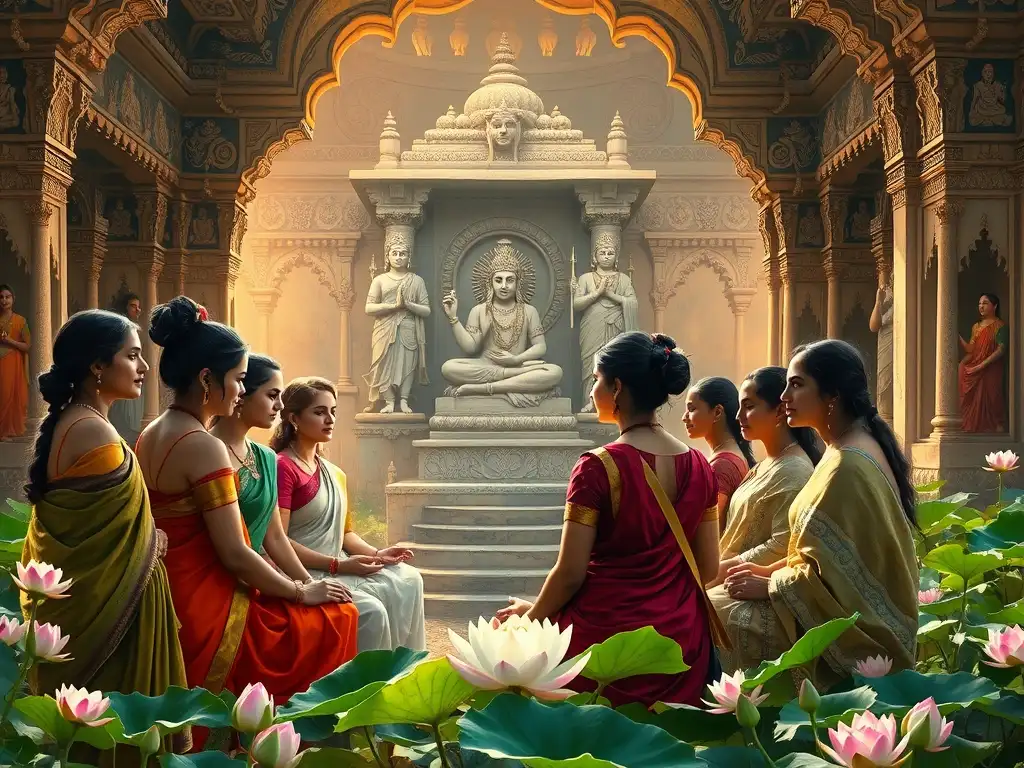
The exploration of gender roles within the context of spirituality in ancient India reveals a rich tapestry of challenges and transformations. Historically, spiritual practices and philosophies often reflected the societal norms of their times, which generally positioned women in subordinate roles. However, spiritual texts and traditions also provided avenues for women to assert their identities and influence within religious contexts.
As we delve into the nuances of these roles, it becomes evident that while women faced significant obstacles in accessing spiritual leadership and authority, there were also transformative movements that redefined their place in spiritual narratives. For instance, the concept of the Shakti, or divine feminine energy, in various philosophies underscored women's integral role in the cosmic order, challenging the patriarchal frameworks that predominated. This duality of challenge and transformation is pivotal in understanding the evolution of gender roles in spiritual practices.
Historical Shifts in Gender Perceptions
Historically, perceptions of gender in ancient India were subject to considerable shifts influenced by philosophical discourses, religious practices, and social reforms. Early texts, such as the Rigveda, contained references to powerful female figures like the sages and rishikas, who played significant roles in spiritual and intellectual pursuits. This early acknowledgment of women's contributions laid a foundation for future generations, even as later texts began to reinforce more restrictive norms.
The emergence of different schools of thought, such as Buddhism and Jainism, introduced alternative views on gender, often advocating for greater equality. These movements challenged the established Brahmanical norms, offering women a space to engage with spiritual practices more freely. However, the resurgence of orthodox traditions during the medieval period often curtailed these advancements, leading to a complex interplay between progressive and regressive attitudes toward gender within spirituality.
The Impact of Colonialism and Modernity on Gender and Spiritual Practices
The arrival of colonial powers in India brought about profound changes in the social fabric, including gender dynamics within spiritual and religious practices. Colonial narratives often portrayed Indian society as stagnant, particularly in terms of women's roles, which led to a reevaluation of traditional practices through a Western lens. This scrutiny sometimes resulted in the reinforcement of patriarchal structures, as colonial powers attempted to impose their own values on Indian society.
Yet, this period also spurred a renaissance in women's spiritual activism, as reform movements emerged in response to colonial critiques. Figures such as Sarada Devi and the social reformer Pandita Ramabai advocated for women's rights and education, intertwining their spiritual beliefs with social reform. The modern era continued this trajectory, with the rise of feminist movements that sought to reclaim spiritual narratives and challenge longstanding gender biases within religious contexts.
Conclusion: The Legacy of Gender and Spirituality in Ancient India
The legacy of gender and spirituality in ancient India is a complex narrative that reflects both the struggles and triumphs of women throughout history. Spirituality, often viewed as a male-dominated domain, reveals a rich history of female participation and influence that has been overlooked in mainstream narratives. The dual role of women as both subjects of oppression and agents of change in spiritual practices highlights the nuanced interplay of gender and spirituality.
Reflecting on the Importance of Gender and Spirituality Today
Today, the intersection of gender and spirituality remains a relevant and vital discourse as society continues to grapple with issues of equality and representation. By revisiting ancient texts and philosophies, contemporary scholars and practitioners can gain insights into the enduring significance of women's roles in spirituality. This reflection not only honors the contributions of women in ancient traditions but also provides a framework for addressing current gender disparities in spiritual communities.
Future Research Directions in Gender Studies and Ancient Philosophy
Future research in gender studies and ancient philosophy should aim to uncover and analyze the multifaceted roles women played in spiritual traditions. There is a need for more inclusive scholarship that recognizes the voices of women philosophers and spiritual leaders from ancient texts. Additionally, interdisciplinary approaches combining historical analysis, feminist theory, and cultural studies can enrich our understanding of gender dynamics in ancient Indian spirituality. By fostering a deeper exploration of these themes, we can continue to illuminate the vital contributions of women in shaping spiritual practices and philosophies throughout history.
References
The exploration of gender and spirituality in ancient India is deeply rooted in various philosophical texts, religious scriptures, and historical analyses. Key references include:
- The Vedas: The oldest sacred texts of Hinduism, which contain hymns and rituals that reflect the spiritual roles of women and men.
- The Upanishads: Philosophical texts that delve into the nature of reality and the self, often discussing the feminine divine and the role of women in spiritual practices.
- The Mahabharata and Ramayana: Epic narratives that portray female characters, such as Draupadi and Sita, who embody the intersection of gender and spirituality.
- Shakti Literature: Texts that celebrate the divine feminine, emphasizing the power and importance of goddesses in spiritual practices.
- Tantric Texts: These writings explore the spiritual significance of gender dynamics and the worship of female deities in rituals and meditation.
Suggested Readings on Gender and Spirituality in Ancient India
-
"Women and the Hindu Right: A Collection of Essays" by K. A. M. K. S. U.
This book examines the roles of women in Hindu philosophy and spirituality, providing insights into their historical contributions.
-
"Gender and the Politics of History" by Joan Wallach Scott
Scott’s work offers a critical perspective on how gender shapes historical narratives, including those in ancient Indian contexts.
-
"Women in Ancient India" by S. R. Sharma
Sharma focuses on the status and roles of women in ancient Indian society, highlighting their spiritual contributions.
-
"The Divine Feminine: Theosophy and the Feminine Principle" by K. H. P.
This book delves into the representation of the feminine divine in various spiritual traditions, including Hinduism.
-
"The Heart of the Goddess: Art, Evolution, and the Future" by A. T. V.
Exploring the artistic and spiritual representations of women in ancient India, this book discusses their significance in both historical and contemporary contexts.
Academic Resources for Further Exploration
-
Journal of Hindu Studies: This academic journal publishes articles exploring various aspects of Hindu philosophy, including gender and spirituality.
-
International Journal of Hindu Studies: A platform for scholarly discourse on Hinduism that frequently addresses themes related to gender dynamics.
-
"Hinduism and Gender" by Kim Knott
This resource discusses the complexities of gender roles within Hinduism and their spiritual implications.
-
University Courses: Many universities offer courses focusing on women in religion and philosophy, providing structured insights into ancient Indian gender dynamics.
-
Conferences and Seminars: Attending academic conferences on religious studies can provide valuable networking opportunities and access to the latest research on gender and spirituality in ancient India.
By exploring these references and suggested readings, one can gain a deeper understanding of the intricate relationship between gender and spirituality in ancient Indian philosophy.
- Introduction to Gender and Spirituality in Ancient India
- Historical Context of Gender Roles in Ancient India
- Feminine Spirituality in Ancient Indian Philosophy
- Gender and Spirituality: Philosophical Perspectives
- Women’s Contributions to Spirituality and Philosophy
- The Interplay of Gender and Spirituality in Ancient Texts
- Challenges and Transformation of Gender Roles in Spirituality
- Conclusion: The Legacy of Gender and Spirituality in Ancient India
- References
- What role did gender play in spirituality in ancient India?
- How did ancient Indian philosophers view the spiritual capacities of different genders?
- Were there any prominent female figures in ancient Indian spirituality?
- How did the Gupta Empire influence gender dynamics in spiritual practices?
- What are the lasting impacts of gender and spirituality concepts from ancient India today?
Frequently Asked Questions
What role did gender play in spirituality in ancient India?
In ancient India, gender influenced spiritual practices and beliefs, with women often associated with nurturing roles while men engaged in more ascetic practices, highlighting a complex relationship between gender and spirituality.
How did ancient Indian philosophers view the spiritual capacities of different genders?
Ancient Indian philosophers acknowledged the spiritual potential of all genders, often emphasizing that spiritual attainment was accessible regardless of one's gender, although societal roles sometimes limited participation.
Were there any prominent female figures in ancient Indian spirituality?
Yes, there were several prominent female figures in ancient Indian spirituality, such as Gargi and Maitreyi, who contributed to philosophical discussions and challenged traditional gender norms.
How did the Gupta Empire influence gender dynamics in spiritual practices?
The Gupta Empire saw a shift in gender dynamics, where women began to play more significant roles in spiritual practices, with temples often featuring female deities and supporting women's participation in rituals.
What are the lasting impacts of gender and spirituality concepts from ancient India today?
The concepts of gender and spirituality from ancient India continue to influence modern discussions on feminism, spirituality, and gender equality, as they provide a historical context for understanding contemporary spiritual practices and gender roles.
Final Reflection: Embracing the Harmony of Gender and Spirituality in Ancient India
The exploration of gender and spirituality in ancient Indian philosophy reveals profound insights that resonate with contemporary discussions on equality and identity. Today, as we navigate a world still grappling with issues of gender disparity, the wisdom of ancient texts offers a timeless reminder of the interconnectedness of all beings. The teachings from this rich philosophical tradition encourage us to reflect on our own beliefs and practices, urging us to foster a more inclusive and harmonious society.
Delving into the intersection of gender and spirituality has not only enriched our understanding of ancient cultures but also continues to shape modern discourse. The narratives and philosophies from ancient India challenge us to reconsider the roles and representations of gender in spiritual contexts. As we engage with these ideas, we recognize that "the divine is not limited by gender; it transcends and encompasses all." > This quote encapsulates the essence of our journey into the past, highlighting the ongoing relevance of these discussions in our quest for spiritual and social equity.
As we conclude this exploration, I invite you to reflect on how the lessons from ancient Indian philosophy can inspire your own spiritual journey and understanding of gender. Consider how these teachings can inform your interactions with others and shape your worldview. Let us carry forward the legacy of inclusivity and respect for all genders, drawing from the wisdom of the past to create a more equitable future. Embrace the harmony of gender and spirituality as a guiding principle in your life, and let it illuminate the path toward a more compassionate and understanding society.
Unveil the Mysteries of Gender and Spirituality!
Thank you for taking the time to explore the fascinating intersection of gender and spirituality in ancient Indian philosophy with us! We hope you’ve found valuable insights that inspire a deeper understanding of this rich and complex topic. Now, let's take your exploration further!
- Dive Deeper: Investigate the works of a specific philosopher or delve into a particular text that resonates with you to enhance your understanding.
- Join the Conversation: We invite you to share your thoughts or questions in the comments below and connect with fellow readers who are eager to discuss these profound themes!
- Spread the Knowledge: Consider sharing this article with friends or on social media to ignite conversations about the influence of gender in philosophical thought!
What unique perspectives or experiences do you believe shape our understanding of spirituality in relation to gender today?