
The Influence of Buddhism on Indian Society: A Cultural Transformation

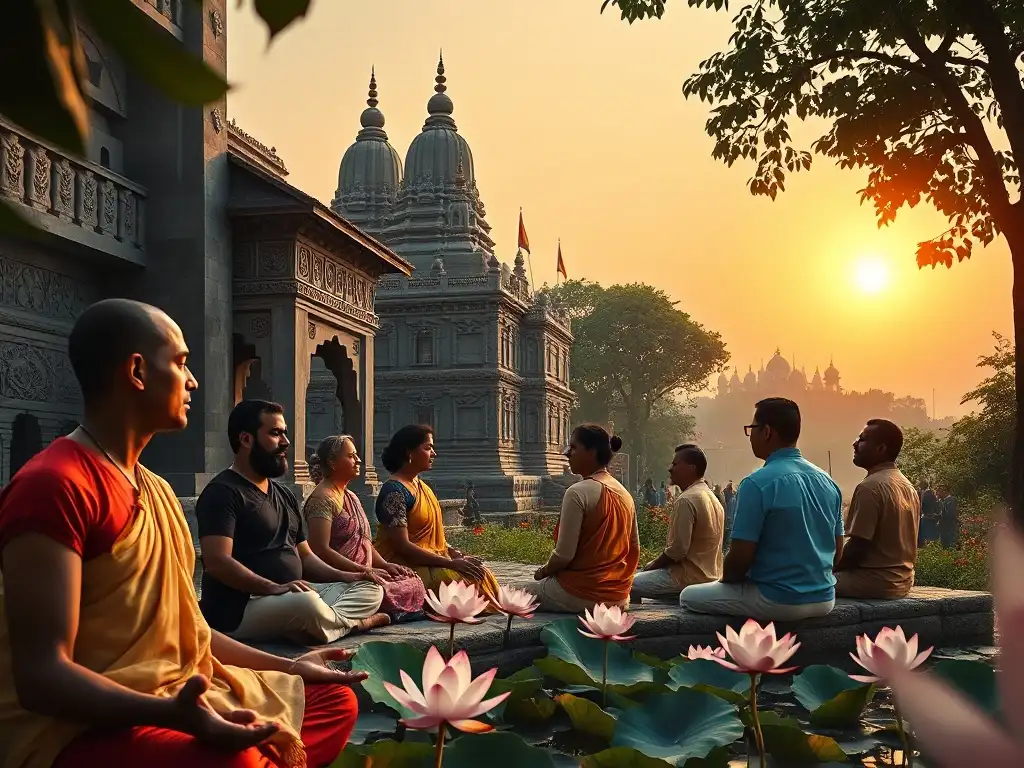
Welcome to Ancient India History, where we embark on a fascinating journey through time to uncover the rich and diverse heritage of ancient Indian civilizations. In this exploration, we delve into the profound impact of Buddhism on Indian culture, a transformation that reshaped societal values, art, and philosophy. As you navigate through our site, prepare to discover how this pivotal religion influenced everything from architecture to daily life. Join us as we unravel the intricate tapestry of history and culture that defines ancient India, and ignite your curiosity about the legacies that continue to resonate today.
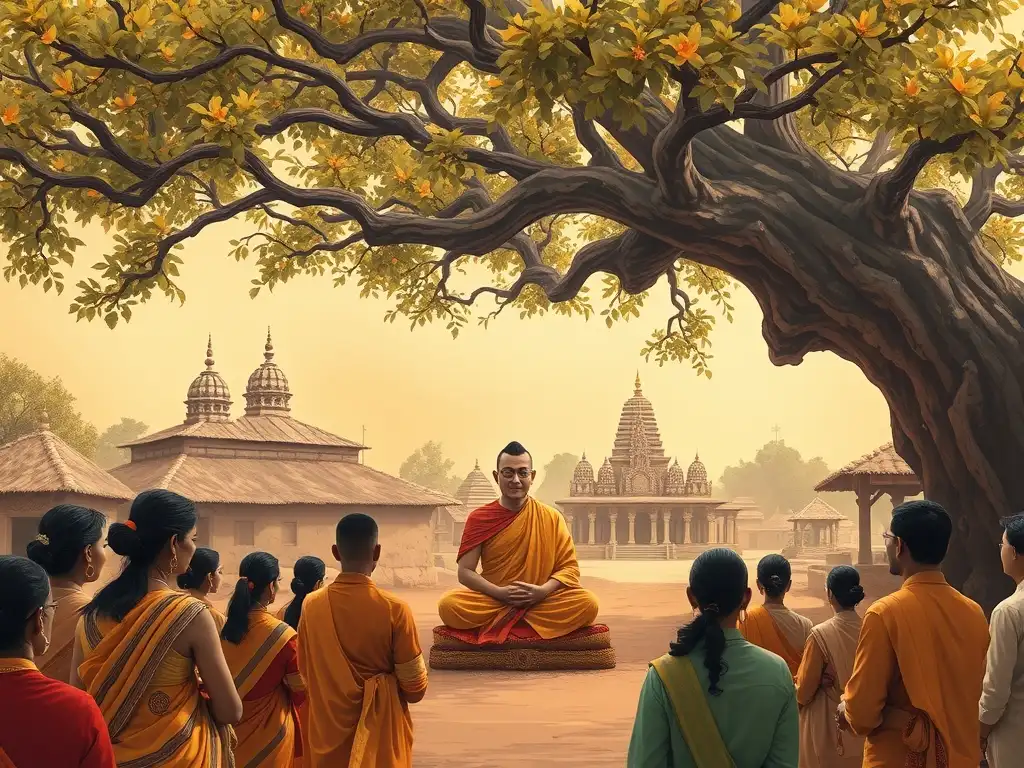
Introduction to Buddhism's Impact on Indian Culture
Buddhism, one of the most significant religions to emerge from ancient India, has profoundly shaped the cultural, social, and philosophical landscape of the region. Its teachings and practices have not only influenced the spiritual lives of millions but also contributed to the evolution of art, architecture, and governance throughout Indian history.
As we delve into the impact of Buddhism on Indian culture, we will explore the foundational principles of Buddhism, its historical context, and the transformative effects it had on various aspects of society. Understanding this intricate relationship between Buddhism and Indian culture provides insight into how ancient civilizations adapted and integrated diverse religious philosophies, leading to a richer cultural tapestry.
Overview of Buddhism in Ancient India
Buddhism originated in the 5th century BCE with the teachings of Siddhartha Gautama, who later became known as the Buddha. It emerged as a reform movement within the existing religious landscape of India, which was predominantly influenced by Hinduism and Vedic traditions. Central to Buddhism are the Four Noble Truths and the Eightfold Path, which advocate for a life free from suffering through ethical conduct, mental discipline, and wisdom.
- Four Noble Truths:
- The truth of suffering (Dukkha)
- The cause of suffering (Samudaya)
- The end of suffering (Nirodha)
- The path leading to the end of suffering (Magga)
- Eightfold Path:
- Right Understanding
- Right Intent
- Right Speech
- Right Action
- Right Livelihood
- Right Effort
- Right Mindfulness
- Right Concentration
Buddhism's emphasis on individual experience and ethical living attracted a diverse following, leading to the establishment of monastic communities known as Sanghas. These communities played a crucial role in disseminating Buddhist teachings across India and beyond, setting the stage for Buddhism’s significant influence on Indian culture.
Key Concepts and Teachings of Buddhism
The core philosophies of Buddhism emphasize impermanence, compassion, and the interconnectedness of all beings. The concept of Ahimsa (non-violence) became a vital component of Indian ethics, influencing not only Buddhist practices but also extending into Hinduism and Jainism. Additionally, Buddhism introduced new perspectives on social justice and equality, challenging the rigid caste system prevalent in ancient Indian society.
Buddhist art and architecture further illustrate the religion's cultural impact. The construction of stupas, monasteries, and rock-cut caves, such as those at Ajanta and Ellora, reflects a unique blend of artistic expression and religious devotion. These structures served as centers for learning, meditation, and community gathering, reinforcing Buddhism's integral role in shaping Indian cultural identity.
Historical Context of Buddhism's Emergence
The Rise of Buddhism in the 5th Century BCE
The emergence of Buddhism coincided with a period of significant social and political change in ancient India. The decline of the Vedic tradition and the rise of urban centers created an environment ripe for new philosophical ideas. Discontent with ritualistic practices and the hierarchical nature of society led many to seek alternative spiritual paths. In this context, Buddhism offered a more accessible and egalitarian approach.
Buddhism's rise was also facilitated by the patronage of various rulers, notably Emperor Ashoka in the 3rd century BCE, who embraced the religion and promoted its values throughout his empire. His efforts to spread the teachings of the Buddha through edicts and missions played a pivotal role in establishing Buddhism as a dominant cultural force in ancient India.
The Role of Siddhartha Gautama (Buddha) in Shaping Indian Society
Siddhartha Gautama, known as the Buddha, is central to understanding Buddhism's influence on Indian society. His teachings emphasized personal enlightenment and the alleviation of suffering, resonating with individuals across social strata. The Buddha's focus on practical ethics and mental discipline provided a framework for individuals to navigate the complexities of life.
His legacy continues to inspire countless followers, and the principles he espoused have permeated various aspects of Indian culture, from literature and philosophy to political thought. The Buddha's teachings advocate for a compassionate and mindful way of living, fostering a sense of community and interconnectedness that has left an indelible mark on Indian society.
Buddhism's impact on Indian culture is profound and multifaceted, representing a significant cultural transformation that has shaped the moral and philosophical foundations of the region. Through an exploration of its teachings and historical context, we gain valuable insights into how Buddhism has influenced the trajectory of Indian civilization.
Buddhism's Impact on Indian Culture and Society
Buddhism has profoundly influenced Indian culture and society, acting as a catalyst for numerous transformations across various aspects of life. Emerging in the 5th century BCE, Buddhism introduced new philosophical ideas, ethical practices, and artistic expressions that resonated with diverse segments of Indian society. Its teachings, centered on compassion, mindfulness, and the pursuit of enlightenment, prompted a reevaluation of existing beliefs, ultimately leading to significant changes in social structures, values, and artistic endeavors.
Cultural Transformation Through Buddhist Philosophy
Buddhist philosophy emphasized the importance of personal experience and introspection, encouraging individuals to seek truth through meditation and self-reflection rather than through rigid doctrines. This shift in focus led to a more introspective culture, where personal enlightenment became paramount. The Four Noble Truths and the Eightfold Path provided a framework for ethical living and spiritual development, influencing various aspects of daily life.
Moreover, Buddhism's rejection of extreme asceticism and hedonism appealed to the middle class, fostering a culture that valued moderation and balance. The promotion of compassion and non-violence had a ripple effect, encouraging social harmony and ethical conduct among followers. As these philosophical ideals permeated society, they contributed to a gradual transformation of cultural norms, fostering a sense of community and shared purpose.
Artistic Contributions of Buddhism to Indian Culture
The artistic legacy of Buddhism is one of its most enduring impacts on Indian culture. From intricate sculptures to grand architecture, Buddhist art encapsulates the religion's core teachings and ideals. The creation of stupas, chaityas, and viharas, such as the famous Sanchi Stupa and the Ajanta Caves, exemplifies this artistic flourishing. These structures not only served as places of worship but also as repositories of art and culture, showcasing elaborate carvings and frescoes that depicted the life of the Buddha and various Jataka tales.
Buddhist art also facilitated the spread of cultural ideas across regions, with its stylistic elements influencing Hindu and Jain art. The depiction of serene Buddha figures and symbols such as the lotus flower became prominent features in Indian art, representing purity and spiritual awakening. This blending of artistic styles contributed to a rich visual culture that transcended religious boundaries, enriching the overall cultural landscape of ancient India.
The Spread of Buddhism and Its Influence on Regional Cultures
Buddhism's spread beyond its place of origin in northern India played a crucial role in shaping regional cultures across Asia. Through trade routes, missionaries, and royal patronage, Buddhism reached diverse lands, including Central Asia, China, Tibet, and Southeast Asia. Each region embraced Buddhist teachings, adapting them to local customs and beliefs, which led to a unique cultural synthesis.
In regions like Sri Lanka, Buddhism became a state religion, influencing governance and societal norms. The establishment of monastic communities fostered education and literacy, leading to the development of local literature and art inspired by Buddhist themes. In China, the integration of Buddhism with Confucian and Daoist beliefs resulted in a distinct form of Chinese Buddhism that influenced cultural practices, philosophy, and even politics.
Buddhism's teachings instigated significant changes in social structures, challenging established norms and hierarchies. By promoting values of compassion, equality, and ethical behavior, Buddhism provided an alternative perspective on social relations, particularly concerning caste and class distinctions.
Changes in Social Hierarchies and Caste Systems
The rise of Buddhism coincided with a period of social upheaval in ancient India, where rigid caste divisions were increasingly questioned. Buddhist doctrine advocated for the idea that one's actions (karma) rather than one's birth determined spiritual merit, which undermined the traditional caste system. This egalitarian approach attracted followers from various backgrounds, including those marginalized by society.
Buddhist communities often operated independently of caste distinctions, creating inclusive spaces where individuals could engage in spiritual practice without the restrictions of social hierarchy. This shift not only provided a sense of belonging to those outside the upper caste but also fostered a more fluid social structure.
The Promotion of Equality and Inclusiveness Through Buddhist Teachings
Buddhism's core teaching of compassion extended to all sentient beings, promoting a sense of equality among individuals regardless of their social status. The emphasis on loving-kindness (metta) and compassion (karuna) encouraged followers to transcend personal biases, fostering an inclusive environment within Buddhist communities.
Moreover, the establishment of monastic orders provided opportunities for women and the lower castes to participate in spiritual life. Although challenges remained, the presence of female monastics and lay practitioners highlighted Buddhism's potential for promoting gender equality and social inclusiveness. As a result, the social impact of Buddhism contributed to a more equitable society, challenging entrenched norms and facilitating progressive changes within Indian culture.
The Legacy of Buddhism in Modern Indian Society
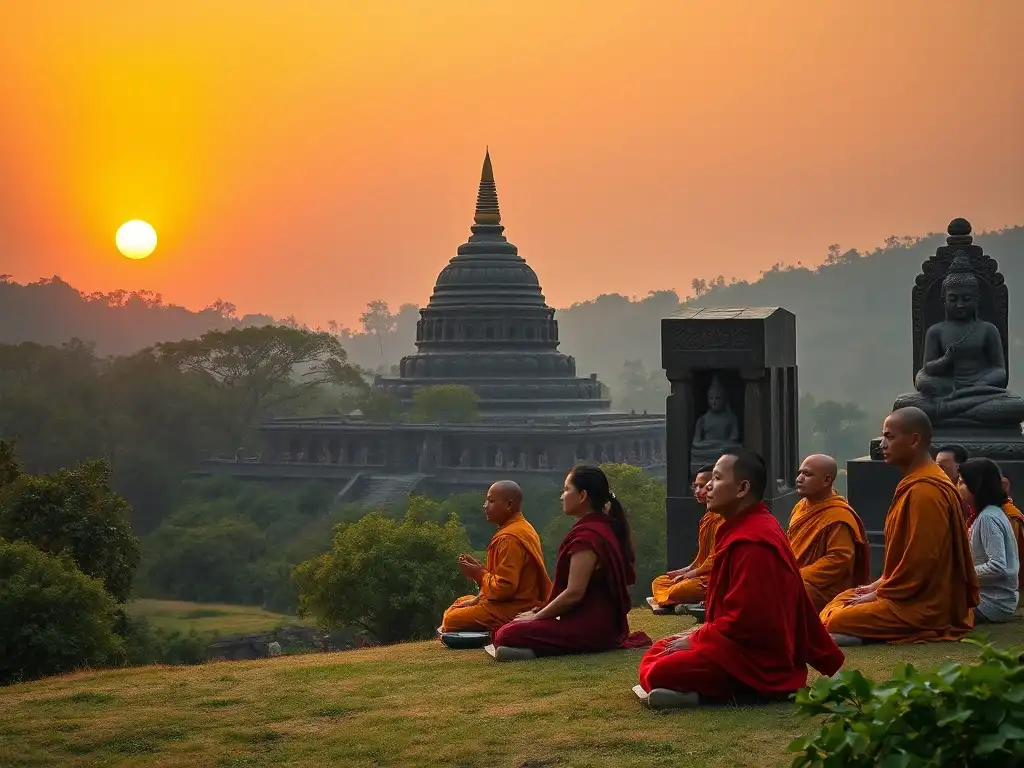
Buddhism, which emerged in ancient India over 2,500 years ago, has left an indelible mark on the fabric of Indian society that continues to resonate today. The teachings of Siddhartha Gautama, known as the Buddha, laid the foundation for a philosophy that emphasized compassion, non-violence, and the pursuit of enlightenment. These core values have permeated various aspects of Indian culture, influencing art, literature, philosophy, and even politics.
The legacy of Buddhism can be observed in various modern practices and beliefs among communities across India. For instance, the principles of ahimsa (non-violence) and karuna (compassion) are deeply woven into the ethical frameworks of many Indian religions and philosophies, including Hinduism and Jainism. Furthermore, the revival of interest in Buddhist teachings in contemporary times has led to a resurgence of meditation practices and mindfulness, which are now widely embraced for their mental health benefits.
Contemporary Reflections of Buddhist Principles in Indian Culture
In modern India, Buddhist principles are reflected in numerous cultural practices and societal norms. For example, festivals like Buddha Purnima celebrate the birth, enlightenment, and death of the Buddha, drawing thousands to temples and monasteries. These gatherings not only serve as religious observances but also promote a sense of community and shared values among participants.
Moreover, the influence of Buddhist art and architecture persists, with stupas and monasteries continuing to attract both tourists and devotees. The intricate carvings and sculptures from the Mauryan period, including those at Sanchi and Ajanta, remain significant cultural heritage sites that educate visitors about the historical context and impact of Buddhism.
Additionally, the principles of mindfulness and meditation, rooted in Buddhist practice, have gained traction in contemporary wellness culture. Many individuals and organizations advocate for mindfulness as a means to improve mental well-being, demonstrating Buddhism’s adaptability and relevance in addressing modern societal challenges.
The Revitalization of Buddhism and Its Cultural Significance Today
The 20th and 21st centuries have witnessed a notable revitalization of Buddhism in India, spurred by various socio-political movements and the efforts of influential leaders such as Dr. B.R. Ambedkar. His conversion to Buddhism in 1956, along with millions of followers, marked a significant moment in Indian history, as it sought to provide an alternative to the caste system prevalent in Hindu society.
This revitalization has prompted a renewed interest in Buddhist philosophy and practices among various demographics, including urban youth and marginalized communities. Educational initiatives and retreats centered around Buddhist teachings are increasingly common, fostering a deeper understanding of its ethical and philosophical dimensions.
Moreover, the global interest in Buddhism has led to cross-cultural exchanges, where Indian Buddhism is reinterpreted and integrated into broader spiritual movements. This exchange not only enhances the cultural significance of Buddhism within India but also positions it as a vital contributor to global discussions on spirituality, ethics, and cultural identity.
Conclusion: The Enduring Influence of Buddhism on Indian Culture
Buddhism's impact on Indian culture is profound and multifaceted, shaping social norms, ethical frameworks, and artistic expressions throughout history. Its teachings continue to inspire individuals and communities, fostering a culture of compassion and understanding that transcends religious boundaries.
Summary of Key Points on Buddhism's Impact on Indian Society
- Ethical Frameworks: Buddhism has significantly influenced the moral and ethical teachings in Indian society, particularly through the concepts of ahimsa and karuna.
- Cultural Practices: Festivals and community gatherings celebrating Buddhist traditions promote social cohesion and cultural identity.
- Art and Architecture: The legacy of Buddhist art remains visible in historical monuments, which continue to educate and inspire.
- Modern Relevance: The resurgence of interest in mindfulness and meditation practices highlights Buddhism's adaptability to contemporary societal needs.
Final Thoughts on the Cultural Transformation Brought About by Buddhism
The cultural transformation initiated by Buddhism has fostered a legacy of introspection and compassion that remains relevant in today's fast-paced world. As society navigates modern challenges, the timeless principles of Buddhism—emphasizing peace, understanding, and ethical living—offer valuable insights. The ongoing dialogue around these teachings ensures that Buddhism's profound influence on Indian culture will endure, continuing to guide future generations toward a more compassionate and harmonious society.
- Introduction to Buddhism's Impact on Indian Culture
- Historical Context of Buddhism's Emergence
- Buddhism's Impact on Indian Culture and Society
- Buddhism's Influence on Social Structures
- The Legacy of Buddhism in Modern Indian Society
- Contemporary Reflections of Buddhist Principles in Indian Culture
- The Revitalization of Buddhism and Its Cultural Significance Today
- Conclusion: The Enduring Influence of Buddhism on Indian Culture
- What is the main focus of the article "The Influence of Buddhism on Indian Society: A Cultural Transformation"?
- How did Buddhism influence the art of ancient India?
- In what ways did Buddhism affect Indian social structures?
- What role did the Gupta Empire play in the spread of Buddhism?
- How is the legacy of Buddhism reflected in modern Indian culture?
Frequently Asked Questions
What is the main focus of the article "The Influence of Buddhism on Indian Society: A Cultural Transformation"?
The article explores Buddhism's impact on Indian culture, detailing how it contributed to social, philosophical, and artistic transformation during ancient times.
How did Buddhism influence the art of ancient India?
Buddhism significantly shaped artistic expressions, leading to the creation of intricate stupas, sculptures, and paintings that depicted the life of the Buddha and Buddhist teachings.
Buddhism promoted equality and social justice, challenging existing caste hierarchies and advocating for a more inclusive society that emphasized community and compassion.
What role did the Gupta Empire play in the spread of Buddhism?
During the Gupta Empire, Buddhism flourished as a major religion, receiving royal patronage that facilitated the establishment of monasteries and the spread of Buddhist thought across the region.
How is the legacy of Buddhism reflected in modern Indian culture?
Buddhism's legacy persists in contemporary India through festivals, art forms, and philosophical teachings, influencing modern practices and the spiritual landscape of the country.
Final Reflection: Embracing the Transformative Power of Buddhism in Indian Culture
Buddhism's impact on Indian culture is not merely a historical footnote; it is a living testament to the profound ways in which spiritual philosophies can shape societal values and practices. Today, as we navigate a world increasingly marked by division and conflict, the teachings of Buddhism offer a pathway to understanding, compassion, and unity. The essence of this ancient tradition continues to resonate, reminding us that the seeds of transformation are often sown in the fertile ground of empathy and mindfulness.
Culturally and socially, the influence of Buddhism has woven itself into the very fabric of Indian society, fostering a spirit of tolerance and introspection. The principles of non-violence and compassion have not only enriched personal lives but have also inspired movements for social justice and reform. As the Dalai Lama once said, "> My religion is very simple. My religion is kindness." This quote encapsulates the ongoing relevance of Buddhist teachings, urging us to cultivate kindness in our interactions and to recognize our shared humanity amidst diversity.
As we reflect on the lessons of Buddhism, let us invite ourselves to engage with its teachings in our daily lives. Consider how you can embody the principles of compassion and mindfulness in your interactions with others. Whether through acts of kindness, fostering understanding in your community, or simply taking a moment to breathe and reflect, each small action contributes to a larger cultural transformation. Embrace the opportunity to be a catalyst for change, and let the wisdom of Buddhism guide you toward a more harmonious existence in a world that desperately needs it.
Embrace Transformation: Explore Buddhism's Legacy Today!
Thank you for diving into the remarkable influence of Buddhism on Indian society! We hope you’ve discovered the profound cultural transformations that have shaped our history. Now, it’s time to take that knowledge further and engage with it actively!
Here are some powerful steps to deepen your understanding and connection to this incredible tradition:
- Participate in a local meditation or mindfulness workshop: Experience firsthand the peace and presence that Buddhism promotes.
- Share your insights: Discuss what you've learned with friends or engage in online communities dedicated to exploring Buddhist principles in everyday life.
- Explore further: Read books about the life of Siddhartha Gautama or delve into the teachings of Buddhism that pique your interest!
What aspect of Buddhism resonates with you the most, and how do you envision incorporating its teachings into your daily life?