
The Relevance of Ancient Indian Scripts in Today's Digital Communication

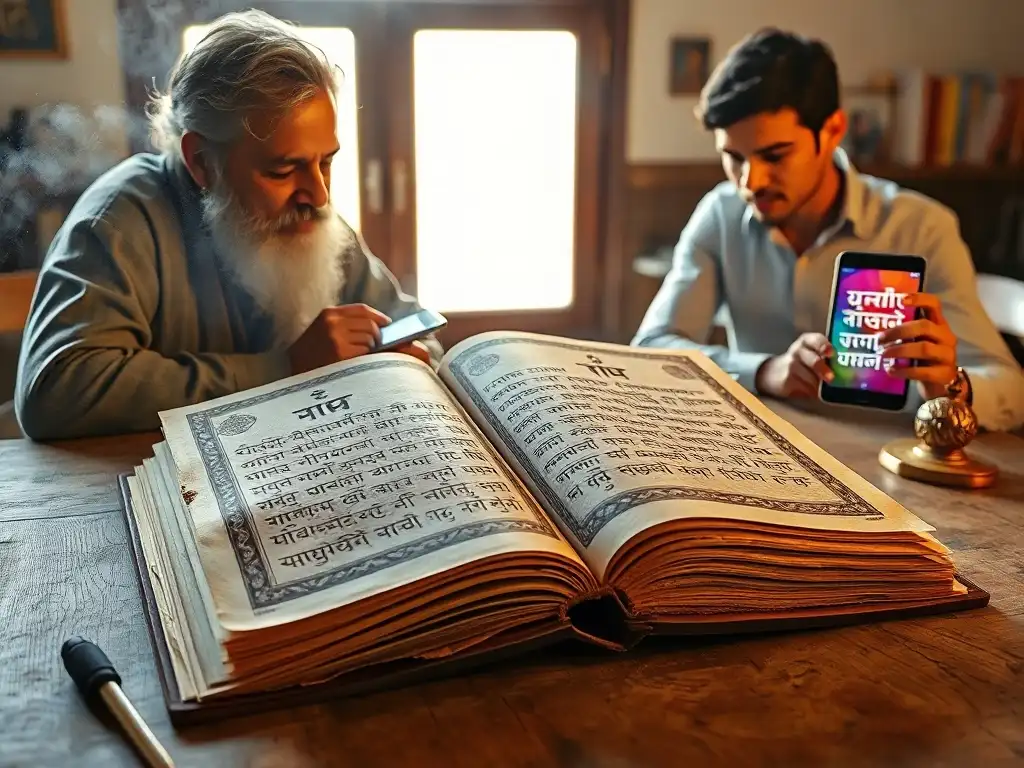
Welcome to Ancient India History, where we embark on an enlightening journey through the vibrant tapestry of ancient Indian civilizations. Dive into our latest article, "The Relevance of Ancient Indian Scripts in Today's Digital Communication," and discover the profound significance of ancient Indian scripts that continue to influence modern technology and communication. As you explore the intricate connections between the past and present, prepare to be captivated by the enduring legacy of these scripts and their remarkable contributions to our digital age. Join us as we unravel the mysteries of a culture that shaped the world!
Introduction to Ancient Indian Scripts Significance
The significance of ancient Indian scripts extends far beyond their historical context; they have profound implications for today's digital communication landscape. As we delve into the rich tapestry of ancient Indian civilizations, we uncover a wealth of linguistic heritage that has shaped not only regional languages but also the very foundations of modern communication technologies.
Ancient Indian scripts, such as Brahmi and Devanagari, were not merely tools for writing but were instrumental in the dissemination of knowledge, culture, and philosophy across vast territories. In an era where digital communication dominates, understanding the relevance of these scripts can provide insight into cultural preservation and innovation in technology.
In an age characterized by rapid advancements, the integration of ancient scripts into modern digital platforms can foster a deeper connection with our heritage. The revival and adaptation of these scripts hold the potential to enhance multilingual communication, promote inclusivity, and ensure that the wisdom of the past continues to resonate in the digital space. By exploring the significance of ancient Indian scripts, we can appreciate their role in bridging the past with the present, ultimately enriching our digital communication practices in meaningful ways.
Historical Background of Ancient Indian Scripts
Ancient Indian scripts have a rich and varied history that reflects the complexities of India's diverse linguistic landscape. The earliest known script, Brahmi, dates back to the 3rd century BCE and is recognized as the progenitor of many modern Indian scripts. This script played a pivotal role in the spread of Buddhism and other cultural practices, facilitating communication across different regions and languages.
- Brahmi:
- Origin: Emerged around the 3rd century BCE.
- Influence: Served as the basis for several scripts, including Devanagari, which is widely used today.
- Kharosthi:
- Region: Primarily used in the northwestern territories of ancient India.
- Significance: Important for trade and administrative purposes, particularly during the reign of the Maurya Empire.
The evolution of these scripts marks the transition from oral traditions to written forms, which enabled the preservation of knowledge and culture. Over time, scripts evolved to accommodate regional languages, leading to a rich mosaic of linguistic diversity. For example, Devanagari, which evolved from Brahmi, became the script for many languages, including Hindi, Sanskrit, and Marathi, making it essential in today's digital communication.
Understanding the historical context of these scripts not only highlights their significance in ancient times but also emphasizes their relevance in contemporary society, where the revival and adaptation of ancient scripts can enhance cultural identity and communication in the digital realm.
The Role of Ancient Indian Scripts in Cultural Preservation
Ancient Indian scripts, such as Brahmi, Kharosthi, and Devanagari, play a pivotal role in the preservation of India's cultural heritage. These scripts are not merely tools for written communication; they are vessels of historical knowledge, philosophy, literature, and religious texts. By documenting the thoughts and beliefs of past civilizations, these scripts serve as a bridge connecting contemporary society to its historical roots.
Moreover, ancient scripts encapsulate the linguistic diversity of India, representing various regional languages and dialects. This diversity enriches the cultural tapestry of the nation and highlights the significance of preserving these scripts for future generations. Initiatives aimed at teaching and promoting the understanding of ancient scripts in schools and universities contribute significantly to this preservation effort, ensuring that the knowledge embedded within these scripts does not fade away with time.
In the digital age, the revival and study of these ancient scripts are vital for maintaining cultural identity. As modern society increasingly embraces globalization, the risk of losing unique cultural attributes becomes more pronounced. Thus, the relevance of ancient Indian scripts extends beyond academic interest; it is essential for fostering a sense of identity and continuity among people.
Ancient Indian Scripts and Modern Technology
The advent of technology has opened new avenues for the exploration and application of ancient Indian scripts, making them more accessible and relevant in contemporary times. The convergence of tradition and technology enables a dynamic interaction with these historical writing systems, enhancing their significance in the modern digital landscape.
Digital tools and software that facilitate the study and usage of these scripts have emerged, allowing scholars and enthusiasts to engage with them more effectively. This intersection of ancient wisdom with modern innovation serves to illuminate the richness of India's linguistic heritage and encourages a broader appreciation of its historical contributions.
Furthermore, the use of ancient Indian scripts in modern technology is becoming increasingly prevalent in various domains, including education, art, and communication. This integration not only preserves the scripts but also revitalizes interest in their historical context and significance.
Integration of Ancient Scripts in Digital Platforms
The integration of ancient Indian scripts into digital platforms has transformed how these scripts are perceived and utilized in the modern world. Websites, mobile applications, and educational platforms are now incorporating these scripts, making them accessible to a broader audience. For example, language learning apps often include modules on ancient scripts, enabling users to learn and practice writing in Devanagari or Brahmi.
Social media platforms also provide a unique space for the use of ancient scripts, as users create content that celebrates their cultural heritage. Hashtags featuring ancient script fonts and phrases allow for a digital revival of interest in these historical writing systems. Additionally, online communities dedicated to the study and promotion of ancient Indian scripts are flourishing, fostering engagement and collaboration among enthusiasts worldwide.
The digitization of texts written in these scripts has further enhanced their significance. By converting ancient manuscripts into digital formats, researchers and historians can preserve fragile documents while making them accessible for study and analysis. This preservation effort not only safeguards these texts for future generations but also encourages scholarly research and public interest in ancient Indian literature and philosophy.
Font Development and Design Inspired by Ancient Scripts
The design and development of fonts inspired by ancient Indian scripts represent another significant aspect of their relevance in today's digital communication. Graphic designers and typographers are increasingly looking to these historical scripts for inspiration, creating modern typefaces that retain the essence of their ancient counterparts while ensuring usability in contemporary digital formats.
This trend has led to the emergence of numerous font families based on scripts like Devanagari, Tamil, and Bengali, catering to the needs of modern digital communication while honoring traditional aesthetics. Such fonts not only facilitate the inclusion of ancient scripts in digital media but also encourage their use in advertising, branding, and artistic expression.
Moreover, the revival of ancient scripts through font development fosters cultural pride and awareness. By using these fonts in various applications, individuals and organizations contribute to the ongoing appreciation of India's diverse linguistic heritage. In this way, font design serves as both a functional tool and a medium for cultural expression, reinforcing the significance of ancient Indian scripts in today's ever-evolving communication landscape.
Educational Technologies and Ancient Indian Scripts

The integration of ancient Indian scripts into modern educational technologies is a burgeoning field that bridges the gap between historical knowledge and contemporary learning methods. Ancient Indian scripts such as Brahmi, Devanagari, and Tamil have rich linguistic features that contribute to the understanding of language development, phonetics, and even coding in today’s digital age. By examining these scripts, educators can enrich their curricula with lessons that highlight the evolution of communication and its impact on cultural identity.
Moreover, the revival of interest in ancient Indian scripts within educational technologies can enhance language learning. As more institutions begin to recognize the benefits of multilingual education, the inclusion of these scripts can provide learners with deeper insights into the linguistic diversity of India. This approach not only enriches students' understanding of their heritage but also fosters a greater appreciation for global linguistic structures and communication methods.
E-Learning Platforms Featuring Ancient Indian Scripts
E-learning platforms are beginning to incorporate ancient Indian scripts to create a more engaging and culturally relevant educational experience. For instance, platforms like National Repository of Open Educational Resources (NROER) and SWAYAM offer courses that include modules on ancient scripts. These courses often focus on the historical significance and linguistic features of scripts such as Brahmi and Devanagari, while also providing interactive elements like quizzes and virtual workshops.
Additionally, the use of gamification in e-learning has led to innovative methods for teaching these scripts. Through interactive games and storytelling apps, learners can explore the scripts in a fun and engaging manner, enhancing both retention and interest. Such platforms allow students from various backgrounds to access knowledge about ancient Indian scripts, promoting inclusivity and diversity in education.
Use of Ancient Scripts in Educational Tools and Resources
The adoption of ancient Indian scripts in educational tools is not limited to e-learning platforms; it also extends to physical resources such as textbooks, flashcards, and teaching aids. For example, many educational publishers are starting to release bilingual textbooks that feature texts in both modern languages and ancient scripts. This dual-language approach aids in literacy development and helps students become familiar with the scripts in a practical context.
Furthermore, educational tools like mobile applications are being developed to teach ancient scripts through interactive lessons. These applications often include features such as stroke order animations, pronunciation guides, and cultural stories that contextualize the scripts within Indian heritage. Such resources cater not only to students but also to language enthusiasts and researchers interested in delving deeper into the historical significance of these scripts.
The Significance of Ancient Indian Scripts in Global Communication
The significance of ancient Indian scripts in global communication transcends geographical boundaries. With the increasing importance of cultural exchange and global interactions, understanding ancient scripts can provide valuable insights into the roots of modern languages. For instance, the Devanagari script is not only used in Hindi but has influenced other languages across South Asia. This interconnectedness highlights how ancient scripts can serve as a bridge for cross-cultural communication.
Moreover, the principles and structures found in ancient Indian scripts offer lessons in linguistic diversity and adaptability. As the world becomes more interconnected, the ability to appreciate and understand different linguistic systems can enhance global dialogue. The study of these scripts fosters an appreciation for the rich tapestry of human communication, creating a more inclusive environment where various cultural narratives can coexist and thrive.
The integration of ancient Indian scripts into modern educational frameworks and their relevance in global communication underscores the enduring significance of these scripts. They not only serve as a testament to India's rich linguistic heritage but also as valuable tools for fostering understanding and collaboration in an increasingly digital and interconnected world.
Future Prospects: Reviving Ancient Indian Scripts in Digital Communication
The future of ancient Indian scripts in digital communication holds immense potential for cultural revival and technological innovation. As globalization continues to influence communication, there is a growing recognition of the importance of preserving linguistic diversity. Ancient scripts like Brahmi, Devanagari, and others offer unique insights into India's rich heritage and can play a significant role in modern digital platforms.
One promising avenue is the development of software and applications that facilitate the use of these scripts in everyday communication. This includes integrating ancient scripts into popular messaging platforms, social media, and content creation tools. By making it easier to use these scripts, tech companies can attract a user base that values cultural heritage, thereby promoting their significance in contemporary society.
Additionally, advancements in artificial intelligence (AI) and machine learning (ML) can aid in the automatic recognition and translation of ancient scripts, making them more accessible. This technological enhancement can bridge the gap between ancient texts and modern readers, ensuring that the wisdom of ancient civilizations continues to resonate in today's world.
Innovations Inspired by Ancient Scripts
Innovations inspired by ancient Indian scripts can be seen across various sectors, including education, mobile technology, and content creation. For instance, educational programs are increasingly incorporating ancient scripts into their curriculums, using interactive tools that engage students in learning about their historical significance. This approach not only fosters a sense of pride in cultural heritage but also stimulates interest in linguistics and history.
Furthermore, mobile applications that feature ancient scripts are gaining traction. These apps often include games, quizzes, and augmented reality experiences, allowing users to learn while having fun. By transforming the study of ancient scripts into an engaging experience, developers are successfully attracting younger audiences to explore their cultural roots.
In the realm of digital content creation, graphic designers and artists are drawing inspiration from ancient scripts to create visually stunning works. This fusion of traditional aesthetics with modern design principles has resulted in a unique style that resonates with both local and global audiences, showcasing the timeless beauty of ancient Indian writing systems.
Community Engagement and Awareness Programs
Community engagement is crucial for fostering awareness and appreciation of ancient Indian scripts. Various organizations and cultural institutions are spearheading initiatives aimed at reviving interest in these scripts through workshops, seminars, and public events. These programs often invite scholars, linguists, and artists to share their knowledge and experiences, creating a collaborative space for learning.
Additionally, social media campaigns are being utilized to reach wider audiences. By sharing fascinating facts, historical contexts, and user-generated content featuring ancient scripts, these campaigns encourage individuals to participate in the revival of their linguistic heritage. The use of hashtags and challenges can further amplify these efforts, making the exploration of ancient scripts a trending topic.
Schools and universities are also playing a vital role in this revival. By integrating ancient Indian scripts into their language and cultural studies programs, educational institutions can nurture a new generation of learners who appreciate their historical significance. This grassroots approach is essential for creating a sustained interest in ancient scripts and ensuring their relevance in modern communication.
Conclusion: Embracing the Significance of Ancient Indian Scripts
The significance of ancient Indian scripts extends far beyond their historical context; they are integral to understanding India's cultural identity and heritage. As we navigate the complexities of modern digital communication, embracing these scripts offers an opportunity to connect with our past while fostering innovation for the future.
The revival of ancient scripts in digital communication not only enriches our linguistic landscape but also promotes cultural diversity in an increasingly homogenized world. By leveraging technology, community engagement, and educational initiatives, we can ensure that these scripts remain vibrant and relevant.
Ultimately, recognizing and celebrating the significance of ancient Indian scripts can pave the way for a deeper appreciation of the contributions made by our ancestors, reminding us that the wisdom of the past can continue to guide us in the present and future.
- Introduction to Ancient Indian Scripts Significance
- Historical Background of Ancient Indian Scripts
- The Role of Ancient Indian Scripts in Cultural Preservation
- Ancient Indian Scripts and Modern Technology
- Educational Technologies and Ancient Indian Scripts
- The Significance of Ancient Indian Scripts in Global Communication
- Future Prospects: Reviving Ancient Indian Scripts in Digital Communication
- Conclusion: Embracing the Significance of Ancient Indian Scripts
Frequently Asked Questions
What are ancient Indian scripts?
Ancient Indian scripts include Brahmi, Kharosthi, and Tamil, which were used to write various languages and are significant for understanding historical linguistics and cultural heritage.
How did ancient Indian scripts influence modern writing systems?
These scripts laid the groundwork for many modern alphabets in South Asia, showcasing their significance in the evolution of written communication.
Why is the study of ancient Indian scripts important today?
Studying these scripts helps us appreciate the rich cultural history of India and their contributions to literature, philosophy, and digital communication in contemporary times.
What role do ancient scripts play in digital communication?
Ancient Indian scripts offer insights into linguistic diversity and can inform the development of digital fonts and tools that promote the usage of regional languages online.
How can ancient scripts contribute to preserving cultural identity?
By understanding and using ancient scripts, communities can maintain their linguistic heritage, fostering a sense of identity and continuity in the face of globalization.
Final Reflection: The Enduring Significance of Ancient Indian Scripts in Modern Communication
The relevance of ancient Indian scripts in today's digital communication is not just a relic of the past; it is a powerful reminder of how our cultural heritage shapes contemporary discourse. In an age dominated by rapid technological advancements, the wisdom embedded in these scripts offers profound insights into the art of communication. The intricate nuances and rich symbolism found in ancient Indian texts serve as a bridge connecting us to our roots while simultaneously guiding us in navigating the complexities of modern interactions.
Cultural identity and heritage are pivotal in shaping our social landscape, and the influence of ancient Indian scripts continues to resonate in various forms. These scripts are not merely historical artifacts; they are living legacies that inspire contemporary art, literature, and digital communication. As we embrace the digital age, we must remember the words of Mahatma Gandhi: A nation's greatness is measured by how it treats its weakest members.
This quote underscores the importance of preserving our cultural narratives, as they enrich our collective identity and foster empathy in our increasingly fragmented world.
As we reflect on the significance of ancient Indian scripts, I invite you to consider how these teachings can be woven into your own life. Take a moment to explore the stories and wisdom of your heritage, and think about how you can incorporate these lessons into your daily interactions. By doing so, you not only honor the past but also contribute to a more meaningful and connected future. Let us carry forward the essence of these scripts, ensuring that their significance continues to illuminate our paths in the digital age.
Unlock the Wisdom of Ancient Scripts Today!
Thank you for taking the time to explore how ancient Indian scripts shape our digital communication! Your curiosity not only enhances your knowledge but also connects you to a rich cultural heritage. Now, let’s put that newfound understanding into action!
- Dive deeper into a specific ancient script that intrigues you—research its structure and significance to understand how it can inform modern communication.
- Share your insights with friends or on social media by discussing the relevance of these scripts in today’s world. Use the hashtag #AncientWisdomModernWords to spark a conversation.
- Join a community or forum focused on ancient languages to exchange ideas, receive feedback, and explore collaborative projects aimed at preserving and revitalizing these scripts.
Which ancient script do you think has had the most significant impact on our current way of communicating? We would love to hear your thoughts below!