
The Role of Local Markets in the Daily Economy of Indus Valley Towns

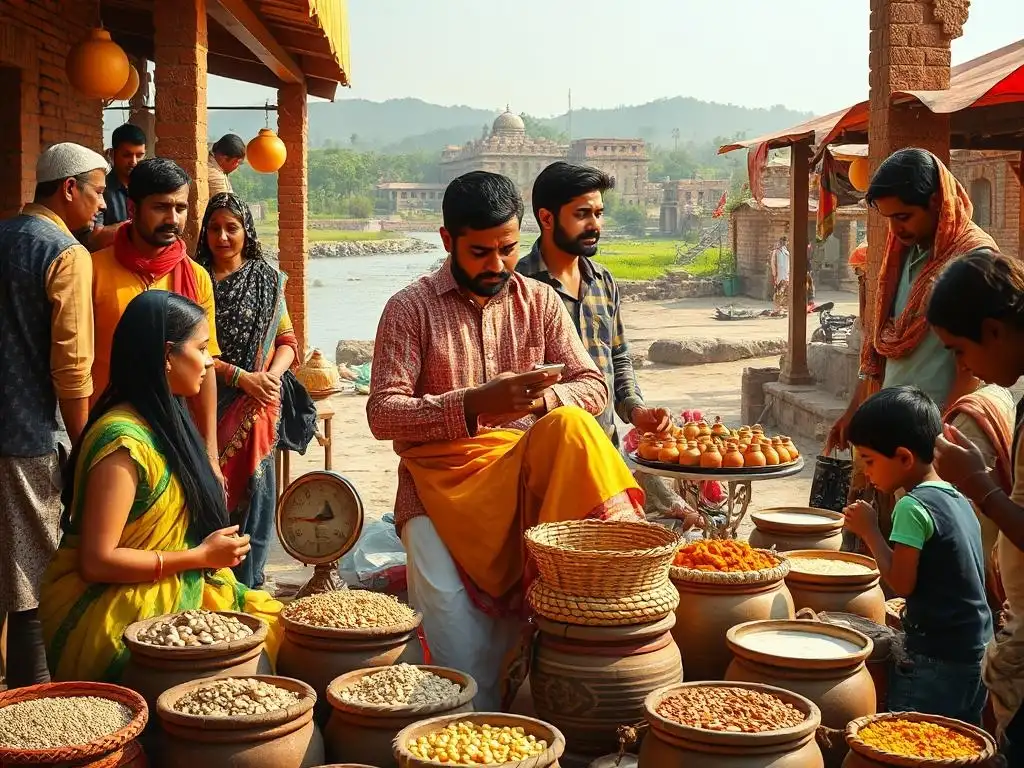
Welcome to Ancient India History, where we delve into the rich tapestry of cultures and civilizations that shaped one of the world's oldest societies. Today, we invite you to explore the fascinating "Indus Valley local markets economy," a pivotal aspect of daily life in the bustling towns of the Indus Valley. Discover how these vibrant markets not only facilitated trade but also played a crucial role in the social and economic fabric of the era.
As you journey through our insights, prepare to uncover the secrets behind the thriving commerce of ancient India that laid the groundwork for many modern economic practices. Let the story unfold!
- Introduction to Indus Valley Local Markets Economy
- Structure of Local Markets in Indus Valley Towns
- Role of Local Markets in Daily Life
- Goods and Services Offered in Indus Valley Local Markets
- Trade Networks and Economic Exchange
- Challenges Faced by Indus Valley Local Markets
- Conclusion: Legacy of Indus Valley Local Markets
-
Frequently Asked Questions
- What were the primary goods traded in the Indus Valley local markets?
- How did the local markets influence the economy of Indus Valley towns?
- What role did craftsmanship play in the Indus Valley economy?
- Were the Indus Valley local markets connected to other civilizations?
- How did the local markets reflect the social structure of Indus Valley societies?
- Final Reflection: The Enduring Legacy of Indus Valley Local Markets in Economic Development
- Revitalize Your Understanding of Indus Valley Economies!
Introduction to Indus Valley Local Markets Economy
The economy of the Indus Valley civilization, one of the world's earliest urban cultures, was intricately tied to its local markets, which played a pivotal role in daily life. These markets not only facilitated trade but also served as social hubs where communities interacted, exchanged goods, and shared cultural practices.
Understanding the function of these local markets helps illuminate the broader economic framework of the Indus Valley, a civilization that thrived from approximately 3300 BCE to 1300 BCE. This article delves into the significance of local markets in the daily economy of Indus Valley towns, exploring their contributions to trade, social structure, and the overall sustenance of urban life.
Overview of the Indus Valley Civilization
The Indus Valley Civilization, also known as the Harappan Civilization, flourished in the northwestern regions of the Indian subcontinent, encompassing parts of present-day Pakistan and northwest India. It is renowned for its advanced urban planning, sophisticated drainage systems, and standardized weights and measures, which facilitated trade and commerce.
Key characteristics of the Indus Valley Civilization include:
- Urban Centers: Major cities like Harappa and Mohenjo-Daro were meticulously planned with grid layouts and impressive architecture.
- Agriculture: The economy was primarily agrarian, with wheat, barley, and cotton being cultivated in fertile plains.
- Trade Networks: The civilization engaged in extensive trade with neighboring regions, including Mesopotamia, which further enriched its economy.
Despite the lack of deciphered written records, archaeological findings provide valuable insights into the daily lives of the people, including their engagement in local markets.
Importance of Local Markets in Ancient Economies
Local markets in the Indus Valley were integral to the economic framework, serving multiple functions that were crucial for the sustainability of urban life. Here are some key aspects highlighting their importance:
- Trade Facilitation: Local markets served as the primary venues for the exchange of goods, including agricultural produce, handicrafts, and textiles. This allowed for the circulation of resources and ensured that communities could access diverse products.
- Social Interaction: Beyond economic transactions, local markets acted as social spaces where people gathered. This interaction fostered communal bonds and cultural exchange, contributing to a cohesive societal structure.
- Economic Specialization: The presence of local markets encouraged specialization in various crafts and trades, leading to the development of skilled artisans. This specialization not only enhanced the quality of goods produced but also promoted economic diversity.
- Distribution Networks: Local markets were essential in creating distribution networks that connected rural producers with urban consumers. This linkage ensured a steady supply of goods and services, vital for the sustenance of urban populations.
The local markets of the Indus Valley civilization were not merely trading sites; they were vibrant centers of economic, social, and cultural activity that played a crucial role in shaping the daily lives of the inhabitants. Understanding their significance offers a deeper appreciation of the complexities and innovations of this remarkable ancient civilization.
Structure of Local Markets in Indus Valley Towns
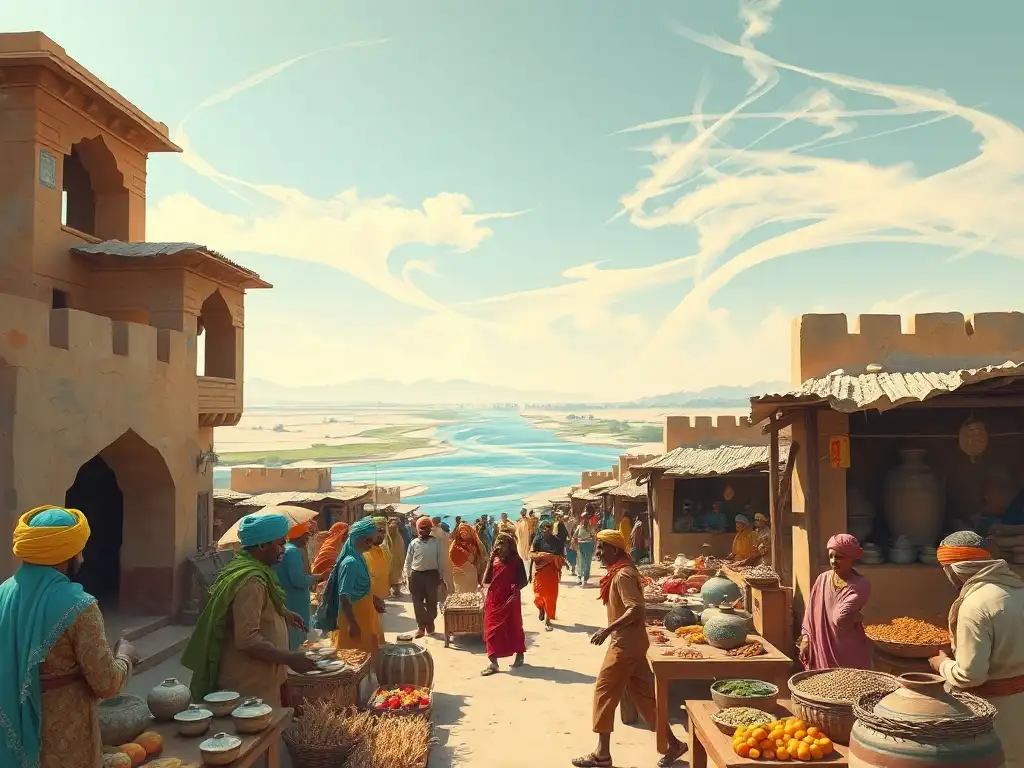
The local markets of the Indus Valley Civilization played a crucial role in shaping the daily economy of its towns. These markets were not merely places of trade; they were vibrant centers of social interaction, cultural exchange, and economic activity. The structure of these markets was designed to facilitate efficient trading and to cater to the diverse needs of the urban population.
Types of Markets in the Indus Valley
The Indus Valley featured several types of markets, each serving distinct purposes and functions:
-
Centralized Markets:
These were the primary trading hubs located within the larger towns, such as Mohenjo-Daro and Harappa. They functioned as the focal point for the exchange of goods and services, often providing a wide array of products, from agricultural produce to artisan crafts.
-
Local Neighborhood Markets:
Smaller markets existed within residential areas, catering to the everyday needs of local communities. These markets provided essential goods like grains, vegetables, and household items, allowing residents to shop conveniently without traveling far.
-
Specialized Markets:
Certain markets specialized in specific goods, such as textiles, pottery, or metalwork. These specialized markets attracted traders and artisans who were known for their craftsmanship, fostering a community of skilled laborers.
-
Seasonal Markets:
Some markets operated on a seasonal basis, aligning with agricultural cycles. During harvest times, for instance, farmers would gather to sell their surplus produce, creating vibrant temporary markets that thrived on seasonal demand.
Key Features of Indus Valley Marketplaces
Indus Valley marketplaces were characterized by several key features that contributed to their effectiveness and efficiency:
-
Well-Organized Layout:
The marketplaces were strategically located near major streets and were easily accessible. Archaeological findings suggest that they were often laid out systematically, allowing for smooth traffic flow and organized stalls.
-
Standardized Weights and Measurements:
Trade in the Indus Valley was facilitated by a system of standardized weights and measurements, which ensured fair transactions. This practice reflects a sophisticated understanding of commerce and trade regulations.
-
Diverse Goods:
Markets offered a wide range of products, including agricultural produce, textiles, pottery, jewelry, and metal tools. The diversity of goods available highlights the economic interdependence of different regions within the Indus Valley.
-
Cultural Exchange:
Markets were not just economic centers; they also served as venues for cultural exchange, where people from different regions interacted. This exchange fostered diversity and contributed to the rich tapestry of Indus Valley society.
Locations of Prominent Local Markets
Several prominent local markets have been identified through archaeological excavations, showcasing the economic vitality of Indus Valley towns:
-
Mohenjo-Daro:
One of the largest and most well-planned cities, Mohenjo-Daro featured a central market area that served as a hub for trade. Excavations have revealed large platforms likely used for weighing goods and conducting transactions.
-
Harappa:
Harappa's marketplace was strategically located near the citadel, suggesting its importance in the economic framework of the city. Artifacts found here indicate a bustling environment of trade with a variety of goods.
-
Dholavira:
This site is known for its impressive water management systems, but it also had a vibrant market area. Goods traded here included local crafts and agricultural products, reflecting the town's prosperous economy.
-
Lothal:
Lothal is renowned for its dockyard, indicating that it was a significant trading center. The marketplace here likely facilitated maritime trade, connecting the Indus Valley to other regions.
The Indus Valley local markets economy was a complex and dynamic system that supported daily life in ancient towns. The diverse types of markets, their key features, and prominent locations all contributed to a vibrant economic landscape that was essential for the survival and prosperity of the Indus Valley Civilization.
Role of Local Markets in Daily Life
Economic Activities in Local Markets
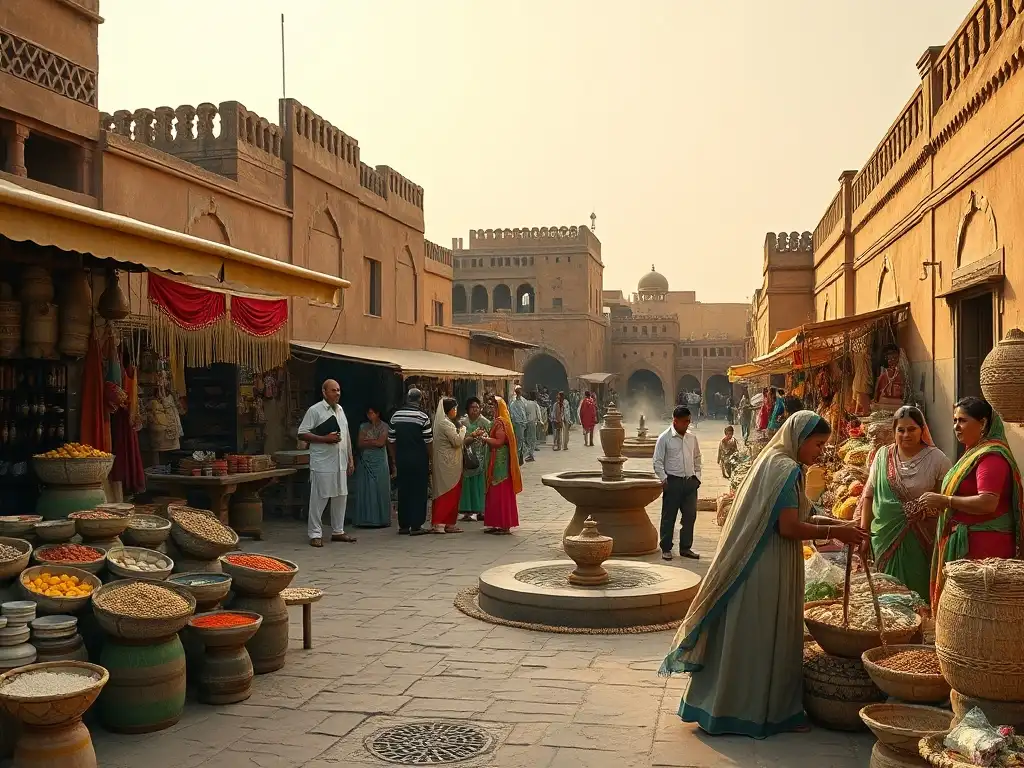
The Indus Valley local markets economy was a crux of daily life in the ancient towns of the Indus Valley Civilization. Local markets facilitated a range of economic activities that were essential for sustaining the communities. These markets were not mere sites of exchange but were integral to the economy, showcasing the sophistication of trade practices and economic organization during this period.
Trade and Barter
At the heart of the local markets was the practice of trade and barter. Merchants and farmers would gather to exchange goods, such as:
- Agricultural Products: Wheat, barley, and pulses were staples that farmers would sell.
- Crafted Goods: Artisans offered pottery, textiles, and metalwork, which were highly valued.
- Raw Materials: Items like copper, ivory, and semi-precious stones were also traded, highlighting the advanced craftsmanship of the Indus Valley.
Standardization of Weights and Measures
One notable aspect of the economic activities in the local markets was the standardization of weights and measures. Archaeological findings suggest that merchants used uniform weights made of stone, which facilitated fair trade. This practice was crucial for maintaining trust among traders and consumers, allowing for a more organized market economy.
| Item | Weight Standard (Approx.) |
|---|---|
| Wheat | 1.2 kg |
| Barley | 1.0 kg |
| Cotton Textiles | 0.5 kg |
Local markets served as vibrant centers for social interaction, where community bonds were strengthened through commerce and communication. These interactions were not limited to mere transactions; they were pivotal in fostering a sense of community among the townspeople.
Gathering Spaces
Markets functioned as gathering spaces for people from various backgrounds, including:
- Farmers: Who brought their harvests to sell.
- Artisans: Who showcased their crafts.
- Merchants: Who facilitated trade among different towns.
The bustling atmosphere of the marketplace allowed individuals to engage in discussions, share news, and participate in collective community decisions.
Festivals and Celebrations
Additionally, local markets were often the backdrop for festivals and celebrations. Events such as harvest festivals attracted larger crowds, where people would not only trade goods but also partake in cultural activities. These gatherings enhanced community identity and preserved cultural practices, making the markets a lively hub of social life.
Cultural Significance of Marketplace Gatherings
The importance of local markets transcended mere economic activities; they were also culturally significant. The marketplace was a reflection of the societal values and traditions of the Indus Valley civilization.
Exchange of Ideas and Traditions
Local markets acted as conduits for the exchange of ideas and traditions. As people from different regions came together, they shared stories, customs, and innovations. This cross-cultural interaction contributed to the richness of Indus Valley society, influencing art, religion, and social practices.
Rituals and Spiritual Practices
Moreover, marketplaces often included spaces for rituals and spiritual practices. Shrines or altars might be present, where traders and customers could pay homage to deities for good fortune in their transactions. Such practices emphasized the intertwining of daily economic life with spiritual beliefs, reinforcing the cultural values of the community.
The role of local markets in the daily economy of Indus Valley towns encompassed a complex interplay of economic activities, social interactions, and cultural significance. These markets were essential for not only trade but also for building community ties and preserving cultural heritage, making them a vital aspect of life in ancient India.
Goods and Services Offered in Indus Valley Local Markets
Agricultural Products in Local Markets
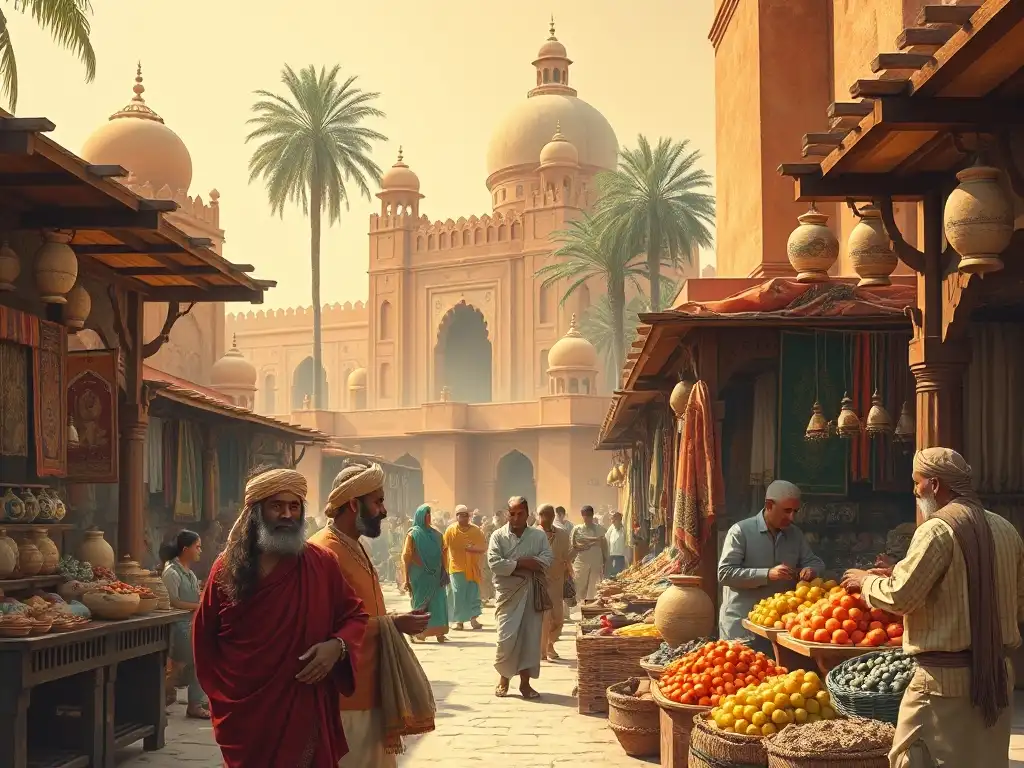
The Indus Valley Civilization, known for its advanced urban planning and agricultural prowess, had local markets that played a vital role in the daily economy. Agricultural products were the backbone of these markets, reflecting the agrarian nature of the society. Crops such as wheat, barley, rice, and pulses were cultivated extensively. The fertile plains of the Indus River facilitated high yields, allowing surplus production that could be traded in local markets.
- Wheat and Barley: These staple grains were fundamental to the diet of the Indus Valley inhabitants. Evidence suggests that wheat was not only consumed locally but also stored in granaries for trade.
- Legumes and Pulses: Varieties such as lentils and chickpeas were common, enriching the local diet and providing essential nutrients.
- Fruits and Vegetables: The markets also offered seasonal fruits and vegetables, including dates, pomegranates, and gourds, which were important for local nutrition.
The presence of these agricultural products contributed significantly to the Indus Valley local markets economy, with farmers exchanging surplus produce for tools, textiles, and other goods.
Crafts and Artisanal Goods
In addition to agricultural products, local markets in the Indus Valley were vibrant centers for crafts and artisanal goods. Skilled craftsmen played a pivotal role in the economy, producing a variety of items that showcased the region's artistic and technological advancements.
- Pottery: The Indus Valley is renowned for its high-quality pottery, often decorated with intricate designs. Potters produced both functional and decorative items, which were highly sought after in local markets.
- Textiles: Cotton was cultivated and woven into textiles, with local markets showcasing a range of fabrics dyed in vibrant colors. These textiles were not only used locally but also traded with neighboring regions.
- Jewelry and Ornaments: Artisans crafted exquisite jewelry using materials like gold, silver, and semi-precious stones. Such items were popular among the local elite and played a significant role in social status.
The craftsmanship in these local markets not only fulfilled the daily needs of the populace but also fostered a sense of community and cultural identity that was integral to the Indus Valley Civilization.
Trade Goods and Imported Items
Local markets in the Indus Valley also served as hubs for trade goods and imported items, reflecting the civilization's extensive trade networks. The strategic location of Indus Valley cities facilitated interaction with distant regions, leading to a diverse array of goods available in local markets.
- Lapis Lazuli and Semi-Precious Stones: These valuables were often imported from regions like Afghanistan, highlighting the trade connections that the Indus Valley maintained with neighboring civilizations.
- Metals and Tools: Copper and bronze tools, crucial for agriculture and craftsmanship, were traded locally. The markets provided access to these materials, enabling efficient production and innovation.
- Textiles from Other Regions: While the Indus Valley produced its own textiles, local markets also offered fabrics imported from other cultures, enriching the variety available to consumers.
The integration of trade goods into the Indus Valley local markets economy not only enhanced the variety of products available but also fostered cultural exchange and economic interdependence with neighboring civilizations. This dynamic environment illustrates the sophistication of trade practices during this period, contributing to the overall prosperity of the Indus Valley Civilization.
Trade Networks and Economic Exchange
Internal Trade Dynamics within Indus Valley Towns
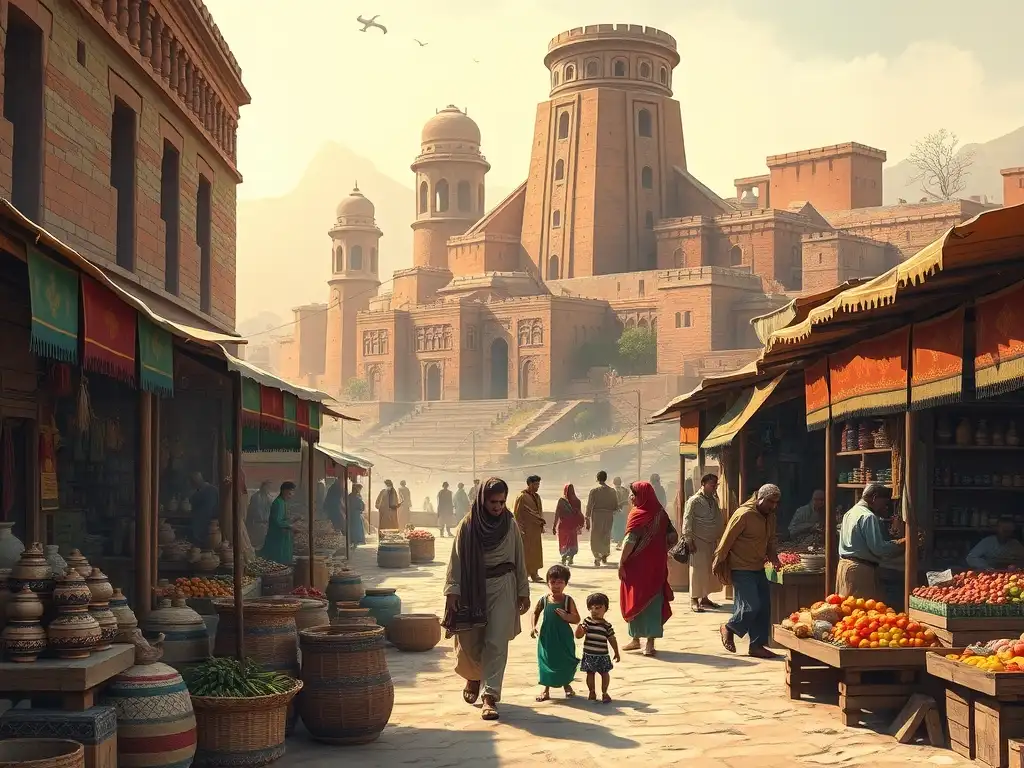
The internal trade dynamics of Indus Valley towns were characterized by a sophisticated network of local markets that facilitated the exchange of goods among the inhabitants. These markets served as vital hubs where artisans, farmers, and merchants came together to barter, trade, and sell their products. The organization of these markets reflects a well-planned economic structure that supported the daily life of the townspeople.
- Market Organization:
- Markets were likely organized in designated areas, possibly near major public buildings or along main thoroughfares, ensuring easy access for traders and buyers.
- The presence of standardized weights and measures indicates a regulated trading environment, promoting fairness and trust among traders.
- Goods Traded:
- A diverse range of goods circulated within these markets, including agricultural products (grains, fruits, and vegetables), textiles, pottery, and metalwork.
- Artisans specialized in different crafts, contributing unique items that attracted buyers, thus enhancing the vibrancy of local commerce.
- Social Interaction:
- Markets were not only economic centers but also social gathering places where people interacted, exchanged ideas, and maintained community ties.
- The role of women in these markets, whether as traders, buyers, or producers, suggests a level of economic participation that contributed to the overall prosperity of local economies.
External Trade Relations with Neighboring Regions
The Indus Valley Civilization was notable for its extensive external trade relations, which significantly influenced its local markets economy. Trade routes extended beyond the immediate geographical confines of the valley, linking it with distant regions.
- Trade Partners:
- The Indus Valley engaged in trade with various neighboring regions, including Mesopotamia, Persia, and regions in the Arabian Peninsula.
- Archaeological evidence, such as seals and artifacts, illustrates the exchange of luxury items like lapis lazuli and precious metals, showcasing the region's active participation in broader trade networks.
- Transport and Trade Routes:
- The development of transport systems, including river routes and overland paths, facilitated efficient movement of goods.
- Wheeled carts and pack animals were likely used, enhancing the capacity for long-distance trade and contributing to the economic vitality of local markets.
- Cultural Exchange:
- External trade relations fostered cultural exchanges, where ideas, technologies, and artistic influences were shared among trading partners.
- This interaction enriched the local markets, as imported goods were integrated into everyday life, influencing local tastes and preferences.
Impact of Trade on Local Markets Economy
The impacts of trade on the local markets economy of Indus Valley towns were profound and multifaceted, shaping not only economic practices but also social structures and cultural dynamics.
- Economic Growth:
- The influx of goods from external trade significantly contributed to the economic growth of local markets. Increased demand for diverse products likely stimulated production and innovation among local artisans.
- The prosperity generated by trade allowed for the accumulation of wealth and the emergence of a class of merchants who played a pivotal role in market dynamics.
- Market Specialization:
- Different towns began to specialize in particular crafts or goods based on local resources and skills. For instance, some towns might have focused on textiles, while others specialized in metallurgy.
- This specialization not only enhanced the quality of goods produced but also increased interdependence among towns, as they relied on each other for different commodities.
- Social Stratification:
- The economic benefits derived from trade contributed to the stratification of society, where wealth disparities began to emerge based on trade success.
- As some individuals or families became wealthier through trade, their influence in social and political spheres also grew, shaping the governance and communal relations within the towns.
The interconnectedness of trade—both internal and external—was crucial to the functioning of the Indus Valley local markets economy. It provided a robust framework that fostered economic development, cultural exchange, and social evolution, marking the Indus Valley Civilization as a significant chapter in ancient Indian history.
Challenges Faced by Indus Valley Local Markets
Economic Fluctuations and Market Stability
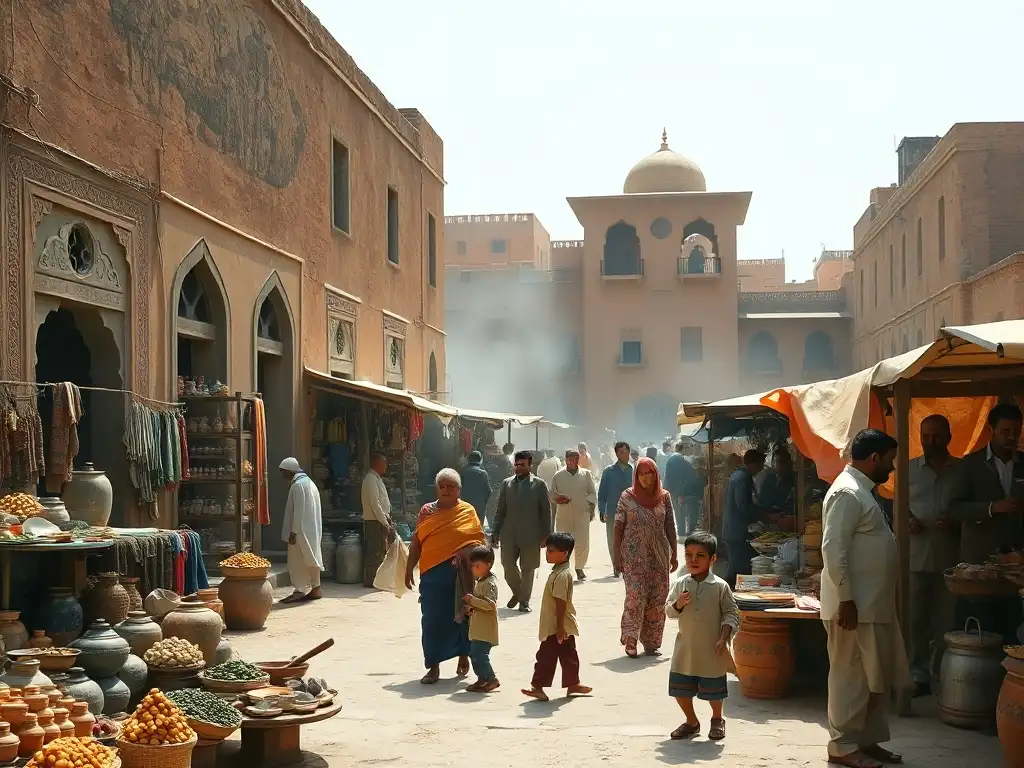
The economy of the Indus Valley local markets was inherently dynamic, influenced by various factors that contributed to both stability and instability. One of the significant challenges faced by these markets was economic fluctuations, which could arise from several sources, including agricultural yield, trade dynamics, and resource availability.
- Agricultural Dependency: The local markets relied heavily on agricultural produce, which was subject to seasonal variations and climatic conditions. A poor harvest due to droughts or floods could lead to a drastic reduction in the supply of goods. This not only increased prices but also caused a scarcity of essential items, affecting the overall market stability.
- Trade Networks: The Indus Valley Civilization maintained extensive trade networks with neighboring regions, including Mesopotamia and Central Asia. Disruptions in these trade routes, whether due to political strife or natural disasters, could lead to shortages of goods. This could create a ripple effect, impacting local economies and leading to fluctuations in market prices.
- Currency and Value Exchange: The use of standardized weights and measures in trade is well-documented; however, the value of goods could be subject to fluctuation based on demand and supply. For instance, if a particular commodity became scarce, its value would soar, leading to inflation in the local market, which could destabilize the economy.
Environmental Factors Affecting Trade
The environmental factors played a crucial role in shaping the trade dynamics of the Indus Valley local markets. The geography and climate of the region were both assets and liabilities to the economy.
- River Systems: The Indus River and its tributaries provided vital resources for agriculture and transportation. However, variations in river flow, such as changes in siltation or flooding, could disrupt trade routes. A significant flood could wash away markets or agricultural fields, leading to immediate economic downturns.
- Natural Resources: The availability of natural resources such as metals, gemstones, and raw materials was essential for production and trade. Areas rich in resources often thrived economically, but scarcity could lead to competition and conflict, affecting market operations. For example, a decline in copper availability could hinder the production of tools and trade items, impacting the overall local market economy.
- Climate Change: Long-term climatic changes could affect agricultural output and, consequently, market supply. Archaeological evidence suggests that shifts in monsoon patterns may have influenced agricultural productivity, leading to periods of economic stress. Such changes necessitated adaptability within local markets to cope with variable supplies and fluctuating prices.
The social issues within the Indus Valley Civilization also posed significant challenges to local market operations. Socioeconomic dynamics, class structures, and community interactions influenced market efficiency and stability.
- Class Disparities: The presence of distinct social classes could affect trade practices. Wealthier individuals may have had better access to goods and resources, leading to unequal market dynamics. This disparity could foster resentment among lower classes, potentially leading to social unrest, which would disrupt market activities.
- Cultural Practices: The diverse cultural practices within the Indus Valley also influenced market operations. Certain goods might have been favored over others based on cultural significance, leading to inconsistencies in demand. For instance, particular items used in religious ceremonies could see spikes in demand, causing fluctuations in prices.
- Community Relations: The cooperative nature of market activities relied heavily on community trust and relationships. Issues such as theft, fraud, or disputes could undermine this trust, leading to reluctance in trade and participation in local markets. Such social tensions could diminish market activity and affect the overall economy.
The economic landscape of the Indus Valley local markets was shaped by a complex interplay of economic fluctuations, environmental challenges, and social dynamics. Understanding these challenges provides valuable insights into how these markets operated and adapted to ensure the sustainability of the local economy.
Conclusion: Legacy of Indus Valley Local Markets
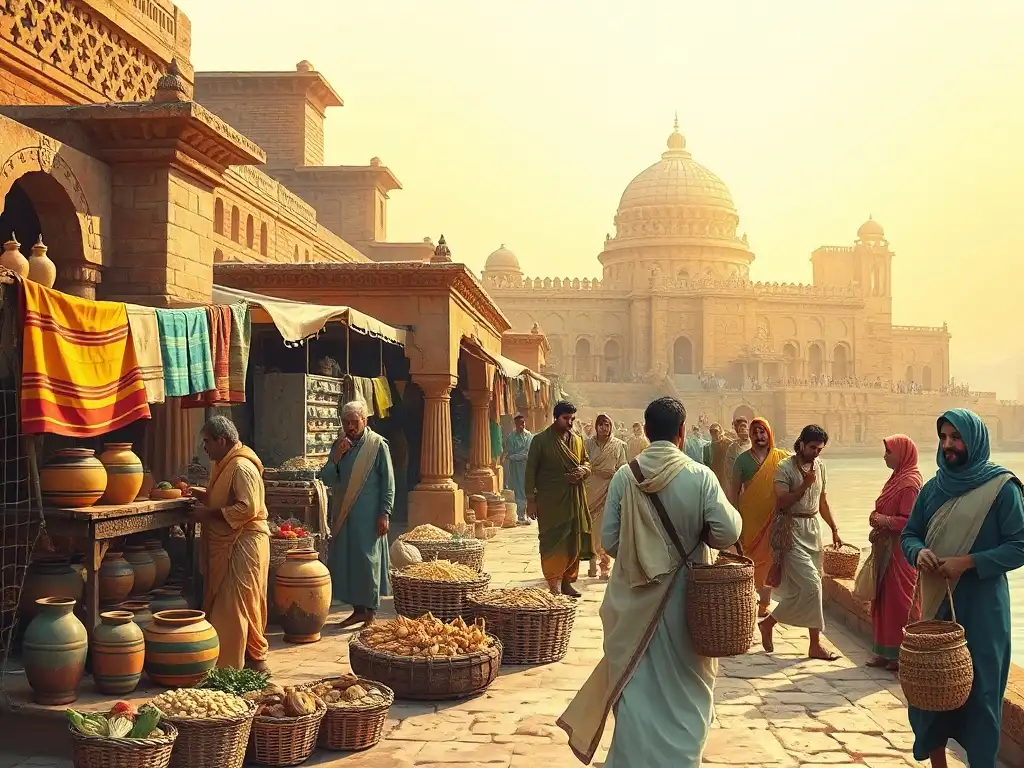
The local markets of the Indus Valley Civilization played a pivotal role in shaping the daily economy of its towns, leaving an enduring legacy that resonates throughout the annals of Indian history. These markets were not merely places for trade; they were vibrant hubs of social interaction, cultural exchange, and economic activities that reflected the sophistication of urban life in ancient India. The intricate organization of these markets, characterized by standardized weights and measures, advanced trade routes, and a diverse range of goods, laid the groundwork for subsequent economic systems in the region.
Lasting Impact on Subsequent Indian Economies
The influence of Indus Valley local markets on later Indian economies is profound and multifaceted. The practices established during this period can be identified in various aspects of subsequent economic systems:
- Trade Practices: The Indus Valley's emphasis on standardized metrics for trade paved the way for consistent and fair exchanges in later Indian markets. This practice evolved into more sophisticated systems, such as the use of coins and detailed accounting methods in subsequent civilizations, including the Mauryan and Gupta Empires.
- Urban Planning: The layout of Indus Valley towns, with their strategically placed markets, influenced urban planning in later cities. The concept of central marketplaces became a staple in the growth of urban centers across ancient India, showcasing the importance of commerce in societal development.
- Cultural Exchange: The diverse range of goods traded in Indus local markets, from textiles to beads, fostered a culture of exchange that transcended local boundaries. This intercultural interaction laid the foundation for the rich tapestry of Indian culture, influencing art, cuisine, and craftsmanship in subsequent periods.
The legacy of the Indus Valley local markets is evident in the continuity of trade practices, urban development, and cultural exchange that shaped the economies of later Indian civilizations.
Lessons from Indus Valley Local Markets for Modern Economies
As the modern world grapples with challenges in economic sustainability and community development, the lessons from the Indus Valley local markets remain relevant. Key takeaways include:
- Community-Centric Trade: The Indus markets were integral to community life, emphasizing the importance of local economies. Modern economies can learn from this by promoting local businesses and creating platforms that encourage community engagement and support.
- Sustainability Practices: The sustainable practices observed in the resource management of the Indus Valley—such as the efficient use of local materials—can inspire contemporary approaches to sustainability. Businesses today can adopt similar practices to minimize environmental impact.
- Cultural Integration: The cultural exchanges that occurred in Indus markets highlight the potential for diversity to enhance economic vitality. Modern economies can benefit from fostering inclusive environments that celebrate cultural diversity, driving innovation and collaboration.
The Indus Valley local markets economy is a testament to the ingenuity and foresight of ancient Indian civilizations. By understanding and applying the lessons from this era, modern economies can aim for a harmonious blend of tradition and innovation, ultimately fostering sustainable growth and community resilience.
Frequently Asked Questions
What were the primary goods traded in the Indus Valley local markets?
The Indus Valley local markets primarily traded in agricultural products, textiles, and crafts, showcasing the region's rich resources and skilled artisans.
How did the local markets influence the economy of Indus Valley towns?
The local markets served as crucial hubs for trade and commerce, enabling towns to thrive economically through the exchange of goods and fostering social interactions among residents.
What role did craftsmanship play in the Indus Valley economy?
Craftsmanship was vital to the Indus Valley economy, with artisans producing high-quality pottery, jewelry, and textiles that were not only used locally but also traded with other regions.
Were the Indus Valley local markets connected to other civilizations?
Yes, the Indus Valley local markets were part of an extensive trade network, connecting them with other ancient civilizations, facilitating the exchange of goods, culture, and ideas.
The local markets reflected a complex social structure, where various classes interacted, from affluent merchants to everyday farmers, highlighting the economy's diversity and social dynamics.
Final Reflection: The Enduring Legacy of Indus Valley Local Markets in Economic Development
The exploration of the Indus Valley local markets economy reveals a profound connection between ancient practices and contemporary economic systems. As we navigate the complexities of modern trade and commerce, it becomes increasingly clear that the foundational principles established in these early markets—community engagement, resource sharing, and localized trade—remain relevant today. The vibrancy of local markets in the Indus Valley not only shaped the daily lives of its inhabitants but also laid the groundwork for economic practices that continue to influence our societies.
The impact of these markets extends far beyond their historical context; they serve as a reminder of the importance of local economies in fostering community resilience and sustainability. The intricate networks of trade and social interaction that characterized the Indus Valley towns are echoed in today's movements toward supporting local businesses and prioritizing community-based economic models.
As noted by economic historian David Graeber, > “Markets are not just places of exchange; they are social institutions that reflect and shape the values of the communities they serve.” This observation underscores the ongoing relevance of the Indus Valley markets as a model for contemporary economic practices that prioritize human connection and local empowerment.
As we reflect on the lessons from the Indus Valley local markets economy, I invite you to consider how you can apply these insights in your own life. Think about the ways you can support local businesses, engage with your community, and contribute to a more sustainable economic future. By embracing the spirit of the Indus Valley markets, we can foster a sense of belonging and resilience in our own communities, ensuring that the legacy of these ancient economies continues to thrive in our modern world.
Revitalize Your Understanding of Indus Valley Economies!
Thank you for diving into the fascinating world of local markets in the Indus Valley! You've uncovered the essence of how these vibrant hubs shaped daily life and trade during ancient times. Now, it’s time to take that knowledge further!
Here are a few actionable steps you can take:
- Explore local markets in your area—connect with vendors and learn about their products, much like the traders of the Indus Valley.
- Share your insights on social media or with friends— let’s spread the word about the significance of local economies, both ancient and modern!
- Consider visiting a historical exhibit or reading a book on ancient trade systems to delve deeper into the connections between the past and present.
What intriguing aspects of local markets do you think could still influence our economies today? Share your thoughts below!