
The Legacy of the Maurya Empire in Modern Indian Education: Key Influencers

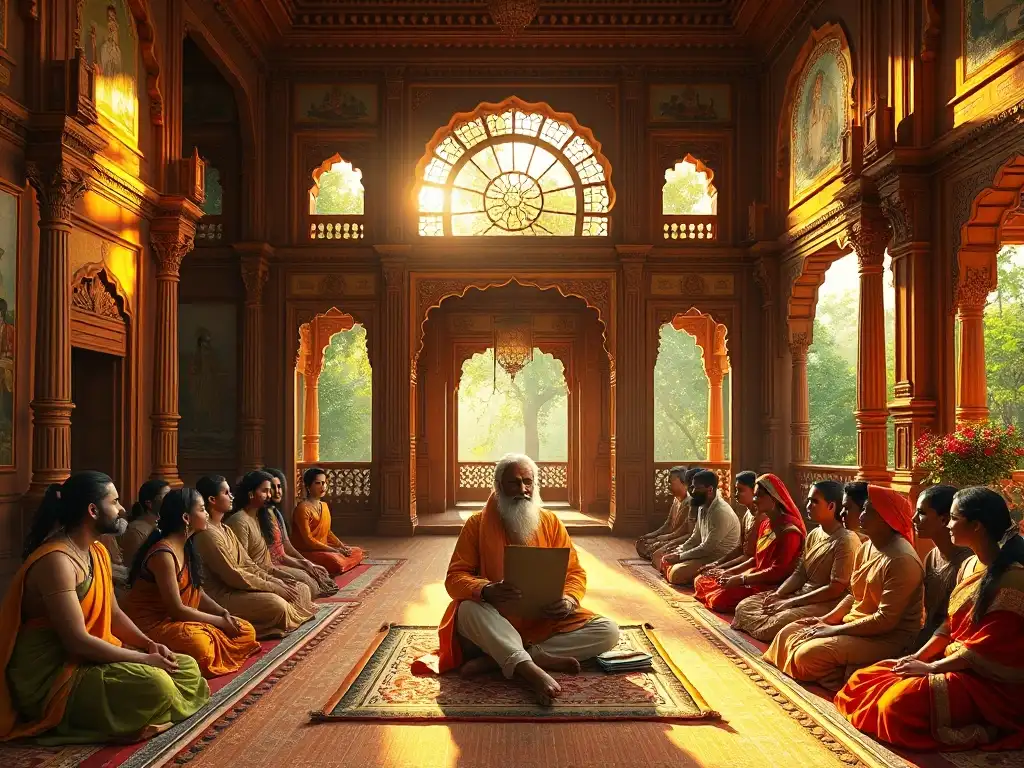
Welcome to Ancient India History, where we embark on a fascinating journey through the rich tapestry of ancient Indian civilizations. Today, we delve into the profound impact of the Maurya Empire on modern education, unveiling how its legacy continues to shape the learning landscape in India. Curious about the key influencers who laid the groundwork for educational practices that resonate even today? Join us as we explore this captivating chapter of history and uncover the threads that connect past wisdom with contemporary knowledge. Your adventure into the depths of ancient wisdom and its lasting influence starts here!
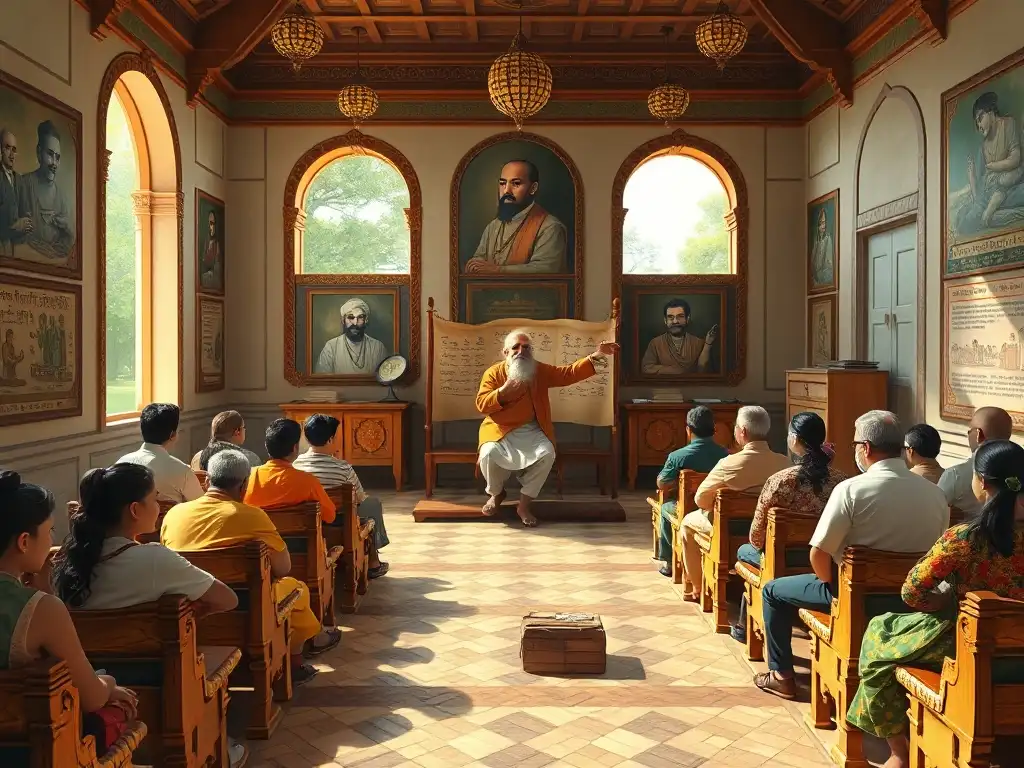
Introduction to the Maurya Empire Education Influence
The Maurya Empire, which thrived from 322 to 185 BCE, stands as a monumental chapter in the history of ancient India, renowned for its vast territorial expanse and remarkable governance. One of its most significant contributions to Indian society is its profound influence on education, a legacy that continues to resonate in modern Indian educational systems.
The empire, under the leadership of notable rulers like Chandragupta Maurya and his grandson Ashoka, fostered an environment where education was not just a privilege for the elite but a fundamental aspect of societal development. This article explores the intricate ways in which the Maurya Empire's educational philosophies and practices have shaped contemporary educational frameworks in India, highlighting key figures and influencers who played a pivotal role in this evolution.
Historical Context of Education during the Maurya Empire
During the Maurya Empire, education was characterized by a blend of traditional methods and innovative approaches. The educational landscape was heavily influenced by earlier traditions, particularly those established during the Vedic period, but the Mauryan rule introduced significant enhancements that broadened access and enriched the curriculum.
- Centers of Learning: The Maurya Empire is credited with establishing prominent centers of learning, such as Taxila and Nalanda, which attracted students from various regions, including Persia and Greece. These institutions provided a wide range of subjects, including philosophy, medicine, mathematics, and the arts, laying the groundwork for a more structured educational system.
- Curriculum and Teaching Methods: Education during this period emphasized not only rote learning but also critical thinking and debate. Teachers, known as gurus, played a crucial role in imparting knowledge, often using discussions and practical applications to engage students. The curriculum was diverse, covering both secular and spiritual topics, reflecting the rich tapestry of Mauryan society.
- Influence of Ashoka: Emperor Ashoka, particularly, championed education as part of his broader vision of governance. He promoted the spread of knowledge as a means of fostering moral and ethical values, which significantly influenced the educational ethos of the time. His edicts often emphasized the importance of learning and the pursuit of wisdom, setting a precedent for future generations.
- Inclusivity in Education: One of the distinguishing features of Maurya education was its relative inclusivity. While the Brahmins and Kshatriyas traditionally dominated educational spheres, the Mauryan era saw increased participation from other varnas (social classes), particularly with the rise of the Vaishyas in learning institutions, making education more accessible to a broader segment of society.
The legacy of the Maurya Empire in the realm of education is a testament to its visionary leadership and commitment to knowledge dissemination. Understanding this historical context is crucial for appreciating how these early influences have shaped the contemporary educational landscape in India.
Key Figures of the Maurya Empire and Their Educational Contributions
The Maurya Empire, which flourished from 322 to 185 BCE, was pivotal in shaping the educational landscape of ancient India. Several key figures during this period made significant contributions that continue to impact modern Indian education. Their ideologies, governance, and scholarly pursuits laid the groundwork for educational practices that resonate even today. By promoting a culture of learning, these leaders emphasized the importance of education in governance and society.
Chandragupta Maurya: The Visionary Leader
Chandragupta Maurya, the founder of the Maurya Empire, was a visionary leader whose policies laid the foundation for a structured educational system. His reign marked a transition from fragmented regional governance to a centralized administration, which facilitated the establishment of educational institutions.
- Promotion of Knowledge: Chandragupta understood that education was crucial for effective governance. He encouraged the establishment of universities and centers of learning, ensuring that knowledge was accessible to various strata of society.
- Support for Scholars: He attracted scholars to his court, fostering an environment where philosophical and scientific discussions could thrive. This not only enhanced the intellectual climate of the time but also emphasized the role of education in governance.
- Cultural Exchange: Chandragupta's policies facilitated cultural exchanges through trade routes, allowing diverse ideas and educational practices to flow into his empire, enriching the local educational landscape.
Ashoka the Great: The Patron of Learning
Ashoka, the grandson of Chandragupta, is often regarded as one of the greatest emperors in Indian history. His reign was marked by a profound commitment to spreading knowledge and moral education.
- Buddhist Education: After his conversion to Buddhism, Ashoka became a patron of Buddhist learning. He established monasteries and stupas that served as centers for education, where monks taught philosophy, ethics, and the principles of Buddhism.
- Edicts of Ashoka: His edicts, inscribed on pillars across the empire, communicated values such as non-violence, compassion, and respect for all beings. These inscriptions also emphasized the importance of education in cultivating a moral society.
- International Influence: Ashoka's commitment to education and ethical governance influenced neighboring regions, leading to the spread of Buddhist learning and practices across Asia, which in turn impacted educational methodologies in various cultures.
Kautilya (Chanakya): The Scholar and Strategist
Kautilya, also known as Chanakya, was a philosopher, economist, and political strategist who played a crucial role in the establishment of the Maurya Empire. His contributions to education and governance are invaluable.
- Arthashastra: Kautilya authored the famed treatise "Arthashastra," which covers various aspects of statecraft, economics, and military strategy. This text serves not only as a guide for rulers but also as an essential resource for students of political science and economics.
- Educational Institutions: He advocated for the establishment of universities that focused on diverse subjects, including philosophy, governance, and mathematics. His vision for education emphasized practical knowledge that could be applied in governance and society.
- Mentorship: As a mentor to Chandragupta Maurya, Kautilya underscored the importance of education in leadership. His teachings influenced generations of rulers and scholars, promoting a culture of learning that persisted long after the decline of the Maurya Empire.
The Influence of Maurya Empire Education on Modern Indian Educational Practices
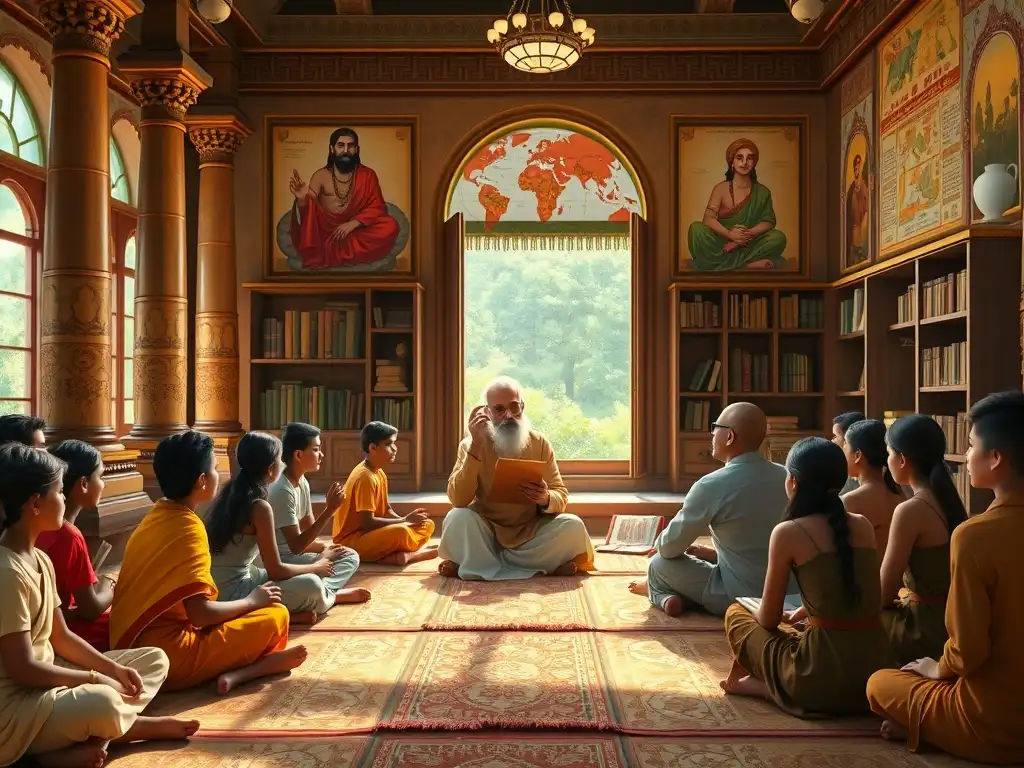
The legacy of the Maurya Empire extends into modern Indian education, with many practices and philosophies rooted in the educational principles established during this period.
Continuity of Educational Traditions
The educational traditions initiated by the Maurya Empire have shown remarkable continuity throughout Indian history.
- Institutional Framework: The concept of structured educational institutions, similar to the universities of the Maurya period, continues to exist in modern India. Universities like Nalanda and Takshashila, which were prominent during the Maurya period, set a precedent for academic excellence that modern institutions strive to emulate.
- Curriculum Development: The diverse curriculum that included philosophy, science, and arts during the Maurya Empire has influenced contemporary educational curricula. The emphasis on a well-rounded education can be traced back to this era, promoting critical thinking and holistic development.
Educational Philosophies Derived from Maurya Ideals
The philosophies underpinning education during the Maurya Empire have significantly shaped modern educational ideologies.
- Moral and Ethical Education: The focus on moral education, as seen in Ashoka’s edicts, resonates in modern educational frameworks that prioritize character development and ethical reasoning alongside academic achievement.
- Pragmatic Learning: Kautilya’s emphasis on practical knowledge and its application in governance has influenced vocational and technical education in contemporary India, where skills training is increasingly recognized as vital for economic development.
Through these key figures and their educational contributions, the Maurya Empire has left an indelible mark on the educational landscape of modern India, highlighting the enduring relevance of ancient wisdom in today's learning environments.
Conclusion: The Enduring Legacy of the Maurya Empire in Education
The Maurya Empire, flourishing from 322 to 185 BCE, laid a significant foundation for educational practices that continue to resonate in modern India. This legacy is characterized by the establishment of structured education systems, emphasis on literacy, and the pursuit of knowledge across diverse fields. Institutions like Takshashila (Taxila) became renowned centers of learning, attracting scholars from various regions and fostering an environment where critical thinking and philosophical inquiry were encouraged.
One of the most notable aspects of the Maurya Empire's influence on education is the promotion of Sanskrit as a language of scholarship and administration. This not only facilitated the preservation of knowledge but also cultivated a rich literary tradition that informed subsequent generations. The philosophical and ethical teachings of figures like Chanakya further enriched the educational landscape, melding practical wisdom with scholarly pursuits.
In contemporary India, the echoes of this educational legacy are evident in modern institutions that prioritize holistic development, ethics, and intellectual rigor. The Mauryan emphasis on education as a means to empower individuals and society remains a guiding principle, reflecting an enduring commitment to learning and enlightenment. Thus, the Maurya Empire's contributions to education continue to shape the educational philosophy and practices in India today, serving as a testament to its lasting impact.
Further Reading on Maurya Empire Education Influence
To delve deeper into the educational influence of the Maurya Empire, readers can explore a variety of resources that provide insights into its educational structures, key figures, and philosophical foundations. Some recommended readings include:
- "The History of Ancient India" by Romila Thapar - This book provides a comprehensive overview of ancient Indian civilizations, including the educational practices during the Maurya Empire.
- "Chanakya: The Prince of Political Strategists" by Radhakrishnan Pillai: - A closer examination of Chanakya's contributions to education and governance, highlighting his enduring influence.
- "Taxila: The First University of the World" by Shereen Bhan: - An exploration of the significance of Takshashila as an educational center and its role in shaping the intellectual landscape of ancient India.
- "The Mauryan Empire" by John Keay - This book offers a detailed account of the Maurya Empire's political, social, and educational frameworks.
- Academic Journals and Articles - Various scholarly articles focus on specific aspects of education during the Maurya Empire, available through university databases.
These resources will provide a deeper understanding of how the Maurya Empire's educational innovations continue to influence modern education in India and beyond.
- Introduction to the Maurya Empire Education Influence
- Historical Context of Education during the Maurya Empire
- Key Figures of the Maurya Empire and Their Educational Contributions
- The Influence of Maurya Empire Education on Modern Indian Educational Practices
- Conclusion: The Enduring Legacy of the Maurya Empire in Education
- Further Reading on Maurya Empire Education Influence
- What was the significance of the Maurya Empire in ancient Indian education?
- How did the Maurya Empire influence the education system in modern India?
- Who were the key influencers of education during the Maurya Empire?
- What are some educational institutions established during the Maurya Empire?
- How does the Maurya Empire's approach to education compare to other ancient civilizations?
Frequently Asked Questions
What was the significance of the Maurya Empire in ancient Indian education?
The Maurya Empire played a crucial role in shaping educational practices by promoting scholarship and establishing institutions that laid the groundwork for future learning.
How did the Maurya Empire influence the education system in modern India?
The education system in modern India reflects principles from the Maurya Empire, such as the emphasis on philosophy, science, and public accessibility to education.
Who were the key influencers of education during the Maurya Empire?
Prominent figures like Chanakya contributed to educational reforms, focusing on political science, economics, and administration, which influenced future generations.
What are some educational institutions established during the Maurya Empire?
The Maurya Empire is known for establishing Nalanda and other centers of learning that attracted scholars and students from across the region, fostering intellectual exchange.
How does the Maurya Empire's approach to education compare to other ancient civilizations?
Unlike many ancient civilizations, the Maurya Empire emphasized systematic education and curriculum development, creating a more structured approach to learning that influenced future educational models.
Final Reflection: The Enduring Influence of the Maurya Empire on Modern Education
The legacy of the Maurya Empire continues to resonate profoundly in contemporary Indian education, illustrating how historical frameworks can shape modern learning paradigms. The educational philosophies and administrative innovations introduced during this era laid foundational principles that still guide educational practices today. As we navigate an increasingly complex world, understanding these historical influences becomes crucial in fostering a more enriched learning environment.
The impact of the Maurya Empire on education is not just a relic of the past; it is a living thread woven into the fabric of our cultural and social landscape. The emphasis on knowledge, ethics, and governance established by figures like Chanakya has inspired generations of educators and learners alike. As we reflect on this, we can appreciate the words of Mahatma Gandhi, who said, Live as if you were to die tomorrow. Learn as if you were to live forever.
This sentiment echoes the Mauryan commitment to lifelong learning and the pursuit of knowledge, reminding us of the importance of education in shaping our identities and societies.
As we look to the future, I invite you to consider how the principles derived from the Maurya Empire can inform your own educational journey. Reflect on the values of wisdom, ethics, and community that were central to this great empire, and think about how you can embody these ideals in your own life.
Whether you are a student, educator, or lifelong learner, let the lessons of the past inspire you to create a more thoughtful and impactful educational experience for yourself and those around you. Embrace the legacy of the Maurya Empire and become an agent of positive change in the world of education.
Embrace the Legacy: Shape the Future of Education Today!
Thank you for exploring the profound impact of the Maurya Empire on modern Indian education. You've uncovered valuable insights into how historical influences continue to shape our learning systems. Now, it’s time to take that awareness and translate it into action!
Here are some powerful steps you can take to honor this legacy and contribute to the ongoing evolution of education:
- Engage with local educational initiatives that celebrate the teachings of ancient scholars. Volunteer your time or resources to help these programs thrive!
- Share your knowledge about the Maurya Empire’s contributions on social media. Start conversations with friends and family to spark interest and pride in our rich heritage.
- Explore further: Visit museums, attend lectures, or read literature that delves deeper into the intersection of ancient wisdom and contemporary education.
What aspects of the Maurya Empire do you believe should be integrated into today’s educational practices? We invite you to share your thoughts!