
The Indus Valley Script: Mysteries and Discoveries of Ancient Communication

Welcome to Ancient India History, where we embark on a fascinating journey through the rich tapestry of India's past. Are you ready to uncover the enigmatic secrets of the Indus Valley script? In our latest article, "The Indus Valley Script: Mysteries and Discoveries of Ancient Communication," we delve deep into the mysterious inscriptions that have puzzled scholars for centuries. Join us as we explore the complexities of this ancient writing system, shedding light on its significance within the broader context of India's remarkable civilizations. Prepare to be intrigued and inspired as you uncover the stories waiting to be told!
The Indus Valley Script stands as one of the most intriguing enigmas of ancient communication, encapsulating the rich tapestry of one of India's earliest civilizations. Dating back to approximately 2600–1900 BCE, this unique script emerged from the Indus Valley Civilization, which thrived in what is now modern-day Pakistan and northwest India. Despite its significance, the Indus Valley Script remains largely undeciphered, leading to a multitude of theories and speculations regarding its language and purpose.
Understanding the mysteries surrounding this script not only sheds light on the linguistic capabilities of the Indus Valley inhabitants but also enhances our comprehension of their culture, trade, and societal structure. The script appears on various seals, pottery, and inscriptions, suggesting that writing was an integral part of their daily life and commerce. This article delves into the ongoing discoveries and scholarly debates surrounding the Indus Valley script, exploring the implications of these findings on our understanding of ancient communication and the civilization itself.
As we navigate through the complexities of the Indus Valley script, we will uncover the various interpretations, the challenges faced by epigraphists, and the significance of these inscriptions in the broader context of ancient Indian history. Join us as we embark on this journey to unravel the mysteries of a forgotten language that holds the key to deciphering the past.
- Introduction to the Indus Valley Script
- The Mysteries Surrounding the Indus Valley Script
- Discoveries Related to the Indus Valley Script
- Theories and Interpretations of the Indus Valley Script
- Cultural Implications of the Indus Valley Script
- Challenges in Deciphering the Indus Valley Script
- Conclusion: The Ongoing Journey of Discovery
- References
- Frequently Asked Questions
- Final Reflection: Unraveling the Mysteries of the Indus Valley Script
- Unveil the Secrets of Ancient Communication!
Introduction to the Indus Valley Script
The Indus Valley script, an enigmatic form of writing associated with one of the world's earliest urban civilizations, remains a subject of intense research and intrigue. This script, primarily found on seals, pottery, and other artifacts from the Indus Valley Civilization (IVC), reflects the sophisticated communication methods that existed around 2500 BCE. Despite numerous attempts to decipher it, the Indus Valley script mysteries continue to puzzle linguists and archaeologists alike, leading to various theories about its purpose, structure, and connection to other ancient writing systems.
Overview of the Indus Valley Civilization
The Indus Valley Civilization, flourishing between 3300 and 1300 BCE, encompassed a vast area that included present-day Pakistan and northwest India. This civilization is renowned for its advanced urban planning, architecture, and societal organization. Key cities such as Harappa and Mohenjo-Daro showcased remarkable engineering skills, with well-planned streets, drainage systems, and standardized weights and measures.
The script itself, comprised of approximately 400 unique symbols, appears predominantly on seals used for trade and administrative purposes. The context in which these symbols were used suggests that they played a crucial role in economic transactions and possibly even in religious or ceremonial activities. Here are some notable features of the Indus Valley Civilization:
- Urban Infrastructure: Advanced city planning and public sanitation systems.
- Trade Networks: Extensive trade links with Mesopotamia and other regions.
- Craftsmanship: Flourishing arts and crafts, including bead-making and metallurgy.
Importance of Communication in Ancient Cultures
Communication is a cornerstone of any civilization, serving as a means to share knowledge, maintain social order, and foster trade. In ancient cultures, the development of writing systems marked a significant milestone in human history. These systems enabled societies to record transactions, codify laws, and transmit cultural knowledge across generations.
The Indus Valley script is particularly significant as it represents one of the earliest forms of written communication. It underscores the complexity of the IVC's social structure and its capacity for economic management. Understanding how the Indus Valley script functioned within its culture can provide insights into the daily lives of its people, their beliefs, and their interactions with neighboring civilizations.
The Role of Indus Valley Script in Historical Studies
The Indus Valley script plays a pivotal role in historical studies related to the IVC and the broader context of ancient Indian history. Its undeciphered nature fuels ongoing research, with scholars employing various methodologies to unlock its secrets. Here are some of the key aspects of its role in historical studies:
- Cultural Insights: The script may offer clues about the social, religious, and economic activities of the Indus Valley Civilization.
- Comparative Studies: Researchers often compare the Indus Valley script with contemporary scripts, such as cuneiform from Mesopotamia and hieroglyphics from Egypt, to explore possible interactions or influences.
- Technological Advances: The study of the script can lead to advancements in digital humanities, including the development of algorithms for pattern recognition and analysis.
Despite the ongoing challenges in deciphering the Indus Valley script, its study remains a vital area of research, promising to enhance our understanding of ancient communication and the complexities of the IVC. The mysteries surrounding this ancient writing system continue to inspire scholars and enthusiasts, making it a fascinating subject within the broader narrative of human history.
The Mysteries Surrounding the Indus Valley Script
The Indus Valley script is one of the most intriguing aspects of ancient Indian history, representing an enigmatic form of communication used by one of the world’s earliest urban civilizations. Despite extensive research, many mysteries still shroud this script, fueling debates among scholars and historians.
The script, found on numerous seals, pottery, and other artifacts, has yet to be deciphered, leading to various theories regarding its purpose, nature, and linguistic characteristics. The ongoing quest to unlock the secrets of the Indus Valley script not only reflects the challenges of understanding ancient languages but also raises questions about the socio-cultural dynamics of the Indus Valley Civilization itself.
Unresolved Questions about Indus Valley Script Mysteries
The most pressing unresolved questions regarding the Indus Valley script include:
- Decipherment: Why has the script remained undeciphered despite numerous attempts? Scholars have proposed various theories about its language family, but none have proven conclusive. The absence of a bilingual inscription, akin to the Rosetta Stone, complicates efforts.
- Linguistic Features: What are the linguistic features of the Indus Valley script? Is it a single language or a collection of dialects? The variability in the length of inscriptions and the presence of both short and long sequences suggest a complex linguistic structure.
- Cultural Context: What cultural contexts influenced the development of the script? Understanding the socio-economic and political factors of the Indus Valley Civilization may provide insights into the script's usage and significance.
- Extent of Usage: How widespread was the use of the Indus Valley script? While many artifacts have been discovered, it remains unclear whether the script was used across the entire civilization or localized to specific regions.
These unresolved questions indicate a rich field for further research and highlight the significance of the Indus Valley script in understanding ancient communication methods.
The Nature of the Script: Pictographic or Phonetic?
The classification of the Indus Valley script has been a topic of intense debate among scholars. Two primary theories have emerged:
- Pictographic Nature: Some researchers argue that the script is primarily pictographic, utilizing symbols that represent objects or concepts. This interpretation suggests that the script functioned similarly to early forms of writing found in other civilizations, such as Sumerian cuneiform.
- Phonetic Structure: Conversely, other scholars propose that the Indus Valley script may possess phonetic elements, indicating a more advanced form of communication. If this theory holds true, it could imply that the script was capable of representing sounds and words rather than just images.
To further complicate the matter, some artifacts display a combination of both pictographic and phonetic characteristics, indicating that the script may have evolved over time or served multiple purposes. The ongoing analysis of inscriptions, including their frequency and context, continues to shed light on the nature of this ancient script.
The Context of Indus Valley Script Usage
Understanding the context in which the Indus Valley script was used is crucial for unraveling its mysteries. Key aspects of this context include:
- Artifacts: The script predominantly appears on seals, pottery, and tablets, suggesting its primary function may have been administrative or commercial. Seals, often used in trade, indicate that the script could have served as a form of identification for merchants.
- Location: The geographic distribution of artifacts bearing the script varied across major urban centers like Mohenjo-Daro and Harappa. This distribution hints at the script's regional significance and its role in facilitating communication across vast trade networks.
- Cultural Significance: The presence of the script within religious or ceremonial contexts raises questions about its role in social stratification and cultural practices. The potential association of certain symbols with deities or rituals may suggest a deeper, symbolic meaning behind the script.
- Temporal Evolution: Evidence suggests that the Indus Valley script may have changed over time, reflecting the civilization's evolution. Analyzing the chronological development of inscriptions could provide insights into the socio-political changes occurring within the Indus Valley Civilization.
The context of the Indus Valley script usage reveals a multifaceted approach to communication that intertwines trade, culture, and administration, further deepening the mysteries surrounding its true nature and purpose.
The Indus Valley script, an enigmatic form of writing used by one of the world's earliest urban civilizations, continues to pique the interest of researchers and historians. Numerous discoveries have shed light on this ancient system of communication, revealing insights into the society that utilized it.
Archaeological Findings: Sites and Artifacts
The exploration of the Indus Valley region has led to the unearthing of significant archaeological sites and artifacts that provide context to the Indus Valley script. Notable sites include:
- Harappa: One of the two primary cities of the Indus Valley Civilization, Harappa has yielded numerous seals and inscriptions. The most famous artifact is the Harappan seal featuring the script surrounded by intricate animal motifs.
- Mohenjo-Daro: This site is known for its sophisticated urban planning and extensive drainage system. Here, several inscribed objects have been found, including small tablets, pottery, and seals, all bearing the Indus Valley script.
- Dholavira: A relatively recent discovery, Dholavira has provided additional context to the script through its unique water conservation systems and inscriptions carved in stone, which are considered crucial for understanding the civilization’s administrative capabilities.
These archaeological findings highlight not only the prevalence of the Indus Valley script but also its connection to various aspects of daily life, trade, and governance in ancient society.
Major Discoveries and Their Significance
Several major discoveries have advanced our understanding of the Indus Valley script and its implications for ancient societies:
- The Seals of Indus Valley: The seals serve as one of the most significant sources of the Indus Valley script and often depict animals alongside inscriptions. They were likely used for trade and administrative purposes, suggesting a complex economic system.
- Inscribed Pottery: Various pottery fragments with inscriptions have been discovered, indicating the script's use in domestic settings. These findings imply that writing was not solely reserved for official or ceremonial purposes.
- The Great Bath of Mohenjo-Daro: Although not directly related to the script, the Great Bath’s proximity to various inscribed objects suggests that communal and ritualistic practices might have been documented.
The significance of these discoveries lies in the fact that they provide a glimpse into the economic, social, and cultural fabric of the Indus Valley Civilization, offering a more nuanced understanding of its people and their communication methods.
The Role of Inscriptions in Understanding Ancient Society
Inscriptions play a crucial role in deciphering the complexities of ancient societies, particularly in the context of the Indus Valley Civilization. They serve various functions:
- Administrative Communication: The presence of inscriptions on seals indicates a structured administrative system. This suggests that there were likely record-keeping practices that facilitated trade and governance.
- Cultural Significance: The motifs accompanying the script offer insights into the values and beliefs of the Indus Valley people. For instance, depictions of animals may reflect totemic practices or relationships with nature.
- Linguistic Insights: While the script remains undeciphered, the frequency and context of inscriptions provide clues about the language structure and possibly even the phonetics of the ancient language.
Through these inscriptions, scholars can piece together aspects of daily life, social structure, and cultural practices, contributing to a broader understanding of how the Indus Valley Civilization functioned and thrived.
The discoveries related to the Indus Valley script are crucial for unraveling the mysteries surrounding this ancient writing system. The ongoing research and findings continue to enrich our knowledge of one of humanity's earliest urban cultures.
Theories and Interpretations of the Indus Valley Script
The Indus Valley script, a collection of symbols found on seals, pottery, and other artifacts of the ancient Indus Valley Civilization, remains one of the most intriguing enigmas of ancient communication. Despite extensive studies, the script has resisted definitive decipherment, leading scholars to propose various theories and interpretations regarding its linguistic nature, functional role, and relationship with other ancient writing systems.
Linguistic Theories: Decipherment Attempts
Numerous attempts have been made to decipher the Indus Valley script, with scholars proposing linguistic theories that range from it being a form of proto-writing to a fully developed script. Early efforts in the 19th and 20th centuries, such as those by Sir John Marshall and more recently by scholars like Iravatham Mahadevan, focused on identifying potential phonetic elements within the symbols.
- Phonetic and Syllabic Theories
- Phonetic Approach: Some researchers argue that the script represents a phonetic language, akin to modern alphabetic systems. They suggest that certain symbols may correspond to specific sounds, similar to how letters function in contemporary scripts.
- Syllabic Approach: Other scholars contend that the script is syllabic, wherein each symbol represents a syllable rather than a single phoneme. This theory is supported by the presence of repeated symbols, suggesting a phonological structure.
- Logographic Theories
- This theory posits that the Indus Valley script might be logographic, where symbols represent words or concepts rather than sounds. Proponents of this view highlight the symbolic complexity and the potential for conveying abstract ideas, drawing parallels with other ancient logographic systems like Sumerian cuneiform.
- Challenges in Decipherment
- A major challenge is the limited number of inscriptions and their short length, which hampers statistical analysis. The lack of a bilingual text, akin to the Rosetta Stone for Egyptian hieroglyphs, further complicates efforts for decipherment. Current estimates suggest there are around 400 distinct symbols, but their combinations create an overwhelming number of potential meanings.
The Role of Epigraphy in Analyzing the Script
Epigraphy, the study of inscriptions, plays a crucial role in the analysis of the Indus Valley script. Through the careful examination of the artifacts on which these inscriptions appear, epigraphists can glean insights into the cultural and functional aspects of the script.
- Contextual Analysis: Understanding the context in which the script was used is vital. Inscriptions found on seals often suggest commercial or administrative functions, indicating that the script may have served practical purposes such as trade documentation or ownership marking.
- Material and Techniques: The materials used for inscriptions (like steatite, terracotta, and metal), along with the techniques employed (such as carving and incising), provide clues about the technology and artistry of the civilization. The seals, often featuring animal motifs alongside script, offer a glimpse into the symbolic significance of writing in Indus society.
- Statistical Methods: Recent advances in digital epigraphy have allowed researchers to employ statistical methods to analyze patterns in the script. These techniques can help identify recurrent sequences of symbols, potentially leading to a better understanding of their linguistic structure.
Comparisons with Other Ancient Scripts
To gain a more comprehensive understanding of the Indus Valley script, scholars often compare it with other ancient writing systems, such as Mesopotamian cuneiform, Egyptian hieroglyphs, and the Chinese script. These comparisons can illuminate possible origins or influences.
- Cuneiform
- The development of cuneiform from pictographs to a more abstract script serves as a parallel to the potential evolution of the Indus Valley script. Both systems show evidence of adapting to complex administrative needs, though the Indus symbols have yet to demonstrate a similar evolutionary trajectory.
- Hieroglyphs
- Egyptian hieroglyphs provide a fascinating contrast, as they combine logographic and phonetic elements. This dual nature raises the question of whether the Indus Valley script could also encompass multiple writing modalities, though clear evidence remains elusive.
- Chinese Script
- The Chinese writing system, with its logographic foundation, offers insights into how societies may convey complex ideas through symbols. This comparison highlights the potential for varied linguistic expressions within a similar cultural context, though significant differences in structure and usage exist.
The Indus Valley script continues to captivate researchers and historians. Despite ongoing mysteries surrounding its precise nature and function, the various theories and interpretations reflect a vibrant scholarly discourse that deepens our understanding of ancient communication. The interplay of linguistic theories, epigraphic analysis, and comparative studies provides a multifaceted approach to this ancient enigma, inviting further exploration and discovery.
Cultural Implications of the Indus Valley Script
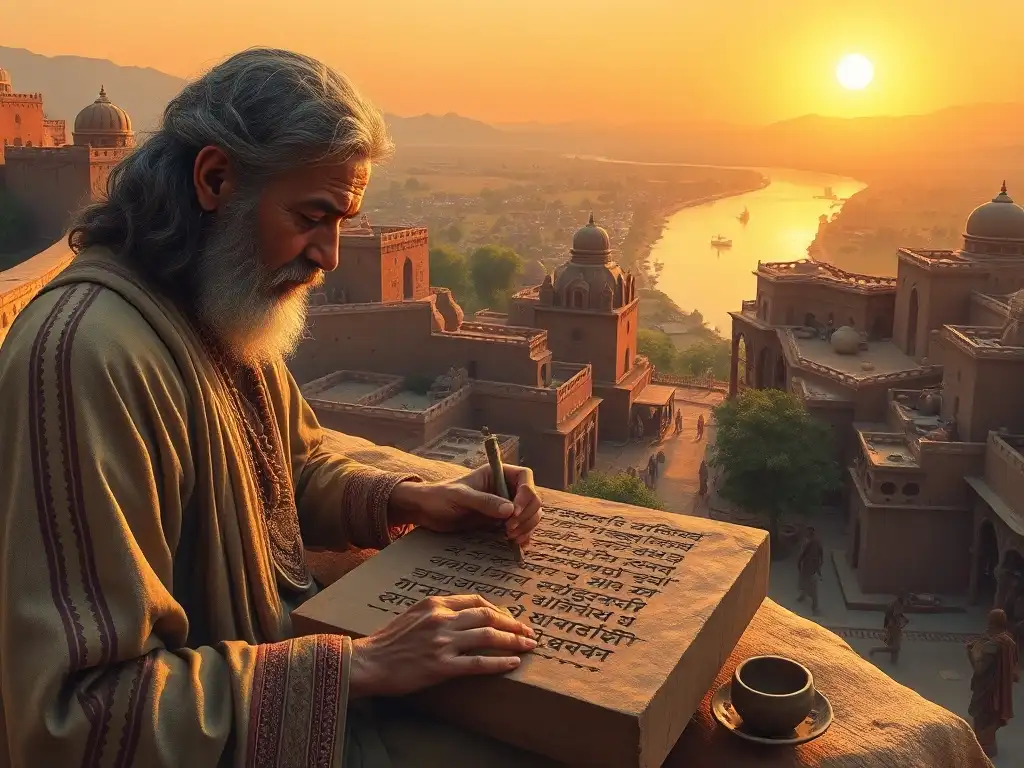
The Indus Valley script remains one of the most intriguing elements of ancient Indian history, providing insights into the cultural dynamics of the civilization that thrived around 2500 BCE. Despite its undeciphered nature, this script sheds light on various aspects of the society, economy, and religious practices of the people of the Indus Valley.
Insights into the Society and Economy of the Indus Valley Civilization
The Indus Valley Civilization (IVC) was marked by advanced urban planning, which is reflected in the artifacts associated with the Indus Valley script. Archaeologists have unearthed numerous seals, pottery, and inscriptions that indicate a complex society with established trade networks. The presence of the script on seals suggests that it may have served as a form of branding or authentication for goods, thus playing a crucial role in economic transactions.
- Trade Relations: The IVC engaged in extensive trade with neighboring regions, evident from the discovery of Indus seals in Mesopotamia. These seals often bear the script, implying their use in commercial activities. The script might have included information about the goods, their origin, or even the merchants involved in trade.
- Social Hierarchy: The prevalence of the script on public and private artifacts indicates a degree of literacy among the elite. It is likely that scribes or a specialized class of individuals managed the writing system, suggesting a stratified society where knowledge and communication were valuable resources.
- Urban Centers: Major cities like Harappa and Mohenjo-Daro exhibit a high degree of urban planning and organization. The script found on various objects may provide clues about city governance or administrative functions, hinting at a well-structured political system.
Religious and Ritualistic Significance of the Script
The Indus Valley script is believed to hold religious and ritualistic significance, as evidenced by its appearance on numerous seals depicting animals, deities, and symbolic motifs.
- Symbolism in Seals: Many seals feature images of animals, such as unicorns and bulls, alongside script. These symbols likely held religious connotations, possibly representing deities or spiritual beliefs. The presence of the script next to these images may indicate offerings, rituals, or prayers.
- Ritual Practices: The use of the script in ritualistic contexts can be inferred from its association with specific artifacts. Some seals have been found in locations that suggest they were part of ceremonial practices. The script could have been used to record hymns, prayers, or instructions for rituals, emphasizing its role in the spiritual life of the Indus people.
- Cultural Identity: The continued use of specific symbols and motifs alongside the script may have contributed to a shared cultural identity among the inhabitants of the IVC. These inscriptions could have reinforced community ties and collective beliefs, highlighting the importance of communication in maintaining cultural continuity.
The Influence of the Indus Valley Script on Later Indian Inscriptions
The legacy of the Indus Valley script extends beyond its time, influencing later inscriptions and writing systems in the Indian subcontinent.
- Continuity of Symbolism: Certain symbols and motifs found in the Indus Valley script can be traced in later Indian scripts, indicating a possible continuity of cultural and religious themes. This phenomenon suggests that the Indus Valley Civilization may have laid the groundwork for subsequent writing traditions.
- Evolution of Scripts: The undeciphered nature of the Indus Valley script poses challenges, yet scholars speculate its influence on Brahmi and other ancient scripts. The similarities in certain characters hint at a potential evolution of writing systems inspired by the Indus Valley.
- Historical Significance: Understanding the Indus Valley script is crucial for comprehending the broader narrative of ancient Indian history. Its mysteries continue to intrigue researchers, as deciphering its meanings may unlock further insights into the socio-cultural dynamics of ancient India and its impact on future civilizations.
The Indus Valley script encapsulates the complexities of an ancient civilization. Its cultural implications reveal much about the society, economy, and religious practices of the IVC, while its influence on later inscriptions underscores its historical significance. The ongoing study of the Indus Valley script remains a vital avenue for understanding the rich tapestry of ancient Indian history.
Challenges in Deciphering the Indus Valley Script

The Indus Valley script, a fascinating artifact of ancient communication, poses significant challenges for researchers striving to unlock its secrets. These challenges stem from a combination of methodological limitations, the evolution of language, and the necessity for collaborative efforts in the field of epigraphy. Each of these aspects plays a crucial role in the ongoing quest to understand this enigmatic script.
Limitations of Current Research Methods
The study of the Indus Valley script is hampered by several critical limitations in current research methods:
- Lack of Bilingual Inscriptions: Unlike other ancient scripts, such as Egyptian hieroglyphs or Mesopotamian cuneiform, the Indus Valley script lacks bilingual inscriptions that could provide direct translations. This absence makes it difficult to establish a phonetic or semantic basis for decipherment.
- Insufficient Corpus of Texts: The total number of known inscriptions is relatively small, with approximately 400 distinct signs identified from various archaeological sites. This limited corpus restricts the ability to conduct comprehensive linguistic analysis.
- Material and Contextual Constraints: Many inscriptions are found on perishable materials, such as seals made of terracotta or steatite, which limits their preservation. Additionally, the contexts of these inscriptions are often unclear, leading to difficulties in understanding their intended meanings.
- Variability in Sign Usage: There is considerable variability in the signs used across different geographic regions and periods, suggesting that the script may have evolved or been adapted. This complicates the task of creating a consistent decoding framework.
The combination of these limitations creates a complex environment for researchers, who must navigate these challenges while attempting to unravel the script's mysteries.
The Impact of Language Evolution on Interpretation
Language is a dynamic entity that evolves over time, and this evolution significantly impacts the interpretation of the Indus Valley script. Consider the following points:
- Contextual Shifts: As languages develop, meanings of words and symbols may shift. The Indus Valley civilization spanned several centuries, and any changes in linguistic structure or usage over time may obscure the meanings of ancient inscriptions.
- Multilingual Influences: The Indus Valley civilization was likely home to diverse linguistic communities, which could have influenced the development of the script. Understanding these multilingual dynamics is essential for accurately interpreting the inscriptions.
- Phonetic vs. Logographic Systems: The nature of the script is still debated—whether it is primarily phonetic, logographic, or a combination of both. This ambiguity complicates how researchers approach the symbols, as different linguistic frameworks could yield vastly different interpretations.
As language evolves, so too does the challenge of deciphering scripts like that of the Indus Valley. Each linguistic shift adds layers of complexity to our understanding of ancient communication.
The Need for Collaborative Approaches in Epigraphy
To overcome the challenges associated with deciphering the Indus Valley script, collaborative approaches in epigraphy are vital. Here are some strategies that can foster collaboration:
- Interdisciplinary Research: Combining expertise from fields such as archaeology, linguistics, anthropology, and computer science can provide new insights. For instance, computational techniques may help analyze patterns in the script that human scholars might overlook.
- Global Collaboration: Engaging scholars from different countries and cultural backgrounds can enrich the research pool. Diverse perspectives can lead to innovative methodologies and interpretations, enhancing the overall understanding of the script.
- Public Engagement: Involving the public through citizen science initiatives can broaden participation in the research process. By crowdsourcing analyses of inscriptions or organizing workshops, researchers can tap into a wider array of ideas and resources.
- Shared Databases and Resources: Establishing open-access databases that compile inscriptions, research findings, and related artifacts can streamline collaborative efforts. Such resources would allow researchers to share data and insights, fostering a community of knowledge.
Addressing the challenges in deciphering the Indus Valley script requires a multifaceted approach that embraces collaboration, innovation, and interdisciplinary dialogue. As researchers continue to explore the Indus Valley script mysteries, it is essential to recognize the importance of collective efforts in unraveling the complexities of this ancient form of communication.
Conclusion: The Ongoing Journey of Discovery

The study of the Indus Valley script mysteries is far from over; instead, it marks the beginning of an ongoing journey in archaeology and linguistics. Scholars continue to engage in extensive research to decipher the inscriptions left by the Indus Valley Civilization (IVC), which flourished around 2500 BCE. Each new discovery or technological advancement adds a layer of understanding to this ancient writing system, which remains one of the great enigmas of human history.
Through interdisciplinary collaboration, researchers are employing techniques such as imaging technologies and machine learning to analyze inscriptions more effectively. These methods are opening new avenues for interpreting the script, providing hope for a breakthrough in our understanding of this ancient language. The ongoing excavation of sites across Pakistan and northwest India is also likely to yield new artifacts, which could hold keys to unlocking the script's mysteries.
The Future of Research on Indus Valley Script Mysteries
Looking ahead, the future of research on the Indus Valley script mysteries is promising. Several key factors are driving this optimism:
- Technological Advancements: New technologies, including AI and 3D modeling, are enabling researchers to analyze inscriptions with unprecedented precision. This could lead to the development of a comprehensive database of signs and symbols used in the script.
- Interdisciplinary Approaches: Collaborations between linguists, archaeologists, and computer scientists are paving the way for innovative methodologies that can tackle the challenges posed by the script. For instance, using algorithms to identify patterns in the inscriptions may provide insights into their linguistic structure.
- Increased Excavation Efforts: With ongoing archaeological excavations, new artifacts are regularly discovered. These items may contain inscriptions that could offer context and clarity to previously studied texts and symbols.
- Global Academic Interest: The increasing interest in ancient Indian civilizations has stimulated funding and resources for research. Scholars from around the world are focusing on the Indus Valley, leading to a rich exchange of ideas and findings.
The Importance of Preserving Ancient Inscriptions
Preserving ancient inscriptions is crucial for several reasons:
- Cultural Heritage: These inscriptions are invaluable artifacts that represent the cultural and historical identity of the Indus Valley Civilization. They provide insight into the socio-economic, religious, and linguistic aspects of this ancient society.
- Educational Resources: Ancient inscriptions serve as vital educational tools. They allow contemporary societies to learn about their past, fostering a sense of connection and continuity with their heritage.
- Research Opportunities: Preserving these artifacts ensures that future generations of researchers can continue to study them. Each inscription has the potential to reveal new information that can enhance our understanding of ancient communication.
- Tourism and Economic Benefits: Well-preserved inscriptions can attract tourism, contributing to the local economy. They can also inspire interest in archaeology and history, encouraging investment in preservation efforts.
Final Thoughts on the Significance of Ancient Communication
The study of the Indus Valley script mysteries highlights the importance of ancient communication systems in shaping human civilization. The ability to communicate through writing was a significant milestone that enabled complex societies to develop. Understanding these systems not only enriches our knowledge of ancient cultures but also sheds light on the evolution of human language and communication.
The ongoing research into the Indus Valley script signifies more than just the quest for deciphering an ancient language; it represents the enduring human desire to connect with the past. As scholars continue to uncover the layers of this ancient civilization, we can expect to gain profound insights into the lives, beliefs, and practices of the people who once thrived along the banks of the Indus River. The journey of discovery will continue, driven by curiosity and the quest for knowledge.
References
Suggested Readings on the Indus Valley Script
To delve deeper into the complexities surrounding the Indus Valley script mysteries, a range of scholarly works can provide invaluable insights. Here are some recommended readings:
-
"The Indus Script: Texts, Concordance, and a New Interpretation" by Iravatham Mahadevan
This comprehensive work presents an extensive analysis of the available inscriptions and proposes new interpretations based on linguistic studies.
-
"The Indus Valley Civilization: A Historical Overview" by Upinder Singh
This book contextualizes the Indus Valley script within the broader framework of its civilization, offering a narrative that intertwines archaeology and epigraphy.
-
"Deciphering the Indus Script" by Steve Farmer
Farmer’s work focuses on the methodologies adopted for deciphering the script, providing a critical examination of various theories that have emerged over the years.
-
"The Harappan Civilization: A New Perspective" by Gregory Possehl
This text discusses the cultural aspects of the Harappan civilization while addressing the significance of its writing system.
Important Publications in the Study of Ancient Inscriptions
The study of ancient inscriptions is rich and varied, with numerous publications contributing to our understanding of the Indus Valley script mysteries. Here are some essential works:
| Title | Author(s) | Publication Year | Focus Area |
|---|---|---|---|
| "Inscriptions of Ancient India" | S. R. Rao | 1993 | Overview of significant inscriptions |
| "The Archaeology of Early Historic South Asia" | Robin Coningham, Ruth Young | 2006 | Contextual archaeology and inscriptions |
| "The Indus Civilization: A Contemporary Perspective" | Jean-François Jarrige | 1994 | Modern interpretations of Indus artifacts |
| "Writing Systems of the World" | Peter T. Daniels | 1996 | Comparative analysis of scripts |
Each of these publications provides critical insights that contribute to the ongoing discourse regarding the Indus Valley script and its enigmatic nature.
Resources for Further Exploration of Ancient Indian History
For those interested in a broader exploration of ancient Indian history beyond the Indus Valley script mysteries, consider the following resources:
- Online Databases and Archives
- Digital South Asia Library: A rich repository of texts and images related to ancient Indian history.
- The Indian History Congress: An annual publication featuring research papers and articles on various aspects of Indian history.
- Documentaries and Lectures
- "The Lost City of the Indus": A documentary exploring the archaeological findings of the Indus Valley Civilization.
- YouTube Channels: Channels like "Crash Course History" and "PBS Eons" offer informative videos on ancient civilizations, including the Indus Valley.
- Academic Journals
- Journal of Asian Studies: Features scholarly articles on the history and culture of Asia, including research on ancient Indian inscriptions.
- Indian Historical Review: Publishes research on various periods of Indian history, often including studies on ancient scripts and inscriptions.
These resources serve as valuable tools for anyone wishing to deepen their understanding of ancient Indian history and the mysteries surrounding its earliest forms of communication.
Frequently Asked Questions
What is the Indus Valley script?
The Indus Valley script is a collection of symbols used by the ancient Indus Valley Civilization for communication. It remains largely undeciphered, leading to ongoing research and debate.
Why is the Indus Valley script considered a mystery?
Despite numerous archaeological findings, the Indus Valley script has not been successfully translated, making it one of the greatest mysteries in ancient history and communication studies.
What are some theories about the Indus Valley script?
Scholars propose various theories regarding its purpose, including that it may have been used for trade, religious practices, or administrative records. However, no consensus exists due to the lack of decipherable context.
How does the Indus Valley script compare to other ancient scripts?
Unlike other ancient scripts, such as Egyptian hieroglyphs or Mesopotamian cuneiform, the Indus Valley script has fewer known symbols and lacks a bilingual inscription that could aid in its translation.
Recent archaeological discoveries have uncovered seals and tablets with the Indus Valley script, providing insights into the civilization's trade, culture, and potential communication methods, though its full meaning remains elusive.
Final Reflection: Unraveling the Mysteries of the Indus Valley Script
The Indus Valley script stands as a testament to the complexity and sophistication of ancient communication, revealing not only the intellectual achievements of a lost civilization but also the enduring mysteries that continue to captivate scholars and enthusiasts alike. As we delve into the intricacies of this ancient writing system, we uncover not just symbols etched in clay, but a profound connection to our shared human history.
The quest to decipher the Indus Valley script is not merely an academic pursuit; it is a journey into the very essence of what it means to communicate and understand one another across time and space.
The exploration of the Indus Valley script has significantly influenced our understanding of ancient cultures and their interactions. This script, with its enigmatic symbols, invites us to reflect on the nature of language and the importance of preserving cultural heritage. The ongoing efforts to decode these symbols remind us that every civilization has a story to tell, and that story is often intertwined with the mysteries of communication. The greatest mysteries are often hidden in plain sight.
This quote resonates deeply as we consider how the Indus Valley script, though silent for millennia, continues to speak volumes about the ingenuity of human expression.
As we conclude our exploration of the Indus Valley script, I invite you to reflect on the importance of communication in your own life. Consider how the stories you tell and the symbols you create shape your understanding of the world. Let the mysteries of the Indus Valley inspire you to seek out the untold stories around you, to engage with the past, and to foster connections that transcend time. Embrace the challenge of deciphering your own narrative, for in doing so, you contribute to the rich tapestry of human history and the ongoing dialogue of our shared existence.
Unveil the Secrets of Ancient Communication!
Thank you for diving into the fascinating world of the Indus Valley Script! Your curiosity has uncovered the mysteries of one of history's most intriguing forms of communication. Now, let's transform this knowledge into exploration and connection.
Here are some steps you can take to deepen your understanding and engage with others on this captivating topic:
- Join a discussion group or online forum focused on ancient scripts—share insights, questions, and discoveries!
- Visit a local museum featuring ancient history exhibits to see artifacts from the Indus Valley firsthand.
- Consider writing a blog post or sharing a social media entry to express your thoughts on the significance of the Indus Valley Script in understanding ancient civilizations.
What aspect of the Indus Valley Script do you find most intriguing, and how do you believe that uncovering its secrets could reshape our understanding of ancient societies?