
A Journey Through Time: Famous Inscriptions from Ancient India


Welcome to Ancient India History, where we invite you to embark on an extraordinary voyage through the rich tapestry of ancient Indian civilizations. From the enigmatic Indus Valley to the illustrious Gupta Empire, our exploration of history, culture, and groundbreaking contributions will captivate your imagination. Dive deep into our featured article, "A Journey Through Time: Famous Inscriptions from Ancient India," as we unveil the profound significance of ancient Indian inscriptions history and the stories they tell.
Get ready to uncover the mysteries of the past and discover how these remarkable relics continue to shape our understanding of history. Your adventure begins now!

Introduction to Ancient Indian Inscriptions History
The exploration of ancient Indian inscriptions serves as a gateway to understanding the vast and intricate tapestry of India’s historical legacy. These inscriptions, etched in stone, metal, and other materials, provide invaluable insights into the socio-political, religious, and cultural landscapes of ancient civilizations.
From the early symbols of the Indus Valley to the eloquent edicts of the Maurya and Gupta Empires, the study of these inscriptions reveals the evolution of language, governance, and belief systems over millennia. As we embark on this journey through time, we will uncover the significance of these inscriptions and their pivotal role in shaping our understanding of ancient India.
Importance of Inscriptions in Understanding Ancient Indian Culture
Inscriptions are not merely relics of the past; they are primary sources that offer a direct connection to the thoughts and activities of ancient peoples. The significance of inscriptions in understanding ancient Indian culture can be highlighted through several key aspects:
- Historical Documentation: Inscriptions provide detailed records of kings, dynasties, and significant events, allowing historians to construct timelines and understand political changes.
- Cultural Insights: They reveal the religious practices, social norms, and daily life of ancient Indians, illustrating how culture evolved.
- Linguistic Development: The study of inscriptions showcases the development of languages and scripts, reflecting the linguistic diversity of the subcontinent.
- Artistic Expression: Many inscriptions are beautifully crafted, showcasing the artistic skills and aesthetic values of the time.
In essence, inscriptions are a window into the minds and lives of those who lived in ancient India, making them indispensable for historians and archaeologists alike.
Overview of Major Civilizations Contributing to Inscriptions
Ancient India was home to several major civilizations, each contributing significantly to the field of inscriptions. These include:
- Indus Valley Civilization (c. 3300–1300 BCE)
- Known for its enigmatic script and seals.
- Maurya Empire (c. 322–185 BCE)
- Famous for the edicts of Ashoka, which promote Buddhism and moral governance.
- Gupta Empire (c. 320–550 CE)
- Renowned for its contributions to literature and the arts, with inscriptions celebrating achievements in science and philosophy.
Each civilization left its mark through inscriptions, reflecting its unique ethos and governance style.
The Indus Valley Civilization and Its Inscriptions
The Indus Valley Civilization stands as one of the earliest urban cultures in the world, known for its advanced city planning and trade networks. Among its many mysteries, the inscriptions found within its ruins have puzzled scholars for decades.
Key Features of Indus Script
The Indus script, used by this ancient civilization, is characterized by:
- Pictographic Symbols: Primarily composed of symbols that depict objects and ideas.
- Brevity: Most inscriptions are short, often consisting of just a few characters.
- Lack of Decipherment: Despite numerous studies, the script remains undeciphered, adding to its allure and mystery.
These features highlight the complexity of the Indus Valley's communication methods and suggest a sophisticated administrative system.
Notable Inscriptions Found in Harappa and Mohenjo-Daro
Significant inscriptions have been discovered in key archaeological sites such as Harappa and Mohenjo-Daro. Some notable examples include:
- Seals: These small, rectangular artifacts often feature intricate designs and inscriptions, likely used for trade and identification.
- Pottery Marks: Inscriptions on pottery indicate ownership or production details, shedding light on economic practices.
The discoveries at these sites continue to provide insights into the daily lives and organizational structures of the Indus Valley inhabitants, underscoring the importance of inscriptions in ancient Indian history.
The Vedic Period: Texts and Inscriptions

The Vedic Period, spanning from approximately 1500 to 500 BCE, is marked by the composition of the Vedas, which are among the oldest sacred texts of humanity. This era is crucial in the study of ancient Indian inscriptions history, as it laid the foundational principles of Hindu philosophy, rituals, and social structure. The Vedic texts, primarily composed in Sanskrit, include four major collections: the Rigveda, Samaveda, Yajurveda, and Atharvaveda. Though these texts were orally transmitted for centuries before being written down, they represent the earliest literary efforts in ancient India.
While the Vedic texts themselves are not inscriptions in the traditional sense, they often reflect the cultural and religious practices of the time. Furthermore, inscriptions from this period are rare, but they do provide insights into the socio-political and religious landscape of ancient India. The linguistic and philosophical developments during this time influenced subsequent inscriptions, making the Vedic Period an essential touchstone for understanding ancient Indian inscriptions.
Significance of Vedic Texts in Ancient Indian History
The Vedic texts hold immense significance in ancient Indian history, as they not only document the rituals and beliefs of the time but also illuminate the social and political structures that governed early Indian society. They provide insights into the lives of the people, including their duties, relationships, and values. The texts emphasize the importance of dharma (duty/righteousness) and the role of the individual in society, which would continue to resonate throughout Indian history.
Moreover, the Vedic texts contributed to the development of early Indian philosophical thought, particularly in the realms of metaphysics and ethics. The exploration of concepts such as Brahman (the ultimate reality) and Atman (the individual soul) laid the groundwork for subsequent schools of thought, including Vedanta and Samkhya. Thus, the significance of the Vedic texts extends beyond mere historical records; they are foundational to the cultural and philosophical identity of India.
Inscriptions from the Later Vedic Age
The Later Vedic Age (around 800 to 500 BCE) saw the emergence of new political entities and the gradual evolution of urban centers. Although specific inscriptions from this period remain sparse, archaeological findings, such as pottery and seals, indicate the presence of more complex societies. The Later Vedic texts themselves, like the Brahmanas and Upanishads, reflect the transition from a primarily pastoral society to one that embraced agriculture and trade.
Some inscriptions from this period, including the Prakrit inscriptions found in present-day Uttar Pradesh and Bihar, hint at the social changes occurring within these urban settlements. These inscriptions often reference local kings and their affiliations with the emerging religious practices, revealing the intersection of governance, religion, and societal organization.
The Mauryan Empire: Rock Edicts and Pillars
The Mauryan Empire (322 to 185 BCE) is particularly renowned for its monumental inscriptions, most notably the Rock Edicts of Emperor Ashoka. These inscriptions are a defining feature of ancient Indian inscriptions history, reflecting Ashoka's commitment to spreading Buddhism and his vision of a moral and ethical society. The rock edicts, carved on pillars and rocks throughout the Indian subcontinent, serve not only as proclamations of royal authority but also as ethical guidelines for the populace.
These inscriptions are significant for their clarity and directness, often addressing the welfare of the people, non-violence, and the importance of dharma. The use of local languages and scripts, such as Brahmi, in these inscriptions indicates a deliberate effort to communicate with a broader audience, making them an essential part of India's historical narrative.
Asoka's Edicts: Historical Context and Importance
Emperor Ashoka, who ruled from 268 to 232 BCE, is one of the most celebrated figures in Indian history. His edicts mark a transformative period characterized by the transition from conquest to governance based on ethical principles. Following the Kalinga War, which profoundly impacted him, Ashoka embraced Buddhism and sought to promote peace and compassion through his edicts.
The Rock Edicts reflect his historical context, showcasing a ruler who transitioned from a warrior king to a benevolent monarch. They offer insights into his policies, including the promotion of non-violence (ahimsa), religious tolerance, and social welfare. The significance of Ashoka's edicts lies in their role as a vehicle for ethical governance and their lasting impact on Indian culture and Buddhism.
Analysis of Specific Edicts and Their Messages
Ashoka's edicts are rich in content and provide a variety of messages aimed at fostering a just and moral society. For instance, the Second Edict emphasizes the importance of non-violence and compassion towards all living beings, stating: "All living beings should be treated with respect." This underscores Ashoka's commitment to ahimsa and the promotion of a humane society.
Another notable edict, the Thirteenth Edict, reflects on the consequences of war and the need for peace, stating that the conquest of Kalinga brought him deep remorse. This edict illustrates the profound moral awakening Ashoka experienced and his desire to prevent future conflicts.
Furthermore, the Seventh Edict advocates for religious tolerance, urging respect for all sects and communities. This message of inclusivity is particularly significant in the context of ancient India's diverse religious landscape, emphasizing the need for harmony among different faiths.
Ashoka's Rock Edicts serve as a remarkable testament to the intersection of governance and ethics in ancient India, providing a powerful lens through which to understand the values and aspirations of one of its most influential rulers.
The Gupta Empire: Flourishing of Inscriptions
The Gupta Empire, often referred to as the "Golden Age" of ancient India, spanned from approximately 320 to 550 CE. This era is marked by significant advancements in various fields, including art, science, and literature, which are vividly reflected in its inscriptions. The Gupta inscriptions are crucial for understanding the socio-political and cultural dynamics of the time. They were not merely records of events but also served as a means to propagate the ideals and achievements of the Gupta rulers.
Inscriptions during this period were predominantly written in Sanskrit, a language that epitomized the intellectual and cultural renaissance of the time. The use of Sanskrit in inscriptions allowed for a more widespread dissemination of ideas and teachings, fostering a sense of unity and identity among the diverse populations of the empire. Furthermore, the Gupta rulers commissioned inscriptions to commemorate their military victories, religious dedications, and the patronage of the arts, reflecting their power and benevolence.
Cultural Contributions Reflected in Gupta Inscriptions
Gupta inscriptions provide a rich tapestry of the cultural contributions during the empire. They highlight advancements in various artistic forms, such as sculpture and architecture. Many inscriptions can be found on temples, which served as both religious and community centers. The inscriptions often include hymns, prayers, and dedications to deities, illustrating the profound religious devotion of the time.
Additionally, the Gupta period saw significant developments in science and mathematics, with inscriptions recording achievements in astronomy and the introduction of the numeral system that included the concept of zero. Such inscriptions emphasize the intellectual growth that characterized this era, showcasing the Gupta Empire’s contributions to global knowledge.
Moreover, inscriptions from this period often commemorate notable figures, scholars, and poets, thereby highlighting the importance of literature and the arts. They serve as a testament to the Gupta Empire's role in nurturing talent and creativity, which has had a lasting impact on Indian culture.
Notable Inscriptions and Their Historical Significance
Several notable inscriptions from the Gupta Empire stand out for their historical significance. One of the most famous is the Allahabad Pillar Inscription, which celebrates the achievements of Emperor Samudragupta. This inscription details his military conquests and his role as a patron of the arts, providing insight into the political landscape of the time.
Another important inscription is the Mehrauli Pillar, which is attributed to King Chandragupta II. It not only highlights his military successes but also offers a glimpse into the administration and governance of the empire. The inscriptions found at various temples, such as the Udayagiri Caves, further illustrate the religious fervor and cultural richness of the Gupta period.
These inscriptions are invaluable primary sources that allow historians to reconstruct the socio-political fabric of ancient India, providing a narrative that encompasses the glory and achievements of the Gupta Empire.
Inscriptions Beyond the Major Empires
While the Gupta Empire is often highlighted for its inscriptions, other regional powers and local entities also contributed significantly to the landscape of ancient Indian inscriptions. These inscriptions reveal the diverse historical narratives that unfolded across different regions, each with its own cultural and linguistic nuances.
Regional Variations in Inscriptions Across Ancient India
Inscriptions from various regions of ancient India exhibit unique characteristics based on local traditions, languages, and scripts. For instance, in the southern regions, inscriptions were often written in Tamil, reflecting the rich Tamil culture and its contributions to literature. The Thanjavur inscriptions from the Chola dynasty are notable examples, showcasing the excellence in temple architecture and the patronage of arts.
In contrast, the Kushana inscriptions found in the north highlight the influence of multiple cultures, including Greek and Persian, due to their interactions along trade routes. These inscriptions often utilized a mix of scripts, such as Brahmi and Kharosthi, showcasing the linguistic diversity of ancient India.
This regional variation in inscriptions not only signifies the localized governance and administration but also represents the unique cultural identities that thrived across ancient India, contributing to the subcontinent's rich historical tapestry.
Influence of Local Languages and Scripts on Inscriptions
The evolution of inscriptions was significantly influenced by local languages and scripts prevalent in different regions of ancient India. The use of scripts such as Brahmi, Kharosthi, and later Devanagari reflects the linguistic diversity and the regional adaptations of writing systems.
Local dialects often found their way into inscriptions, making them accessible to a broader audience. This practice fostered a sense of community and identity, as inscriptions could be understood and appreciated by local populations. For example, inscriptions in Tamil not only served administrative purposes but also conveyed religious and literary messages, deeply resonating with the local populace.
Moreover, the incorporation of local languages into inscriptions facilitated the transmission of cultural values and traditions, ensuring the continuity of regional identities. This linguistic diversity within ancient Indian inscriptions is a testament to the dynamic interplay between culture, language, and governance, enriching the overall narrative of ancient Indian history.
The Role of Inscriptions in Ancient Indian Religion
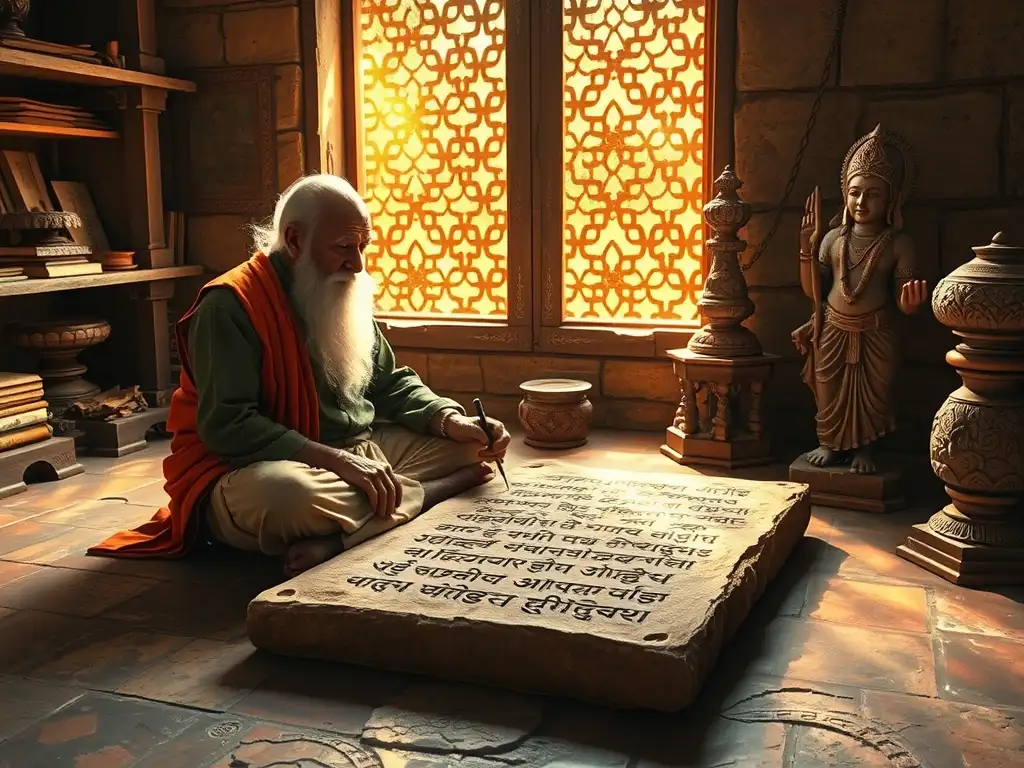
Inscriptions played a crucial role in the religious landscape of ancient India, serving not only as records of beliefs and practices but also as mediums for disseminating religious doctrines. They were often inscribed on stone, metal, and clay, and many have survived through centuries, providing invaluable insights into the spiritual life of various ancient Indian civilizations. These inscriptions often contained prayers, hymns, and philosophical texts that reflected the religious sentiments of the time.
The act of inscribing these texts was seen as a sacred duty, helping to preserve the teachings of the faiths practiced in ancient India. Temples and stupas frequently featured inscriptions that were intended to communicate divine messages, commemorate significant religious events, and honor deities. Additionally, they formed a bridge between the past and the present, allowing practitioners to connect with their cultural heritage and spiritual roots.
Religious Texts and Inscriptions: A Closer Look
Ancient Indian inscriptions often included excerpts from significant religious texts, such as the Vedas, Upanishads, and Buddhist Sutras. For example, the Ashoka Edicts, engraved during the reign of Emperor Ashoka in the 3rd century BCE, reflect Buddhist principles and moral codes, promoting values like non-violence and compassion. These edicts not only served to disseminate Buddhist teachings across his empire but also reinforced the emperor's commitment to dharma.
Similarly, inscriptions found in temples and monasteries frequently cited verses from the Puranas and other scriptures, providing context and commentary on rituals and practices. Furthermore, many inscriptions were dedicated to specific deities, detailing their attributes, stories, and the significance of worshipping them. This practice cemented the relationship between the divine and the community, as the inscriptions acted as reminders of the religious duties and ethical guidelines expected from the followers.
Impact on Hinduism, Buddhism, and Jainism
The impact of inscriptions on Hinduism, Buddhism, and Jainism cannot be overstated. Each tradition utilized inscriptions to solidify its teachings and practices within society. In Hinduism, inscriptions often detailed temple architecture, rituals, and the importance of specific deities, which were crucial for maintaining the faith's cultural relevance. These inscriptions fostered a sense of continuity and identity among practitioners.
In Buddhism, inscriptions such as those by Emperor Ashoka were instrumental in the spread of the religion beyond India. They not only documented the core tenets of Buddhism but also illustrated its adaptive nature as it encountered various cultures. Jainism, too, relied on inscriptions to promote its principles of non-violence and asceticism, highlighting the importance of truth and self-discipline in its texts.
The cross-pollination of ideas among these religions was often reflected in inscriptions, showcasing a rich tapestry of spiritual thought and practice. This interconnectedness underscores the significance of ancient Indian inscriptions as historical documents that provide a window into the evolution of religious traditions in India.
Challenges in Deciphering Ancient Indian Inscriptions
Deciphering ancient Indian inscriptions presents a myriad of challenges that historians and epigraphists must navigate. One of the primary hurdles lies in the diverse range of scripts used throughout different periods and regions. Scripts such as Brahmi, Kharosthi, and later variants like Devanagari are not only distinct in their characters but also in their linguistic structure, making it necessary for scholars to possess specialized knowledge of each script.
Additionally, the archaeological context in which these inscriptions are found can complicate understanding. Many inscriptions are damaged or eroded, obscuring key details necessary for accurate interpretation. This can lead to debates among scholars regarding the exact wording, meaning, and significance of the texts, which can affect our understanding of ancient Indian history and culture.
Linguistic and Archaeological Hurdles
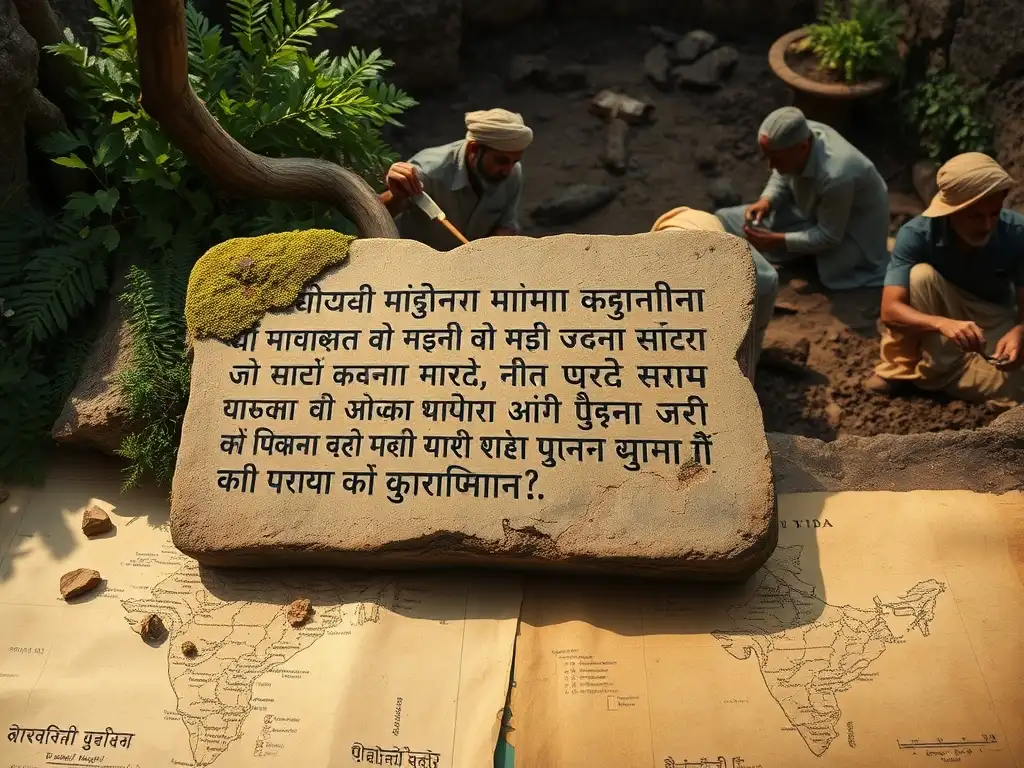
The linguistic hurdles in deciphering ancient Indian inscriptions often stem from the evolution of languages and scripts over time. For instance, the transition from Sanskrit to regional languages has resulted in variations that can make it difficult to draw direct connections between texts. Furthermore, many inscriptions are written in archaic forms of languages that are not familiar to contemporary scholars.
Archaeological hurdles also present significant challenges. Inscriptions may be found in remote locations or embedded within structures that have suffered from neglect or natural disasters. Additionally, the context in which they are discovered can vary widely, from urban centers to rural sites, requiring archaeologists to piece together historical narratives from fragmented evidence. These challenges highlight the need for interdisciplinary collaboration among linguists, archaeologists, and historians to enhance our understanding of ancient Indian inscriptions.
Notable Successes in Deciphering Ancient Scripts
Despite the challenges, there have been notable successes in deciphering ancient Indian scripts that have significantly advanced our understanding of historical narratives. One of the most prominent examples is the decipherment of the Brahmi script, which was accomplished by British archaeologist James Prinsep in the early 19th century. His work enabled scholars to read Ashoka's Edicts and other inscriptions, shedding light on the Mauryan Empire's governance and religious policies.
Another significant achievement includes the deciphering of the Kharosthi script, which was used in the northwest regions of India. This script, linked to ancient Buddhist texts, has provided insights into the spread of Buddhism along trade routes to Central Asia and beyond. Furthermore, the ongoing work of epigraphists continues to reveal new inscriptions, leading to fresh perspectives on ancient Indian history, cultures, and interactions.
The decipherment of ancient Indian inscriptions remains a dynamic field of study that not only enriches our understanding of past civilizations but also enhances the appreciation of their contributions to contemporary culture and religion.
Conclusion: The Legacy of Ancient Indian Inscriptions
The legacy of ancient Indian inscriptions is profound and multifaceted, serving as a critical bridge between the past and present. These inscriptions are not merely historical artifacts; they are essential texts that provide insights into the socio-economic, political, and cultural fabric of ancient Indian societies. From the edicts of Ashoka to the intricate records of the Gupta Empire, each inscription contributes to our understanding of governance, religious beliefs, and daily life in ancient India.
Moreover, these inscriptions have a unique ability to transcend time, allowing modern scholars to piece together narratives that would otherwise remain lost. The continued study of these inscriptions enhances our appreciation for the complexities and achievements of ancient Indian civilizations, reminding us of their significant contributions to world history. Their relevance persists, as contemporary researchers strive to decode and interpret these vital texts, ensuring that the voices of the past continue to resonate today.
Lasting Impact on Modern Understanding of Ancient India
The inscriptions of ancient India have a lasting impact on our modern understanding of this rich historical landscape. They provide concrete evidence of ancient languages, scripts, and administrative practices, enabling scholars to reconstruct historical timelines with greater accuracy. Notable examples include the Brahmi script, which has been foundational in the study of early Indian languages, and the variety of dialects reflected in inscriptions that highlight regional diversity.
Furthermore, these inscriptions often contain valuable information about trade relations, cultural exchanges, and religious practices. For instance, the rock edicts of Ashoka not only reflect the ethical governance of the Mauryan Empire but also illustrate the spread of Buddhism. Such insights allow historians to understand the cultural and economic interactions between different regions and communities, enriching the narrative of ancient India’s interconnectedness with the broader world.
Future Directions in the Study of Inscriptions and Epigraphy
As the field of epigraphy evolves, future directions in the study of ancient Indian inscriptions are likely to be shaped by advancements in technology and interdisciplinary approaches. The integration of digital tools, such as 3D imaging and machine learning, holds the potential to enhance the analysis and preservation of inscriptions. These tools can help researchers visualize inscriptions in new ways, uncovering details that may not be visible to the naked eye.
Moreover, collaborative research that bridges archaeology, linguistics, and history will continue to deepen our understanding of the contexts in which these inscriptions were created. Future studies may also focus on lesser-known inscriptions, expanding the scope of research beyond prominent texts to include regional dialects and inscriptions that reflect marginalized voices in history. This broader approach can lead to a more inclusive understanding of ancient Indian civilizations.
References for Further Study
Suggested Books and Articles on Ancient Indian Inscriptions History
- "Inscriptions of Ashoka" by A.S. Altekar - A comprehensive analysis of the edicts of Ashoka, detailing their historical significance and impact.
- "The Archaeology of Ancient India" by R. N. Mehta - This book discusses various archaeological findings, including inscriptions, and their relevance to ancient Indian history.
- "Ancient Indian Epigraphy" by D.C. Sircar - A seminal work that provides an extensive overview of inscriptions, their scripts, and historical contexts.
- "The Gupta Empire: A Comprehensive Study" by R. S. Sharma: - An exploration of the Gupta period, including discussions on inscriptions that illuminate the era’s socio-political landscape.
Online Resources and Archives for Inscriptions Research
- Digital South Asia Library - A rich repository of texts, maps, and images related to South Asian history, including a section dedicated to ancient inscriptions.
- The Epigraphical Society of India - This organization provides access to various resources and publications related to epigraphy and ancient inscriptions.
- Inscriptions of India Database - An online database that catalogs numerous inscriptions across India, offering detailed descriptions and historical contexts.
- The Archaeological Survey of India (ASI) - The ASI website features a wealth of information about archaeological sites, including inscriptions, with ongoing research updates.
- Introduction to Ancient Indian Inscriptions History
- Importance of Inscriptions in Understanding Ancient Indian Culture
- Overview of Major Civilizations Contributing to Inscriptions
- The Indus Valley Civilization and Its Inscriptions
- The Vedic Period: Texts and Inscriptions
- The Mauryan Empire: Rock Edicts and Pillars
- The Gupta Empire: Flourishing of Inscriptions
- Inscriptions Beyond the Major Empires
- The Role of Inscriptions in Ancient Indian Religion
- Religious Texts and Inscriptions: A Closer Look
- Impact on Hinduism, Buddhism, and Jainism
- Challenges in Deciphering Ancient Indian Inscriptions
- Linguistic and Archaeological Hurdles
- Notable Successes in Deciphering Ancient Scripts
- Conclusion: The Legacy of Ancient Indian Inscriptions
- References for Further Study
Frequently Asked Questions
What are ancient Indian inscriptions?
Ancient Indian inscriptions are written records found on stone, metal, and other materials that document historical events, cultural practices, and royal decrees from various periods.
Why are inscriptions important in the study of ancient Indian history?
Inscriptions provide primary evidence of political, social, and economic conditions of the time, helping historians understand the evolution of ancient Indian civilizations and their contributions.
What are some famous ancient Indian inscriptions?
Notable inscriptions include the Edicts of Ashoka, which promote Buddhist values, and the Allahabad Pillar Inscription, which highlights the achievements of Emperor Ashoka and Samudragupta.
How do inscriptions contribute to our knowledge of ancient Indian culture?
Inscriptions reveal religious beliefs, artistic styles, and linguistic development, showcasing the diversity and richness of ancient Indian culture and its influence on subsequent eras.
What languages are commonly found in ancient Indian inscriptions?
The most common languages include Sanskrit, Prakrit, and Tamil, each reflecting the linguistic diversity and regional variations present in ancient India.
Final Reflection: The Enduring Legacy of Ancient Indian Inscriptions
The exploration of ancient Indian inscriptions reveals not only the historical significance of these artifacts but also their profound relevance in today's world. As we delve into the narratives etched in stone, we uncover the rich tapestry of cultural identity, governance, and philosophical thought that shaped ancient India. These inscriptions are not mere relics of the past; they are vibrant testimonies to human expression and resilience that continue to resonate in our contemporary society.
The impact of ancient Indian inscriptions extends far beyond their historical context, influencing our cultural and social landscape in myriad ways. They serve as a bridge connecting us to our ancestors, offering insights into their lives, beliefs, and values. The wisdom captured in these inscriptions often echoes in modern discourse, reminding us of the importance of preserving our heritage. As Mahatma Gandhi once said, A nation's greatness is measured by how it treats its weakest members.
This sentiment is reflected in the inscriptions that advocate for social justice and ethical governance, urging us to reflect on our own societal values.
As we conclude this journey through time, I invite you to reflect on the lessons embedded in these ancient texts and consider how they can inspire your own life. Take a moment to ponder how the wisdom of the past can guide your actions today. Whether it's fostering a sense of community, advocating for justice, or simply appreciating the beauty of our shared history, let the stories of ancient India inspire you to create a meaningful impact in your own world. Embrace the opportunity to learn from the past and carry its legacy forward into the future.
Uncover Your Own Journey Through Ancient Wisdom!
Thank you for joining us on this fascinating exploration of the remarkable inscriptions from ancient India! We hope you found inspiration and gained valuable insights from these extraordinary artifacts of history. Now, it’s time to take the next step in your discovery!
Here’s how you can further immerse yourself in the legacy of ancient Indian civilization:
- Dive deeper into ancient texts by visiting your local library or utilizing online resources to explore the inscriptions that captured your interest.
- Share your favorite discoveries on social media! Use #AncientIndiaJourney to connect with fellow history enthusiasts who share your passion.
- Participate in a community event or discussion group centered on ancient civilizations to broaden your understanding and engage in enriching conversations.
What inscription or piece of ancient wisdom would you love to explore further, and why? Share your thoughts below!