
The Impact of Indian Music on Chinese Traditional Sounds

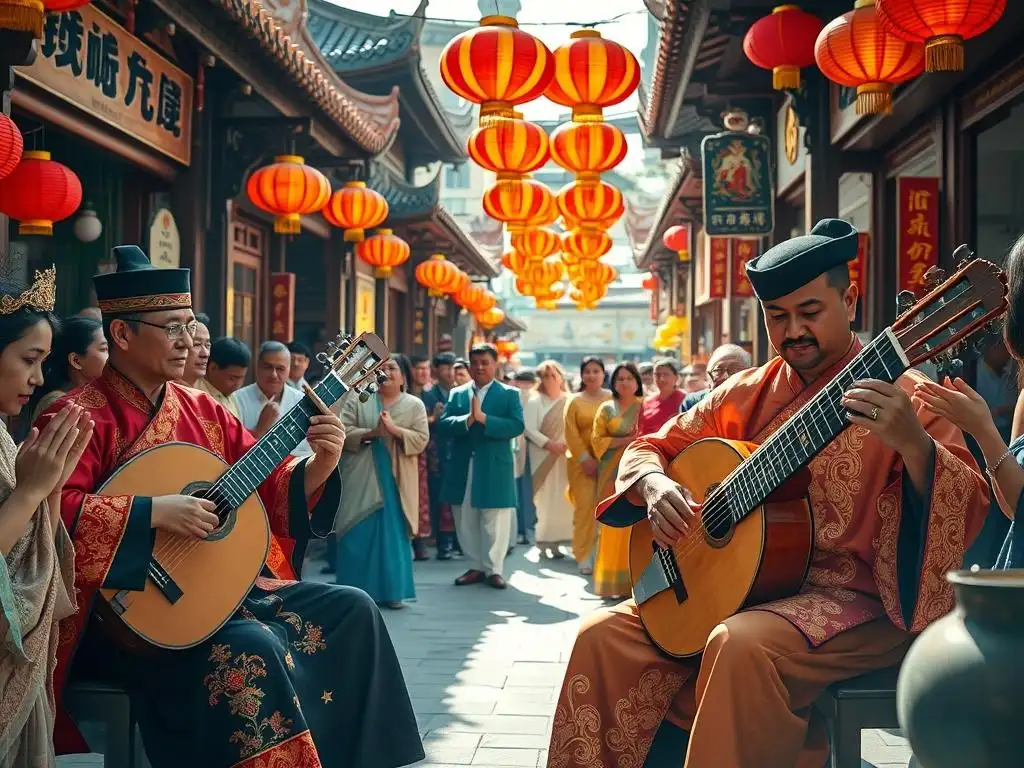
Welcome to Ancient India History, where we embark on a fascinating journey through the vibrant tapestry of India’s past. As we delve into the intricate connections between civilizations, our featured article, "The Impact of Indian Music on Chinese Traditional Sounds," reveals the profound influence of Indian melodies on Chinese culture. What musical threads wove these two ancient worlds together? Join us as we uncover the harmonious exchanges that shaped their legacies and explore the rich contributions of ancient Indian civilizations. Your adventure into history starts here!
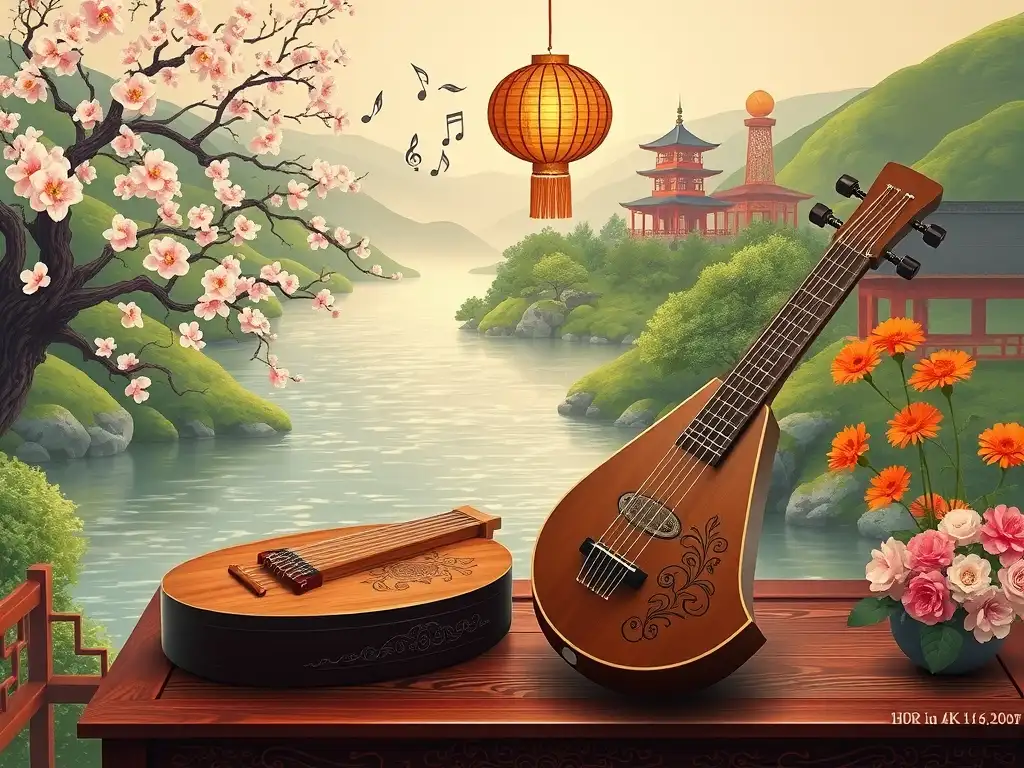
Introduction to Indian Music Influence on China
The rich tapestry of Indian music has long been a beacon of cultural exchange, particularly with neighboring civilizations. One of the most significant interactions occurred between India and China, where Indian music not only influenced the auditory landscape but also intertwined with local traditions, creating a unique fusion that has endured through centuries.
This article delves into the profound impact of Indian music on Chinese traditional sounds, examining historical exchanges, key figures, and the broader implications of this cultural interplay. By exploring the Indian music influence on China, we can appreciate the depth and complexity of their relationship, revealing how melodies and rhythms transcend borders to create a shared heritage.
Overview of Indian Music Traditions
Indian music is characterized by its diverse forms, intricate rhythms, and profound philosophical underpinnings. The two main traditions— Hindustani (North Indian) and Karnatak (South Indian)—each possess distinct styles, instruments, and modes of expression.
- Hindustani Music:
- Ragas: Melodic frameworks that evoke specific emotions.
- Talas: Rhythmic cycles that provide structure.
- Instruments: Sitar, tabla, and sarangi.
- Karnatak Music:
- Kritis: Compositions that blend lyrics and melody.
- Improvisation: A key element in performances.
- Instruments: Veena, mridangam, and flute.
The philosophical roots of Indian music are deeply intertwined with spirituality, often serving as a medium for expressing devotion and connecting with the divine.
Historical Context of Indian Music in Relation to China
The historical ties between India and China can be traced back over two millennia, with significant cultural exchanges facilitated by trade, migration, and exploration. By the time of the Han Dynasty (206 BCE–220 CE), Indian musical instruments and practices began to permeate Chinese culture, as monks and traders traveled along the Silk Road, bringing with them not only goods but also artistic traditions.
This period marked the introduction of various Indian instruments, such as the Pipa (a lute-like instrument), into Chinese music, leading to the evolution of new sounds and styles. The influence was reciprocal; as Indian musicians were exposed to Chinese music, they incorporated elements from the rich tapestry of Chinese sounds into their own compositions.
Historical Exchanges Between India and China
Trade Routes: The Silk Road as a Conduit for Cultural Exchange
The Silk Road was not merely a trade route for silk and spices; it was a vibrant corridor for cultural and artistic exchanges. Indian music traveled along these pathways, influencing various regions across Asia, including China.
- Cultural Interaction:
- Indian merchants often collaborated with Chinese traders, fostering an environment of mutual exchange.
- Music festivals and gatherings became common, where artists from both cultures showcased their talents.
- Musical Instruments:
- The Ruan, a traditional Chinese string instrument, bears similarities to Indian instruments, indicating a shared evolution in musical practices.
The Silk Road served as a melting pot of ideas, where Indian melodies and philosophies found fertile ground in Chinese soil, enriching both cultures.
Key Historical Figures in Indian-Chinese Musical Exchange
Throughout history, several key figures have played pivotal roles in the exchange of musical traditions between India and China.
- Buddhist Monks:
- Monks traveling from India to China in the 1st century CE brought not only religious teachings but also musical traditions, which were integrated into Buddhist rituals in China.
- Influential Composers:
- Composers like Zhang Qian, who traveled during the Han Dynasty, documented the influence of Indian music on local traditions, emphasizing the significance of these exchanges.
This historical interplay highlights the symbiotic relationship between Indian and Chinese music, showcasing how cultural flows have shaped and enriched both civilizations over time.
Through this exploration of the impact of Indian music on Chinese traditional sounds, we unveil the intricate web of interactions that have defined the musical landscapes of both nations, leading to a deeper understanding of their shared heritage.
Elements of Indian Music That Influenced Chinese Traditional Sounds
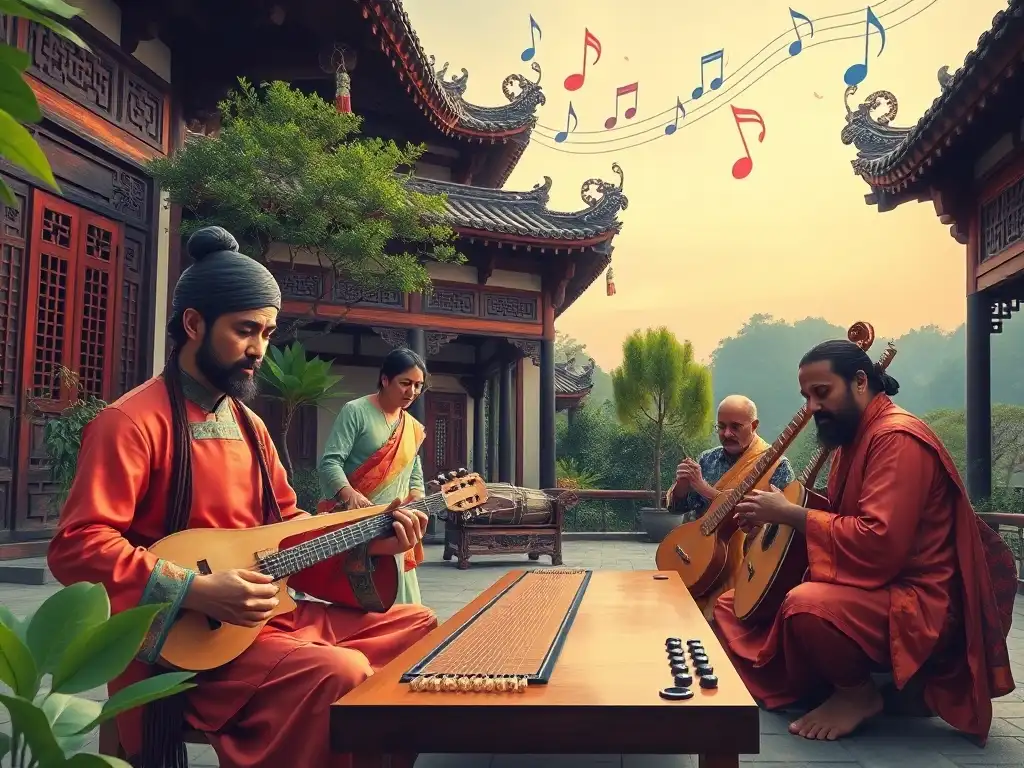
Indian music has had a profound impact on various cultures, and its influence on Chinese traditional sounds is a fascinating subject. The exchange of musical ideas between India and China can be traced back to ancient times, primarily through trade routes such as the Silk Road. This cultural dialogue led to the sharing of musical concepts, instruments, and practices, resulting in a unique synthesis of styles. The two key elements that significantly contributed to this influence are melodic structures and rhythmic patterns, along with the introduction of specific instruments.
Melodic Structures: Ragas and Their Adaptation
Ragas, the melodic framework of Indian classical music, are characterized by specific sets of notes and rules governing their use. These ragas evoke distinct emotions and are often associated with particular times of day or seasons. The adaptability of ragas made them appealing to Chinese musicians, who began to incorporate similar melodic ideas into their own traditional music.
Chinese music, which traditionally relied on pentatonic scales, found a way to blend these scales with the intricate raga system. This fusion allowed for greater emotional expression and a more nuanced melodic approach. The concept of using a raga as a foundation for improvisation resonated with Chinese musicians, leading to the development of a more sophisticated melodic vocabulary in Chinese classical music.
Moreover, the performance practices surrounding ragas, such as improvisation and the use of ornamentation, influenced Chinese musicians to explore new ways of interpreting melodies. This cross-cultural exchange contributed to a richer musical landscape in China, expanding the expressive capabilities of its traditional sounds.
Rhythmic Patterns: Tala and Its Reflection in Chinese Music
The concept of tala, which refers to the rhythmic framework in Indian music, also found its way into Chinese traditional sounds. Tala encompasses a variety of rhythmic cycles that serve as the backbone for compositions and improvisation in Indian music. This structured approach to rhythm presents a stark contrast to the more flexible rhythmic patterns traditionally found in Chinese music.
As Indian music began to influence Chinese compositions, musicians started experimenting with more complex rhythmic cycles, drawing inspiration from the tala system. The incorporation of tala not only enhanced the rhythmic diversity of Chinese music but also encouraged musicians to explore intricate interplays between melody and rhythm.
Additionally, the concept of syncopation—a common feature in Indian music—was embraced by Chinese composers, leading to innovative rhythmic patterns that enriched their music. This blending of Indian rhythmic structures with Chinese traditions allowed for a dynamic evolution of musical styles across both cultures.
Instrumentation: Introduction of Indian Instruments into Chinese Music
The exchange of musical ideas was further facilitated by the introduction of Indian instruments into Chinese music. Instruments like the sitar and tabla began to make their way into Chinese orchestras and ensembles, influencing both performance techniques and compositions.
The sitar, known for its resonant sound and intricate playing style, captivated Chinese musicians, who adapted its techniques to their native instruments. Similarly, the tabla's unique tonal qualities inspired Chinese percussionists to explore new rhythmic possibilities and techniques.
Moreover, the use of Indian instruments in Chinese music led to the development of hybrid instruments, combining elements from both musical traditions. This blending of instrumentation not only enriched the sound palette of Chinese music but also fostered a deeper appreciation for the intricate techniques and expressive capabilities inherent in Indian music.
Case Studies of Indian Music Influence on Chinese Traditional Sounds
The influence of Indian music on Chinese traditional sounds can be observed in various case studies that highlight the specific adaptations and integrations of Indian musical elements within Chinese contexts.
The Adoption of Ragas in Chinese Classical Music
One of the most significant outcomes of Indian influence is the adoption of ragas in Chinese classical music. This integration allowed Chinese composers to experiment with new melodic frameworks and emotional expressions. By incorporating ragas into their compositions, musicians enriched their musical narratives and provided audiences with a broader emotional range.
For example, the raga system has been utilized in contemporary Chinese compositions, where musicians draw from Indian ragas to create pieces that resonate with both traditions. This evolution showcases the enduring legacy of Indian music in shaping the landscape of Chinese classical music, highlighting the importance of cross-cultural exchanges.
Influence of Indian Instruments on Chinese Musical Composition
The impact of Indian instruments on Chinese musical composition can be seen in the works of several contemporary composers who have embraced these instruments in their orchestras. The blending of Indian instruments like the sitar and tabla with traditional Chinese instruments such as the erhu and pipa has resulted in innovative compositions that reflect the synthesis of both cultures.
In particular, collaborative projects between Indian and Chinese musicians have led to the creation of new styles that incorporate techniques and sounds from both traditions. These collaborations not only celebrate the shared history of musical exchange but also pave the way for future experimentation and creativity in both Indian and Chinese music.
The influence of Indian music on Chinese traditional sounds is a testament to the rich and dynamic cultural exchanges that have occurred throughout history. Through melodic structures, rhythmic patterns, and instrumentation, the two musical traditions have come together to create a unique and evolving soundscape that continues to inspire musicians today.
The Role of Buddhism in Indian Music's Impact on China
Buddhism played a pivotal role in shaping the cultural exchanges between India and China, particularly in the realm of music. As Buddhism spread from India to China around the 1st century CE, it brought with it a rich tapestry of artistic expressions, including music. Monks and scholars carried musical instruments, songs, and chants that were integral to Buddhist practices. This introduction not only influenced the spiritual life of Chinese practitioners but also enriched the traditional music of the region, creating a blend of Indian melodic structures with Chinese musical forms.
The integration of Indian musical elements into Chinese music was facilitated by the establishment of Buddhist monasteries along the Silk Road. These monasteries served as cultural hubs where the two civilizations interacted. The presence of Indian musicians in these establishments further accelerated the sharing of musical traditions, leading to the adaptation and incorporation of Indian musical scales and rhythms into Chinese practices. This exchange laid the groundwork for a unique cross-cultural musical landscape that persists even today.
Sacred Music and Chanting: A Shared Tradition
Both Indian and Chinese cultures have a profound tradition of sacred music, which often involves chanting. In India, the recitation of Vedic hymns and Buddhist chants such as the "Sutra" is central to spiritual practice. Similarly, in China, Buddhist scriptures are chanted in a melodic style that resonates with the ancient traditions of Chinese music.
The similarities in these practices reflect a shared understanding of music as a vehicle for spiritual connection. For instance, the use of specific scales and drone techniques in Indian music can be paralleled in Chinese chanting styles, where the emphasis on tonal quality and the meditative aspect of sound plays a crucial role. This shared tradition not only highlights the influence of Indian music on Chinese practices but also demonstrates how both cultures utilized music as a means of transcending the mundane and connecting with the divine.
The Spread of Indian Musical Practices Through Buddhist Monasteries
Buddhist monasteries were instrumental in the dissemination of Indian musical practices throughout China. These religious centers attracted monks and scholars from various regions, serving as a melting pot of ideas and artistic expressions. As Indian monks traveled to China, they brought with them various musical instruments, such as the veena and the flute, which were integrated into Chinese music.
The monasteries also became venues for performances that showcased the blending of musical styles. For instance, the use of Indian ragas influenced Chinese music theory, leading to the development of new scales and forms. Furthermore, the rituals and ceremonies conducted in these monasteries often featured music that combined elements from both traditions, fostering an environment of mutual respect and artistic innovation. This cross-pollination created a rich musical heritage that would evolve over centuries, leaving a lasting imprint on Chinese traditional sounds.
Modern Interpretations of Indian Music Influence on Chinese Sounds
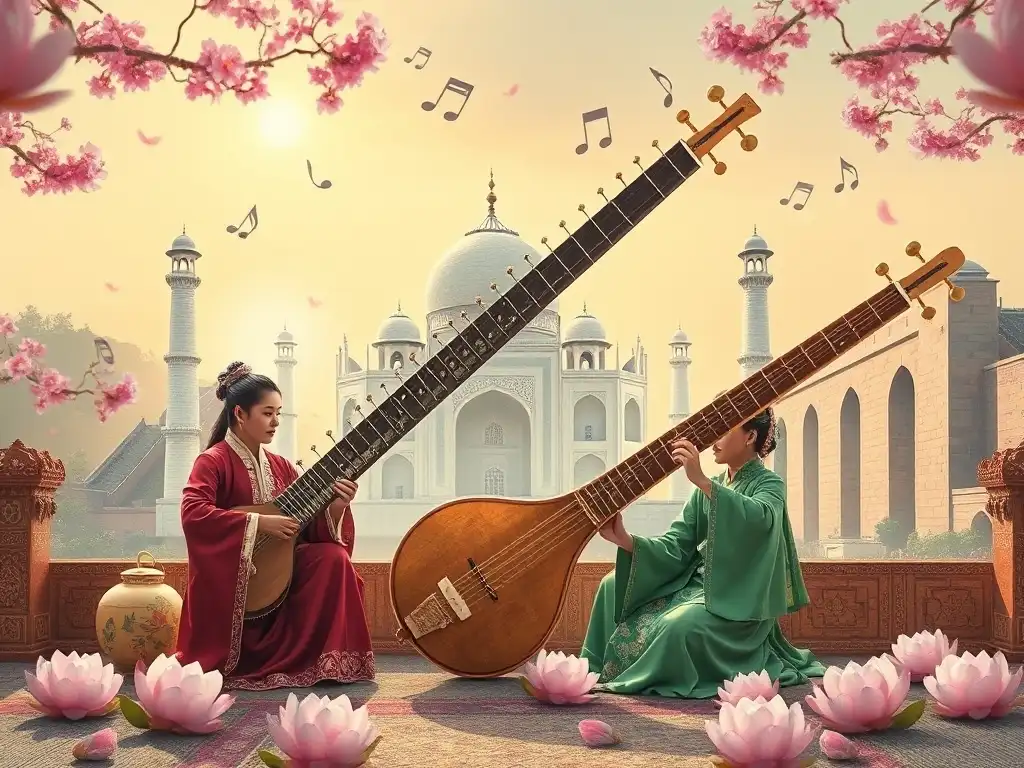
In contemporary times, the influence of Indian music on Chinese sounds has taken on new dimensions, reflecting the globalization of cultural expressions. Modern musicians are increasingly drawing inspiration from the rich musical traditions of both India and China, leading to innovative fusions that resonate with diverse audiences.
Contemporary Fusion: Indian and Chinese Music Collaborations
The rise of global music collaborations has led to exciting fusions between Indian and Chinese musical styles. Artists from both traditions are exploring new ways to blend their sounds, creating a unique auditory experience that pays homage to their roots while pushing the boundaries of traditional music.
For instance, collaborations often feature Indian classical instruments like the sitar or tabla alongside traditional Chinese instruments such as the erhu or guzheng. These partnerships have produced innovative compositions that reflect the rhythmic intricacies of Indian music merged with the melodic nuances of Chinese sounds. Notable projects have seen musicians from both countries performing together at international music festivals, showcasing the beauty of this cultural exchange.
The Globalization of Indian Music and Its Impact on Chinese Artists
As Indian music continues to gain popularity worldwide, its impact on Chinese artists has become increasingly significant. The globalization of music has enabled Chinese musicians to experiment with Indian genres, leading to a new wave of creativity.
Chinese artists are adopting Indian musical techniques, such as intricate improvisation and the use of ragas, while infusing them with their own cultural elements. This fusion not only broadens the artistic palette for Chinese musicians but also introduces Indian music to new audiences in China. Furthermore, the accessibility of Indian music through digital platforms has facilitated a deeper understanding and appreciation of its complexities among Chinese artists and audiences alike. This ongoing interaction between the two musical traditions represents a vibrant chapter in the history of Indian-Chinese exchanges, fostering a rich dialogue that continues to evolve.
Conclusion: The Lasting Legacy of Indian Music on Chinese Traditional Sounds
The influence of Indian music on Chinese traditional sounds is a profound testament to the interconnectedness of ancient civilizations. This exchange began over a millennium ago and continues to evolve, shaping the musical landscapes of both cultures. The introduction of Indian musical instruments, scales, and theoretical frameworks laid a foundation that enriched Chinese music, leading to the development of unique genres and styles. Notably, the incorporation of Indian rhythms and melodies into Chinese theatrical forms, such as Peking Opera, showcases a blend that transcends mere imitation, creating a distinctive cultural synthesis.
Furthermore, the spiritual dimensions of Indian music, particularly through the lens of Buddhism, have left an indelible mark on Chinese musical practices. Meditation and ritualistic music from India have influenced Chinese Buddhist chants and instrumental music, fostering a deeper connection between the two cultures. As we reflect on this legacy, it is clear that Indian music has not only influenced Chinese sounds but has also contributed to a rich tapestry of cultural exchange that continues to thrive today.
Summary of Key Influences and Ongoing Cultural Exchange
The interaction between Indian and Chinese music has manifested in several significant ways:
- Instrumental Crossovers: Instruments such as the pipa (Chinese lute) and sitar share similarities that highlight their common roots, adapted through cultural exchanges.
- Melodic Structures: The use of ragas in Indian music has parallels in Chinese pentatonic scales, suggesting a shared musical understanding that has evolved over centuries.
- Cultural Festivals: Events such as the Silk Road festivals have historically served as platforms for musical exchange, allowing artists from both cultures to collaborate and innovate.
These influences are not merely historical; they continue to evolve through modern collaborations, fusion genres, and cross-cultural performances that celebrate the shared heritage of Indian and Chinese music.
Future Directions for Indian-Chinese Musical Relations
As globalization accelerates, the future of Indian-Chinese musical relations looks promising. Here are some potential directions:
- Collaborative Projects: Increased collaboration between Indian and Chinese musicians can lead to innovative fusions that resonate with contemporary audiences, making traditional sounds more accessible.
- Cultural Diplomacy: Government initiatives and cultural exchanges can foster a greater appreciation for each other's musical heritages, promoting dialogue and understanding.
- Educational Programs: Institutions that focus on world music can include courses on Indian and Chinese musical traditions, encouraging students to explore these rich heritages.
The ongoing dialogue between these two great civilizations will likely produce new musical forms that honor their shared past while looking toward an inclusive future.
References
Suggested Readings on Indian Music and Its Influence on China
- "Music of India and China: A Comparative Study": - A comprehensive analysis of the parallels between Indian and Chinese musical traditions.
- "The Silk Road: A Musical Journey": - This book explores the historical context of musical exchanges along the Silk Road, featuring Indian and Chinese contributions.
- "Cross-Cultural Influences in Music: Indian and Chinese Perspectives": - An academic exploration of how music from these two cultures has influenced each other over time.
Notable Scholars and Texts on Indian-Chinese Cultural Exchanges
- Dr. Anil Kumar - A prominent scholar in the field of cultural exchanges, known for his works on Indian music's impact on East Asian traditions.
- Professor Li Wei - Renowned for her research on the historical interactions between Indian and Chinese music, particularly in the context of Buddhism.
- "Echoes Across Cultures: The Indian Influence in Chinese Music": by Dr. Ravi Sharma - A detailed examination of the specific elements of Indian music that have permeated Chinese traditions.
These resources provide valuable insights into the rich tapestry of musical interaction between India and China, furthering our understanding of their enduring relationship.
- Introduction to Indian Music Influence on China
- Overview of Indian Music Traditions
- Historical Context of Indian Music in Relation to China
- Historical Exchanges Between India and China
- Elements of Indian Music That Influenced Chinese Traditional Sounds
- Case Studies of Indian Music Influence on Chinese Traditional Sounds
- The Role of Buddhism in Indian Music's Impact on China
- Modern Interpretations of Indian Music Influence on Chinese Sounds
- Conclusion: The Lasting Legacy of Indian Music on Chinese Traditional Sounds
- References
- What is the main focus of the article "The Impact of Indian Music on Chinese Traditional Sounds"?
- How did Indian music influence Chinese traditional sounds?
- What are some specific examples of Indian musical elements found in Chinese music?
- Why is the Indian music influence on China significant in history?
- How does the article suggest modern interpretations of this influence?
Frequently Asked Questions
What is the main focus of the article "The Impact of Indian Music on Chinese Traditional Sounds"?
The article explores the historical connections between Indian music and Chinese traditional sounds, highlighting the ways in which these two cultures have influenced each other through trade, migration, and cultural exchange.
How did Indian music influence Chinese traditional sounds?
Indian music influenced Chinese traditional sounds primarily through cultural exchange along the Silk Road, where musical instruments, melodies, and rhythmic patterns were shared, leading to a blend of styles over centuries.
What are some specific examples of Indian musical elements found in Chinese music?
Examples include the use of string instruments like the sitar, which has parallels in Chinese instruments, and the incorporation of ragas that resonate with certain traditional Chinese melodies, showcasing a fusion of musical traditions.
Why is the Indian music influence on China significant in history?
The influence is significant as it reflects the interconnectedness of ancient civilizations, illustrating how artistic expressions can transcend borders and contribute to a richer cultural heritage that benefits both societies.
How does the article suggest modern interpretations of this influence?
The article suggests that modern interpretations of this influence can be seen in contemporary music collaborations between Indian and Chinese artists, which continue to explore and celebrate their shared musical heritage while creating new and innovative sounds.
Final Reflection: The Resonance of Indian Music in Chinese Tradition
The intricate relationship between Indian music and Chinese traditional sounds is more relevant today than ever, as globalization fosters a deeper appreciation for cultural exchanges. The melodies and rhythms that once traveled along ancient trade routes now resonate in contemporary music scenes, illustrating how art transcends borders and unites diverse cultures. This enduring influence not only enriches musical landscapes but also serves as a reminder of our shared human experience.
The impact of Indian music on Chinese traditional sounds has shaped not only musical styles but also cultural identities, fostering a dialogue that continues to evolve. The fusion of these rich traditions invites us to explore the beauty of collaboration and the power of artistic expression. Music is the universal language of mankind.
– Henry Wadsworth Longfellow. This quote encapsulates the essence of how these two cultures communicate through sound, creating a tapestry of shared heritage that resonates across generations.
As we reflect on the lessons from this cultural interplay, let us embrace the diversity that surrounds us and seek to understand the influences that shape our identities. I invite you to explore the sounds of Indian music and their impact on Chinese traditions, allowing these melodies to inspire your own creative journey. By engaging with these rich musical legacies, we not only honor their origins but also contribute to a vibrant future where cultural exchange continues to thrive.
Unleash the Harmony: Embrace the Fusion of Cultures
Thank you for exploring the captivating relationship between Indian music and Chinese traditional sounds. We hope you’ve gained valuable insights into this rich cultural exchange and the transformative power of music in bridging diverse worlds. Now, it’s time to turn that understanding into action!
- Explore Fusion Genres: Immerse yourself in the music scene by listening to contemporary artists who blend Indian and Chinese elements. Discover tracks that celebrate this unique fusion and expand your musical horizons.
- Join a Community: Connect with local or online music groups where you can share your thoughts and experiences regarding the influences of different cultures on music.
- Share Your Insights: Initiate conversations with friends or on social media about your findings. Share this article to spark discussions on the connections between cultures!
What aspect of the influence of Indian music on Chinese sounds surprised you the most, and how do you believe this fusion shapes today’s music landscape?