
The Journey of Indian Artifacts: Archaeological Discoveries Linking India and China

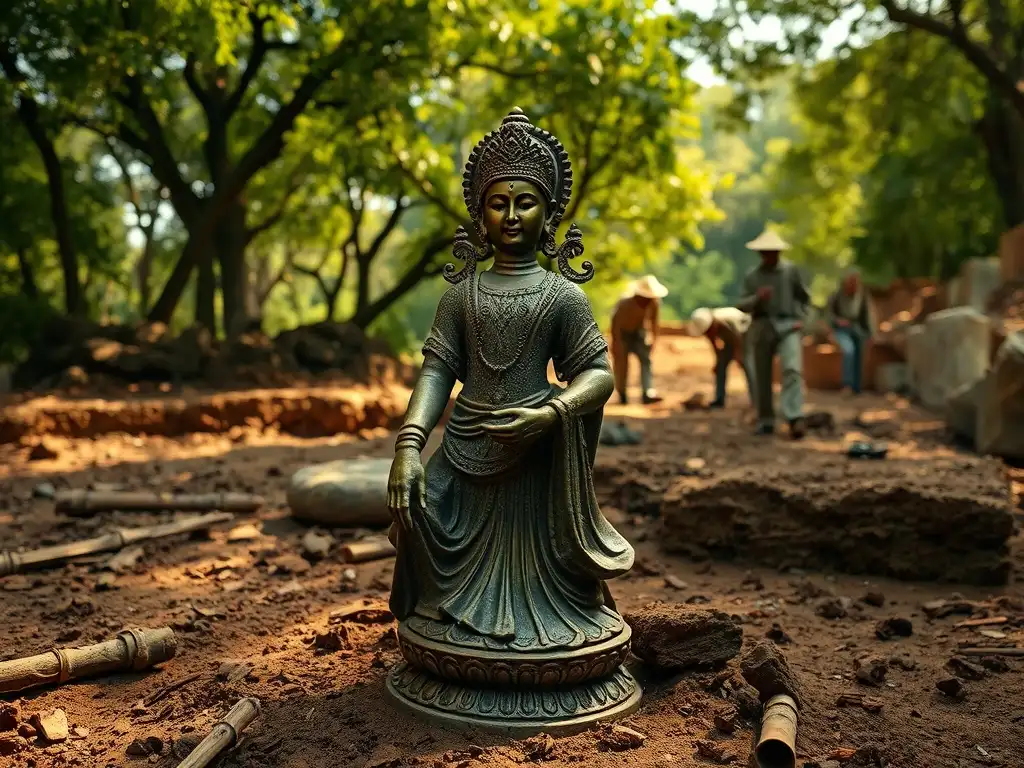
Welcome to Ancient India History, where we embark on an extraordinary journey through time, unearthing the rich tapestry of India's past. In our featured article, “The Journey of Indian Artifacts: Archaeological Discoveries Linking India and China,” we delve into the fascinating history of ancient Indian artifacts and their profound connections with other civilizations. What secrets do these artifacts hold, and how do they illuminate the interactions between ancient India and China?
Prepare to ignite your curiosity as we unravel the stories behind these incredible discoveries, inviting you to explore the depths of a civilization that shaped our world. Dive in and uncover the wonders that await!
Introduction to Ancient Indian Artifacts History
The exploration of ancient Indian artifacts history reveals a fascinating narrative of cultural exchanges and shared legacies between India and China. From the intricate pottery of the Indus Valley Civilization to the exquisite sculptures of the Gupta Empire, artifacts serve as tangible links to the past, showcasing the artistic, technological, and spiritual advancements of ancient Indian societies.
As we delve into this journey, we uncover how these artifacts not only reflect the rich heritage of India but also illuminate the connections with neighboring civilizations, particularly China. This interplay of cultures has significantly shaped the historical landscape of Asia, making archaeological discoveries pivotal for understanding the dynamics of ancient interactions.
Overview of Indian Artifacts
Indian artifacts encompass a diverse range of objects, including pottery, sculptures, coins, textiles, and architectural remains, each offering insights into the daily lives, beliefs, and artistic expressions of ancient peoples. Notable examples include:
- Indus Valley Seals: These intricately carved seals showcase the advanced script and artistic skills of the civilization.
- Buddhist Stupas and Monuments: Reflecting the spread of Buddhism, they symbolize the architectural prowess and spiritual pursuits of the time.
- Gupta Coins: These coins not only served as currency but also depicted the socio-political climate and religious motifs of the Gupta Empire.
The study of these artifacts allows historians and archaeologists to piece together the narrative of ancient India, revealing the complexities of its civilization through material culture.
Importance of Archaeological Discoveries in Understanding Ancient Civilizations
Archaeological discoveries are crucial in reconstructing the past, as they provide concrete evidence that enhances our understanding of ancient civilizations. These discoveries help historians to:
- Establish Chronologies: Artifacts allow for dating ancient sites and understanding the timeline of cultural developments.
- Uncover Trade Networks: The presence of foreign artifacts in Indian sites and vice versa indicates extensive trade routes, shedding light on economic interactions.
- Reveal Cultural Influences: The stylistic similarities between artifacts from India and China suggest mutual influences, enriching our comprehension of cultural exchange.
By examining these archaeological finds, we gain a clearer picture of the interconnectedness of ancient societies and their shared histories.
Historical Context of Indian and Chinese Relations
The relationship between India and China dates back thousands of years, characterized by a series of interactions that shaped both civilizations. Understanding this historical context is essential for appreciating the significance of archaeological discoveries in linking the two cultures.
Early Interactions Between India and China
The initial interactions between India and China can be traced to the early centuries of the Common Era. Some key points of interest include:
- Buddhism's Spread: The transmission of Buddhism from India to China during the Han Dynasty marked a significant cultural exchange, influencing Chinese philosophy, art, and architecture.
- Monastic Exchanges: Indian monks traveled to China, bringing with them religious texts and practices that enriched Chinese spiritual life.
These early interactions laid the groundwork for a long-standing relationship that would evolve through trade, diplomacy, and cultural exchanges.
Trade Routes and Cultural Exchange in Ancient Times
The establishment of trade routes, including the famous Silk Road, facilitated not only the exchange of goods but also cultural dialogues. Important aspects include:
- Silk Road Trade: This network connected India and China, allowing for the exchange of silk, spices, and precious stones, alongside ideas and technology.
- Cultural Artifacts: The movement of artifacts across borders illustrates the deep-rooted connections between the two civilizations, with Indian motifs appearing in Chinese art and vice versa.
Through these trade routes, both India and China benefited from the transfer of knowledge, artistic techniques, and cultural practices, forging a rich tapestry of shared history and heritage.
Key Archaeological Discoveries Linking India and China
Archaeological discoveries have unveiled a fascinating array of artifacts that highlight the historical interactions between India and China. These findings not only illuminate trade routes but also indicate cultural exchanges that influenced art, religion, and technology in both civilizations. Notable excavations along the ancient Silk Road have revealed an intricate web of connections that facilitated the sharing of ideas and goods.
One of the most significant discoveries was made at the Kizil Caves in Xinjiang, China, where Indian-style Buddhist frescoes were found, dating back to the 4th century CE. These artworks showcase the influence of Indian culture on Chinese religious practices and artistic expression. Similarly, the Nagarjunakonda site in India has yielded evidence of Chinese ceramics, suggesting that trade was reciprocal, with goods flowing in both directions.
Moreover, the Xuanzang's journey to India during the Tang Dynasty further exemplifies the cultural exchange. His travels not only contributed to the spread of Buddhism but also facilitated the sharing of artistic techniques and styles, as documented in his writings. These archaeological findings collectively paint a picture of a vibrant exchange that shaped both Indian and Chinese histories.
Significant Sites of Indian Artifacts
Several archaeological sites in India have become pivotal in understanding the relationship between Indian artifacts and Chinese influence.
- Taxila: This UNESCO World Heritage Site was a major center for learning and trade. Excavations have uncovered numerous artifacts, including coins, pottery, and sculptures that reflect a blend of Indian and Chinese artistic styles, particularly during the Kushan period.
- Nalanda: Another significant site, Nalanda was one of the earliest residential universities in the world. Artifacts unearthed here, such as manuscripts and inscriptions, highlight the presence of Chinese scholars and the exchange of knowledge between the two civilizations.
- Ajanta Caves: The murals and sculptures in these caves illustrate not only Buddhist themes but also depict influences from Chinese artistic traditions, especially in the portrayal of figures and narratives.
- Kanchipuram: Known for its temples, this site has revealed Chinese artifacts, particularly ceramics, which indicate trade relations and cultural exchanges during the medieval period.
These sites serve as a testament to the dynamic interactions that have enriched both Indian and Chinese cultures over centuries.
Notable Chinese Artifacts Found in India
The discovery of Chinese artifacts in India provides critical insights into the historical interactions between these two great civilizations. Among the notable finds are:
- Chinese Celadon Pottery: These exquisite ceramics, often characterized by their greenish glaze, have been found in various archaeological sites, including those in Gujarat and Tamil Nadu. They date back to the Tang and Song dynasties, indicating trade routes that connected China to India.
- Silk Fragments: Evidence of silk production and trade has been uncovered in sites like Taxila, where remnants of silk textiles were found alongside Indian artifacts, demonstrating the exchange of luxury goods.
- Buddhist Statues: Several statues with distinct Chinese stylistic elements have been discovered in Indian temples, which illustrate the transmission of artistic techniques and religious practices between the two regions.
- Coins and Inscriptions: Coins bearing inscriptions in Chinese characters have been found in Indian archaeological sites, revealing the extent of trade and interaction during various dynasties.
These artifacts not only shed light on trade and cultural exchanges but also highlight the interconnectedness of the ancient world.
Analysis of Artifacts: Cultural Significance and Influence
The analysis of artifacts found in both India and China reveals a narrative of cultural significance and mutual influence that transcends geographic boundaries. Each artifact serves as a historical document, reflecting the values, beliefs, and artistic expressions of the time.
For instance, sculptures and paintings often depict shared religious themes, such as Buddhism, which traveled along trade routes from India to China. The stylistic elements present in these artifacts provide evidence of the techniques and materials used, showcasing how artists adapted and integrated foreign influences into their work.
Furthermore, the materials used in these artifacts—such as imported Chinese silk or Indian spices—are indicative of the trade networks that existed and the interdependence of these two civilizations. The artifacts serve as a reminder of a time when cultural exchanges were not just about goods, but also about ideas, philosophies, and artistic innovation.
Artistic Styles and Techniques Shared Between India and China
A deep dive into the artistic styles and techniques reveals significant overlaps between Indian and Chinese art forms.
- Sculptural Techniques: Both civilizations employed similar techniques in stone carving and sculpture, evident in the intricate details found in Buddhist statues. The Bodhgaya temple complex showcases a fusion of Indian and Chinese styles in the depiction of the Buddha.
- Painting Styles: The use of vibrant colors and detailed narratives is a hallmark of both Indian and Chinese paintings. The murals found in places like Ajanta and the Dunhuang Caves reflect this shared artistry, portraying religious themes and daily life.
- Ceramics: The collaboration in pottery techniques is notable, with both cultures developing distinct glazes and forms. The exchange of pottery styles, particularly during the Tang dynasty, influenced Indian ceramic production.
These shared styles and techniques illustrate a rich tapestry of artistic collaboration that enriched both cultures.
Symbolism in Ancient Indian Artifacts
Symbolism plays a crucial role in understanding ancient Indian artifacts. Each piece tells a story, embedded with cultural and spiritual meanings.
- Lotus Symbolism: The lotus, often depicted in Indian sculptures and paintings, symbolizes purity and enlightenment. This motif is prevalent in both Indian and Chinese art, representing the spiritual journey toward awakening.
- Mandala Designs: Mandalas found in Indian art often represent the cosmos metaphysically or symbolically, conveying a sense of harmony and balance. These designs have parallels in Chinese art, particularly in Buddhist contexts.
- Animal Motifs: Various artifacts feature animals that hold significant meanings, such as elephants representing strength and wisdom in India, and dragons symbolizing power and good fortune in China. The presence of these motifs in artifacts from both regions indicates shared values and beliefs.
Understanding these symbols deepens our appreciation of the artistic expressions that emerged from these civilizations and their interconnected histories.
Influence of Chinese Art on Indian Art Forms
The influence of Chinese art on Indian art forms is an intriguing aspect of their historical interactions.
- Buddhist Art: The adaptation of Chinese artistic elements into Indian Buddhist art, particularly during the Gupta period, is evident in the stylistic changes seen in sculptures and reliefs. The incorporation of Chinese motifs and techniques enriched the visual lexicon of Indian artists.
- Calligraphy: The introduction of Chinese calligraphy techniques influenced Indian inscriptions, particularly in manuscripts where the aesthetics of writing became more pronounced.
- Architectural Styles: The architectural influence is also notable, with certain temple designs in India reflecting the grandeur and intricate detailing found in Chinese pagodas. This exchange contributed to the development of unique architectural styles that drew from both traditions.
- Textile Designs: The cross-pollination of textile patterns and techniques further illustrates the artistic synergy between Indian and Chinese artisans, enriching the fabric of both cultures.
These influences underscore the dynamic nature of cultural exchanges, revealing how art serves as a universal language that transcends borders and fosters mutual understanding.
Case Studies of Specific Artifacts
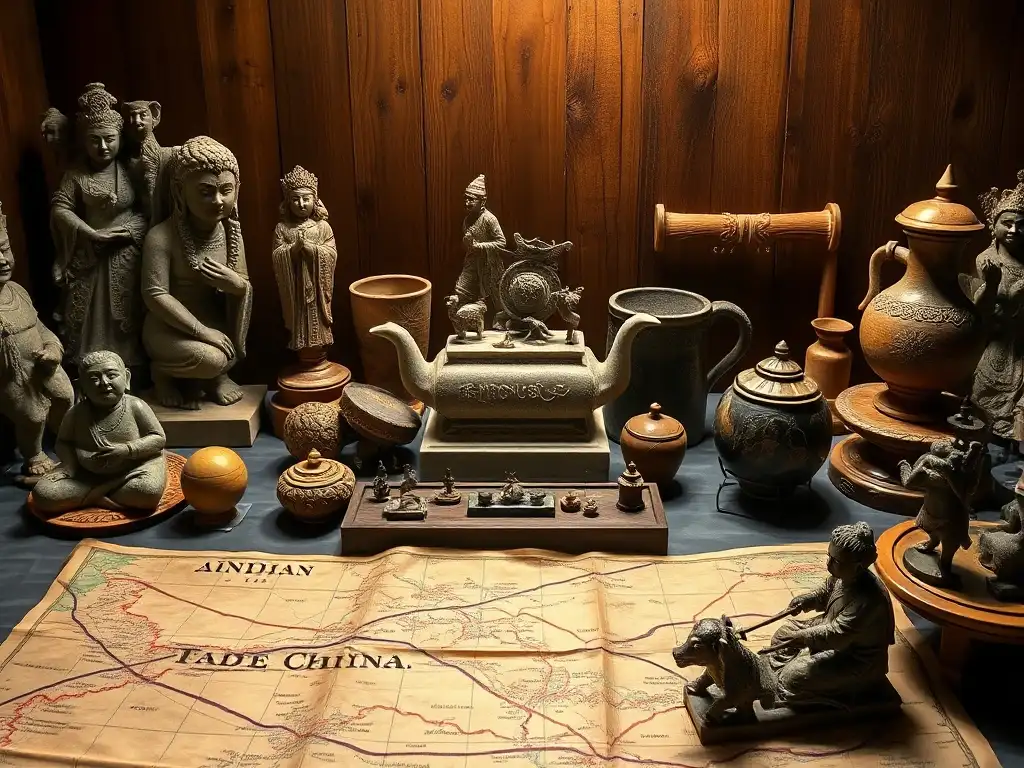
The exploration of Indian artifacts has unveiled significant connections between ancient India and China. A detailed examination of specific artifacts helps illustrate the cultural exchanges and interactions between these two great civilizations. By understanding these artifacts, we gain insights into the trade routes, religious influences, and artistic expressions that flourished during ancient times.
The Gandhara Buddha Statues
The Gandhara Buddha statues are a remarkable testimony to the syncretism of Indian and Greco-Roman artistic traditions. Originating from the Gandhara region, which now lies in modern-day Pakistan and Afghanistan, these statues date back to the 1st to 5th centuries CE. They are characterized by their intricate details, flowing robes, and serene expressions, reflecting a blend of Hellenistic styles with Buddhist iconography.
These statues reveal how the spread of Buddhism from India to Central Asia and beyond facilitated cultural exchanges. The influence of Greek art is particularly evident in the naturalistic portrayal of the human form, which was a stark departure from earlier Indian artistic representations. The Gandhara sculptures not only served as religious icons but also as symbols of the interconnectedness of ancient cultures along the Silk Road.
The Silk Route Coins
Coins unearthed along the Silk Route provide another fascinating insight into the economic and cultural interactions between ancient India and China. These coins, often struck in silver or gold, feature inscriptions and images that reflect the diverse influences of the time. For example, the Indo-Greek coins, which blended Hellenistic and Indian designs, served as a medium of exchange and a means of disseminating cultural ideas.
Studies of these coins indicate that trade was not only about goods but also about the exchange of philosophies and technologies. The presence of Indian coins in Chinese archaeological sites and vice versa suggests a vibrant trade network that connected merchants and travelers, enabling the flow of ideas, religious beliefs, and artistic styles.
The Role of Archaeological Research in Uncovering Ancient Connections
Archaeological research plays a crucial role in piecing together the intricate puzzle of ancient Indian and Chinese interactions. Through rigorous excavation and analysis, archaeologists uncover artifacts that reveal the depth of cultural, economic, and social exchanges between these two civilizations.
Techniques Used in Archaeological Excavations
Modern archaeological excavations employ a variety of techniques to ensure the careful recovery of artifacts. Techniques such as stratigraphy, which involves studying the layers of soil and the artifacts within them, help establish a timeline of human activity. Other methods include carbon dating, which allows researchers to date organic materials accurately, and remote sensing, which uses technology to identify potential archaeological sites without extensive digging.
In addition, interdisciplinary approaches that combine archaeology with anthropology, history, and art history provide a more comprehensive understanding of the artifacts. These methodologies enhance the interpretation of findings and allow for a more nuanced view of the relations between ancient civilizations.
Contributions of Archaeologists and Historians in the Field
The contributions of archaeologists and historians are pivotal in uncovering the ancient connections between India and China. Renowned archaeologists have dedicated their careers to exploring sites along the Silk Route, revealing the complexity of trade and cultural interactions. Their findings often lead to new theories about the diffusion of ideas and practices across borders.
Historians work alongside archaeologists to contextualize these artifacts within broader historical narratives. They analyze inscriptions, texts, and other historical documents that provide insights into the lives of people who inhabited these ancient regions. This collaboration enriches our understanding of how ancient Indian artifacts not only shaped local cultures but also influenced neighboring civilizations, ultimately contributing to the rich tapestry of global history.
Conclusion: The Legacy of Indian Artifacts in the Context of Indian-Chinese Exchanges
The exploration of ancient Indian artifacts within the framework of Indian-Chinese exchanges reveals a rich tapestry of interconnections that shaped the cultural and historical narratives of both civilizations. Artifacts such as pottery, textiles, and trade goods not only serve as physical remnants of past interactions but also as vital clues that help historians and archaeologists piece together the complex web of trade routes, cultural exchanges, and mutual influences. The legacy of these artifacts is profound, illustrating how ancient societies communicated, traded, and influenced one another across vast distances, ultimately contributing to the shared heritage of both India and China.
As researchers continue to unearth and analyze these artifacts, they provide deeper insights into the socio-economic and cultural dynamics of the time. The findings highlight how ancient Indian craftsmanship and innovations in art and technology influenced Chinese practices, and vice versa. This legacy is not just confined to historical significance; it also fosters a modern understanding of cultural diplomacy and cooperation that can inspire contemporary relations between India and China.
Reflection on Ancient Indian Artifacts History
The history of ancient Indian artifacts is a reflection of the civilization's evolution, creativity, and adaptability. From the intricate carvings of the Indus Valley Civilization to the exquisite textiles of the Gupta period, each artifact tells a story of technological advancement and artistic expression. These artifacts are more than mere objects; they encapsulate the beliefs, lifestyles, and values of the people who created them.
Moreover, the artifacts found in archaeological sites across India often reveal a narrative of exchange with neighboring regions, particularly China. For instance, the presence of Indian motifs in Chinese ceramics and the adoption of Indian trade practices in Chinese markets indicate a significant flow of ideas and goods. This interaction showcases the mutual appreciation and influence that characterized the ancient relationships between these two great civilizations, emphasizing the importance of artifacts in understanding history.
Future Research Directions in Archaeology
The future of research in the field of archaeology, particularly concerning ancient Indian artifacts and their connections with China, holds exciting potential. Scholars are increasingly adopting multidisciplinary approaches, combining technology, anthropology, and history to gain deeper insights into ancient trade networks and cultural exchanges.
Advancements in techniques such as radiocarbon dating, 3D scanning, and geospatial analysis are paving the way for new discoveries and interpretations. Future research can focus on:
- Unexplored Sites: Investigating lesser-known archaeological sites that may contain artifacts reflecting Indian-Chinese interactions.
- Artifact Provenance Studies: Utilizing scientific methods to trace the origins and movement of artifacts, providing clearer narratives of trade routes and cultural exchanges.
- Interdisciplinary Collaboration: Encouraging collaboration between historians, archaeologists, and specialists in other fields to foster a more comprehensive understanding of the artifacts and their historical context.
By addressing these areas, future research can significantly enhance our comprehension of ancient Indian artifacts history and its implications for modern civilization.
References and Further Reading
Suggested Books on Indian Artifacts and Archaeology
-
The Archaeology of Ancient India by R. S. Sharma
A comprehensive overview of the archaeological findings in India, exploring the implications of these discoveries on the understanding of ancient civilizations.
-
Indian Art and Culture by S. S. Bhatt
This book delves into the artistic heritage of India, with a focus on artifacts and their historical significance.
-
Trade and Cultural Exchange between India and China by P. K. Mishra
An insightful examination of the trade networks that connected India and China, highlighting artifacts as pivotal evidence of cultural exchanges.
Academic Journals and Articles on Indian-Chinese Interactions
-
Journal of East Asian Archaeology
This journal publishes research on archaeological findings pertaining to East Asia, including studies focused on Indian-Chinese exchanges.
-
Asian Perspectives
A scholarly journal that features articles on archaeology in Asia, with discussions on artifacts and their implications for understanding ancient interactions.
-
Journal of the Economic and Social History of the Orient
This publication often includes studies on trade routes and cultural exchanges, specifically highlighting artifacts that exemplify these interactions.
By engaging with these resources, readers can further explore the fascinating intersection of ancient Indian artifacts and their historical narratives in relation to China.
- Introduction to Ancient Indian Artifacts History
- Historical Context of Indian and Chinese Relations
- Key Archaeological Discoveries Linking India and China
- Analysis of Artifacts: Cultural Significance and Influence
- Case Studies of Specific Artifacts
- The Role of Archaeological Research in Uncovering Ancient Connections
- Conclusion: The Legacy of Indian Artifacts in the Context of Indian-Chinese Exchanges
- References and Further Reading
- What are Ancient Indian artifacts?
- How have archaeological discoveries influenced our understanding of Ancient Indian artifacts history?
- What role did the Indus Valley Civilization play in the development of Indian artifacts?
- Can you name some notable Indian artifacts found in archaeological sites?
- How do ancient artifacts illustrate the connection between India and China?
Frequently Asked Questions
What are Ancient Indian artifacts?
Ancient Indian artifacts are objects made by humans from historical periods, showcasing the art, craftsmanship, and daily life of ancient Indian civilizations.
How have archaeological discoveries influenced our understanding of Ancient Indian artifacts history?
Archaeological discoveries have revealed significant insights into the trade routes, cultural exchanges, and technological advancements of ancient India, particularly in relation to neighboring cultures like China.
What role did the Indus Valley Civilization play in the development of Indian artifacts?
The Indus Valley Civilization is known for its advanced urban planning, pottery, and seals, which are key examples of early artifacts that reflect the artistic and functional aspects of ancient Indian life.
Can you name some notable Indian artifacts found in archaeological sites?
Notable Indian artifacts include the Dancing Girl statue from Mohenjo-Daro, terracotta figurines, and intricate jewelry, all highlighting the artistic skills and cultural practices of ancient societies.
How do ancient artifacts illustrate the connection between India and China?
Ancient artifacts such as trade goods, pottery, and Buddhist relics found in both regions illustrate the cultural exchanges and economic interactions that existed between ancient India and China, enriching both civilizations.
Final Reflection: Connecting Cultures Through Ancient Indian Artifacts
The exploration of ancient Indian artifacts history reveals not only the rich tapestry of India's past but also its profound connections with neighboring cultures, particularly China. In today's globalized world, where cultural exchanges are more vital than ever, understanding these historical ties helps us appreciate the shared heritage that transcends borders. The journey of these artifacts is not just about the objects themselves; it is a testament to the enduring legacy of human creativity and interaction that continues to shape our identities.
The influence of ancient Indian artifacts on our cultural and social landscape is significant and ongoing. These artifacts serve as a bridge, linking us to our ancestors and reminding us of the intricate relationships that have existed throughout history. As we uncover more about these connections, we gain insights into the values, beliefs, and innovations that have shaped civilizations. Artifacts are the footprints of our ancestors, guiding us through the corridors of time.
This quote encapsulates the importance of understanding our past as we navigate the complexities of the present.
As we reflect on the journey of these artifacts, I invite you to consider how the lessons of history can inform our actions today. Embrace the diversity of cultures and histories that surround you, and let the stories of ancient Indian artifacts inspire a deeper appreciation for the interconnectedness of our world. By acknowledging and celebrating these connections, we can foster a more inclusive and understanding society that honors the legacy of our shared human experience.
Unlock the Wonders of Ancient Connections!
Thank you for diving into the fascinating world of Indian artifacts and their ties to China! Your curiosity has uncovered the rich tapestry of history that links these two great civilizations. Now that you’ve explored this captivating journey, it’s time to take your engagement to new heights!
Here are some incredible next steps to deepen your understanding and share the excitement:
- Explore More: Delve into our extensive resources on ancient artifacts and their historical contexts. Discover local exhibits or museums that showcase these treasures!
- Join the Conversation: Share your thoughts and insights in the comments below. Which artifact intrigued you the most? Let’s foster a vibrant discussion!
- Spread the Knowledge: Share this article with friends or on social media to inspire others to appreciate the remarkable connections between India and China.
What aspect of ancient Indian and Chinese connections would you love to learn more about next?