
Architectural Marvels: How CrossCultural Influences Shaped Indian Temples

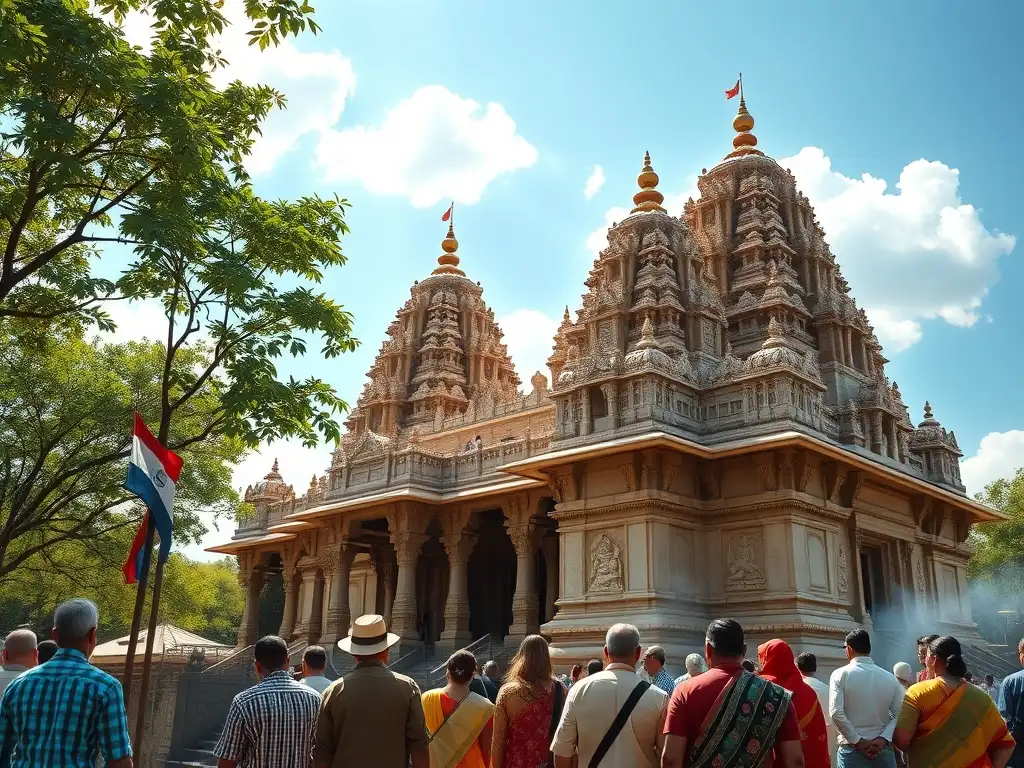
Welcome to Ancient India History! Here, we embark on a fascinating journey through the rich and diverse tapestry of ancient Indian civilizations, from the enigmatic Indus Valley to the majestic Gupta Empire. Our featured article, "Architectural Marvels: How Cross-Cultural Influences Shaped Indian Temples," delves into the intricate ways in which various cultural exchanges have left their mark on the architectural wonders of Indian temples.
Prepare to uncover the profound connections that have shaped not only the structures themselves but also the very essence of India's spiritual and artistic heritage. Join us as we unlock the secrets of these magnificent edifices and inspire your curiosity to explore further!
Introduction to Cross-Cultural Influences in Indian Temples
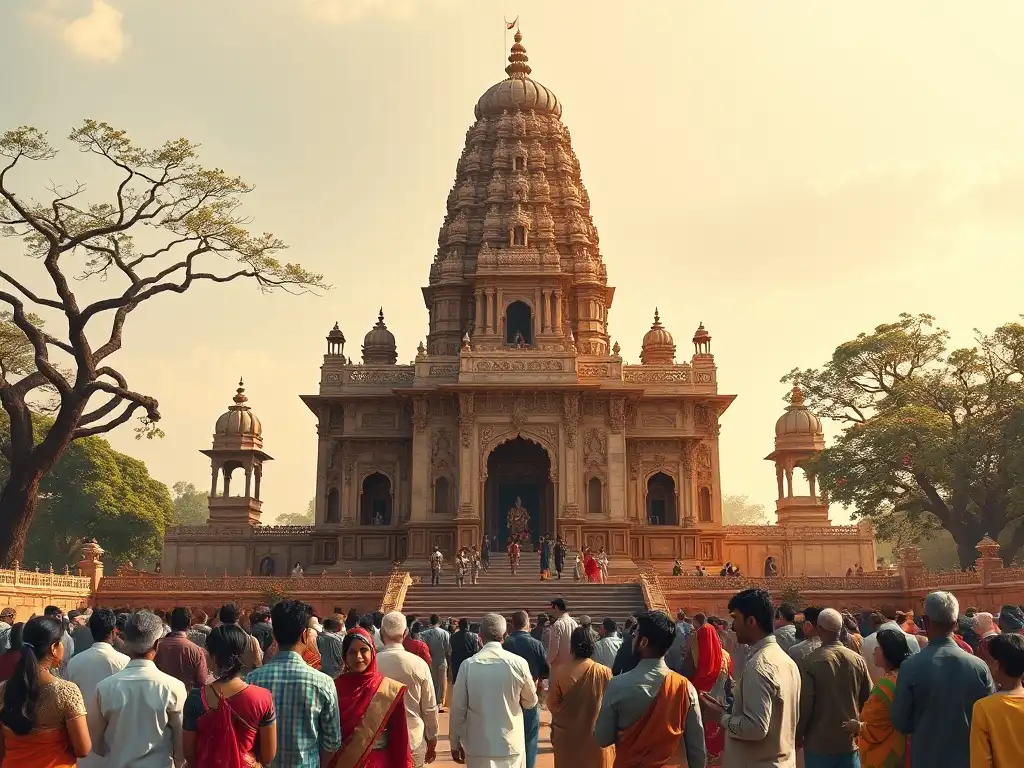
The architectural landscape of India is a testament to the rich tapestry of cultural exchanges that have occurred over millennia. From the intricate carvings of the Indus Valley Civilization to the splendid constructions of the Gupta Empire, Indian temples are not merely places of worship; they are historical narratives that reflect the syncretism of diverse cultures and traditions.
The concept of cross-cultural influences in Indian temples encapsulates the myriad ways in which various civilizations—both indigenous and foreign—have contributed to the evolution of temple architecture in India. This article delves into the artistic and cultural syncretism that has shaped these architectural marvels, revealing how different styles, motifs, and ideologies have seamlessly merged to create a unique spiritual and artistic expression.
Overview of Indian Temple Architecture
Indian temple architecture is characterized by its diversity and regional variations, shaped by geographical, cultural, and religious contexts. Temples in India can be broadly classified into different styles, such as:
- Nagara (North Indian style)
- Dravidian (South Indian style)
- Vesara (a blend of Nagara and Dravidian)
These styles showcase unique features:
- Shikhara: The towering spire of a temple, often elaborately decorated.
- Mandapa: The pillared hall that serves as a gathering place for devotees.
- Garbhagriha: The sanctum sanctorum, housing the main deity.
The architectural principles governing the construction of temples are deeply rooted in ancient texts like the Vastu Shastra, which emphasizes harmony with nature, symmetry, and sacred geometry. This foundational knowledge allowed for the integration of various cultural elements, resulting in a rich architectural heritage that is both functional and symbolic.
Significance of Cross-Cultural Influences in Architectural Design
The significance of cross-cultural influences in Indian temple architecture cannot be overstated. These influences have led to:
- Enhanced Aesthetic Appeal: The amalgamation of styles from different cultures has enriched the visual grandeur of temples. For instance, the incorporation of Persian motifs during the Mughal era introduced floral patterns and intricate inlay work, elevating the overall aesthetic.
- Spiritual Diversity: Temples often reflect the confluence of various religious traditions. The coexistence of Hindu, Buddhist, and Jain architectural elements in certain structures exemplifies how spiritual practices transcended boundaries and fostered a sense of unity.
- Cultural Identity: As centers of community life, temples play a vital role in shaping cultural identity. The architectural diversity seen in temples across India serves as a reminder of the region's historical interactions with other cultures, thereby reinforcing a collective identity grounded in shared heritage.
Historical Context of Indian Temples
Understanding the historical context of Indian temples is essential to appreciate their architectural significance. The evolution of temple design has been influenced by various civilizations, each leaving a distinct imprint on the architectural landscape.
Ancient Civilizations and Their Contributions to Temple Architecture
The roots of Indian temple architecture can be traced back to ancient civilizations, such as the Indus Valley Civilization (c. 3300–1300 BCE), where early forms of religious structures and urban planning laid the groundwork for future developments. Notably, the Maurya Empire (c. 322–185 BCE) marked a significant turning point, as rulers like Ashoka promoted Buddhism, leading to the construction of rock-cut caves and stupas that served both religious and political purposes.
Later, during the Gupta period (c. 240–550 CE), Hindu temple architecture flourished, characterized by the emergence of intricate stone carvings and the establishment of significant temple complexes, like those at Khajuraho and Bhulia. This era epitomized the synthesis of artistic expression and spiritual devotion, setting a precedent for subsequent architectural styles.
Key Periods Influencing Indian Temple Design
Several key periods in Indian history have profoundly influenced temple design:
- The Mauryan Period: Introduced monumental architecture and rock-cut caves.
- The Gupta Period: Notable for the development of classical temple architecture, blending art with spirituality.
- The Chola Dynasty: Renowned for grand temples like the Brihadeeswarar Temple, showcasing Dravidian architectural excellence.
- The Indo-Islamic Era: Witnessed the fusion of Hindu and Islamic styles, resulting in unique architectural forms, such as the Qutub Minar and various Mughal structures.
Through these periods, cross-cultural influences have not only enriched temple architecture but have also fostered a deeper understanding of the cultural dialogue that has defined India's historical narrative.
Major Cross-Cultural Influences on Indian Temples
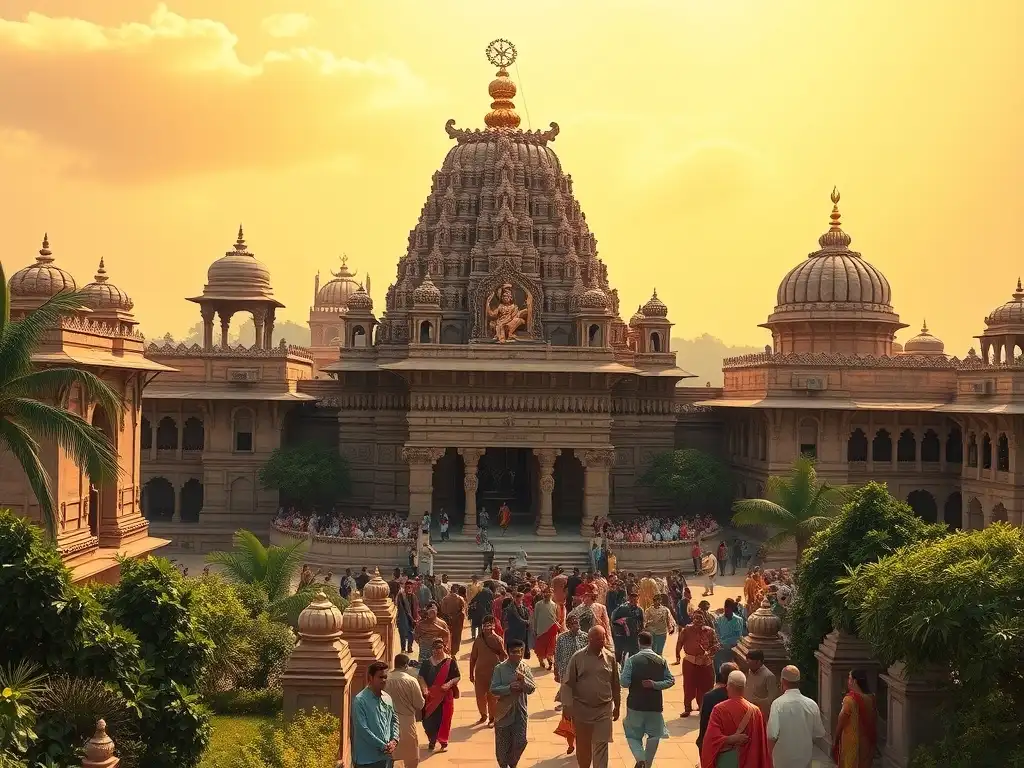
The architectural landscape of Indian temples is a testament to the rich tapestry of cross-cultural influences that have shaped their design and construction over centuries. Various civilizations and cultures, including Indo-Aryans, Persians, Mughals, and Southeast Asians, contributed to the evolution of temple architecture, resulting in a unique synthesis that reflects both indigenous traditions and external inspirations. This section delves into the major influences that have left an indelible mark on Indian temples, illustrating how these structures are not merely places of worship but also embodiments of a diverse cultural heritage.
Influence of Indo-Aryan Culture
The Indo-Aryan culture laid the foundational principles of temple architecture in India. Emerging around 1500 BCE, this cultural influence introduced the concept of sacred space and the significance of ritual in architecture. The early temples, known as "Viharas," were simple monastic complexes that eventually evolved into more elaborate structures. The shikhara (spire) and mandapa (pillared hall) became defining features of Indo-Aryan temples, symbolizing the connection between the earthly and divine realms. The intricate carvings and sculptures found on these temples often depict deities, celestial beings, and mythological narratives, showcasing the rich artistic expression that flourished during this period.
Impact of Persian Art and Architecture
The arrival of Persian influences, particularly during the Persian Empire's expansion into the Indian subcontinent, introduced new artistic and architectural elements to Indian temple design. The incorporation of perspective and symmetry, as well as the use of intricate tile work and ornamental motifs, can be traced back to Persian artistry. One notable example is the Buddhist stupas, which began to adopt Persian-inspired architectural features, including domes and arches. This fusion not only enhanced the aesthetic appeal of the temples but also facilitated the exchange of ideas and techniques that enriched the existing architectural vocabulary in India.
Role of Mughal Architecture in Shaping Temples
The Mughal Empire, renowned for its monumental architecture, significantly impacted the design of Indian temples during the medieval period. The Mughals introduced elements such as chhatris (elevated dome-shaped pavilions), jalis (lattice screens), and elaborate gardens, which were often incorporated into temple complexes.
This blending of Islamic and Hindu architectural styles can be seen in temples like the Keshava Ray Temple in Karnataka, where Mughal influences are evident in the decorative motifs and layout. The Mughal emphasis on symmetry and grandeur transformed the architectural landscape, leading to the creation of temples that not only served religious purposes but also stood as symbols of artistic achievement.
Contributions from Southeast Asian Cultures
Southeast Asian cultures, particularly during the early medieval period, played a pivotal role in shaping Indian temple architecture through trade and cultural exchanges. The influence of Khmer and Cham architecture is particularly notable, as seen in the intricate stone carvings and reliefs that adorn temples in regions like Tamil Nadu.
The use of laterite stone and the construction of towering temple structures, reminiscent of those found in Angkor Wat, highlight the cross-cultural connections that existed across the Indian Ocean. This exchange facilitated the diffusion of artistic styles and construction techniques, resulting in temples that reflect a blend of Indian and Southeast Asian aesthetics.
Architectural Features Reflecting Cross-Cultural Influences
The architectural features of Indian temples serve as a canvas showcasing the myriad cultural influences that have converged over time. From the layout and design to the materials used, these temples embody a rich synthesis of styles that narrate the story of India's diverse heritage. This section explores the specific architectural features that illustrate the impact of cross-cultural influences on Indian temples.
Stylistic Elements in Temple Design
The stylistic elements in temple design are a direct reflection of the various cultural influences at play. For instance, the Nagara and Dravidian styles, prominent in northern and southern India respectively, exhibit unique characteristics influenced by local traditions and external interactions. The ornate carvings and sculptures, often depicting deities and mythological scenes, draw inspiration from both indigenous artistic practices and foreign motifs. Additionally, the use of gopurams (ornate monumental towers) in southern temples showcases the influence of Dravidian architecture, while the intricate stonework and geometric patterns found in northern temples highlight the Persian and Mughal contributions.
Material and Construction Techniques
The choice of materials and construction techniques used in Indian temples also reflects cross-cultural influences. Early temples were primarily constructed using locally available materials such as wood and stone, but with the advent of foreign influences, there was a gradual incorporation of new materials and methods.
For example, the use of red sandstone and white marble, prevalent in Mughal architecture, became common in temple construction, enhancing both durability and aesthetic appeal. Techniques such as carving, inlay work, and masonry were refined through the exchange of knowledge between cultures, leading to the creation of structures that not only stood the test of time but also showcased a blend of artistic traditions.
The architectural marvels of Indian temples are a profound representation of cross-cultural influences that have shaped their design and construction. Understanding these influences provides insights into the rich historical and cultural exchanges that have defined India's architectural heritage.
Case Studies of Notable Indian Temples
The study of Indian temples reveals a fascinating tapestry of architectural styles influenced by various cultures and traditions. Each temple not only serves as a place of worship but also stands as a testament to the artistic and cultural exchanges that have shaped Indian civilization over millennia. Here, we explore three notable temples that exemplify cross-cultural influences in their design, structure, and artistic expressions.
Brihadeeswarar Temple: A Blend of Dravidian and Chola Influences
The Brihadeeswarar Temple, located in Thanjavur, Tamil Nadu, is a magnificent example of Dravidian architecture that epitomizes the grandeur of the Chola dynasty. Completed in 1010 CE under the reign of Raja Raja Chola I, this temple showcases not only the distinctive features of Dravidian architecture but also the incorporation of influences from various regional styles.
The temple's towering vimana (spire) rises to about 66 meters, making it one of the tallest in the world. Its intricate carvings and sculptures reflect the artistic prowess of the Chola artisans, who blended local traditions with influences from the greater Indian subcontinent and beyond. The use of granite, a material abundant in the region, demonstrates the innovative techniques of the time, while the temple's layout and design echo the cosmic symbolism found in ancient Hindu texts.
Furthermore, the temple's prominence as a pilgrimage site attracted artisans and travelers from different regions, promoting a rich exchange of ideas and practices. The Brihadeeswarar Temple stands as a symbol of the Chola dynasty's cultural and artistic achievements, illustrating how local traditions can harmoniously integrate with broader influences.
Akshardham Temple: Modern Interpretations of Ancient Styles
The Akshardham Temple in Gandhinagar, Gujarat, completed in 1992, is a contemporary marvel that draws heavily on ancient Indian architectural styles while embracing modern technology. Constructed by the BAPS Swaminarayan Sanstha, this temple reflects the ethos of traditional Indian temple architecture through its intricate carvings, expansive courtyards, and grand pillars, all crafted from pink sandstone and white marble.
What sets Akshardham apart is its innovative fusion of ancient art and modern techniques. The temple complex incorporates elements from various regional styles, showcasing a harmonious blend of Indo-Islamic, Rajput, and other architectural influences. The use of advanced construction methods allowed artisans to reproduce intricate designs that are reminiscent of ancient temples, creating a structure that resonates with spiritual significance while appealing to contemporary aesthetics.
Additionally, the temple complex includes exhibitions and multimedia presentations that educate visitors about India's rich heritage and the philosophy of Swaminarayan. This blend of spirituality and modern interpretation exemplifies how cross-cultural influences continue to shape temple architecture, serving as a bridge between the past and present.
The Konark Sun Temple: Integrating Odisha's Maritime Heritage
The Konark Sun Temple, located on the eastern coast of India in Odisha, is another remarkable example of cross-cultural influences in Indian temple architecture. Constructed in the 13th century during the reign of King Narasimhadeva I of the Eastern Ganga dynasty, this temple is dedicated to the Sun God, Surya, and is designed in the shape of a colossal chariot.
The temple's architecture reflects not only the intricate craftsmanship of local artisans but also significant maritime influences. The coastal location of Konark allowed for interactions with traders and travelers from various cultures, including those from Southeast Asia and beyond. This exchange is evident in the temple's ornate carvings that depict not only Hindu deities but also motifs and designs inspired by maritime life, such as ships and marine animals.
Moreover, the alignment of the temple is such that the first rays of the sun illuminate the main entrance at dawn, symbolizing the importance of solar worship in both local and broader cultural contexts. The Konark Sun Temple is a UNESCO World Heritage Site and serves as a reminder of how cross-cultural influences can shape architectural marvels that encapsulate the essence of a region's heritage.
The Role of Religion in Cross-Cultural Influences
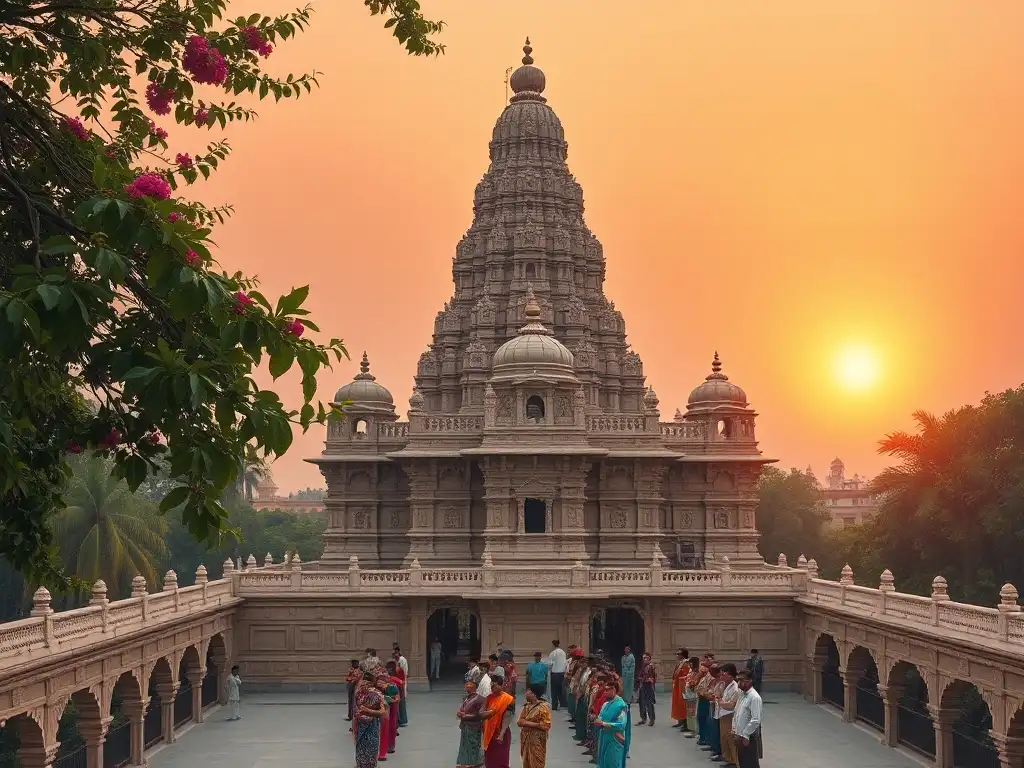
Religion has always played a pivotal role in shaping architectural styles and artistic expressions in India. Temples, as centers of worship and community gathering, reflect the syncretism of various religious practices and beliefs, leading to a rich tapestry of architectural forms. The confluence of different religious traditions has fostered a sense of shared identity while also allowing for diversity within the broader cultural framework.
Syncretism in Religious Practices and Beliefs
The concept of syncretism is central to understanding the cross-cultural influences in Indian temples. Throughout history, various religious traditions, including Hinduism, Buddhism, and Jainism, have interacted, leading to a blending of practices and architectural styles. For instance, many temples incorporate elements from Buddhist architecture, such as stupas, which can be seen in several Hindu temple complexes.
Additionally, the adaptation of local beliefs and deities into the broader Hindu pantheon demonstrates the fluidity of religious practices. Temples often serve as melting pots of various traditions, where local customs are integrated into mainstream practices. This syncretism not only enriches the spiritual experience but also fosters community ties, as diverse groups come together to worship in shared spaces.
The Influence of Pilgrimage and Trade on Architectural Styles
Pilgrimage routes and trade networks have historically facilitated the exchange of ideas and artistic expressions across regions. The movement of pilgrims to sacred sites has led to the proliferation of architectural styles and the dissemination of religious practices. For example, the famous Kashi Vishwanath Temple in Varanasi draws pilgrims from all over India, resulting in a blend of architectural influences that reflect the diverse backgrounds of its visitors.
Trade, too, has played a significant role in shaping temple architecture. Merchants and traders often funded the construction of temples, leading to the incorporation of styles from their regions. The influence of Islamic architecture is evident in several South Indian temples, where features such as domes and intricate lattice work were introduced through cultural exchanges.
The interplay between religion, pilgrimage, and trade has significantly contributed to the cross-cultural influences in Indian temples, making them not just places of worship but also vibrant centers of cultural exchange and artistic expression.
Preservation and Modern Interpretations of Cross-Cultural Influences
The preservation of ancient Indian temples is a vital aspect of maintaining the cultural heritage and architectural legacy of the subcontinent. Temples, often seen as repositories of artistic expression and religious significance, reflect the syncretic nature of Indian culture through various cross-cultural influences. As modern architects and conservationists strive to preserve these historical structures, they face unique challenges and opportunities that blend preservation with contemporary interpretations.
Challenges in Preserving Historical Temples
The preservation of historical temples in India is fraught with numerous challenges. Environmental factors, such as pollution, weathering, and natural disasters, pose significant threats to the structural integrity of these ancient edifices. Moreover, urban expansion often encroaches upon temple sites, leading to potential damage and loss of context.
Another challenge is the lack of adequate funding and resources for restoration projects. Many temples, especially those in rural or less accessible areas, struggle to attract the necessary support for preservation efforts. Additionally, differing opinions on preservation methods can lead to conflicts among stakeholders, including government bodies, local communities, and historians, regarding the best practices for maintaining these sites.
Promoting awareness about the historical and cultural significance of temples among the general public is essential to garner support for preservation initiatives. Educational programs and community involvement can foster a sense of ownership and responsibility towards these architectural marvels, ensuring their survival for future generations.
Contemporary Architectural Projects Inspired by Ancient Designs
In recent years, contemporary architects have drawn inspiration from ancient Indian temple architecture, creating innovative designs that respect historical aesthetics while integrating modern functionality. These projects often incorporate traditional elements, such as intricate carvings, domes, and mandapas, while utilizing contemporary materials and construction techniques.
For example, the design of the Akshardham Temple in Gandhinagar, Gujarat, reflects ancient craftsmanship through its elaborate stonework and traditional motifs. Yet, it employs modern engineering solutions to enhance structural stability and accommodate large visitor volumes. Such projects serve as a bridge between ancient and modern architectural paradigms, showcasing how cross-cultural influences can manifest in new forms.
Moreover, architects are increasingly embracing sustainable practices that echo ancient methods. The use of local materials and techniques not only honors traditional craftsmanship but also aligns with contemporary ecological principles. This blend of ancient wisdom and modern innovation highlights the continuing relevance of cross-cultural influences in shaping Indian temple architecture today.
Conclusion: The Legacy of Cross-Cultural Influences in Indian Temples
The legacy of cross-cultural influences in Indian temple architecture is a testament to the rich tapestry of India's history. Over centuries, diverse cultural interactions have shaped the design, symbolism, and functionality of temples, creating a unique architectural language that resonates with people of various backgrounds.
Summary of Key Influences on Indian Temple Architecture
Key influences on Indian temple architecture include the integration of styles from neighboring regions, such as the Persian and Mughal influences during the medieval period, which introduced new motifs and structural techniques. The interaction with Buddhist and Jain architectural principles also enriched Hindu temple designs, resulting in a syncretic blend of styles that can be observed in various regional interpretations across India.
Additionally, the arrival of European colonial influences brought about new design elements, leading to the creation of hybrid architectural forms that incorporated both indigenous and Western styles. This ongoing dialogue between different cultures has fostered a dynamic architectural landscape that continues to evolve.
The Enduring Impact on Modern Indian Culture and Identity
The impact of cross-cultural influences on Indian temples extends beyond mere architectural aesthetics; it significantly shapes modern Indian culture and identity. Temples serve as focal points for community gatherings, religious practices, and cultural celebrations, reinforcing a collective sense of identity and heritage among diverse populations.
As contemporary society grapples with globalization and cultural homogenization, the preservation and celebration of India's architectural legacy become increasingly vital. Temples represent not only spiritual centers but also symbols of resilience and continuity amid change. The ongoing appreciation and reinterpretation of these architectural marvels ensure that the legacy of cross-cultural influences in Indian temples remains a vibrant and integral aspect of India's cultural identity for generations to come.
- Introduction to Cross-Cultural Influences in Indian Temples
- Overview of Indian Temple Architecture
- Significance of Cross-Cultural Influences in Architectural Design
- Historical Context of Indian Temples
- Major Cross-Cultural Influences on Indian Temples
- Architectural Features Reflecting Cross-Cultural Influences
- Case Studies of Notable Indian Temples
- The Role of Religion in Cross-Cultural Influences
- Preservation and Modern Interpretations of Cross-Cultural Influences
- Conclusion: The Legacy of Cross-Cultural Influences in Indian Temples
- What are the main cross-cultural influences in Indian temples?
- How did the Indus Valley Civilization impact temple architecture?
- What role did the Gupta Empire play in shaping temple architecture?
- How did trade routes affect the architecture of Indian temples?
- Why are Indian temples considered architectural marvels?
Frequently Asked Questions
What are the main cross-cultural influences in Indian temples?
The cross-cultural influences in Indian temples primarily stem from Buddhism, Hinduism, and Islam. These religions have contributed to the architectural styles and artistic elements found in temples across India.
How did the Indus Valley Civilization impact temple architecture?
The Indus Valley Civilization laid the groundwork for subsequent architectural developments, showcasing advanced urban planning and drainage systems that influenced later temple designs, emphasizing functionality and aesthetic harmony.
What role did the Gupta Empire play in shaping temple architecture?
The Gupta Empire is often referred to as the Golden Age of Indian art and architecture. During this period, temples featured intricate carvings, sculptures, and innovative designs that reflected a blend of local and foreign influences.
How did trade routes affect the architecture of Indian temples?
Trade routes facilitated cultural exchange, bringing in diverse architectural styles and religious practices. This led to the incorporation of foreign elements, enriching the design and decorative features of Indian temples.
Why are Indian temples considered architectural marvels?
Indian temples are considered architectural marvels due to their complex structures, intricate decorations, and the ability to integrate diverse cultural influences. They serve as a testament to the rich history and artistic achievements of ancient Indian civilizations.
Final Reflection: Embracing the Tapestry of Cross-Cultural Influences in Indian Temples
The exploration of cross-cultural influences in Indian temples reveals a profound narrative that is as relevant today as it has ever been. In an increasingly globalized world, where boundaries between cultures are becoming more fluid, the architectural marvels of Indian temples stand as testaments to the beauty of cultural exchange and adaptation.
These sacred spaces not only reflect the spiritual aspirations of their creators but also embody the rich tapestry of diverse influences that have shaped their design and significance. The intricate carvings, unique styles, and varied motifs serve as a reminder that architecture is not just about structure; it is a dialogue between cultures that transcends time.
The impact of these cross-cultural influences extends far beyond the physical realm of architecture; it resonates deeply within our social and cultural landscapes. As we navigate our own identities in a multicultural society, the lessons gleaned from the evolution of Indian temples encourage us to embrace diversity and foster inclusivity. The amalgamation of styles and traditions in these temples illustrates how collaboration can lead to extraordinary outcomes. Architecture is the thoughtful making of space.
– Louis Kahn. This quote encapsulates the essence of how spaces, influenced by various cultures, can evoke profound emotions and foster a sense of belonging.
As we reflect on the significance of cross-cultural influences in Indian temples, let us carry this understanding into our daily lives. Consider how you can embrace the diversity around you and recognize the beauty in different perspectives. Whether through travel, art, or community engagement, seek out opportunities to learn from others and contribute to a collective narrative that celebrates our shared humanity. In doing so, we not only honor the legacy of these architectural marvels but also pave the way for a future enriched by collaboration and mutual respect.
Discover the Wonders of Indian Temple Architecture!
Thank you for exploring the fascinating world of Indian temples and the cross-cultural influences that have shaped their beauty and significance. Your interest in this vibrant history is invaluable, and now it’s time to dive deeper into the rich tapestry of architectural marvels!
Here are some exciting steps you can take to further your journey:
- Visit a local temple or architectural exhibit – Experience firsthand the intricate designs and cultural narratives woven into these structures.
- Engage with others by sharing your thoughts or photos on social media platforms dedicated to architectural appreciation.
- Join a community group or online forum to discuss and learn more about temple architecture and its cultural significance.
What architectural feature in Indian temples intrigues you the most, and why? We invite you to share your thoughts below!