
The Influence of Geography on Puranic Narratives and Characters

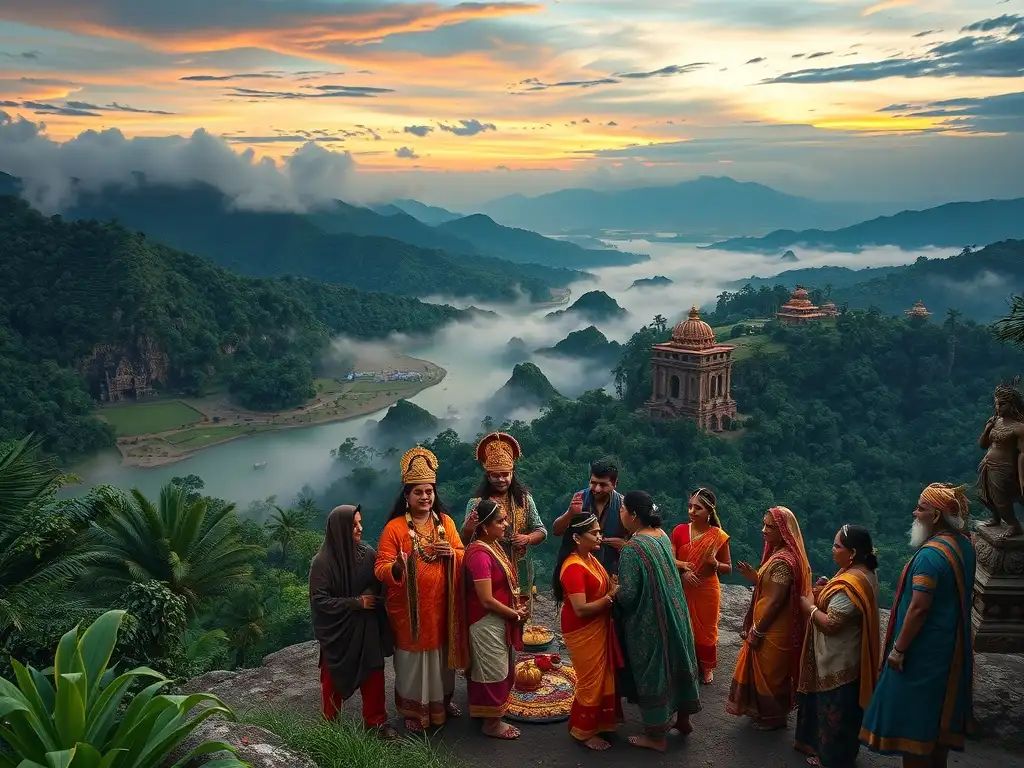
Welcome to Ancient India History, where we embark on a fascinating journey through the intricate tapestry of ancient Indian civilizations. In our featured article, “The Influence of Geography on Puranic Narratives and Characters,” we delve into how the diverse landscapes of ancient India shaped the stories and myths that still resonate today.
Discover how the geography not only influenced the characters within these narratives but also played a pivotal role in the cultural identity of the time. As you explore further, prepare to unlock the secrets of how land, rivers, and mountains intertwine with the rich lore of the Puranas, inviting you to dive deeper into this captivating intersection of geography and literature.
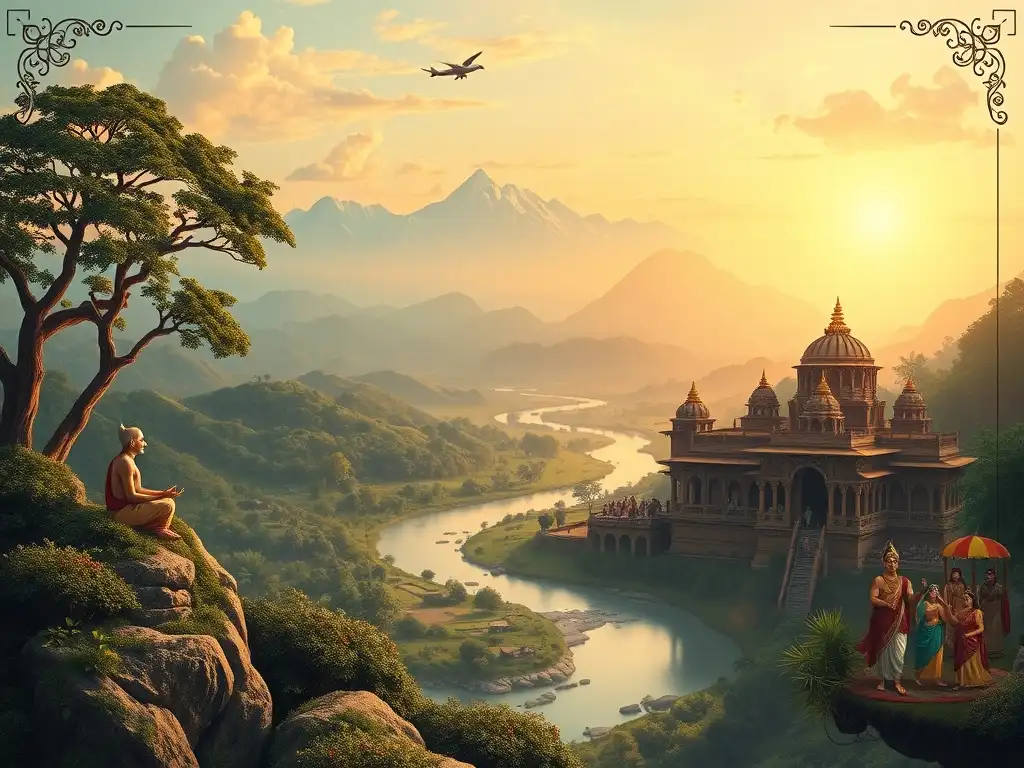
The exploration of Puranic narratives reveals an intricate tapestry woven with the threads of geography, culture, and spirituality. Ancient Indian texts, particularly the Puranas, serve as a profound testament to how the geographical landscape influenced the narratives, characters, and overarching themes within these works.
Understanding the relationship between geography and Puranic literature not only enriches our appreciation of these texts but also highlights the ways in which the physical world shaped religious beliefs, moral teachings, and cultural practices in ancient India. This article delves into the significance of geography in Puranic narratives, examining how diverse regions and sacred sites are intricately linked to the stories and teachings embedded within these ancient texts.
Introduction to Geography in Puranic Narratives
Geography plays a pivotal role in shaping the narratives and characters found in Puranic literature. The Puranas, which encompass a wide array of mythological tales, cosmological descriptions, and genealogies of gods, heroes, and sages, often reflect the geographical contexts in which they were composed. These texts not only serve as literary works but also as cultural artifacts that provide insights into the ancient Indian worldview, which was deeply influenced by the natural environment.
Understanding Puranic Literature
Puranic literature is a collection of ancient Indian texts that describe the history of the universe from creation to destruction. Unlike the Vedas, which focus on rituals and hymns, the Puranas incorporate stories that convey moral and philosophical lessons. Each Purana has its unique characteristics, but they commonly highlight the interplay between divine forces and the human experience, often set against a backdrop of geographical elements.
- Key Features of Puranic Literature:
- Mythological tales of gods and goddesses
- Cosmological frameworks
- Genealogies of kings and sages
- Moral and ethical teachings
The Significance of Geography in Ancient Indian Texts
In ancient Indian thought, geography was not merely a physical space but a vital component of the cultural and spiritual identity. The Puranas often depict various landscapes—mountains, rivers, and forests—that are not just settings but also characters in their own right. These geographic elements hold symbolic meanings and contribute to the moral and spiritual messages conveyed in the narratives.
- Geographical Symbolism:
- Mountains often represent stability and the abode of gods.
- Rivers symbolize purity and the flow of life.
- Forests serve as spaces for introspection and adventure.
Geographic Regions Featured in Puranas
The Puranas encompass a wide range of geographic regions, each contributing to the diversity of narratives and teachings. Understanding these regions allows us to appreciate the rich cultural tapestry of ancient India.
Major Physical Landscapes in Puranic Narratives
The physical landscapes depicted in the Puranas are diverse, ranging from majestic mountain ranges to fertile plains and sacred rivers. These landscapes often serve as the setting for significant events, including the birth of deities, battles between good and evil, and the performance of rituals.
- Notable Landscapes:
- Himalayas: The dwelling place of gods, often associated with divine wisdom.
- Gangetic Plains: Fertile regions linked to key historical and spiritual events.
- Deserts and Forests: Represent challenges and journeys for the protagonists.
The Role of Sacred Sites and Pilgrimages
Sacred sites and pilgrimage routes featured prominently in Puranic narratives underscore the connection between geography and spirituality. These locations are imbued with religious significance, attracting devotees and shaping cultural practices.
- Important Sacred Sites:
- Kashi (Varanasi): A prominent pilgrimage destination symbolizing liberation.
- Haridwar: The confluence of sacred rivers, representing the meeting of the earthly and the divine.
- Mount Kailash: A revered site associated with Lord Shiva, embodying spiritual aspiration.
The intricate relationship between geography and Puranic narratives provides a deeper understanding of how the physical world shaped the spiritual and cultural landscape of ancient India. This exploration reveals the profound impact that geography had on the formation of narratives, characters, and religious practices, highlighting the importance of place in the rich tapestry of Indian civilization.
Geographic Influences on Puranic Characters
The Puranas, rich in narrative and mythology, are deeply intertwined with the geography of the Indian subcontinent. The landscapes, rivers, mountains, and cities play a significant role in shaping the narratives and characters within these texts. Geography not only provides a backdrop for these stories but also influences the attributes and actions of the characters themselves. For instance, characters associated with mountainous regions often embody traits of resilience and strength, while those linked to rivers may symbolize fertility and sustenance.
Furthermore, the socio-cultural aspects of various geographical regions contribute to the development of Puranic narratives. Different local customs, traditions, and beliefs are woven into the fabric of these stories, reflecting the diverse cultural landscape of ancient India. Thus, the geography in Puranic narratives serves as a dynamic entity that interacts with the characters, enhancing their depth and relatability.
Regional Variations of Deities and Heroes
The Puranic texts illustrate how geography leads to regional variations in the portrayal of deities and heroes. Different regions in India worship distinct forms of the same deity, often corresponding to local beliefs and practices. For example, Lord Shiva is revered as the fierce ascetic in the Himalayas but takes on a more benevolent persona in the coastal regions, where he is often associated with fishing communities.
Similarly, the heroes of the Puranas, such as Rama and Krishna, exhibit different attributes depending on the geographic context. In the northern regions, Rama is often depicted as the ideal king, while in southern traditions, he may be revered more as a divine being with local significance. These regional variations highlight the adaptability of Puranic narratives, allowing them to resonate with diverse audiences while maintaining core themes.
The Impact of Geography on Character Development
Geography significantly influences character development in Puranic narratives by dictating the environment in which these characters operate. Characters are often shaped by their surroundings, with their traits and motivations reflecting the landscapes they inhabit. For instance, the depiction of the forest-dwelling sage or the warrior from the plains reveals how geographic elements inform their lifestyles, abilities, and interactions with other characters.
Moreover, the challenges presented by different terrains—such as crossing rivers, climbing mountains, or navigating forests—become integral to character arcs. These geographic obstacles often serve as catalysts for personal growth or transformation, as characters must adapt to their environment to achieve their goals. Consequently, geography in Puranic narratives is not merely a setting but a crucial factor in the evolution of characters.
Case Studies: Puranic Narratives and Geography
The relationship between geography and Puranic narratives can be further understood through specific case studies of prominent epics. The Ramayana and the Mahabharata, two of the most revered texts, provide rich examples of how geography shapes storytelling and character portrayal.
The Ramayana: Geography and Its Role in the Epic
In the Ramayana, the geographical landscape plays a pivotal role in the unfolding of the narrative. The journey of Rama and Sita traverses various terrains, including forests, mountains, and cities, each contributing to the story's progression. For instance, the dense forests of Dandaka not only serve as a place of exile but also as a setting for encounters with mythical creatures and sages, enhancing the narrative's complexity.
Additionally, the geographic locations, such as Ayodhya, Lanka, and Kishkindha, are imbued with symbolic meaning. Ayodhya represents ideal kingship, while Lanka embodies the allure of power and temptation. The contrast between these settings reflects the moral and ethical dilemmas faced by the characters, making geography an essential element of the Ramayana's thematic structure.
The Mahabharata: Geographic Context and Implications
The Mahabharata also illustrates the profound impact of geography on its narrative structure and character interactions. The epic spans various regions, from the fertile plains of Kurukshetra to the dense forests of the Himalayas. Each setting influences the events of the story and the lives of the characters involved.
Kurukshetra, as the battleground, not only serves as the site for the great war but also symbolizes the moral conflicts and dilemmas faced by the protagonists. The geography of this region, with its historical and cultural significance, amplifies the stakes of the conflict, making it a crucial element in understanding the Mahabharata's overarching themes of duty, righteousness, and the consequences of war.
Moreover, the diverse characters within the epic, such as Bhishma, Arjuna, and Duryodhana, are shaped by their respective geographical backgrounds, which inform their values, alliances, and actions throughout the narrative. By examining these geographic contexts, readers gain deeper insights into the complexities and nuances of the Mahabharata's characters and their journeys.
Thematic Connections Between Geography and Puranic Narratives
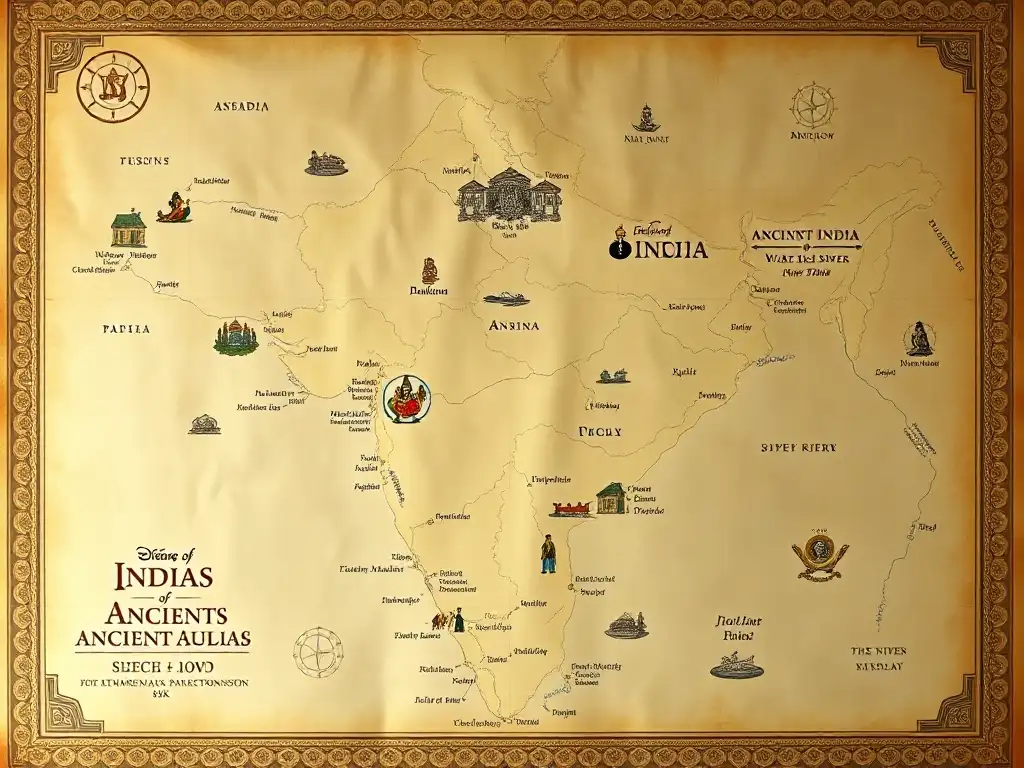
Geography plays a pivotal role in shaping the narratives and characters found within the Puranas. The lush landscapes, formidable mountains, and flowing rivers are not merely backdrops but integral components that influence the storyline and the behaviors of the characters. Each geographical feature is often imbued with symbolic meaning, representing various aspects of life, including fertility, divinity, and morality. For instance, the sacred rivers like the Ganges and Yamuna are not only physical entities but also personifications of purity, carrying spiritual significance that shapes the narratives surrounding them.
The regions depicted in the Puranic texts often correspond to actual locations in ancient India, linking the mythological with the historical. The settings provide a sense of identity and belonging, allowing readers to connect their cultural heritage with the stories. By weaving geographical elements into the narratives, the Puranas present a rich tapestry where the landscape is alive, influencing the actions and fates of divine beings and mortals alike.
Nature and the Divine in Puranic Stories
In the Puranic texts, nature is frequently portrayed as a manifestation of the divine. Mountains, forests, and rivers are not just physical features but are often anthropomorphized, representing gods and goddesses. For instance, Mount Meru, considered the axis of the universe, is central to many Puranic stories, symbolizing stability and the divine order. The depiction of nature as divine reflects the ancient Indian worldview, where the natural environment is revered and seen as an extension of spiritual beliefs.
The flora and fauna described in the Puranas also enrich the narratives, contributing to the overall symbolism. Sacred trees like the banyan and the peepal are often associated with deities, and their presence in stories enhances the connection between the divine and the earthly realm. This interplay between nature and divinity underscores the belief that the physical world is inherently spiritual, influencing the moral and ethical lessons conveyed through the tales.
The Interplay Between Geography and Morality
The Puranas often use geographical elements to convey moral lessons and ethical dilemmas faced by characters. For example, the depiction of sacred mountains as places of penance highlights the connection between physical labor, spiritual growth, and moral rectitude. Characters who undertake arduous journeys through treacherous terrains often emerge transformed, embodying virtues such as courage, resilience, and humility.
Furthermore, the geographical settings of various tales can reflect societal values and norms. For instance, regions characterized by abundance and fertility may represent prosperity and righteousness, while barren or desolate landscapes can symbolize moral decay or chaos. This moral geography underscores the belief that one's environment can influence behavior and societal outcomes, reinforcing the interconnectedness of geography, morality, and human experience in the Puranic narratives.
Conclusion: The Enduring Impact of Geography in Puranic Narratives
The influence of geography in Puranic narratives is profound and multifaceted. It shapes not only the settings of the stories but also the characters' motivations and the overarching themes. The rich landscapes of ancient India serve as a canvas upon which the divine and human dramas unfold, intertwining the natural world with spiritual teachings.
Reflections on the Role of Geography in Ancient Indian Literature
Geography in ancient Indian literature, particularly in the Puranas, reveals the deep-seated relationship between the environment and cultural consciousness. The landscapes depicted are reflective of an ancient understanding of the cosmos and humanity's place within it. By studying these geographical references, modern readers can gain insights into the values, beliefs, and societal structures that were prevalent in ancient Indian civilization.
Implications for Understanding Ancient Indian Civilization
Understanding the role of geography in Puranic narratives offers valuable implications for the study of ancient Indian civilization. It highlights how environmental factors influenced religious practices, societal norms, and moral teachings. The Puranas, through their rich geographical context, serve as historical documents that provide evidence of how ancient Indians perceived their world, ultimately enriching our comprehension of their culture, spirituality, and enduring legacy. The interplay of geography in these narratives not only preserves historical knowledge but also continues to inspire contemporary interpretations of morality and existence.
Further Reading on Geography in Ancient Indian Texts
Understanding the influence of geography on Puranic narratives opens up a rich field of study that intertwines literature, history, and anthropology. To deepen your knowledge in this area, there are various texts and scholarly works that delve into how the physical landscape shaped the stories and characters found in the Puranas. These works not only provide insights into geographical references but also explore the cultural and philosophical implications of these narratives.
Recommended Puranic Texts to Explore
-
Bhagavata Purana
This text is rich in geographical descriptions, particularly concerning the regions associated with Lord Krishna's life. Understanding the landscape of Vrindavan and Mathura enhances comprehension of the narrative's emotional and spiritual depth.
-
Padma Purana
Notable for its detailed accounts of sacred geography, the Padma Purana discusses various tirthas (pilgrimage sites) and their significance, illustrating how geography is interwoven with spiritual practice.
-
Skanda Purana
This Purana includes extensive descriptions of the Indian subcontinent's geography, particularly concerning the Himalayas and their mythological importance, which shapes the narratives of various deities.
-
Vishnu Purana
The Vishnu Purana offers insights into the geographical settings of the stories it recounts, particularly those related to the avatars of Vishnu. Its portrayal of the earth's continents and oceans provides a backdrop for understanding divine actions.
-
Agni Purana
This text provides a comprehensive overview of various regions and their place in ancient Indian cosmology, linking geographical features to mythology and rituals.
Scholarly Works on Geography and Ancient Literature
-
"Geography and Myth in the Puranas" by John Smith
This scholarly work explores the intersections of geography and myth in the Puranas, focusing on how the physical world informs the spiritual narratives within these texts.
-
"The Role of Landscape in Indian Narratives" by Anita Desai
Desai's research analyzes how different landscapes in Puranic literature shape character development and plot structures, emphasizing the importance of setting in storytelling.
-
"Sacred Geography in the Puranas" by Rajesh Kumar
This book offers an in-depth examination of sacred sites in the Puranas, revealing how geographic locations are imbued with cultural significance and religious meaning.
-
"Ancient Indian Cosmology and Its Geographical Context" by Meera Nair
Nair discusses the cosmological views presented in ancient texts and how they reflect the geographical understanding of the time, providing context to the narratives.
-
"The Geography of the Mahabharata and Puranas" by Vikram Chandra
This work focuses on the geographical references within the Mahabharata and Puranas, analyzing how these descriptions enhance the narrative and influence character motivations.
These texts and scholarly works provide a foundation for understanding the complex relationship between geography and the narratives found in ancient Indian literature, particularly within the Puranas.
- Introduction to Geography in Puranic Narratives
- Geographic Regions Featured in Puranas
- Geographic Influences on Puranic Characters
- Case Studies: Puranic Narratives and Geography
- Thematic Connections Between Geography and Puranic Narratives
- Conclusion: The Enduring Impact of Geography in Puranic Narratives
- Further Reading on Geography in Ancient Indian Texts
Frequently Asked Questions
What are Puranic narratives?
Puranic narratives are ancient Indian texts that include myths, legends, and historical tales. They play a significant role in understanding the cultural and religious landscape of ancient India.
How does geography influence Puranic narratives?
Geography shapes the settings of these narratives, influencing the characters, events, and cultural practices depicted in the stories, often reflecting the physical landscapes of ancient India.
What role do geographical features play in character development?
Geographical features such as mountains, rivers, and forests often define characters' traits and journeys, symbolizing their struggles and spiritual growth throughout the narratives.
Can you give an example of geography in a Puranic story?
In the Mahabharata, the Gangetic plains serve as the backdrop for key events, highlighting the importance of rivers as both a physical and spiritual element in the characters' lives.
Why is it important to study geography in Puranic narratives?
Studying geography in Puranic narratives helps us understand the interconnections between the natural world and human experiences, enriching our comprehension of ancient Indian philosophy and culture.
Final Reflection: The Interwoven Tapestry of Geography and Puranic Narratives
The exploration of geography in Puranic narratives reveals a profound connection between the physical landscapes and the stories that shape our cultural heritage. Today, as we navigate an increasingly globalized world, understanding how geography influences narratives allows us to appreciate the depth and richness of our traditions. The landscapes of ancient texts are not mere backdrops; they are dynamic characters that shape the very essence of the stories told within them.
Clearly, the geography depicted in these narratives continues to resonate in our cultural and social landscapes. The mountains, rivers, and forests are more than just settings; they embody the values, struggles, and triumphs of the characters that traverse them. This enduring influence reminds us that our identities are often tied to the places we inhabit. The land is not just a backdrop; it is a character that shapes the narrative of our lives.
This perspective invites us to reflect on how our own environments influence our stories and identities.
As you ponder the intricate relationship between geography and Puranic narratives, I encourage you to consider how the landscapes of your own life shape your experiences and beliefs. Take a moment to reflect on the places that have influenced your journey, and let this understanding inspire you to weave your own narrative with intention and awareness. By recognizing the power of geography in storytelling, we can enrich our lives and the lives of those around us, creating a tapestry of shared experiences that honors both our past and our future.
Unveil the Geo-Mythical Connections!
Thank you for exploring the fascinating interplay between geography and ancient narratives! You've uncovered the profound ways our world's landscapes shape stories and characters. Ready to take your understanding further? Here are some empowering actions you can take:
- Dive deeper into your favorite ancient text by reading an additional translation or commentary to uncover hidden meanings influenced by geography.
- Share your insights! Discuss this article on social media or in your community—let’s spark an engaging conversation about how geography impacts mythology.
- Join a local book club or online forum focused on ancient literature to connect with fellow enthusiasts and explore diverse interpretations.
How do you think the landscapes from your own life shape the narratives you believe in?