
The Influence of Eastern Indian Philosophy on Global Thought


Welcome to Ancient India History, where we embark on a fascinating journey through the rich tapestry of India's past. Here, we delve into the profound influence of Eastern Indian philosophy on global thought, illuminating how ancient wisdom has shaped cultures far beyond its origins. From the philosophical inquiries of the Indus Valley to the intellectual achievements of the Gupta Empire, each thread tells a story of interconnectedness and enlightenment.
Prepare to uncover the remarkable contributions that have reverberated through time, inspiring curiosity and dialogue across civilizations. Join us as we explore these captivating narratives and reveal the timeless legacies that continue to resonate today.

Introduction to Eastern Indian Philosophy
Eastern Indian philosophy represents a profound and intricate tapestry of thought that has not only shaped the cultural and spiritual landscape of India but also significantly influenced global philosophical discourse. From the ancient teachings of the Indus Valley Civilization to the intricate doctrines of Buddhism, Jainism, and Vedanta, these philosophies have offered unique perspectives on existence, ethics, and the universe.
As we delve into the rich traditions of Eastern Indian philosophy, it becomes evident how these ideas have transcended geographical boundaries, inspiring thinkers and spiritual seekers across the world. This exploration of Eastern Indian philosophy's influence reveals the interconnectedness of human thought and the enduring legacy of its teachings.
Definition and Overview of Eastern Indian Philosophy
Eastern Indian philosophy encompasses a diverse range of philosophical systems and schools that originated in the eastern regions of India. This includes:
- Buddhism: Founded by Siddhartha Gautama (the Buddha) in the 5th century BCE, it emphasizes the path to enlightenment through ethical conduct, meditation, and wisdom.
- Jainism: An ancient religion that advocates for non-violence (ahimsa) and truth, promoting a life of asceticism and spiritual purity.
- Vedanta: A school rooted in the teachings of the Upanishads, focusing on the nature of reality, the self, and the ultimate unity of all existence.
Together, these philosophies address fundamental questions about life, suffering, and the nature of reality, offering frameworks that have inspired countless individuals and movements throughout history.
Historical Context of Eastern Indian Thought
The historical development of Eastern Indian philosophy can be traced back to several key periods:
- Indus Valley Civilization (c. 3300–1300 BCE): Early signs of spiritual and philosophical thought can be seen in archaeological findings, such as seals depicting yogic postures.
- Vedic Period (c. 1500–500 BCE): The emergence of the Vedas laid the groundwork for philosophical inquiry, introducing concepts that would later evolve into the Upanishadic teachings.
- Classical Period (c. 500 BCE–500 CE): The rise of Buddhism and Jainism marked a significant shift in philosophical thought, challenging the established Vedic traditions and introducing new ethical frameworks.
These historical contexts not only shaped Eastern Indian philosophy but also provided fertile ground for its eventual spread beyond India, influencing various cultures and intellectual traditions worldwide.
Key Philosophical Schools of Eastern India
The Foundations of Buddhism in Eastern India
Buddhism, as one of the most influential philosophical schools to emerge from Eastern India, offers a unique approach to understanding the nature of suffering and the path to liberation. Central to Buddhist thought is the Four Noble Truths, which outline the reality of suffering, its causes, the possibility of cessation, and the path leading to enlightenment (the Eightfold Path).
- Key Contributions:
- The concept of anatta (non-self), challenging the notion of a permanent self.
- The practice of mindfulness and meditation, which has gained global recognition in contemporary wellness practices.
Buddhism's emphasis on compassion and ethical living has resonated across cultures, inspiring movements for social justice and inner peace.
The Role of Jainism in Shaping Ethical Thought
Jainism has played a crucial role in shaping ethical thought, particularly through its principled stance on non-violence (ahimsa) and truthfulness (satya). The teachings of Mahavira, the 24th Tirthankara, emphasize the importance of:
- Ahimsa: The belief that all living beings are interconnected, fostering an ethical lifestyle that minimizes harm.
- Aparigraha: Non-attachment to material possessions, promoting a life of simplicity and detachment.
These principles have not only influenced Indian society but have also sparked discussions about ethics and morality in various global philosophical contexts.
Vedanta and Its Impact on Eastern Philosophy
Vedanta, a school of thought rooted in the Upanishads, addresses profound questions regarding the nature of reality, the self (atman), and the ultimate reality (Brahman). Key concepts include:
- Advaita Vedanta: Propounded by Adi Shankaracharya, this non-dualistic philosophy asserts that the self and the ultimate reality are one and the same.
- Bhakti and Devotion: The integration of devotion into Vedantic thought has led to vibrant spiritual movements that emphasize personal connection with the divine.
The impact of Vedanta on global thought is evident in its influence on various philosophical and spiritual movements, including the transcendentalism of the 19th century and contemporary discussions on consciousness and reality.
In exploring the intricate layers of Eastern Indian philosophy, we uncover a rich history of thought that continues to resonate across the globe, offering valuable insights into the human experience.
Major Themes in Eastern Indian Philosophy
Eastern Indian philosophy is rich in diverse themes that have significantly impacted global thought. Key among these themes are dharma, karma, moksha, and the interconnectedness of all beings. These themes not only provide a framework for understanding the human condition but also emphasize ethical living, spiritual liberation, and the unity of existence. The philosophical schools that emerged from this region, particularly during the Vedic and post-Vedic periods, have elucidated these concepts in various texts, such as the Upanishads, the Bhagavad Gita, and Buddhist scriptures.
The exploration of these themes has led to a profound understanding of existence, morality, and the nature of reality, influencing not only ancient Indian society but also resonating with thinkers and spiritual seekers across the globe. As these philosophies spread, they underwent adaptations and interpretations that further enriched their relevance and applicability in diverse cultural contexts.
Concepts of Dharma and Karma in Global Context
Dharma, often translated as "righteous duty" or "moral law," plays a crucial role in guiding individual behavior and societal norms. It emphasizes the importance of living in harmony with the laws of nature and fulfilling one's responsibilities. Karma, on the other hand, refers to the law of cause and effect, suggesting that every action has consequences that shape one's future experiences.
These concepts have found resonance beyond the Indian subcontinent. In Buddhism, for instance, karma is central to the understanding of rebirth and moral accountability. Similarly, in Western thought, parallels can be drawn to the ethical philosophies of thinkers like Immanuel Kant, who emphasized duty and moral law, and the idea of justice in various religious contexts. The integration of dharma and karma into global ethics highlights the universality of these philosophical ideas, fostering discussions on morality, responsibility, and the implications of human actions on a collective scale.
The Idea of Moksha and Its Influence on Spiritual Practices
Moksha, or liberation, represents the ultimate goal of many Eastern Indian philosophical traditions. It signifies the release from the cycle of birth and rebirth (samsara) and the realization of one's true nature. This concept has significantly influenced spiritual practices, encouraging seekers to pursue self-realization through meditation, ethical living, and devotion.
Globally, the idea of moksha has inspired various spiritual movements that emphasize inner peace and enlightenment. For instance, in the New Age movement, concepts akin to moksha are often discussed in terms of achieving a higher state of consciousness or spiritual awakening. Additionally, the influence of Eastern philosophies on Western esotericism and mysticism can be seen in practices that seek transcendence and self-discovery, illustrating the widespread appeal of the concept of liberation across cultures.
The Interconnectedness of All Beings: A Universal Perspective
A fundamental tenet of Eastern Indian philosophy is the belief in the interconnectedness of all beings. This perspective asserts that all life forms are interrelated, and actions taken by one affect the whole. This holistic view fosters compassion, empathy, and a sense of responsibility towards others and the environment.
The idea of interconnectedness has resonated globally, influencing various philosophical and ecological movements. For instance, the modern environmental movement often draws upon these philosophies to advocate for sustainable living and respect for nature. Furthermore, the concept has permeated psychological and sociological discourse, emphasizing the importance of community, relationships, and collective well-being. This universal perspective has facilitated dialogues across cultures, promoting a more inclusive understanding of humanity's place within the cosmos.
Historical Influence of Eastern Indian Philosophy on Global Thought
The historical influence of Eastern Indian philosophy on global thought is a testament to its enduring relevance. Over centuries, these philosophies have traversed geographical boundaries, shaping the intellectual and spiritual landscapes of numerous cultures. The dissemination of these ideas has occurred through various channels, including trade routes, conquests, and cultural exchanges, leading to a rich tapestry of philosophical dialogue.
The Spread of Eastern Indian Philosophy through Trade Routes
Trade routes have played a pivotal role in the spread of Eastern Indian philosophy. The Silk Road, for example, facilitated not only the exchange of goods but also the sharing of ideas and spiritual practices. Merchants, travelers, and monks traversed these routes, introducing concepts such as Buddhism to Central Asia, China, and beyond.
As these philosophies traveled, they adapted to local cultures, leading to the emergence of syncretic spiritual traditions. In this manner, Eastern Indian philosophical ideas became integral to the development of various schools of thought, influencing everything from ethics to metaphysics. This historical process illustrates the dynamic nature of philosophical exchange and the transformative power of Eastern Indian thought on a global scale.
Contributions to Western Philosophy and Enlightenment Thought
Eastern Indian philosophy has significantly contributed to Western philosophy, particularly during the Enlightenment period. Thinkers such as Leibniz and Schopenhauer were profoundly influenced by Indian texts and philosophies. Schopenhauer, in particular, drew parallels between his ideas and those found in Buddhism and Hinduism, especially regarding the nature of desire and suffering.
The engagement with Eastern philosophies has encouraged Western philosophers to explore alternative perspectives on existence, ethics, and the nature of reality. This cross-pollination of ideas has enriched Western thought, fostering a more pluralistic approach to philosophical inquiry. As a result, Eastern Indian philosophy has not only influenced individual thinkers but has also contributed to broader intellectual movements that seek to integrate diverse philosophical traditions.
Influence on Modern Spiritual Movements and New Age Philosophies
In contemporary times, Eastern Indian philosophy has profoundly impacted modern spiritual movements and New Age philosophies. Concepts such as meditation, yoga, and mindfulness, rooted in these ancient traditions, have gained immense popularity worldwide. The emphasis on personal growth, self-awareness, and holistic well-being resonates with individuals seeking alternative paths to spirituality outside traditional religious frameworks.
Furthermore, the fusion of Eastern and Western thought has led to innovative approaches to psychology, wellness, and holistic health. New Age philosophies often incorporate elements of dharma, karma, and moksha, creating a rich tapestry of spiritual practices that appeal to a global audience. This ongoing influence underscores the adaptability and relevance of Eastern Indian philosophy in addressing contemporary spiritual needs and fostering a deeper understanding of the self and the universe.
Eastern Indian Philosophy in Contemporary Global Discourse
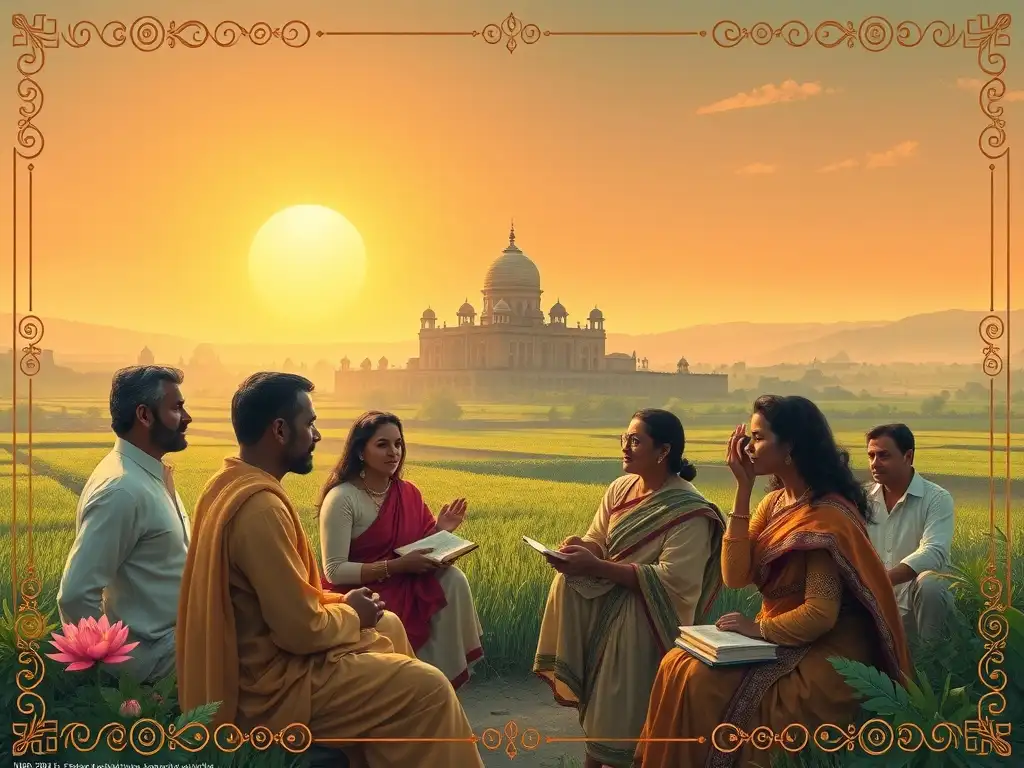
Eastern Indian philosophy, particularly through its foundational texts such as the Vedas, Upanishads, and the teachings of influential figures like Buddha and Mahavira, has profoundly shaped contemporary global discourse. This rich philosophical tradition emphasizes concepts such as interconnectedness, non-attachment, and the quest for self-realization. In recent years, these principles have garnered significant attention in various fields, from spirituality to psychology, and have even found their way into discussions surrounding ethics and governance. The integration of Eastern philosophical tenets into modern thought reflects a growing recognition of the value these ancient perspectives offer in addressing contemporary challenges.
The Relevance of Eastern Indian Thought in Modern Ethics
In the realm of ethics, Eastern Indian philosophy introduces a holistic approach that emphasizes the importance of intention, compassion, and the interconnectedness of all beings. The concept of ahimsa (non-violence) is particularly notable, advocating for peaceful coexistence and respect for all forms of life. This ethical framework contrasts with more individualistic Western paradigms, promoting a collective responsibility towards societal welfare. As globalization fosters diverse interactions, the ethical teachings of Eastern Indian philosophy are increasingly relevant, offering a moral compass that prioritizes harmony over conflict.
The Impact on Psychological Practices and Mindfulness
The influence of Eastern Indian philosophy on psychological practices, particularly mindfulness and meditation, cannot be overstated. Techniques rooted in ancient practices, such as Vipassana and Zen meditation, have been integrated into modern therapeutic approaches, emphasizing mental well-being and emotional resilience. These practices encourage individuals to cultivate awareness and presence, leading to improved mental health outcomes. As Western psychology continues to explore holistic and integrative methods, the adoption of mindfulness practices illustrates a significant shift toward recognizing the psychological benefits derived from Eastern philosophical traditions.
Eastern Philosophical Perspectives on Environmentalism
Eastern Indian philosophy offers profound insights into environmentalism, advocating for a deep reverence for nature and the belief in the interdependence of all life forms. The idea of Dharma emphasizes living in harmony with the natural world, urging individuals to act responsibly and sustainably. This perspective stands in stark contrast to the exploitative tendencies often associated with modern industrialization. As global environmental crises escalate, the adoption of Eastern philosophical principles can inspire more ethical and sustainable practices, promoting a balance between human activity and ecological preservation.
Comparative Analysis: Eastern Indian Philosophy vs. Western Philosophy
The comparative analysis of Eastern Indian philosophy and Western philosophy reveals significant distinctions in worldview, methodology, and underlying assumptions. While Western philosophy often prioritizes rationality, individualism, and empirical validation, Eastern Indian thought tends to focus on holistic understanding, spirituality, and the pursuit of inner wisdom. This divergence manifests in varying approaches to existential questions, ethics, and the nature of reality, showcasing the richness of philosophical inquiry across cultures.
Distinctive Features of Eastern and Western Philosophical Thought
Distinctive features of Eastern and Western philosophical thought can be observed in their core tenets and methodologies. Eastern philosophies often embrace paradoxes and the fluidity of concepts, as seen in Buddhist notions of impermanence and non-self. In contrast, Western philosophy typically seeks definitive answers and logical frameworks. The Eastern focus on experiential knowledge and introspection complements the Western emphasis on analytical reasoning, illustrating the diverse pathways to understanding human existence and the universe.
The Synthesis of Eastern and Western Ideas in Modern Context
In recent decades, there has been a notable synthesis of Eastern and Western philosophical ideas, particularly in fields such as psychology, ethics, and environmental studies. This blending reflects a growing awareness of the limitations inherent in a singular philosophical tradition. For instance, the integration of mindfulness practices into cognitive behavioral therapy exemplifies how Eastern techniques can enhance Western psychological frameworks.
Furthermore, discussions on global ethics increasingly incorporate Eastern principles, fostering a more inclusive approach to moral dilemmas. As scholars and practitioners continue to explore this synthesis, the dialogue between Eastern Indian philosophy and Western thought promises to enrich our understanding of complex global issues.
Conclusion
The exploration of Eastern Indian philosophy reveals a profound and lasting influence on global thought, shaping various philosophical traditions, spiritual practices, and ethical frameworks across different cultures. From the teachings of the Buddha to the intricate concepts found in the Upanishads, Eastern Indian philosophy has transcended its geographical origins, inviting scholars and practitioners worldwide to engage with its rich insights. Understanding this influence not only highlights the interconnectedness of human thought but also emphasizes the importance of diverse philosophical perspectives in addressing contemporary challenges.
Summary of the Influence of Eastern Indian Philosophy
Eastern Indian philosophy has significantly contributed to various fields such as metaphysics, ethics, and epistemology. Its concepts, particularly those related to the self, consciousness, and the nature of reality, have inspired philosophical discourse across the globe. Key themes include:
- Unity and Interconnectedness: The notion that all beings are interconnected has influenced ecological and holistic approaches in modern thought.
- Meditation and Mindfulness: Practices derived from Eastern philosophies have permeated Western psychology, promoting mental well-being and self-awareness.
- Ethics and Morality: The emphasis on compassion and non-violence, particularly in Buddhism, has shaped ethical discussions and movements advocating for peace and social justice.
The synthesis of Eastern and Western philosophical ideas continues to evolve, enriching global philosophical landscapes.
The Future of Eastern Indian Philosophy in Global Thought
As globalization intensifies, the future of Eastern Indian philosophy appears promising. Increased interest in mindfulness, meditation, and holistic living suggests a growing acceptance of Eastern thought in contemporary society. Several factors may influence this trajectory:
- Interdisciplinary Studies: The intersection of philosophy, psychology, and environmental studies may foster deeper engagement with Eastern philosophies, enabling scholars to draw connections between ancient wisdom and modern challenges.
- Cultural Exchange: Globalization facilitates cultural exchanges that allow Eastern philosophies to be integrated into various disciplines, encouraging diverse interpretations and applications.
- Technological Advancements: Online platforms and social media enable the dissemination of Eastern philosophical ideas, making them accessible to a broader audience and inviting dialogue across cultures.
The ongoing dialogue between Eastern and Western philosophies holds the potential to address pressing global issues, reaffirming the relevance of Eastern Indian philosophy in contemporary thought.
References
Key Texts and Resources on Eastern Indian Philosophy
- The Bhagavad Gita - A central text in Hindu philosophy that explores duty, righteousness, and devotion.
- The Upanishads - Ancient texts that delve into metaphysics and the nature of the self.
- The Dhammapada - A collection of sayings of the Buddha, offering insights into ethical living and mindfulness.
- The Yoga Sutras of Patanjali - Foundational text discussing the philosophy and practice of yoga.
Further Reading on Global Philosophical Influences
- "The Tao of Pooh" by Benjamin Hoff - An exploration of Eastern philosophy through the lens of Winnie the Pooh.
- "Zen and the Art of Motorcycle Maintenance" by Robert M. Pirsig - A philosophical journey that intertwines Eastern and Western thought.
- "The Perennial Philosophy" by Aldous Huxley - An examination of universal truths found in various religious and philosophical traditions, including Eastern philosophies.
- "The Art of Happiness" by the Dalai Lama and Howard Cutler - A dialogue on happiness that integrates Buddhist principles into modern psychology.
- Introduction to Eastern Indian Philosophy
- Key Philosophical Schools of Eastern India
- Major Themes in Eastern Indian Philosophy
- Historical Influence of Eastern Indian Philosophy on Global Thought
- Eastern Indian Philosophy in Contemporary Global Discourse
- Comparative Analysis: Eastern Indian Philosophy vs. Western Philosophy
- Conclusion
- References
- What is Eastern Indian philosophy?
- How has Eastern Indian philosophy influenced Western thought?
- What are some key contributions of Eastern Indian philosophy to global culture?
- How did the Gupta Empire contribute to Eastern Indian philosophy?
- Why is the study of Eastern Indian philosophy important today?
Frequently Asked Questions
What is Eastern Indian philosophy?
Eastern Indian philosophy encompasses the philosophical traditions originating from ancient India, including Hinduism, Buddhism, and Jainism. These schools of thought have significantly influenced spiritual, ethical, and metaphysical concepts globally.
How has Eastern Indian philosophy influenced Western thought?
Eastern Indian philosophy has profoundly impacted Western thought by introducing ideas such as non-duality, meditation, and the concept of karma. These ideas have shaped various movements, including transcendentalism and modern psychology.
What are some key contributions of Eastern Indian philosophy to global culture?
Key contributions include the practice of yoga, the concept of self-realization, and ethical frameworks that emphasize compassion and mindfulness. These elements have become integral to various global practices and philosophies.
How did the Gupta Empire contribute to Eastern Indian philosophy?
The Gupta Empire was a golden age for Eastern Indian philosophy, fostering significant advancements in science, mathematics, and the arts. Scholars like Aryabhata and Kalidasa emerged during this period, influencing both Indian and global intellectual landscapes.
Why is the study of Eastern Indian philosophy important today?
Studying Eastern Indian philosophy is essential today as it provides insights into contemporary issues such as mental health, environmental ethics, and global interconnectedness. Its teachings promote a deeper understanding of human experience and spirituality.
Final Reflection: The Enduring Legacy of Eastern Indian Philosophy
The influence of Eastern Indian philosophy on global thought is more relevant today than ever, as we navigate a world increasingly in need of holistic understanding and interconnectedness. In an era marked by rapid technological advancement and cultural exchange, the wisdom of Eastern Indian philosophy offers profound insights into the nature of existence, consciousness, and the interconnectedness of all beings. This ancient wisdom is not merely a relic of the past; it serves as a guiding light for contemporary issues, urging us to seek balance and harmony in our lives.
The impact of Eastern Indian philosophy extends far beyond its geographical origins, shaping cultural narratives and social movements across the globe. From mindfulness practices that have permeated Western psychology to the ethical frameworks that guide environmental sustainability, the teachings of Eastern Indian thinkers continue to resonate deeply in our collective consciousness. As Mahatma Gandhi once said, You must be the change you wish to see in the world.
This sentiment encapsulates the essence of Eastern Indian philosophy, reminding us that personal transformation is the foundation for broader societal change.
As we reflect on the teachings and influence of Eastern Indian philosophy, I invite you to consider how these principles can be woven into the fabric of your daily life. Embrace the opportunity to cultivate mindfulness, compassion, and a sense of interconnectedness with others and the world around you. Let the wisdom of the past inspire your actions in the present, and together, we can create a future that honors the profound insights of Eastern Indian philosophy while fostering a more harmonious global community.
Unveil the Transformative Power of Eastern Indian Philosophy!
Thank you for exploring the profound impact of Eastern Indian philosophy with us! We hope this article has enriched your understanding and sparked a desire to dive deeper into these transformative ideas. Now, it's time to take what you've learned and apply it in meaningful ways.
Take Action Now:
- Engage with the Teachings: Start a daily practice inspired by Eastern philosophies, such as meditation or mindfulness. Experience firsthand how these principles can reshape your mindset.
- Join the Conversation: Connect with like-minded individuals by sharing this article on social media or discussing these philosophies within your community. Your voice matters!
- Explore Further: Read a book or listen to a podcast that delves into Eastern philosophy to broaden your perspective and deepen your understanding.
What aspects of Eastern Indian philosophy resonate most with you, and how do you plan to incorporate them into your life? We’d love to hear your thoughts!