
The Indus Valley Civilization's Influence on Eastern India: A Deep Dive

Welcome to Ancient India History, where we embark on a captivating journey through the rich tapestry of ancient Indian civilizations. In today's exploration, we delve into the profound influence of the Indus Valley Civilization on Eastern India—a subject that unravels the intricate connections between geography, culture, and innovation. Are you ready to uncover the secrets of this remarkable era and its lasting impact on the region? Join us as we dive deep into the nuances of history that shaped a civilization and continue to resonate through time. Your adventure into the past begins here!
- Introduction to the Indus Valley Civilization Influence in Eastern India
- Historical Context of the Indus Valley Civilization
- The Indus Valley Civilization's Influence on Eastern India
- Cultural Contributions of the Indus Valley Civilization to Eastern India
- Societal Impact of Indus Valley Civilization on Eastern India
- Comparative Analysis: Indus Valley Civilization vs. Other Ancient Civilizations in Eastern India
- Conclusion: The Lasting Influence of the Indus Valley Civilization on Eastern India's Heritage
- References and Further Reading on Indus Valley Civilization Influence
- Frequently Asked Questions
- Final Reflection: The Enduring Legacy of the Indus Valley Civilization
- Unveil the Legacy of the Indus Valley Civilization!
Introduction to the Indus Valley Civilization Influence in Eastern India
The Indus Valley Civilization, one of the world's earliest urban cultures, flourished between 3300 BCE and 1300 BCE in what is now Pakistan and northwest India. Its influence reached far beyond its geographical confines, significantly impacting the socio-cultural and economic landscapes of Eastern India.
As we delve into this topic, we will explore how the advancements in urban planning, trade, and social organization of the Indus Valley Civilization left an indelible mark on the subsequent civilizations in Eastern India, shaping their development and cultural identity. Understanding this influence is vital to grasping the broader historical narratives of regional interactions and cultural exchanges that have defined ancient Indian history.
Overview of the Indus Valley Civilization
The Indus Valley Civilization (IVC) is renowned for its remarkable achievements in city planning, architecture, and social organization. Key features include:
- Urban Planning: Cities like Harappa and Mohenjo-Daro were meticulously planned with grid layouts, sophisticated drainage systems, and standardized fired bricks.
- Trade Networks: The IVC established extensive trade relations with neighboring regions, including Mesopotamia, which facilitated cultural exchanges and economic prosperity.
- Cultural Practices: The civilization exhibited advanced craftsmanship in pottery, metallurgy, and bead-making, alongside a system of writing that remains undeciphered.
The decline of the IVC around 1300 BCE marked a significant transition in the region, but its cultural and technological legacies continued to reverberate through Eastern India, influencing various aspects of life, including agriculture, trade, and societal structures.
Importance of Studying Eastern India’s History
Eastern India has historically been a confluence of diverse cultures and traditions, shaped by various influences, including that of the IVC. The significance of studying this region’s history lies in:
- Cultural Heritage: Eastern India is home to rich traditions, languages, and art forms that have been influenced by ancient civilizations, including the IVC.
- Economic Evolution: Understanding the economic interactions and trade practices established during the IVC helps illuminate the foundation of Eastern India’s later economic systems.
- Social Structures: The societal organization and governance models derived from the IVC played a crucial role in shaping the future societies in Eastern India.
By exploring the historical narratives of Eastern India, we gain insights into how ancient influences continue to shape contemporary cultural and social realities.
Purpose of the Article
This article aims to provide a comprehensive exploration of the Indus Valley Civilization's influence on Eastern India. Through an analysis of archaeological findings, historical texts, and cultural continuities, we seek to:
- Examine the Direct Impacts: Identify and discuss the specific cultural, economic, and technological influences that the IVC had on Eastern Indian societies.
- Highlight Historical Significance: Emphasize the importance of understanding these influences in the context of broader Indian history.
- Encourage Further Research: Inspire readers to delve deeper into the rich tapestry of Eastern India's history and its connections to ancient civilizations.
By the end of this article, readers will have a clearer understanding of the profound and lasting impact of the Indus Valley Civilization on the development of Eastern India, enriching their appreciation for this dynamic region's historical landscape.
Historical Context of the Indus Valley Civilization
The Indus Valley Civilization (IVC), one of the world's earliest urban cultures, flourished in the northwestern regions of South Asia, primarily in what is now Pakistan and northwest India, from approximately 3300 BCE to 1300 BCE. Its influence, particularly on Eastern India, is a pivotal aspect of ancient Indian history. The civilization is characterized by advanced urban planning, sophisticated drainage systems, and a unique script that remains undeciphered. Understanding the historical context of the IVC is essential for grasping its profound influence on subsequent cultures in Eastern India.
Geographic Extent and Timeline
The Indus Valley Civilization flourished in a vast area, extending from the eastern shores of the Arabian Sea to the northwestern parts of the Indian subcontinent. Its geographic extent included the fertile plains of the Indus River and its tributaries, covering regions that now belong to modern-day Pakistan, India, and Afghanistan.
- Key Phases:
- Early Harappan Phase (c. 3300–2600 BCE): Marked by the emergence of small agricultural settlements.
- Mature Harappan Phase (c. 2600–1900 BCE): Characterized by well-planned cities such as Harappa and Mohenjo-Daro, showcasing advanced urban planning and social organization.
- Late Harappan Phase (c. 1900–1300 BCE): A decline in urban centers, leading to a transition into rural communities.
The timeline of the IVC indicates a civilization that thrived for nearly 1,000 years, during which it developed complex societal structures, trade networks, and cultural practices that would influence neighboring regions, including Eastern India.
Major Cities and Urban Planning
The urban planning of the Indus Valley Civilization stands as one of its most remarkable achievements. Major cities such as Harappa, Mohenjo-Daro, and Dholavira exemplified advanced architectural techniques and urban layouts that were unprecedented for their time.
- City Features:
- Grid Layout: Cities were laid out in a grid pattern, with streets intersecting at right angles, reflecting a high level of planning.
- Drainage Systems: An extensive drainage system was implemented, with covered drains running along the streets, a testament to the civilization’s emphasis on sanitation.
- Public Structures: The presence of large public bathhouses, granaries, and warehouses indicates a well-organized society with communal facilities.
These urban centers were not only hubs of administration and commerce but also centers of cultural exchange. Their layout influenced subsequent urban designs in Eastern India, contributing to the establishment of similar structured settlements.
Trade Networks and Cultural Exchanges
The Indus Valley Civilization was integral in establishing extensive trade networks that connected it with neighboring regions, including Mesopotamia and the Arabian Peninsula. The trade routes facilitated the exchange of goods, ideas, and cultural practices, significantly impacting Eastern India.
- Trade Goods:
- Cotton Textiles: The IVC is credited with being one of the first civilizations to cultivate cotton and manufacture textiles, which became a valuable trade commodity.
- Metallurgy: The civilization engaged in the trade of metals, including bronze and copper, which were essential for tool-making and artistry.
- Cultural Exchanges:
- Art and Iconography: Artistic styles and motifs from the IVC influenced local cultures in Eastern India, as seen in pottery and terracotta figurines.
- Religious Practices: The remnants of seals and figurines suggest that certain religious practices may have been shared or adapted by later Eastern Indian civilizations.
The Indus Valley Civilization's trade networks not only bolstered its economy but also fostered cultural diffusion, which played a crucial role in shaping the social and cultural landscape of Eastern India. The legacy of the IVC, therefore, extends far beyond its geographic boundaries, influencing the trajectory of ancient Indian history.
The Indus Valley Civilization's Influence on Eastern India
Early Settlements in Eastern India
The Indus Valley Civilization (IVC), flourishing around 2500 BCE, left a profound impact on the subsequent settlements in Eastern India. Archaeological findings suggest that the cultural and technological advancements of the IVC permeated into the region, leading to the establishment of early settlements that reflected these influences.
- Migration and Cultural Exchange: As the IVC began to decline around 1900 BCE, there was likely a migration of people from the declining urban centers towards the east. This influx brought with it not only people but also a wealth of knowledge in crafts, trade, and urban planning.
- Evidence from Archaeological Sites: Sites such as Chandraketugarh and Wari-Bateshwar have yielded artifacts and pottery that show similarities to those found in the IVC, suggesting cultural continuity and adaptation. For example, terracotta figurines and seals with motifs reminiscent of the IVC have been discovered, indicating a shared artistic and trade tradition.
Architectural and Urban Innovations
The architectural legacy of the Indus Valley Civilization significantly influenced urban planning and construction techniques in Eastern India. The IVC is renowned for its sophisticated urban design, evident in the layout of cities like Harappa and Mohenjo-Daro.
- Grid Pattern Layouts: The urban planning of the IVC featured a grid pattern with well-defined streets and public spaces. This concept was not lost on later Eastern Indian cities like Kolkata and Patna, where similar layouts can be observed. The emphasis on organized city planning helped facilitate trade and social interaction.
- Advanced Drainage Systems: One of the key architectural innovations of the IVC was its advanced drainage system. This engineering feat was adopted in Eastern India, where cities began implementing structured drainage and sanitation systems, improving public health and hygiene.
- Construction Materials: The use of baked bricks and stone in construction can also be traced back to IVC influences. Eastern Indian structures, particularly temples and public buildings, utilized these materials, showcasing durability and aesthetic appeal.
Agricultural Practices and Irrigation Techniques
The agricultural advancements of the Indus Valley Civilization laid the groundwork for agrarian practices in Eastern India, influencing crop cultivation and irrigation techniques for centuries.
- Crop Diversity: The IVC was known for its diverse agricultural practices, including the cultivation of wheat, barley, and cotton. Eastern India adopted these practices, leading to a rich agricultural tradition that supported growing populations. The cultivation of rice, which became a staple in the region, may also have roots in the agricultural techniques brought by IVC migrants.
- Irrigation Systems: The sophisticated irrigation methods developed by the IVC, including canal systems and water management techniques, were adapted in Eastern India. These innovations allowed for the expansion of arable land and enhanced agricultural productivity, crucial for sustaining larger communities.
- Socio-Economic Impact: The transition to more advanced agricultural practices led to the development of trade networks, contributing to the socio-economic prosperity of Eastern Indian civilizations. The surplus of agricultural produce facilitated trade with neighboring regions and the growth of urban centers.
The Indus Valley Civilization's influence on Eastern India can be observed across various domains, from early settlements to architectural innovations and agricultural practices. This rich heritage laid the foundation for the vibrant cultures that would flourish in the region, continuing to shape its history for centuries to come.
Cultural Contributions of the Indus Valley Civilization to Eastern India
Art and Craftsmanship
The Indus Valley Civilization (IVC), which flourished around 2500 BCE, is renowned for its sophisticated urban planning and remarkable craftsmanship. This influence extended beyond its geographical boundaries, significantly impacting the artistic expressions in Eastern India.
- Pottery: The IVC is famous for its wheel-made pottery, characterized by geometric patterns and painted motifs. As the civilization declined, these techniques and styles began to permeate into Eastern Indian societies, evidenced by the discovery of similar pottery styles in sites such as Bengal and Assam. This transfer of knowledge reflects a continuity in aesthetic sensibilities.
- Sculpture and Figurines: The intricately carved seals and terracotta figurines of the IVC showcase a high level of artistry that influenced Eastern Indian sculpture. For instance, the tradition of creating terracotta figures continued in Eastern India, with local artisans adopting similar techniques to produce both decorative and functional items.
- Textiles: The IVC was also known for its textile production, specifically cotton. The cultivation and weaving techniques established during this period directly influenced the textile industry in Eastern India, leading to the development of unique local styles and patterns that are still prevalent today.
Religious and Spiritual Practices
The spiritual life of the Indus Valley Civilization featured elements that resonated within the evolving religious landscape of Eastern India.
- Sacred Symbols and Rituals: The use of certain symbols, such as the swastika and various animal motifs, can be traced back to the IVC and later found in Eastern Indian religious practices. These symbols were integrated into various belief systems, including early Hinduism and Buddhism, illustrating a continuity of spiritual expression.
- Water Worship: The prominence of water in IVC urban planning, evidenced by their sophisticated drainage systems and bathing areas, indicates an early reverence for water as a sacred element. This practice significantly influenced Eastern Indian cultures, where water bodies are often regarded as holy sites for rituals and ceremonies.
- Deities and Iconography: The figurative representations of deities, such as the famous "Dancing Girl" statue, suggest an early form of idol worship. This artistic legacy paved the way for the development of religious iconography in Eastern India, contributing to the rich tapestry of local deities and their representations.
Language and Script Development
The linguistic legacy of the Indus Valley Civilization left a significant mark on the evolution of language and script in Eastern India.
- Indus Script: While the Indus script remains undeciphered, its existence indicates a sophisticated system of communication. This early form of writing likely influenced the development of subsequent scripts in the region. The Brahmi and Kharosthi scripts, which emerged later, show similarities that suggest a potential lineage.
- Trade and Linguistic Exchange: The extensive trade networks established by the IVC facilitated cultural and linguistic exchanges with neighboring regions, including Eastern India. This interaction likely contributed to the linguistic diversity seen in Eastern India, paving the way for the emergence of regional dialects.
- Place Names: Many place names in Eastern India may have roots tracing back to the IVC, reflecting the geographical and cultural continuity. Understanding the etymology of these names can shed light on the ancient connections between the IVC and Eastern Indian settlements.
The cultural contributions of the Indus Valley Civilization to Eastern India are profound and multifaceted, shaping various aspects of life, art, spirituality, and communication in the region. The legacy of the IVC continues to resonate in the rich tapestry of Eastern Indian history.
Societal Impact of Indus Valley Civilization on Eastern India
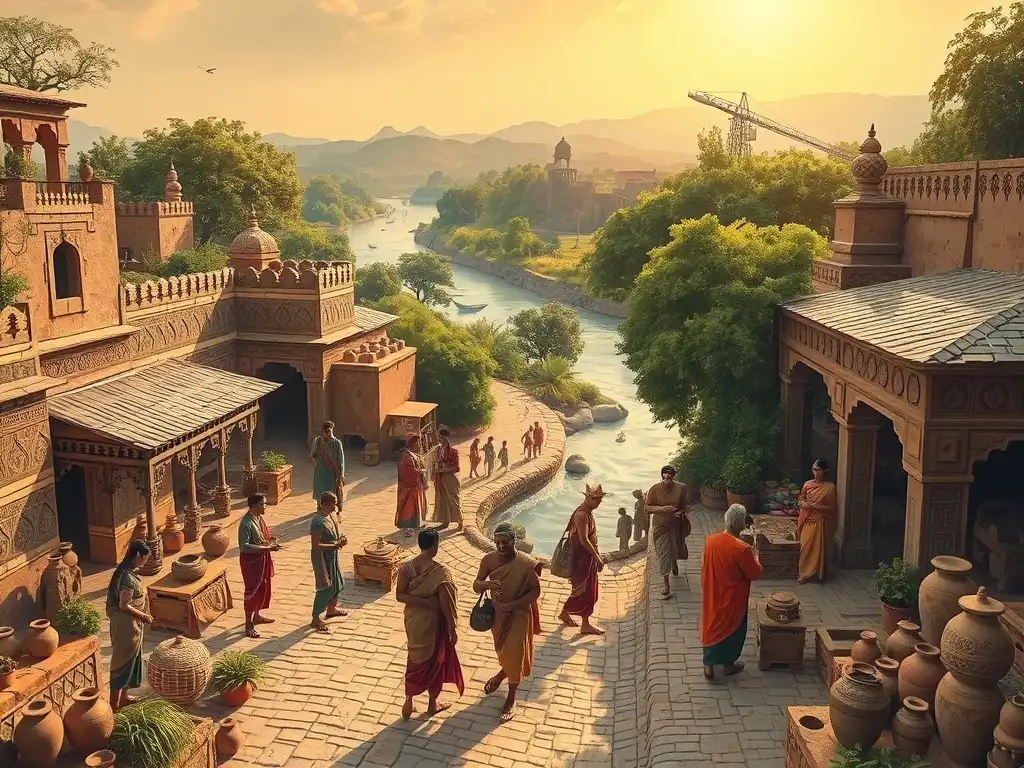
The Indus Valley Civilization (IVC), flourishing from approximately 3300 to 1300 BCE, left an indelible mark on the socio-economic and cultural landscape of Eastern India. Its sophisticated urban planning, advanced trade networks, and distinctive cultural practices laid the groundwork for subsequent civilizations in the region. This section delves into the profound societal impacts of the IVC, focusing on social structure, trade and economic systems, and its influence on subsequent civilizations.
The social structure of the Indus Valley Civilization was characterized by a high degree of organization and complexity. Archaeological findings suggest a well-defined hierarchy, with evidence of:
- Urban Centers: Major cities such as Harappa and Mohenjo-Daro showcased advanced urban planning, featuring grid layouts, drainage systems, and public baths. These cities likely served as administrative and economic hubs, fostering a sense of community among inhabitants.
- Craft Specialization: The presence of skilled artisans and craftsmen, evidenced by the production of pottery, beads, and textiles, indicates a society that valued craftsmanship. This specialization allowed for a flourishing trade environment, both within the IVC and with neighboring regions.
- Religious Practices: The discovery of seals and figurines suggests that the IVC people engaged in religious rituals and possibly worshipped a pantheon of deities. These practices likely influenced the spiritual beliefs of subsequent Eastern Indian civilizations, embedding a sense of continuity in cultural traditions.
The communal life in the IVC was likely marked by collaborative agriculture, shared resources, and social gatherings, which created a cohesive societal fabric. This foundation would later permeate into the cultural practices of Eastern India.
Trade and Economic Systems
The economic systems established by the Indus Valley Civilization played a pivotal role in shaping trade dynamics in Eastern India. Key elements of this economic framework included:
- Trade Networks: The IVC was known for its extensive trade connections, linking regions as far as Mesopotamia. This trade was facilitated by sophisticated transportation methods, including riverine and maritime routes, which enabled the exchange of goods such as cotton, metals, and luxury items.
- Standardized Weights and Measures: The use of standardized weights and measures in trade practices indicates a sophisticated economic system. This standardization not only streamlined trade within the IVC but also laid the groundwork for similar systems in Eastern India, enhancing economic interactions among emerging civilizations.
- Agricultural Innovations: The IVC's agricultural advancements, including irrigation techniques and crop diversification, had lasting impacts on regional farming practices. The cultivation of crops such as wheat and barley influenced agricultural patterns in Eastern India, allowing for sustained population growth and urban expansion.
The economic systems established by the IVC were instrumental in fostering regional interconnectivity and economic prosperity, setting a precedent for future trade practices in Eastern India.
Influence on Subsequent Civilizations in Eastern India
The legacy of the Indus Valley Civilization profoundly influenced subsequent civilizations in Eastern India, particularly during the early historical periods. Notable influences include:
- Cultural Continuity: Elements of IVC culture, including pottery styles, architectural techniques, and urban planning, can be observed in later civilizations such as the Maurya and Gupta Empires. This continuity indicates the enduring impact of IVC cultural practices on Eastern Indian societies.
- Political Structures: The administrative frameworks established during the IVC likely informed the governance models of later civilizations. The emphasis on urban centers as political hubs can be traced from the IVC to subsequent empires, which utilized similar structures to consolidate power.
- Religious and Philosophical Developments: The spiritual beliefs and practices of the IVC continued to shape the religious landscape of Eastern India. Many elements of IVC religion, such as reverence for fertility deities and nature worship, were integrated into the belief systems of later civilizations, contributing to the rich tapestry of Eastern Indian spirituality.
The Indus Valley Civilization influence on Eastern India is evident in the continuity of social structures, economic systems, and cultural practices, demonstrating the civilization's enduring legacy in shaping the region's historical trajectory.
Comparative Analysis: Indus Valley Civilization vs. Other Ancient Civilizations in Eastern India
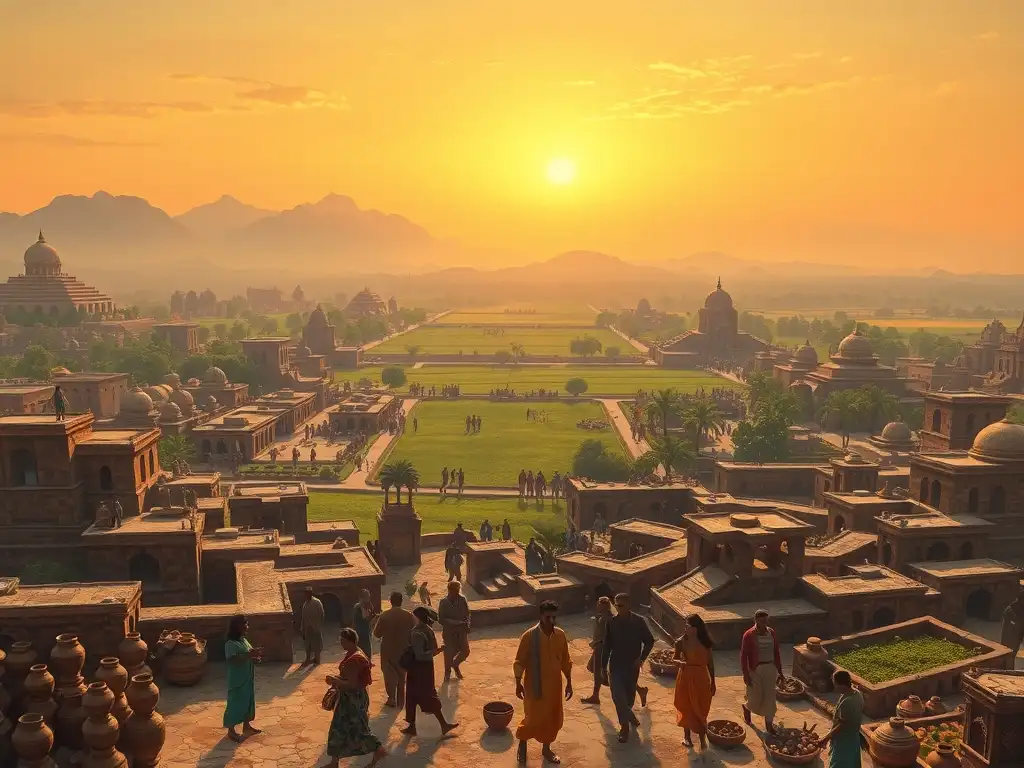
Similarities with the Vedic Civilization
The Indus Valley Civilization (IVC) and the Vedic Civilization share several intriguing similarities despite existing in different time periods. Both civilizations exhibited advanced urban planning and a structured societal framework that laid the groundwork for future developments in Eastern India.
-
Urban Planning:
Both civilizations demonstrated significant urban planning capabilities. The IVC is renowned for its grid-like city layouts and sophisticated drainage systems, evidenced in sites like Harappa and Mohenjo-Daro. Similarly, the Vedic civilization, while more rural initially, showed signs of planned settlements that evolved into urban centers as trade and population increased.
-
Agricultural Practices:
Agriculture was a cornerstone for both civilizations. The IVC utilized advanced irrigation techniques to cultivate crops like wheat and barley. The Vedic texts also emphasize agriculture, indicating a flourishing agrarian society that relied heavily on the monsoon rains and developed early forms of plow technology.
-
Trade and Economy:
Trade was vital for both civilizations. The IVC had extensive trade networks across the Arabian Sea and with Mesopotamia, while the Vedic civilization participated in local and regional trade, as reflected in the Rigveda, which mentions various goods and barter systems.
-
Cultural Exchange:
The cultural and religious practices in both societies reflect a blend of local traditions and influences. The IVC’s seals suggest a rich symbolic language that may have been foundational for later Vedic rituals and beliefs.
These similarities highlight not only the continuity of urban and agricultural practices in Eastern India but also the evolving nature of societal structures from the IVC to the Vedic period.
Contrasts with the Maurya Empire
While the Indus Valley Civilization laid the foundational elements of society in Eastern India, the Maurya Empire represents a stark contrast in governance, military organization, and cultural expansion.
-
Political Structure:
The IVC is characterized by a decentralized governance model, presumed based on consensus and collective decision-making, reflecting egalitarian principles. In contrast, the Maurya Empire, especially under Chandragupta Maurya and Ashoka, established a complex bureaucratic system with a centralized authority, showcasing a shift toward hierarchical governance.
-
Military Organization:
The IVC lacked evidence of a standing army or militaristic expansion, focusing instead on trade and urban development. The Maurya Empire, however, was known for its powerful military conquests, utilizing a well-organized army to expand its territory across much of the Indian subcontinent.
-
Cultural and Religious Influence:
The Indus Valley Civilization's religious practices are still largely speculative due to the undeciphered script and lack of written records. In contrast, the Maurya Empire played a crucial role in the propagation of Buddhism and Jainism, particularly under Ashoka, who actively promoted these religions through edicts and missions, leading to a profound cultural shift in Eastern India.
-
Economic Systems:
The economic foundation of the IVC was primarily based on agriculture and trade, with a focus on artisan crafts. The Mauryan economy, however, was more complex, integrating agriculture, trade, and state-controlled resources, which facilitated a more extensive economic network and tax system.
These contrasts illustrate the evolution of societal structures and governance from the Indus Valley to the Maurya Empire, highlighting the dynamic nature of Eastern India's historical landscape.
Lasting Legacy of the Indus Valley Civilization
The Indus Valley Civilization has left an indelible mark on the cultural and historical trajectory of Eastern India, influencing various aspects of civilization that endure to this day.
-
Urban Development:
The principles of urban planning and architecture established by the IVC influenced subsequent urban centers in Eastern India. The emphasis on drainage systems, public baths, and organized city layouts can be seen echoed in later cities, setting a precedent for future urbanization.
-
Agricultural Techniques:
The agricultural innovations, including irrigation and crop rotation practices, have persisted through the ages. Modern agricultural methods in Eastern India can trace their roots back to the advancements made during the IVC, showcasing a continuity of agrarian practices.
-
Cultural Symbolism:
The seals and symbols of the IVC, which are thought to represent early forms of language and communication, may have laid the groundwork for later scripts and artistic expressions. The cultural motifs and religious symbols emerging from this civilization continue to resonate in contemporary Indian art and symbolism.
-
Societal Structures:
Elements of societal organization, including trade networks and artisan crafts, have influenced the economic frameworks of subsequent civilizations. The IVC’s emphasis on trade and local production fostered a culture of commerce that can still be observed in the bustling markets of modern Eastern India.
The Indus Valley Civilization's influence on Eastern India is profound, with its legacy visible in urban planning, agricultural practices, cultural symbolism, and societal structures. This influence not only shaped the immediate successors but laid the foundational elements that would continue to evolve throughout India's rich historical tapestry.
Conclusion: The Lasting Influence of the Indus Valley Civilization on Eastern India's Heritage
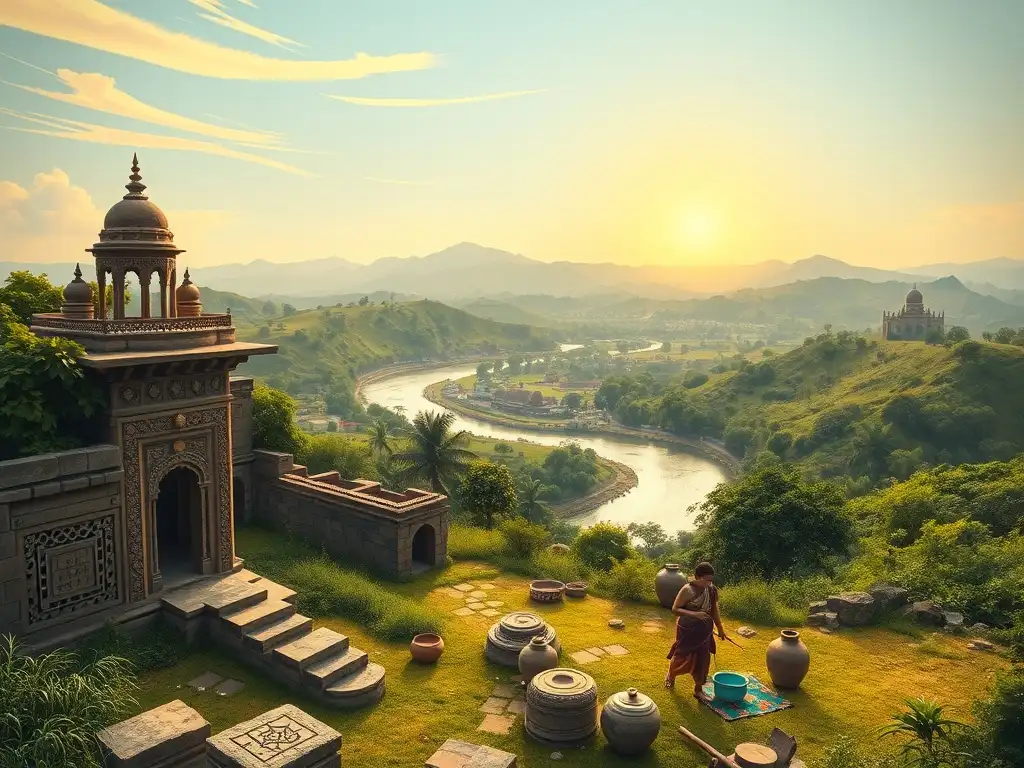
Summary of Key Points
The Indus Valley Civilization (IVC), flourishing around 2500 BCE, laid the foundation for many cultural and societal aspects evident in Eastern India today. Key points highlighting this influence include:
- Urban Planning and Architecture: The sophisticated urban planning and drainage systems of the IVC set a precedent for later city layouts in Eastern India. Cities like Pataliputra exhibit similar principles of organization and infrastructure.
- Trade Networks: The extensive trade routes established during the IVC facilitated commerce that spanned across regions, influencing economic practices in Eastern India. This network contributed to the exchange of goods and ideas, fostering a rich commercial culture.
- Craftsmanship and Artistry: The artisans of the IVC were known for their exquisite craftsmanship, particularly in bead-making and pottery. This tradition carried forward, influencing Eastern Indian artisans and their techniques.
- Cultural and Religious Practices: Elements of the IVC's symbolic motifs and potential early religious practices can be traced in Eastern Indian spiritual traditions. This continuity reflects a deeper cultural embedding over centuries.
Reflection on Historical Significance
The historical significance of the Indus Valley Civilization's influence on Eastern India cannot be overstated. As one of the earliest urban cultures in the world, the IVC provided a template for societal organization that has persisted through millennia. The technological innovations in water management and city planning established by the IVC were crucial for later civilizations, particularly in an agriculturally-rich region like Eastern India.
Moreover, the socio-economic structures that emerged during the IVC period laid the groundwork for the development of trade routes that would evolve into more complex networks in subsequent eras. The integration of diverse cultures through these trade routes cultivated a sense of community and shared identity, which remains relevant in Eastern India's diverse tapestry today.
Future Research Directions
Future research on the Indus Valley Civilization influence could explore various avenues:
- Archaeological Investigations: Continued excavation and analysis of sites in Eastern India may yield artifacts and structures that directly link back to the IVC, offering more concrete evidence of cultural transmission.
- Comparative Studies: A comparative analysis of urban planning and architectural styles between the IVC and later Eastern Indian civilizations could provide insights into the evolution of these practices.
- Cultural Anthropology: Investigating the cultural practices and belief systems that emerged in Eastern India can help unravel how IVC traditions influenced local customs and social norms.
- Interdisciplinary Approaches: Collaborating with fields such as genetics, anthropology, and linguistics may uncover deeper connections between the peoples of the IVC and their descendants in Eastern India.
The enduring legacy of the Indus Valley Civilization serves as a critical foundation for understanding the historical and cultural evolution of Eastern India, inviting further exploration and appreciation of its profound influence.
References and Further Reading on Indus Valley Civilization Influence
Recommended Books and Articles
To deepen your understanding of the Indus Valley Civilization influence on Eastern India, the following books and articles are highly recommended:
- "The Indus Valley Civilization" by Irfan Habib
- This comprehensive text explores the intricate details of the Indus Valley Civilization, its urban planning, and its socio-economic structures, providing context for its influence on surrounding regions.
- "Ancient India: Culture and Civilization" by R.C. Majumdar
- A sweeping overview of Indian history, this book dedicates significant sections to the impact of the Indus Valley Civilization on subsequent Indian societies, including its cultural and technological legacies.
- "The Archaeology of Early Historic South Asia: The Emergence of Cities and States" by Robin Coningham and Ruth Young
- This work examines the transition from prehistory to historic periods, focusing on how the legacies of the Indus Valley shaped urban development in Eastern India.
- "The Indus Civilization: A Contemporary Perspective" by Shereen Ratnagar
- Ratnagar's insightful analysis provides a modern perspective on the Indus Valley Civilization's influence, contrasting it with contemporary archaeological findings and theories.
- Journal of South Asian Studies Articles
- Articles published in this journal often encompass various aspects of ancient Indian civilizations, including studies focusing on the regional impacts of the Indus Valley Civilization.
Online Resources for Ancient Indian History
The digital age provides numerous resources for exploring the Indus Valley Civilization influence in Eastern India. Here are some valuable online platforms:
-
Digital South Asia Library
A comprehensive repository of books, articles, maps, and images related to South Asian history, including significant works on the Indus Valley Civilization.
-
Archaeological Survey of India (ASI)
The official website of ASI contains reports, publications, and findings related to archaeological research, including excavations of Indus Valley sites.
-
India History Congress
This platform offers access to papers and proceedings of conferences focusing on various historical topics, including the influence of ancient civilizations.
-
South Asia Open Archives (SAOA)
An extensive collection of digitized historical documents, images, and publications that shed light on the cultural and historical narratives of ancient India.
-
YouTube Channels like "Ancient History Guy"
Educational channels that provide engaging video content on ancient civilizations, including detailed explorations of the Indus Valley and its broader impacts on Indian history.
By utilizing these resources, readers can gain a comprehensive understanding of the Indus Valley Civilization influence on Eastern India and its lasting legacy in the region's cultural and historical narrative.
Frequently Asked Questions
What is the Indus Valley Civilization?
The Indus Valley Civilization was one of the world's earliest urban cultures, flourishing around 2500 BCE in present-day Pakistan and northwest India. It is known for its advanced city planning and architecture.
How did the Indus Valley Civilization influence Eastern India?
The Indus Valley Civilization's influence extended to Eastern India through trade, cultural exchanges, and the introduction of agricultural practices that shaped the region's development.
What are some key contributions of the Indus Valley Civilization?
Some key contributions include advancements in urban planning, drainage systems, metallurgy, and trade networks which laid the foundation for future civilizations in the Indian subcontinent.
What role did trade play in the Indus Valley Civilization?
Trade was crucial for the Indus Valley Civilization, facilitating the exchange of goods such as textiles, metals, and pottery, which helped establish economic ties with neighboring regions, including Eastern India.
How did the Indus Valley Civilization impact later Indian cultures?
The Indus Valley Civilization set the stage for subsequent cultures in India by influencing social structures, agricultural practices, and urban development, particularly during the era of the Gupta Empire.
Final Reflection: The Enduring Legacy of the Indus Valley Civilization
The exploration of the Indus Valley Civilization's influence on Eastern India reveals a profound connection between ancient practices and contemporary society. As we delve into the remnants of this remarkable civilization, we uncover not only historical facts but also the threads that weave together our cultural identity today. The echoes of their innovations and societal structures resonate in our modern lives, reminding us that history is not merely a collection of dates and events but a living narrative that shapes our present and future.
Culture is a continuum, and the Indus Valley Civilization has left an indelible mark on the social and cultural landscape of Eastern India. Its architectural brilliance, urban planning, and trade practices continue to inspire and inform our understanding of community and collaboration. As we navigate the complexities of modern life, we can draw wisdom from the past. History is not a burden on the memory but an illumination of the soul.
This quote encapsulates the essence of how the legacy of the Indus Valley Civilization can guide us in our quest for identity and purpose.
As we reflect on the lessons drawn from the Indus Valley Civilization, I invite you to consider how these ancient influences can inform your own life. What aspects of their culture can you integrate into your daily practices? How can the principles of sustainability, community, and innovation that characterized their society inspire you to create a positive impact in your own community?
By embracing the teachings of the past, we can forge a path toward a more connected and enlightened future. Let us honor the legacy of the Indus Valley Civilization by weaving its wisdom into the fabric of our lives today.
Unveil the Legacy of the Indus Valley Civilization!
Thank you for immersing yourself in the rich tapestry of the Indus Valley Civilization's influence on Eastern India. By exploring this fascinating history, you’ve uncovered the profound impact that ancient cultures have on our modern world. Now, it's time to take the next step in your journey!
- Dive deeper! Explore additional resources and literature on the Indus Valley to enhance your understanding of this remarkable civilization.
- Engage with others! Share your insights and thoughts in our community forum, connecting with fellow history enthusiasts who share your passion.
- Try your hand! Conduct a small research project or create a presentation on a lesser-known aspect of the Indus Valley, inspiring others with your discoveries.
What aspect of the Indus Valley Civilization resonates with you the most, and how has it shaped your perspective on ancient cultures? We invite you to share your thoughts with us!