
How the Indus Valley Civilization Influenced Subsequent Indian Philosophies

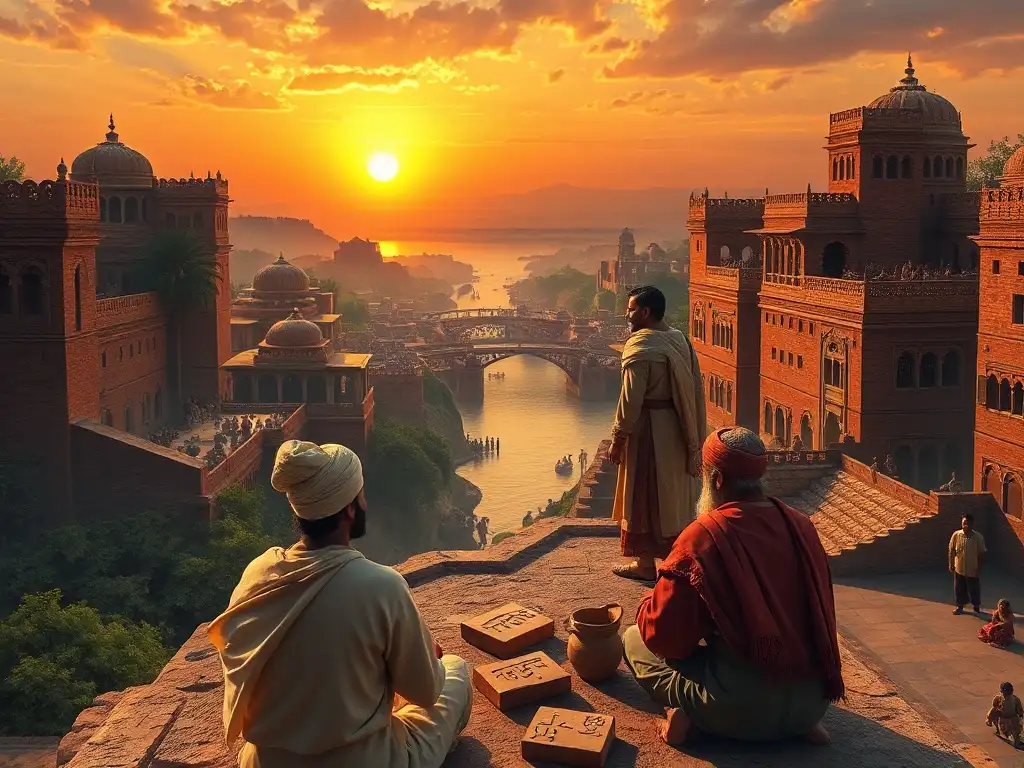
Welcome to Ancient India History, where we embark on an enthralling journey through the rich tapestry of ancient Indian civilizations. In this exploration, we delve into the profound impact of the Indus Valley Civilization on philosophy, a topic that unveils the foundational ideas that shaped subsequent Indian thought. What secrets lie within the ruins of this enigmatic society? Join us as we uncover the threads of culture, innovation, and spirituality that have woven the fabric of India's philosophical landscape. Prepare to satisfy your curiosity and deepen your understanding of a civilization that continues to resonate through time!
- Introduction to the Indus Valley Civilization and Philosophy
- Historical Context of the Indus Valley Civilization
- Core Philosophical Concepts of the Indus Valley Civilization
- Indus Valley Civilization's Influence on Later Philosophies
- Comparative Analysis of Philosophical Elements
- Legacy of the Indus Valley Civilization on Indian Philosophy
- Conclusion
-
Frequently Asked Questions
- What was the Indus Valley Civilization known for?
- How did the Indus Valley Civilization influence later Indian philosophies?
- What are some key philosophical concepts that originated from the Indus Valley Civilization?
- How did trade and interaction with other cultures affect the Indus Valley Civilization's impact?
- Why is the Indus Valley Civilization significant in the context of Indian history?
- Final Reflection: The Enduring Legacy of the Indus Valley Civilization on Philosophy
- Unveil the Legacy of the Indus Valley!
Introduction to the Indus Valley Civilization and Philosophy
The Indus Valley Civilization (IVC), one of the world's earliest urban cultures, flourished around 2500 BCE in the northwestern regions of South Asia, encompassing parts of modern-day Pakistan and northwest India. This remarkable civilization is celebrated not only for its advanced urban planning and architectural prowess but also for its profound contributions to the philosophical landscape of ancient India.
The interplay between the IVC's societal structures, cultural practices, and early philosophical thought laid the groundwork for subsequent Indian philosophies, shaping the spiritual and intellectual discourses that would emerge in later centuries. In this article, we will delve into the impact of the Indus Valley Civilization on philosophy, exploring how its legacy influenced various philosophical schools and ideologies that followed.
Overview of the Indus Valley Civilization
The Indus Valley Civilization is renowned for its sophisticated urban centers, such as Harappa and Mohenjo-Daro, which showcased extensive drainage systems, grid-patterned streets, and advanced craftsmanship. These cities were characterized by:
- Planned Urban Layouts: Streets laid out in a grid pattern, indicating advanced city planning.
- Drainage and Sanitation: A complex drainage system that suggests high levels of public health awareness.
- Trade Networks: Extensive trade routes connecting to distant regions, including Mesopotamia, highlighting economic sophistication.
- Artistic Expression: The creation of intricate seals, pottery, and sculptures that reflect a rich cultural life.
The civilization thrived in a period marked by agricultural abundance, with farming practices that supported large populations. However, its decline around 1900 BCE remains a subject of scholarly debate, with theories ranging from climate change to invasions. The philosophical implications of this civilization, though less documented, provide critical insights into the values and beliefs that may have influenced later Indian thought.
Significance of Philosophy in Ancient India
Philosophy in ancient India was not merely an abstract pursuit but was intricately woven into the fabric of daily life, religion, and governance. It served several crucial purposes:
- Understanding Existence: Philosophical inquiry sought to answer fundamental questions about the nature of reality, existence, and the cosmos.
- Ethical Frameworks: Philosophies such as Dharma provided guidelines for moral and ethical behavior that were essential for maintaining social order.
- Spiritual Exploration: The exploration of concepts such as Atman (the self) and Brahman (the ultimate reality) was central to the spiritual discourse, influencing various religious traditions.
- Integration of Knowledge: Different schools of thought, including Vedanta, Samkhya, and Buddhism, emerged as responses to earlier philosophical ideas, contributing to a rich tapestry of intellectual traditions.
The legacy of the IVC likely provided a foundational context for these philosophical developments, with its emphasis on community, trade, and shared cultural practices fostering a milieu conducive to philosophical thought.
Purpose of the Article: Exploring the Influence
This article aims to illuminate the Indus Valley Civilization's impact on philosophy, examining how its societal and cultural elements contributed to the philosophical discourse in ancient India. We will explore:
- The philosophical themes that may have originated in the IVC and their evolution over time.
- The connections between IVC practices and later philosophical frameworks.
- Case studies of philosophers and schools that drew inspiration from the IVC's legacy.
By tracing these influences, we hope to provide a deeper understanding of how the Indus Valley Civilization shaped the philosophical landscape of ancient India, enriching our appreciation of its enduring contributions to human thought.
Historical Context of the Indus Valley Civilization
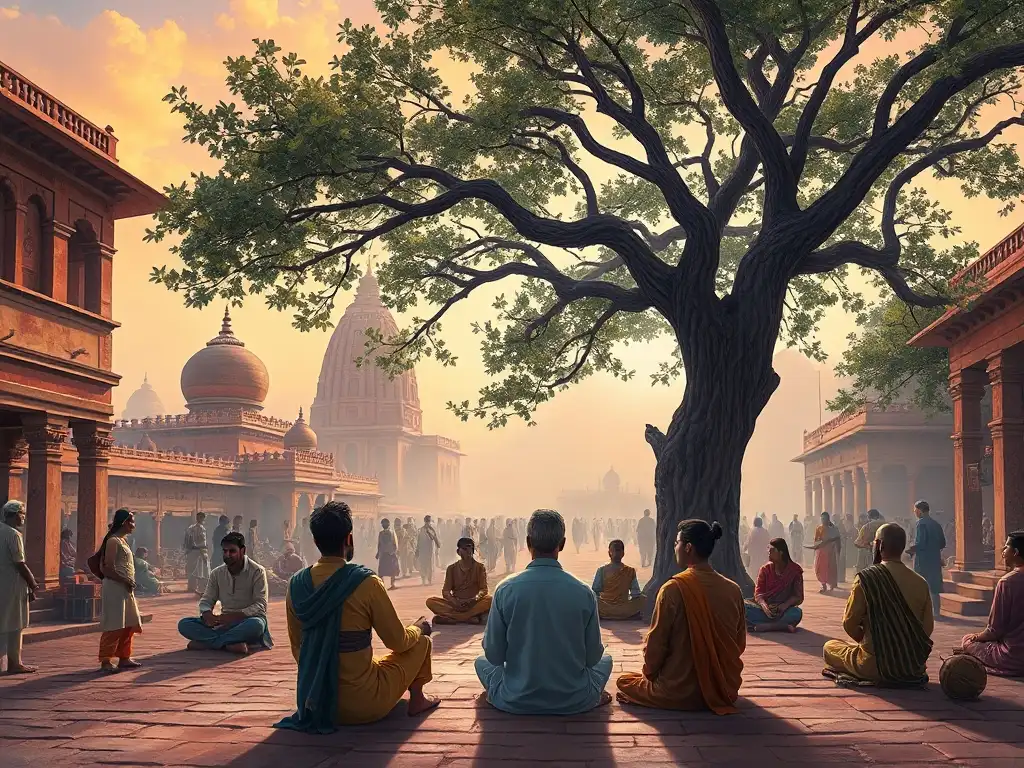
The Indus Valley Civilization (IVC), one of the world's earliest urban cultures, flourished approximately between 3300 BCE and 1300 BCE in the northwestern regions of South Asia, primarily along the Indus River and its tributaries. This civilization is notable for its advanced urban planning, architecture, and social organization, which laid the groundwork for future philosophical developments in India. Understanding the historical context of the IVC is crucial to grasping its lasting impact on Indian philosophy and culture.
Timeline and Geographical Spread
The timeline of the Indus Valley Civilization can be divided into three primary phases:
- Early Harappan Phase (c. 3300–2600 BCE)
- During this period, the first signs of urbanization began to emerge. Small settlements developed into larger towns, indicating a shift towards more complex social structures.
- Mature Harappan Phase (c. 2600–1900 BCE)
- This phase marks the peak of IVC urban life. Major cities like Harappa and Mohenjo-Daro exhibited advanced engineering, including:
- Grid-patterned streets
- Sophisticated drainage systems
- Public baths
- The civilization extended from present-day northeastern Afghanistan to western India, covering parts of modern-day Pakistan. This extensive geographical spread facilitated trade and cultural exchange.
- This phase marks the peak of IVC urban life. Major cities like Harappa and Mohenjo-Daro exhibited advanced engineering, including:
- Late Harappan Phase (c. 1900–1300 BCE)
- The decline of the IVC is characterized by a gradual reduction in urbanization and population. The reasons for this decline remain a subject of debate, with theories ranging from climatic changes to invasions. Despite this decline, the philosophical and cultural legacies of the IVC persisted.
Cultural Characteristics of the Indus Valley
The IVC's cultural characteristics significantly influenced subsequent Indian philosophies. Key features of this civilization include:
-
Urban Planning and Architecture
The meticulous urban design of IVC cities reflects a sophisticated understanding of spatial organization and civic amenities. This emphasis on order and structure is mirrored in later philosophical thought, which often values balance and harmony.
-
Religious Practices
Although much of the IVC's religious practices remain ambiguous due to the lack of decipherable written records, archaeological findings suggest the presence of proto-Shiva worship and mother goddess figurines. This spiritual inclination likely influenced later Hindu philosophies, especially concerning the nature of divinity and the cosmos.
-
Trade and Economy
The IVC was a hub for trade, connecting with Mesopotamia and other ancient civilizations. This exchange of goods and ideas fostered a diverse cultural milieu that contributed to the evolution of philosophical discourse, particularly concerning ethics and commerce.
-
Art and Iconography
The intricate seals and pottery of the IVC reveal a rich artistic tradition that reflected their worldview. The symbolism found in these artifacts is believed to have informed later philosophical concepts regarding nature, existence, and the human experience.
The Indus Valley Civilization's historical context, timeline, and cultural characteristics played a pivotal role in shaping the philosophical frameworks that emerged in ancient India. Its influence persists in the foundational concepts of various Indian philosophical traditions, illustrating the enduring legacy of this remarkable civilization.
Core Philosophical Concepts of the Indus Valley Civilization
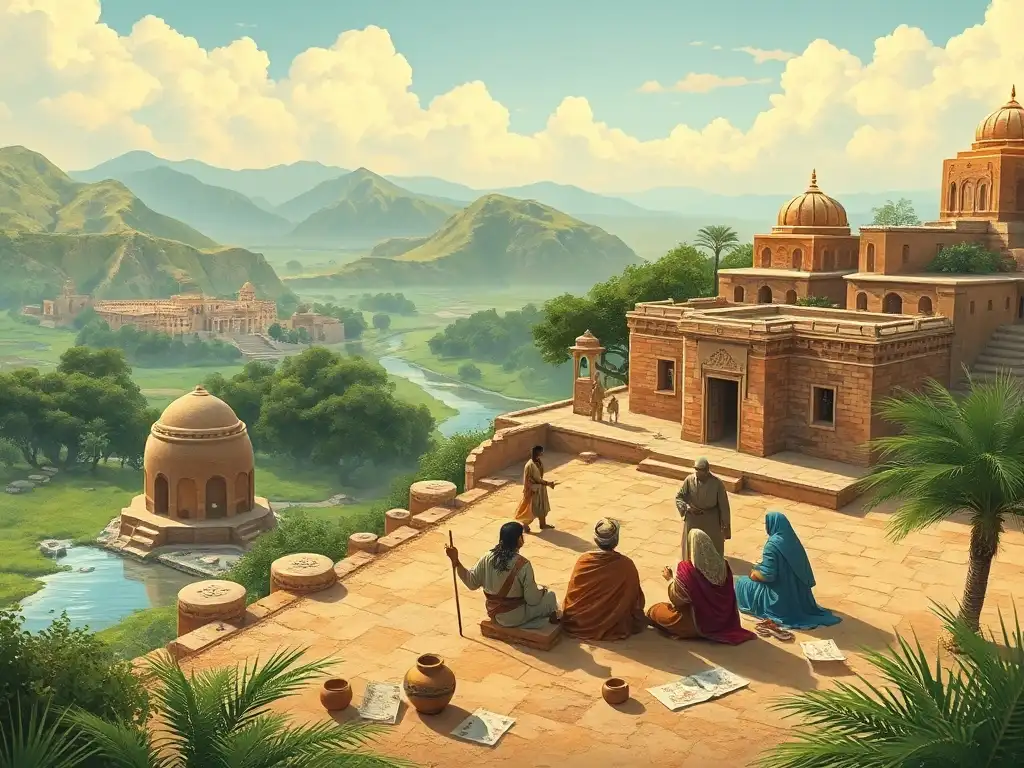
The Indus Valley Civilization (IVC), one of the world's earliest urban cultures, laid the groundwork for various philosophical concepts that would influence subsequent Indian thought. This civilization, flourishing from approximately 3300 to 1300 BCE, showcased a sophisticated understanding of spirituality, ethics, and social organization, which can be seen as precursors to later Indian philosophies.
The philosophies emerging from the IVC are characterized by a deep connection to nature, an emphasis on community, and an early form of ethical reasoning. These core concepts would evolve and transform over centuries, shaping the spiritual and philosophical landscape of later Indian cultures.
Spirituality and Religion in the Indus Valley
The spiritual framework of the Indus Valley Civilization is complex and multifaceted. Archaeological findings, such as seals bearing images of deities and ritualistic symbols, indicate a rich spiritual life. The presence of figures resembling proto-Shiva, often depicted in yogic postures, suggests early forms of worship that emphasized meditation and asceticism.
- Nature Worship: The people of the IVC likely held a profound reverence for natural elements, which is reflective of their agrarian lifestyle. This connection to the earth and its cycles may have fostered an early understanding of the interconnectedness of life, influencing later Hindu beliefs in nature as sacred.
- Ritualistic Practices: Excavations reveal public baths and altars, indicating ritualistic practices that might have involved purification and offerings. These practices laid the groundwork for the importance of rituals in later Indian religions, particularly Hinduism.
- Deities and Cosmology: The pantheon of deities seemed to reflect various aspects of life and nature, potentially influencing the later development of complex cosmological systems in Indian philosophy.
The Role of Rituals and Practices
Rituals in the Indus Valley Civilization served as essential means of expressing spirituality and reinforcing community bonds. The significance of these rituals is evident in their communal nature and the emphasis on purity and order.
- Public and Domestic Rituals: Evidence suggests that both public and domestic spaces were used for rituals. For instance, the Great Bath at Mohenjo-Daro may have served as a site for communal purification rites, reflecting the value placed on cleanliness and ritual purity.
- Symbolism and Communication: The use of symbols, such as the swastika and various animal motifs, likely had significant ritualistic meanings. These symbols may have been used to communicate ideas about life, death, and existence, contributing to a shared cultural identity.
- Influence on Future Practices: The rituals and practices of the IVC would influence later Vedic rituals, particularly in their structure and communal significance. Many elements of these early rituals can be traced through to the development of Hindu practices.
Early Ethical Systems and Moral Values
The ethical framework of the Indus Valley Civilization can be discerned through the organization of their society and the values reflected in their urban planning and daily life.
- Social Organization: The well-planned cities of the IVC suggest a high level of social organization, which implies a shared understanding of justice and communal responsibility. The grid layout of cities like Harappa demonstrates a commitment to public welfare and order.
- Trade and Cooperation: The extensive trade networks indicate a society that valued cooperation and ethical conduct in commerce. The presence of weights and measures points to a system of fairness, which is foundational to ethical reasoning in later Indian philosophies.
- Moral Values in Artifacts: Artifacts such as terracotta figurines and seals often depict scenes of daily life, potentially reflecting the moral values and social norms of the time. This emphasis on community, respect for nature, and ethical behavior would resonate in later philosophical systems, particularly within the context of Dharma in Hinduism.
The influence of the Indus Valley Civilization on the development of subsequent Indian philosophies is profound, as its core philosophical concepts, spiritual practices, and ethical systems laid the foundation for a rich tapestry of thought that would evolve over millennia. The Indus Valley Civilization's impact on philosophy is a testament to its enduring legacy in shaping the cultural and spiritual identity of ancient India.
Indus Valley Civilization's Influence on Later Philosophies
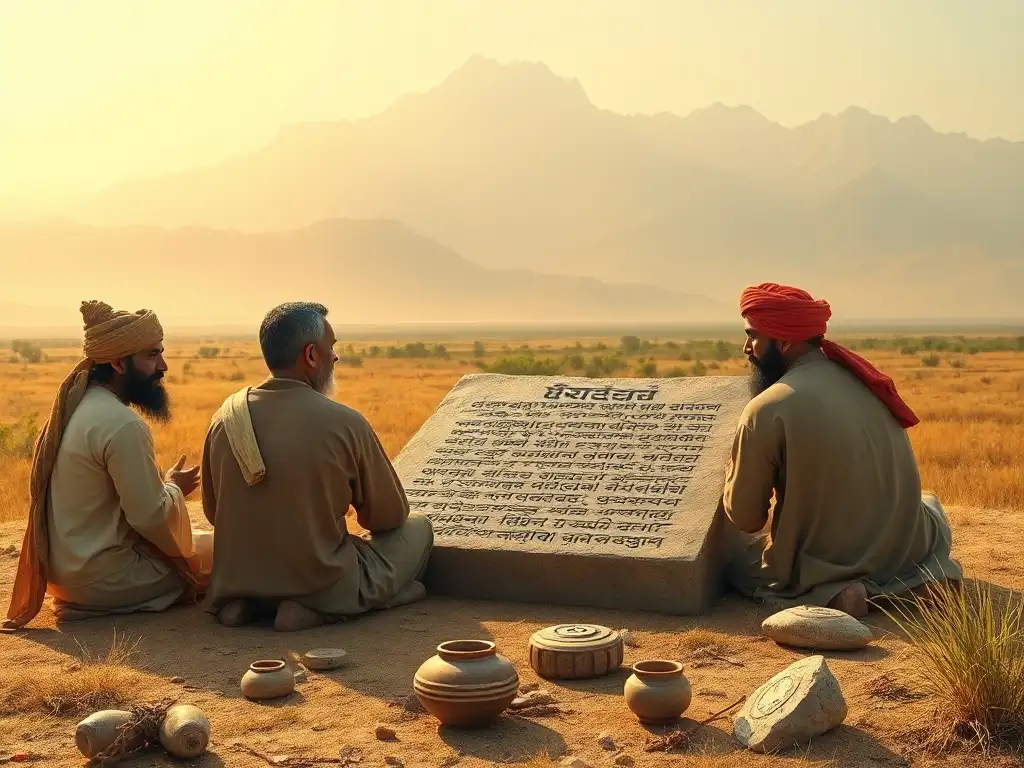
The Indus Valley Civilization, one of the world's earliest urban cultures, laid a foundational framework that significantly influenced subsequent Indian philosophies. Its sophisticated urban planning, advanced trade systems, and complex social structures contributed to a cultural milieu that would permeate the philosophical developments of later Indian traditions. The transition from these ancient societal norms to philosophical systems reveals a deep-seated continuity, showcasing how the Indus Valley Civilization's impact on philosophy can be traced through various trajectories in Indian thought.
Connections to Vedic Thought
The emergence of Vedic thought marks a pivotal moment in Indian philosophy, and its connections to the Indus Valley Civilization are profound. The Vedas, composed after the decline of the Indus Valley Civilization, encapsulate a variety of spiritual and philosophical ideas that may have roots in the earlier civilization's practices and beliefs.
Transition from Indus Beliefs to Vedic Ideologies
The transition from the religious practices of the Indus Valley to Vedic ideologies is characterized by several key elements:
- Ritual Practices: Archaeological evidence suggests that ritualistic practices, such as fire offerings (yajnas), prevalent in Vedic culture, may have evolved from Indus Valley traditions. The presence of fire altars in both cultures highlights this continuity.
- Sacred Symbols: The Indus Valley civilization is known for its seals featuring various symbols and motifs, some of which bear resemblance to symbols found in later Vedic texts. This indicates a possible transfer of symbolic meaning from one era to the next.
- Philosophical Concepts: Concepts such as dharma (duty) and karma (action) began to take shape during the Vedic period, potentially influenced by the societal norms and ethical codes established in the Indus Valley.
This transition reflects a gradual evolution of thought from the more communal and nature-centered beliefs of the Indus Valley to the more abstract and metaphysical inquiries that characterize Vedic philosophy.
Impact on Jainism and Buddhism
In addition to its influence on Vedic thought, the Indus Valley Civilization also impacted the development of Jainism and Buddhism, two philosophies that arose in the Indian subcontinent around the 6th century BCE.
Shared Concepts and Divergence
Both Jainism and Buddhism share several philosophical concepts that can be traced back to the influences of the Indus Valley Civilization:
- Non-Violence (Ahimsa): The emphasis on non-violence, a core tenet of both Jainism and Buddhism, may have roots in the ethical frameworks that emerged from the harmonious living seen in Indus Valley communities. The civilization's agrarian lifestyle may have fostered a respect for life and nature.
- Interconnectedness: The idea of interconnectedness that permeates Jain and Buddhist philosophies could echo the social structures of the Indus Valley, where communities relied on one another for trade, agriculture, and survival. This interconnectedness is foundational in understanding karma and rebirth in these philosophies.
- Ascetic Practices: Both Jainism and Buddhism advocate for ascetic practices, which may have been influenced by the spiritual traditions that existed in the Indus Valley, as suggested by findings of ritualistic sites and the potential for meditation practices.
Despite these shared concepts, Jainism and Buddhism diverged significantly in their doctrines and practices, highlighting how the Indus Valley Civilization’s impact on philosophy laid the groundwork for both continuity and innovation in Indian thought.
By examining these connections, we can appreciate the Indus Valley Civilization's impact on philosophy as a dynamic process that wove together various threads of thought, shaping the philosophical landscape of ancient India and influencing future generations.
Contributions to the Development of Hindu Philosophy
The Indus Valley Civilization (IVC), flourishing around 2500 BCE to 1900 BCE, laid foundational elements that would later profoundly influence the development of Hindu philosophy. The sophisticated urban planning, advanced social structures, and rich cultural practices of the IVC laid the groundwork for the spiritual and philosophical developments that followed in ancient India.
Archaeological findings suggest that the people of the Indus Valley engaged in practices that resonate with later Hindu beliefs. For instance, the presence of seals depicting yoga-like postures hints at an early exploration of meditation and spirituality. Such practices likely evolved into the meditative and philosophical traditions foundational to Hinduism.
Moreover, the agrarian lifestyle and worship of nature deities in the IVC suggest an early understanding of the interconnectedness of life—a theme that would be central to later Hindu thought. The reverence for natural elements and the cyclical view of life and death reflected in IVC artifacts indicate a nascent form of the cosmological perspectives that characterize Hindu philosophy.
As the civilization transitioned and interacted with other cultures, these early philosophical underpinnings would evolve, contributing to the rich tapestry of Hindu thought. The philosophical inquiries sparked by the IVC set the stage for later texts, including the Vedas and Upanishads, which would delve deeper into existential questions and ethical principles.
The Concept of Dharma and Karma
Two of the most pivotal concepts in Hindu philosophy, Dharma and Karma, have their roots in the spiritual and ethical frameworks that can be traced back to the Indus Valley Civilization. The term Dharma, often translated as "duty" or "righteousness," embodies the principle of living in accordance with moral law and social order. The IVC's structured society, with its defined roles and responsibilities, hints at an early recognition of the need for order and ethical conduct, prefiguring the later developments of Dharma in Hindu texts.
The concept of Karma, which refers to the law of cause and effect governing actions and their consequences, also finds its earliest expressions in the IVC. The agrarian lifestyle of the Indus people necessitated an understanding of the consequences of one's actions, particularly in relation to agriculture, trade, and community interactions. This awareness likely contributed to the philosophical evolution of Karma, influencing how individuals understood their actions' impact on the cycle of life, death, and rebirth (samsara).
Both Dharma and Karma reflect a sophisticated understanding of ethics and morality that transcends mere survival. They encapsulate the spiritual essence that emerged from the Indus Valley's complex society, guiding future generations in their philosophical and spiritual quests. As these ideas matured, they became central tenets of Hindu philosophy, shaping the ethical frameworks and spiritual practices that continue to resonate in contemporary Indian thought.
Comparative Analysis of Philosophical Elements
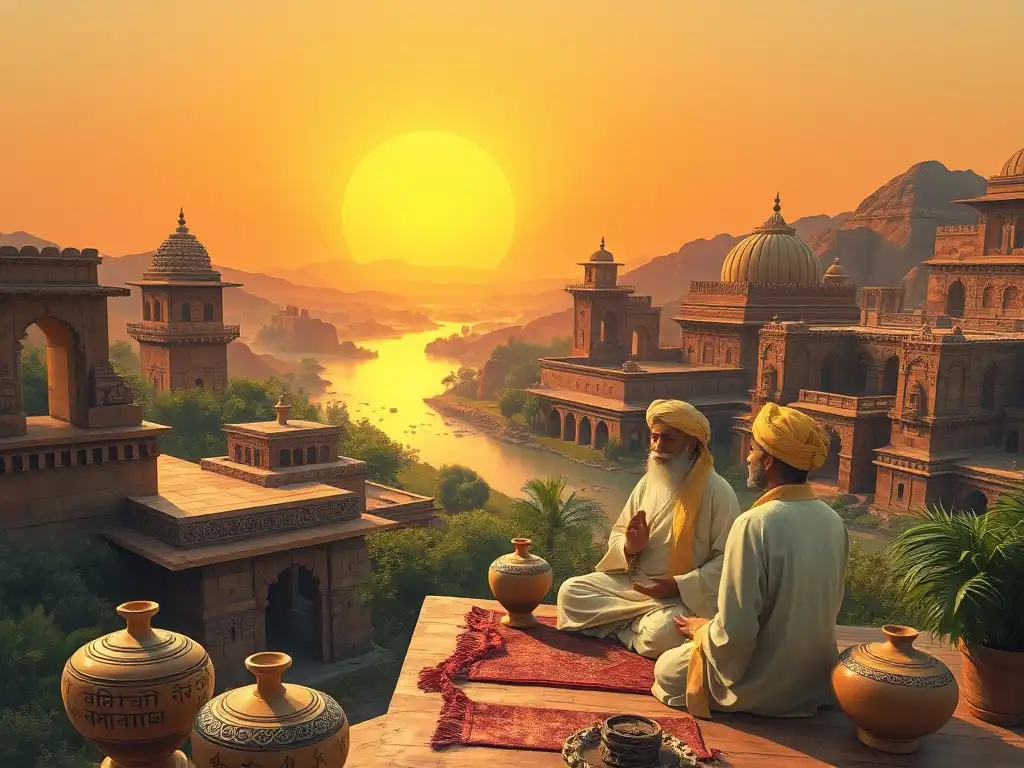
Similarities between Indus Valley and Subsequent Philosophies
The Indus Valley Civilization (IVC), flourishing around 2500 BCE, laid foundational concepts that resonate throughout subsequent Indian philosophies. A comparative analysis reveals significant similarities, particularly in the realms of spirituality, societal organization, and environmental integration.
-
Spiritual Practices:
The IVC is known for its emblematic seals, often depicting animals and figures that may represent deities or spiritual symbols. This emphasis on spirituality is mirrored in later philosophies, such as Hinduism and Buddhism, which also prioritize the connection between the physical and spiritual worlds. The concept of ritual purity can be traced back to the IVC, influencing religious practices that followed.
-
Societal Structure:
Evidence suggests that the IVC had a sophisticated urban planning system, indicating a well-organized society. Subsequent philosophies, particularly those emerging in the Vedic period, reflect on the importance of social order, as seen in the Varna system. The emphasis on dharma (duty) in later texts resonates with the communal values evident in Indus society.
-
Environmental Harmony:
The IVC's agricultural practices demonstrate a profound understanding of their environment, utilizing irrigation and crop rotation. This respect for nature is a recurring theme in later Indian philosophies that advocate for ahimsa (non-violence) and sustainable living, underscoring a shared reverence for the natural world.
Key Differences and Evolution of Ideas
While the IVC undoubtedly influenced subsequent philosophies, key differences emerged as ideas evolved over centuries. These differences highlight the dynamic nature of philosophical thought in ancient India.
-
Concept of the Divine:
The nature of divinity in the IVC remains somewhat ambiguous due to the lack of written records. However, later philosophies, particularly in Hinduism, developed a more defined pantheon of gods and a structured cosmology. The transition from nature-based worship in the IVC to the complex mythology of later periods illustrates a significant evolution in religious thought.
-
Philosophical Systems:
The IVC's societal practices did not explicitly articulate philosophical systems akin to those proposed by later thinkers like Kapila or Gautama Buddha. The emergence of schools such as Samkhya and Buddhism introduced structured methodologies for understanding reality, self, and ethics, which were absent in the IVC context.
-
Metaphysical Considerations:
As philosophies developed, particularly during the Axial Age (800-200 BCE), profound questions regarding existence, consciousness, and the self emerged. The complexities of metaphysical inquiry in texts like the Upanishads and Buddhist scriptures highlight a departure from the more practical, community-oriented focus of the IVC.
While the Indus Valley Civilization impact on philosophy can be seen in foundational aspects of spirituality, societal norms, and environmental consciousness, the evolution of ideas in subsequent philosophies reflects a shift towards more complex metaphysical and ethical considerations. This dynamic interplay between ancient practices and evolving thought continues to shape the philosophical landscape of India.
Legacy of the Indus Valley Civilization on Indian Philosophy
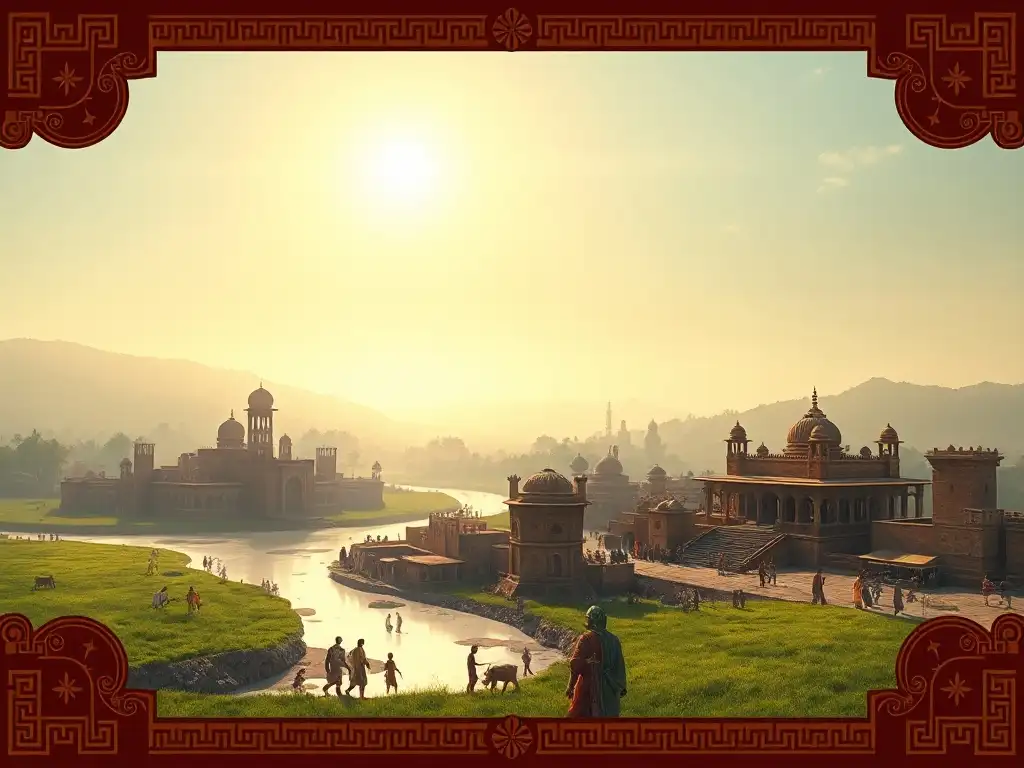
The Indus Valley Civilization (IVC), flourishing around 2500 BCE in what is today Pakistan and northwest India, has left an indelible mark on the philosophical landscape of India. Its complex urban planning, advanced trade systems, art, and spiritual practices laid foundational elements that shaped subsequent Indian philosophies. This legacy is crucial for understanding the evolution of thought in the Indian subcontinent.
Enduring Influence on Modern Indian Thought
The philosophical impact of the Indus Valley Civilization can be traced through several key aspects:
- Spiritual Practices: The IVC is believed to have practiced various forms of spirituality that emphasized harmony with nature and communal well-being. These practices influenced the development of later religious traditions, including Hinduism. Concepts such as dharma (duty/righteousness) can be seen as a continuation of the values cultivated during the IVC.
- Urbanism and Social Organization: The sophisticated urban planning of IVC cities like Mohenjo-Daro and Harappa introduced ideas of governance and social order that resonate in modern Indian political philosophy. The emphasis on civic responsibility and community welfare reflects in contemporary discussions on democracy and social justice.
- Symbolism and Art: The intricate seals and artifacts from the IVC contain symbolic representations that predate and possibly influence later religious iconography. The continuity of certain symbols, such as the swastika, highlights a philosophical link through time that transcends mere aesthetic appreciation.
- Trade and Cultural Exchange: The IVC's extensive trade networks facilitated cultural exchanges with neighboring regions, which enriched the philosophical discourse. This interaction likely contributed to the syncretism seen in later Indian philosophies, such as Buddhism and Jainism, which emphasize ethical living and interdependence.
The Role of Archaeological Discoveries in Understanding Philosophy
Archaeological findings are pivotal in piecing together the philosophical legacy of the Indus Valley Civilization. These discoveries have shed light on various aspects:
- Artifacts and Seals:
- Numerous seals featuring script and motifs have been unearthed, suggesting a complex system of communication and potentially philosophical ideas. The undeciphered Indus script remains a mystery, yet its existence points to a society engaged in abstract thought and record-keeping.
- Ritualistic Objects:
- Items such as figurines, especially those representing deities, suggest early forms of spirituality that predate Vedic traditions. These artifacts indicate a belief system that valued fertility, nature, and perhaps even the beginnings of yoga and meditation practices, which are central to later Indian philosophy.
- Urban Infrastructure:
- The meticulous urban planning—featuring drainage systems and public baths—indicates a philosophical commitment to community health and environmental stewardship. This emphasis on the collective welfare can be seen as a precursor to later philosophical discussions on ethics and community living.
- Burial Practices:
- Excavations revealing burial customs provide insights into the IVC's views on life, death, and the afterlife. Such beliefs likely influenced later philosophical and religious thoughts, particularly in Hindu and Buddhist doctrines.
The Indus Valley Civilization has left an enduring legacy that continues to influence modern Indian thought. Archaeological discoveries play a vital role in unpacking this complex relationship, revealing a rich tapestry of ideas that resonate through the ages. The Indus Valley Civilization impact on philosophy is not merely a historical curiosity, but a foundational element of Indian cultural identity and philosophical discourse.
Conclusion
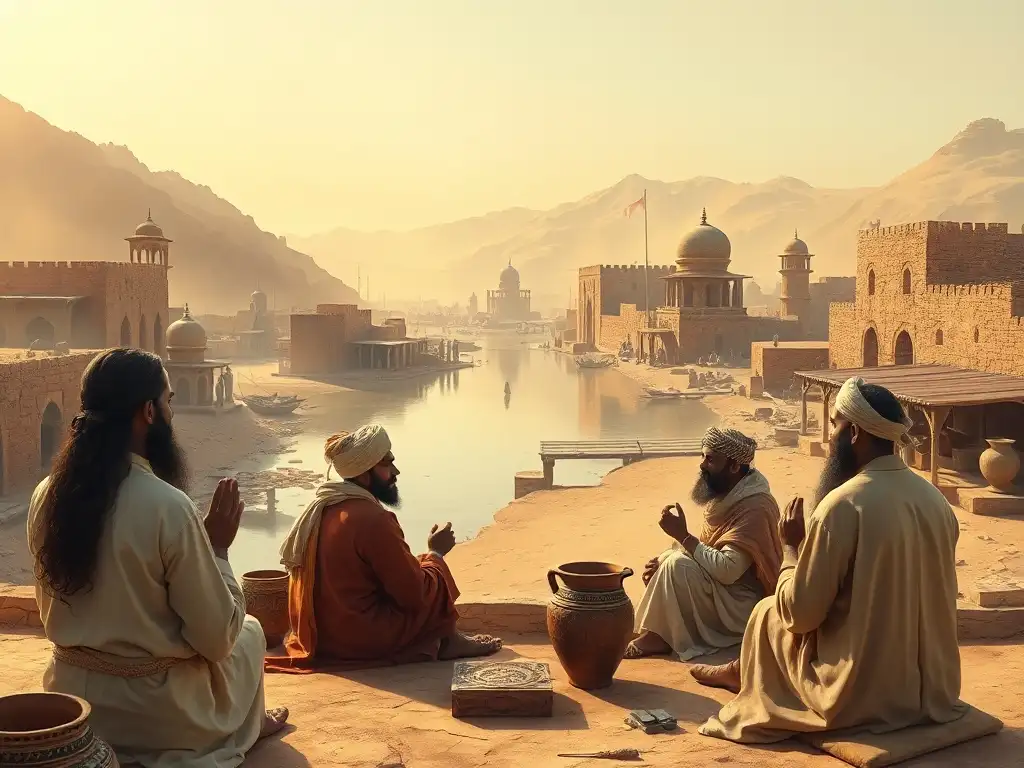
Summary of the Indus Valley Civilization's Impact on Philosophy
The Indus Valley Civilization (IVC), which flourished between approximately 3300 and 1300 BCE, laid foundational philosophical principles that resonated through subsequent Indian thought. Notably, the civilization's urban planning, societal organization, and trade networks fostered an environment where early philosophical ideas could emerge.
- Urbanization and Social Structure: The sophisticated cities like Harappa and Mohenjo-Daro featured advanced drainage systems and public baths, reflecting a communal ethos. This emphasis on order and hygiene may have influenced later philosophical notions regarding purity and social conduct in Hinduism and Jainism.
- Trade and Cultural Exchange: The IVC was a hub of trade, connecting with Mesopotamia and other civilizations. This interaction likely facilitated the exchange of ideas, including early concepts of ethics and governance that would later evolve into more complex philosophical frameworks.
- Religious Practices: Archaeological findings of seals and figurines suggest a rich spiritual life, possibly hinting at proto-religious beliefs that emphasized nature, fertility, and the sacred. These early spiritual practices laid the groundwork for the development of later religious philosophies, particularly in Hinduism, which incorporates ideas of karma and dharma.
Final Thoughts on its Lasting Legacy in Ancient Indian Civilizations
The legacy of the Indus Valley Civilization extends far beyond its temporal existence. Its influence on philosophy is profound and multifaceted:
- Integration into Later Philosophical Systems: The philosophical ideas that emerged in the IVC became integrated into the Vedic texts, which followed its decline. The notions of community, ethics, and the natural world established during the IVC were pivotal in shaping the metaphysical discussions found in later Indian philosophies.
- Continuity of Thought: The principles of order and balance characteristic of the IVC can be seen in the philosophical works of the Gupta Empire and beyond, where ideas of cosmic order (Rta) and moral duty (Dharma) became central themes.
- Cultural Resilience: The impact of the IVC on philosophy illustrates the resilience of cultural ideas. Despite the civilization's decline, its philosophical foundations persisted, influencing various schools of thought throughout Indian history, including Buddhism and Jainism.
The Indus Valley Civilization's impact on philosophy is a testament to its enduring legacy, shaping the philosophical landscape of ancient Indian civilizations and continue to inspire thought and inquiry to this day. The intricate interplay of urbanization, trade, and spirituality within the IVC provides critical insights into the roots of Indian philosophical traditions, making it a significant area of study for historians and philosophers alike.
Frequently Asked Questions
What was the Indus Valley Civilization known for?
The Indus Valley Civilization was known for its advanced urban planning, sophisticated drainage systems, and unique script. It laid the groundwork for subsequent Indian cultures and philosophies.
How did the Indus Valley Civilization influence later Indian philosophies?
The Indus Valley Civilization contributed to the development of religious and philosophical ideas that shaped the beliefs of later civilizations, particularly through its emphasis on community and spirituality.
What are some key philosophical concepts that originated from the Indus Valley Civilization?
Key philosophical concepts include ideas of unity, cosmic order, and ethical living, which later influenced Hinduism and Buddhism.
How did trade and interaction with other cultures affect the Indus Valley Civilization's impact?
Trade allowed for the exchange of ideas, leading to a cross-pollination of philosophical and cultural concepts that enriched the intellectual landscape of ancient India.
Why is the Indus Valley Civilization significant in the context of Indian history?
The Indus Valley Civilization is significant because it represents one of the earliest urban societies in the world, influencing the political, social, and philosophical foundations of later Indian civilizations.
Final Reflection: The Enduring Legacy of the Indus Valley Civilization on Philosophy
The Indus Valley Civilization's impact on philosophy is not just a relic of the past; it is a living thread that weaves through the fabric of contemporary thought. As we explore the philosophical underpinnings that emerged from this ancient society, we uncover a profound connection to modern values and beliefs. The echoes of their innovative ideas resonate in our current philosophical discourse, reminding us that the foundations of thought are often built on the wisdom of those who came before us.
The influence of the Indus Valley Civilization extends far beyond its geographical and temporal boundaries, shaping the cultural and social landscape of India and beyond. Their emphasis on harmony, community, and ethical living continues to inspire philosophical inquiry and spiritual exploration today. The past is never dead. It's not even past.
– William Faulkner. This quote encapsulates the essence of how ancient philosophies inform our present-day understanding, urging us to reflect on the timeless nature of wisdom and its relevance in our lives.
As we conclude this exploration of the Indus Valley Civilization's impact on philosophy, I invite you to reflect on how these ancient teachings can inform your own life. Consider the values of interconnectedness, sustainability, and ethical living that emerged from this civilization. Embrace the opportunity to integrate these lessons into your daily practices, fostering a deeper understanding of yourself and the world around you. Let the wisdom of the past guide you as you navigate the complexities of the present and future, ensuring that the legacy of the Indus Valley Civilization continues to thrive within each of us.
Unveil the Legacy of the Indus Valley!
Thank you for diving into the fascinating world of the Indus Valley Civilization and its profound impact on Indian philosophies! We hope you gained valuable insights that ignite your curiosity and inspire you to explore further.
Now’s your chance to take action and embrace this rich history:
- Dive Deeper: Explore a variety of resources on the Indus Valley civilization, including books and documentaries, that illuminate its philosophies and cultural legacies.
- Share and Discuss: Engage with friends and communities by sharing key insights from this article—start a conversation about how these ancient ideas resonate in today's world.
- Reflect and Connect: Consider how the philosophies from this era relate to contemporary thought, and jot down your reflections in a journal or blog.
What aspect of the Indus Valley’s influence on modern philosophy resonates most with you? We invite you to share your thoughts in the comments!