
The Role of the Maurya Empire in Spreading Indian Culture Globally

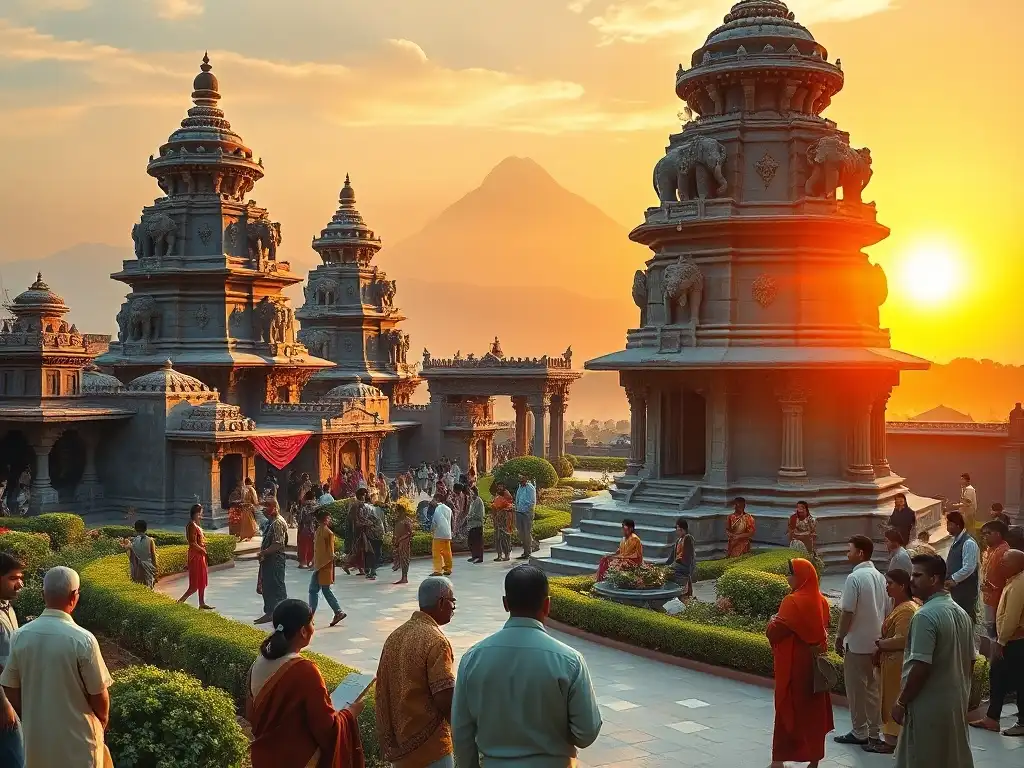
Welcome to Ancient India History, where we embark on a fascinating journey through time to uncover the rich tapestry of ancient Indian civilizations. Have you ever wondered how the Maurya Empire played a pivotal role in shaping Indian culture and spreading it across the globe? In our featured article, "The Role of the Maurya Empire in Spreading Indian Culture Globally," we delve deep into the profound impact this remarkable empire had on art, philosophy, and societal norms.
Join us as we explore the legacies of the Maurya Empire and discover the enduring influences that continue to resonate today. Your adventure into the heart of ancient India's vibrant history begins here!
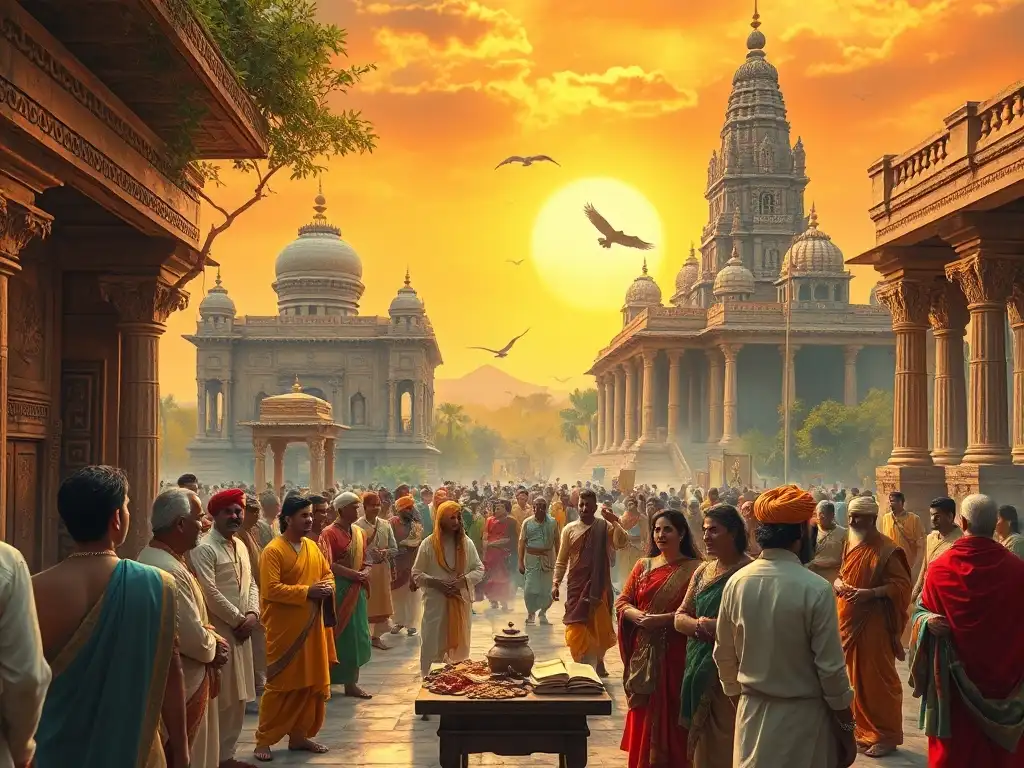
The Maurya Empire, one of the largest and most powerful empires in ancient India, played a crucial role in shaping the cultural landscape not only within the subcontinent but also beyond its borders. Established in 322 BCE by Chandragupta Maurya and reaching its zenith under Emperor Ashoka, the Maurya Empire was a pivotal force in the dissemination of Indian culture, philosophy, and governance. This article delves into the impact of the Maurya Empire on culture, exploring how its extensive trade networks, missionary activities, and progressive governance contributed to the global spread of Indian traditions, arts, and ideas.
Introduction to the Maurya Empire
Overview of the Maurya Empire's Historical Context
The Maurya Empire emerged in a period marked by significant political and social upheaval in ancient India. Following the decline of the Nanda Dynasty, Chandragupta Maurya united the fragmented states of Northern India, establishing a centralized administration that enabled effective governance. The empire reached its zenith during the reign of Ashoka, who is renowned for his commitment to the principles of Dharma and non-violence. Under his rule, the Maurya Empire not only expanded territorially but also embraced a philosophy that promoted cultural exchange and religious tolerance, setting the stage for a vibrant cultural milieu.
Significance of the Maurya Empire in Ancient Indian Civilization
The Maurya Empire was significant in ancient Indian civilization for several reasons:
- Political Unity: It marked one of the first instances of a unified Indian subcontinent, fostering a sense of identity among diverse populations.
- Administrative Innovations: The introduction of a sophisticated administrative system allowed for efficient tax collection, law enforcement, and public welfare, laying the groundwork for future empires.
- Cultural Flourishing: The empire was a melting pot of cultures, languages, and religions, leading to a rich tapestry of art, literature, and philosophy that influenced later generations.
The Impact of the Maurya Empire on Culture
Key Cultural Contributions of the Maurya Empire
The Maurya Empire's cultural contributions were manifold and have had a lasting influence on both Indian society and the wider world. Some notable impacts include:
- Art and Architecture: The Mauryan period saw the emergence of unique architectural styles, exemplified by the construction of stupas, pillars, and rock-cut caves, notably the Sanchi Stupa and the Ashoka Pillars, which were adorned with intricate carvings and inscriptions.
- Spread of Buddhism: Ashoka's promotion of Buddhism, following his conversion after the Kalinga War, led to the establishment of monasteries and the spread of Buddhist teachings across Asia, impacting cultures as far as Central Asia and China.
- Trade and Cultural Exchange: The Maurya Empire established extensive trade routes, facilitating cultural exchange with distant lands. Goods, ideas, and cultural practices flowed through these routes, enriching the societies they touched.
- Philosophy and Literature: The period fostered significant developments in literature and philosophy, with works like the Arthashastra by Kautilya influencing political thought and governance far beyond the empire's borders.
Through these contributions, the Maurya Empire not only defined its own cultural identity but also laid the foundation for the globalization of Indian culture, showcasing its profound and lasting impact on the world stage.
Key Figures of the Maurya Empire and Their Cultural Influence
The Maurya Empire, which thrived from 322 to 185 BCE, was pivotal in shaping the cultural landscape of ancient India and extending its influence beyond its borders. Key figures within this empire not only contributed to its political strength but also played instrumental roles in promoting culture, philosophy, and religion. Their visions and actions set the stage for cultural exchanges that would resonate through centuries, affecting regions far beyond the Indian subcontinent.
Chandragupta Maurya: The Founder and His Vision
Chandragupta Maurya, the founder of the Maurya Empire, laid the groundwork for a unified Indian state. His vision extended beyond mere conquest; he aimed to establish a stable and prosperous society. By uniting various smaller kingdoms under a centralized administration, Chandragupta facilitated the spread of cultural practices and ideas across vast territories.
His reign marked the beginning of a new cultural era, characterized by the promotion of trade, agriculture, and urban development. Chandragupta's interactions with notable figures like Chanakya, who authored the "Arthashastra," emphasized the importance of governance and economic strategies that would support cultural flourishing. The policies established by Chandragupta not only strengthened the empire's political structure but also encouraged artistic and intellectual endeavors that would thrive in later years.
Ashoka the Great: A Catalyst for Cultural Expansion
Ashoka, the grandson of Chandragupta, is often regarded as one of the most significant rulers in Indian history, not only for his military conquests but also for his remarkable transformation into a promoter of peace and Buddhism. After the Kalinga War, Ashoka adopted a policy of Dhamma, emphasizing moral values and non-violence, which played a vital role in cultural diffusion.
His support for Buddhism led to the establishment of stupas, monasteries, and educational centers across the empire. Ashoka's edicts, inscribed on pillars and rocks, communicated ethical teachings and encouraged cultural exchanges with neighboring regions. These inscriptions, written in various languages, served as a means to convey Indian philosophical thought and principles, influencing cultures as far away as Central Asia and Southeast Asia. Thus, Ashoka's reign marked a significant period of cultural expansion, as he actively sought to spread Indian culture and Buddhism beyond the subcontinent, fostering a legacy that continues to resonate today.
Mechanisms of Cultural Exchange During the Maurya Empire
The Maurya Empire facilitated cultural exchange through various mechanisms that connected India with broader global networks. These systems not only enhanced trade but also allowed for the sharing of ideas, beliefs, and practices that enriched Indian culture.
Trade Routes: Connecting India with the World
The Maurya Empire was strategically located at the crossroads of major trade routes, such as the Silk Road and various maritime paths. This geographical advantage enabled merchants to engage in vibrant trade with regions including Persia, Greece, and Southeast Asia. The exchange of goods like spices, textiles, and precious stones was accompanied by the transfer of cultural elements, such as art, religion, and language.
The Mauryan administration actively supported trade by ensuring the safety and stability of these routes. As a result, Indian cultural artifacts and ideas traveled alongside commodities, leading to an increased influence of Indian culture in foreign lands. The bustling trade cities of the Maurya Empire became melting pots where diverse cultural practices merged, further enriching the Indian cultural tapestry.
Diplomatic Relations: Cultural Diplomacy in the Ancient World
Diplomatic relations were another vital mechanism through which the Maurya Empire spread its cultural influence. Ashoka, in particular, engaged in cultural diplomacy by sending envoys to various kingdoms and regions, promoting Buddhist ideals and ethical governance. These missions often included scholars and monks who shared Indian philosophies and cultural practices.
Such diplomatic efforts not only fostered alliances but also encouraged the exchange of cultural artifacts and knowledge. The Mauryan emissaries played a crucial role in establishing connections with Hellenistic kingdoms, leading to mutual influences in art, architecture, and philosophy. This form of diplomacy laid the groundwork for long-lasting cultural ties between India and other ancient civilizations.
Cultural Syncretism: Blending of Indian and Foreign Cultures
The Maurya Empire was characterized by cultural syncretism, where Indian traditions blended with those of other cultures. This phenomenon was particularly evident in the arts, where influences from Hellenistic and Persian styles merged with indigenous Indian motifs. The result was a unique artistic expression that reflected the diverse cultural interactions of the time.
Moreover, religious practices saw a similar blending; as Buddhism spread, it absorbed local beliefs and traditions, making it more relatable to various populations. The emergence of various Buddhist sects and the adaptation of Buddhist teachings to local contexts exemplified this cultural syncretism. The Maurya Empire thus served as a crucible for cultural exchanges, fostering an environment where diverse cultural elements could coexist and enrich one another.
The Maurya Empire's key figures and mechanisms of cultural exchange played essential roles in the global dissemination of Indian culture, leaving an indelible mark on the world that endures to this day.
Legacy of the Maurya Empire on Global Culture
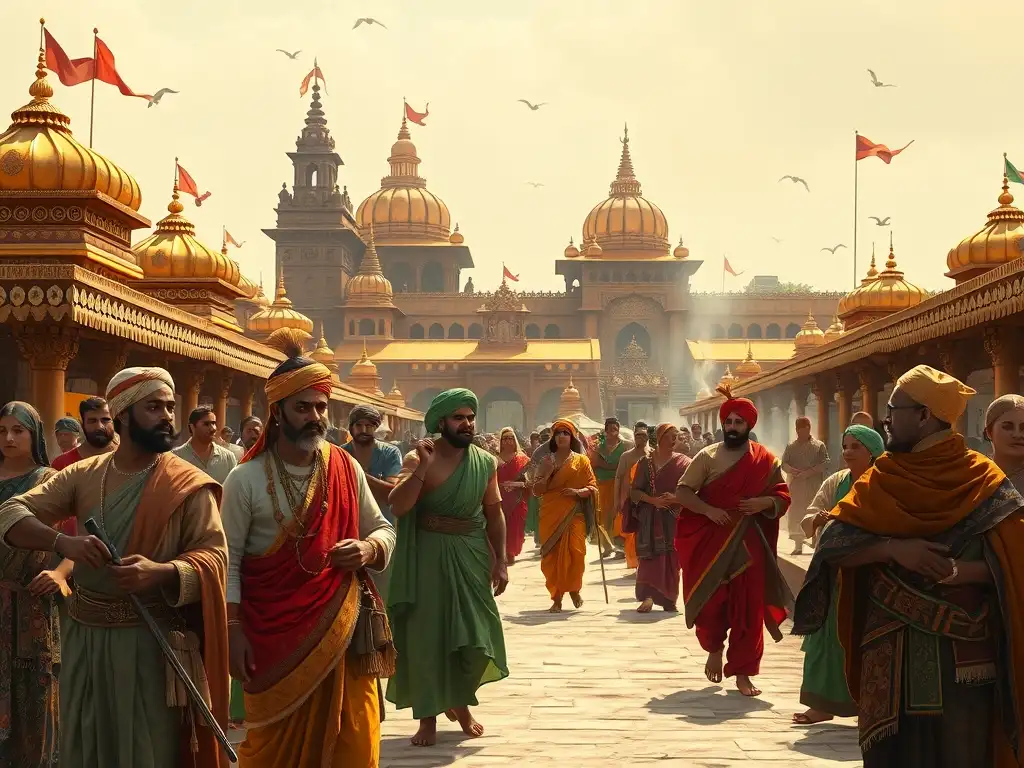
The Maurya Empire, which flourished from 322 to 185 BCE, left an indelible mark on global culture that continues to resonate today. Its vast expanse, stretching from the northern regions of the Indian subcontinent to parts of modern-day Afghanistan, facilitated a vibrant exchange of ideas, traditions, and practices. The empire was not only a political entity but also a cultural powerhouse, promoting trade, art, and philosophy. This legacy is evident in various aspects of culture, including architecture, religion, and governance, influencing not just neighboring regions but extending its impact across continents.
One of the most notable aspects of the Mauryan Empire's cultural legacy is its promotion of Buddhism under the reign of Emperor Ashoka. After his conversion to Buddhism, Ashoka played a pivotal role in spreading Buddhist teachings beyond India, establishing a network of stupas and monasteries that became centers for learning and cultural exchange. This religious influence helped shape societies in Southeast Asia, where Buddhism became a dominant faith, intertwining with local cultures and traditions.
Long-term Cultural Influences in Southeast Asia
The Maurya Empire’s influence in Southeast Asia can be traced through the spread of Buddhism and trade networks established during its reign. Ashoka's edicts, which advocated for moral governance and non-violence, resonated with many cultures, leading to the establishment of a shared ethical framework that transcended geographic boundaries.
- Trade Routes: The Maurya Empire facilitated the development of trade routes that connected India to Southeast Asia. This exchange brought not only goods but also cultural ideas, art forms, and religious practices. The maritime trade routes, particularly, allowed for the dissemination of Indian culture, including language, literature, and art, influencing regions such as present-day Thailand, Myanmar, and Indonesia.
- Cultural Syncretism: As Indian traders settled in Southeast Asia, they introduced Hindu and Buddhist traditions, which merged with indigenous practices. This cultural syncretism is evident in the architecture of temples, such as Angkor Wat in Cambodia, which showcases elements of both Indian and local styles.
The legacy of the Maurya Empire in Southeast Asia highlights how a dominant cultural force can shape and enrich the cultural tapestry of other regions, creating a lasting impact that can still be observed in contemporary societies.
The Role of Mauryan Culture in Shaping Modern Indian Identity
The cultural contributions of the Maurya Empire are integral to the formation of modern Indian identity. The empire's promotion of a unified state under the banner of cultural plurality laid the groundwork for subsequent Indian civilizations. The principles of governance established by the Mauryas, particularly under Ashoka, emphasized moral responsibility and the welfare of citizens, values that continue to resonate in contemporary Indian governance.
- Cultural Symbols: The lion capital of Ashoka, now the national emblem of India, serves as a powerful symbol of India's ancient heritage and its commitment to the principles of justice and peace. This emblem reflects the enduring legacy of Mauryan thought in modern political and cultural contexts.
- Philosophy and Literature: The Mauryan period also saw the preservation and promotion of important philosophical texts, including the Arthashastra by Kautilya. This work continues to influence modern political theory and strategic thinking in India, highlighting the relevance of ancient wisdom in contemporary society.
The Mauryan Empire's emphasis on cultural integration and dialogue among diverse communities has played a crucial role in shaping the inclusive nature of modern Indian identity.
Conclusion: The Lasting Impact of the Maurya Empire on Culture
The impact of the Maurya Empire on culture is profound and multifaceted, extending well beyond its geographical boundaries and historical timeframe. Its contributions to governance, religion, trade, and the arts have laid a foundation for cultural development that continues to thrive today.
Summary of Key Contributions and Their Global Relevance
- Promotion of Buddhism: The Maurya Empire was instrumental in the spread of Buddhism, establishing a framework for ethical governance that influenced various cultures across Asia.
- Trade Networks: The establishment of extensive trade routes facilitated cultural exchange, allowing Indian art, literature, and religious practices to permeate Southeast Asia.
- Cultural Integration: The Mauryan model of inclusive governance and cultural plurality has informed modern Indian identity and continues to shape societal values.
These contributions underscore the Maurya Empire's role as a catalyst for cultural diffusion, impacting societies both near and far.
Reflection on the Maurya Empire's Role in Shaping World Culture
Reflecting on the Maurya Empire's legacy highlights its significance as a foundational pillar of world culture. The empire not only unified a vast region under a single political entity but also fostered an environment where diverse cultures could interact and flourish. Its influence can be seen in the realms of religion, art, philosophy, and governance, illustrating how an ancient civilization can leave a lasting imprint on the global cultural landscape. The Maurya Empire’s legacy serves as a reminder of the interconnectedness of cultures and the enduring power of ideas that transcend time and space.
- Introduction to the Maurya Empire
- The Impact of the Maurya Empire on Culture
- Key Figures of the Maurya Empire and Their Cultural Influence
- Mechanisms of Cultural Exchange During the Maurya Empire
- Legacy of the Maurya Empire on Global Culture
- Long-term Cultural Influences in Southeast Asia
- The Role of Mauryan Culture in Shaping Modern Indian Identity
- Conclusion: The Lasting Impact of the Maurya Empire on Culture
- What was the significance of the Maurya Empire in ancient India?
- How did the Maurya Empire impact Indian culture?
- What cultures were influenced by the Maurya Empire?
- What role did Ashoka play in spreading culture during the Maurya Empire?
- How did trade contribute to the cultural spread during the Maurya Empire?
Frequently Asked Questions
What was the significance of the Maurya Empire in ancient India?
The Maurya Empire was crucial as it unified much of the Indian subcontinent, establishing a foundation for political and cultural development that influenced subsequent empires.
How did the Maurya Empire impact Indian culture?
The impact of the Maurya Empire on culture included the promotion of Buddhism, advancements in art and architecture, and the establishment of a rich literary tradition that spread across regions.
What cultures were influenced by the Maurya Empire?
The Maurya Empire impacted various cultures, especially in Southeast Asia, where its Buddhist teachings and artistic styles were adopted, leading to a blend of cultural elements.
What role did Ashoka play in spreading culture during the Maurya Empire?
Ashoka, the most famous Mauryan ruler, significantly promoted Buddhism and non-violence, sending missionaries that helped spread Indian culture and values internationally.
How did trade contribute to the cultural spread during the Maurya Empire?
The Maurya Empire facilitated extensive trade networks, allowing for the exchange of goods, ideas, and cultural practices, which enhanced the global reach of Indian culture.
Final Reflection: The Enduring Impact of the Maurya Empire on Global Culture
The impact of the Maurya Empire on culture resonates profoundly in today's interconnected world, where the exchange of ideas and traditions shapes our global identity. As we explore the legacy of this ancient civilization, it becomes evident that the cultural threads woven during the Maurya period continue to influence contemporary society. The empire's commitment to art, philosophy, and governance laid a foundation that transcends time, reminding us of the power of cultural exchange in fostering unity and understanding across diverse communities.
The Maurya Empire's influence extends far beyond its geographical boundaries, shaping the cultural and social landscape of regions far removed from its origins. This historical narrative serves as a testament to the resilience and adaptability of culture. The teachings of figures like Ashoka and the artistic achievements of the period have inspired countless generations, encouraging a dialogue that bridges past and present. Culture is the widening of the mind and of the spirit.
— Jawaharlal Nehru. This quote encapsulates the essence of the Maurya Empire's contribution, emphasizing how cultural evolution enriches our collective human experience.
As we reflect on the lessons from the Maurya Empire, let us consider how we can apply its principles of cultural appreciation and exchange in our own lives. Embrace the diversity around you, seek to understand different perspectives, and contribute to the tapestry of global culture. By doing so, we honor the legacy of the Maurya Empire and ensure that its impact on culture continues to thrive in our modern world. Take a moment to reflect on how you can be a part of this ongoing journey—your actions today can help shape the cultural landscape of tomorrow.
Unleash the Legacy of the Maurya Empire!
Thank you for diving into the fascinating world of the Maurya Empire and its profound impact on global culture! We hope you’ve discovered how this influential civilization helped shape not just India, but the entire world. Now, let’s actively engage with this rich historical tapestry.
Here are a few steps you can take to deepen your connection to the legacies of the Maurya Empire:
- Explore More: Dive into related topics! Check out our other articles on ancient Indian sages, philosophy, and trade routes that broadened cultural influences.
- Share Your Insights: Spread the word! Share this article with friends or on social media to spark discussions about the Maurya Empire's contributions and their enduring relevance.
- Join the Conversation: Engage with our community! We invite you to leave a comment below sharing your thoughts on the aspects of Mauryan culture that inspire you the most.
As we reflect on the wealth of knowledge surrounding the Maurya Empire, consider this: How has ancient Indian culture influenced your own life or perspective? Let's discuss!