
The Power of Women’s Voices in Ancient Indian Literature

Welcome to Ancient India History, where we embark on an enchanting journey through time to uncover the vibrant tapestry of ancient Indian civilizations. Dive deep into our featured article, "The Power of Women’s Voices in Ancient Indian Literature," and discover how women shaped narratives and influenced culture in ways that echo through the ages.
From the profound insights of the Indus Valley to the literary brilliance of the Gupta Empire, the stories of these remarkable women await to spark your curiosity and inspire your exploration. Join us as we celebrate the pivotal roles and contributions of women in a rich historical landscape!
Introduction to Women in Ancient Indian Literature
The rich tapestry of ancient Indian literature is not merely a reflection of the eras it originates from, but also a vibrant showcase of the diverse voices that contributed to its creation. Among these voices, women played a pivotal role, representing a spectrum of experiences, perspectives, and philosophies.
From the mystical verses of the Vedas to the profound narratives found in classical texts, women's contributions to literature serve as crucial insights into their status, thoughts, and influence in ancient society. Their writings not only illuminate the individual lives of women but also encapsulate broader themes of spirituality, morality, and social dynamics that resonated during their time.
Throughout history, women's voices in ancient Indian literature have often been overshadowed by their male counterparts. However, a closer examination reveals a wealth of poetry, philosophy, and storytelling that showcases their intellectual prowess and emotional depth. Figures such as Gargi, a philosopher who participated in philosophical debates, and Vishakha, a poetess whose works echoed the sentiments of her time, exemplify the vital roles women held in shaping literary traditions. This article delves into the significance of these voices and explores how they have contributed to the rich narrative of women in ancient Indian literature.
Importance of Women’s Contributions in Ancient Indian Texts
The contributions of women in ancient Indian literature are not only significant for their artistic merit but also for their role in shaping cultural and philosophical discourses. The importance of these contributions can be encapsulated in several key aspects:
-
Cultural Representation
Women’s writings often reflect the cultural norms, values, and societal challenges of their time. Their works provide a lens through which modern readers can understand the complexities of ancient Indian society. For instance, texts like the Mahabharata and Ramayana feature female characters who embody strength, wisdom, and resilience, challenging the stereotypical narratives of women's roles.
-
Philosophical Insights
Many women philosophers, such as Maitreyi and Gargi, contributed significantly to Vedic literature. Their philosophical inquiries and discussions on topics like self-knowledge and the nature of reality reveal a profound level of intellectual engagement. These contributions underscore the notion that women were not merely passive observers but active participants in shaping philosophical thought.
-
Literary Excellence
Women poets like Meera Bai and Akka Mahadevi crafted verses that resonate with emotional depth and spiritual fervor. Their poetry not only showcases their artistic talent but also serves as a powerful medium for expressing personal and collective struggles, desires, and aspirations.
-
Social Commentary
The literary works of women often served as a critique of societal norms and practices. By articulating their experiences and perspectives, these writers highlighted issues such as gender inequality, social injustice, and the quest for personal autonomy. This commentary remains relevant, offering insights into the ongoing discourse surrounding women's rights and status.
The voices of women in ancient Indian literature are indispensable to understanding the historical landscape. Their contributions enrich the literary canon and provide critical insights into the evolution of ideas concerning gender, society, and spirituality. As we explore these voices further, we uncover the profound impact women have had on shaping ancient Indian literature and, by extension, the cultural heritage of India as a whole.
- Introduction to Women in Ancient Indian Literature
- Importance of Women’s Contributions in Ancient Indian Texts
- What role did women play in ancient Indian literature?
- How are women's contributions represented in ancient texts?
- Which ancient Indian texts feature prominent female voices?
- How did societal norms affect women's representation in literature?
- What is the significance of women's voices in ancient Indian literature today?
Historical Context of Women in Ancient Indian Literature
Overview of Ancient Indian Civilizations
Ancient India, a mosaic of diverse cultures and societies, spans several millennia and encompasses various civilizations, each contributing to the rich tapestry of its literary heritage. From the Indus Valley Civilization (c. 2500–1500 BCE) to the Gupta Empire (c. 320–550 CE), women's voices emerged in literature, reflecting their lived experiences, societal roles, and philosophical insights.
The Vedic period (c. 1500–500 BCE) marked a significant era where women were not only integral to familial and social structures but also participated in spiritual practices. Texts such as the Rigveda highlight women like Gargi and Maitreyi, who engaged in philosophical discourse, indicating their active role in intellectual traditions.
As time progressed, various dynasties, including the Mauryas and Guptas, fostered an environment where literature flourished. The Sanskrit and Prakrit languages became the mediums through which women's perspectives were articulated in poetry, drama, and philosophical texts. This period saw the emergence of influential female characters in epics and plays, showcasing the complexity of women's experiences and their contributions to society.
The Role of Women in Society and Culture
Women in ancient Indian society held a multifaceted role, influenced by caste, geography, and prevailing philosophical beliefs. While the Manusmriti and other texts often prescribed restrictive roles, there are notable examples that illustrate women's agency and empowerment.
- Education and Scholarship: Many women were educated and participated in scholarly pursuits. For instance, Gargi is famed for her profound knowledge, notably in the Brahmanas, where she engages in debates on metaphysics.
- Patrons of the Arts: Women such as Vasavadatta, a character in the play "Ratnavali," demonstrate the importance of women as patrons of literature and the arts, influencing cultural production.
- Spiritual Leaders: In the context of religious practices, women often acted as spiritual leaders and thinkers. The Bhakti movement, which emerged later, further amplified women's voices through devotional literature, allowing them to express their spirituality and societal critiques.
Despite the existence of patriarchal structures, women navigated these confines, contributing to literary traditions, often using allegory and symbolism to convey their messages. The presence of female narrators and protagonists in ancient texts underscores their significance in shaping cultural narratives.
Literary Forms and Genres Featuring Women
The literary landscape of ancient India is rich with various forms and genres that feature women's voices prominently. These include epic poetry, philosophical texts, and devotional literature, each offering unique insights into women's roles.
- Epics: In the Mahabharata and the Ramayana, female characters such as Draupadi and Sita are not mere side characters but pivotal figures whose narratives reflect themes of honor, sacrifice, and resilience. Their stories serve as a lens through which societal norms and gender dynamics can be explored.
- Poetry: The Ghazals and Bhakti poetry, particularly from the Medieval period, highlight women's expressions of love, longing, and spirituality. Poets like Mirabai and Akka Mahadevi challenged societal norms through their verses, emphasizing personal devotion and self-identity.
- Philosophical Texts: Women philosophers, as evidenced in texts like the Upanishads, contributed significantly to metaphysical discussions, showcasing their intellectual capabilities. Their ideas not only enriched philosophical discourse but also laid the groundwork for future generations.
The literary contributions of women in ancient Indian literature illustrate their vital role in shaping cultural and intellectual landscapes. Their voices, often marginalized, resonate through time, offering insights into the complexities of their experiences and the broader societal dynamics in which they existed. This rich heritage continues to inspire contemporary discussions on gender, culture, and literature in India.
Prominent Female Figures in Ancient Indian Literature
The exploration of women's roles in ancient Indian literature unveils a rich tapestry of voices that have shaped not only literary traditions but also cultural narratives. Prominent female figures emerged as powerful agents of change, influencing literature through their unique perspectives and experiences. Their contributions reflect a blend of creativity, intellect, and resilience, showcasing the depth of women's voices in ancient texts.
The Influence of Savitribai Phule
Savitribai Phule (1831-1897) is often recognized as a pioneering figure in the realm of education and social reform in India. Her influence transcends time, particularly in the context of women's representation in literature. As one of the first female educators in India, she emphasized the importance of education for women and the marginalized, challenging societal norms of her era.
Savitribai's poetry, often imbued with themes of social justice and empowerment, serves as a poignant reflection of her thoughts and aspirations for women. Her works advocate for:
- Education for All: She believed that education was a fundamental right and a tool for liberation. Her verses often highlighted the struggles faced by women in accessing education.
- Caste and Gender Equality: Phule's writings critiqued the caste system and the patriarchy, urging society to recognize the dignity and potential of every individual, regardless of gender or caste.
Through her literary contributions, Savitribai Phule laid the groundwork for future generations, inspiring countless women to find their voices and assert their rights.
Contributions of Mirabai in Bhakti Poetry
Mirabai, a 16th-century poet-saint, stands as a monumental figure in the Bhakti movement, renowned for her devotional poetry dedicated to Lord Krishna. Her works are characterized by their emotional intensity and deep spiritual yearning, offering a unique perspective on love and devotion that transcends societal constraints.
Key aspects of Mirabai's contributions include:
- Defiance of Social Norms: Mirabai boldly defied the expectations placed upon women in her society, choosing to express her spiritual beliefs openly. Her refusal to conform is exemplified in her poetry, where she often critiques societal norms and celebrates divine love.
- Emotional Depth: Her poetry resonates with themes of longing, devotion, and personal experience, inviting readers to explore the complexities of the human spirit. Through her verses, she connected deeply with her audience, allowing her emotions to transcend time.
- Cultural Impact: Mirabai's influence extends beyond literature into music and dance, making her a central figure in various cultural expressions across India. Her poems continue to inspire artists and spiritual seekers, illustrating the enduring power of her voice.
Mirabai's legacy in Bhakti poetry is a testament to the strength and resilience of women's voices in ancient Indian literature.
The Legacy of Kalidasa’s Female Characters
Kalidasa, one of the most celebrated poets and playwrights of ancient India, crafted some of the most memorable female characters in Sanskrit literature. His works, such as "Shakuntala" and "Vikramorvasiyam," showcase women who are not only integral to the narrative but also embody various dimensions of strength, beauty, and complexity.
Key highlights of Kalidasa's female characters include:
- Shakuntala: The titular character of "Abhijnanasakuntalam" represents the ideal woman who is both virtuous and strong-willed. Her journey illustrates themes of love, identity, and destiny, resonating with audiences across generations.
- Urvashi: In "Vikramorvasiyam," Urvashi embodies the idealized woman who navigates complex emotional landscapes. Her character challenges the notions of love and sacrifice, showcasing women as multifaceted beings with their desires and aspirations.
- Symbolism of Nature: Kalidasa often associates his female characters with nature, emphasizing their connection to the world around them. This symbolism reflects the idea of women as nurturers and life-givers, further enriching their portrayal.
The legacy of Kalidasa’s female characters continues to influence literature, theater, and art, underscoring the vital role women play in storytelling and cultural heritage.
The intersection of women’s voices and ancient Indian literature reveals a profound narrative of resilience, creativity, and empowerment. Through the influential figures of Savitribai Phule, Mirabai, and the characters crafted by Kalidasa, we witness the enduring impact of women’s contributions to the literary landscape of ancient India.
Themes and Representations of Women in Ancient Texts
The representation of women in ancient Indian literature reveals a complex tapestry of themes and ideals that reflect the societal norms, values, and philosophical inquiries of their times. From epic narratives to religious scriptures and philosophical treatises, these texts provide insight into the multifaceted roles women played in ancient societies, showcasing their strengths, struggles, and significant contributions.
Feminine Ideals in Epic Literature
Epic literature, particularly the Mahabharata and Ramayana, serves as a crucial source for understanding the feminine ideals prevalent in ancient Indian society. Women in these epics are often depicted as embodiments of virtue, duty, and sacrifice.
- Dharma and Duty:
- Women are frequently portrayed as custodians of dharma (righteousness). Characters like Sita and Draupadi exemplify this ideal through their unwavering commitment to their husbands and families, even amidst adversity.
- The concept of patni dharma, or the duty of a wife, is central to their portrayals, emphasizing loyalty and selflessness.
- Strength and Agency:
- Despite the constraints of their roles, characters like Draupadi assert their agency, challenging patriarchal norms. Her famous call for justice during the dice game illustrates the potential for women to voice their dissent and demand rightful treatment.
- Such portrayals inspire a nuanced understanding of women, depicting them not merely as passive figures but as pivotal agents in the unfolding of epic narratives.
- Symbolism and Archetypes:
- Women often symbolize various aspects of life, from fertility and motherhood to wisdom and strength. The duality of feminine power is evident in characters like Kali, representing destruction and empowerment, signifying a broader understanding of women's roles in the cosmic order.
The Portrayal of Women in Religious Texts
Religious texts offer rich insights into societal perceptions of women and their spiritual significance. The Vedas, Upanishads, and Puranas present varying representations, highlighting both reverence and subjugation.
- Spiritual Equality:
- Texts like the Rigveda acknowledge women's spiritual capabilities, with hymns attributed to female sages such as Gargi and Maitreyi, who engage in profound philosophical discourse.
- The inclusion of women in religious rituals and ceremonies suggests a recognition of their spiritual agency, allowing them to contribute to religious life.
- Roles and Responsibilities:
- While some texts confer spiritual privileges, others delineate strict roles. The Manusmriti, for instance, prescribes a hierarchical structure where women's roles are defined primarily in relation to men, often limiting their autonomy.
- However, this duality reflects the ongoing negotiation of women's identities within the religious framework, illustrating their multifaceted roles as nurturers, homemakers, and spiritual guides.
- Gods and Goddesses:
- The veneration of female deities such as Durga and Saraswati in religious texts underscores the reverence for feminine power and knowledge. These goddesses embody strength, wisdom, and the nurturing aspects of divinity, reinforcing the idea that women hold a vital place in the spiritual domain.
Women’s Voices in Philosophical Discourse
Philosophical texts from ancient India reveal significant contributions from women, challenging the traditionally male-dominated intellectual landscape. These voices resonate with themes of ethics, morality, and existential inquiry.
- Contributions to Philosophy:
- Women like Gargi and Maitreyi are often cited in philosophical debates, particularly in discussions surrounding the nature of the self and the universe. Gargi’s dialogues in the Brihadaranyaka Upanishad exemplify the intellectual rigor women brought to philosophical discourse.
- Their participation emphasizes that women were not only passive recipients of knowledge but active contributors to philosophical thought, influencing the discourse on ethics and metaphysics.
- Ethical Perspectives:
- Women philosophers often emphasized relational ethics, focusing on the interconnectedness of human experiences. Their viewpoints highlight the importance of compassion, empathy, and moral responsibility, particularly in familial and societal contexts.
- This perspective enriches the understanding of ethics within ancient Indian philosophy, offering a more inclusive and holistic view of moral considerations.
- Narrative and Rhetoric:
- The rhetorical styles employed by women in philosophical texts often blend narrative with argumentation, showcasing their ability to weave personal experience into broader philosophical discussions. This technique not only enhances the appeal of their arguments but also personalizes complex philosophical ideas.
The themes and representations of women in ancient Indian literature illustrate a rich and nuanced understanding of their roles and contributions. By examining these texts, we gain valuable insights into the diverse experiences of women and the evolving perceptions of femininity throughout history.
The Impact of Women’s Literature on Ancient Indian Society
Shaping Cultural Narratives through Women’s Writings
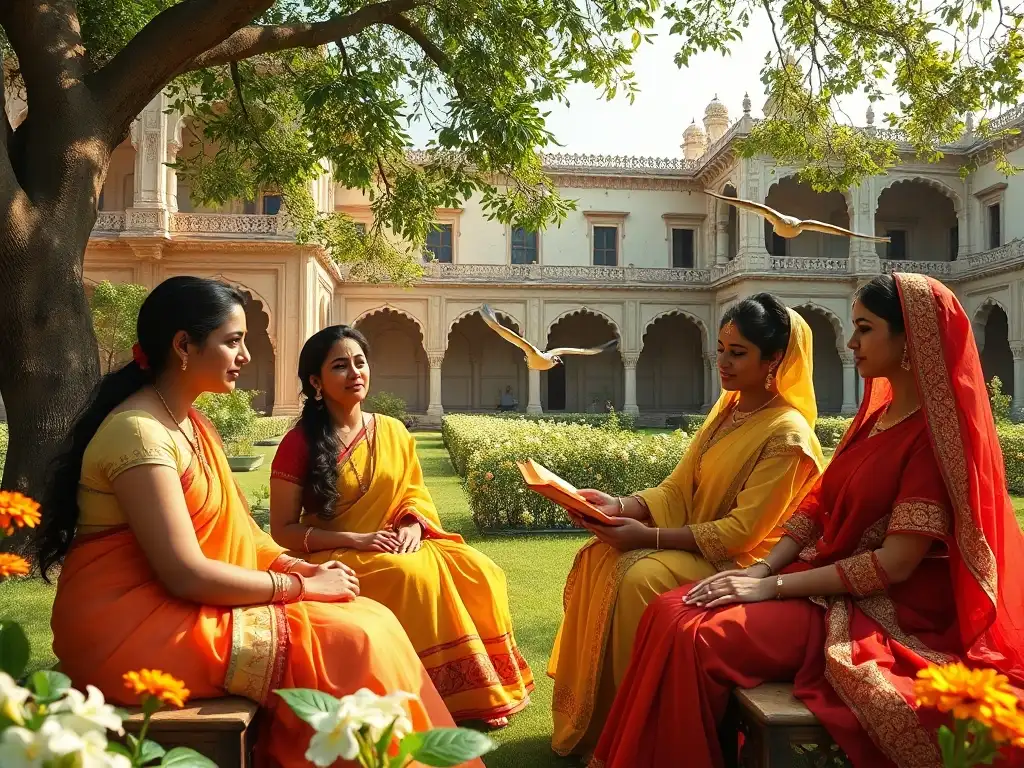
In ancient India, women's literature played a crucial role in shaping cultural narratives and societal values. The contributions of women writers were not only significant in terms of creativity but also in reflecting the complexities of their lived experiences. Texts such as the Mahabharata and Ramayana often included female perspectives, which challenged the predominant male narratives and offered insights into women's lives, struggles, and aspirations.
Women poets and authors like Vemana, Akka Mahadevi, and Mirabai emerged as influential voices, using their literary skills to express their thoughts on love, devotion, and societal issues. Their works often included themes of devotion (bhakti), addressing broader existential questions while simultaneously championing women's rights and status. For instance, Mirabai's compositions questioned the rigid structures of caste and gender, asserting her identity and autonomy in a patriarchal society.
Moreover, the inclusion of women's voices in literature encouraged a richer tapestry of narratives that could inspire future generations. Through their writings, women not only articulated their personal experiences but also engaged with larger cultural and philosophical discourses, thereby influencing the societal perceptions of gender roles.
The Role of Women in the Preservation of Oral Traditions
Oral traditions were vital in ancient Indian society, serving as a medium for storytelling, teaching, and preserving cultural heritage. Women played an instrumental role in sustaining these oral traditions, often acting as custodians of history, folklore, and mythology. Their storytelling techniques, marked by emotional depth and vivid imagery, ensured that the narratives were not only preserved but also evolved over time.
Women would gather in communal settings, sharing stories that resonated with both personal and collective experiences. These stories often contained moral lessons, folklore, and historical accounts that reflected the values and norms of their society. The engagement of women in these oral practices allowed for a diverse range of narratives to flourish, encompassing themes of resilience, love, and social justice.
The passing down of oral traditions was not merely an act of preservation; it was a form of empowerment. Women used these narratives to challenge existing power dynamics, highlight injustices, and articulate their desires for a more equitable society. This interplay of storytelling and social commentary created a vital space for women to assert their voices within the cultural landscape of ancient India.
Contributions to Spiritual and Philosophical Thought
Women in ancient India were not only writers but also thinkers and spiritual leaders, contributing significantly to philosophical and spiritual discourses. Figures such as Gargi and Maitreyi are noted in ancient texts for their intellectual prowess and philosophical debates. Their dialogues often revolved around profound topics such as the nature of reality, the self, and the cosmos, showcasing the capacity of women to engage with complex philosophical ideas.
The Upanishads, for instance, highlight the participation of women in spiritual discussions, where they posed critical questions and offered insights that enriched the philosophical landscape. This involvement in spiritual inquiry helped to elevate the status of women as thinkers and philosophers, countering the restrictive narratives that often marginalized them.
Furthermore, the bhakti movement saw women taking center stage as spiritual leaders, advocating for direct relationships with the divine, free from the constraints of ritualistic practices. Women saints like Annamacharya and Alvars articulated their spiritual experiences through poetry, emphasizing personal devotion over institutionalized religion. Their contributions helped to foster an inclusive spiritual environment, where women's voices were not only heard but celebrated.
The impact of women’s literature in ancient Indian society was profound, shaping cultural narratives, preserving oral traditions, and contributing to spiritual and philosophical thought. Their voices not only enriched the literary landscape but also served as catalysts for social change, embodying the resilience and strength of women throughout history.
Modern Interpretations of Women in Ancient Indian Literature
Re-examining Historical Narratives
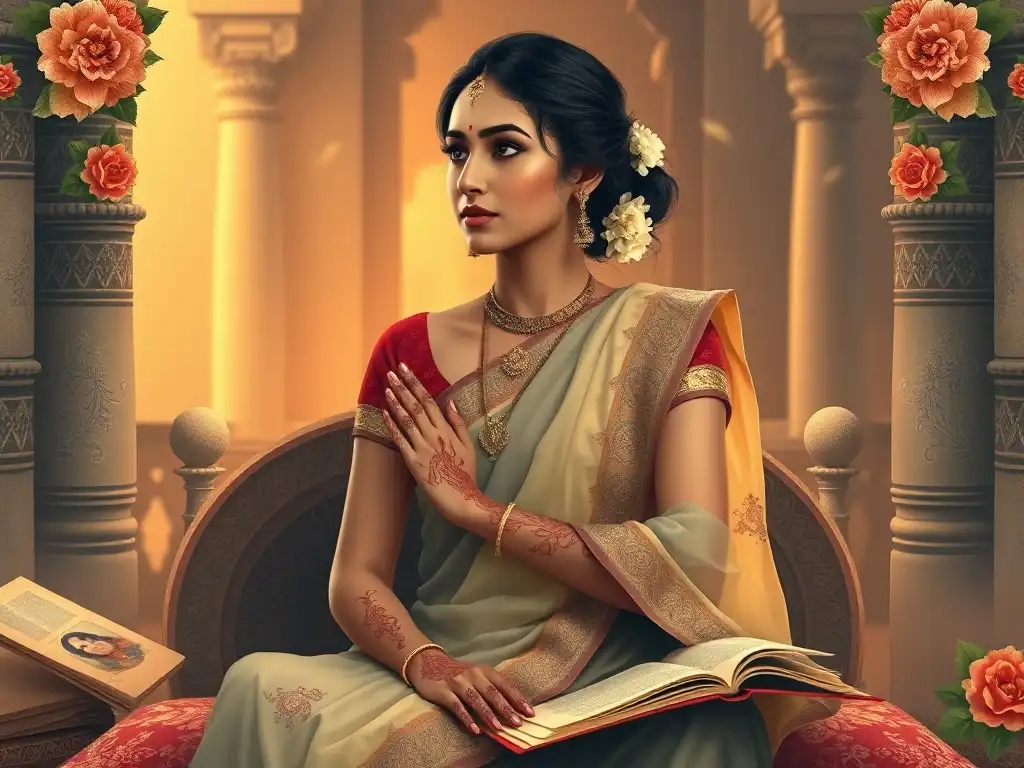
The narratives surrounding women in ancient Indian literature have often been shaped by patriarchal interpretations that overlook their significant contributions and multifaceted roles. Scholars today are re-examining these historical texts to uncover a more nuanced understanding of women's voices.
For instance, texts like the Mahabharata and Ramayana feature prominent female characters such as Draupadi and Sita, whose stories reflect not only their struggles but also their agency. A deeper analysis of these narratives reveals that these women often possessed wisdom and courage, challenging the notion of passivity that has been historically attributed to them.
- Draupadi: Known for her strong will, she played a crucial role in the Kurukshetra War, asserting her rights and dignity.
- Sita: While often portrayed as a devoted wife, her character embodies resilience and moral strength, particularly in her choices during exile.
Feminist Perspectives on Ancient Texts
Feminist literary criticism has emerged as a powerful tool for analyzing women in ancient Indian literature. This approach encourages readers to question traditional interpretations and to highlight the voices of women that have been silenced or marginalized.
By utilizing feminist perspectives, scholars can delve into the socio-political contexts of ancient texts, examining how gender roles were constructed and represented. For example, the Sanskrit drama often showcased women as central figures, not merely as supporting characters.
Key aspects of this analysis include:
- Agency: Women’s narratives demonstrate their ability to influence events and assert their rights.
- Symbolism: Female characters often symbolize broader themes of power, morality, and societal norms.
- Intertextuality: The connections between various texts reveal a continuity of women's experiences across time, reinforcing their importance in the literary canon.
This critical examination not only enriches our understanding of ancient literature but also informs contemporary discussions about gender and representation.
The Relevance of Women’s Voices in Contemporary Literature
The resurgence of interest in women in ancient Indian literature has significant implications for contemporary literature. Modern writers are increasingly inspired by the stories and struggles of historical female figures, using their narratives to address present-day issues of gender inequality and empowerment.
Incorporating themes from ancient texts, contemporary authors are able to draw parallels between past and present, often highlighting the ongoing relevance of women's voices. For example:
- Reinterpretations: New adaptations of ancient epics often place women at the forefront, redefining their roles and significance.
- Cultural Commentary: Writers use historical narratives to critique current societal norms and advocate for women's rights.
- Literary Festivals and Discussions: Events focused on women in literature foster dialogue about gender representation, encouraging a deeper appreciation for the contributions of women throughout history.
This modern interpretation not only honors the voices of women from the past but also serves as a powerful reminder of their enduring strength and influence in shaping society. As we continue to explore these rich narratives, we reaffirm the importance of women's roles in both ancient and contemporary literature.
Conclusion: The Enduring Legacy of Women in Ancient Indian Literature
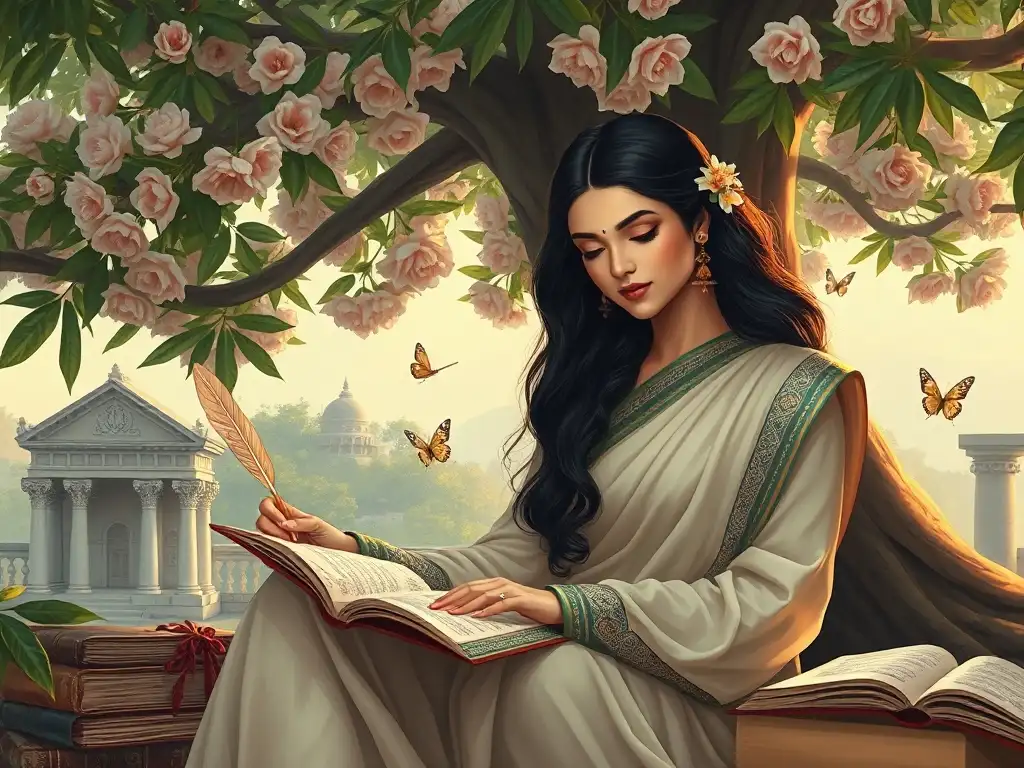
The legacy of women in ancient Indian literature is profound and multifaceted, echoing through the ages and resonating in contemporary discussions about gender roles and representation. The voices of women from antiquity reflect not only their personal experiences but also their contributions to the cultural, spiritual, and intellectual landscapes of their time. From the poetic verses of the Rigveda to the philosophical treatises of the Upanishads, these women's writings and narratives capture their resilience, wisdom, and agency.
Throughout history, women have played pivotal roles in shaping literary traditions, often transcending societal constraints to express their thoughts and beliefs. Their works serve as a testament to their courage and intellect, challenging the patriarchal norms of their time. Notably, figures such as Gargi and Maitreyi have left an indelible mark on philosophical discourse, prompting future generations to reflect on women's contributions to knowledge and spirituality.
Reflection on Women’s Roles and Contributions
The portrayal of women in ancient Indian literature offers valuable insights into their roles within society. Women were not merely passive figures; they were active participants in the intellectual and spiritual realms. The narratives highlight their contributions to various fields, including poetry, philosophy, and religious discourse.
- Diverse Perspectives: The presence of women in ancient texts presents a diverse range of perspectives, showcasing their thoughts on love, duty, and spirituality. For instance, the verses of the Mahabharata and Ramayana include strong female characters like Draupadi and Sita, who exemplify courage and moral fortitude.
- Cultural Significance: Women’s writings often reflect the cultural values and philosophical ideas of the time, providing a lens through which we can understand the evolving roles of women in society. The Sanskrit play “Shakuntala”, written by Kalidasa, highlights the complexities of love and duty, with Shakuntala as a central character who embodies strength and vulnerability.
- Spiritual Contributions: Many ancient texts reveal women's significant involvement in spiritual practices and rituals, indicating their essential roles in religious life. The Bhagavad Gita and various Upanishads include discussions that emphasize the spiritual insights provided by female philosophers, further cementing their importance in religious contexts.
The Future of Women’s Voices in Literature and Society
As we look to the future, the voices of women in literature and society will continue to evolve, building on the rich foundation laid by their ancient counterparts. The ongoing exploration of women's contributions in ancient Indian literature offers a pathway for contemporary writers and thinkers to amplify these voices.
- Reviving Ancient Narratives: There is a growing interest in revisiting and reinterpreting ancient texts to highlight the roles of women, paving the way for a more inclusive literary canon. Modern adaptations and retellings can bring these historical figures to life, inspiring new generations to appreciate their contributions.
- Promoting Gender Equity: The reflection on women's roles in ancient literature can serve as a catalyst for discussions on gender equity in contemporary society. By recognizing and celebrating the achievements of women from the past, we can foster an environment that encourages equal representation and participation in all fields.
- Encouraging New Voices: The future of literature hinges on the amplification of diverse voices. Encouraging women to share their narratives, experiences, and perspectives not only enriches the literary landscape but also empowers them to influence societal change.
The voices of women in ancient Indian literature not only shaped their time but continue to inspire and challenge us today. Their enduring legacy serves as a reminder of the importance of diverse perspectives in literature and the need for continued advocacy for women's roles in all aspects of society.
Frequently Asked Questions
What role did women play in ancient Indian literature?
Women in ancient Indian literature were powerful voices who contributed to various genres, including poetry, drama, and philosophy, often reflecting their social status and cultural influence.
How are women's contributions represented in ancient texts?
Ancient texts showcase women's contributions through mythological characters and historical figures, highlighting their strength, intelligence, and resilience in a patriarchal society.
Which ancient Indian texts feature prominent female voices?
Prominent texts like the Mahabharata, Ramayana, and works by poets such as Meera Bai and Akka Mahadevi feature significant female characters and perspectives, illustrating their impact on literature.
How did societal norms affect women's representation in literature?
Societal norms often constrained women's roles, yet many authors found ways to express their thoughts and experiences, challenging the traditional narratives and advocating for gender equality.
What is the significance of women's voices in ancient Indian literature today?
The voices of women in ancient Indian literature serve as a source of inspiration and empowerment, encouraging contemporary discussions on gender roles and the importance of inclusivity in literary studies.
Final Reflection: The Enduring Echo of Women’s Voices in Ancient Indian Literature
The exploration of women in ancient Indian literature reveals a profound truth: their voices have not only shaped narratives but have also laid the groundwork for contemporary discussions on gender and identity. Today, as we navigate a world still grappling with issues of equality and representation, the stories and perspectives of women from centuries past resonate with renewed urgency. Their contributions remind us that the fight for recognition and respect is not a modern phenomenon but a historical struggle that has long been woven into the fabric of our literary heritage.
The impact of women in ancient Indian literature extends far beyond the pages of history; it continues to influence our cultural and social landscapes. From the powerful verses of poets like Mirabai to the philosophical insights of thinkers such as Gargi, these voices challenge the status quo and inspire generations. Their stories serve as a testament to resilience and creativity, urging us to reflect on our own narratives. As the renowned author Kamala Das once said, I am a woman, and I have a voice.
This assertion encapsulates the essence of women's contributions in literature, reminding us that their voices are not merely echoes of the past but powerful instruments of change.
As we conclude our exploration of women in ancient Indian literature, I invite you to reflect on the lessons these voices impart. Consider how you can amplify the voices of women in your own life, whether through advocacy, storytelling, or simply by listening. Let us honor the legacy of these remarkable women by ensuring that their narratives continue to inspire and empower future generations. Embrace the challenge of being a voice for change, and remember that every story matters—especially those that have been silenced for too long.
Unleash the Power of Women’s Voices Today!
Thank you for taking the time to explore the influence of women's voices in ancient Indian literature! Your interest in this rich tapestry of history highlights the importance of diverse perspectives in shaping narratives. Now, it’s time to deepen your engagement and contribute to this essential dialogue.
Here are a few actionable steps you can take right now:
- Dive deeper into ancient texts and uncover the stories of remarkable women. Select a work that resonates with you and share your insights through a blog or discussion group!
- Join or start a community that focuses on women’s contributions to literature, both ancient and modern. Working together can lead to exciting projects and discoveries!
- Share this article with friends or on social media to spark conversations. Engage your network in discussions about how women’s roles in literature are evolving today!
Which women’s voices from ancient literature inspire you the most, and how do you believe their legacies can shape our understanding of gender in the present day?