
The Panchayat System: Grassroots Justice in Ancient Indian Communities

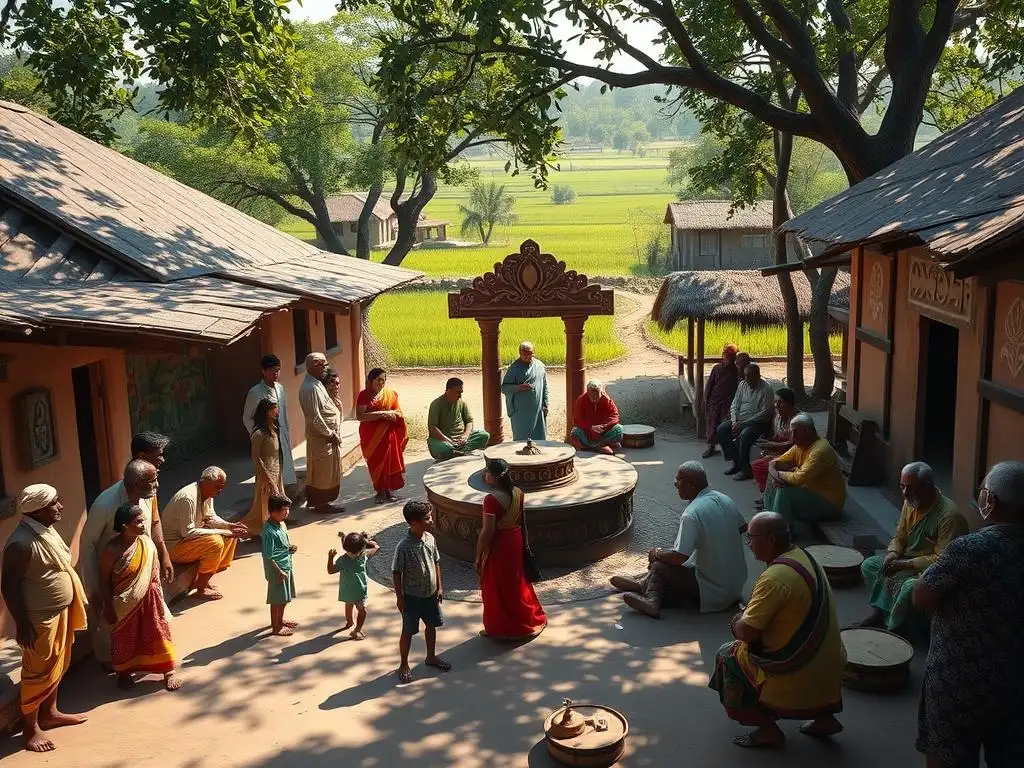
Welcome to Ancient India History, where we embark on a fascinating journey through the rich tapestry of ancient Indian civilizations. Today, we delve into the intriguing world of the Ancient Indian Panchayat system, a cornerstone of grassroots justice that shaped the very fabric of community governance. How did this system foster social order and resolve disputes?
As we uncover the intricacies of this remarkable legal framework, prepare to discover the profound impact it had on both local communities and the broader evolution of law in India. Join us as we explore these ancient roots and the legacies they left behind!
- Introduction to the Ancient Indian Panchayat System
- Historical Context of the Panchayat System
- Structure and Functioning of the Panchayat System
- The Role of Panchayati Justice in Society
- Legal Framework Surrounding the Panchayat System
- Challenges and Limitations of the Panchayat System
- Conclusion
- Frequently Asked Questions
- Final Reflection: Reviving the Spirit of the Ancient Indian Panchayat System
- Unveil the Power of Grassroots Justice!
Introduction to the Ancient Indian Panchayat System
The Ancient Indian Panchayat system represents a significant aspect of local governance and grassroots justice within the thriving civilizations of ancient India. This system, which dates back to the Vedic period, exemplifies how communities managed their own affairs and resolved disputes through collective decision-making.
The Panchayat, traditionally composed of elders from the community, served not only as a judicial body but also as a platform for upholding social norms and mediating conflicts. As we delve into this rich historical framework, we will uncover the key characteristics, functions, and relevance of the Panchayat system in ancient Indian societies, highlighting its enduring legacy in contemporary governance.
Overview of Grassroots Justice in Ancient India
Grassroots justice in ancient India was primarily exercised through local assemblies, known as Panchayats, which played a pivotal role in maintaining social harmony and justice. These assemblies functioned on principles of consensus and were characterized by their informal yet effective mechanisms for dispute resolution.
- Composition and Structure: Typically, a Panchayat consisted of five members, often elders respected for their wisdom and experience. This structure was symbolic, as the number five is considered auspicious in many Indian traditions.
- Functions and Responsibilities: The Panchayat handled various local issues, including land disputes, family matters, and criminal offenses. Their decisions were based on customary laws and the collective moral standards of the community, reflecting the values and traditions of the society they served.
- Decision-Making Process: The deliberations within a Panchayat were marked by open discussions, where all parties involved could present their case. The emphasis on dialogue ensured that justice was not only served but also perceived as fair by the community members.
This system fostered a sense of accountability and empowerment among the local populace, allowing them to actively participate in the governance process and maintain social order.
Importance of the Panchayat System in Local Governance
The Panchayat system was integral to the fabric of local governance in ancient India for several reasons:
- Decentralization of Authority: By empowering local communities to address their issues, the Panchayat system minimized the dependence on distant authorities. This decentralization facilitated timely resolutions and fostered a sense of ownership among the community members.
- Promotion of Social Cohesion: The Panchayat acted as a unifying force within communities, bringing together individuals from diverse backgrounds to collaborate on common issues. This collective approach not only strengthened social ties but also enhanced trust and cooperation among members.
- Adaptability to Local Contexts: Each Panchayat adapted its processes and decisions to align with local customs and traditions, making the system highly relevant and effective in addressing specific community needs. This adaptability ensured the longevity and resilience of the Panchayat system throughout various epochs of ancient Indian history.
- Foundation for Modern Local Governance: The principles underlying the Panchayat system have influenced contemporary local governance structures in India, emphasizing the importance of grassroots participation and community-led decision-making.
The ancient Indian Panchayat system not only served as a mechanism for grassroots justice but also played a crucial role in promoting local governance, social cohesion, and community resilience. Its legacy continues to resonate in modern governance practices, reminding us of the enduring value of local justice systems.
Historical Context of the Panchayat System
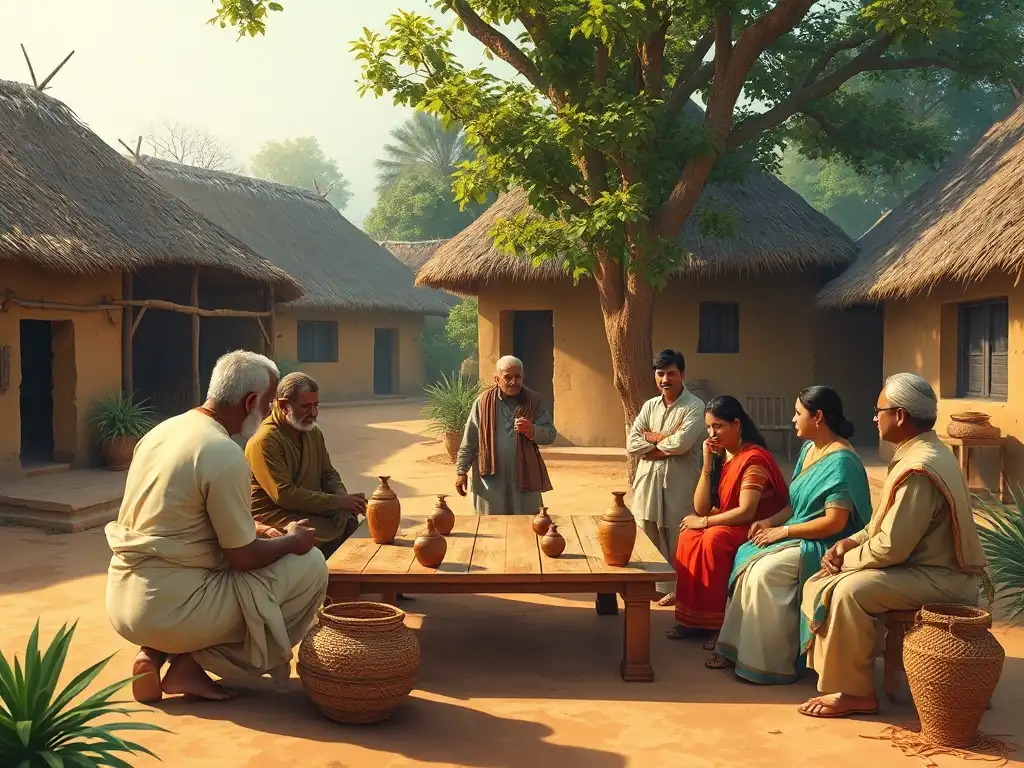
The Panchayat system holds a prominent place in the judicial practices of ancient Indian societies, serving as a grassroots form of governance and conflict resolution. Rooted in the rich cultural tapestry of ancient India, it reflects the values of community, consensus, and local autonomy. Understanding its historical context provides insights into how these practices shaped the social fabric and legal frameworks of various regions.
Origins of the Panchayat System in Ancient India
The origins of the Ancient Indian Panchayat system can be traced back to the Vedic period (approximately 1500–500 BCE), where local assemblies known as sabhas and samitis played a pivotal role in decision-making. These assemblies consisted of elders and respected members of the community who were tasked with adjudicating disputes and providing counsel to the king. The sabha functioned as a deliberative body, while the samiti dealt with broader issues concerning the community.
Key Features of Early Panchayat Systems:
- Community Representation: Members of the sabha were often chosen based on their wisdom and moral standing, ensuring that the voices of various community segments were heard.
- Consensus-Based Decision Making: Decisions were typically reached through discussion and consensus, highlighting the democratic essence of the system.
- Cultural Significance: The Panchayat system was deeply embedded in the culture, reflecting the values of dharma (moral duty) and social harmony.
Evolution of Panchayat Practices Over Time
As Indian society evolved through various historical phases, so too did the Panchayat system. By the time of the Mauryan Empire (322–185 BCE), the panchayat had transformed into a more structured form of local governance. Under the influence of Buddhist teachings, which emphasized ethical conduct and community welfare, the role of the Panchayat expanded, incorporating aspects of justice and social order.
Phases of Evolution:
- Mauryan Era: The establishment of local courts where Panchayats resolved disputes, often with the backing of royal authority.
- Post-Mauryan Period: The emergence of regional variations as local customs and practices influenced the functioning of Panchayats.
- Medieval Period: The introduction of more formalized legal codes, yet the Panchayat remained a vital institution for grassroots governance.
Characteristics of Evolved Panchayat Practices:
- Judicial Authority: Panchayats gained formal recognition as adjudicators of local disputes, with powers to impose fines and deliver sentences.
- Integration with State Systems: While maintaining local autonomy, Panchayats began to operate within the broader framework of state law, particularly during the Gupta Empire (approximately 240–550 CE).
Regional Variations in the Panchayat System
The Ancient Indian Panchayat system exhibited significant regional variations, influenced by local customs, socio-economic conditions, and prevailing power structures. These differences highlighted the adaptability of the Panchayat system to diverse cultural contexts.
Notable Regional Variations:
- North India: In regions like Punjab and Uttar Pradesh, Panchayats often comprised village elders known for their wisdom, who would mediate disputes among villagers.
- South India: The grama sabha in Tamil Nadu showcased a unique model where the village assembly had substantial authority over local governance and social matters.
- Western India: In Gujarat and Rajasthan, the Panchayat system incorporated elements of caste and community-based governance, reflecting the diverse social hierarchies in these regions.
Impacts of Regional Variations:
- Cultural Practices: Local traditions influenced the decision-making processes and the types of disputes resolved by Panchayats.
- Legal Frameworks: Different regions developed distinct legal principles through Panchayat rulings, contributing to the rich mosaic of ancient Indian jurisprudence.
The Ancient Indian Panchayat system served as a crucial mechanism for community governance and justice, evolving in response to historical changes and regional dynamics. Its legacy continues to inform contemporary understandings of grassroots democracy and local governance in India.
Structure and Functioning of the Panchayat System
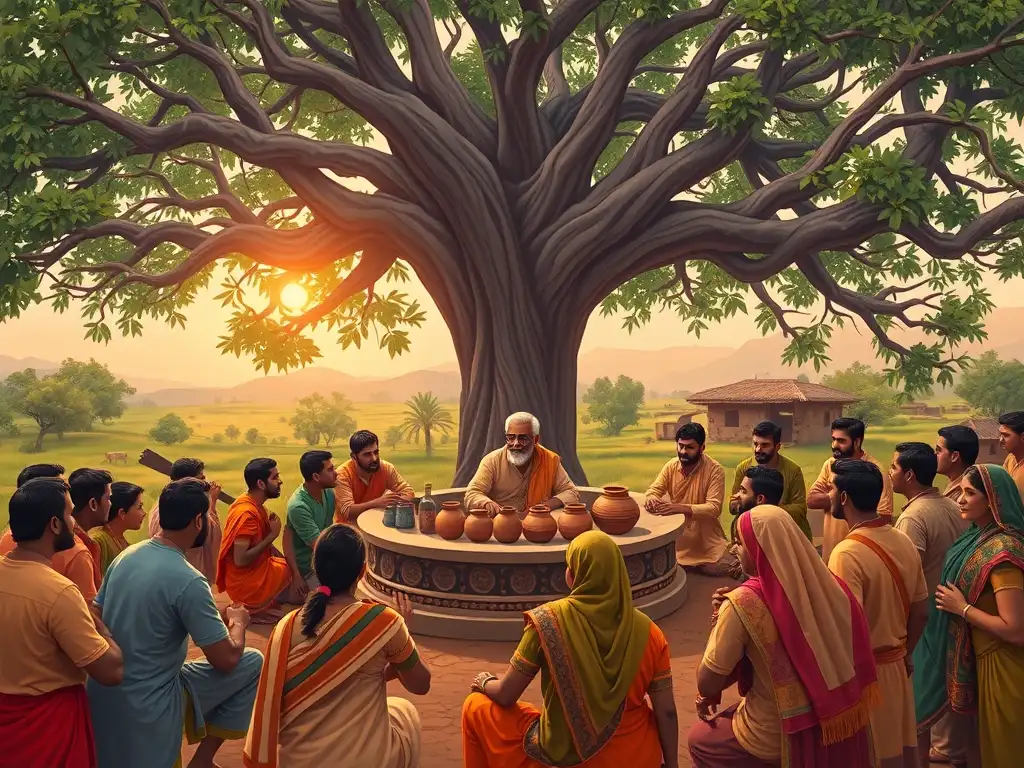
The ancient Indian Panchayat system was a cornerstone of local governance, deeply rooted in the social fabric of communities. This system was characterized by its grassroots nature, allowing localized decision-making and conflict resolution. The Panchayat served as a quasi-judicial body that upheld customs, managed local affairs, and enforced community values.
Components of the Panchayat System
The Panchayat system comprised several essential components that enabled it to function effectively within ancient Indian societies.
Role of the Panchayat Members
Panchayat members, often referred to as "Panchayati Raj," played critical roles in community governance. Typically, a Panchayat would consist of:
- Sarpanch: The head of the Panchayat, responsible for leading meetings, representing the Panchayat in higher forums, and ensuring the implementation of decisions.
- Panchs: The council members who assisted the Sarpanch in decision-making and served as mediators in disputes. They were expected to possess a deep understanding of local customs and laws.
- Advisors: Elders or knowledgeable individuals who provided guidance based on their experience and wisdom.
These members were usually elected by the community, emphasizing the democratic ethos inherent in the system.
Hierarchical Structure of the Panchayat
The hierarchical structure of the Panchayat reinforced its authority and operational efficiency. It typically included:
- Gram Panchayat: The lowest tier, dealing with local issues and community welfare.
- Block Samiti: A middle tier that coordinated between various Gram Panchayats and handled regional matters.
- Zila Parishad: The highest tier at the district level, overseeing multiple Block Samitis and ensuring adherence to broader policies.
This multi-tiered structure facilitated systematic governance, enabling communities to address local issues while aligning with district-level administrative frameworks.
Functions of the Panchayat in Ancient Communities
The Panchayat system fulfilled a range of functions that were crucial for maintaining social order and community cohesion.
Dispute Resolution
One of the primary functions of the Panchayat was to mediate and resolve disputes. The process typically involved:
- Community Meetings: Disputants would present their cases before the Panchayat in open meetings, allowing for transparency and community involvement.
- Customary Law Application: Decisions were based on established customs and precedents, ensuring that resolutions were culturally relevant and accepted by the community.
- Final Judgments: The Panchayat's decisions were binding, and non-compliance could lead to social ostracism or other penalties, which reinforced the authority of the Panchayat.
This system not only provided justice but also helped in maintaining harmony within the community.
Administrative Responsibilities
Beyond dispute resolution, the Panchayat also undertook various administrative responsibilities, including:
- Resource Management: Overseeing the equitable distribution of resources such as water, land, and communal assets.
- Tax Collection: Administering local taxes and managing the finances of the community.
- Public Welfare Initiatives: Implementing initiatives for health, education, and infrastructure development, which were crucial for community progress.
The Panchayat's administrative role ensured that communities functioned smoothly and that the needs of the populace were met efficiently.
The ancient Indian Panchayat system was a sophisticated framework that not only provided justice but also fostered community development and governance. Its role in dispute resolution and administrative responsibilities laid the groundwork for modern local governance systems in India.
The Role of Panchayati Justice in Society
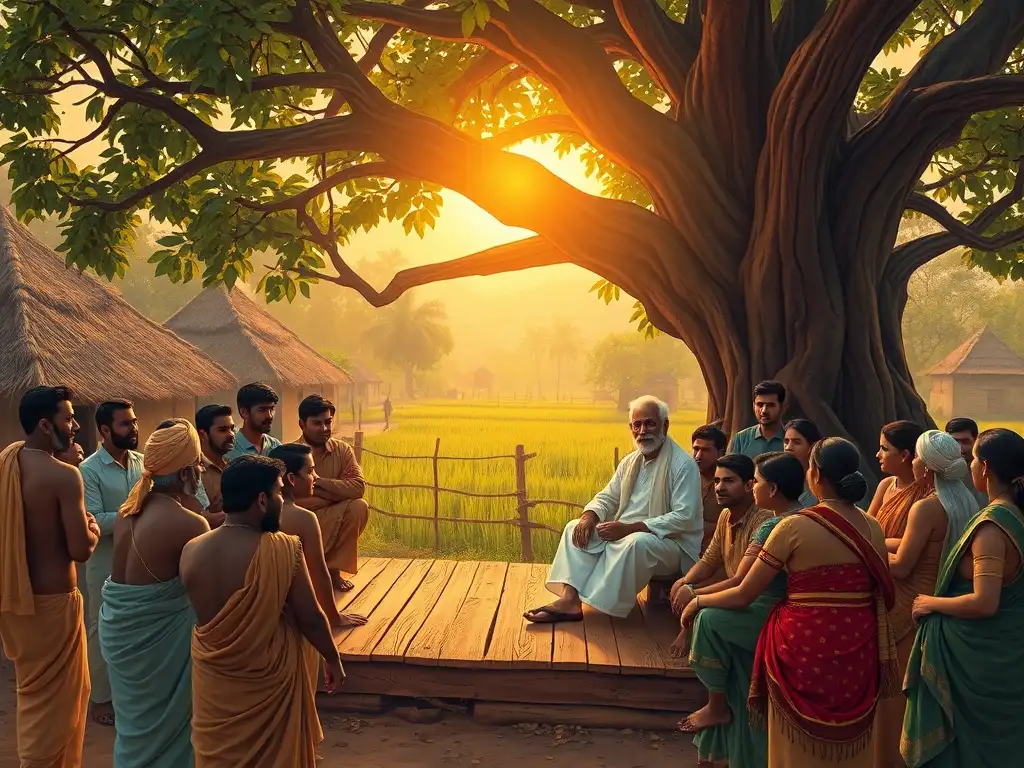
The Panchayat system served as a foundational pillar in the governance and judicial practices of ancient Indian communities, playing a crucial role in maintaining social order and justice. This grassroots form of governance empowered local populations to resolve disputes, enforce social norms, and manage community affairs effectively. The Panchayati justice system was characterized by its inclusive nature, allowing community members to actively participate in the decision-making process.
Community Participation in the Panchayat System
The ancient Indian Panchayat system thrived on the active involvement of community members. Typically composed of local elders, respected figures, and representatives, the Panchayat was tasked with making decisions on various issues, including civil disputes, property claims, and social grievances. This participatory approach ensured that justice was not only administered but also perceived as legitimate by the community.
- Inclusivity: The Panchayat included diverse voices from the community, ensuring that various perspectives were considered in the decision-making process. This inclusivity fostered a sense of ownership and accountability among the members.
- Consensus Building: Decisions made by the Panchayat were often reached through a consensus, promoting harmony within the community. This method emphasized dialogue and negotiation rather than adversarial proceedings, which were prevalent in more formal judicial systems.
- Local Knowledge and Context: Members of the Panchayat relied on their intimate understanding of local customs and traditions to guide their decisions. This localized approach to justice ensured that rulings were culturally relevant and respected by the community.
The engagement of community members in the Panchayat system not only strengthened social bonds but also contributed to the overall stability of ancient Indian societies.
Cultural Significance of Panchayat Decisions
The decisions rendered by the Panchayat held profound cultural significance, reflecting the values and beliefs of ancient Indian society. This judicial body not only resolved conflicts but also reinforced societal norms and collective identity.
- Preservation of Traditions: The Panchayat acted as a guardian of local customs and traditions, ensuring that cultural practices were upheld in judicial decisions. For instance, rulings on marriage disputes often reflected the community's longstanding customs regarding family and kinship.
- Moral Authority: The Panchayat wielded considerable moral authority, as its decisions were often viewed as extensions of communal values. The respect for these decisions fostered trust in the system and encouraged compliance among community members.
- Conflict Resolution: By addressing issues at the grassroots level, the Panchayat prevented disputes from escalating into larger conflicts. This proactive approach to conflict resolution ensured the continuity of social harmony and cultural coherence.
The cultural significance of Panchayat decisions extended beyond mere legal adjudication; it shaped the very fabric of community life in ancient India.
The interplay between the Panchayat system and social norms was pivotal in shaping ancient Indian society. The Panchayat served not only as a judicial authority but also as a social regulator, reinforcing acceptable behaviors and practices.
- Enforcement of Social Norms: The Panchayat played a crucial role in enforcing social norms and expectations, addressing violations with appropriate sanctions. This enforcement mechanism helped maintain order and discipline within the community.
- Adaptation to Change: As societies evolved, so did the Panchayat's interpretation of social norms. The body demonstrated flexibility in adapting its decisions to align with changing cultural contexts, reflecting the dynamic nature of ancient Indian society.
- Role in Social Justice: The Panchayat system contributed to social justice by addressing issues related to caste, gender, and class. While there were instances where traditional hierarchies were upheld, there were also cases where the Panchayat challenged inequities, advocating for marginalized voices within the community.
The ancient Indian Panchayat system was not merely a legal institution; it was deeply intertwined with the social, cultural, and moral fabric of society, serving as a vital mechanism for maintaining justice and harmony within ancient communities.
Legal Framework Surrounding the Panchayat System
Ancient Indian Laws Influencing Panchayat Practices
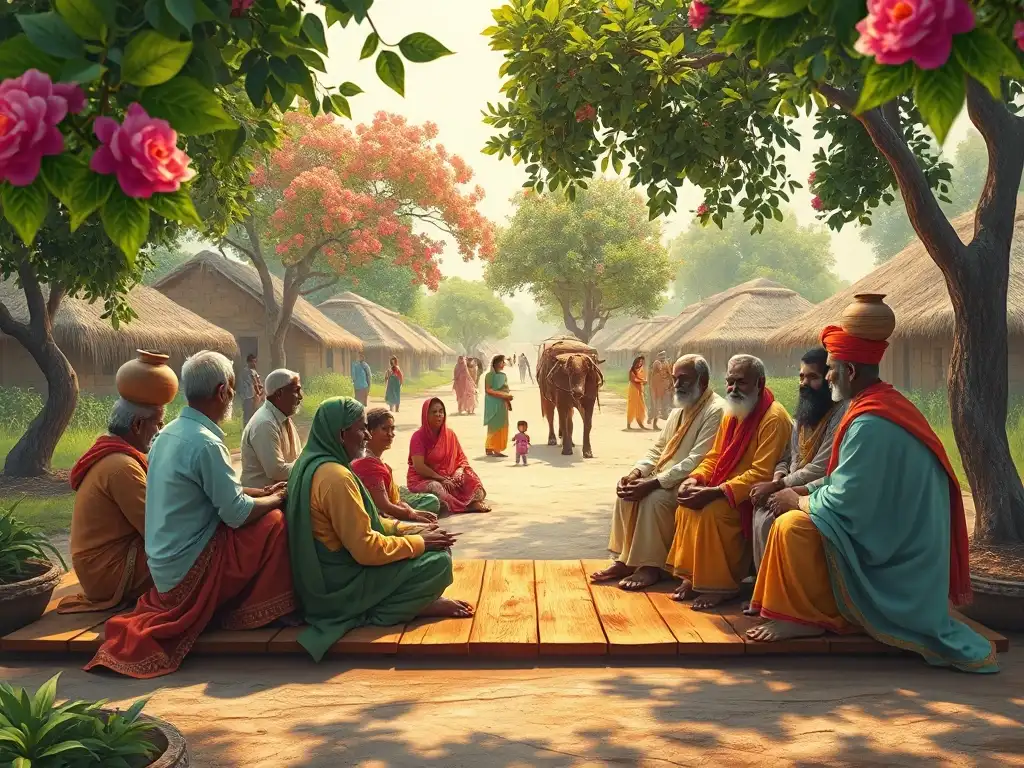
The Ancient Indian Panchayat system was deeply intertwined with the legal framework established by various ancient texts and codes. The most significant legal texts that influenced the Panchayat practices include the Manusmriti, Yajnavalkya Smriti, and the Dharmashastras. These texts not only provided guidelines for personal conduct and societal norms but also defined the roles and responsibilities of local governance bodies.
- Manusmriti:
- Established the concept of Dharma (righteousness) that guided the Panchayat's decisions.
- Stipulated the importance of community consensus in adjudicating disputes, emphasizing a decentralized approach to justice.
- Yajnavalkya Smriti:
- Introduced procedures for civil and criminal disputes, allowing the Panchayat to operate as a local court.
- Highlighted the role of elders in the Panchayat, underscoring the value of wisdom and experience in legal matters.
- Dharmashastras:
- Provided detailed regulations regarding property rights, marriage, and inheritance, which were vital for resolving community disputes.
- Enforced the principle of Sama (equality), aiming to ensure that justice was accessible to all community members, regardless of their social status.
These ancient legal texts helped shape the Panchayat system as a mechanism for grassroots justice, ensuring that it was rooted in the moral and ethical values of the time.
Comparison with Other Legal Systems in Ancient India
The Panchayat system can be contrasted with other legal structures in ancient India, such as the Rajya (royal court) and Kula (family) systems. Each of these systems served distinct functions within society.
- Rajya System:
- The royal court was primarily concerned with matters of state and governance, often dealing with crimes against the king or the state.
- Unlike the Panchayat, which focused on community-based issues, the Rajya system centralized power and often imposed decisions without local input.
- Kula System:
- The Kula system dealt with family disputes and personal matters, reinforcing the family unit's role in conflict resolution.
- While the Kula system operated on familial ties, the Panchayat provided a platform for broader community involvement, thus promoting social cohesion.
| Feature | Panchayat System | Rajya System | Kula System |
|---|---|---|---|
| Focus | Community-based justice | State governance | Family disputes |
| Decision-making | Consensus-driven | Centralized authority | Familial ties |
| Scope of influence | Local issues | Broader state matters | Personal matters |
| Participation | Inclusive (elders and community) | Exclusive (royalty) | Limited (family members) |
The Panchayat system emerged as a unique and essential component of ancient Indian legal practices, striking a balance between personal and community interests.
The Role of Religion and Tradition in Panchayat Justice
Religion and tradition played pivotal roles in shaping the functioning of the Ancient Indian Panchayat system. The Panchayat not only served as a judicial body but also embodied the cultural and moral values of the communities it represented.
- Religious Influence:
- The principles of Ahimsa (non-violence) and Satya (truth), rooted in Hindu philosophy, guided the Panchayat's decision-making process.
- Religious leaders often participated in Panchayat proceedings, lending spiritual authority and reinforcing the moral legitimacy of its judgments.
- Tradition and Custom:
- Local customs dictated the procedures followed by the Panchayat, ensuring that decisions were in line with community values.
- Rituals and ceremonies often accompanied important decisions, highlighting the cultural significance of the judicial process.
- Conflict Resolution:
- The Panchayat sought to restore harmony within the community rather than merely punish offenders. This restorative approach was influenced by traditional practices that prioritized reconciliation over retribution.
“The Panchayat system is a reflection of the community’s collective conscience, where justice is not just a legal matter, but a moral obligation.”
Through the integration of religion and tradition, the Panchayat system maintained its relevance and efficacy in addressing the needs of ancient Indian communities, ensuring that justice was both equitable and rooted in cultural heritage.
Challenges and Limitations of the Panchayat System
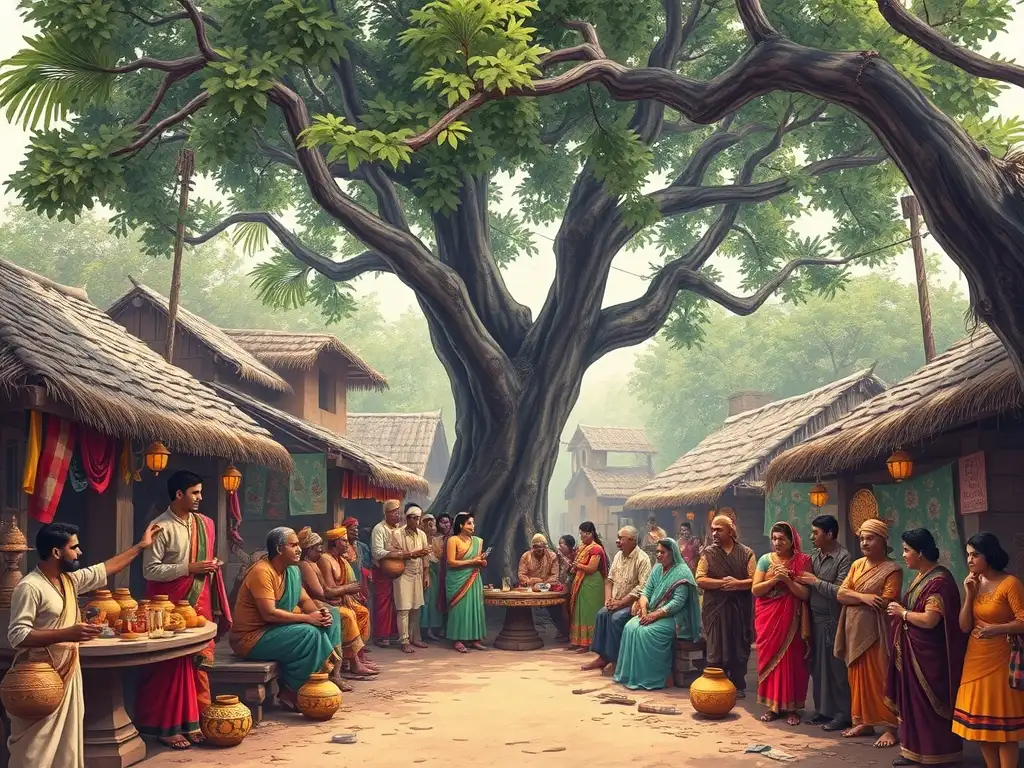
The Panchayat system, which played a crucial role in administering justice at the grassroots level in ancient India, was not without its challenges and limitations. Several factors contributed to its shortcomings, which influenced the efficacy and fairness of justice delivery within these community-based governance structures.
Issues of Bias and Inequality in Panchayat Decisions
One of the primary challenges faced by the ancient Indian Panchayat system was the prevalent bias and inequality in decision-making processes. The composition of Panchayats often reflected the social hierarchies of the time, which meant that:
- Caste-Based Discrimination: Decisions tended to favor members of higher castes, marginalizing lower castes and other disadvantaged groups. This bias often resulted in unequal representation and unfair outcomes, reinforcing social divisions rather than promoting justice.
- Gender Disparities: Women were frequently underrepresented in Panchayat proceedings. The patriarchal norms of society limited their participation, leading to decisions that did not adequately reflect women’s rights or perspectives. For instance, in matters pertaining to marriage or inheritance, women's voices were often overshadowed by male relatives.
- Influence of Local Elites: Local power dynamics also influenced Panchayat decisions. Wealthy and influential families often exerted pressure on Panchayat members, skewing justice in their favor. This led to a loss of trust in the system, as many community members felt that decisions were not made impartially.
Impact of Colonial Influence on the Panchayat System
The arrival of colonial powers in India significantly impacted the traditional Panchayat system. The British colonial administration introduced legal reforms that altered the landscape of local governance and judicial practices, including:
- Legal Dualism: The imposition of a formal legal system alongside traditional Panchayat practices created a duality that undermined the authority of local councils. While the British courts offered a structured approach to justice, they often ignored the local customs and practices that the Panchayat system thrived on.
- Disruption of Community Structures: Colonial policies often disrupted community cohesion, weakening the social fabric necessary for effective Panchayat functioning. The introduction of new laws and regulations sidelined traditional mechanisms, leading to a decline in the legitimacy of the Panchayat system.
- Erosion of Autonomy: The Panchayat’s autonomy was compromised as colonial authorities began to oversee and regulate local disputes. This not only diminished the Panchayat's role but also resulted in a lack of accountability, as decisions were subject to external scrutiny rather than community consensus.
Contemporary Relevance of the Ancient Indian Panchayat System
Despite its challenges, the ancient Indian Panchayat system offers valuable insights for contemporary governance, particularly in the context of grassroots justice. Some relevant aspects include:
- Community-Based Dispute Resolution: The Panchayat system exemplifies the importance of community involvement in resolving disputes. Modern legal systems can benefit from integrating community mediation practices to ensure more culturally sensitive and effective resolutions.
- Empowerment of Local Governance: Current trends toward decentralization echo the Panchayat’s model of local governance. Empowering local bodies can lead to more responsive and accountable governance structures, drawing from the strengths of community engagement seen in ancient times.
- Adaptation of Traditional Practices: Elements of the Panchayat system, such as participatory decision-making and consensus-building, can inform contemporary judicial practices. These principles can be adapted to improve access to justice and ensure that marginalized voices are heard in modern legal frameworks.
While the ancient Indian Panchayat system faced significant challenges and limitations, its core principles of community engagement and grassroots justice remain relevant today. Understanding its complexities can provide valuable lessons for contemporary legal and governance systems.
Conclusion

Summary of the Panchayat System's Impact on Ancient Indian Society
The Ancient Indian Panchayat system played a pivotal role in shaping the social, political, and judicial landscapes of ancient communities. Serving as a local governance framework, the Panchayat was primarily responsible for resolving disputes, maintaining order, and facilitating self-governance within villages. Its impact can be summarized as follows:
- Decentralization of Power: The Panchayat system fostered a decentralized approach to governance. Local leaders, often respected elders or community figures, held authority and made decisions that were reflective of the community's values.
- Cultural Integration: The Panchayat served as a microcosm of Indian society, integrating various cultural practices and traditions. Decisions made by the Panchayat were often influenced by local customs, thereby preserving cultural heritage.
- Conflict Resolution Mechanism: The Panchayat acted as an efficient conflict resolution mechanism. By allowing disputes to be settled within the community, it reduced the burden on higher courts and promoted harmony among villagers.
- Promotion of Justice: Justice was not only a legal concept but also a moral obligation for the Panchayat members. Their rulings were expected to reflect fairness and equity, reinforcing social norms and values.
The cumulative effect of these roles was a robust framework that empowered local communities, allowing them to self-govern and uphold justice in a manner that was culturally relevant and contextually appropriate.
Reflection on the Legacy of the Ancient Indian Panchayat System
The legacy of the Ancient Indian Panchayat system continues to resonate in contemporary governance and judicial practices. Its foundational principles can be observed in modern local governance structures and community-based dispute resolution mechanisms. Key aspects of its legacy include:
- Influence on Modern Panchayati Raj: The contemporary Panchayati Raj system in India, which emphasizes local self-governance, draws heavily from the ancient practices. This continuity underscores the system's effectiveness in addressing local issues through grassroots participation.
- Cultural and Social Cohesion: The practices of the ancient Panchayat fostered a sense of belonging and social cohesion. Today, community-driven initiatives often echo the spirit of the Panchayat, encouraging collaborative efforts to resolve issues at the local level.
- Judicial Precedents: The Panchayat system established early forms of judicial precedents, where community decisions set benchmarks for future cases. This concept of case law, albeit informal, influenced the evolution of judicial practices in India.
- Adaptability and Resilience: The adaptability of the Panchayat system to various social and cultural contexts speaks to its resilience. This quality is vital for modern judicial systems, which must navigate the complexities of diverse populations.
The Ancient Indian Panchayat system was not merely a method of local governance but a profound institution that shaped the very fabric of society. Its principles of justice, community engagement, and cultural preservation continue to inspire and inform contemporary legal and social structures, ensuring that its legacy endures through the ages.
Frequently Asked Questions
What was the Panchayat System in ancient India?
The Panchayat System was a local self-governance structure in ancient Indian communities, where a council of five elders made decisions based on customary laws and local needs.
How did the Panchayat System contribute to justice in ancient communities?
The Panchayat System facilitated grassroots justice by resolving disputes within the community, offering a culturally relevant approach to conflict resolution without resorting to formal courts.
What were the key functions of the Panchayat?
The Panchayat handled various functions, including dispute resolution, maintaining community order, and overseeing local development projects, ensuring effective governance at the grassroots level.
How does the Panchayat System compare to modern local governance?
While modern local governance structures have evolved, the Panchayat System shares similarities in promoting community participation and addressing local issues, emphasizing the value of traditional knowledge.
What were the challenges faced by the Panchayat System?
The Panchayat System faced challenges such as caste discrimination, potential bias in decision-making, and conflicts with centralized authority, which sometimes undermined its effectiveness.
Final Reflection: Reviving the Spirit of the Ancient Indian Panchayat System
The Ancient Indian Panchayat system serves as a powerful reminder of the importance of grassroots governance and community-driven justice in today's world. In an era where centralized power often overshadows local voices, the principles of the Panchayat system resonate more than ever. This ancient framework not only provided a platform for equitable decision-making but also fostered a sense of belonging and accountability among community members. As we navigate the complexities of modern governance, it is crucial to recognize that the seeds of effective leadership and justice were sown in these ancient practices.
The influence of the Panchayat system extends beyond its historical context; it continues to shape the cultural and social landscape of contemporary India. The values of collective responsibility and participatory governance that the Panchayat system embodies are essential for nurturing resilient communities. As we witness a resurgence of interest in local governance models, we can draw inspiration from the wisdom of our ancestors. The strength of a nation derives from the integrity of the home,
said Confucius, a sentiment that echoes the foundational role of community in the Panchayat system. This enduring legacy encourages us to reflect on how we can integrate these principles into our lives and communities today.
As we conclude our exploration of the Ancient Indian Panchayat system, I invite you to consider how you can embody its values in your daily life. Reflect on the power of community engagement and the importance of listening to diverse voices in decision-making processes. Let us strive to cultivate a culture of justice, inclusivity, and collaboration in our neighborhoods, drawing from the lessons of the past to build a brighter future. Together, we can honor the spirit of the Panchayat system and create a more just and equitable society for all.
Unveil the Power of Grassroots Justice!
Thank you for diving into the fascinating world of the Panchayat system and its role in delivering grassroots justice in ancient Indian communities! You've gained insights into how these local governing bodies shaped decision-making and community welfare. Now, it's time to transform that knowledge into action!
Here are some ways you can further explore and engage with the legacy of the Panchayat system:
- Discover local initiatives: Research modern grassroots movements in your area. How do they compare to the Panchayat system?
- Share your thoughts: Discuss this article with friends or on social media. What do you believe makes grassroots justice both effective and challenging?
- Get involved: Seek out community organizations that focus on local governance or justice, and participate in their activities.
Which aspects of the Panchayat system do you think could be advantageous if integrated into today's governance structures?