
The Interplay of Culture and Commerce in Ancient Indian Societies

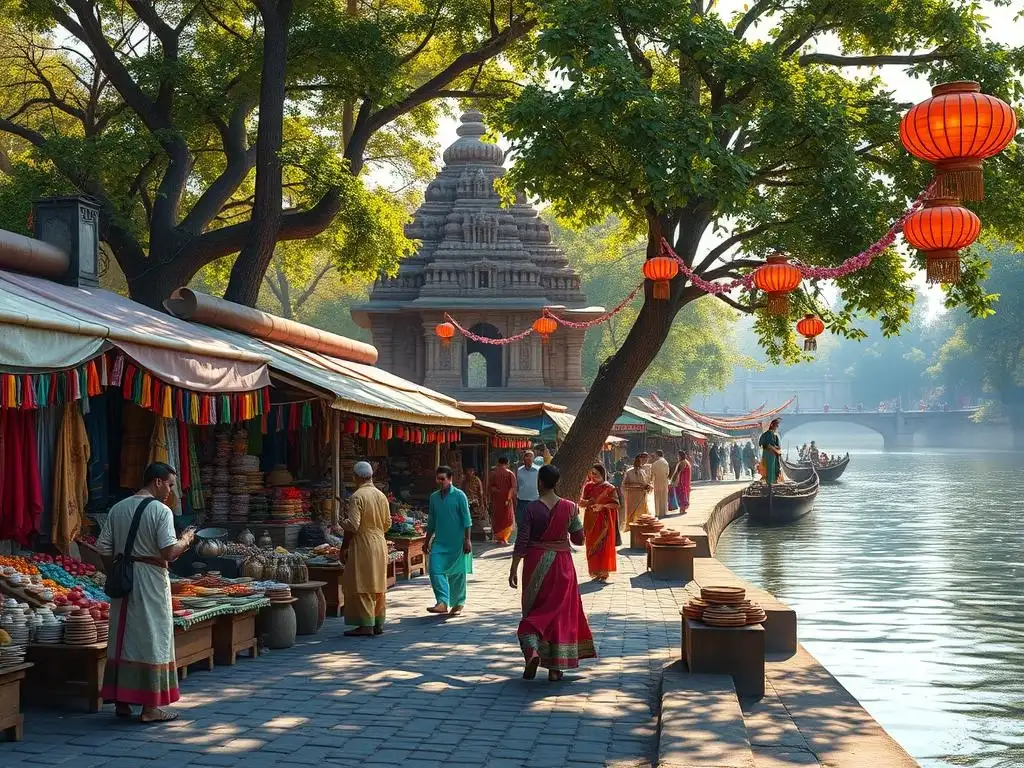
Welcome to Ancient India History, where we embark on a fascinating journey through the intricate tapestry of Ancient Indian culture and commerce. Here, you'll uncover the profound connections between trade practices and cultural evolution that shaped the majestic civilizations from the Indus Valley to the Gupta Empire. This exploration reveals not just the economic strategies of ancient societies, but also how their rich traditions and innovations influenced their commercial endeavors.
Prepare to dive deep into the vibrant world of ancient trade routes and cultural exchanges that laid the foundations for modern societies. Join us as we unravel the stories behind the commerce that thrived in the heart of ancient India!
Introduction to Ancient Indian Culture and Commerce
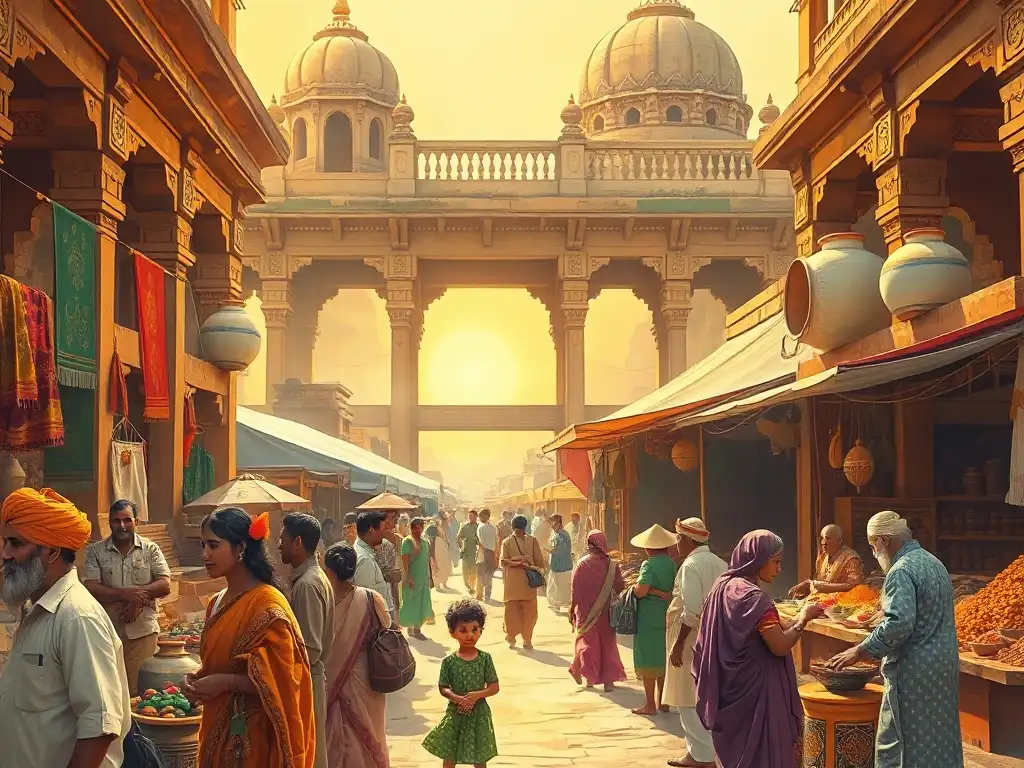
The history of ancient India is a tapestry woven with rich cultural threads and vibrant commercial practices that have significantly shaped the subcontinent's identity. From the cradle of the Indus Valley Civilization to the intellectual advancements of the Gupta Empire, ancient Indian societies were characterized by a remarkable interplay between culture and commerce.
This interaction not only fostered economic growth but also facilitated the exchange of ideas, beliefs, and artistic expressions. Understanding this dynamic relationship is essential for appreciating how ancient Indian culture and commerce influenced not just the local populace but also the broader world, establishing trade routes that connected India with distant lands.
The Foundations of Ancient Indian Culture
Ancient Indian culture was built upon various foundational elements that collectively contributed to its uniqueness and resilience. The intertwining of philosophical thought, religious beliefs, linguistic diversity, and artistic expression formed a cohesive cultural identity that evolved over millennia.
Key Elements of Ancient Indian Culture
- Philosophy and Religion: Ancient Indian societies were deeply influenced by philosophical schools such as Hinduism, Buddhism, and Jainism. These belief systems provided ethical frameworks and social norms that governed daily life and commerce.
- Art and Architecture: The artistic expressions found in sculptures, paintings, and architecture—such as the intricately carved temples and stupas—reflect the cultural richness and aesthetic values of the time.
- Language and Literature: The development of languages like Sanskrit and regional dialects facilitated the transmission of knowledge through texts such as the Vedas, Upanishads, and epics like the Mahabharata and Ramayana.
- Social Structure: The caste system, while complex and often debated, played a significant role in defining social hierarchies and occupational roles, including those related to trade and commerce.
Influence of Geography on Cultural Development
Geography played a crucial role in shaping ancient Indian culture and commerce. The diverse landscapes—from the towering Himalayas to the fertile plains of the Gangetic Valley—created varied climates and resources that influenced settlement patterns and economic activities. Key geographical factors included:
- Rivers: Major rivers like the Indus and Ganges served as lifelines, supporting agriculture and trade routes.
- Trade Routes: The location of India along important trade routes, including the Silk Road, facilitated the exchange of goods, ideas, and cultures with civilizations across Asia and beyond.
- Natural Resources: The abundance of natural resources such as spices, textiles, and precious stones made ancient India a hub for commerce, attracting traders from distant lands.
Understanding these foundational aspects of ancient Indian culture and commerce provides insight into how these societies thrived and adapted over time, setting the stage for the intricate interactions that defined their economic practices and systems.
Economic Practices in Ancient Indian Societies
Ancient Indian societies had a profound and complex relationship between culture and commerce, characterized by diverse economic practices that were deeply intertwined with social structures, religious beliefs, and cultural expressions. The economic practices evolved over centuries, influenced by geographical diversity, resource availability, and cultural exchanges with other civilizations. From agrarian economies to intricate trade networks, these practices played a crucial role in shaping the socio-economic landscape of ancient India.
Overview of Ancient Indian Economic Systems
The economic systems of ancient India were primarily agrarian, but they also included significant elements of trade, craftsmanship, and industry. Agriculture formed the backbone, with major crops such as rice, wheat, barley, and pulses cultivated using sophisticated irrigation techniques. The ancient texts, including the Arthashastra by Kautilya, provide insights into the administration of agriculture, land revenue, and trade regulations, highlighting the importance of a well-structured economy.
In addition to agriculture, pastoralism was vital, particularly in regions where arable land was scarce. The domestication of animals such as cattle, sheep, and goats contributed to subsistence and trade. The economic systems were further enriched by vibrant marketplaces, known as "pattanas," which facilitated the exchange of goods and services among local and regional communities.
Craftsmanship and Industries
Craftsmanship played a pivotal role in the economy of ancient India, with skilled artisans producing a wide array of goods, from textiles to metalwork. Cities like Varanasi and Ahmedabad became renowned for their weaving and dyeing industries, producing high-quality fabrics that were highly sought after both domestically and internationally.
The metal industry flourished, particularly in the production of tools, ornaments, and coins. The skillful use of metallurgy, evidenced by the iron pillar of Delhi and the use of gold and silver in coinage, reflects advanced technological knowledge and aesthetic sensibility. Pottery, sculpture, and jewelry-making also thrived, often influenced by cultural and religious themes, showcasing the intricate link between commerce and cultural expression.
The Role of Trade in Ancient Indian Culture
Trade was not merely an economic activity in ancient India; it was a means of cultural exchange that fostered interactions among diverse communities. The rich tapestry of ancient Indian culture was woven with threads of trade, connecting various regions and facilitating the spread of ideas, art, and religious beliefs.
Internal Trade Networks
Internal trade networks were crucial in linking various regions of ancient India, enhancing economic interdependence. These networks facilitated the movement of goods such as spices, textiles, and agricultural products across vast distances. Major trade routes connected the fertile plains of the Ganges with coastal areas and the western deserts, allowing the exchange of local specialties and resources.
Markets and fairs played a significant role in these internal trade practices, providing platforms for merchants to sell their goods. Local currencies and barter systems enabled transactions, while community regulations ensured fair trade practices. The bustling marketplaces also became centers of cultural interaction, where diverse communities engaged in the exchange of not just goods but also ideas, traditions, and innovations.
External Trade Relations
Ancient India’s external trade relations were extensive, reaching as far as the Mediterranean, Southeast Asia, and Africa. Maritime trade flourished, with ports like Lothal and Sopara serving as vital hubs for commerce. Indian merchants traded spices, textiles, gems, and medicinal herbs, establishing trade routes that facilitated cultural and economic exchanges.
The influence of trade extended beyond economics; it also shaped cultural narratives and religious practices. The spread of Buddhism and Hinduism across Asia can be attributed, in part, to the movement of traders who carried their beliefs to new lands. Additionally, the influx of foreign goods and ideas enriched Indian culture, leading to the synthesis of art, architecture, and social practices.
The interplay of culture and commerce in ancient Indian societies illustrates a dynamic economic landscape where trade served as a bridge connecting diverse communities, fostering cultural exchanges that enriched the fabric of ancient Indian civilization.
The Impact of Commerce on Cultural Development
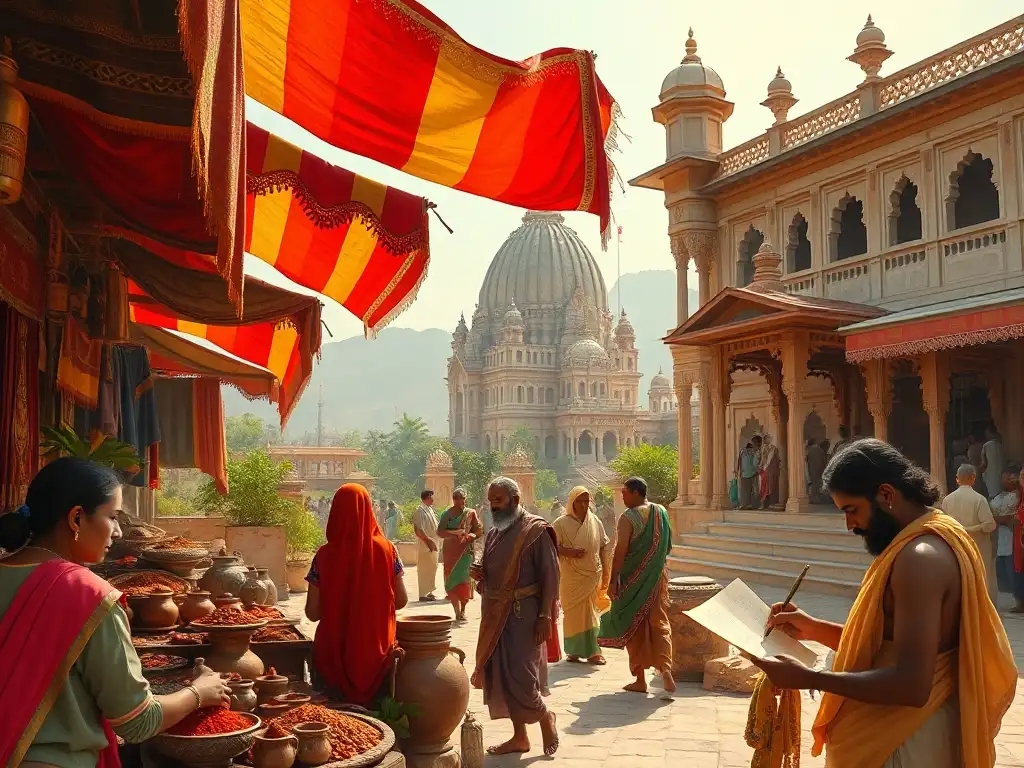
Commerce played a fundamental role in shaping ancient Indian culture, acting as a catalyst for various forms of cultural development including art, literature, religion, and philosophy. The economic interactions brought about by trade routes fostered not only the exchange of goods but also ideas, beliefs, and practices. As merchants traveled across diverse regions, they facilitated the movement of cultural elements, leading to a rich amalgamation of traditions.
The rise of major trading centers such as Taxila, Pataliputra, and Ujjain exemplifies how commerce influenced urbanization and cultural sophistication in ancient India. These cities became melting pots where different communities and cultures converged, leading to a flourishing of arts and crafts. The wealth generated from trade contributed to the patronage of artists and scholars, resulting in significant advancements in fields such as literature and architecture. Temples and stupas adorned with intricate carvings stand as a testament to this cultural prosperity fueled by commerce.
Moreover, the interactions with foreign traders, particularly those from Arabia, Persia, and Southeast Asia, introduced new cultural elements that enriched the local traditions. This cultural exchange often manifested in the form of new religious practices, artistic styles, and culinary influences, further solidifying the connection between commerce and cultural evolution in ancient Indian societies.
Cultural Exchange Through Trade
Cultural exchange through trade in ancient India was a multifaceted process that allowed for the transfer of ideas, customs, and innovations across regions. The Silk Road and maritime routes facilitated not just the movement of spices, textiles, and precious metals, but also philosophical and religious ideologies. For instance, the spread of Buddhism from India to Central Asia and beyond was significantly enhanced by trade networks, enabling the dissemination of Buddhist texts and practices.
In addition to religion, trade brought artistic influences that transformed local styles. The introduction of new motifs and craftsmanship techniques from regions such as the Mediterranean and the Far East led to the evolution of indigenous art forms. This is evident in the fusion of Hellenistic and Indian styles seen in sculptures from regions like Gandhara, which depict Buddhist themes with Greco-Roman artistic influences.
Trade also influenced language and literature, as merchants and travelers interacted with diverse communities. The exchange of languages and literary traditions enriched local dialects and inspired new literary works, reflecting the blending of cultural narratives. Thus, commerce not only fostered economic growth but also served as a conduit for cultural enrichment and exchange.
Case Studies of Cultural and Commercial Interplay
Several historical case studies exemplify the interplay between culture and commerce in ancient Indian societies. One prominent example is the city of Taxila, which thrived as a major trade hub around the 5th century BCE. Taxila's strategic location along trade routes connecting India to Central Asia facilitated the exchange of goods, ideas, and cultural practices. The city's universities attracted scholars from various regions, further enhancing its status as a center for cultural learning.
Another significant case is the coastal city of Nagapattinam, which served as a crucial port for maritime trade with Southeast Asia. The flourishing trade led to the establishment of vibrant Tamil culture and influenced local religious practices, particularly the spread of Hinduism and Buddhism. The cultural exchanges in Nagapattinam included the introduction of new art forms and agricultural practices, demonstrating how commerce can lead to cultural transformations.
Furthermore, the Gupta Empire, known for its advancements in arts and sciences, witnessed a robust economy supported by trade. The exchange of goods such as textiles, metalwork, and literature with foreign markets played a crucial role in the cultural renaissance during this period, highlighting how commerce was intertwined with cultural achievements.
Challenges and Transformations in Ancient Indian Commerce
Despite the flourishing trade and cultural exchanges, ancient Indian commerce faced several challenges that necessitated adaptations and transformations in economic practices. These challenges often arose from external factors, such as invasions, changing trade routes, and the rise of new economic powers, which impacted traditional trading practices and cultural interactions.
Economic Challenges Faced by Ancient Societies
Economic challenges, including fluctuations in trade routes, natural disasters, and political instability, significantly affected ancient Indian commerce. The decline of the Mauryan Empire, for instance, disrupted established trade networks, leading to economic instability. Merchants faced hurdles such as increased taxation and security threats from rival states, which forced them to adapt their trading strategies.
Additionally, natural disasters such as floods and droughts could devastate agricultural production, disrupting local economies that relied heavily on trade. In regions like the Indus Valley, archaeological evidence suggests that environmental changes contributed to urban decline, impacting commerce and cultural development. These economic challenges compelled societies to innovate and diversify their trading practices to sustain their livelihoods.
Adaptations and Innovations in Commerce
In response to the economic challenges, ancient Indian societies exhibited remarkable adaptability and innovation in their commercial practices. One notable adaptation was the establishment of guilds, which organized trade and provided mutual support among merchants. These guilds facilitated the exchange of knowledge and resources, enabling traders to navigate challenges more effectively.
Moreover, technological advancements, such as improved shipbuilding techniques and navigation methods, enhanced maritime trade, allowing for longer and more secure voyages. The use of standardized weights and measures also facilitated trade transactions, promoting efficiency and trust among merchants.
Additionally, the introduction of currency systems helped streamline commerce, replacing barter systems with more efficient monetary exchanges. The emergence of coins not only simplified transactions but also fostered a more interconnected economy. Overall, these adaptations and innovations in commerce not only helped ancient Indian societies to overcome challenges but also contributed to their cultural resilience and evolution.
Conclusion: The Legacy of Ancient Indian Culture and Commerce
The interplay of culture and commerce in ancient Indian societies has left an indelible mark on the subcontinent’s historical narrative. This intricate relationship fostered not only economic growth but also the flourishing of various cultural practices, philosophies, and artistic expressions. The exchange of goods created a tapestry of interactions among diverse communities, leading to the dissemination of ideas, religions, and innovations across vast regions.
The legacy of ancient Indian commerce is evident in the extensive trade routes established during the Indus Valley Civilization, which laid the groundwork for future economic systems. These routes facilitated not only the exchange of commodities like spices, textiles, and precious stones but also the spread of cultural practices, languages, and religious beliefs. The bustling markets of ancient cities became melting pots of cultures, where the confluence of different traditions enriched the social fabric of Indian society.
Moreover, the patronage of trade by influential dynasties, such as the Mauryas and the Guptas, further exemplified the significance of commerce in sustaining and nurturing cultural achievements. This period saw advancements in literature, science, and the arts, which thrived in a prosperous economic environment. As a result, the rich heritage of ancient Indian culture—its philosophies, art forms, and architectural marvels—continues to inspire and influence contemporary society.
The legacy of ancient Indian culture and commerce is a testament to the profound interconnectedness of economic practices and cultural development. This enduring influence serves as a reminder of the importance of fostering trade and cultural exchange in shaping societies throughout history and into the present day.
Further Reading and Exploration
To further delve into the intricate relationship between culture and commerce in ancient Indian societies, the following resources provide valuable insights and perspectives:
- Books:
- The Ancient Indian Economy by R. C. Dutt offers a comprehensive overview of the economic practices in ancient India, highlighting the role of trade and commerce.
- Trade and Traders in Ancient India by D. C. Sircar examines the various trading practices and their cultural implications throughout different periods.
- Research Articles:
- "Cultural Exchanges Along the Silk Road: The Indian Connection" explores how trade routes facilitated cultural interchange between India and neighboring regions.
- "The Role of Merchants in Ancient Indian Society" discusses the social status and influence of merchants in shaping cultural narratives.
- Documentaries:
- The Indus Valley Civilization: India's First City provides a visual exploration of one of the earliest trade networks and its cultural impacts.
- Ancient India: The Land of Trade and Culture focuses on the rich tapestry of commerce and its contributions to Indian heritage.
These resources will deepen your understanding of how ancient Indian culture and commerce intertwined, shaping the civilization's legacy that continues to resonate today.
- Introduction to Ancient Indian Culture and Commerce
- The Foundations of Ancient Indian Culture
- Economic Practices in Ancient Indian Societies
- The Role of Trade in Ancient Indian Culture
- The Impact of Commerce on Cultural Development
- Challenges and Transformations in Ancient Indian Commerce
- Conclusion: The Legacy of Ancient Indian Culture and Commerce
- Further Reading and Exploration
- What were the key features of ancient Indian culture?
- How did commerce influence ancient Indian societies?
- What were the major trade routes used in ancient India?
- How did the Gupta Empire contribute to culture and commerce?
- What were the impacts of the Indus Valley Civilization on later Indian cultures?
Frequently Asked Questions
What were the key features of ancient Indian culture?
Ancient Indian culture was marked by diverse traditions, including art, music, dance, and philosophy. It emphasized spirituality and community, influencing various aspects of life.
How did commerce influence ancient Indian societies?
Commerce played a crucial role in the development of ancient Indian societies, facilitating trade and cultural exchange. It helped in the economic growth and spread of ideas across regions.
What were the major trade routes used in ancient India?
Ancient India was connected by several significant trade routes, including the Silk Road and maritime paths. These routes enabled the exchange of goods, ideas, and cultural practices with other civilizations.
How did the Gupta Empire contribute to culture and commerce?
The Gupta Empire (c. 320-550 CE) is known for its cultural renaissance and economic prosperity. This period saw advancements in art, science, and trade, solidifying its role in ancient Indian culture and commerce.
What were the impacts of the Indus Valley Civilization on later Indian cultures?
The Indus Valley Civilization laid the groundwork for later Indian cultures through its urban planning, trade practices, and social organization. Its contributions influenced subsequent cultural and commercial developments in India.
Final Reflection: The Enduring Legacy of Ancient Indian Culture and Commerce
The intricate relationship between culture and commerce in ancient Indian societies remains profoundly relevant today. As we navigate a globalized world, the lessons from these ancient interactions remind us of the importance of cultural exchange and economic collaboration. The vibrant tapestry of ancient Indian culture and commerce illustrates how trade was not merely an economic activity but a vital conduit for the dissemination of ideas, art, and philosophy, shaping civilizations far beyond their geographical confines.
Culture and commerce are not isolated realms; they intertwine to create a rich social fabric that influences contemporary life. The legacy of ancient Indian trade routes, such as the Silk Road, continues to inspire modern economic practices and cultural exchanges. As we reflect on this interplay, we can appreciate how the values and traditions of our ancestors still resonate today. Trade is not just about goods; it is about the exchange of ideas and the fostering of relationships.
This quote encapsulates the essence of how commerce can enrich cultural understanding and promote unity among diverse societies.
As we move forward, I invite you to reflect on how the principles of ancient Indian culture and commerce can be applied in your own life. Consider how you can foster connections that transcend mere transactions, embracing the spirit of collaboration and cultural appreciation. By doing so, you not only honor the rich heritage of ancient Indian societies but also contribute to a more interconnected and harmonious world.
Unlock the Secrets of Ancient Indian Minds!
Thank you for diving into the fascinating relationship between culture and commerce in ancient Indian societies! Your curiosity will not only deepen your understanding but also connect you to the rich tapestry of history that shapes our world today. Now, let’s transform that knowledge into action and further explore this captivating topic.
Here are some steps you can take:
- Join our vibrant community by sharing your insights and opinions in the comments below! Your thoughts matter, and we want to hear how you connect with ancient commerce and culture.
- Explore further: Check out our additional articles on specific trade routes and cultural exchanges that shaped ancient India. Expand your knowledge by visiting ancientindiahistory.com.
- Discover hidden gems: Consider visiting local museums or online exhibitions showcasing artifacts from ancient India—these pieces of history can reveal extraordinary stories!
What aspect of ancient Indian culture or commerce surprises you the most, and how do you think it influences modern society today?