
Ancient Texts and Economic Principles: Insights from Arthashastra


Welcome to Ancient India History, where we embark on a fascinating journey through the diverse tapestry of ancient Indian civilizations, from the sophisticated Indus Valley to the illustrious Gupta Empire. In our featured article, “Ancient Texts and Economic Principles: Insights from Arthashastra,” we delve into the profound economic principles outlined in the Arthashastra, revealing how these ancient strategies can still resonate today.
Prepare to uncover the intricate connections between culture and commerce that shaped one of the world's oldest societies. Join us as we explore the wisdom of the past, sparking your curiosity and inspiring a deeper understanding of India's rich heritage.
- Introduction to Arthashastra and Economic Principles
- Historical Context of Arthashastra
- Key Economic Principles in Arthashastra
- Comparison of Arthashastra with Other Ancient Economic Texts
- Practical Applications of Arthashastra Economic Principles
- Critique and Interpretation of Arthashastra Economic Principles
- Conclusion: Insights from Arthashastra Economic Principles Analysis
- Further Reading and Resources
-
Frequently Asked Questions
- What is the Arthashastra and its significance in ancient India?
- How does the Arthashastra contribute to our understanding of economic principles?
- What are some key economic principles discussed in the Arthashastra?
- How does the Arthashastra compare to modern economic theories?
- Can the insights from the Arthashastra be applied today?
- Final Reflection: Timeless Wisdom of Arthashastra in Modern Economics
- Unlock Timeless Wisdom: Take Action Today!
Introduction to Arthashastra and Economic Principles
The Arthashastra, attributed to the ancient Indian philosopher Kautilya (also known as Chanakya), serves as a foundational text on statecraft, military strategy, and economic governance. Composed around the 4th century BCE, this ancient treatise not only outlines the methods of governance and warfare but also delves deeply into economic principles that were crucial for the prosperity and stability of society.
Understanding the Arthashastra is essential for anyone interested in the economic practices and systems of ancient India, as it provides valuable insights into how economic policies were formulated and implemented during that era. This article will explore the intricate economic principles embedded within the Arthashastra, shedding light on their relevance and application in both historical and contemporary contexts.
Overview of Arthashastra
The Arthashastra is divided into 15 books, each addressing different aspects of governance, economics, and military strategy. It encompasses a wide range of topics, including:
- Statecraft: The principles of governance, including the roles and responsibilities of rulers and officials.
- Economics: Detailed discussions on taxation, trade, and resource management.
- Military Strategy: Tactics for warfare and defense, emphasizing the significance of economic resources in military success.
Kautilya emphasizes that a strong economic foundation is essential for a powerful state. His analysis of trade practices, market regulation, and the management of state finances reflects a sophisticated understanding of economics. For instance, he discusses the importance of agriculture, trade, and industry as the pillars of economic stability.
Significance of Economic Principles in Ancient Texts
The economic principles articulated in the Arthashastra hold significant historical and contemporary relevance. They illustrate how ancient Indian civilizations approached issues of wealth distribution, resource allocation, and economic strategy. Key aspects include:
- Taxation Policies: Kautilya’s recommendations on taxation are notable for their balance between revenue generation and economic welfare. He advocates for a fair tax system that does not burden the populace excessively, thereby promoting economic growth.
- Trade Regulations: The text outlines guidelines for trade, including the establishment of markets and the role of merchants. This reflects an advanced understanding of supply and demand dynamics, crucial for fostering a thriving economy.
- Resource Management: Kautilya’s insights into the management of natural and human resources highlight the importance of sustainability and strategic planning in economic practices.
In essence, the Arthashastra serves not only as a historical document but also as a treasure trove of economic wisdom, offering principles that can be applied in modern economic discourse. By studying these ancient texts, contemporary scholars and policymakers can glean valuable lessons on governance and economic management that remain relevant to today's global economic challenges.
Historical Context of Arthashastra

The Arthashastra, attributed to Kautilya, also known as Chanakya, is a seminal text that offers profound insights into the economic principles and practices of ancient India. Written in the 4th century BCE, during the Mauryan Empire, this treatise serves as a crucial source for understanding the economic systems that shaped Indian civilization. The text is not merely a manual for governance but encompasses a comprehensive analysis of political economy, statecraft, and military strategy.
The Life and Times of Kautilya (Chanakya)
Kautilya, born in 350 BCE in a Brahmin family in present-day Bihar, played a pivotal role in the foundation of the Mauryan Empire. His life was marked by notable events that influenced his worldview and the writing of the Arthashastra.
- Education and Early Life: Kautilya was educated at the ancient university of Takshashila, where he absorbed various disciplines, including economics, politics, and philosophy. His extensive knowledge laid the groundwork for his later works.
- Political Engagement: After the downfall of the Nanda dynasty, Kautilya emerged as a key advisor to Chandragupta Maurya. His strategic acumen and understanding of economic principles were instrumental in overthrowing the Nandas and establishing the Mauryan Empire.
- Philosophical Influences: Drawing from the teachings of earlier philosophers such as Chanakya's mentor, he synthesized ideas from various schools of thought, incorporating them into his pragmatic approach to governance and economy.
Kautilya's life experiences significantly shaped the Arthashastra, reflecting his understanding of the complexities of statecraft and economic management.
Political and Economic Landscape of Ancient India
The political and economic landscape of ancient India during Kautilya's time was characterized by a complex interplay of power, trade, and administration.
- Feudal System: The period was marked by a decentralized feudal structure, where local rulers wielded considerable power. Kautilya's insights into governance were essential for unifying these disparate states under a central authority.
- Trade Routes and Commerce: Ancient India was a hub of trade, with well-established routes connecting it to Central Asia, the Middle East, and beyond. The flourishing trade not only facilitated economic growth but also cultural exchanges, enriching Indian society.
- Agricultural Economy: Agriculture formed the backbone of the economy, with the majority of the population engaged in farming. Kautilya emphasized the importance of agricultural productivity, taxation, and land management in the Arthashastra, advocating for policies that would enhance agricultural yields and state revenue.
- Monetary Systems: Kautilya addressed the need for a robust monetary system to facilitate trade. The text provides insights into the use of coins, trade regulations, and the importance of maintaining stable currency to prevent economic disruptions.
- State Control and Regulation: The Arthashastra also highlights the necessity of state intervention in economic matters, proposing a range of regulations to ensure fair trade, protect consumers, and promote economic stability.
The Arthashastra is not just a historical document; it is a reflection of the political and economic realities of ancient India. Kautilya's analysis of economic principles provides invaluable insights into the governance strategies that contributed to the prosperity and stability of one of history's most significant empires.
Key Economic Principles in Arthashastra

The Arthashastra, attributed to the ancient scholar Kautilya (or Chanakya), is a seminal text that outlines various economic principles and strategies pivotal for governance and statecraft in ancient India. This work serves as a guide for rulers and policymakers, presenting insights into effective economic management and the functioning of trade and commerce in a well-ordered society. The economic principles articulated in the Arthashastra emphasize the importance of pragmatism, strategic planning, and the comprehensive understanding of economic dynamics.
Analysis of Economic Strategies
Kautilya's economic strategies are grounded in a realistic assessment of human nature and the socio-political landscape of his time. His analysis includes:
- Resource Management: The text underscores the necessity of prudent resource allocation and management. Kautilya advocates for the efficient use of both natural resources and human capital to maximize economic output.
- Pricing Mechanisms: Kautilya delves into the intricacies of market pricing, suggesting that prices should reflect the balance between supply and demand. He advises rulers on implementing price controls during crises to stabilize the economy.
- Taxation Policies: The Arthashastra outlines various forms of taxation and their impacts on economic growth. Kautilya emphasizes the need for a fair yet effective tax system that does not stifle productivity while ensuring state revenues.
- State Intervention: Kautilya promotes the idea of state intervention in the economy, arguing that the government has a critical role in regulating markets, controlling monopolies, and protecting consumers from exploitation.
Principles of Statecraft and Economic Management
The principles of statecraft in the Arthashastra are intricately linked to economic management. Key aspects include:
- Sustainable Development: Kautilya's vision of economic management emphasizes sustainability. He encourages practices that ensure long-term economic stability without depleting resources.
- Diplomacy and Economic Alliances: The text highlights the importance of forming economic alliances through diplomacy. Kautilya asserts that strategic partnerships can enhance trade and provide mutual benefits, fostering economic growth.
- Intelligence Gathering: An essential principle of Kautilya's statecraft is the acquisition of intelligence regarding economic conditions and competitors. This information is vital for making informed decisions and navigating the complexities of trade.
- Crisis Management: The Arthashastra provides strategies for managing economic crises, including famine and warfare. Kautilya emphasizes preparing for contingencies and implementing swift measures to mitigate adverse effects on the economy.
Role of Trade and Commerce in Arthashastra
Trade and commerce are central to Kautilya's economic vision, reflecting the interconnectedness of economic activities and governance. The text discusses:
- Trade Routes and Infrastructure: Kautilya advocates for the development of trade routes and infrastructure to facilitate commerce. He recognizes that well-maintained roads and ports are crucial for enhancing trade efficiency and expanding markets.
- Merchant Regulations: The Arthashastra outlines regulations governing merchants, ensuring fair practices and preventing fraud. Kautilya emphasizes the importance of trust in trade relationships for economic prosperity.
- Foreign Trade: Kautilya encourages engagement in foreign trade as a means of boosting the economy. He discusses the benefits of importing goods that are scarce domestically and exporting surplus products to enhance state wealth.
- Market Dynamics: The text provides insights into the functioning of markets, including the role of competition in fostering innovation and improving product quality. Kautilya recognizes that vibrant markets are essential for a thriving economy.
The Arthashastra offers a comprehensive analysis of economic principles that are remarkably relevant even in contemporary economic discourse. Its insights into economic strategies, statecraft, and the dynamics of trade provide a profound understanding of the foundations of ancient Indian economic practices.
Comparison of Arthashastra with Other Ancient Economic Texts

Similarities with Other Economic Treatises
The Arthashastra, attributed to Kautilya (Chanakya), shares several foundational similarities with other ancient economic texts, revealing a common understanding of statecraft and economics in the ancient world. Notable economic treatises from various cultures, such as the Economics by Aristotle and The Book of the City of Ladies by Christine de Pizan, emphasize governance, resource management, and trade, echoing the principles found in the Arthashastra.
- State-Centric Approach: Like Aristotle’s Economics, which stresses the importance of the state in regulating markets, the Arthashastra emphasizes the role of the ruler in economic affairs. Kautilya posits that a strong state is essential for economic stability and prosperity, arguing that the king must oversee trade and regulate markets to ensure a thriving economy.
- Focus on Trade and Commerce: Both the Arthashastra and other ancient texts recognize the significance of trade. For example, the Sumerian economic texts detail trade negotiations and market regulations, paralleling Kautilya's insights on trade policies, taxation, and pricing strategies.
- Resource Management: The management of resources, including agricultural production and labor, is another commonality. For instance, ancient Egyptian texts illustrate agricultural management, similar to Kautilya's discussions on land revenue and agrarian policies in the Arthashastra.
These similarities highlight a shared recognition among ancient civilizations of the interconnectedness of governance, economics, and society.
Unique Aspects of Arthashastra Economic Principles
While the Arthashastra aligns with other ancient economic treatises, it also presents unique aspects that set it apart. Kautilya’s work encompasses a comprehensive analysis of statecraft, economics, and political philosophy that provides a distinct perspective on economic principles.
- Realpolitik and Economic Strategy: The Arthashastra is renowned for its pragmatic approach to economics, emphasizing realpolitik over idealism. Kautilya advocates for using any means necessary to achieve economic goals, including espionage and manipulation. This starkly contrasts with the moralistic views present in texts like Aristotle’s, which often emphasize ethical considerations in economic practices.
- Detailed Taxation Systems: The Arthashastra provides intricate details on taxation, including various types of taxes and their implementation. Kautilya introduces concepts such as the “Sita” tax for agricultural produce and the “Kara” for trade, which are not as extensively covered in other economic treatises of the time. This specificity allows for a deeper understanding of the economic mechanisms in ancient India.
- Economic Warfare: Kautilya’s analysis extends to the concept of economic warfare, where economic strategies are employed to undermine rival states. This includes tactics such as sabotaging enemy trade routes or manipulating market prices to weaken opponents—ideas that are less prevalent in other ancient economic texts.
- Comprehensive Governance Framework: The Arthashastra offers a holistic framework for governance, linking economic policies directly to the stability and security of the state. It provides guidelines not only on economics but also on military strategy and diplomacy, presenting a multi-faceted view of state management that is unique compared to other contemporary texts.
The Arthashastra economic principles analysis reveals both shared themes with other ancient economic writings and unique perspectives that highlight the complexities of ancient Indian economic thought and governance.
Practical Applications of Arthashastra Economic Principles

The Arthashastra, attributed to the ancient Indian scholar Kautilya (also known as Chanakya), is not just a treatise on statecraft but also a profound analysis of economic principles that can be applied to both historical and contemporary contexts. The text outlines various strategies for governance, trade, and economic management, emphasizing the importance of a well-structured economy for the stability and prosperity of a state. Here, we delve into the practical applications of the economic principles presented in the Arthashastra, focusing on how these principles were employed in ancient Indian economic practices and their relevance today.
Case Studies of Economic Practices in Ancient India
-
Agricultural Management
The Arthashastra emphasizes the significance of agriculture as the backbone of the economy. It provides guidelines on land management, irrigation techniques, and crop rotation. For instance, the text suggests that kings should ensure the availability of water resources through the construction of reservoirs and canals. This practice was evident in the ancient Mauryan Empire, where efficient irrigation systems led to surplus agricultural production, maximizing revenue through taxes on crops.
-
Trade Regulations
Kautilya’s insights into trade highlight the necessity for a regulated marketplace. He advocated for the establishment of trade guilds (shrenis) that would oversee trade practices, ensuring fair prices and quality of goods. The ancient city of Pataliputra, as described in the Arthashastra, was a hub of trade where merchants adhered to these regulations, facilitating smooth transactions and enhancing economic growth.
-
Taxation Policies
The Arthashastra presents a detailed approach to taxation, arguing for a balanced tax system that does not burden the farmer or trader excessively. Kautilya analyzed the economic landscape and recommended taxes based on the economic capacity of the populace. This principle was put into practice during the Gupta Empire, where a fair tax structure led to increased compliance and economic prosperity.
-
Market Surveillance
To prevent fraud and ensure quality, the Arthashastra advises the establishment of market surveillance mechanisms. This principle was adopted by rulers who appointed officials to monitor market activities, ensuring fair trade practices. Ancient texts refer to these officials as "Sthanikas," who played a crucial role in maintaining order and integrity in trade, thereby boosting consumer confidence and market stability.
-
Wealth Creation through State Intervention
Kautilya argued for proactive state intervention in the economy to stimulate wealth creation. This included investing in infrastructure projects such as roads and ports, which facilitated trade. The construction of the Grand Trunk Road during ancient times is a prime example, as it connected various regions, enhancing trade routes and economic interactions.
Relevance of Arthashastra in Modern Economic Thought
The insights from the Arthashastra resonate with many contemporary economic theories and practices. Modern economists often draw parallels between Kautilya’s principles and current economic strategies, showcasing the timelessness of his ideas. For instance:
- Regulatory Frameworks: Just as Kautilya advocated for regulation in trade, modern economies recognize the importance of regulatory bodies to maintain market fairness and prevent monopolies.
- Taxation Strategies: The principles of equitable taxation outlined in the Arthashastra are mirrored in modern discussions about progressive tax systems aimed at reducing income inequality.
- Strategic Economic Planning: Kautilya’s emphasis on state intervention for economic stimulation is reflected in current government policies that aim to boost economic growth through infrastructure development and public investment.
- Sustainable Practices: The ancient focus on sustainable agricultural practices is echoed in today’s discussions about sustainable development and environmental economics, highlighting the need for balance between economic growth and ecological preservation.
The Arthashastra not only provides a window into the economic practices of ancient India but also serves as a valuable resource for contemporary economic thought, illustrating the enduring relevance of Kautilya's insights in addressing modern economic challenges. By analyzing these principles, we can appreciate the sophisticated understanding of economics that ancient Indian civilizations possessed, which continues to inform and inspire current economic strategies.
Critique and Interpretation of Arthashastra Economic Principles
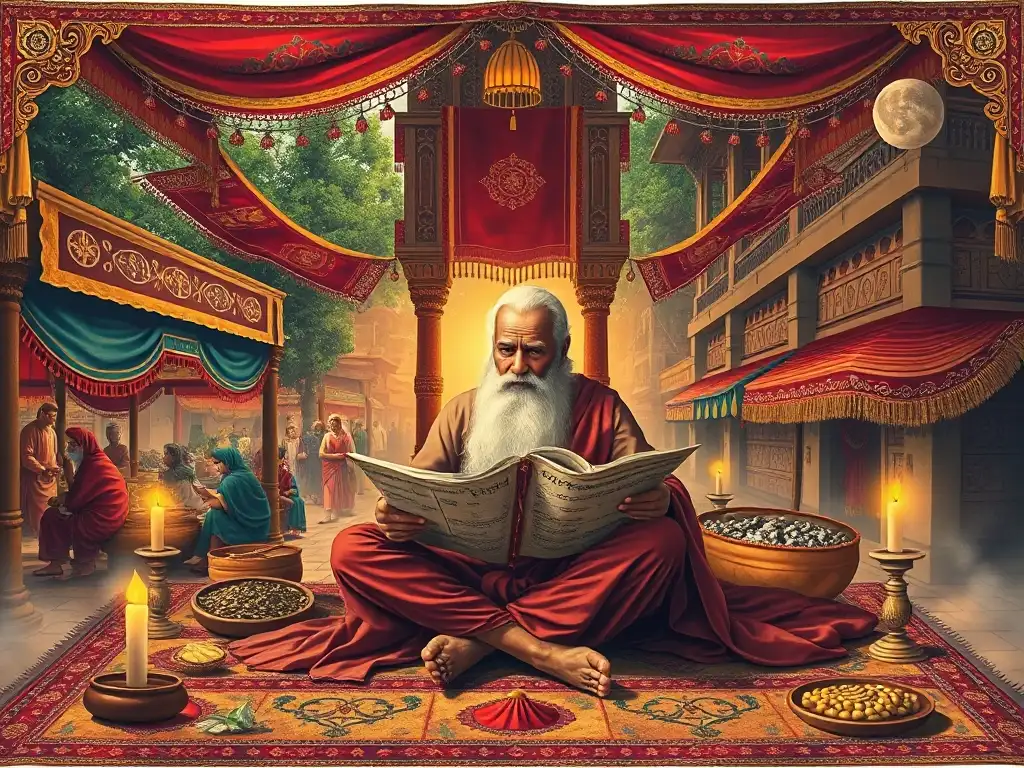
The Arthashastra, attributed to the ancient Indian scholar Kautilya (or Chanakya), is a foundational text in understanding economic principles in ancient India. This ancient treatise delves into various aspects of statecraft, military strategy, and economic policy, and offers a pragmatic approach to governance and economic management. The economic principles articulated in the Arthashastra have garnered significant attention from scholars, economists, and policy-makers alike, prompting critical analysis and interpretation.
Scholarly Perspectives on Arthashastra
Scholars have examined the Arthashastra through various lenses, highlighting its multifaceted approach to economy and governance. Notably, it presents a realist perspective on economics, emphasizing the importance of state intervention in markets. The text suggests that the ruler must actively engage in economic affairs to ensure the prosperity and stability of the state. This stance has been interpreted as an early form of mercantilism, where the state's wealth is prioritized through controlled trade and resource management.
- Regulatory Framework: Scholars argue that Kautilya's emphasis on regulation reflects an understanding of market dynamics. He advocates for the establishment of a regulatory framework to manage trade practices and prevent exploitation, which remains relevant in contemporary economic discourse.
- Role of the Ruler: The Arthashastra posits that the king plays a crucial role in economic activities, acting as both a facilitator and a regulator. This concept has been debated among scholars, with some viewing it as a call for authoritarian governance, while others see it as a necessary measure for economic stability.
- Economic Strategies: The text outlines various economic strategies, including taxation, trade, and resource allocation, which are considered precursors to modern economic theories. Researchers have drawn parallels between Kautilya's ideas on taxation and contemporary fiscal policies, emphasizing his foresight in economic planning.
Debates on the Application of Its Economic Principles
The application of the economic principles outlined in the Arthashastra has sparked debates among modern economists and historians. While some advocate for the practical wisdom embedded in its teachings, others critique its relevance in the context of contemporary economic systems.
- Relevance Today: Proponents argue that the Arthashastra offers timeless insights into the interplay between governance and economics, particularly in developing economies. Its principles of state intervention and strategic resource management resonate with current economic challenges faced by many nations.
- Ethical Considerations: Critics often highlight the text's pragmatic, sometimes ruthless, approach to governance. Kautilya's recommendations, which include espionage and manipulation, raise ethical questions about the morality of economic strategies. This dichotomy between effective governance and ethical conduct is a focal point of ongoing debates.
- Implementation Challenges: The practical application of Kautilya's economic principles in today's context presents challenges. Diverse political systems, globalized economies, and varying cultural norms complicate the straightforward implementation of these ancient strategies. Scholars continue to explore how these principles can be adapted to modern governance without losing their essence.
The Arthashastra remains a critical text for understanding ancient economic principles, offering insights that continue to inform discussions on governance and economics today. Its critique and interpretation by scholars reveal the depth of Kautilya's thought and the ongoing relevance of his ideas in contemporary discourse.
Conclusion: Insights from Arthashastra Economic Principles Analysis
Summary of Key Findings
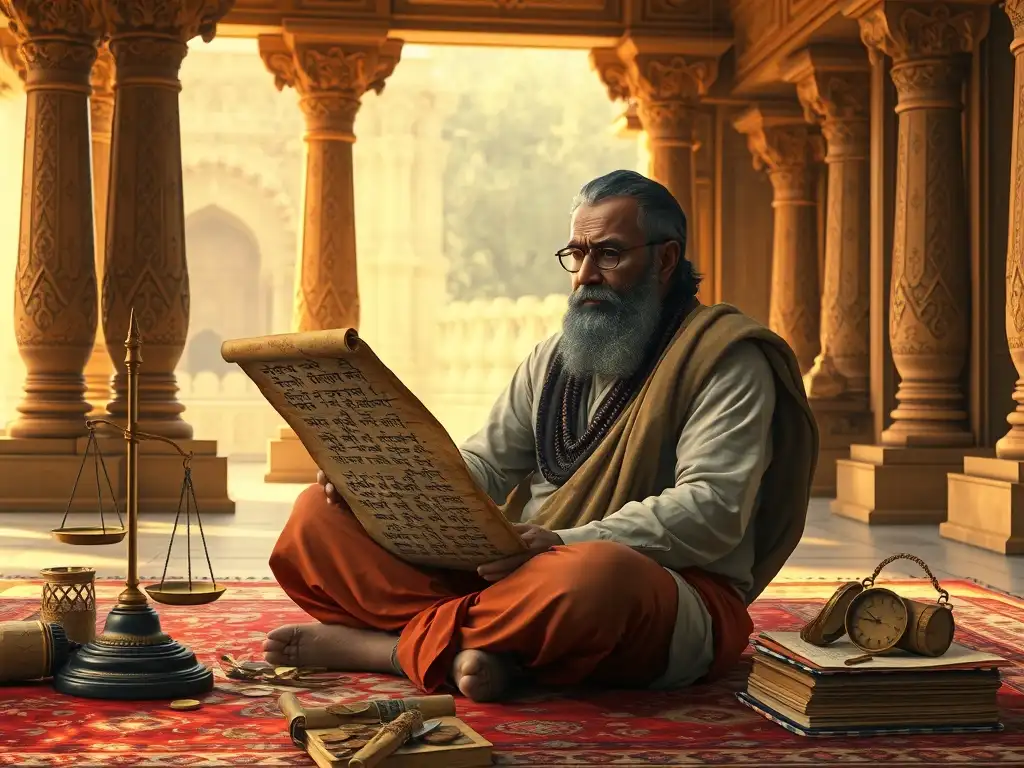
The Arthashastra, attributed to the ancient scholar Kautilya (Chanakya), serves as a foundational text for understanding the economic principles that guided ancient Indian civilizations. This treatise not only outlines methodologies for governance and warfare but also delves deeply into economic strategies that remain relevant today. Here are some of the key findings from our analysis of the Arthashastra:
- Economic Strategy:
- Kautilya emphasized that the prosperity of a state is intrinsically linked to its economic stability. He advocated for a pragmatic approach to resource management, suggesting that rulers must engage in both agriculture and trade to ensure a well-rounded economy.
- Market Regulation:
- The text outlines various tools for market regulation, including price control and trade policies. Kautilya believed that a ruler should intervene in the market to prevent monopolies and ensure fair pricing, which shows an early understanding of market dynamics.
- Taxation and Revenue:
- Kautilya proposed a systematic approach to taxation, advocating for a balanced tax system that would not burden the populace while ensuring sufficient revenue for the state. This principle of equitable taxation is echoed in modern economic theories.
- Diplomacy and Trade:
- The Arthashastra highlights the importance of diplomacy in economic relationships. Kautilya suggested that forming alliances through trade can enhance a state's economic power, illustrating an early understanding of international trade dynamics.
- Wealth Accumulation:
- Wealth is viewed as a means to achieve power and stability. Kautilya emphasized the importance of accumulating wealth not just for the ruler's benefit but for the welfare of the entire state, which reflects a nuanced understanding of economic responsibility.
The Impact of Arthashastra on Contemporary Understanding of Economics
The Arthashastra continues to influence modern economic thought, providing insights that resonate in contemporary discussions about governance, policy-making, and economic strategy. Its principles can be observed in various aspects of today's economic systems:
- Resource Management: The emphasis on resource allocation in the Arthashastra is mirrored in current practices of sustainable development and resource management, wherein policymakers strive to balance economic growth with environmental sustainability.
- Interventionist Policies: Kautilya's advocacy for market regulation resonates with modern economists who argue for government intervention in cases of market failure. The principles outlined in the text serve as a historical reference for contemporary debates on the role of government in the economy.
- International Trade Relations: The strategic emphasis on trade and diplomacy can be seen in current international economic policies. The importance of forming trade alliances and understanding global markets reflects Kautilya's insights into economic diplomacy.
- Taxation Models: Modern tax theories often draw from historical perspectives, including Kautilya’s balanced approach to taxation. This historical context enriches the ongoing discourse on equitable tax policies in various countries.
The Arthashastra is not merely an ancient text but a significant economic document that provides timeless insights into the principles of governance and economic management. Its analysis offers a valuable framework for understanding the complexities of economic systems, both in ancient times and in contemporary society. The relevance of its teachings continues to spark interest among economists, historians, and policymakers alike, affirming its place as a cornerstone of economic thought.
Further Reading and Resources
Recommended Books and Articles
For those looking to deepen their understanding of the Arthashastra and its economic principles, the following books and articles are invaluable resources:
- Kautilya's Arthashastra by R. Shamasastry
- This is one of the earliest English translations of the Arthashastra, providing insights into Kautilya's thought processes and unique economic philosophies.
- The Arthashastra: A New Translation by L.N. Rangarajan
- This translation includes extensive commentary that elucidates the text's complex ideas, focusing on its relevance to modern economic theories.
- Ancient Indian Economic Thought by K. N. Chaturvedi
- This book explores the broader context of economic thought in ancient India, situating the Arthashastra within the continuum of Indian philosophical traditions.
- Political Economy in the Ancient World: Kautilya's Arthashastra and its Context by S. N. Mukherjee
- A comprehensive analysis that ties together the political and economic dimensions of the Arthashastra with relevant historical contexts.
- The Economic Principles of Kautilya's Arthashastra by A. P. Rao
- This article critically examines the economic strategies outlined in the Arthashastra, analyzing their practical applications in ancient and contemporary settings.
Online Resources for Studying Arthashastra and Economic Principles
Numerous online platforms provide access to texts, analyses, and discussions surrounding the Arthashastra and its economic principles:
- Internet Archive: Offers free access to various translations and commentaries on the Arthashastra, allowing for comparative reading across different interpretations.
- Project Gutenberg: Hosts a selection of public domain texts, including some versions of the Arthashastra, along with scholarly critiques.
- Academia.edu: A repository of academic papers where scholars publish their research, including studies focused on the Arthashastra and ancient Indian economic principles.
- Google Scholar: A powerful tool for finding scholarly articles, theses, and books specifically related to the Arthashastra and its economic insights.
- YouTube Lectures and Documentaries: Various educational channels provide visual interpretations and lectures on Kautilya's work, helping to contextualize his economic theories in a modern framework.
By exploring these resources, readers can gain a comprehensive understanding of the Arthashastra's economic principles and their enduring relevance in today's economic landscape.
Frequently Asked Questions
What is the Arthashastra and its significance in ancient India?
The Arthashastra is an ancient Indian treatise attributed to Kautilya, also known as Chanakya. It provides insights into political and economic strategies, making it a crucial text for understanding ancient Indian governance and economics.
How does the Arthashastra contribute to our understanding of economic principles?
The Arthashastra outlines various economic principles such as trade regulation, resource management, and taxation policies. Its analysis helps us comprehend the economic dynamics of ancient Indian civilization.
What are some key economic principles discussed in the Arthashastra?
Key principles include state control of resources, the importance of trade and commerce, and strategies for wealth accumulation. These principles highlight the strategic role of economics in governance.
How does the Arthashastra compare to modern economic theories?
While the Arthashastra is rooted in ancient practices, many of its economic strategies, such as market regulation and taxation, resonate with modern economic theories, showcasing its timeless relevance.
Can the insights from the Arthashastra be applied today?
Yes, the insights from the Arthashastra can be applied to contemporary issues like resource management, economic policy, and governance, providing a historical perspective on economic challenges we face today.
Final Reflection: Timeless Wisdom of Arthashastra in Modern Economics
The insights gleaned from Arthashastra's economic principles are not merely relics of the past; they resonate profoundly in today's complex economic landscape. As we navigate the intricacies of global markets, the strategic frameworks laid out by Kautilya remind us that the foundations of economic thought are often timeless. The principles of governance, resource management, and ethical leadership articulated in this ancient text continue to challenge and inspire contemporary economists and policymakers alike.
Clearly, the relevance of Arthashastra extends beyond historical curiosity; it shapes our understanding of economic dynamics today. The text's emphasis on pragmatic governance and strategic foresight serves as a guiding light for leaders who seek to balance ethical considerations with economic growth. As Kautilya wisely stated, There is some self-interest behind every friendship. There is no friendship without self-interests.
This observation underscores the intricate dance between personal ambition and collective welfare, a theme that remains ever-present in our current socio-economic environment.
As we reflect on the lessons of Arthashastra, I invite you to consider how these ancient principles can inform your own economic decisions and leadership styles. How can the wisdom of Kautilya guide you in fostering ethical practices and strategic thinking in your professional life? Embrace the challenge of applying these insights to create a more equitable and prosperous future, not only for yourself but for the communities you serve. Let us honor the legacy of Arthashastra by integrating its teachings into our modern economic practices, ensuring that the wisdom of the past continues to illuminate the path forward.
Unlock Timeless Wisdom: Take Action Today!
Thank you for diving into the rich insights of the Arthashastra. You’ve uncovered powerful economic principles that have shaped civilizations for centuries! Now, it’s time to put this knowledge into practice and explore its relevance in today's world.
Here are a few steps you can take right now:
- Implement a core principle: **Choose a specific economic strategy from the Arthashastra and apply it to your personal finances or business decisions today. **
- Join the conversation: **Share your thoughts on how ancient texts like the Arthashastra can inform modern economics in our community forum. Your perspective is valuable! **
- Explore further: **Investigate other ancient texts to discover additional principles that could enhance your understanding of economics and leadership. **
How do you envision applying ancient economic wisdom in your life or career to create positive change?