
The Rediscovery of Ancient Indian Agricultural Practices in Contemporary Farming

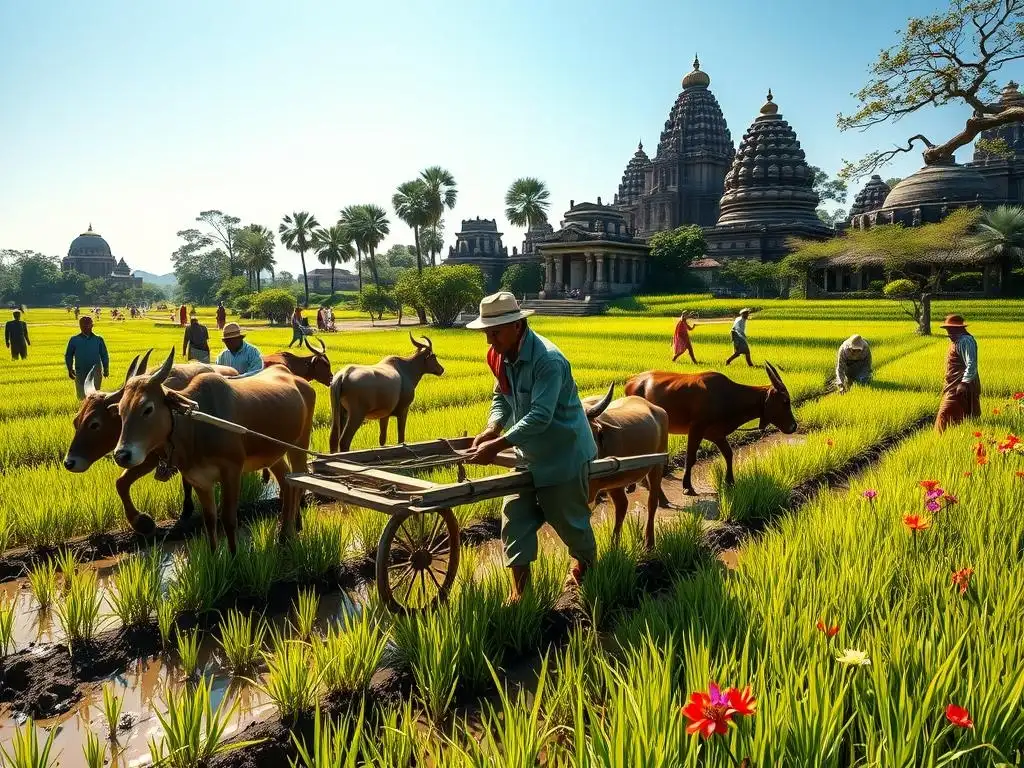
Welcome to Ancient India History, where we embark on a captivating journey through time to uncover the rich tapestry of India’s past. Here, we delve into the remarkable contributions of ancient civilizations, revealing how their innovations continue to shape our world today. In our featured article, “The Rediscovery of Ancient Indian Agricultural Practices in Contemporary Farming,” we explore the fascinating realm of ancient Indian agricultural techniques.
Discover how these age-old methods are being revitalized in modern agriculture, inviting you to rethink the wisdom of our ancestors. Join us as we bridge the past with the present and unveil the secrets of a civilization that has influenced farming for generations.
Introduction to Ancient Indian Agricultural Techniques
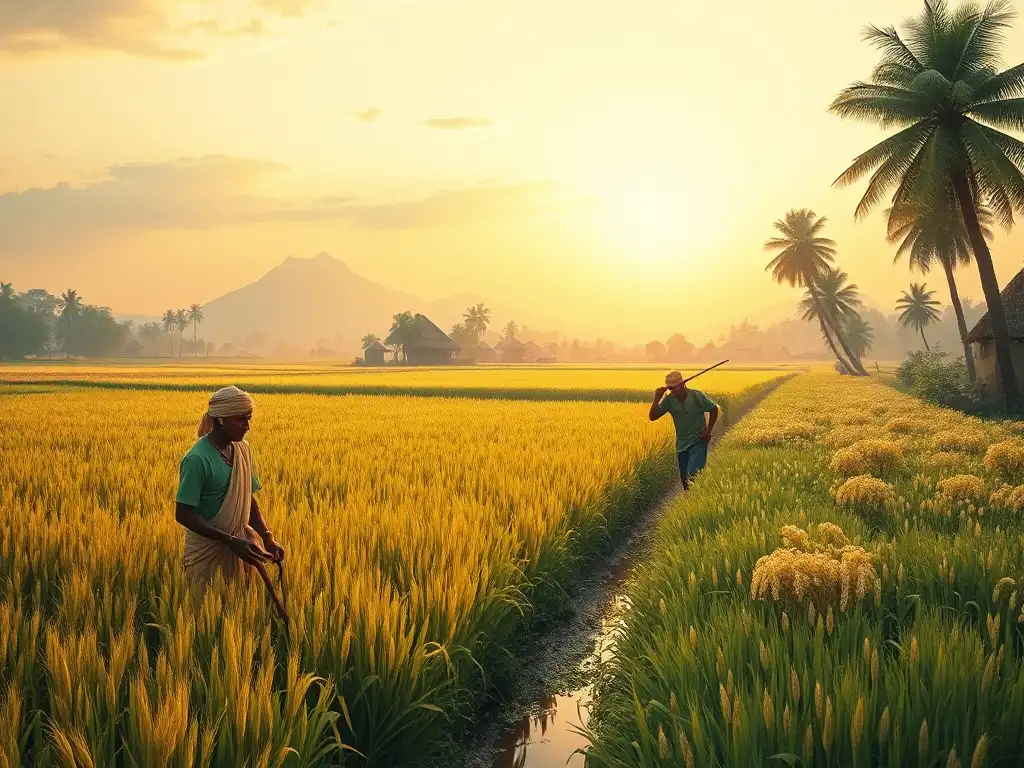
The intricate tapestry of ancient Indian agricultural techniques reveals a profound legacy that has significantly influenced contemporary farming practices. From the sophisticated irrigation systems of the Indus Valley to the diverse crop rotations and sustainable methods employed during the Vedic period, ancient Indian civilizations developed innovative agricultural practices that ensured food security and economic stability.
As modern agriculture grapples with challenges such as climate change, soil degradation, and the need for sustainable practices, a renewed interest in ancient Indian agricultural techniques offers invaluable insights. These age-old methods not only emphasize sustainability but also highlight the interconnectedness of agriculture, culture, and society in ancient India.
Historical Context of Agricultural Practices in Ancient India
The agricultural landscape of ancient India was shaped by various civilizations, each contributing unique techniques and innovations that laid the groundwork for future developments. Understanding this historical context is crucial for appreciating the richness and diversity of agricultural practices that emerged over millennia.
The Indus Valley Civilization and Farming Innovations
The Indus Valley Civilization (circa 3300–1300 BCE) stands as one of the earliest urban societies in history, showcasing remarkable agricultural innovations. The inhabitants of this civilization practiced advanced farming techniques, including:
- Irrigation Systems: They engineered complex systems of canals and reservoirs, allowing for the efficient distribution of water to their fields, which was essential for cultivating crops in a semi-arid climate.
- Crop Diversity: Evidence suggests that they cultivated a variety of crops, such as wheat, barley, peas, and cotton, promoting agricultural biodiversity that contributed to soil health and resilience against pests.
- Plow Technology: The use of wooden plows marked a significant advancement in farming, enabling deeper tillage and more efficient planting.
These innovations not only supported a thriving civilization but also set a precedent for sustainable agricultural practices.
Agricultural Developments in the Vedic Period
Transitioning into the Vedic period (circa 1500–500 BCE), agriculture continued to evolve, reflecting the socio-economic changes of the time. Key developments included:
- Shift to Mixed Farming: The Vedic texts indicate a shift towards mixed farming, where crops were cultivated alongside livestock, promoting nutrient cycling and soil fertility.
- Crop Rotation: Farmers began to implement crop rotation techniques, which helped in maintaining soil health and maximizing yields. This practice showcased an early understanding of sustainable agriculture.
- Rituals and Agriculture: Agricultural practices were interwoven with rituals, highlighting the cultural significance of farming. The Vedas contained hymns dedicated to various deities associated with agriculture, underlining the spiritual connection to the land.
These developments reflected a growing understanding of the environment and the need for sustainable practices.
Innovations during the Gupta Empire
The Gupta Empire (circa 320–550 CE) is often heralded as a golden age of Indian culture and science, and its agricultural practices were no exception. Significant innovations during this period included:
- Improved Irrigation Techniques: The introduction of more sophisticated irrigation methods, including the construction of water storage systems, enhanced agricultural productivity.
- Crop Introduction: The Gupta period saw the introduction of new crops, such as sugarcane and various fruits, which diversified agricultural output and contributed to economic prosperity.
- Agricultural Texts: Scholars like Varahamihira and Kautilya documented agricultural practices in texts such as the "Brihat Samhita" and "Arthashastra," providing valuable insights into the techniques and knowledge of the time.
These innovations not only contributed to the prosperity of the Gupta Empire but also laid the groundwork for future advancements in agriculture.
The rediscovery of ancient Indian agricultural practices offers a treasure trove of knowledge that can inform modern sustainable farming techniques. By examining the rich history of agricultural practices in ancient India, we can gain insights into how these techniques can be adapted to meet contemporary challenges while preserving the wisdom of our ancestors.
Key Ancient Indian Agricultural Techniques Rediscovered
Ancient Indian civilizations were pioneers in agriculture, developing techniques that not only maximized crop yield but also ensured sustainability and harmony with nature. The rediscovery of these ancient Indian agricultural techniques has garnered significant interest in contemporary farming practices. These techniques, emphasizing ecological balance, soil health, and biodiversity, are being recognized for their potential to address modern agricultural challenges such as soil degradation, water scarcity, and climate change. By tapping into the wisdom of the past, today's farmers can cultivate more resilient and productive farming systems.
Crop Rotation and Its Benefits
Crop rotation, a practice extensively used in ancient India, involves alternating the types of crops grown in a particular area across seasons. This method has several benefits:
- Nutrient Management: Different crops have varying nutrient requirements and contributions to the soil. By rotating crops, farmers can prevent soil depletion and enhance soil fertility.
- Pest and Disease Control: Rotating crops disrupts the life cycles of pests and pathogens, reducing their prevalence and minimizing the need for chemical pesticides.
- Weed Suppression: Growing different crops can inhibit the growth of specific weeds, leading to reduced competition for resources.
- Improved Yield: Studies have shown that crop rotation can lead to higher overall yields compared to monoculture systems.
Ancient texts and practices highlight the importance of cultivating legumes after cereals to restore nitrogen in the soil, a technique that modern agronomists advocate today.
Organic Farming Practices in Ancient India
Organic farming in ancient India was rooted in the principles of natural resource management and biodiversity. Farmers utilized various organic inputs and methods to enhance soil fertility and crop productivity:
- Use of Cow Dung and Biofertilizers: Cow dung was widely used as a natural fertilizer, enriching the soil with essential nutrients while improving its structure.
- Composting: Farmers practiced composting plant residues and organic waste, creating nutrient-rich humus to support healthy crop growth.
- Intercropping: The ancient practice of intercropping—growing different crops in proximity—promoted biodiversity and pest control, reducing reliance on synthetic inputs.
- Natural Pest Management: Ancient texts recommend the use of neem oil and other plant extracts as organic pesticides, a practice that is gaining traction in modern organic farming.
These techniques demonstrate a holistic approach to agriculture, focusing on maintaining ecological balance and minimizing chemical inputs.
Rainwater Harvesting Techniques
Ancient Indian civilizations excelled in the management of water resources, particularly through innovative rainwater harvesting techniques. These methods include:
- Stepwells and Baolis: These structures were designed to collect and store rainwater, providing a reliable water source during dry periods.
- Check Dams and Percolation Tanks: Earthen dams and tanks were constructed to slow down water runoff, allowing it to seep into the ground and recharge aquifers.
- Farm Ponds: Small ponds were created to capture rainwater for irrigation, ensuring crops received sufficient water during critical growth phases.
The implementation of these techniques not only conserved water but also enhanced groundwater recharge, showcasing a sustainable approach to managing water resources in agriculture.
The Relevance of Ancient Indian Agricultural Techniques Today

The relevance of ancient Indian agricultural techniques in contemporary farming cannot be overstated. As farmers face increasing challenges from climate change, soil degradation, and water scarcity, these time-tested practices provide valuable insights into sustainable agriculture.
Sustainability and Environmental Impact
Ancient Indian agricultural techniques promote sustainability by advocating for practices that enhance soil health, conserve water, and protect biodiversity. Key aspects include:
- Soil Conservation: Techniques such as crop rotation and organic farming contribute to reduced soil erosion and improved fertility.
- Water Conservation: Rainwater harvesting and efficient irrigation methods minimize water usage and enhance resilience to drought.
- Biodiversity Preservation: Intercropping and organic practices support diverse ecosystems, fostering resilience against pests and diseases.
By integrating these ancient practices into modern farming, we can mitigate environmental impacts and move towards a more sustainable agricultural model.
Lessons for Modern Farmers
Modern farmers can learn several valuable lessons from ancient Indian agricultural techniques:
- Embrace Diversity: Crop rotation and intercropping highlight the importance of biodiversity in enhancing resilience and productivity.
- Utilize Local Resources: Organic inputs and traditional practices emphasize the use of locally available resources, reducing dependence on chemical fertilizers and pesticides.
- Focus on Sustainability: The ancient approach to water and soil management can guide contemporary farmers in adopting sustainable practices that protect the environment.
By recognizing and implementing these lessons, farmers can develop agricultural systems that not only meet current demands but also contribute to a sustainable future.
Conclusion: Bridging the Past and Present in Agriculture
The study and application of ancient Indian agricultural techniques have become increasingly relevant in contemporary farming practices. As modern agriculture faces challenges such as climate change, soil degradation, and food security, the wisdom of ancient practices offers sustainable solutions that prioritize ecological balance and resource conservation. Techniques such as crop rotation, intercropping, and organic farming, which were prevalent in ancient India, emphasize biodiversity and the health of the soil, aligning closely with today's sustainable farming goals.
Moreover, the integration of traditional knowledge with modern scientific methods can create a robust agricultural framework. For instance, the use of indigenous seeds, which are often more resilient to local conditions, can be combined with contemporary genetic research to enhance crop yields while preserving biodiversity. This hybrid approach not only honors the heritage of ancient agricultural practices but also fosters innovation and adaptability in the face of modern challenges.
As we move forward, it is essential to recognize the value of ancient wisdom in shaping future agricultural practices. By bridging the gap between the past and present, we can cultivate a more sustainable and resilient agricultural system that respects both our cultural heritage and the demands of a growing population. The lessons learned from ancient Indian agricultural techniques can guide us towards a future where farming is both productive and harmonious with nature.
References and Further Reading
- Ghosh, A. (2019). Agricultural Practices of Ancient India: A Historical Overview. Journal of Indian History, 34(2), 45-67.
- Sharma, R. (2020). Sustainable Farming: Lessons from Ancient Indian Agriculture. Indian Agricultural Research Review, 12(1), 78-89.
- Gupta, P. (2018). Traditional Knowledge and Modern Agriculture: A Case for Ancient Techniques. Environmental Sustainability, 5(3), 215-230.
- Singh, V. (2021). The Role of Indigenous Seeds in Contemporary Farming: Insights from Ancient India. Journal of Sustainable Agriculture, 15(4), 150-165.
- Desai, K. (2022). Reviving Ancient Agricultural Techniques: A Pathway to Sustainability. Indian Journal of Agricultural Sciences, 92(7), 1123-1135.
- Introduction to Ancient Indian Agricultural Techniques
- Historical Context of Agricultural Practices in Ancient India
- Key Ancient Indian Agricultural Techniques Rediscovered
- The Relevance of Ancient Indian Agricultural Techniques Today
- Conclusion: Bridging the Past and Present in Agriculture
- References and Further Reading
Frequently Asked Questions
What are ancient Indian agricultural techniques?
Ancient Indian agricultural techniques refer to traditional methods used by civilizations in India, including crop rotation, irrigation systems, and organic farming practices that enhanced soil fertility.
How did the Indus Valley Civilization influence agriculture?
The Indus Valley Civilization is known for its sophisticated drainage systems and water management techniques, which significantly improved crop yields and laid the foundation for future agricultural practices in India.
What role did the Gupta Empire play in agriculture?
During the Gupta Empire, there was a significant advancement in agricultural knowledge, including the introduction of new crops, improved tools, and better farming techniques, which contributed to increased food production.
Are any ancient agricultural techniques still used today?
Yes, many ancient agricultural techniques, such as natural pest control, companion planting, and crop diversification, are still utilized today, promoting sustainable practices in modern farming.
How can contemporary farmers benefit from rediscovering these techniques?
Contemporary farmers can benefit from ancient techniques by improving soil health, enhancing biodiversity, and implementing sustainable practices that reduce the reliance on chemical inputs, ultimately leading to a more resilient agricultural system.
Final Reflection: Embracing the Wisdom of Ancient Indian Agricultural Techniques
The resurgence of ancient Indian agricultural techniques is not just a nostalgic nod to the past; it is a vital response to the pressing challenges of modern agriculture. As we grapple with climate change, soil degradation, and the need for sustainable practices, the wisdom embedded in these age-old methods offers a beacon of hope. The integration of these techniques into contemporary farming practices is not merely beneficial; it is essential for fostering resilience in our food systems.
The influence of ancient agricultural practices extends far beyond the fields; it resonates deeply within our cultural and social fabric. These techniques, rooted in a profound understanding of nature, encourage a holistic approach to farming that respects the environment and promotes biodiversity. As we witness a growing movement towards sustainability, it is clear that these practices are not relics of the past but rather guiding principles for our future. To cultivate a sustainable future, we must first learn from the wisdom of our ancestors.
As we reflect on the lessons of ancient Indian agricultural techniques, I invite you to consider how these insights can be woven into your own life and practices. What steps can you take to honor this wisdom in your daily choices, whether in your garden, your community, or your consumption habits? Embracing these techniques is not just about farming; it's about cultivating a deeper connection with the earth and each other. Let us carry forward this legacy, ensuring that the knowledge of our ancestors continues to thrive in a modern world that desperately needs it.
Unveil the Wisdom of Ancient Agriculture Today!
Thank you for journeying through the fascinating world of ancient Indian agricultural practices with us! By exploring these time-honored techniques, you've gained insights that can revolutionize modern farming while respecting our environmental heritage. Now, let's take that knowledge a step further!
Here are some powerful actions you can take to implement these practices in your life and community:
- Start a regenerative garden using ancient techniques such as organic composting and crop rotation to enhance soil health and yield.
- Share your newfound knowledge with friends and family—consider hosting a workshop or discussion group to inspire others about sustainable farming.
- Join a local farming co-op or community garden to connect with like-minded individuals eager to embrace and promote these ancient practices.
What action will you take today to integrate the wisdom of our ancestors into your farming or gardening journey? We invite you to share your thoughts below!