
The Role of Cattle in Ancient Indian Agriculture: More Than Just Beasts of Burden

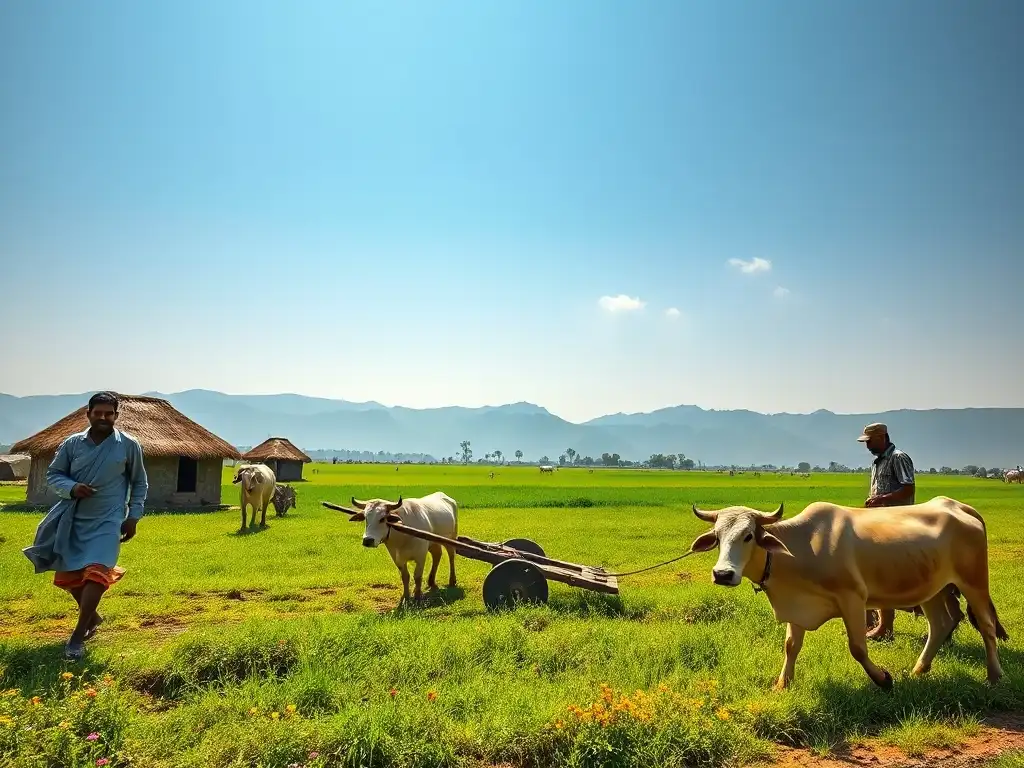
Welcome to Ancient India History, where we embark on a fascinating journey through the rich tapestry of ancient Indian civilizations. Today, we delve into a compelling exploration of cattle in ancient Indian agriculture, revealing how these remarkable animals were not merely beasts of burden, but pivotal players in shaping the agricultural landscape and economy of their time.
As you navigate through the depths of this article, prepare to uncover the profound impact cattle had on farming practices, societal structures, and even cultural beliefs in ancient India. Join us as we illuminate the vital role that these creatures played in a civilization that laid the foundations for many aspects of modern life.
Introduction to Cattle in Ancient Indian Agriculture
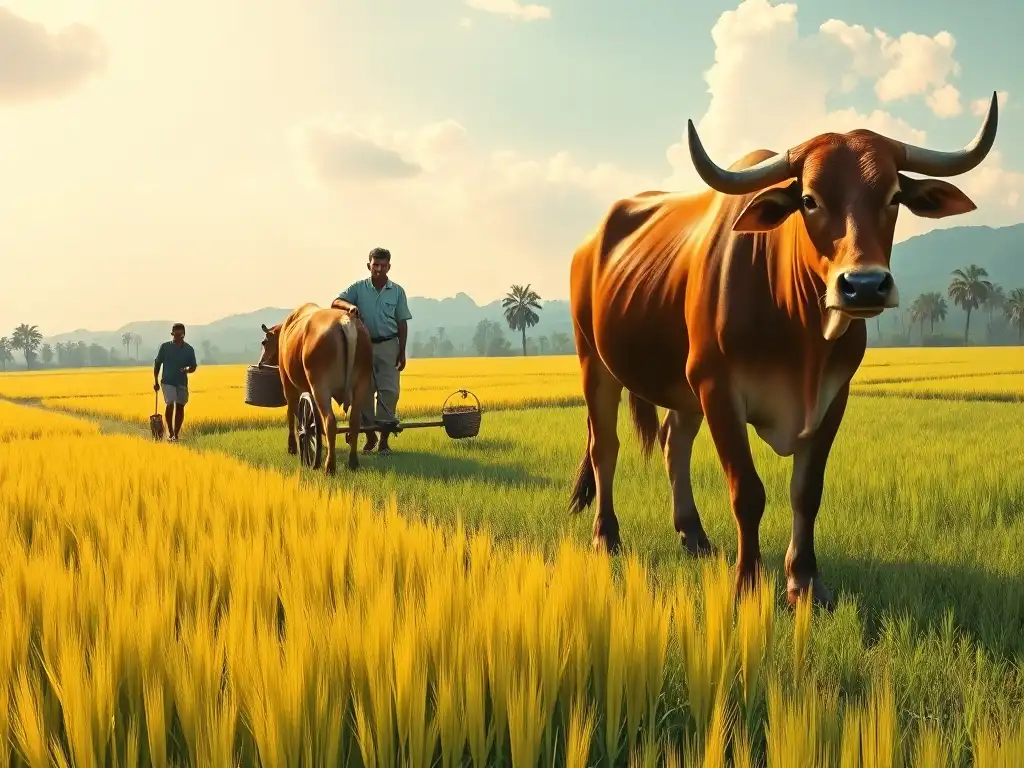
Cattle have been an integral part of agricultural practices in ancient India, serving not only as beasts of burden but also playing a multifaceted role that significantly enhanced agricultural productivity and sustainability. The domestication of cattle dates back thousands of years, and their contributions to farming practices transcended mere labor.
In a landscape where agriculture formed the backbone of the economy, understanding the role of cattle provides insight into ancient Indian society, its agricultural innovations, and the cultural reverence held for these animals. This article delves into the various dimensions of cattle in ancient Indian agriculture, shedding light on their importance and the historical context that shaped their use.
Overview of Agricultural Practices in Ancient India
Agriculture in ancient India was characterized by a blend of traditional methods and innovative practices that evolved over centuries. The primary crops cultivated included rice, wheat, barley, and pulses, which were often grown in rotation to maintain soil fertility. Tools such as wooden plows and sickles were commonly used, and water management techniques, including irrigation systems, played a vital role in enhancing crop yields.
- Key Elements of Ancient Indian Agriculture:
- Crop Diversity: The cultivation of diverse crops ensured food security and varied diets.
- Seasonal Farming: Monsoon patterns dictated planting and harvesting times, showcasing a deep understanding of climatic conditions.
- Sustainable Practices: Techniques like crop rotation and intercropping were employed to maintain soil health.
Cattle were not merely auxiliary to these practices; they were pivotal in plowing fields, transporting goods, and providing manure, which served as an essential fertilizer. This synergy between cattle and agriculture underscores the deep-rooted connection between the two in ancient Indian society.
Importance of Cattle in Sustaining Agricultural Systems
Cattle played a crucial role in sustaining the agricultural systems of ancient India. Their use extended far beyond labor, impacting economic, social, and cultural aspects of life.
- Economic Contributions:
- Labor Force: Cattle were essential for plowing and tilling, directly affecting crop production.
- Transportation: They facilitated the movement of agricultural produce to markets, enhancing trade.
- Nutritional Contributions:
- Milk and Dairy Products: Cattle provided milk, which became a staple food resource, enriching diets with essential nutrients.
- Manure as Fertilizer: The use of cow dung as a natural fertilizer significantly improved soil fertility.
Cattle also held a prominent place in the social and religious fabric of ancient India, symbolizing wealth and prosperity, which further solidified their importance in agricultural practices.
Historical Context of Cattle Use in Ancient India
The relationship between cattle and agriculture in ancient India is rooted in a rich historical context that reflects the evolution of domestication practices and the significance attributed to these animals by various civilizations.
The Evolution of Cattle Domestication
Cattle domestication in India can be traced back to the Indus Valley Civilization (circa 3300–1300 BCE), where archaeological findings suggest that early agriculturalists recognized the utility of cattle. Over time, selective breeding practices led to the development of various cattle breeds adapted to different regional climates and agricultural needs. This evolution not only improved agricultural efficiency but also contributed to the cultural significance of cattle in society.
- Key Milestones in Cattle Domestication:
- Indus Valley Civilization: Evidence of cattle herding and usage in agriculture.
- Vedic Period: Textual references highlighting the importance of cattle in agrarian society.
The transition from wild cattle to domesticated breeds marked a significant turning point in agricultural practices, directly influencing socio-economic structures.
Key Civilizations and Their Relationship with Cattle
Several ancient Indian civilizations harnessed the potential of cattle, each contributing uniquely to their agricultural practices.
- Indus Valley Civilization: Known for advanced urban planning, their reliance on cattle is evident in the archaeological remains of cattle bones and artifacts depicting cattle.
- Vedic Civilization: The Rigveda contains numerous hymns dedicated to cattle, reflecting their significance in rituals and daily life.
- Maurya and Gupta Empires: Cattle were central to agricultural expansion, with policies promoting cattle welfare and breeding programs to enhance productivity.
These civilizations not only relied on cattle for agricultural purposes but also revered them in their cultural narratives, showcasing the profound impact of cattle on ancient Indian agriculture.
In this exploration of the role of cattle in ancient Indian agriculture, we will further investigate their historical significance and contributions to the agricultural practices that shaped the economy and culture of ancient Indian civilizations.
Functions of Cattle in Ancient Indian Agriculture
Cattle played a multifaceted role in ancient Indian agriculture, serving not only as vital resources for farming but also as integral components of the socio-economic fabric of the time. Their contributions extended beyond mere labor, encompassing aspects of fertilization, dairy production, and transportation, all of which were crucial for the sustenance and development of ancient agrarian societies. Understanding the various functions of cattle sheds light on how they enhanced agricultural productivity and supported the livelihoods of countless communities.
Cattle as Draft Animals in Plowing and Transport
One of the primary functions of cattle in ancient Indian agriculture was their use as draft animals. They were harnessed to plows, allowing farmers to cultivate fields more efficiently. The introduction of the wooden plow, often pulled by oxen or buffalo, revolutionized farming practices, making it possible to till larger areas of land with greater ease. This mechanization of agriculture significantly increased crop yields.
In addition to plowing, cattle were also essential for transport. They facilitated the movement of goods, including harvested crops and raw materials, to markets and storage facilities. The use of carts drawn by cattle allowed for more extensive trade and commerce, connecting rural producers with urban centers, thus fostering economic growth.
The Role of Cattle in Fertilization and Soil Enrichment
Cattle played an indispensable role in maintaining soil fertility, primarily through their manure, which served as a natural fertilizer. The dung of cattle was rich in nutrients and was commonly used to enrich the soil, promoting healthy crop growth. Farmers practiced the collection and application of cattle manure, understanding its importance in sustaining agricultural productivity.
Beyond manure, the practice of using cattle for grazing also contributed to land management. By allowing cattle to graze on crop residues, farmers not only provided a food source for their animals but also helped in the decomposition of organic matter, which further enriched the soil. This symbiotic relationship between cattle and crops was a cornerstone of sustainable agricultural practices in ancient India.
Cattle as a Source of Dairy Products in Ancient Diets
Cattle were valued not only for their labor but also for their milk, which formed a vital part of the ancient Indian diet. The consumption of dairy products such as yogurt, butter, and ghee provided essential nutrients and calories, supporting the health and nutrition of ancient populations. Dairy was often included in religious offerings and daily meals, signifying its importance in cultural and culinary practices.
The domestication of cattle for milk production also encouraged innovations in animal husbandry. Ancient Indian texts, such as the Vedas, reference various breeds of cattle specifically raised for their dairy yield, highlighting the agricultural knowledge and practices developed over centuries. This emphasis on dairy significantly influenced dietary patterns and agricultural strategies in ancient Indian society.
Cultural Significance of Cattle in Ancient Indian Society
Cattle held a prominent place in ancient Indian society, transcending their agricultural roles to become symbols of wealth, status, and cultural identity. Their significance was deeply woven into the social, religious, and economic aspects of life, reflecting the reverence with which they were regarded in various communities.
Cattle in Religious Practices and Symbolism
In many ancient Indian cultures, cattle were associated with various deities and religious practices. They symbolized wealth, prosperity, and fertility, often featuring in rituals and ceremonies. The cow, in particular, was revered and considered sacred in Hinduism, representing gentleness and motherhood.
Mythological texts and epics often depict cows as divine gifts, reinforcing their status within society. Ritual offerings of milk and butter were common, illustrating the spiritual connection between cattle and agricultural prosperity. This cultural reverence for cattle not only influenced agricultural practices but also shaped societal values and norms.
The Economic Value of Cattle in Ancient Indian Communities
The economic significance of cattle in ancient Indian communities cannot be overstated. Cattle were a form of wealth and a measure of social status, often used as currency in trade and transactions. The practice of exchanging cattle for goods or services was widespread, underscoring their role as a fundamental component of the agrarian economy.
Moreover, the breeding and sale of cattle contributed to local economies, creating livelihoods for many families. The economic interdependence between farmers and cattle traders fostered a vibrant marketplace for livestock, enhancing community ties and supporting economic resilience. Cattle were, therefore, not just agricultural assets; they were integral to the very structure of ancient Indian society and its economy.
Innovations and Agricultural Techniques Involving Cattle
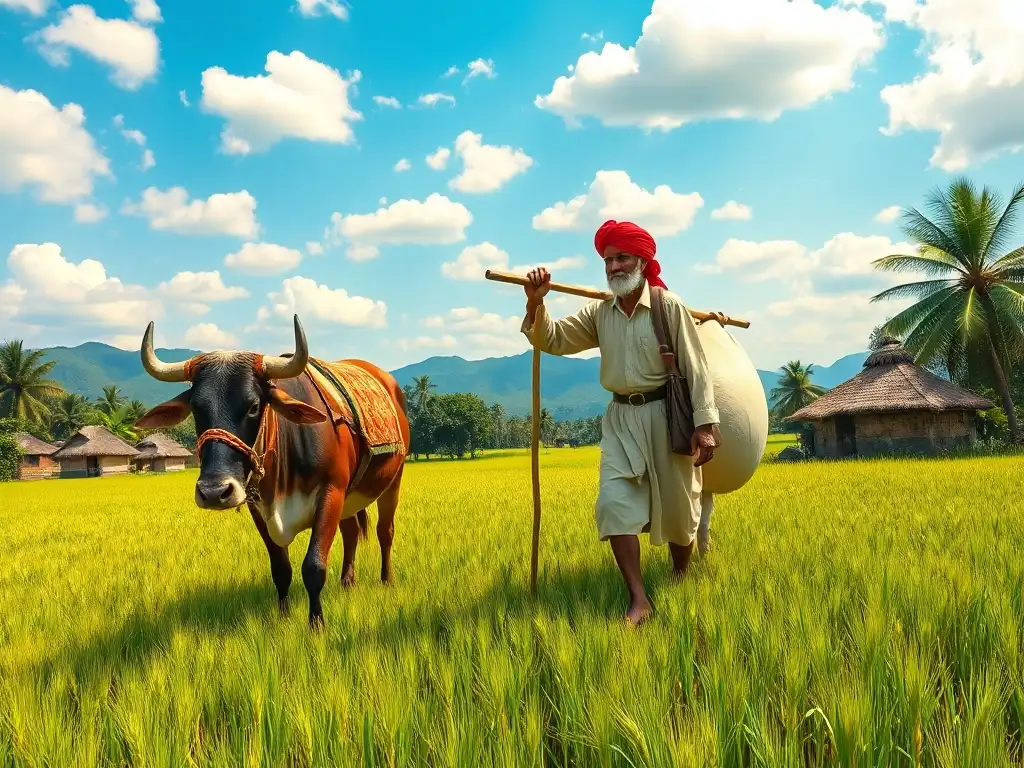
Cattle played a pivotal role in the evolution of agricultural practices in ancient India, transforming the landscape of farming through various innovations and techniques. The integration of cattle into agricultural systems is evident in several key practices that enhanced productivity and sustainability.
One of the most significant innovations was the use of cattle for plowing fields. This practice allowed for deeper tilling of soil, improving aeration and nutrient distribution, which in turn boosted crop yields. The plow, often pulled by a team of oxen, became a vital tool for farmers, enabling them to cultivate larger areas of land more efficiently.
In addition to plowing, cattle also contributed to the fertilization of fields. Manure from cattle was widely used as a natural fertilizer, enriching the soil with essential nutrients. This practice not only improved soil fertility but also promoted sustainable agricultural practices by reducing reliance on chemical fertilizers, which were not available during ancient times.
Moreover, the use of cattle in irrigation systems, particularly in the form of water-lifting devices like the Persian wheel, showcased their significance beyond mere labor. Such innovations increased the efficiency of water usage in agriculture, particularly in arid regions, and allowed for the cultivation of a wider variety of crops.
Advances in Cattle Breeding and Selection
The domestication of cattle in ancient India led to significant advances in breeding and selection practices that aimed to enhance the productivity and resilience of livestock. Farmers recognized the importance of selecting cattle based on desirable traits, such as strength, size, and milk production, which resulted in improved breeds over generations.
Ancient texts, such as the Rigveda, highlight the reverence for cattle and the importance of specific breeds. Breeders focused on traits that not only supported agricultural tasks, such as plowing and transportation, but also those that yielded more milk or provided better meat quality. This selective breeding contributed to the development of specialized cattle breeds, adapted to various environmental conditions and agricultural needs.
The advancements in cattle breeding were complemented by traditional knowledge passed down through generations, which included techniques for managing breeding cycles, feeding regimes, and health care practices. These innovations laid the foundation for a robust cattle husbandry system that supported the agricultural economy in ancient India.
The Integration of Cattle in Crop Rotation Systems
Cattle were integral to the crop rotation systems employed by ancient Indian farmers, which enhanced soil fertility and optimized land use. The practice of rotating crops allowed for a balanced nutrient profile in the soil, reducing the risk of depletion and maintaining agricultural productivity over time.
In these systems, cattle were used to graze on crop residues, effectively recycling nutrients back into the soil. This not only provided feed for cattle but also helped in breaking down organic matter, which enriched the soil structure. Furthermore, certain crops, such as legumes, were often included in rotation cycles as they naturally enhanced soil nitrogen levels, benefiting subsequent crops.
The integration of cattle into these systems exemplified a holistic approach to agriculture, where livestock and crops were interdependent. This synergy improved overall farm sustainability and productivity, making ancient Indian agricultural practices remarkably efficient.
Challenges Faced by Cattle in Ancient Agricultural Practices
Despite their crucial role, the management of cattle in ancient Indian agriculture was not without its challenges. Various environmental and socioeconomic factors influenced the health and productivity of cattle, which in turn affected agricultural outcomes.
Environmental Factors Affecting Cattle Health and Productivity
Environmental conditions had a significant impact on cattle health and productivity in ancient India. The diverse climatic zones, ranging from arid regions to fertile river valleys, posed unique challenges for cattle management.
For instance, during monsoon seasons, excessive rainfall could lead to flooding, which adversely affected cattle living conditions and increased the risk of disease. Conversely, in arid regions, prolonged droughts resulted in food scarcity, leading to malnutrition among cattle. This malnutrition not only affected the health of the cattle but also their productivity in terms of labor and milk production.
Additionally, the prevalence of certain diseases, such as foot-and-mouth disease, could decimate cattle populations, leading to significant economic losses for farmers. Ancient texts illustrate the importance of maintaining cattle health through traditional veterinary practices, which were essential in mitigating these environmental risks.
Socioeconomic Challenges Related to Cattle Management
The management of cattle in ancient Indian agriculture was also influenced by socioeconomic factors. The ownership of cattle was often a symbol of wealth and status, leading to competition among farmers and societal pressure to maintain large herds. This competition could result in overgrazing and degradation of land, further complicating sustainable management practices.
Additionally, the reliance on cattle for agricultural labor created a dependency that could be detrimental during periods of economic hardship or famine. Farmers faced significant challenges in maintaining their cattle during such times, as resources became scarce. The socio-economic dynamics of cattle ownership also led to conflicts over grazing lands and access to water sources, impacting community relations and agricultural productivity.
While cattle were undeniably vital to ancient Indian agriculture, their management was fraught with challenges that required innovative solutions and adaptations, reflecting the complex interplay between agriculture, economy, and social structures in ancient Indian civilization.
Conclusion: The Lasting Impact of Cattle on Ancient Indian Agriculture
The role of cattle in ancient Indian agriculture transcended mere labor; they were integral to the agricultural ecosystem, influencing social, economic, and cultural aspects of life. Cattle provided essential resources such as milk, dung, and labor, which significantly improved agricultural productivity. The use of cattle for plowing and transportation not only enhanced efficiency but also enabled the cultivation of larger areas, contributing to food security in ancient societies.
Additionally, their manure served as an important organic fertilizer, enriching the soil and promoting sustainable agricultural practices. This multifaceted relationship between cattle and agriculture laid the foundation for agricultural innovations that would shape the economic landscape of ancient India.
The cultural significance of cattle cannot be overlooked either. They were often revered in various religious practices and associated with various deities, reflecting their esteemed status in society. The social fabric of ancient India was tightly woven with the agricultural cycles supported by cattle, which contributed to community bonding and cooperative farming practices.
Cattle were far more than just beasts of burden; they were vital to the development of ancient Indian agriculture, and their legacy continues to echo in agricultural practices today.
Reflection on the Contributions of Cattle to Agricultural Development
Cattle were pivotal in transforming agriculture in ancient India, primarily through their contributions to labor and soil fertility. The introduction of cattle for plowing significantly changed farming methods, allowing farmers to cultivate more land with less effort. This transition marked a shift from traditional hand-tilling techniques to more efficient plowing, which in turn increased crop yields.
Additionally, the use of cattle's manure as a natural fertilizer promoted sustainable agricultural practices by enhancing soil fertility. This practice not only improved crop productivity but also ensured the health of the land for future generations. The symbiotic relationship between cattle and agriculture facilitated the development of complex farming systems that could support larger populations, thereby leading to urbanization and the growth of ancient civilizations.
Moreover, cattle were essential in the trade economy. As a form of wealth, owning large herds of cattle became a status symbol in society, further driving agricultural advancement. Overall, the contributions of cattle to agricultural development were crucial in shaping the economic and social structures of ancient Indian civilization.
The Legacy of Cattle Practices in Modern Indian Agriculture
The legacy of ancient cattle practices is still evident in contemporary Indian agriculture. Today, cattle continue to play a vital role in rural farming communities, particularly in smallholder farming systems. Modern farmers utilize cattle not only for plowing but also for transporting goods and providing organic manure, thus perpetuating sustainable practices rooted in ancient traditions.
Moreover, the cultural reverence for cattle persists in various forms, influencing agricultural policies and community practices. Government initiatives often promote the use of traditional cattle breeds to enhance biodiversity and sustainability in farming. The integration of ancient grazing practices with modern agricultural techniques has led to improved livestock management systems that honor the past while addressing contemporary challenges.
As India progresses towards modernization, the foundational role of cattle in agriculture reminds us of the importance of integrating traditional knowledge with modern practices to achieve food security and sustainable development.
References and Further Reading on Cattle in Ancient Indian Agriculture
Suggested Books and Articles for In-Depth Understanding
- "Cattle in Ancient India: An Archaeological Perspective": by R. S. Sharma – This book explores the archaeological evidence of cattle domestication and their roles in ancient Indian society.
- "Agriculture and Cattle in Ancient India" by M. K. Verma – This article provides a comprehensive overview of agricultural practices and the significance of cattle in historical contexts.
- "The Role of Livestock in Ancient Indian Society" in the Journal of Historical Studies – A detailed examination of the cultural and economic implications of livestock in ancient Indian agriculture.
Online Resources and Archives related to Ancient Indian Agricultural Practices
- Digital South Asia Library – A valuable resource offering a wealth of information on historical texts and documents related to agriculture in ancient India.
- Ancient India Agricultural Practices Archive – An online repository that features research papers, articles, and primary sources focusing on agricultural methods and cattle usage in ancient times.
- Indian Council of Agricultural Research (ICAR) – Their website includes studies and publications on the historical significance of livestock in Indian agriculture, along with modern research and advancements.
These resources provide a deeper understanding of the intricate relationship between cattle and agriculture in ancient India, highlighting their importance in shaping the agricultural practices that continue to influence modern farming.
- Introduction to Cattle in Ancient Indian Agriculture
- Historical Context of Cattle Use in Ancient India
- Functions of Cattle in Ancient Indian Agriculture
- Cultural Significance of Cattle in Ancient Indian Society
- Innovations and Agricultural Techniques Involving Cattle
- Challenges Faced by Cattle in Ancient Agricultural Practices
- Conclusion: The Lasting Impact of Cattle on Ancient Indian Agriculture
- References and Further Reading on Cattle in Ancient Indian Agriculture
- What was the significance of cattle in ancient Indian agriculture?
- How did the use of cattle impact agricultural productivity?
- Were cattle considered sacred in ancient Indian culture?
- What types of cattle were commonly used in ancient India?
- How did cattle contribute to the economy of ancient Indian civilizations?
Frequently Asked Questions
What was the significance of cattle in ancient Indian agriculture?
Cattle played a crucial role in ancient Indian agriculture by providing labor for plowing fields and serving as a source of manure, which enriched the soil.
How did the use of cattle impact agricultural productivity?
The use of cattle significantly increased agricultural productivity by allowing farmers to cultivate larger areas of land more efficiently, leading to higher crop yields.
Were cattle considered sacred in ancient Indian culture?
Yes, cattle were often regarded as sacred animals in ancient Indian culture, particularly in Hinduism, where they symbolized prosperity and were associated with various deities.
What types of cattle were commonly used in ancient India?
Common types of cattle included oxen for plowing and cows for milk production. These animals were integral to both agriculture and the economy.
How did cattle contribute to the economy of ancient Indian civilizations?
Cattle contributed to the economy by providing milk, manure, and transportation. They were central to trade and agricultural practices, enhancing overall economic stability.
Final Reflection: The Enduring Legacy of Cattle in Ancient Indian Agriculture
Cattle in ancient Indian agriculture were not merely beasts of burden; they were integral to the very fabric of agrarian society. Today, as we grapple with sustainable farming practices and the need for ecological balance, the historical significance of cattle in agriculture serves as a poignant reminder of their multifaceted role. The lessons learned from ancient practices can guide us in reimagining our agricultural systems to be more harmonious with nature.
The influence of cattle on ancient Indian agriculture extends far beyond their physical contributions; they symbolize a deep-rooted relationship between humans and the land. This connection has shaped cultural traditions, economic structures, and social dynamics throughout history. As we reflect on this legacy, we are reminded of the words of Mahatma Gandhi: The greatness of a nation and its moral progress can be judged by the way its animals are treated.
This quote encapsulates the ethical dimensions of our relationship with cattle, urging us to consider how these values continue to resonate in our modern agricultural practices.
As we move forward, let us take a moment to reflect on our own interactions with agriculture and the animals that support it. Consider how you can honor the lessons of the past by advocating for sustainable practices that respect both the land and its creatures. By embracing the wisdom of ancient agricultural systems, we can cultivate a future that not only sustains our needs but also nurtures the environment and upholds the dignity of all living beings.
Uncover the Legacy of Ancient Indian Agriculture!
Thank you for diving into the fascinating world of cattle's vital role in ancient Indian agriculture. We hope you gained valuable insights into how these creatures were not just mere beasts of burden but integral to the agricultural success of the time. Now, it's time to take that knowledge and make it actionable!
- Explore further: Visit our in-depth articles on ancient farming techniques and their impact on modern agriculture.
- Share your thoughts: Join our community by commenting below or sharing this article with friends who are passionate about history!
- Get involved: Consider exploring local farms or heritage sites to see how traditional practices continue to shape agricultural methods today.
What surprising connection do you see between ancient agricultural practices and today's farming techniques? We would love to hear your insights!