
The Role of Agriculture in Ancient Indian Economy and Society

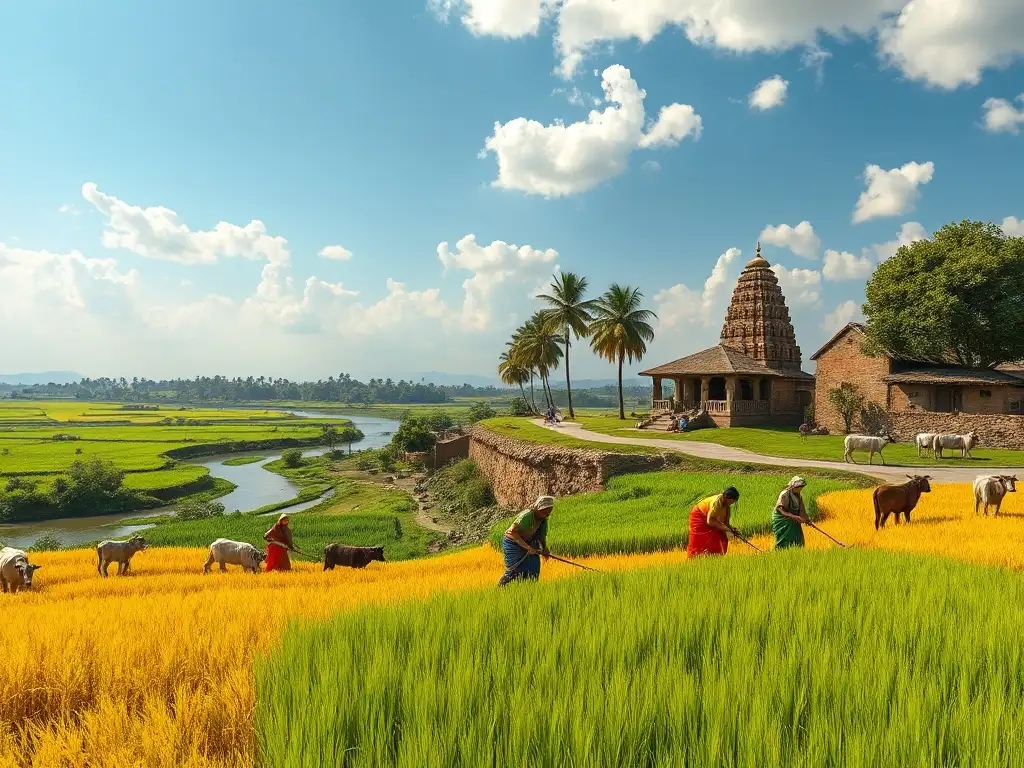
Welcome to Ancient India History, where we embark on a fascinating journey through the rich tapestry of India's past! Discover how agriculture shaped the ancient Indian economy and society, providing the foundation for one of the world's earliest civilizations. From the innovative practices of the Indus Valley to the advancements during the Gupta Empire, the role of agriculture is pivotal in understanding not just economic structures, but also the cultural and social dynamics of the time. Dive deeper into this intriguing topic as we unravel the profound impact of farming practices on the legacy of ancient India!
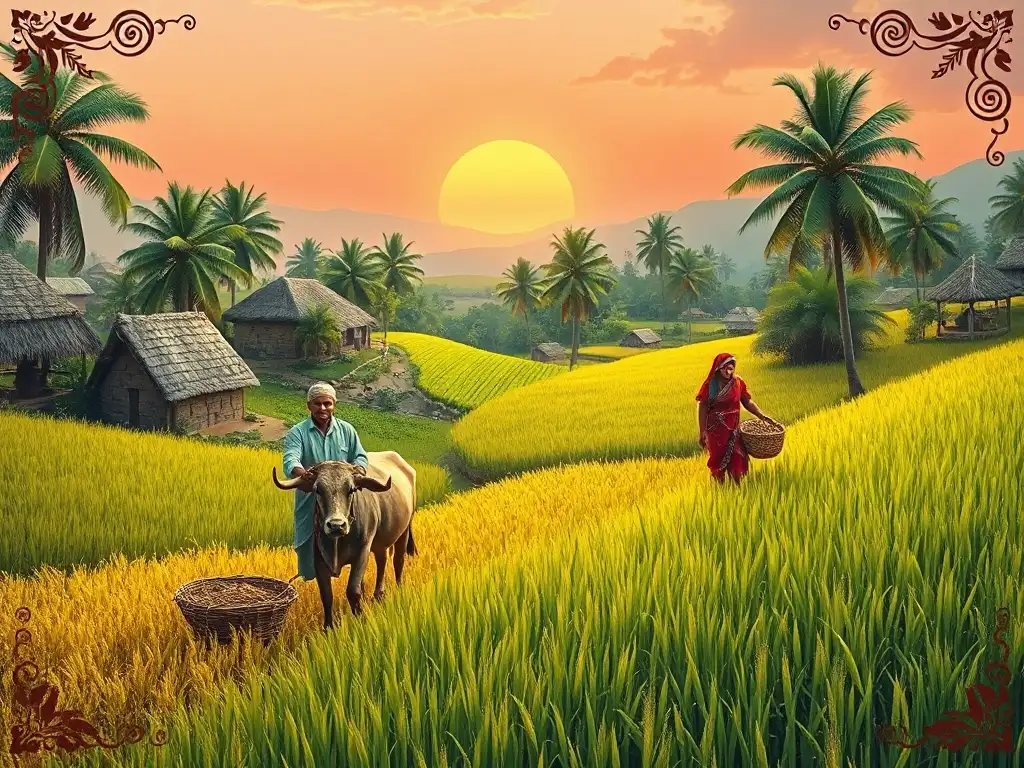
Agriculture served as the backbone of the ancient Indian economy, shaping not just the livelihoods of its people but also their social structures, cultural practices, and overall way of life. From the sophisticated urban centers of the Indus Valley Civilization to the flourishing agrarian societies of the Gupta Empire, ancient Indian agriculture played a pivotal role in fostering economic growth and stability.
This article delves into the intricate relationship between agriculture and the economy in ancient India, exploring the various agricultural practices, innovations, and their societal implications throughout different historical periods. By examining these aspects, we can gain a deeper understanding of how ancient Indian civilizations thrived and contributed to the rich tapestry of human history.
Introduction to Ancient Indian Agriculture Economy
Ancient Indian agriculture was not merely a means of sustenance but a complex system that influenced trade, social hierarchies, and even religious practices. The cultivation of staple crops such as rice, wheat, barley, and pulses formed the foundation of this agrarian society. Moreover, the seasonal monsoons played a crucial role in determining agricultural productivity, dictating the rhythm of life for ancient communities.
Overview of Agricultural Practices in Ancient India
Agricultural practices in ancient India were diverse and region-specific. Key features included:
- Crop Rotation: Farmers practiced crop rotation to maintain soil fertility.
- Irrigation Techniques: The development of sophisticated irrigation systems, including canals and wells, allowed for effective water management.
- Use of Plows: The introduction of wooden plows enhanced tillage efficiency, enabling larger areas to be cultivated.
These practices not only increased yields but also facilitated trade and economic stability.
Importance of Agriculture in Ancient Indian Society
Agriculture was integral to the social fabric of ancient Indian society. It influenced:
- Social Structures: Land ownership determined social stratification, with landlords and peasants forming distinct classes.
- Religious Practices: Agricultural cycles were often linked to religious festivals and rituals, emphasizing the spiritual connection between the land and its people.
- Economic Foundations: Surplus production allowed for trade, leading to urbanization and the growth of markets.
The interplay of agriculture with social and economic aspects highlights its central role in shaping ancient Indian civilization.
Historical Context of Agriculture in Ancient India
Understanding the evolution of agriculture in ancient India requires a look at its historical context, which reveals changes in practices and societal organization over millennia.
Agricultural Development from the Indus Valley Civilization
The Indus Valley Civilization (c. 3300–1300 BCE) is often regarded as one of the earliest examples of advanced agricultural practices. Key elements included:
- Urban Planning: Cities like Harappa and Mohenjo-Daro featured sophisticated drainage systems and granaries, indicating organized agricultural production.
- Diverse Cultivation: Evidence suggests the cultivation of wheat, barley, and cotton, which were staples of the diet and economy.
The agricultural advancements during this period laid the groundwork for subsequent civilizations in India.
Role of Agriculture in the Vedic Period Economy
The Vedic period (c. 1500–500 BCE) marked a significant transition in agricultural practices, influenced by the arrival of Indo-Aryan peoples. This era saw:
- Shift in Agricultural Techniques: The introduction of iron tools improved farming efficiency and productivity.
- Caste System Development: The agrarian economy contributed to the formation of the caste system, with specific roles assigned to farmers, traders, and warriors.
Agriculture became more entrenched in the socio-economic landscape of ancient India during this period.
Agricultural Innovations during the Maurya and Gupta Empires
The Maurya (c. 322–185 BCE) and Gupta (c. 240–550 CE) Empires witnessed remarkable agricultural innovations that further propelled economic growth:
- State Support: The Mauryan administration implemented policies to promote agriculture, such as infrastructure development and irrigation projects.
- Technological Advancements: The introduction of new crops and farming techniques, including the use of fertilizers and crop rotation, maximized agricultural output.
These innovations not only strengthened the economy but also fostered a sense of stability and prosperity within society.
The role of agriculture in ancient Indian economy and society was multifaceted, impacting various aspects of daily life, social organization, and economic development. Through the exploration of agricultural practices and their historical evolution, we uncover the profound influence of ancient Indian agriculture on the richness of its civilization.
Main Crops and Agricultural Products in Ancient India
Agriculture formed the backbone of the ancient Indian economy, deeply influencing social structures, trade, and cultural practices. The diverse climate and geography of the Indian subcontinent allowed for the cultivation of a wide variety of crops, which were essential for sustenance and economic exchange. The staple crops included grains, pulses, and various fruits and vegetables, each playing a significant role in the dietary habits and economic framework of ancient Indian societies.
Key Crops Cultivated in Ancient Indian Agriculture
The primary crops cultivated in ancient India included:
- Rice: Predominantly grown in the eastern and southern regions, rice was a staple food that supported large populations. The fertile river basins, especially around the Ganges and Brahmaputra, were ideal for its cultivation.
- Wheat: Particularly important in the northern plains, wheat was another staple that contributed significantly to food security and trade. The Indus Valley civilization showcased advanced techniques for growing and processing wheat.
- Barley: Often used as animal fodder and for brewing, barley was an important crop that thrived in the arid regions of Northwest India.
- Pulses: Varieties such as chickpeas, lentils, and mung beans were crucial for providing protein and nitrogen to the soil, thus enhancing agricultural sustainability.
These crops were not only essential for daily sustenance but also served as barter items in local and long-distance trade networks.
The Importance of Rice, Wheat, and Pulses in the Economy
Rice, wheat, and pulses formed the triad of essential crops that sustained the ancient Indian economy.
- Nutritional Value: These grains provided the caloric intake necessary for a growing population, ensuring survival and health, which in turn supported labor forces in various industries.
- Trade and Commerce: Surplus production of these crops facilitated trade routes, connecting local markets to broader economic systems. As a result, they contributed significantly to the wealth of regions, with thriving trade hubs emerging around agricultural surplus.
- Cultural Significance: Beyond their economic value, these crops held cultural importance, often featured in rituals, festivals, and daily practices, thus reinforcing their status within society.
The interplay between these crops and the economy illustrates how agriculture was central to ancient Indian civilization.
The Role of Cash Crops in Trade and Commerce
In addition to staple crops, cash crops played a pivotal role in enhancing the ancient Indian economy. Cash crops such as cotton, sugarcane, and spices were cultivated primarily for trade.
- Cotton: Renowned for its quality, Indian cotton became a sought-after commodity in international markets, fostering connections with foreign traders and increasing economic exchange.
- Sugarcane: The production of sugar and jaggery not only catered to local consumption but also became an important export item, further integrating India into global trade networks.
- Spices: With the demand for spices rising across the world, their cultivation and trade significantly boosted the economy, making India a center for spice commerce.
The cultivation of these cash crops not only diversified the agricultural landscape but also contributed to the wealth of various kingdoms and the overall prosperity of the ancient Indian economy.
Agricultural Techniques and Innovations
Ancient Indian agriculture was characterized by a range of innovative techniques and practices that maximized productivity and sustainability. These practices were crucial for supporting the growing population and fostering economic stability.
Traditional Farming Methods in Ancient India
Farmers in ancient India utilized a variety of traditional farming methods that were well-suited to the local environment.
- Crop Rotation: This method helped maintain soil fertility and reduce pest infestations by alternating different crops in a sequence over seasons.
- Mixed Farming: Cultivating multiple crops alongside livestock allowed for better resource utilization and enabled farmers to adapt to changing conditions.
- Hand Tools and Implements: Simple yet effective tools such as the plough, sickle, and hoe were employed, showcasing the ingenuity of ancient farmers in maximizing their efforts.
These traditional methods laid the foundation for sustainable agricultural practices that endured for centuries.
Irrigation Systems and Their Impact on Productivity
Irrigation was a critical innovation that significantly increased agricultural productivity in ancient India.
- Canal Systems: The construction of canals, particularly in river basins like the Ganges, allowed for controlled water supply, enhancing crop yields and enabling farming in otherwise arid regions.
- Wells and Tanks: Wells and water tanks were developed to store rainwater, providing a reliable source of irrigation for crops during dry spells. This not only supported farming but also helped manage water resources effectively.
- Sustainable Practices: The integration of irrigation systems with traditional farming practices showcased an early understanding of sustainable agriculture, allowing communities to thrive even in challenging environments.
The advancements in irrigation played a crucial role in transforming agricultural landscapes and boosting the overall economy.
The Role of Animal Husbandry in Agriculture
Animal husbandry was an integral part of ancient Indian agriculture, complementing crop production and enhancing the economy.
- Draft Animals: Animals such as oxen and buffaloes were used for ploughing fields, which increased efficiency and reduced labor costs. This allowed for larger areas to be cultivated.
- Manure as Fertilizer: Livestock provided manure, which was a vital resource for enriching soil fertility, thereby supporting sustainable agricultural practices.
- Dairy Production: The keeping of cattle not only provided milk and dairy products but also served as a source of nourishment and economic exchange.
The symbiotic relationship between agriculture and animal husbandry reinforced the importance of livestock in ancient Indian agricultural practices, contributing to both dietary needs and economic stability.
The Economic Impact of Agriculture on Ancient Indian Society
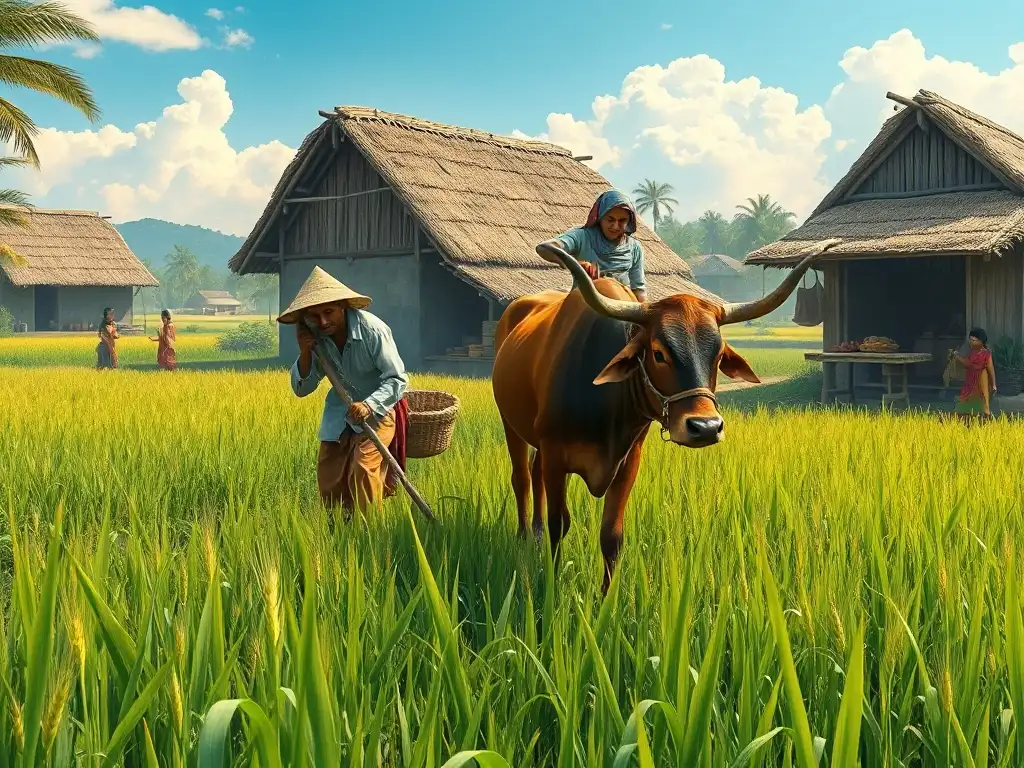
Agriculture was a cornerstone of the ancient Indian economy, profoundly influencing various aspects of society. It not only provided sustenance for the population but also generated surpluses that facilitated trade, supported social structures, and contributed to the development of urban centers. The agrarian economy of ancient India was characterized by its diversity, featuring crops like rice, wheat, barley, and pulses, which were cultivated across different climatic zones. This agricultural diversity ensured food security and laid the groundwork for economic stability, allowing communities to thrive.
Agriculture as the Backbone of the Economy
The agrarian sector in ancient India was crucial for sustaining its economy. It served as the primary source of livelihood for the majority of the population, with a significant percentage engaged in farming activities. The productivity of agriculture directly affected trade and commerce, as surplus production enabled the exchange of goods and services. This surplus not only provided food but also supported artisans and traders, creating a complex web of interdependence. Agricultural advancements, such as improved irrigation techniques and crop rotation, further enhanced productivity, reinforcing agriculture's role as the backbone of the economy.
Trade and Barter Systems Based on Agricultural Surpluses
The abundance of agricultural products led to the establishment of trade and barter systems in ancient India. Villages often produced surplus crops, which were then traded for goods not locally available, such as metals, textiles, and pottery. Markets emerged around agricultural hubs, facilitating the exchange of these goods. Trade routes, both overland and maritime, connected various regions, allowing for the dissemination of agricultural innovations and products. This economic activity fostered relationships between different communities and contributed to the overall prosperity of ancient Indian society.
The Influence of Agriculture on Social Structure and Class Systems
Agricultural practices significantly influenced the social hierarchy in ancient India. Land ownership became a key determinant of status and power, leading to the emergence of a class system based on agricultural wealth. Landowners often held significant influence over local governance and social affairs, while agricultural laborers formed the backbone of the workforce. The caste system, in particular, was intertwined with agricultural roles, as certain castes were assigned specific farming tasks. This relationship between agriculture and social structure underscored the importance of farming in shaping societal dynamics in ancient India.
Cultural Significance of Agriculture in Ancient India
Beyond its economic implications, agriculture held immense cultural significance in ancient Indian society. It was deeply woven into the fabric of daily life, influencing rituals, festivals, and artistic expressions. The reverence for the land and its bounty was reflected in various cultural practices that celebrated the agricultural cycle and acknowledged the role of nature in sustaining life.
Agricultural Festivals and Their Role in Society
Agricultural festivals were integral to ancient Indian culture, marking the changing seasons and celebrating harvests. Festivals like Makar Sankranti, Pongal, and Baisakhi not only expressed gratitude for the bounty of the land but also fostered community spirit and unity. These celebrations involved various rituals, music, dance, and feasting, reinforcing social bonds and cultural identity. They served as a reminder of the cyclical nature of life and the interdependence of people and the earth.
The Representation of Agriculture in Ancient Indian Literature and Art
Agriculture was a prevalent theme in ancient Indian literature and art, symbolizing fertility, prosperity, and the connection to nature. Texts like the Rigveda and the Mahabharata include references to farming, reflecting its importance in the daily lives of people. Artistic depictions of agricultural scenes, such as plowing and harvesting, can be seen in sculptures and paintings, showcasing the reverence for agricultural practices. These representations not only highlight the significance of agriculture but also serve as a testament to the cultural values associated with farming.
Spiritual Connections to Agriculture in Ancient Beliefs
In ancient Indian belief systems, agriculture was often imbued with spiritual significance. Many deities were associated with fertility and the harvest, such as Goddess Lakshmi, who symbolizes wealth and prosperity. Rituals and prayers were performed to seek blessings for abundant crops and favorable weather conditions. This spiritual connection to agriculture fostered a sense of respect for the land and its resources, promoting sustainable practices and a harmonious relationship with nature. The intertwining of spirituality and agriculture reflected the holistic worldview of ancient Indian societies, where the divine and the mundane coexisted.
Conclusion: The Lasting Legacy of Ancient Indian Agriculture Economy
The ancient Indian agriculture economy laid the groundwork for the socio-economic structures that flourished across the subcontinent. This foundation not only supported the sustenance of large populations but also facilitated trade, urbanization, and cultural development. The sophisticated agricultural practices, such as irrigation techniques and crop rotation, showcased the ingenuity of ancient Indian societies and their deep connection to the land. Furthermore, the agricultural economy was intricately tied to social organization, influencing everything from settlement patterns to religious practices, as agriculture often dictated the rhythms of life.
As we reflect on the legacy of ancient Indian agriculture, it becomes evident that these early practices continue to resonate in today’s agricultural systems. The emphasis on sustainability, crop diversity, and community-driven farming methods mirrors contemporary movements aimed at addressing food security and environmental concerns. Understanding this legacy allows us to appreciate the continuity of agricultural knowledge and its adaptive nature throughout history.
Reflection on Agricultural Practices and Their Modern Relevance
The agricultural practices of ancient India, characterized by their innovative techniques and adaptability, hold significant relevance in the context of modern agriculture. Ancient farmers developed methods that prioritized sustainability, such as the use of organic fertilizers and crop rotation, which are now gaining renewed attention in response to contemporary challenges like soil degradation and climate change.
Moreover, the community-based approaches seen in ancient agrarian societies can inform current agricultural policies aimed at enhancing local food systems. By emphasizing cooperative farming and local knowledge, we can cultivate resilience in agricultural practices that not only support food security but also empower rural communities.
The principles of agroecology, which echo the holistic farming methods of ancient India, advocate for biodiversity and ecological balance. As such, understanding these ancient practices can guide modern farmers in creating systems that are both productive and sustainable, ultimately leading to a more resilient agricultural economy.
The Influence of Ancient Agricultural Innovations on Contemporary Farming
The agricultural innovations of ancient India have profoundly influenced contemporary farming practices. Techniques such as terrace farming, which maximizes arable land in hilly regions, and the use of advanced irrigation systems drawn from river systems, are pivotal in modern agricultural strategies aimed at increasing yields and managing water resources efficiently.
Additionally, the diversity of crops cultivated in ancient times, including grains like rice, barley, and wheat, set a precedent for today’s agricultural biodiversity initiatives. This historical emphasis on varied crops is critical for maintaining soil health and ensuring food security in a rapidly changing climate.
Modern agricultural research continues to draw from ancient knowledge, exploring traditional seed varieties and indigenous farming techniques that promote resilience. The integration of these ancient innovations with contemporary technology fosters a more sustainable and productive agricultural landscape, highlighting the enduring impact of ancient Indian agriculture on today’s farming practices.
References
Scholarly Articles, Historical Texts, and Archaeological Reports on Ancient Indian Agriculture
- Sharma, R. (2001). Agriculture in Ancient India: A Historical Perspective. Journal of Ancient Indian History.
- Thapar, R. (2002). The Archaeology of Ancient India: A Historical Overview. Archaeological Review.
- Gupta, A. (2010). Innovations in Ancient Indian Agriculture: Techniques and Impact. Indian Economic Review.
- Mishra, S. (2015). Sustainable Practices in Ancient Indian Agriculture: Lessons for Today. Journal of Sustainable Agriculture.
- Singh, K. (2019). The Role of Agriculture in the Development of Early Indian Civilizations. Historical Studies on Agriculture and Society.
These references provide a comprehensive overview of the agricultural practices and innovations that shaped ancient Indian society and economy, underscoring their relevance in contemporary discussions on agriculture and sustainability.
- Introduction to Ancient Indian Agriculture Economy
- Historical Context of Agriculture in Ancient India
- Main Crops and Agricultural Products in Ancient India
- Agricultural Techniques and Innovations
- The Economic Impact of Agriculture on Ancient Indian Society
- Cultural Significance of Agriculture in Ancient India
- Conclusion: The Lasting Legacy of Ancient Indian Agriculture Economy
- References
- What was the significance of agriculture in ancient Indian society?
- How did the Indus Valley Civilization contribute to agricultural practices?
- What crops were primarily cultivated in ancient India?
- How did the Gupta Empire influence agricultural development?
- What role did agriculture play in trade during ancient times?
Frequently Asked Questions
What was the significance of agriculture in ancient Indian society?
Agriculture was the backbone of the ancient Indian economy, providing sustenance, employment, and trade opportunities. It played a vital role in social structure and community life.
How did the Indus Valley Civilization contribute to agricultural practices?
The Indus Valley Civilization is known for its advanced agricultural techniques, including irrigation systems and crop rotation, which significantly improved productivity and sustainability.
What crops were primarily cultivated in ancient India?
Ancient Indians cultivated a variety of crops, including rice, wheat, barley, and pulses. These staples were crucial for both local consumption and trade with neighboring regions.
How did the Gupta Empire influence agricultural development?
The Gupta Empire promoted agricultural advancements through innovative farming techniques and land reforms, leading to increased productivity and economic prosperity.
What role did agriculture play in trade during ancient times?
Agriculture was integral to trade networks, as surplus production allowed ancient Indian civilizations to engage in domestic and international trade, boosting the overall economy.
Final Reflection: The Enduring Legacy of Ancient Indian Agriculture Economy
The significance of agriculture in shaping the ancient Indian economy and society cannot be overstated; it was the backbone that supported not only livelihoods but also cultural practices and social structures. Today, as we navigate the complexities of modern economies and the pressing challenges of food security, the lessons from ancient Indian agriculture resonate more than ever. The intricate relationship between farming practices and societal development in ancient India serves as a powerful reminder of the foundational role agriculture plays in sustaining civilizations.
Cultivating an understanding of our agricultural roots allows us to appreciate the profound impact these practices have had on our cultural identity and social frameworks. The agricultural innovations and community-based practices of ancient India laid the groundwork for sustainable living, emphasizing harmony with nature. As Mahatma Gandhi once said, “The future depends on what you do today.” This quote encapsulates the essence of how our past agricultural practices can inform our present and future decisions regarding food production and environmental stewardship.
As we reflect on the insights gained from the ancient Indian agriculture economy, I invite you to consider how these lessons can be applied in your own life. Think about the ways you can contribute to sustainable practices, whether through supporting local farmers, embracing organic methods, or advocating for policies that prioritize agricultural sustainability. By honoring the legacy of our agricultural past, we can cultivate a more resilient and equitable future for generations to come.
Unveil the Legacy of Ancient Indian Agriculture!
Thank you for diving into the fascinating world of agriculture in ancient India! You've gained valuable insights into how agriculture shaped the economy and society of this vibrant civilization. Now, it's your turn to explore this rich heritage further and uncover the impact it has on our lives today.
Here are some exciting actions you can take:
- Dive Deeper: Explore more articles about ancient farming techniques and their cultural significance to better understand how they influenced modern practices.
- Share Your Thoughts: Engage with us by sharing your perspective or experiences related to agriculture in the comment section below! Your voice matters.
- Connect with the Past: Visit local historical sites or museums that showcase the agrarian roots of ancient India to experience this heritage firsthand.
What aspect of ancient Indian agriculture fascinates you the most, and how do you think it has shaped contemporary agricultural practices? We’d love to hear your thoughts!