
Gupta Art in Trade: Cultural Exchange Through Material Goods

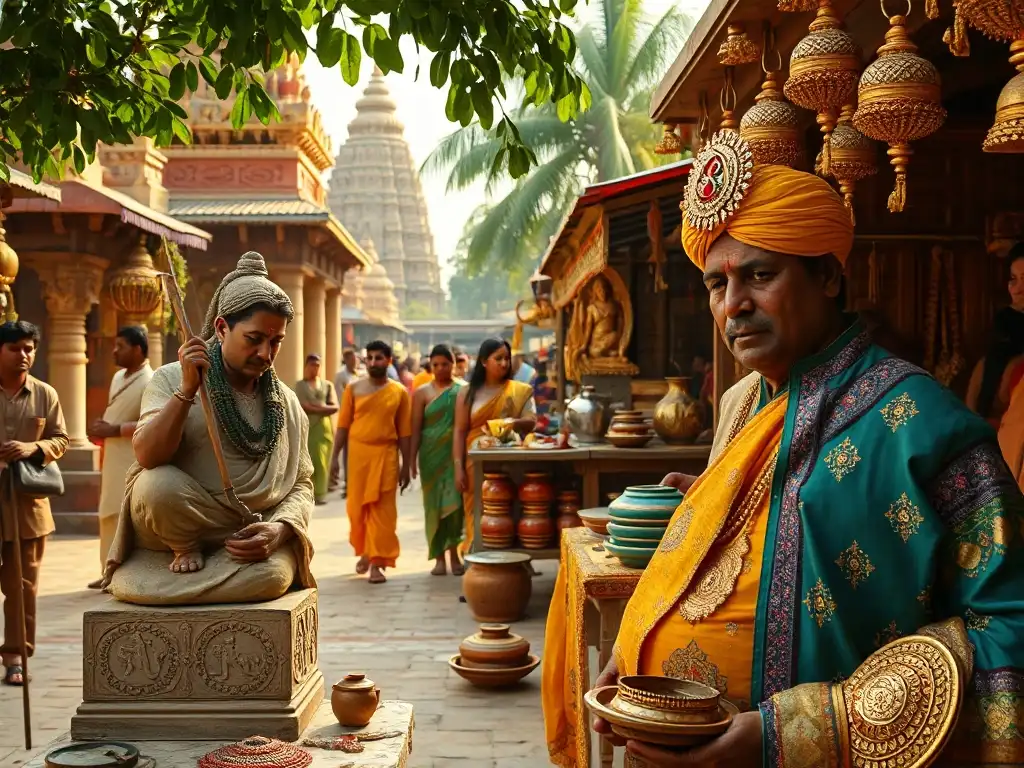
Welcome to Ancient India History, where we embark on a fascinating journey through time to uncover the rich tapestry of ancient Indian civilizations. Here, we delve into the profound cultural exchanges that shaped the artistic landscape of the Gupta Empire. In our featured article, "Gupta Art in Trade: Cultural Exchange Through Material Goods," we invite you to explore how trade routes not only facilitated the exchange of goods but also sparked a vibrant dialogue between diverse cultures.
What hidden stories lie within the artifacts of this golden age? Join us as we unravel the intricate connections and contributions that continue to influence us today.
- Gupta Art Cultural Exchange: An Overview
- The Role of Trade in Gupta Art Cultural Exchange
- Artistic Influences from Neighboring Cultures
- Material Goods as Catalysts of Cultural Exchange
- Iconography and Themes in Gupta Art
- Legacy of Gupta Art and Its Cultural Impact
- Conclusion: The Enduring Legacy of Gupta Art Cultural Exchange
- Frequently Asked Questions
- Final Reflection: The Enduring Legacy of Gupta Art in Cultural Exchange
- Unveil the Rich Tapestry of Gupta Art in Your World!
Gupta Art Cultural Exchange: An Overview
The Gupta Empire, often referred to as the "Golden Age of India," marks a pivotal period in ancient Indian history, particularly in the realms of art and culture. Spanning approximately from the 4th to the 6th century CE, this era witnessed remarkable advancements and innovations that shaped not only local traditions but also influenced neighboring civilizations.
One of the most intriguing aspects of this period is the role of Gupta art as a medium of cultural exchange, facilitated through trade and interactions with distant lands. This article delves into the intricate tapestry of Gupta art, examining how material goods served as conduits for the exchange of ideas, beliefs, and artistic styles, thereby enriching the cultural landscape of ancient India and beyond.
Understanding Gupta Art
Gupta art is characterized by its elegance and refinement, reflecting the artistic sensibilities of a society that valued both spiritual and aesthetic dimensions. Emerging primarily from the religious contexts of Hinduism and Buddhism, Gupta art encompasses a variety of forms, including sculpture, architecture, and painting. Key features include:
- Sculptural Excellence: The Gupta period is renowned for its exquisite stone sculptures, which often depict deities and mythological scenes with a level of detail and realism that had never been seen before. The use of soft sandstone allowed for intricate carvings that conveyed both grace and dynamism.
- Architectural Innovations: Temples built during this time, such as those in Uttar Pradesh and Madhya Pradesh, showcase advancements in structural design and ornamentation. Notable examples include the Dashavatara Temple in Deogarh and the Kandariya Mahadeva Temple in Khajuraho.
- Painting: The frescoes found in the Ajanta Caves exemplify the vibrant colors and complex narratives that characterize Gupta painting. These artworks not only serve religious purposes but also depict daily life, showcasing the socio-cultural dynamics of the time.
The emergence of such art forms was not an isolated phenomenon; rather, it was a reflection of the broader cultural exchanges facilitated by trade routes that connected India with other regions, including Central Asia, the Mediterranean, and beyond.
The Significance of Cultural Exchange in Ancient India
Cultural exchange played a crucial role in shaping the identity and development of ancient Indian civilizations, particularly during the Gupta Empire. The interplay of different cultures and ideas led to significant transformations in art, philosophy, and social structures. Key aspects of this cultural exchange include:
- Trade Routes as Cultural Highways: The establishment of trade routes, such as the Silk Road, enabled the flow of not just goods but also ideas. Merchants and travelers acted as carriers of culture, introducing new artistic styles and religious beliefs to Indian society.
- Religious Syncretism: The interaction between various religious traditions, including Hinduism, Buddhism, and Jainism, contributed to the evolution of artistic expressions. For instance, the incorporation of Greco-Buddhist styles in sculpture reflects the blending of Indian and Hellenistic influences.
- Material Goods as Cultural Symbols: Items traded during the Gupta period, such as textiles, spices, and precious stones, were not merely commodities; they were also symbols of cultural identity. Their exchange fostered a sense of unity and shared heritage among diverse populations.
- Intellectual Exchange: The Gupta Empire was a hub of learning, attracting scholars from various regions. This intellectual exchange contributed to advancements in fields like mathematics, astronomy, and philosophy, influencing not only India but also other cultures.
The Gupta art cultural exchange was a dynamic process that enriched the artistic and cultural landscape of ancient India. Through trade and interactions, the Gupta Empire became a melting pot of ideas, where material goods served as vital links in the tapestry of cultural dialogue. This exploration of Gupta art highlights the profound impact of cultural exchange on shaping the heritage of one of history's most influential civilizations.
The Role of Trade in Gupta Art Cultural Exchange
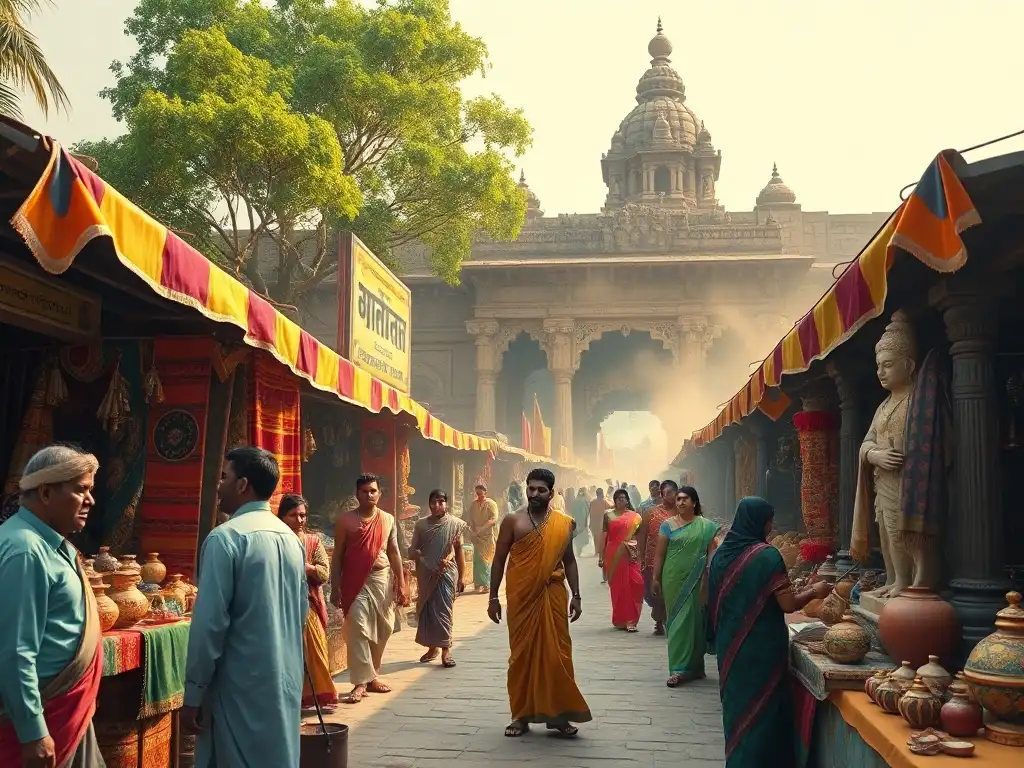
The Gupta Empire, flourishing between the 4th and 6th centuries CE, is often referred to as the Golden Age of India due to its remarkable advancements in arts, science, and culture. A significant factor contributing to this flourishing of Gupta art was the extensive trade network that connected India to various regions across Asia and beyond. Trade not only facilitated the exchange of goods but also served as a conduit for cultural interactions, influencing artistic expressions and styles within the Gupta Empire.
Trade Routes and Their Impact on Gupta Civilization
The Gupta Empire thrived on a complex web of trade routes that spanned both land and sea. Key routes included:
- Silk Road: Connecting India with Central Asia, this ancient trade route allowed for the exchange of silk, spices, and precious stones, which were highly sought after in various markets.
- Maritime Trade Routes: The Indian Ocean trade network linked the Gupta Empire to regions such as Southeast Asia, Africa, and the Middle East. Goods like textiles, spices, and decorative items were exchanged, fostering a rich cultural dialogue.
Through these trade routes, the Gupta Empire not only exported its products but also imported diverse influences that enriched its artistic landscape. For instance, the influx of Hellenistic art styles influenced Gupta sculptures and architectural designs.
Additionally, the presence of foreign merchants and travelers in Gupta cities, such as Pataliputra, facilitated cultural exchanges that shaped the local art scene. The movement of peoples and ideas contributed to a vibrant synthesis of artistic traditions, leading to distinctive forms of Gupta art characterized by unique iconography and stylistic elements.
Key Trade Goods and Their Artistic Influence
Several key trade goods played a crucial role in shaping Gupta art and reflecting the cultural exchanges that occurred during this period:
- Textiles:
- The Gupta Empire was renowned for its exquisite textiles, particularly silks and cotton fabrics. The vibrant colors and intricate patterns of these textiles influenced artistic representations in sculpture and painting.
- Decorative motifs from textile designs often found their way into stone carvings and frescoes, demonstrating a blend of functional and aesthetic values.
- Metals and Jewelry:
- The trade of precious metals, such as gold and silver, led to the creation of intricate jewelry that showcased skilled craftsmanship. This jewelry often depicted mythological themes and was used in both religious and secular contexts.
- Metalwork techniques acquired through trade with regions such as Persia and the Mediterranean influenced the sophistication of Gupta metal sculptures and decorative arts.
- Spices and Aromatics:
- Spices were not only valuable as commodities but also played a role in religious and cultural practices. The use of aromatic substances in rituals influenced temple architecture and the decorative aspects of worship spaces.
- Artistic expressions related to trade in spices can be observed in various sculptures and reliefs that depict trade scenes and the significance of these goods in daily life.
- Pottery and Ceramics:
- The exchange of pottery styles, particularly from regions like China and Southeast Asia, introduced new techniques and forms that were adapted by Gupta artisans. The influence can be seen in the refinement of glazed ceramics and painted pottery that emerged during this period.
The interplay of these goods not only enriched the artistic vocabulary of the Gupta Empire but also underscored the significance of trade as a vehicle for cultural exchange. As artisans incorporated diverse influences into their work, Gupta art became a unique representation of a society that thrived on interaction, dialogue, and creativity.
The Gupta art cultural exchange was fundamentally shaped by the vibrant trade networks of the time, which allowed for the flow of ideas, materials, and artistic practices, leading to the rich and diverse artistic heritage that characterizes this remarkable period in ancient Indian history.
Artistic Influences from Neighboring Cultures
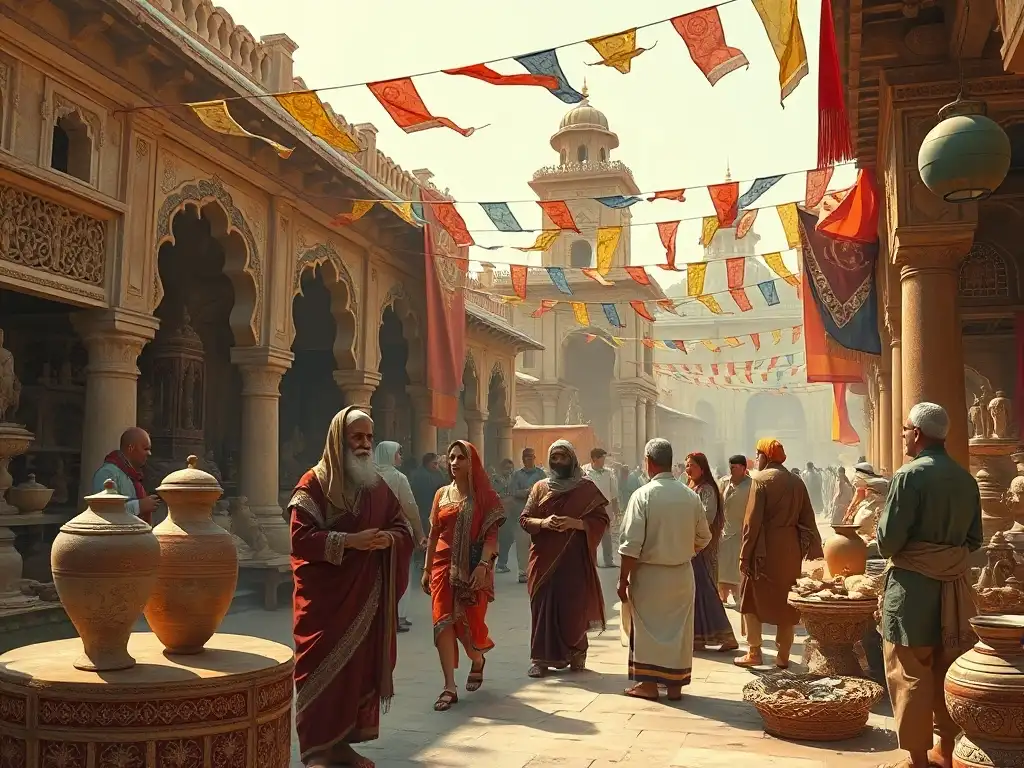
The Gupta Empire, often referred to as the Golden Age of India, witnessed a flourishing of art that was deeply influenced by cultural exchanges with neighboring civilizations. This period, spanning from approximately 320 to 550 CE, saw the convergence of various artistic styles and techniques, which enriched Gupta art and contributed to its distinctiveness. The interactions with Hellenistic, Persian, and Southeast Asian cultures played a pivotal role in shaping the artistic landscape of this era.
The Interaction with Hellenistic Art
The spread of Hellenistic art into the Indian subcontinent can be traced back to the conquests of Alexander the Great in the 4th century BCE. This early contact laid the groundwork for a significant cultural exchange that would continue into the Gupta period. Hellenistic influences are evident in several aspects of Gupta art, particularly in sculpture and architecture.
- Sculptural Techniques: Gupta sculptors employed techniques borrowed from Hellenistic traditions, such as the use of drapery and realistic human forms. The depiction of figures with intricate folds in their clothing showcases a mastery of anatomy reminiscent of Greek sculptures.
- Iconography: The representation of mythological themes also reflects Hellenistic influence. For instance, the portrayal of the Buddha in various poses, a practice popularized by Hellenistic styles, can be observed in Gupta sculpture.
The synthesis of these artistic traditions resulted in a unique fusion, enhancing the aesthetic appeal and emotive power of Gupta art. This interplay between Hellenistic and Indian styles exemplifies the broader phenomenon of cultural exchange that characterized the Gupta Empire.
The Influence of Persian Artistic Traditions
The Persian Empire’s vast reach and its interactions with the Indian subcontinent significantly influenced Gupta art. As trade routes flourished, materials and artistic techniques traversed borders, enriching local practices.
- Materials and Techniques: Persian artisans were known for their advanced techniques in metalwork and ceramics. The Gupta artists adopted these methods, leading to the creation of exquisite bronze sculptures and pottery that featured intricate designs and vibrant colors.
- Architectural Elements: Persian architectural styles, characterized by grand structures and elaborate decorations, found their way into Gupta building practices. The use of domes and arches, as well as the incorporation of floral and geometric motifs, can be traced back to Persian influences.
This cross-cultural interaction not only enhanced the aesthetic qualities of Gupta art but also facilitated the exchange of ideas and techniques that would shape future artistic developments in the region.
Indian Subcontinent's Interactions with Southeast Asia
The Gupta Empire's reach extended beyond the Indian subcontinent, influencing and being influenced by the various cultures of Southeast Asia. This interaction was facilitated by trade, migration, and the spread of religious ideologies, particularly Buddhism and Hinduism.
- Buddhist Art and Iconography: The Gupta period marked a significant spread of Buddhism into Southeast Asia. Gupta art played a crucial role in shaping the iconography of Buddhist sculptures in regions such as present-day Indonesia and Thailand. The style of Buddha images originating from this era influenced local artisans, who adapted these forms to reflect their cultural contexts.
- Cultural Exchange through Trade: The flourishing trade routes connecting India with Southeast Asia enabled the exchange of not just material goods but also artistic styles. Artifacts such as textiles, ceramics, and jewelry from the Gupta period found their way into Southeast Asian markets, showcasing the intricate designs and craftsmanship of Indian artisans.
The artistic influences from Southeast Asia, in turn, enriched Gupta art, leading to a dynamic exchange that fostered creativity and innovation across regions. This interconnectedness is a testament to the Gupta Empire's role as a cultural bridge in the ancient world.
Material Goods as Catalysts of Cultural Exchange
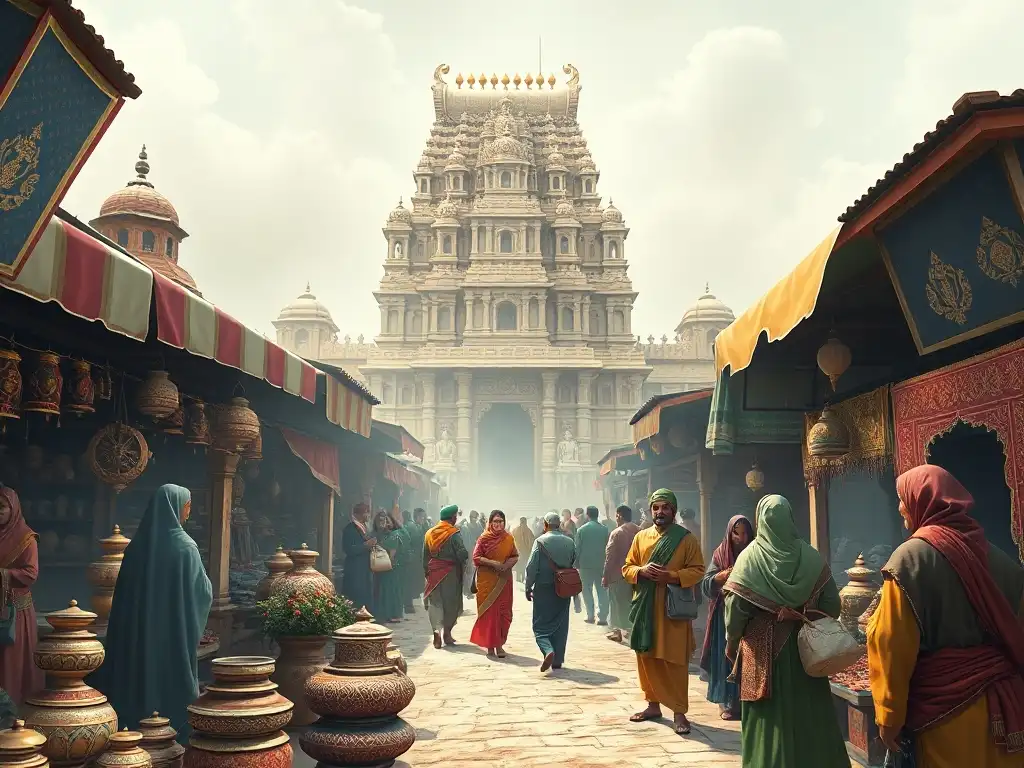
The Gupta Empire, flourishing from the 4th to the 6th centuries CE, was a significant period in ancient Indian history that witnessed an unprecedented level of cultural exchange facilitated by the trade of material goods. This exchange was not only limited to goods but also encompassed ideas, artistic styles, and religious beliefs, thereby enriching Gupta art and culture. The movement of goods across trade routes enabled interactions between diverse cultures, leading to a dynamic fusion of artistic traditions.
The Role of Textiles in Gupta Artistic Expression
Textiles played a central role in Gupta art cultural exchange, reflecting the empire’s rich artistic heritage and trade networks. The Gupta artisans were renowned for their intricate weaving techniques, producing exquisite silk and cotton fabrics that were highly sought after in both local and international markets.
- Silk Trade: The trade of silk, particularly with regions like China, introduced new patterns and dyeing techniques to Indian textile arts.
- Symbolism in Patterns: Many textiles featured motifs inspired by nature, mythology, and folklore, illustrating the blend of cultural influences.
The impact of textiles can be seen in the luxurious garments worn by royalty and deities in Gupta sculptures, showcasing the skill of artisans who merged influences from various cultures into their work. This not only elevated the status of textiles as art forms but also promoted cultural narratives through wearable art.
Pottery and Its Cultural Significance in Trade
Pottery during the Gupta period was an essential medium for both functional and artistic expression. The craftsmanship in pottery not only met daily needs but also served as a canvas for cultural exchange.
- Trade Pottery: Gupta pottery was often marked by fine craftsmanship and unique styles, such as the use of red slip and intricate designs. These pieces were traded extensively, influencing pottery styles in regions such as Southeast Asia.
- Cultural Motifs: The designs often featured mythological themes and local flora and fauna, serving as a reflection of the cultural identity of the Gupta people while simultaneously incorporating external influences.
The discovery of Gupta pottery in distant lands underscores the extent of trade networks and the cultural interactions that took place. Each piece tells a story, illustrating how daily objects can transcend their utilitarian purpose to become significant markers of cultural exchange.
Metalwork and Jewelry as Symbols of Cultural Blending
Metalwork and jewelry from the Gupta era represent a pinnacle of artistry and cultural synthesis. The skilled Gupta artisans were adept at creating intricate metal objects, including coins, statues, and jewelry that showcased their expertise and the influences of various cultures.
- Influence and Technique: The techniques used in Gupta metalwork, such as the lost-wax casting method, demonstrate a blend of local innovation and external influences, particularly from regions like Persia and the Hellenistic world.
- Jewelry as Identity: Gupta jewelry often featured intricate designs with gemstones, reflecting both aesthetic beauty and cultural significance. The motifs used in jewelry pieces frequently echoed themes from Gupta art, blending local traditions with those encountered through trade.
These metal artifacts not only served practical purposes but also acted as symbols of status and identity, illustrating how cultural blending occurred through the medium of art. The exchange of metal goods reinforced social ties and facilitated the sharing of artistic techniques across regions.
The material goods traded during the Gupta Empire were pivotal in fostering cultural exchange. From textiles to pottery and metalwork, each element contributed to an intricate tapestry of artistic expression that defined the era, enhancing the understanding of Gupta art cultural exchange within the broader context of ancient Indian civilizations.
Iconography and Themes in Gupta Art
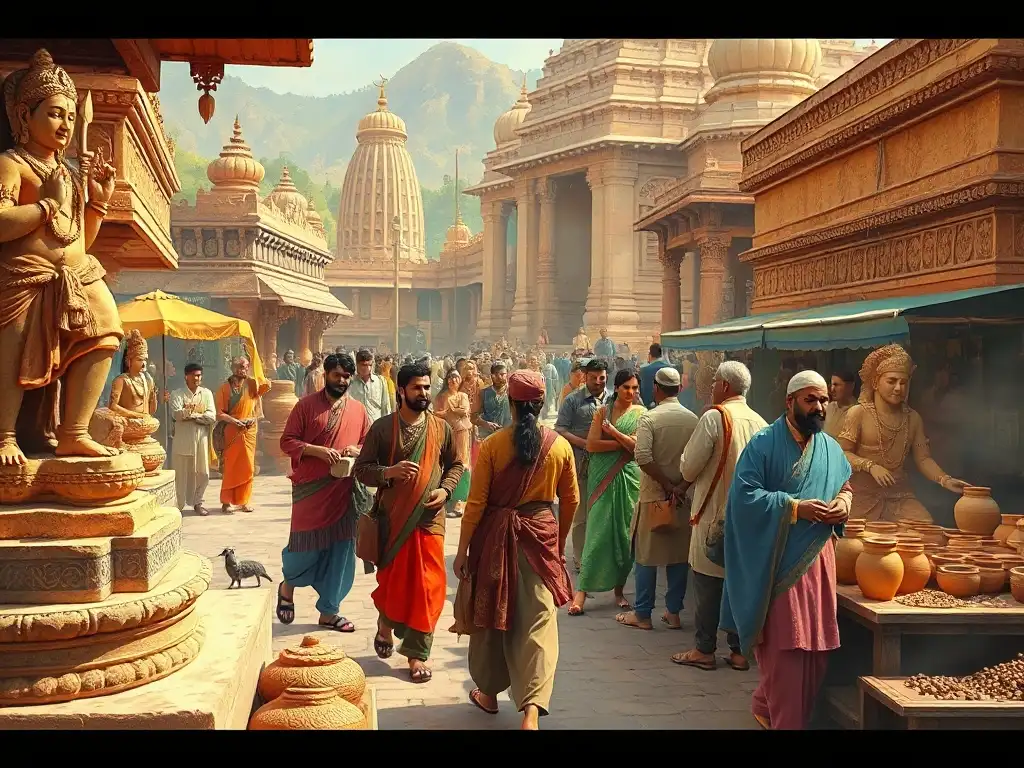
The Gupta period, often referred to as the Golden Age of India, is characterized by a remarkable flourishing of art and culture. Iconography in Gupta art is rich and diverse, reflecting the complex social, religious, and economic landscape of the time. The themes depicted in art from this era not only showcase the aesthetic sensibilities of the period but also reveal the intricate networks of cultural exchange that powered the Gupta Empire’s prosperity.
Religious Symbols and Their Cultural Interpretation
Religious iconography forms a significant aspect of Gupta art, revealing the spiritual beliefs and practices of the time. The most prominent symbols include:
- Hindu Deities: The Gupta period saw a rise in the representation of deities such as Vishnu, Shiva, and Durga. These figures were often depicted in intricate carvings, showcasing their divine attributes and stories. For instance, sculptures of Vishnu in his various avatars, such as Narasimha and Vamana, highlight the theological developments and the evolving nature of worship during this period.
- Buddhist Motifs: As Buddhism continued to thrive, iconography associated with it remained influential. The depiction of the Bodhisattva and scenes from the life of Buddha were prevalent. The use of symbols like the lotus, representing purity and enlightenment, further illustrates the blend of religious themes in Gupta art, indicating a shared cultural narrative across different faiths.
- Jain Imagery: Jain art also found its place in the Gupta period, with an emphasis on non-violence and spiritual purity. The figures of Tirthankaras, particularly Mahavira and Parshvanatha, were often carved in stone, reflecting Jain values and ethics.
The representation of these symbols reveals the interconnectedness of different religious traditions during the Gupta Empire, emphasizing how cultural exchange influenced artistic expression.
The Representation of Daily Life and Trade in Gupta Art
Gupta art is not limited to religious symbolism; it also provides a vivid portrayal of daily life and trade. Artistic representations often include:
- Scenes of Agriculture and Craftsmanship: Numerous murals and sculptures depict agricultural activities, showcasing the agrarian economy that was fundamental to the Gupta Empire. Farmers are often illustrated with tools and crops, symbolizing the importance of agriculture in sustaining trade and wealth.
- Marketplaces and Trade Goods: Artworks often feature bustling marketplaces, showcasing the vibrant trade culture of the Gupta period. Items such as textiles, pottery, and metalwork are commonly represented, highlighting the exchange of goods both within the empire and with neighboring regions.
- Social Interactions: The portrayal of everyday life extends to social interactions, including family gatherings and community festivals. These scenes illustrate the cultural practices and societal norms of the time, emphasizing the role of community in trade and daily activities.
The depictions of daily life in Gupta art serve as a visual narrative of the period's economy and social structure, underscoring the significance of cultural exchange in shaping these dynamics.
The Evolution of Artistic Styles through Cultural Exchange
The Gupta period is characterized by a significant evolution in artistic styles, heavily influenced by cultural exchange. Key factors include:
- Trade Routes and Cultural Exchange: The extensive trade routes established during the Gupta Empire facilitated the exchange of ideas and artistic techniques. Contacts with regions such as Central Asia, the Mediterranean, and Southeast Asia introduced new artistic styles and materials, leading to a fusion of local and foreign elements in Gupta art.
- Influence of Foreign Art Styles: The incorporation of Hellenistic and Persian artistic techniques can be observed in the sculptures and reliefs from this period. Features such as realistic proportions, detailed drapery, and dynamic poses reflect these influences, showcasing the adaptability of Gupta artists to incorporate external styles while maintaining their unique identity.
- Regional Variations: The Gupta Empire's vast expanse led to regional artistic variations. Different areas adapted the core Gupta style to reflect local traditions and preferences. For instance, the art from Mathura is noted for its voluptuous figures and intricate details, while the style from Sarnath is characterized by its serene expressions and spiritual themes.
The evolution of artistic styles during the Gupta Empire exemplifies the profound impact of cultural exchange, illustrating how interactions with diverse cultures enriched Gupta art and contributed to its legacy.
Gupta art serves as a testament to the rich tapestry of cultural exchange, encapsulating the interplay between religion, daily life, and artistic evolution. The intricate iconography and themes present in this period provide invaluable insights into the socio-economic and cultural fabric of ancient Indian civilization.
Legacy of Gupta Art and Its Cultural Impact
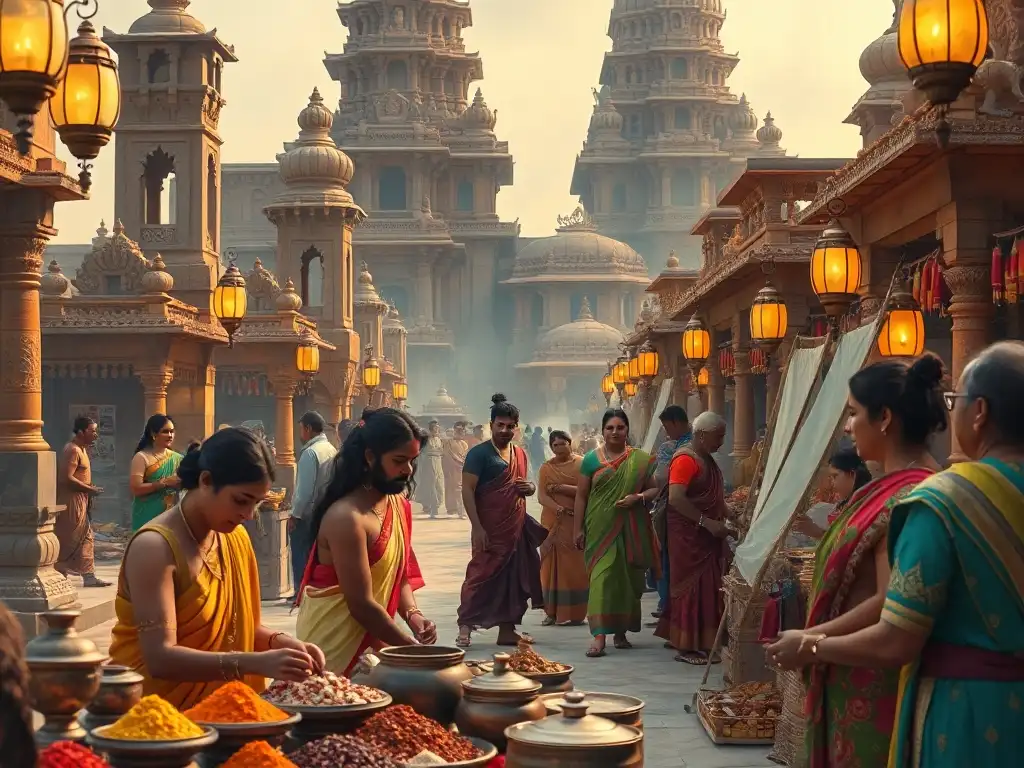
The Gupta Empire, often referred to as the Golden Age of India, has left an indelible mark on the cultural and artistic landscape of the subcontinent. Gupta art is characterized by its intricate craftsmanship, religious themes, and the use of diverse materials, which not only reflect the ethos of the time but also facilitated a profound cultural exchange with neighboring regions. The legacy of Gupta art encompasses not only the aesthetic dimensions but also its influence on subsequent artistic movements across India and beyond.
The Long-term Effects of Gupta Art on Subsequent Indian Art Movements
The impact of Gupta art on Indian art can be observed through various subsequent movements, particularly during the medieval period. This influence manifested in several ways:
- Iconography and Themes: Gupta art established a standardized form of iconography that depicted Hindu deities with an emphasis on grace and idealized beauty. This was foundational for later styles, including the Chola and Rajput art, which borrowed heavily from Gupta motifs.
- Architectural Innovations: The introduction of complex temple architecture during the Gupta period set the stage for future developments. The use of shikhara (temple spires) and mandapa (pillared halls) became prominent features in later temple constructions across India.
- Regional Variations: As Gupta art spread through trade and cultural exchange, regions such as the Deccan and Bengal began to develop their interpretations. For example, the unique styles of the Western Indian caves and the temple architecture in Tamil Nadu can trace their roots back to Gupta influences.
- Sculptural Techniques: The finesse in sculpture during the Gupta period, characterized by smooth surfaces and delicate features, became a benchmark for later artists. The techniques and materials used, including the extensive use of sandstone, continued to flourish in subsequent dynasties.
- Influence Beyond Borders: Gupta art also played a vital role in cultural exchanges with Southeast Asia. The artistic styles from Gupta sculptures and murals were adopted and adapted in countries like Cambodia and Indonesia, illustrating the far-reaching effects of Gupta aesthetics.
The long-term effects of Gupta art are evident in the continuity and evolution of artistic traditions, highlighting a rich tapestry of cultural exchange that traversed both time and geography.
Preserving Gupta Art: Modern Interpretations and Exhibitions
In contemporary times, the preservation and interpretation of Gupta art have taken on new dimensions, with various initiatives aimed at showcasing its richness to a global audience. Here are some key aspects of how Gupta art is being preserved and appreciated today:
- Museums and Exhibitions: Numerous museums in India and around the world have dedicated sections for Gupta art. These exhibitions showcase sculptures, coins, and paintings, often accompanied by detailed descriptions that explain the historical context and significance.
- Digital Archives: With advancements in technology, many institutions are creating digital archives of Gupta art. These online platforms allow for broader access and help educate a global audience about the intricacies of Gupta craftsmanship and themes.
- Art Restoration Projects: Various organizations are involved in the restoration of ancient Gupta artifacts. These projects not only aim to preserve the physical integrity of the art but also seek to retain the cultural narratives associated with them.
- Academic Research and Publications: Scholars continue to explore the nuances of Gupta art through research papers, books, and conferences. This academic engagement enriches our understanding and appreciation of the cultural exchange that defined the Gupta period.
- Cultural Festivals: Events celebrating Gupta art and culture are held periodically, promoting traditional crafts and performances inspired by Gupta aesthetics. These festivals serve as platforms for artists to showcase their work while connecting modern interpretations with ancient traditions.
Through these efforts, Gupta art continues to inspire and educate, ensuring that its legacy endures for future generations. The cultural exchange that occurred during the Gupta Empire remains a pivotal chapter in the history of Indian art, reflecting a vibrant interplay of creativity, spirituality, and trade.
Conclusion: The Enduring Legacy of Gupta Art Cultural Exchange
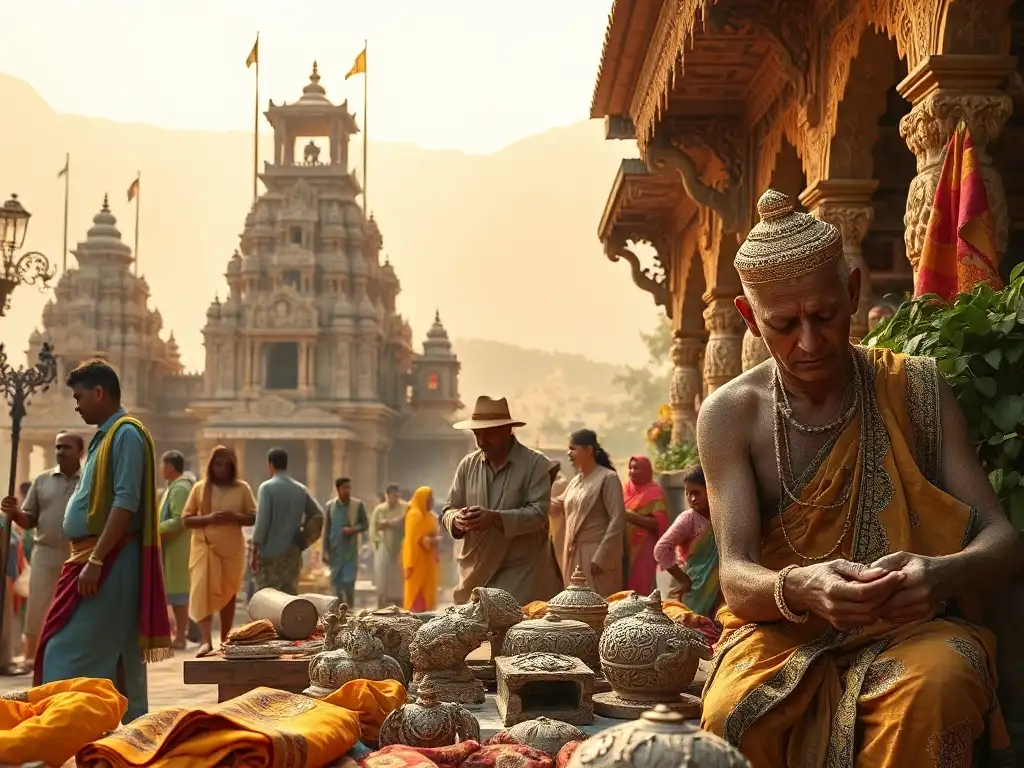
The Gupta Empire, often heralded as a golden age of Indian history, was not only marked by advancements in political stability and scientific achievements but also by a vibrant cultural exchange facilitated through trade. The artistic expressions during this period were deeply intertwined with the socio-economic interactions that occurred across the Indian subcontinent and beyond. This legacy of Gupta art cultural exchange is evident in the remarkable fusion of styles, techniques, and themes that emerged from various cultural influences.
The artistic developments seen during the Gupta period reflect a dynamic dialogue between local traditions and external influences. Trade routes opened up channels for the exchange of both material goods and artistic ideas, resulting in a unique blend of indigenous and foreign elements. This synthesis led to the proliferation of diverse art forms, from intricate sculptures to stunning frescoes, that not only served aesthetic purposes but also conveyed complex narratives about society, religion, and identity.
Reflections on Cultural Exchange in Art History
Cultural exchange in art history is a multifaceted phenomenon that can be analyzed through various lenses, such as trade, migration, and conquest. The Gupta Empire serves as a prime example of how these interactions can shape artistic expressions.
- Trade and Artistic Techniques: The flourishing trade networks during the Gupta period allowed artisans to incorporate techniques and materials from distant lands. For instance, the use of stucco in sculpture, influenced by Hellenistic practices, showcases how cross-cultural interactions enriched local traditions.
- Religious Syncretism: The Gupta period was characterized by a significant religious pluralism, with Hinduism, Buddhism, and Jainism coexisting and influencing each other. Artistic representations often blended iconography from these traditions, reflecting a shared cultural heritage that transcended religious boundaries.
- Symbolism and Narrative: The narratives depicted in Gupta art often drew from both local folklore and universal themes, allowing for a broader interpretation of cultural identity. The incorporation of motifs from different cultures illustrated a shared human experience, emphasizing the interconnectedness of societies.
The Gupta Empire's art is a testament to the power of cultural exchange, revealing how trade can serve as a catalyst for artistic innovation and transformation.
Future Directions for Research on Gupta Art and Trade
As scholars continue to explore the rich tapestry of Gupta art, several avenues for future research emerge:
- Archaeological Investigations: Ongoing excavations in key sites like Sarnath and Ujjain provide opportunities to uncover new artifacts and contextualize them within trade networks. This could lead to a deeper understanding of the geographical spread of artistic styles.
- Interdisciplinary Approaches: Combining art history with anthropology, economics, and material culture studies could yield insights into the socio-economic conditions that fostered artistic exchange. For example, examining trade goods alongside artistic artifacts might reveal correlations between economic prosperity and artistic output.
- Digital Humanities: Utilizing digital tools to map trade routes and analyze the movement of artistic ideas can enhance our understanding of Gupta art's cultural exchange. Collaborative platforms may also facilitate global scholarly discourse, allowing for a richer exploration of these themes.
- Comparative Studies: Investigating Gupta art in relation to contemporary civilizations, such as the Roman Empire and the Sassanian Empire, could illuminate the broader context of cultural exchange during this period. Comparative analyses may reveal shared motifs and techniques that underscore the interconnectedness of ancient civilizations.
The legacy of Gupta art cultural exchange is profound and enduring, inviting continued exploration and appreciation of the complexities that shaped ancient Indian civilizations. Through ongoing research and interdisciplinary collaboration, we can further unravel the intricate narratives embedded within Gupta art and its role in the cultural exchanges that defined an era.
Frequently Asked Questions
What is Gupta art known for?
Gupta art is known for its exquisite craftsmanship, particularly in sculpture and architecture, which reflects the cultural richness of ancient India during the Gupta period.
How did trade influence Gupta art?
Trade during the Gupta period facilitated cultural exchange, leading to the incorporation of various artistic styles and motifs from neighboring regions into Gupta art.
What materials were commonly used in Gupta art?
Gupta artists primarily utilized stone, metal, and terracotta to create intricate sculptures and decorative items, showcasing their technical skill and artistic vision.
How did the Gupta Empire contribute to cultural exchange?
The Gupta Empire served as a hub of trade, connecting various regions and enabling the exchange of ideas, goods, and artistic techniques among different cultures.
What are some examples of Gupta art?
Notable examples of Gupta art include the Buddha statues at Sarnath, the Ajanta Caves, and the beautifully detailed temple carvings, all illustrating the sophistication of this period.
Final Reflection: The Enduring Legacy of Gupta Art in Cultural Exchange
Gupta art cultural exchange remains a vital thread in the tapestry of human history, illustrating how the movement of material goods transcends mere commerce to foster profound cultural dialogues. In today’s globalized world, where trade routes are no longer confined to geographical boundaries, the lessons from Gupta art remind us that the exchange of ideas, beliefs, and artistic expressions is as crucial now as it was centuries ago. The vibrant artistry of the Gupta period serves as a testament to the power of cultural interconnectivity, demonstrating that art can bridge divides and create shared narratives.
The influence of Gupta art extends far beyond its time, shaping not only the artistic landscape of India but also impacting cultures across Asia and beyond. The intricate sculptures and exquisite paintings from this era reflect a confluence of ideas that continue to inspire contemporary artists and scholars alike. As we navigate our own cultural exchanges today, we can draw from the wisdom of the past. Art is the most beautiful of all lies.
This quote encapsulates the essence of how art can convey truths about our shared humanity, transcending the limitations of language and geography.
As you reflect on the themes of Gupta art and cultural exchange, consider how you can engage with the world around you. Embrace the diversity of cultures and ideas that surround you, and seek to understand the stories behind the art you encounter. Whether through travel, study, or simply engaging with your local community, let the spirit of Gupta art inspire you to foster connections and celebrate the rich tapestry of human expression. In doing so, you contribute to a legacy of cultural exchange that honors the past while paving the way for a more interconnected future.
Unveil the Rich Tapestry of Gupta Art in Your World!
Thank you for diving into the fascinating realm of Gupta art and the vibrant cultural exchanges it sparked! Your exploration has illuminated how material goods shaped not only trade but also our shared heritage. Now, let’s take what you've learned and put it into action!
Here are a few ways you can continue your journey into this captivating subject:
- Engage with Art: Visit a local gallery or museum that features Gupta art or related themes, and experience the beauty firsthand.
- Share Knowledge: Discuss your insights with friends or online communities – your knowledge could inspire others to delve into the history of Gupta art!
- Explore Further: Investigate other significant cultural exchanges throughout history to uncover how art has shaped societies around the globe.
What aspect of Gupta art captivates you the most, and why? We invite you to share your thoughts in the comments below!