
The Role of Festivals and Celebrations in Gupta Culture

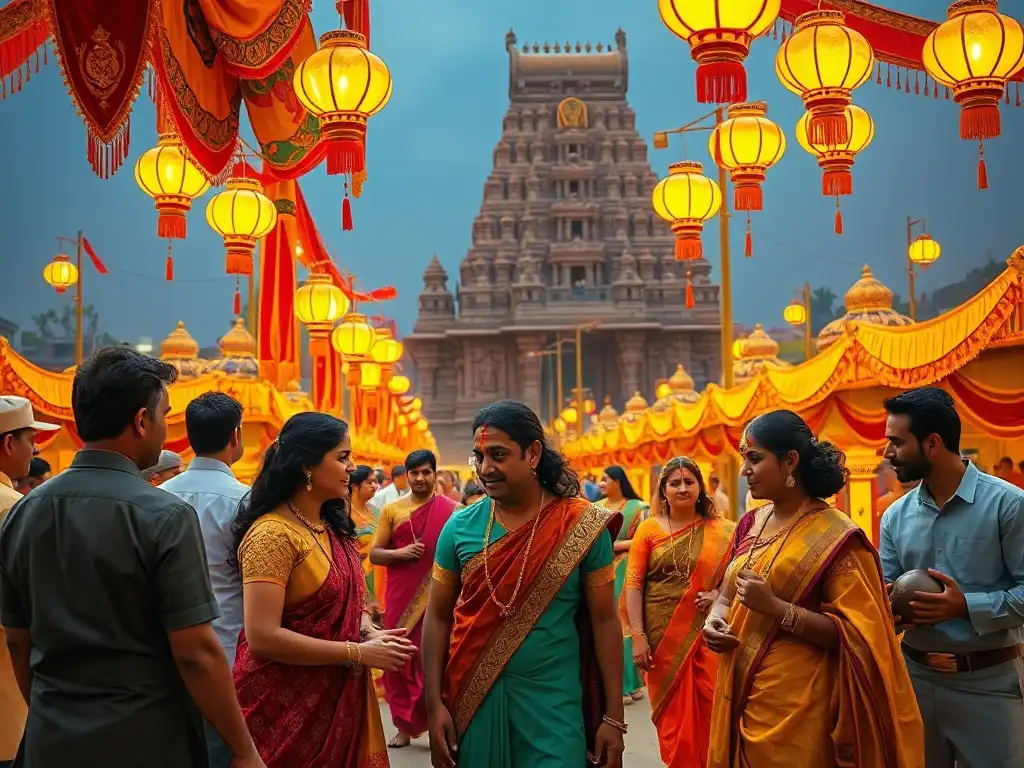
Welcome to Ancient India History, where we embark on a fascinating journey through the rich tapestry of India’s past. Dive into the vibrant world of the Gupta Empire, where festivals and traditions played a pivotal role in shaping the cultural landscape. In our featured article, “The Role of Festivals and Celebrations in Gupta Culture,” we unravel the significance of these joyous occasions and how they reflect the values and beliefs of this remarkable civilization.
Get ready to explore the colorful celebrations that brought communities together and left a lasting legacy. Your adventure into the heart of ancient Indian history begins now!
Introduction to Gupta Empire Festivals and Traditions
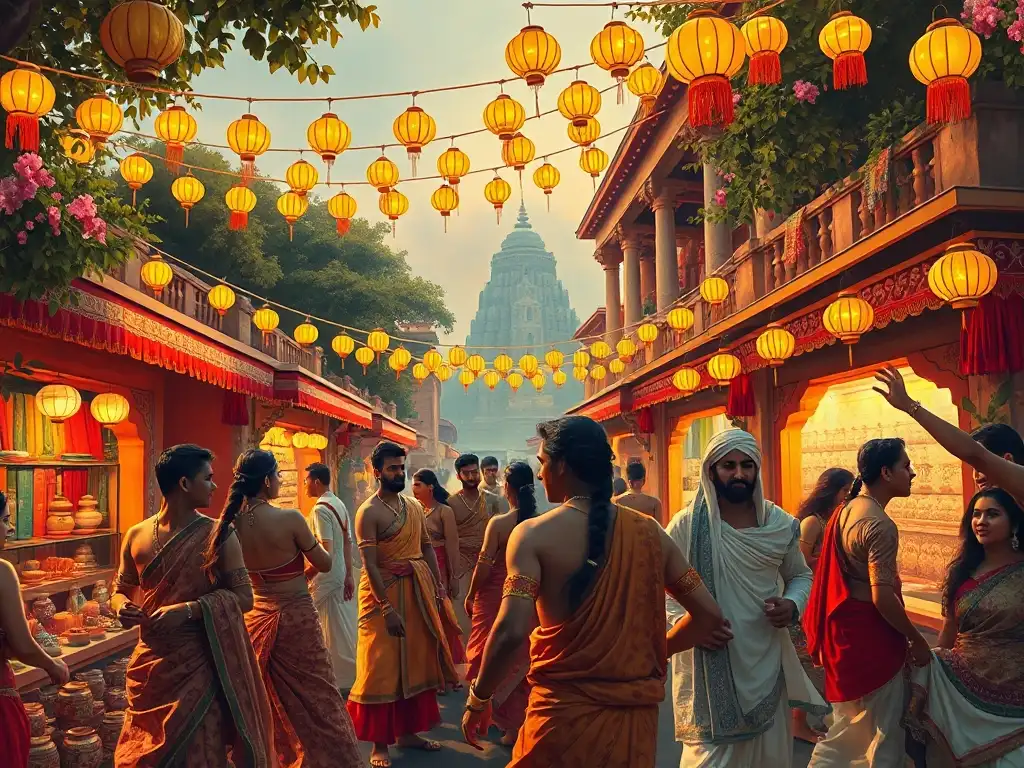
The Gupta Empire, often referred to as the Golden Age of India, thrived from approximately 240 to 550 CE, marking a significant period of cultural, artistic, and scientific advancements. Central to this vibrant era were the festivals and celebrations that not only fostered community spirit but also reflected the diverse traditions and beliefs of ancient Indian society.
These events served as a means of uniting people across different regions and backgrounds, providing a sense of identity and belonging within the expansive Gupta Empire. This article delves into the various festivals and traditions that characterized Gupta culture, highlighting their importance in the social fabric of the time.
Overview of the Gupta Empire
The Gupta Empire, founded by Maharaja Sri Gupta, encompassed a large portion of the Indian subcontinent, including present-day India, Bangladesh, and parts of Pakistan and Nepal. Renowned for its achievements in art, literature, mathematics, and science, the Gupta period is often celebrated for the promotion of Hinduism and the development of significant philosophical and religious ideas. The empire's capital, Pataliputra, became a hub for scholars, artists, and traders, fostering a rich cultural environment where festivals played a crucial role in daily life.
Importance of Festivals in Ancient Indian Culture
Festivals in ancient India were more than mere celebrations; they were deeply intertwined with social and religious practices. They provided opportunities for:
- Community Bonding: Festivals brought people together, strengthening relationships among families, friends, and neighbors.
- Religious Observance: Many festivals had religious significance, allowing individuals to express devotion to deities and seek blessings.
- Cultural Expression: Through music, dance, and art, festivals showcased the rich heritage and creativity of the society.
- Agricultural Celebrations: Certain festivals were linked to seasonal changes and agricultural cycles, marking important times for harvesting and planting.
In the context of the Gupta Empire, these festivals not only celebrated religious beliefs but also served to highlight the empire's prosperity and cultural richness.
Major Festivals Celebrated During the Gupta Period
Vishnu Jayanti: Celebration of the Preserver
Vishnu Jayanti, marking the birth of Lord Vishnu, was one of the most significant festivals during the Gupta period. Devotees celebrated this day with fervor, engaging in rituals that included prayers, offerings, and elaborate temple ceremonies. The festival emphasized the protective and sustaining aspects of Vishnu, reflecting the empire's deep-rooted belief in divine intervention in worldly affairs.
Durga Puja: Honoring the Goddess
Durga Puja, dedicated to the goddess Durga, was an essential celebration that symbolized the victory of good over evil. This festival involved intricate rituals, including the creation of beautiful idols and vibrant processions. The community would come together to honor the goddess with fasting, prayers, and offerings, showcasing the artistic talents of the time through elaborate decorations and performances.
Makar Sankranti: The Harvest Festival
Makar Sankranti was celebrated as a harvest festival, marking the transition of the sun into the zodiac sign of Capricorn. This festival heralded the end of winter and the beginning of the harvest season. People participated in various activities such as kite flying, feasting on seasonal foods, and performing traditional dances, reflecting the agrarian lifestyle that was prevalent during the Gupta era.
Holi: The Festival of Colors
Holi, known as the festival of colors, was another prominent celebration during the Gupta period. This joyous occasion signified the arrival of spring and the triumph of love and devotion. People would play with colored powders and water, symbolizing the spirit of togetherness and the celebration of life. Holi served as a reminder of the importance of joy and community in ancient Indian culture, fostering bonds among individuals regardless of social status.
By exploring these festivals, we gain insight into the rich tapestry of life during the Gupta Empire, showcasing how celebrations were vital in reinforcing cultural values, strengthening community ties, and promoting social harmony.
Significance of Festivals in Gupta Society
Festivals in Gupta society were not merely occasions for celebration; they played a crucial role in the cultural, social, and religious framework of the era. The Gupta Empire, often referred to as the Golden Age of India, was marked by a flourishing of arts, science, and philosophy. Festivals served as a vibrant expression of the empire's diverse cultural ethos, acting as a bridge between the past and the present, and fostering a sense of identity among its people.
The significance of festivals was manifold. They provided an opportunity for the populace to engage in communal activities, promoting harmony and solidarity among different social strata. Moreover, these occasions reinforced religious beliefs and practices, as many festivals were deeply rooted in Hindu traditions and mythology. The cyclical nature of festivals also aligned with agricultural practices, marking seasonal changes and the harvest, thereby ensuring that the agricultural economy remained interconnected with societal celebrations.
Festivals as a Reflection of Gupta Values
Gupta festivals were a reflection of the core values held by society, including devotion, community, and gratitude. Major festivals such as Diwali, Holi, and Makar Sankranti exemplified the deep spiritual beliefs prevalent during this time. These celebrations were steeped in mythology, often centered around deities like Vishnu and Shiva, emphasizing the importance of dharma (moral duty) and the cosmic order.
Additionally, festivals showcased the Gupta values of generosity and hospitality. Through communal feasting and the distribution of food and gifts, the festivals encouraged individuals to practice selflessness and support one another. This spirit of giving was integral to the Gupta societal structure, where the well-being of the community was often placed above individual aspirations.
Role of Festivals in Strengthening Community Bonds
Festivals played an essential role in reinforcing community bonds within the Gupta Empire. They served as a focal point for social interaction, bringing together individuals from various backgrounds, castes, and professions. The shared experiences of celebration fostered camaraderie and unity, crucial for maintaining social cohesion in a diverse society.
During festivals, families and friends would gather to partake in rituals, music, dance, and feasts, creating lasting memories and strengthening interpersonal relationships. The collective participation in these events allowed for the sharing of cultural narratives and traditions, preserving the rich heritage of the Gupta civilization for future generations. This communal aspect of festivals ensured that cultural practices were not isolated but rather woven into the fabric of daily life.
Festivals and the Promotion of Art and Culture
The Gupta Empire is renowned for its advancements in art, literature, and philosophy, and festivals served as a platform for the promotion and expression of these cultural achievements. During celebrations, various forms of artistic expression flourished, including intricate temple decorations, vibrant paintings, and exquisite sculptures that depicted mythological themes.
Moreover, festivals often featured theatrical performances and recitations of poetry, showcasing the literary prowess of the time. This artistic engagement not only honored the gods but also encouraged local artisans and performers to demonstrate their skills, thus contributing to the overall cultural landscape of the Gupta Empire. The patronage of art by the Gupta rulers further elevated these festivities, as they often sponsored grand celebrations that highlighted the empire's artistic heritage.
Rituals and Customs Associated with Gupta Festivals
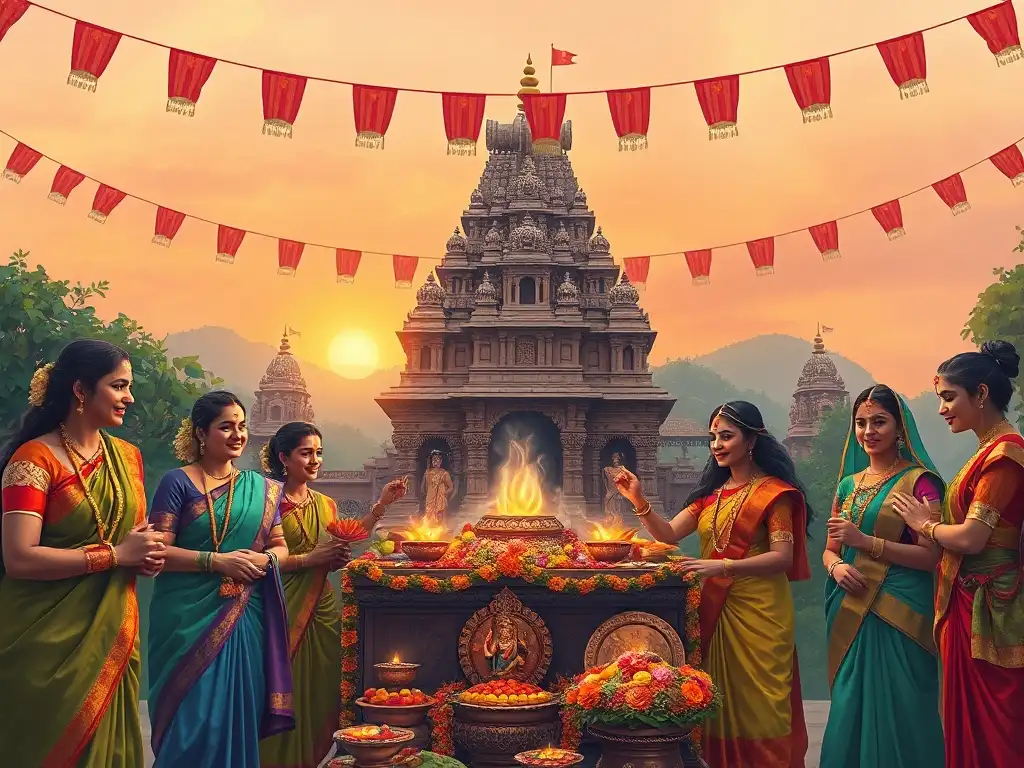
Rituals and customs were integral to Gupta festivals, providing structure and meaning to the celebratory activities. Each festival had its unique set of practices that varied by region, community, and occasion, yet they all shared common themes of reverence and communal participation.
Traditional Practices and Offerings
Traditional practices during Gupta festivals often included elaborate rituals aimed at appeasing deities and invoking blessings for prosperity and health. Offerings, such as fruits, flowers, and sweets, were presented at household shrines and temples, symbolizing gratitude and devotion.
Specific festivals, like Shivaratri, involved night-long vigils and chanting of hymns in honor of Lord Shiva, while during Diwali, families would illuminate their homes with oil lamps and create intricate rangoli designs at their doorsteps. These offerings and practices not only demonstrated piety but also reinforced the community's commitment to their religious beliefs.
Music and Dance in Gupta Celebrations
Music and dance were vital components of Gupta festivals, enhancing the celebratory atmosphere and engaging participants in joyful expression. Traditional instruments such as the veena, flute, and tabla were commonly used, while melodies often reflected the cultural diversity of the empire.
Dance forms, including classical styles like Bharatanatyam and Kathak, were performed during festivals, narrating stories of mythology and showcasing the grace and skill of performers. These artistic expressions not only entertained but also served as a medium to convey religious narratives, thus enriching the cultural fabric of Gupta celebrations.
Culinary Delights during Festivals
Culinary traditions during Gupta festivals were as diverse as the empire itself, with each region contributing its unique flavors and dishes. Special meals were prepared to mark significant occasions, often involving elaborate feasts that brought families and communities together.
Sweet dishes, such as laddoos and halwa, were particularly popular during celebrations, symbolizing joy and festivity. Additionally, traditional recipes that utilized seasonal ingredients were often emphasized, linking the agricultural cycles to the celebrations. This culinary aspect not only satisfied the palate but also reinforced the importance of food as a means of bonding and sharing among community members.
Influence of Religion on Gupta Festivals and Celebrations
The festivals and celebrations during the Gupta Empire were deeply intertwined with the prevailing religious beliefs of the time. The period, often referred to as the Golden Age of India, was marked by a flourishing of cultural, scientific, and artistic advancements, all of which were significantly influenced by the major religions practiced in the region: Hinduism, Buddhism, and Jainism. Each of these religions contributed unique festivals and celebrations that not only reflected spiritual beliefs but also played a crucial role in the social and cultural life of the Gupta people.
Hinduism and Its Impact on Festival Practices
Hinduism was the predominant religion during the Gupta period, and it significantly shaped the festival landscape. Many festivals were celebrated in honor of various deities, each reflecting different aspects of life and nature. Notable Hindu festivals included:
- Diwali: Celebrated as the festival of lights, it symbolized the victory of light over darkness and good over evil. The observance of Diwali included lighting lamps, decorating homes, and performing pujas (rituals) to honor Goddess Lakshmi, the deity of wealth.
- Holi: Known as the festival of colors, Holi marked the arrival of spring and was celebrated with exuberance. Participants would throw colored powders and water, signifying joy and the end of winter.
- Navaratri: This nine-night festival dedicated to Goddess Durga involved fasting, dance, and music, showcasing the vibrancy of Gupta culture. The celebrations brought communities together and highlighted the importance of devotion and gratitude in daily life.
These festivals not only served religious purposes but also fostered community bonding and cultural continuity, showcasing the rich tapestry of Gupta society.
The Role of Buddhism in Gupta Celebrations
Buddhism also played a pivotal role in the cultural practices of the Gupta Empire, particularly in regions where Buddhist influence was strong. Festivals associated with Buddhism often revolved around the life of Gautama Buddha and his teachings. Key celebrations included:
- Buddha Purnima: This festival commemorated the birth, enlightenment, and death of the Buddha. It was marked by meditation, prayers, and acts of charity, emphasizing the Buddhist values of compassion and mindfulness.
- Asalha Puja: This day celebrated the Buddha's first sermon at Sarnath, known as the Dhammacakkappavattana Sutta. Followers observed this day with rituals that reinforced the principles of the Four Noble Truths and the Eightfold Path.
The incorporation of Buddhist festivals enriched the cultural milieu of the Gupta Empire, promoting values of peace, harmony, and social responsibility among its people.
Jain Festivals and Their Significance in Gupta Culture
Jainism, while less dominant than Hinduism and Buddhism, still played a crucial role in the cultural landscape of the Gupta Empire. Jain festivals reflected the core tenets of Jain philosophy, such as non-violence, truth, and asceticism. Significant Jain celebrations included:
- Paryushana: This eight-day festival is dedicated to spiritual reflection and forgiveness. Jains engage in fasting, prayer, and community gatherings, emphasizing the importance of self-discipline and compassion towards all living beings.
- Mahavir Jayanti: Celebrated as the birth anniversary of Lord Mahavira, the founder of Jainism, this festival involves processions, sermons, and charitable acts. It serves as a reminder of the values of non-violence and truthfulness.
These festivals were not only religious observances but also opportunities for community bonding and the promotion of ethical living, reflecting the diverse religious tapestry of Gupta culture.
Conclusion: The Lasting Legacy of Gupta Festivals and Traditions
The festivals and traditions that flourished during the Gupta Empire left a profound impact on the cultural and religious landscape of India. They embodied the philosophical and spiritual values of the society, fostering a sense of identity and continuity among the people.
Reflection on the Cultural Contributions of the Gupta Empire
The Gupta period was characterized by remarkable advancements in art, literature, and science, much of which was intertwined with its rich festival culture. Festivals served as platforms for artistic expression, whether through dance, music, or crafts, showcasing the empire's wealth and sophistication. The celebrations also facilitated the exchange of ideas and fostered a spirit of inquiry and innovation, contributing to the overall cultural development of ancient India.
The Enduring Influence of Gupta Festivals in Modern India
Many of the festivals that were celebrated during the Gupta Empire continue to be observed in modern India, reflecting their enduring significance. Festivals like Diwali and Holi remain central to Indian culture, celebrated with enthusiasm and joy across diverse communities. The traditions and values embedded in these celebrations highlight the rich heritage of the Gupta Empire, illustrating how ancient customs have shaped contemporary society. As such, the festivals of the Gupta Empire not only represent historical practices but also serve as a bridge connecting the past with the present, ensuring that the spirit of Gupta culture continues to thrive.
- Introduction to Gupta Empire Festivals and Traditions
- Major Festivals Celebrated During the Gupta Period
- Significance of Festivals in Gupta Society
- Rituals and Customs Associated with Gupta Festivals
- Influence of Religion on Gupta Festivals and Celebrations
- Conclusion: The Lasting Legacy of Gupta Festivals and Traditions
- What were some of the major festivals celebrated during the Gupta Empire?
- How did festivals contribute to the social structure of Gupta society?
- Were there any specific rituals associated with Gupta festivals?
- How did art and literature reflect the celebrations of the Gupta Empire?
- What was the significance of traditions in the festivals of the Gupta Empire?
Frequently Asked Questions
What were some of the major festivals celebrated during the Gupta Empire?
The Gupta Empire celebrated numerous festivals, including Makar Sankranti, Holi, and Diwali, which played a vital role in their cultural identity and community bonding.
Festivals fostered a sense of unity and cohesion among different social classes, allowing people from various backgrounds to come together and celebrate shared traditions and values.
Were there any specific rituals associated with Gupta festivals?
Yes, each festival had unique rituals such as offerings, prayers, and communal feasts, which were integral to the celebrations and showcased the spiritual and cultural aspects of Gupta life.
How did art and literature reflect the celebrations of the Gupta Empire?
Art and literature from the Gupta period often depicted festivals, showcasing vibrant scenes of celebrations, which highlighted the importance of these events in daily life and religious beliefs.
What was the significance of traditions in the festivals of the Gupta Empire?
Traditions provided a link to the past, helping to preserve the cultural heritage of the Gupta Empire, and ensuring that values and customs were passed down through generations.
Final Reflection: Celebrating the Legacy of Gupta Empire Festivals and Traditions
The exploration of Gupta Empire festivals and traditions reveals a vibrant tapestry of cultural practices that continue to resonate in our modern society. These celebrations were not merely events; they were profound expressions of identity, community, and spirituality that shaped the lives of those in the Gupta era. Today, as we navigate a world increasingly focused on individualism, the communal spirit embodied in these festivals serves as a powerful reminder of the importance of connection and shared experiences in fostering a sense of belonging.
The influence of Gupta festivals extends beyond historical significance; they have left an indelible mark on our cultural and social landscape. These traditions remind us of the rich heritage we inherit and the values we carry forward. The echoes of these celebrations can be seen in contemporary festivals that honor similar themes of unity, gratitude, and reverence for the divine. As noted by historian R.S. Sharma, Festivals are the lifeblood of culture, weaving together the threads of history, belief, and community.
This acknowledgment of the past enriches our understanding of the present and encourages us to celebrate our own traditions with the same fervor and respect.
As we reflect on the lessons drawn from the Gupta Empire's festivals and traditions, let us embrace the opportunity to cultivate our own celebrations with intention and purpose. Consider how you can incorporate the spirit of these ancient festivals into your life—whether through community gatherings, honoring ancestral customs, or simply taking a moment to appreciate the beauty of shared experiences. By doing so, we not only honor the legacy of the Gupta Empire but also enrich our own lives and the lives of those around us. Let us celebrate together, fostering connections that transcend time and space.
Embrace the Spirit of Gupta Celebrations!
Thank you for diving into the vibrant world of Gupta culture and discovering the enriching role of festivals and celebrations! Your exploration of this fascinating topic not only broadens your understanding of ancient traditions but also connects you to the rich tapestry of human history. Now, let's take your curiosity a step further!
Here are some exciting ways to engage with Gupta celebrations and share your insights:
- Participate in a local festival: Seek out cultural festivals in your area that reflect the essence of Gupta traditions and immerse yourself in the experience.
- Join a history discussion group: Connect with fellow history enthusiasts, either online or in person, to exchange insights from this article and explore the lasting impact of festivals on society.
- Create your own celebration: Organize a small gathering with friends and family to celebrate traditional customs or themes inspired by Gupta festivities.
What unique traditions from your own culture resonate with the celebrations of the Gupta period? We invite you to share your thoughts below!