
Gupta Empire Urban Planning: How Cities Were Designed for Prosperity

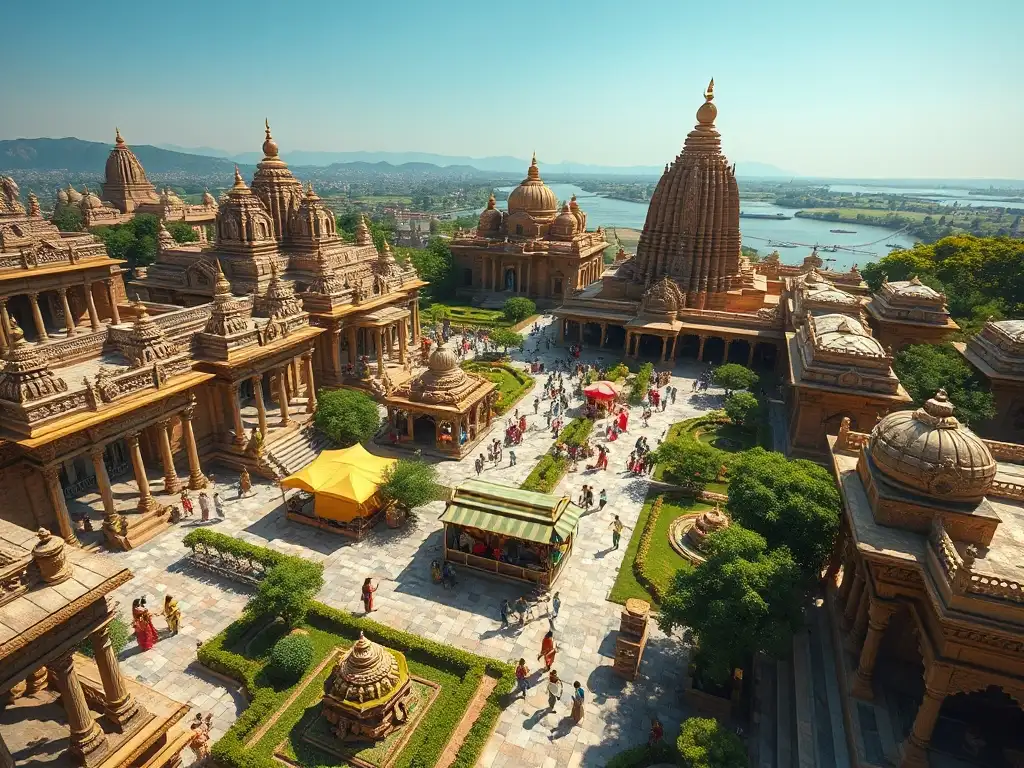
Welcome to Ancient India History, where we invite you to embark on a captivating journey through the rich tapestry of ancient Indian civilizations. From the enigmatic Indus Valley to the illustrious Gupta Empire, our exploration reveals the profound cultural contributions that shaped an entire region. In today’s feature, we delve into the fascinating urban planning techniques of the Gupta Empire, uncovering how these innovative designs laid the foundation for prosperous cities. Curious about how ancient wisdom continues to influence modern urban landscapes? Read on to discover the brilliance behind Gupta city planning and what it reveals about their society!
- Introduction to Gupta Empire Urban Planning Techniques
- Key Features of Gupta Empire Urban Planning
- Techniques Used in Gupta Empire Urban Planning
- Case Studies of Notable Gupta Cities
- Impact of Gupta Empire Urban Planning on Prosperity
- Conclusion: Legacy of Gupta Empire Urban Planning Techniques
-
Frequently Asked Questions
- What were the main urban planning techniques used during the Gupta Empire?
- How did urban planning contribute to the prosperity of Gupta cities?
- What role did public spaces play in Gupta urban planning?
- Were there any notable cities known for their urban planning in the Gupta Empire?
- How did the urban planning methods of the Gupta Empire influence later civilizations?
- Final Reflection: The Enduring Legacy of Gupta Empire Urban Planning Techniques
- Unveil the Secrets of Urban Planning in the Gupta Empire!
Introduction to Gupta Empire Urban Planning Techniques
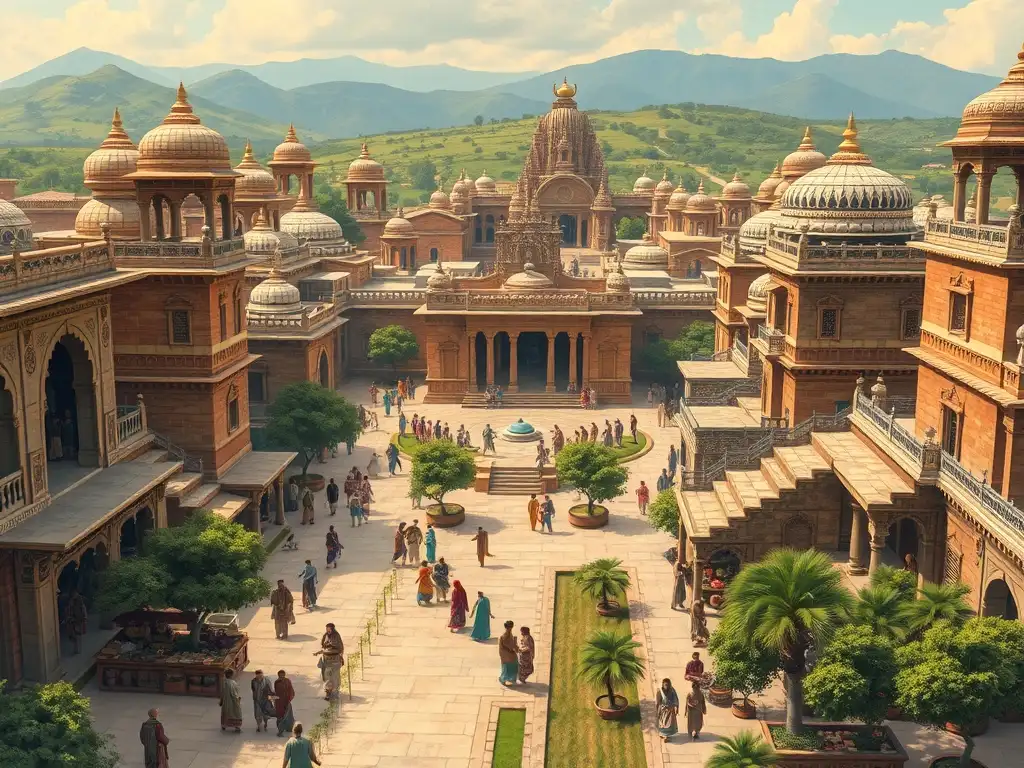
The Gupta Empire, often hailed as the "Golden Age" of ancient India, marked a period of remarkable achievements in various fields, including art, science, and urban development. During this era, which spanned from approximately 320 to 550 CE, the sophistication of urban planning techniques played a pivotal role in shaping the cities and their prosperity.
The Gupta rulers recognized that effective urban planning was integral not only to the aesthetic appeal of their cities but also to their economic and social stability. This article delves into the innovative urban planning techniques employed during the Gupta Empire, exploring how these strategies contributed to the flourishing of cities and the overall success of the civilization.
Overview of Gupta Empire and Its Significance
The Gupta Empire emerged in the early 4th century CE under the leadership of Chandragupta I, expanding through strategic alliances and military conquests. This period is characterized by:
- Cultural Flourishing: The Gupta Empire was a cradle for advancements in literature, mathematics, astronomy, and the arts. Notable figures such as Kalidasa and Aryabhata emerged during this time, leaving a lasting legacy.
- Political Stability: The centralized governance and efficient administration provided stability, allowing trade and commerce to thrive, which in turn fueled urban development.
- Religious Tolerance: The empire promoted various religions, including Hinduism and Buddhism, contributing to a rich tapestry of cultural diversity.
The Gupta Empire's significance lies not only in its cultural contributions but also in its innovative urban planning techniques, which enhanced the quality of life for its citizens and set a precedent for future civilizations.
Importance of Urban Planning in Ancient Civilizations
Urban planning in ancient civilizations was crucial for several reasons:
- Economic Growth: Well-planned cities facilitated trade and commerce, leading to economic prosperity. Efficient layouts reduced travel time and improved accessibility.
- Social Cohesion: Thoughtful urban design fostered community interaction and social bonds. Public spaces, temples, and marketplaces were strategically placed to enhance social life.
- Infrastructure Development: Ancient urban planners prioritized the construction of roads, drainage systems, and public amenities, which were essential for hygiene and transportation.
- Cultural Identity: The design of cities often reflected the cultural and religious values of the civilization. Temples and public squares became focal points for community life and identity.
In the context of the Gupta Empire, urban planning techniques were not merely functional; they embodied the ideals of prosperity, harmony, and cultural richness that defined this remarkable period in Indian history.
Key Features of Gupta Empire Urban Planning
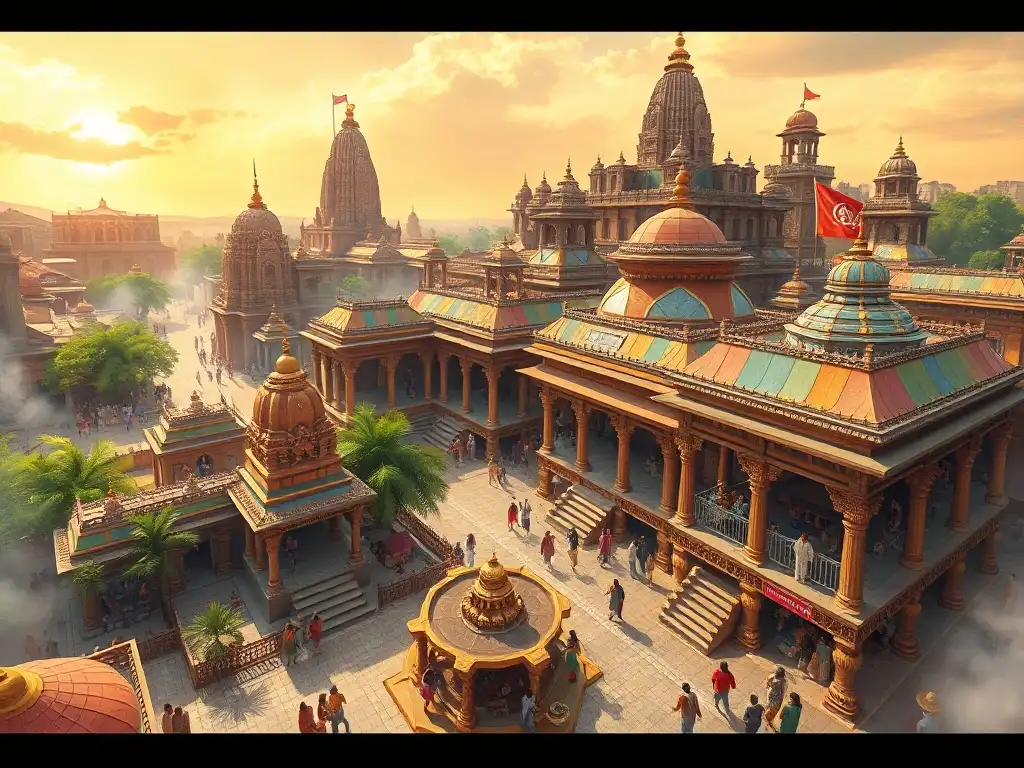
The Gupta Empire, often referred to as the Golden Age of India, is renowned for its remarkable advancements in various fields, including urban planning. The urban planning techniques employed during this era were instrumental in fostering economic prosperity, social organization, and cultural vibrancy. This section delves into the key features that defined Gupta Empire urban planning, highlighting their significance in the development of thriving cities.
City Layout and Design Principles
The city layouts during the Gupta Empire were meticulously planned, reflecting a harmonious blend of functionality and aesthetics. Here are some defining characteristics:
- Grid Pattern: Many cities were designed using a grid system, which facilitated organized traffic flow and ease of navigation. Streets were often straight and wide, enhancing accessibility.
- Zoning: Different areas of the city were designated for specific purposes, such as residential, commercial, and administrative zones. This zoning helped in minimizing congestion and promoting efficient use of space.
- Architectural Styles: The use of standardized architectural styles, such as the intricate carvings and stonework, showcased the artistic prowess of the Gupta period. Temples and public buildings were strategically placed to serve as focal points within the urban landscape.
The city of Pataliputra, the Gupta capital, exemplified these design principles with its well-defined layout, which included:
| Feature | Description |
|---|---|
| Main Roads | Wide avenues lined with trees and public spaces |
| Residential Areas | Organized blocks with houses built using durable materials |
| Public Buildings | Temples, assembly halls, and marketplaces strategically placed |
Infrastructure Development in Gupta Cities
Infrastructure played a crucial role in the prosperity of Gupta cities. Several key developments marked this period:
- Road Networks: The Gupta Empire invested significantly in the construction of roads that connected various regions. These roads facilitated trade, allowing merchants to transport goods efficiently across vast distances.
- Marketplaces: Centralized marketplaces were established, providing a hub for commerce. These markets were often located near major thoroughfares, encouraging trade and economic interaction among diverse communities.
- Public Amenities: The cities featured public amenities such as baths, gardens, and parks, which promoted communal activities and improved the quality of life for residents.
Notable Infrastructure Examples
- Trade Routes: The Grand Trunk Road and other major trade routes were vital for facilitating commerce, linking the Gupta Empire with distant regions.
- Harbors: Coastal cities developed harbors that improved maritime trade, further contributing to the empire's economic prosperity.
Role of Water Management in Urban Planning
Water management was a cornerstone of Gupta urban planning, as it ensured a sustainable supply of water for various needs. The techniques employed included:
- Canal Systems: Ingenious canal systems were constructed to divert water from rivers for irrigation and domestic use. This not only supported agriculture but also maintained the hygiene of urban areas.
- Wells and Tanks: Public wells and water tanks were prevalent, providing access to clean water. This infrastructure was essential for supporting the growing populations of urban centers.
- Drainage Systems: Effective drainage systems were implemented to manage stormwater and wastewater, reducing the risk of flooding and maintaining public health.
The careful planning of water resources underscored the Gupta Empire's understanding of the importance of sustainable urban living. By integrating water management into their urban planning techniques, Gupta cities thrived as centers of culture and commerce.
The urban planning techniques of the Gupta Empire laid the foundation for prosperous cities characterized by organized layouts, robust infrastructure, and efficient water management. These features not only enhanced the quality of life for their inhabitants but also contributed to the enduring legacy of the Gupta period in ancient Indian history.
Techniques Used in Gupta Empire Urban Planning
Grid Patterns and Street Organization
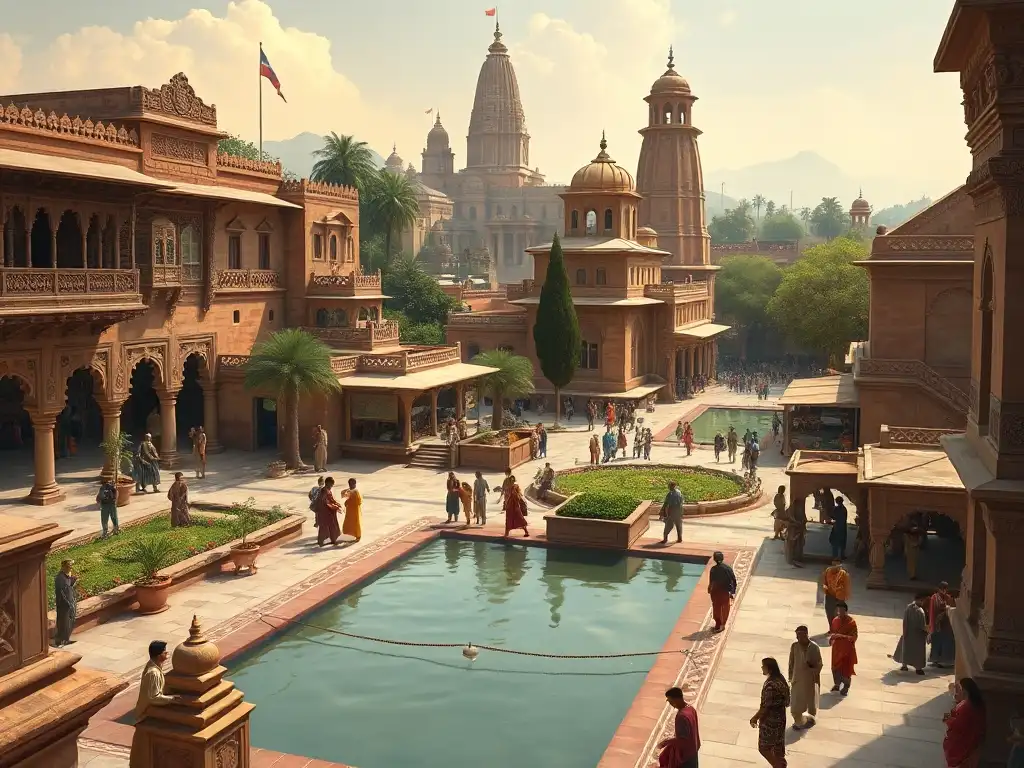
The Gupta Empire is renowned for its sophisticated urban planning techniques, particularly the use of grid patterns in city layouts. This method facilitated the organization of streets, enabling efficient movement and accessibility. Cities like Pataliputra, the capital of the Gupta Empire, showcased meticulously planned grid systems that optimized space and promoted connectivity among different urban areas.
- Features of Grid Patterns:
- Straight Roads: Roads were laid out in straight lines, intersecting at right angles. This design not only made navigation easier but also maximized land use.
- Uniform Blocks: Urban blocks were typically uniform in size, which contributed to a harmonious aesthetic and functional design.
- Wide Streets: The streets were often wider than those in earlier civilizations, allowing for the movement of goods and people, which was essential for commerce and trade.
The effectiveness of these grid patterns is highlighted in archaeological findings, where remnants of roads and street alignments have been uncovered, indicating a highly organized and planned urban environment.
Zoning Practices for Residential and Commercial Areas
The Gupta Empire implemented specific zoning practices that distinctly separated residential and commercial areas, contributing to efficient urban life. This segregation allowed for a better allocation of resources and services, enhancing the quality of life for its inhabitants.
- Residential Zones:
- Typically located on the outskirts of the city, residential areas were designed to provide adequate space for families, featuring houses that adhered to standard architectural styles. These zones were often quieter, promoting a sense of community among residents.
- Commercial Zones:
- Central to the cities, commercial areas were bustling hubs of trade and commerce, featuring marketplaces, workshops, and other economic activities. This zoning not only facilitated economic growth but also attracted merchants from various regions, enhancing cultural exchange.
- Specialized Areas:
- Certain zones were dedicated to specific trades or crafts, such as pottery or textiles, allowing skilled artisans to cluster together, share resources, and boost productivity.
This careful zoning contributed to the overall prosperity of Gupta cities, making them vibrant centers of trade, culture, and daily life.
Integration of Public Spaces and Cultural Centers
Another significant aspect of Gupta Empire urban planning was the integration of public spaces and cultural centers within city designs. These spaces played a crucial role in fostering community interaction and cultural development.
- Public Squares:
- Central squares were often designed as gathering places for festivals, markets, and public meetings. These squares were strategically located to be accessible from various parts of the city, promoting social interaction among citizens.
- Religious and Cultural Institutions:
- Temples, monasteries, and other cultural centers were integrated into the urban landscape, reflecting the importance of spirituality and culture in Gupta society. Notable structures, such as the famous Udayagiri Caves, served not only religious purposes but also attracted scholars and artists.
- Gardens and Parks:
- Urban planning included green spaces that offered residents a respite from the bustling city life. These gardens were designed for leisure and reflection, contributing to the overall well-being of the populace.
The thoughtful integration of these public spaces and cultural centers not only enhanced the aesthetic appeal of Gupta cities but also promoted a vibrant social and cultural life, solidifying the empire’s legacy as a center of prosperity and innovation.
Case Studies of Notable Gupta Cities
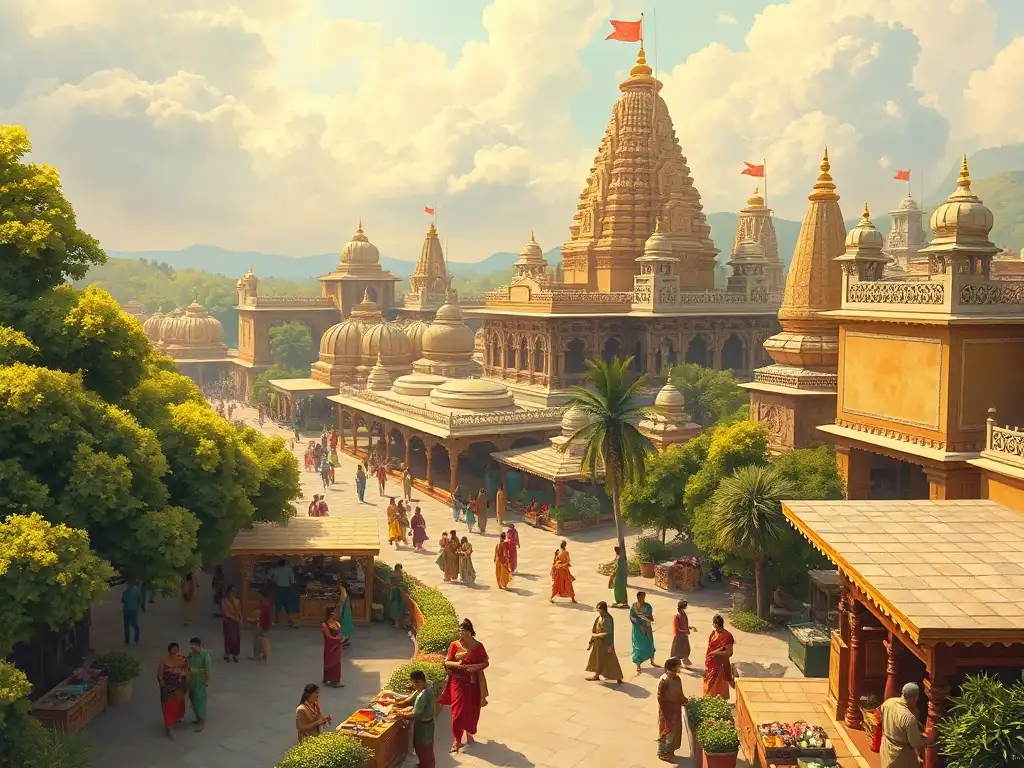
The Gupta Empire, often heralded as the Golden Age of India, witnessed remarkable advancements in urban planning that facilitated trade, culture, and education. This section delves into notable cities that exemplified the innovative Gupta Empire urban planning techniques, highlighting their unique features and contributions.
Pataliputra: The Capital City’s Urban Design
Pataliputra, the capital of the Gupta Empire, stands as a testament to sophisticated urban planning. The city was strategically located at the confluence of the Ganges and Son rivers, which not only provided natural defense but also enhanced trade routes.
- City Layout: Pataliputra followed a grid pattern, a design that facilitated movement and organization. Streets were wide and lined with trees, providing shade and enhancing aesthetics.
- Defensive Structures: The city was fortified with massive walls constructed of wood and brick, featuring gateways that allowed controlled access and protection against invasions.
- Water Management: The Gupta engineers implemented an advanced drainage system and numerous reservoirs, ensuring a steady supply of water while preventing flooding.
Pataliputra's urban design reflected a meticulous balance between functionality and beauty, promoting both security and civic life.
Ujjain: A Hub of Trade and Culture
Ujjain played a vital role as a bustling trade center during the Gupta period. Its urban planning was tailored to support extensive commerce and cultural exchanges.
- Marketplaces: The city featured organized marketplaces, which were strategically placed near the main thoroughfares to maximize accessibility. These markets were hubs for traders from various regions, promoting economic prosperity.
- Religious Architecture: Ujjain was also known for its temples, such as the Mahakaleshwar Temple, which were designed not only for worship but also as community centers, fostering a sense of unity among residents.
- Cultural Events: The city's layout facilitated the hosting of major festivals and fairs, drawing thousands of visitors, which in turn stimulated local businesses and trade.
- Transportation: Well-constructed roads linked Ujjain to other significant cities, enhancing trade routes and allowing for the efficient movement of goods and people.
Nalanda: The Architectural Marvel of Learning
Nalanda stands out as an unparalleled center of learning and scholarship during the Gupta Empire. The urban planning techniques employed here were specifically designed to cater to education and intellectual pursuits.
- University Complex: Nalanda University was an architectural marvel, featuring a vast complex of lecture halls, dormitories, and libraries. The layout was expansive, allowing for the accommodation of thousands of students and scholars from across Asia.
- Innovative Design: The buildings were constructed using red bricks, with intricate carvings and decorations that showcased the artistry of the Gupta period. The classrooms were designed to facilitate discussion, with open spaces that encouraged interaction.
- Gardens and Reflective Spaces: Surrounding the university were beautifully landscaped gardens, providing serene environments conducive to study and reflection. These green spaces were integral to the university's atmosphere, promoting mental well-being.
- Cultural Exchange: Nalanda's design also facilitated the exchange of ideas, as it attracted scholars from diverse backgrounds, fostering a rich tapestry of intellectual discourse.
Nalanda was not just an institution; it was a vibrant city where knowledge flourished, profoundly impacting the educational landscape of ancient India and beyond.
The urban planning techniques of the Gupta Empire, as evidenced by cities like Pataliputra, Ujjain, and Nalanda, laid the groundwork for future urban development in India, emphasizing the importance of functionality, aesthetics, and community engagement.
Impact of Gupta Empire Urban Planning on Prosperity
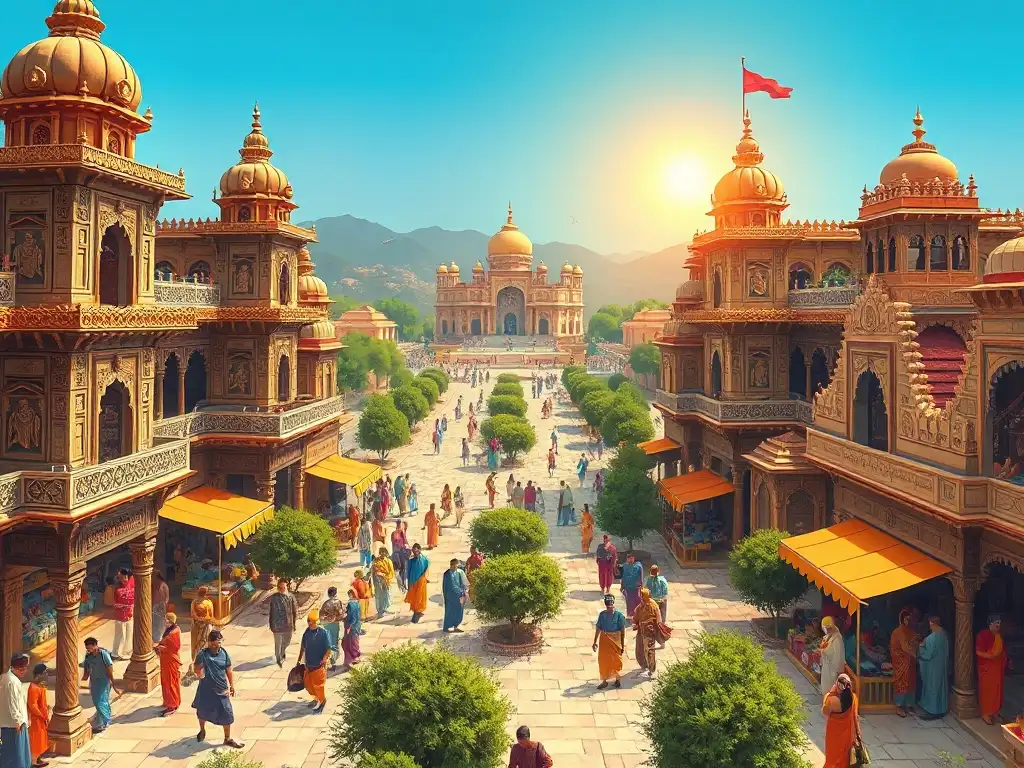
Economic Growth Driven by Urban Design
The urban planning techniques of the Gupta Empire played a pivotal role in driving economic growth during what is often referred to as India's Golden Age. Cities such as Pataliputra, Ujjain, and Kannauj were meticulously designed to optimize trade, agriculture, and commerce, creating a robust economic framework.
- Strategic Location: Gupta cities were often situated near rivers and trade routes. This strategic placement facilitated the movement of goods and people, enhancing trade opportunities. For instance, Pataliputra served as a key trade hub due to its location at the confluence of major rivers.
- Infrastructure Development: The Gupta Empire invested heavily in infrastructure, including roads, bridges, and marketplaces. Well-planned roads connected cities to rural areas, promoting agricultural surplus and enabling efficient transportation of goods. The presence of bustling marketplaces allowed artisans and traders to thrive, further boosting local economies.
- Urban Amenities: The cities featured advanced amenities such as drainage systems, public baths, and residential areas, which improved the quality of life for inhabitants. This not only attracted a skilled workforce but also created a vibrant urban culture that stimulated economic activities.
- Taxation and Revenue: A well-structured urban environment allowed for effective taxation systems based on economic activities. The revenue generated through taxes funded further urban development and public services, creating a cycle of prosperity.
Gupta urban planning was not solely focused on economic factors; it also significantly influenced the social structure and community development. The design of cities encouraged social interactions and cultural exchanges, fostering a sense of community.
- Residential Zones: Cities were divided into distinct residential areas that catered to various social classes. This organization facilitated community bonding and allowed for the establishment of guilds and trade unions, which further enhanced economic activities.
- Cultural Centers: Urban centers were designed to host religious and cultural institutions, such as temples and universities. The famous Nalanda University, for example, attracted scholars from all over Asia, promoting knowledge and cultural exchange. This contributed to a highly educated society that valued learning and innovation.
- Public Spaces: The inclusion of public spaces such as parks, temples, and assembly halls encouraged social gatherings and cultural events. These spaces were vital for community engagement and helped solidify social ties among residents.
- Inclusivity and Diversity: Gupta cities were often melting pots of different cultures and ethnicities, fostering an environment of inclusivity. This diversity enriched the social fabric of the cities, leading to a more dynamic and cohesive society.
Lasting Influence on Subsequent Indian Urban Planning
The urban planning techniques developed during the Gupta Empire left a profound legacy that influenced subsequent Indian civilizations. Many of the principles established during this period can be observed in later urban designs.
- Blueprint for Future Cities: The grid layout and zoning principles introduced by the Gupta planners became a blueprint for future cities in India. The emphasis on strategic location, accessibility, and infrastructure continued to shape urban planning in later empires.
- Integration of Nature: Gupta urban planners recognized the importance of integrating natural elements into city designs. This approach to sustainable urban planning, which included parks and water bodies, persisted in various forms in later urban developments.
- Cultural and Educational Institutions: The focus on establishing centers of learning and culture during the Gupta period set a precedent for future rulers. Educational institutions became integral to urban planning, ensuring that cities remained vibrant centers of knowledge and culture.
- Continuity in Trade Practices: The economic frameworks established by Gupta urban planning influenced trade practices in subsequent empires. The importance placed on trade routes, marketplaces, and commercial activity can be seen in the planning of cities during the medieval period.
The urban planning techniques of the Gupta Empire were instrumental in fostering prosperity through economic growth, social cohesion, and a lasting influence on the urban landscape of India. This period not only shaped the cities of its time but also laid the groundwork for future urban developments across the subcontinent.
Conclusion: Legacy of Gupta Empire Urban Planning Techniques
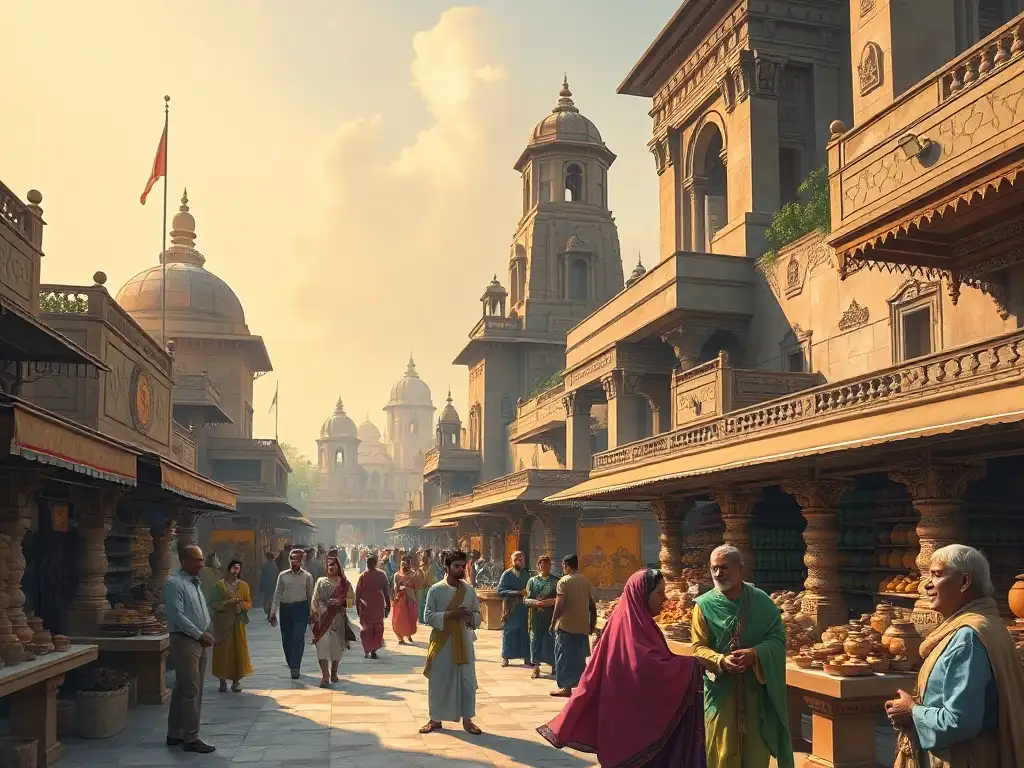
The Gupta Empire, often referred to as a Golden Age of India, left an indelible mark on urban planning techniques that have influenced subsequent generations. The sophisticated methodologies employed in city design not only catered to the immediate needs of the populace but also laid the groundwork for sustainable living and governance.
The integration of functionality with aesthetics, as seen in cities like Pataliputra and Ujjain, demonstrates a profound understanding of urban dynamics. The careful consideration given to spatial organization, public amenities, and environmental factors reflects a legacy that transcends time, serving as a benchmark for modern urban planners.
Summary of Urban Planning Contributions
The urban planning techniques of the Gupta Empire can be encapsulated in several key contributions:
- Grid Layouts: Cities were often designed with a grid pattern, facilitating efficient movement and organization. This approach minimized congestion and enabled clear delineation of residential and commercial areas.
- Water Management Systems: Advanced drainage and irrigation systems were developed, which not only improved sanitation but also promoted agriculture. The use of wells and tanks ensured a reliable water supply.
- Public Spaces: The presence of public squares and gardens highlighted the importance of communal areas for social interaction and cultural activities. These spaces were integral to the social fabric of Gupta cities.
- Architectural Grandeur: Temples and administrative buildings were strategically placed and constructed with intricate designs, reflecting the empire's wealth and cultural sophistication. This architectural prowess was essential for civic pride and community identity.
- Trade and Commerce Infrastructure: The establishment of markets and trade routes facilitated economic prosperity, further enhancing the urban landscape with specialized areas for commerce.
These contributions illustrate how Gupta urban planning techniques were not merely functional but also emblematic of a flourishing civilization that valued innovation, community, and sustainability.
Relevance of Ancient Techniques in Modern Urban Development
The urban planning techniques of the Gupta Empire hold significant relevance in today’s context, as modern cities grapple with the challenges of overpopulation, environmental sustainability, and infrastructural decay. Here are some ways in which ancient techniques can inform current practices:
- Sustainable Water Management: The Gupta emphasis on efficient water management systems serves as a model for contemporary urban areas facing water scarcity. Implementing rainwater harvesting and efficient drainage can mitigate flooding and conserve resources.
- Community-Centric Design: The Gupta focus on public spaces can inspire modern urban planners to create more inclusive, community-oriented environments. Parks, plazas, and communal gardens can enhance social cohesion and improve quality of life.
- Grid Planning for Efficiency: The grid layout utilized by the Gupta cities is still a relevant strategy in urban design today. It allows for organized development and can facilitate easier navigation, effectively reducing traffic congestion.
- Cultural Integration in Architecture: The blending of functionality and beauty in Gupta architecture can inspire modern designs that prioritize aesthetic appeal while serving practical needs, promoting a sense of identity and heritage in urban environments.
Incorporating these ancient principles into modern urban development not only pays homage to the rich legacy of the Gupta Empire but also provides practical solutions to contemporary urban challenges. As cities continue to evolve, the lessons learned from Gupta urban planning techniques remain invaluable in shaping prosperous and resilient urban futures.
Frequently Asked Questions
What were the main urban planning techniques used during the Gupta Empire?
The Gupta Empire utilized advanced urban planning techniques such as grid layouts, sophisticated drainage systems, and the strategic placement of public buildings to promote prosperity and community well-being.
How did urban planning contribute to the prosperity of Gupta cities?
By implementing effective urban planning, cities in the Gupta Empire facilitated trade, improved sanitation, and enhanced accessibility, leading to increased economic growth and overall prosperity.
What role did public spaces play in Gupta urban planning?
Public spaces such as markets, temples, and parks were integral to Gupta urban planning, fostering community interaction and serving as centers for cultural exchange and social activities.
Were there any notable cities known for their urban planning in the Gupta Empire?
Yes, cities like Pataliputra and Ujjain are often cited as notable examples of Gupta urban planning, showcasing organized layouts, extensive infrastructure, and thriving marketplaces.
How did the urban planning methods of the Gupta Empire influence later civilizations?
The urban planning methods of the Gupta Empire laid the foundation for future Indian cities, influencing design principles and infrastructure development in subsequent civilizations across the region.
Final Reflection: The Enduring Legacy of Gupta Empire Urban Planning Techniques
The Gupta Empire's urban planning techniques are not just relics of the past; they are a testament to the ingenuity and foresight of a civilization that prioritized prosperity and community well-being. In an era where urbanization is at the forefront of global discussions, the principles established by the Gupta Empire resonate profoundly, reminding us that thoughtful design can lead to sustainable growth and enriched lives. The meticulous planning of cities like Pataliputra serves as a blueprint for modern urban development, illustrating that the lessons of history can guide our future.
The influence of Gupta urban planning techniques continues to shape our understanding of city design and community dynamics. The emphasis on infrastructure, accessibility, and aesthetic beauty in Gupta cities reflects a deep understanding of human needs and social interaction. As we navigate contemporary urban challenges, we can draw inspiration from their holistic approach. A city is not just a place to live; it is a reflection of our values and aspirations.
This quote encapsulates the essence of urban planning, urging us to consider how our environments can foster connection and prosperity.
As we reflect on the Gupta Empire's remarkable achievements, let us take a moment to consider how we can apply these timeless principles in our own lives and communities. How can we advocate for urban spaces that prioritize sustainability, inclusivity, and beauty? I invite you to engage with your surroundings, envisioning how thoughtful design can transform not just cities, but also the lives of those who inhabit them. Together, we can honor the legacy of the Gupta Empire by striving for a future where urban planning serves as a catalyst for prosperity and harmony.
Unveil the Secrets of Urban Planning in the Gupta Empire!
Thank you for exploring the fascinating intricacies of urban planning during the Gupta Empire with us! We hope you've discovered valuable insights into how these ancient cities were thoughtfully designed to foster prosperity and community. Now, it’s time to take action and dive deeper into this inspiring topic!
- Explore local archaeological sites or museums showcasing artifacts from the Gupta era to experience this remarkable history firsthand.
- Share your newfound knowledge by discussing Gupta urban planning with friends or on social media; enlightening others can spark interest and inspire exploration!
- Consider volunteering or participating in community programs focused on urban planning initiatives that highlight sustainable design principles—after all, we can learn much from the wisdom of the past.
What aspect of Gupta urban planning resonates with you the most, and how do you think those principles could be applied to modern city design?