
The Significance of Temples in Gupta Architecture: Spiritual and Cultural Hubs


Welcome to Ancient India History, where we embark on a captivating journey through the rich tapestry of India's ancient civilizations. Discover how the Gupta Empire, often hailed as the Golden Age of India, shaped not only the architectural landscape but also the spiritual and cultural identity of its people. In our featured article, we delve into the significance of temples in Gupta architecture, exploring their roles as vibrant hubs of community life and devotion.
Prepare to uncover the stories woven into the very stones of these magnificent structures and ignite your curiosity about a time when art, culture, and spirituality flourished in harmony. Join us as we unravel the mysteries of the past!
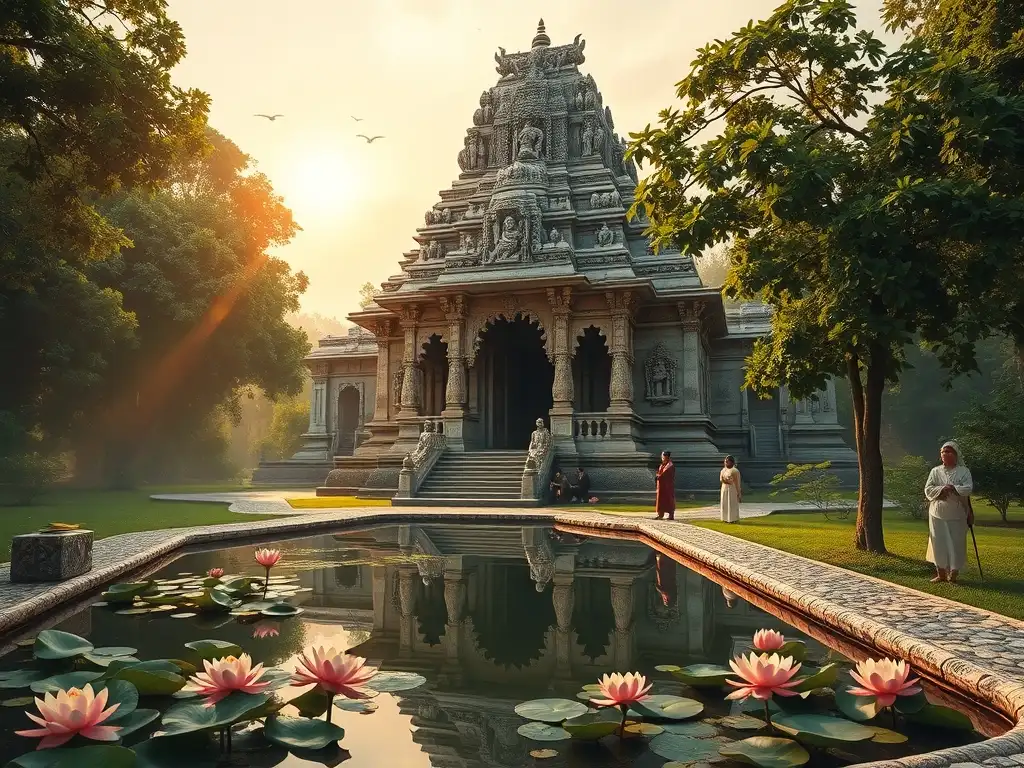
Introduction to Gupta Architecture
The Gupta Empire, often referred to as the Golden Age of India, flourished between the 4th and 6th centuries CE. This period is marked by significant advancements in art, science, and philosophy, but one of its most enduring legacies is its architectural innovation, particularly in temple construction.
Temples during the Gupta era transcended mere religious function; they emerged as vibrant spiritual and cultural hubs, reflecting the artistic and socio-political milieu of the time. The significance of temples in Gupta architecture is not just in their structural grandeur but also in their role as centers of community life, devotion, and cultural expression.
Overview of Gupta Empire and Its Contributions
The Gupta Empire, under the leadership of rulers like Chandragupta I and Samudragupta, witnessed unparalleled growth in various fields. It was during this epoch that:
- Mathematics and astronomy advanced remarkably, with concepts like zero being formalized.
- Literature flourished, with notable poets like Kalidasa emerging.
- Art and sculpture reached new heights, characterized by intricate carvings and exquisite craftsmanship.
The temples constructed during this period embodied these advancements, showcasing a synthesis of religious devotion, artistic expression, and community engagement.
Importance of Temples in Ancient Indian Architecture
Temples in ancient India served multiple purposes that extended beyond religious worship:
- Spiritual Centers: They were places for rituals, meditation, and spiritual gatherings, fostering a sense of community among devotees.
- Cultural Symbols: Temples were often adorned with sculptures and inscriptions that depicted mythological tales and societal values, acting as repositories of cultural heritage.
- Architectural Marvels: The design and construction techniques used in these temples highlighted the architectural prowess of the era.
The distinctiveness of Gupta architecture lies in its unique blend of regional styles, which contributed to the evolution of temple architecture across India.
Historical Context of Gupta Temples

Development of Temple Architecture During the Gupta Period
The Gupta period marked a pivotal evolution in temple architecture, characterized by:
- Structural Innovations: Introduction of the shikhara (tower) style, which became a hallmark of later Indian temple architecture.
- Materials Used: Temples were primarily constructed from stone, with intricate carvings and detailed sculptures that depicted various deities and mythological stories.
- Layout and Design: The temples often featured a garbhagriha (sanctum sanctorum) where the main deity was housed, surrounded by a mandapa (pillared hall) for worshippers.
This architectural development not only reflected the religious sentiments of the time but also showcased the technological advancements in construction techniques.
Influences on Gupta Architecture: Predecessors and Contemporary Styles
The Gupta temples were influenced by earlier architectural traditions and contemporary styles:
- Predecessors: The rock-cut cave temples of the Mauryan and post-Mauryan periods laid the groundwork for Gupta architectural practices. For instance, the Ajanta Caves and Ellora Caves provided inspiration in terms of intricate carvings and iconography.
- Contemporary Styles: Interaction with neighboring cultures, such as the Kushan and South Indian dynasties, introduced new elements into Gupta architecture, leading to a hybrid style that enriched temple design.
Through this amalgamation of influences, Gupta temples became not only centers of worship but also embodiments of a confluence of artistic and cultural traditions.
Spiritual Significance of Gupta Temples
Gupta temples are not only remarkable for their architectural aesthetics but also serve as vital spiritual centers that reflect the religious fervor of the period. Built primarily between the 4th and 6th centuries CE, these temples were designed to facilitate a deep spiritual connection with the divine. The emphasis on intricate carvings, sacred geometry, and alignment with cosmic principles reinforced their spiritual significance.
Role of Temples as Places of Worship
Temples in Gupta architecture functioned as primary places of worship, where devotees could engage in rituals and express their devotion. The sanctum, or garbhagriha, housed the deity's idol, serving as the focal point for worshippers. The architecture was meticulously designed to create an atmosphere conducive to meditation and prayer. Pilgrimages to these temples were common, and the presence of priests facilitated daily rituals, ensuring that the spiritual needs of the community were met.
The temples also acted as venues for festivals, drawing large crowds and fostering a sense of communal worship. The Gupta period was marked by a revival of Hinduism, and these temples became central to the spiritual life of society, embodying the divine connection through their physical form and function.
Symbolism in Gupta Temple Design and Iconography
The design and iconography of Gupta temples are rich in symbolism, embodying various philosophical and religious meanings. The use of shikhara (the tower) symbolizes the mythical Mount Meru, believed to be the axis of the universe in Hindu cosmology. The layout often follows the principles of Vastu Shastra, aligning with cardinal directions to enhance spiritual energy.
Iconographic elements, such as depictions of deities, celestial beings, and mythological narratives, were intricately carved into stone, conveying stories that resonated with the spiritual beliefs of the time. The elaborate sculptures not only served decorative purposes but also acted as visual narratives that communicated religious concepts to the worshippers, making the temples a blend of art and spirituality.
Rituals and Practices Associated with Temples
Rituals and practices associated with Gupta temples were abundant and varied, reflecting the dynamic religious life of the period. Daily pujas (worship rituals) were performed by priests, involving offerings of flowers, food, and incense to the deities. Special ceremonies during festivals, such as Navaratri and Diwali, attracted large gatherings, where elaborate rituals were conducted.
Temples also served as venues for spiritual teachings, where sages and scholars would impart knowledge on sacred texts. The chanting of mantras and hymns during rituals created an auditory experience that enhanced the spiritual ambiance. This multifaceted engagement with the divine through rituals solidified the temples' roles as spiritual hubs in Gupta society.
Cultural Importance of Gupta Temples
Beyond their spiritual significance, Gupta temples were instrumental in shaping the cultural landscape of ancient India. They acted as centers of social interaction, learning, and artistic expression, reflecting the vibrancy of Gupta civilization.
Temples as Centers of Learning and Scholarship
Gupta temples often doubled as centers of learning, where scholars gathered to study and discuss philosophical texts, mathematics, and astronomy. The presence of libraries and spaces for intellectual discourse within temple complexes facilitated the exchange of ideas and fostered a culture of scholarship.
These temples attracted renowned scholars, such as Aryabhata and Varahamihira, contributing to advancements in various fields. The temples became synonymous with knowledge, and their role in education underscored the Gupta Empire's commitment to intellectual pursuits, making them integral to the cultural identity of the time.
Artistic Expression in Gupta Temples: Sculpture and Relief Work
The artistic expression found in Gupta temples is a testament to the era's rich cultural heritage. The intricate sculptures and relief work adorning temple walls displayed a high level of craftsmanship and creativity. Themes ranged from divine narratives to everyday life, showcasing the society's values and beliefs.
The sculptures often depicted gods and goddesses in dynamic poses, emphasizing movement and emotion. Additionally, the portrayal of dancers, musicians, and mythical creatures illustrated the cultural vibrancy of the Gupta period. This artistic legacy not only fulfilled a decorative purpose but also served as a medium for storytelling, preserving the cultural memory of the time.
Community Engagement and Festivals in Temple Life
Temples in the Gupta era were vital centers for community engagement, serving as the backdrop for various social activities and festivals. Major religious festivals attracted devotees from far and wide, creating a sense of unity and shared identity among the participants. The communal aspect of these celebrations fostered social bonds and reinforced cultural values.
Moreover, temples often provided various services to the community, such as education, healthcare, and charity. The interaction between the temple and its patrons was symbiotic, where the community supported the temple’s maintenance and rituals, while the temple offered spiritual and social benefits in return. This dynamic relationship further emphasized the cultural importance of Gupta temples as integral parts of daily life in ancient India.
Architectural Features of Gupta Temples
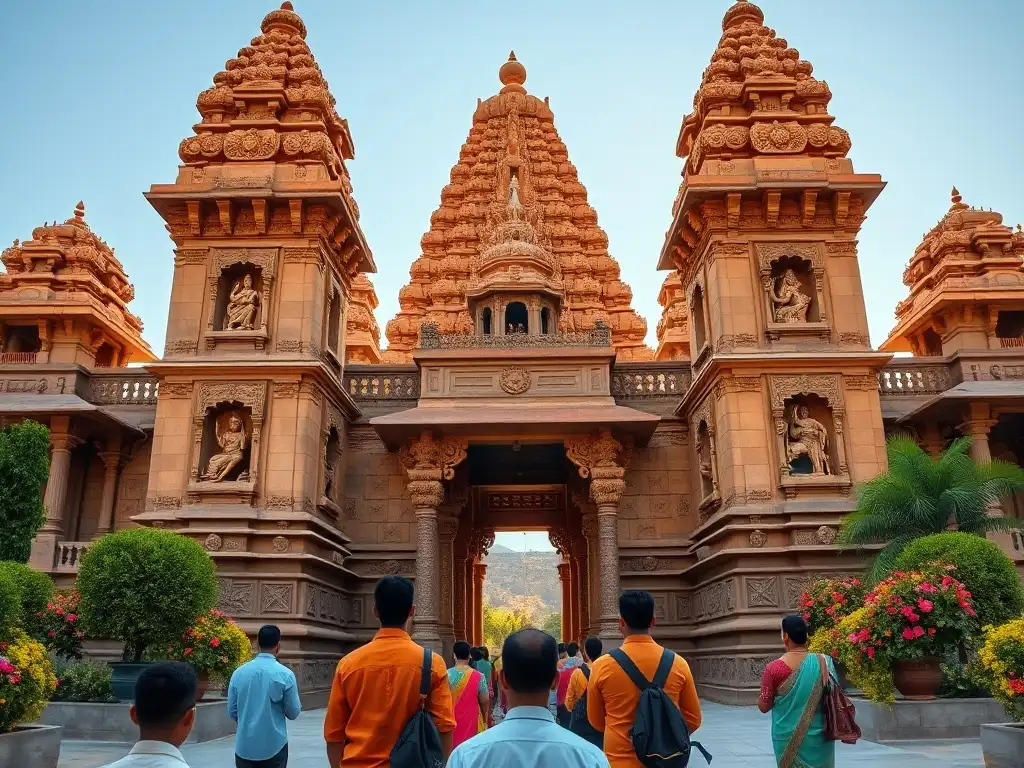
Gupta temples are a remarkable reflection of the architectural advancements during the Gupta period, which is often regarded as a golden age in Indian history. These temples are characterized by their intricate design, structural innovations, and use of various styles that were both functional and aesthetically pleasing. The most notable feature of Gupta temple architecture is the development of the shikhara, the towering spire that dominates the skyline of many temples. Unlike earlier structures, Gupta shikharas became more pronounced and were often adorned with intricate carvings and sculptures depicting deities, celestial beings, and mythological narratives.
Additionally, Gupta temples typically exhibit a square or rectangular plan, with a sanctum sanctorum (garbhagriha) at the center, surrounded by a series of mandapas (halls) that serve as gathering spaces for devotees. The use of stone as the primary building material allowed for greater durability and the ability to create detailed carvings and relief work. The elaborate intra-temple pathways and the surrounding courtyards further enhanced the spiritual experience, making these temples not just places of worship but also community hubs where cultural activities took place.
Key Characteristics of Gupta Temple Architecture
The key characteristics of Gupta temple architecture include:
- Shikhara Design: The shikhara is often taller and more ornate than those found in earlier periods, symbolizing the connection between the earthly and the divine. The curvature of the shikhara is also a distinctive feature that evolved during this period.
- Carvings and Sculptures: Gupta temples are known for their rich iconography and detailed carvings. Deities, mythological scenes, and floral motifs are commonly depicted, reflecting the artistic talent of the time.
- Use of Sandstone and Granite: The choice of durable materials like sandstone and granite not only provided structural integrity but also allowed for intricate designs to be carved into the stone.
- Plan and Layout: Gupta temples often follow a standardized layout, with a garbhagriha, a pillared hall, and an entrance porch. This layout facilitated the flow of worship and enhanced the communal experience.
- Water Tanks and Sacred Water Bodies: Many Gupta temples were accompanied by water tanks, which were considered sacred and played a role in the rituals and practices associated with temple worship.
Material and Techniques Used in Construction
The construction of Gupta temples involved advanced techniques and materials that were indicative of the period's architectural sophistication. Stone was the primary material, with sandstone and granite being favored for their workability and aesthetic appeal. The artisans of the Gupta period employed a variety of tools for quarrying and carving stone, which allowed them to create detailed sculptures and intricate reliefs.
Brick was also used, particularly for the temple's foundational structures. The use of mortar and lime-based binders was prevalent, enhancing the stability and longevity of the structures. Notably, the temples were often constructed using a combination of ashlar masonry and rubble masonry, ensuring both strength and visual appeal. The techniques of corbel arch construction were employed to create larger and more open interior spaces, facilitating the grand design of the temple interiors.
Notable Examples of Gupta Temples and Their Significance
Several notable examples of Gupta temples highlight the architectural brilliance and cultural significance of this period.
- Dashavatara Temple at Deogarh: This temple is renowned for its intricate carvings and the early manifestation of the shikhara style. It depicts scenes from the Dashavatara, the ten incarnations of the god Vishnu, showcasing the religious devotion and artistic skill of the time.
- Kankali Devi Temple at Osian: This temple is an exemplary model of Gupta architecture with its unique shikhara and beautifully carved stonework. It serves as an important site for understanding the evolution of temple architecture and the spiritual practices of the era.
- Udayagiri Caves: Although primarily known for their rock-cut architecture, the Udayagiri Caves contain significant Gupta-era sculptures and inscriptions that provide insights into the religious and cultural landscape of the time.
These temples not only served as places of worship but also as centers for social and cultural gatherings, reflecting the integral role of religion in Gupta society.
Comparative Analysis of Gupta Temples with Other Ancient Indian Structures
The Gupta temples can be distinctly compared with other ancient Indian structures, particularly the Mauryan temples, showcasing both continuity and innovation in Indian architecture.
Differences Between Gupta Temples and Mauryan Temples
The differences between Gupta and Mauryan temples are evident in several aspects:
- Architectural Style: Mauryan temples were predominantly made from wood or brick and featured simple designs, while Gupta temples showcased advanced stone architecture with elaborate shikharas and intricate carvings.
- Iconography and Decoration: Gupta temples are rich in iconographic detail, with a greater emphasis on sculptures depicting deities and mythological narratives, whereas Mauryan temples focused more on utilitarian structures with less decorative embellishment.
- Spiritual Functionality: Gupta temples served as multifunctional spaces for worship, community gatherings, and cultural activities, while Mauryan structures were primarily focused on basic worship and religious practices.
Influence of Gupta Architecture on Later Indian Temples
The architectural innovations of the Gupta period had a lasting impact on later Indian temple architecture. The introduction of the shikhara style became a defining feature in subsequent temple designs across India. This architectural form influenced the construction of temples in various regions, leading to the development of distinct regional styles, such as the Dravidian and Nagara styles.
Moreover, the emphasis on detailed iconography and the integration of cultural elements within temple design set a standard that continued to evolve in medieval and later periods. The Gupta architectural principles laid the groundwork for the grand and intricate temples of the medieval period, which further enriched India's architectural heritage.
The significance of Gupta temples extends beyond their architectural features; they are vital cultural and spiritual hubs that reflect the rich tapestry of ancient Indian civilization. Their study offers invaluable insights into the religious, social, and artistic life during one of India's most illustrious periods.
Conclusion: The Enduring Legacy of Gupta Temples
The temples constructed during the Gupta period are not merely architectural marvels; they are profound symbols of the spiritual and cultural ethos of ancient India. As we explore the significance of Gupta architecture, it becomes clear that these temples served as crucial hubs for both religious practices and community gatherings. Their intricate designs, innovative construction techniques, and rich iconography reflect the philosophical and theological advancements of the time, encapsulating the essence of Gupta civilization's contributions to Indian culture.
Moreover, the enduring legacy of these temples extends beyond their physical form. They have influenced subsequent architectural styles and religious practices in India, shaping the landscape of Hindu, Buddhist, and Jain traditions. The spiritual ambiance created within these temple complexes continues to attract pilgrims, scholars, and tourists alike, making them vital elements of India's cultural heritage.
Lasting Impact on Indian Culture and Religion
The temples of the Gupta Empire have left an indelible mark on the cultural and religious landscape of India. They were not only places of worship but also centers for learning, art, and community life. The inscriptions and sculptures found in these temples often depict mythological narratives and historical events, providing insights into the societal values and religious beliefs of the time.
The architectural innovations introduced during the Gupta period, such as the shikhara (spire) and mandapa (pillared hall), have been emulated in various forms in subsequent architectural styles. Temples like the Dashavatara Temple in Deogarh and the Vishnu Temple in Bhitargaon exhibit remarkable features that highlight the artistic excellence of the period. These structures have contributed to the evolution of temple architecture in India, influencing both regional styles and the broader Hindu temple tradition.
Furthermore, the Gupta temples played a pivotal role in the dissemination of religious ideas. They served as venues for philosophical discussions, festivals, and rituals that fostered a sense of community among worshippers. The influence of Gupta-era religious practices can still be seen in modern Hinduism, where many rituals and customs trace their origins back to this period.
Modern Interpretations and Preservation Efforts of Gupta Temples
In contemporary times, the significance of Gupta temples has been recognized not only for their aesthetic and historical value but also for their role in promoting cultural tourism and education. Various organizations and government bodies are actively involved in the preservation and restoration of these ancient structures, ensuring that they remain accessible to future generations.
Efforts to protect Gupta temples often involve meticulous archaeological studies, restoration projects, and the implementation of sustainable tourism practices. These initiatives aim to maintain the integrity of the sites while also promoting awareness of their historical and cultural significance. For instance, the Archaeological Survey of India (ASI) has undertaken several restoration projects to safeguard temples like the one at Sanchi, ensuring that they remain vital links to India’s ancient past.
Moreover, modern interpretations of Gupta architecture continue to inspire contemporary architects and artists. The principles of symmetry, proportion, and the integration of natural elements seen in Gupta temples are being revisited in modern designs, reflecting the timelessness of their architectural ethos. As a result, the legacy of Gupta temples not only survives through preservation efforts but also thrives in the ongoing dialogue between ancient traditions and modern creativity.
- Introduction to Gupta Architecture
- Overview of Gupta Empire and Its Contributions
- Importance of Temples in Ancient Indian Architecture
- Historical Context of Gupta Temples
- Spiritual Significance of Gupta Temples
- Cultural Importance of Gupta Temples
- Architectural Features of Gupta Temples
- Comparative Analysis of Gupta Temples with Other Ancient Indian Structures
- Conclusion: The Enduring Legacy of Gupta Temples
- What are the main features of Gupta architecture?
- How did temples function as cultural hubs during the Gupta period?
- What was the spiritual significance of temples in Gupta architecture?
- What role did art and sculpture play in Gupta temples?
- How did Gupta architecture influence later Indian architectural styles?
Frequently Asked Questions
What are the main features of Gupta architecture?
Gupta architecture is characterized by its intricate carvings, highly decorative pillars, and curvilinear shikharas (temple towers), showcasing a blend of beauty and functionality.
How did temples function as cultural hubs during the Gupta period?
Temples served as centers of social gatherings, artistic expression, and economic activity, connecting communities through festivals, rituals, and trade.
What was the spiritual significance of temples in Gupta architecture?
Temples were viewed as abodes of deities, providing a space for worship and spiritual connection, reinforcing the importance of religion in daily life.
What role did art and sculpture play in Gupta temples?
Art and sculpture in Gupta temples depicted mythological stories and deities, reflecting the era’s artistic excellence and serving educational purposes for the faithful.
How did Gupta architecture influence later Indian architectural styles?
The innovations and design principles established during the Gupta period laid the groundwork for future architectural developments, influencing both temple design and urban planning in subsequent eras.
Final Reflection: The Enduring Legacy of Gupta Architecture Temples
The significance of temples in Gupta architecture extends far beyond their physical structures; they are testaments to the spiritual and cultural richness of an era that continues to resonate today. In a world increasingly driven by technology and rapid change, these ancient edifices remind us of the profound connections between faith, artistry, and community. The temples serve as a bridge to the past, inviting us to explore the values and beliefs that shaped a civilization and, in turn, influence our own cultural narratives.
The impact of Gupta architecture on our cultural landscape is undeniable. These temples are not merely relics of history; they are vibrant symbols of devotion and artistic expression that continue to inspire contemporary architecture and spiritual practices. As we walk through the remnants of these sacred spaces, we are reminded of the words of the renowned architect Louis Kahn: A great building must begin with the unmeasurable, must go through measurable means when it is being designed and in the end must be unmeasurable.
This sentiment encapsulates the essence of Gupta temples, which transcend mere physicality to embody the unquantifiable spirit of human aspiration and creativity.
As we reflect on the significance of Gupta architecture temples, I invite you to consider how these lessons can be applied to your own life. Take a moment to explore the spaces around you—be they sacred or secular—and recognize the stories they tell. Engage with your community, honor your cultural heritage, and seek out the beauty in the connections we share. By doing so, we not only preserve the legacy of the past but also pave the way for a future enriched by understanding and appreciation of our shared human experience.
Unveil the Spiritual Legacy of Gupta Temples!
Thank you for diving into the rich tapestry of Gupta architecture with us! You've uncovered the profound impact these temples have had on spirituality and culture in ancient India. Now, it's time to translate that knowledge into meaningful action.
Here’s how you can deepen your connection and appreciation for this fascinating topic:
- Take a virtual tour of a renowned Gupta temple through online platforms—immerse yourself in the artistry and historical significance from the comfort of your home.
- Share your newfound insights with friends and family—discuss what makes Gupta architecture unique and its relevance in today's world.
- Visit local architectural treasures that reflect the spiritual designs of the Gupta period—explore museums or exhibitions that celebrate ancient Indian culture.
What aspect of Gupta temple architecture captivates you the most, and how has it influenced your perspective on spirituality today?