
The Role of Religion in Gupta Society: Harmony and Diversity

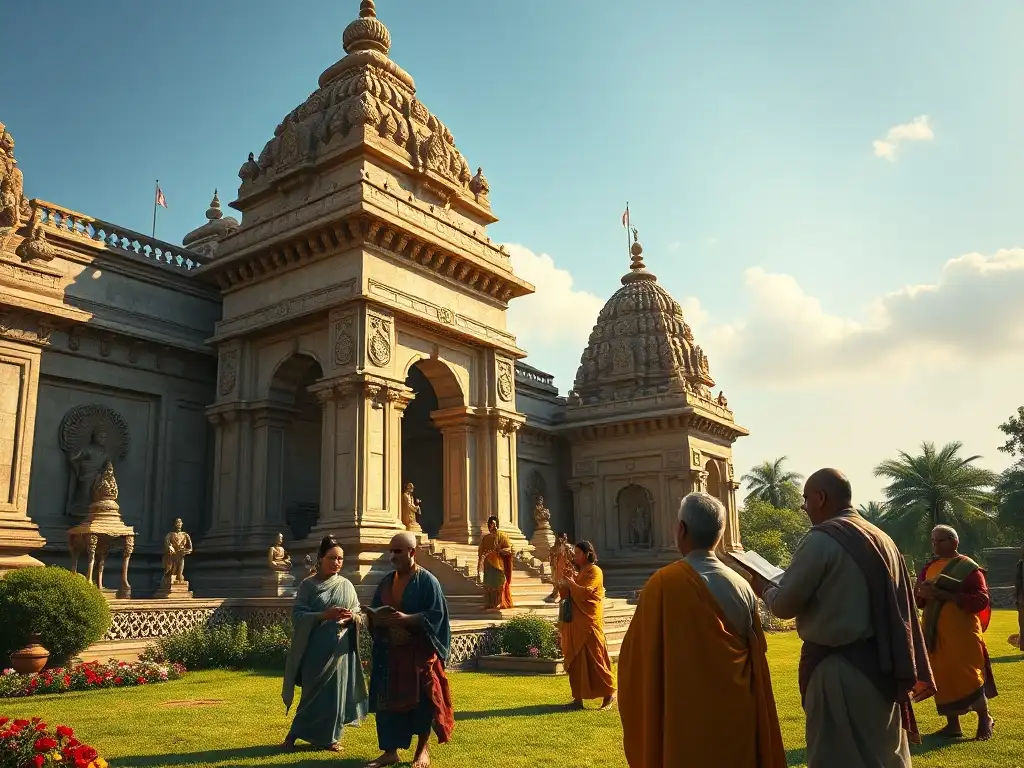
Welcome to Ancient India History, where we embark on a fascinating journey through time to uncover the rich tapestry of ancient Indian civilizations. Our latest article, "The Role of Religion in Gupta Society: Harmony and Diversity," delves into the intricate relationship between spirituality and daily life during one of India's most illustrious eras. Explore how the diverse religious practices of the Gupta Empire fostered not only unity but also a vibrant cultural landscape that continues to influence modern society.
Join us as we unveil the secrets of this remarkable period and discover the profound impact of religion on the social fabric of Gupta society. Are you ready to dive deeper into this captivating chapter of history?
Introduction to Religion in Gupta Empire Society
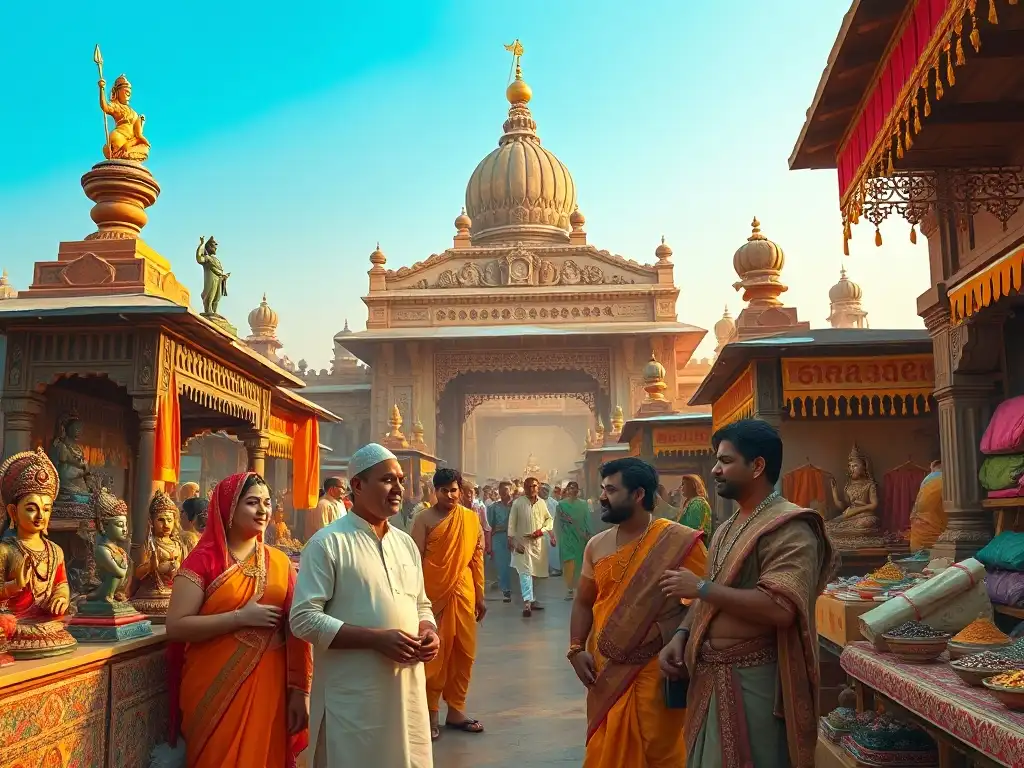
The Gupta Empire, often referred to as the Golden Age of India, flourished between approximately 320 and 550 CE. This period is characterized by remarkable advancements in various fields, including art, science, mathematics, and philosophy. However, one of the most intriguing aspects of Gupta society is the role of religion, which served as a vital framework for social cohesion and cultural expression. The Religion in Gupta Empire society was marked by a rich tapestry of beliefs and practices that not only influenced individual lives but also shaped the political and social landscape of the time.
Understanding the intricate dynamics of religion during this era requires an exploration of the diverse faiths coexisting within the empire. The Gupta rulers themselves adopted a policy of religious tolerance, which facilitated the flourishing of various religious traditions. This environment of harmony and diversity allowed for the synthesis of ideas and practices that contributed to a vibrant cultural milieu. In this article, we will delve into the religious landscape of Gupta society, examining the major religions practiced, their interactions, and the overall impact on the civilization's development.
The Religious Landscape of Gupta Society
The Gupta Empire was a mosaic of religious beliefs, predominantly featuring Hinduism, Buddhism, and Jainism. Each of these faiths contributed to the rich cultural heritage of the empire, influencing art, literature, and philosophical discourse. The rulers of the Gupta dynasty played a crucial role in patronizing various religious institutions, which further solidified the significance of religion in daily life.
Major Religions Practiced in the Gupta Empire
- Hinduism:
- As the predominant religion, Hinduism experienced a revival during the Gupta period. The Gupta rulers promoted the worship of deities such as Vishnu and Shiva, which led to the construction of magnificent temples and the production of intricate sculptures.
- The concept of dharma (duty) was central to Hindu thought, guiding social conduct and governance.
- Buddhism:
- Although it began to decline in influence compared to Hinduism, Buddhism remained significant during the Gupta Empire. The period saw the construction of stupas and monasteries, particularly in regions like Bihar and Uttar Pradesh.
- The teachings of Mahayana Buddhism, with its emphasis on compassion and enlightenment, continued to attract followers.
- Jainism:
- Jainism also thrived, with its principles of non-violence and asceticism resonating with many. The period is noted for the patronage of Jain scholars and the establishment of numerous temples dedicated to Tirthankaras.
- Jainism’s influence is evident in various art forms and literature produced during the Gupta era.
Interactions Between Different Religions
The Gupta Empire's approach to religion was characterized by interfaith dialogue and mutual respect. This interaction manifested in several ways:
- Syncretism:
- Many cultural practices and festivals were shared among the different religious groups, leading to a blending of rituals and customs.
- Philosophical Discourse:
- Scholars from various traditions often engaged in philosophical debates, enriching the intellectual landscape of the empire. This exchange of ideas fostered a culture of inquiry and understanding.
- Art and Architecture:
- Religious motifs often crossed boundaries, with Hindu, Buddhist, and Jain themes coexisting in art and architecture. Temples like the Dashavatara Temple in Deogarh exemplify this architectural synthesis.
The Gupta Empire was a period of significant religious activity and interaction, where the diversity of beliefs contributed to a unique social fabric. The emphasis on harmony and tolerance not only allowed for the coexistence of multiple faiths but also played a crucial role in the empire's enduring legacy.
The Role of Religion in Daily Life
Religion played a pivotal role in the daily lives of individuals in the Gupta Empire, influencing various aspects of societal structure, personal conduct, and community interactions. The Gupta period was characterized by a harmonious blend of Hinduism, Buddhism, and Jainism, which were not only spiritual paths but also integral to the cultural identity of the people. Daily rituals, prayers, and festivals were common practices among families, where the divine was invoked for blessings, prosperity, and protection.
The caste system, deeply intertwined with religion, shaped social hierarchies and occupations. Each caste had its own religious duties and responsibilities, which reinforced community bonds and dictated lifestyle choices. Religious teachings were often reflected in the moral and ethical principles that guided personal behavior and community relations, promoting values such as dharma (duty), karma (action), and moksha (liberation).
Moreover, the Gupta Empire's emphasis on religious tolerance facilitated a pluralistic society where diverse beliefs coexisted. This inclusivity allowed for a rich tapestry of cultural expressions, demonstrating how religion was interwoven with daily life, fostering both individual and communal identities.
Religious Festivals and Their Impact on Society
Religious festivals in the Gupta Empire were vibrant occasions that transcended mere observance; they fostered social cohesion and cultural continuity. Major festivals, such as Diwali, Makar Sankranti, and Holi, were celebrated with great enthusiasm, providing opportunities for communal gatherings, feasting, and collective rituals. These celebrations often included processions, music, and dance, showcasing the rich artistic traditions of the time.
The impact of these festivals on society was profound. They not only reinforced religious beliefs but also served to strengthen community ties, as people from different backgrounds participated in the festivities. During these occasions, the social barriers of caste and class were often relaxed, allowing for a sense of unity among the populace.
Additionally, festivals contributed to the economy by stimulating trade, as artisans and merchants showcased their goods, and local economies thrived during these periods of increased activity. The Gupta rulers often patronized these events, recognizing their significance in promoting social harmony and cultural pride.
Temples and Religious Architecture
The architecture of temples during the Gupta period reflects the era's religious devotion and artistic achievement. Temples were not merely places of worship; they served as centers of community life, cultural exchange, and educational activities. Constructed with intricate carvings and elaborate sculptures, these structures were dedicated to various deities, prominently featuring Hindu gods like Vishnu and Shiva, as well as Buddhist and Jain figures.
Notable examples of Gupta architecture include the Dashavatara Temple in Deogarh and the temples of Khajuraho, which showcase the architectural innovation and aesthetic sensibility of the time. These temples were often adorned with exquisite reliefs depicting mythological narratives, illustrating the deep connection between art and religion.
Moreover, the temples facilitated the dissemination of religious teachings and practices. They became hubs for learning, where scholars and monks could share knowledge and engage in philosophical debates. This architectural legacy not only underscores the importance of religion in Gupta society but also highlights the artistic and cultural advancements of the period.
Religious Contributions to Gupta Society
The Gupta Empire was a crucible of intellectual and artistic flourishing, heavily influenced by religious thought and practice. The intricate interplay between religion and various fields such as literature, philosophy, and art significantly shaped the cultural landscape of the era. The period is often referred to as a "Golden Age" precisely because of these contributions, which emphasized the importance of spiritual and moral inquiry.
Literature and Philosophy in Religion
The literature produced during the Gupta period reflects a deep engagement with religious themes and philosophical discourse. The works of notable poets and playwrights, such as Kalidasa, often incorporated religious motifs, exploring the relationship between the divine and human experience. Texts like the "Puranas" and "Mahabharata" were not only literary masterpieces but also served as religious scriptures that conveyed moral teachings and narratives central to Hindu belief.
Philosophical schools, particularly those aligned with Hinduism, Buddhism, and Jainism, thrived during this time. Thinkers such as Adi Shankaracharya began to emerge, advocating for non-dualism and the philosophical underpinnings of the Vedas. The synthesis of various schools of thought enriched the intellectual environment, allowing for debates on ethics, existence, and the nature of the divine.
This period also saw significant advancements in the understanding of cosmology and metaphysics, influenced by religious texts and discussions. The literature and philosophy of the Gupta Empire emphasized the enduring quest for knowledge and truth, reinforcing the integral role of religion in shaping societal values and intellectual pursuits.
Art and Iconography Related to Religion
Artistic expression in the Gupta Empire was profoundly influenced by religious themes, resulting in a rich tradition of iconography that portrayed deities, sacred narratives, and spiritual concepts. Sculptures and paintings from this period often depicted scenes from Hindu epics, such as the "Ramayana" and the "Mahabharata," reflecting the moral and ethical dilemmas faced by characters and their divine interventions.
The Gupta artists excelled in creating intricate sculptures that conveyed a sense of spirituality and devotion. The iconic images of deities like Vishnu, Shiva, and the Buddha were characterized by their serene expressions and detailed ornamentation, embodying the ideals of beauty and divine grace. This artistic style not only served a religious purpose but also became a significant aspect of cultural identity.
Moreover, the use of iconography in temples and public spaces allowed for the visual communication of religious narratives, making them accessible to the general populace. The art of the Gupta period thus played a crucial role in reinforcing religious beliefs, fostering a sense of community, and preserving the rich cultural heritage of ancient India.
Challenges and Changes in Religious Practices
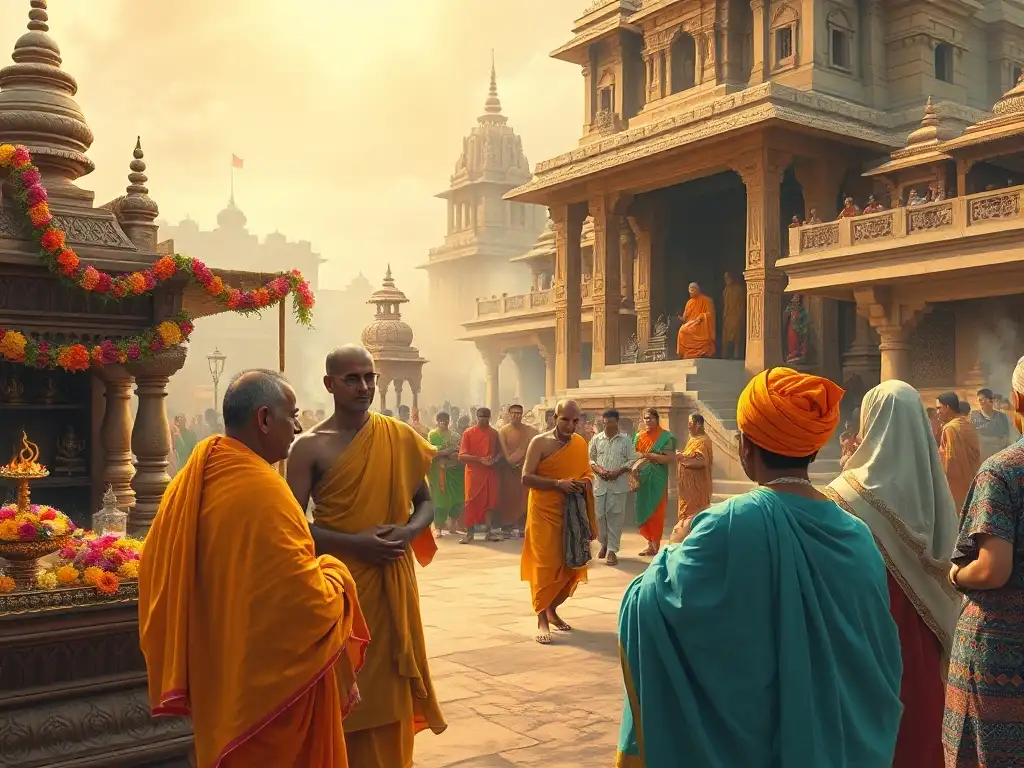
The Gupta Empire, often referred to as the Golden Age of India, witnessed significant transformations in religious practices. As the empire expanded, it became a melting pot of diverse cultures and beliefs, which led to both challenges and changes in how religion was practiced. The coexistence of Hinduism, Buddhism, and Jainism, along with the emergence of various sects, created a complex religious landscape.
One of the primary challenges was the need for religious tolerance amidst increasing pluralism. The Gupta rulers, while primarily patrons of Hinduism, recognized the importance of maintaining harmony among different faiths. This led to the establishment of policies that promoted interfaith dialogues and encouraged syncretism—blending aspects of different religions to foster unity.
Additionally, the rise of new philosophies and sects within Hinduism, such as Shaivism and Vaishnavism, brought about changes in ritual practices and beliefs. These developments often challenged traditional norms, prompting a re-evaluation of existing religious hierarchies and practices. The Gupta period saw a shift from rigid rituals towards more inclusive practices that resonated with the common populace.
Religious Conflicts and Resolutions
Despite the emphasis on harmony, the Gupta Empire was not free from religious conflicts. Some sects within Hinduism, as well as between Hinduism and Buddhism, experienced tensions due to doctrinal differences and the competition for royal patronage. For instance, the rise of the Bhakti movement emphasized personal devotion to deities, which sometimes clashed with the established priestly class that upheld traditional Vedic practices.
To address these conflicts, Gupta rulers often intervened, promoting policies that favored dialogue over discord. They organized religious councils and assemblies where representatives from different faiths could discuss their beliefs and resolve disputes amicably. This approach not only helped in mitigating conflicts but also contributed to the philosophical richness of the period.
Moreover, the Gupta Empire's emphasis on art and literature provided a platform for religious expression through poetry, sculptures, and temples that celebrated diverse beliefs. The construction of temples dedicated to different deities and the patronage of Buddhist monasteries exemplified the empire's commitment to coexistence and respect for various religious traditions.
The Decline of Traditional Practices
As the Gupta Empire progressed, traditional religious practices began to decline, influenced by various socio-political factors. The rise of new religious movements, particularly the Bhakti and Tantric traditions, challenged established customs and rituals. These movements emphasized a personal connection with the divine and often rejected the authority of the Brahminical priesthood, leading to a shift in the religious landscape.
Furthermore, the decline of centralized power towards the end of the Gupta period weakened the support for traditional religious institutions. As local rulers emerged, they often adapted religious practices to suit their political needs, which further fragmented the traditional religious framework.
The influx of new ideas and foreign influences, especially following invasions in the later centuries, also contributed to this decline. As trade routes opened up, ideas from outside the Gupta Empire began to permeate Indian society, leading to a reconfiguration of spiritual practices and beliefs.
Conclusion: The Legacy of Religion in Gupta Empire Society
The role of religion in Gupta Empire society was multifaceted, characterized by both harmony and diversity. While the empire was primarily known for its Hindu traditions, it also embraced Buddhism and Jainism, creating a rich tapestry of beliefs that defined its cultural identity. The challenges faced due to pluralism and conflicts were met with innovative resolutions that promoted coexistence and dialogue.
The legacy of this religious pluralism is evident in the art, architecture, and literature of the period, which reflect a synthesis of diverse influences. Temples adorned with intricate carvings, texts that explore philosophical themes, and the promotion of various practices highlight the Gupta Empire's remarkable ability to balance tradition with change.
Ultimately, the Gupta Empire's approach to religion laid the groundwork for future Indian societies, influencing the evolution of religious practices and the promotion of tolerance that continues to resonate in contemporary India. The Gupta period serves as a testament to the enduring legacy of religion in shaping societal values and cultural expressions throughout history.
- Introduction to Religion in Gupta Empire Society
- The Religious Landscape of Gupta Society
- The Role of Religion in Daily Life
- Religious Contributions to Gupta Society
- Challenges and Changes in Religious Practices
- Religious Conflicts and Resolutions
- The Decline of Traditional Practices
- Conclusion: The Legacy of Religion in Gupta Empire Society
Frequently Asked Questions
What was the significance of religion in Gupta Empire society?
Religion played a crucial role in shaping social norms, cultural practices, and daily life in the Gupta Empire, promoting harmony and diversity among its people.
Which religions were prominent during the Gupta Empire?
During the Gupta period, Hinduism, Buddhism, and Jainism flourished, with Hinduism becoming the dominant faith, influencing art, literature, and philosophy.
How did religion impact governance in the Gupta Empire?
The Gupta rulers often utilized religion as a tool for political legitimacy, aligning themselves with the Hindu faith to strengthen their authority and unite their subjects.
What role did temples play in Gupta society?
Temples served as not just places of worship, but also as centers of education, art, and community gatherings, fostering a sense of belonging and shared identity.
How did religious tolerance manifest in Gupta society?
The Gupta Empire is known for its religious tolerance, allowing various faiths to coexist, which promoted cultural exchange and enriched the social fabric of the empire.
Final Reflection: Embracing Harmony and Diversity in Religion
The exploration of religion in Gupta Empire society reveals a profound truth: the coexistence of diverse beliefs can foster harmony and mutual respect among communities. In today's increasingly polarized world, the lessons from Gupta society remind us of the importance of embracing diversity in our own lives and communities. The ability to find common ground amidst differing beliefs is not just a historical lesson; it is a pressing necessity for contemporary society.
The impact of religion in Gupta society continues to resonate, shaping cultural narratives and social dynamics even today. The Gupta period exemplified how religious pluralism can lead to a rich tapestry of cultural exchange and understanding. As we reflect on this, we are reminded of the words of Mahatma Gandhi: Our ability to reach unity in diversity will be the beauty and the test of our civilization.
This sentiment underscores the ongoing relevance of Gupta society's approach to religion, highlighting the need for inclusivity and dialogue in our diverse world.
As we conclude this exploration, I invite you to reflect on your own beliefs and the beliefs of those around you. Consider how you can contribute to a culture of understanding and acceptance in your community. By embracing the lessons of harmony and diversity from the Gupta Empire, we can work towards a future where differences are celebrated, and unity is achieved through mutual respect. Let us take these insights to heart and strive to create a society that honors and uplifts all voices.
Embrace the Diversity of Gupta Society!
Thank you for diving into the fascinating world of Gupta society and the profound role religion played in fostering harmony and diversity. We appreciate your curiosity and hope you've gained valuable insights into this remarkable period in history. Now, it’s time to take your learning further and enrich your understanding.
Here are some powerful ways you can connect and explore:
- Engage with a local community: Seek out cultural or religious groups in your area to experience firsthand the diversity within spiritual practices.
- Discover more: Read historical texts and accounts about the Gupta Empire to deepen your understanding of its cultural dynamics.
- Share your knowledge: Discuss your insights with friends or on social media. Start a conversation about how religion shapes societies today!
What aspects of Gupta society's religious diversity fascinate you the most, and how do you see these elements reflected in today's world?