
The Role of Religion in Shaping Indus Valley Artistic Expression

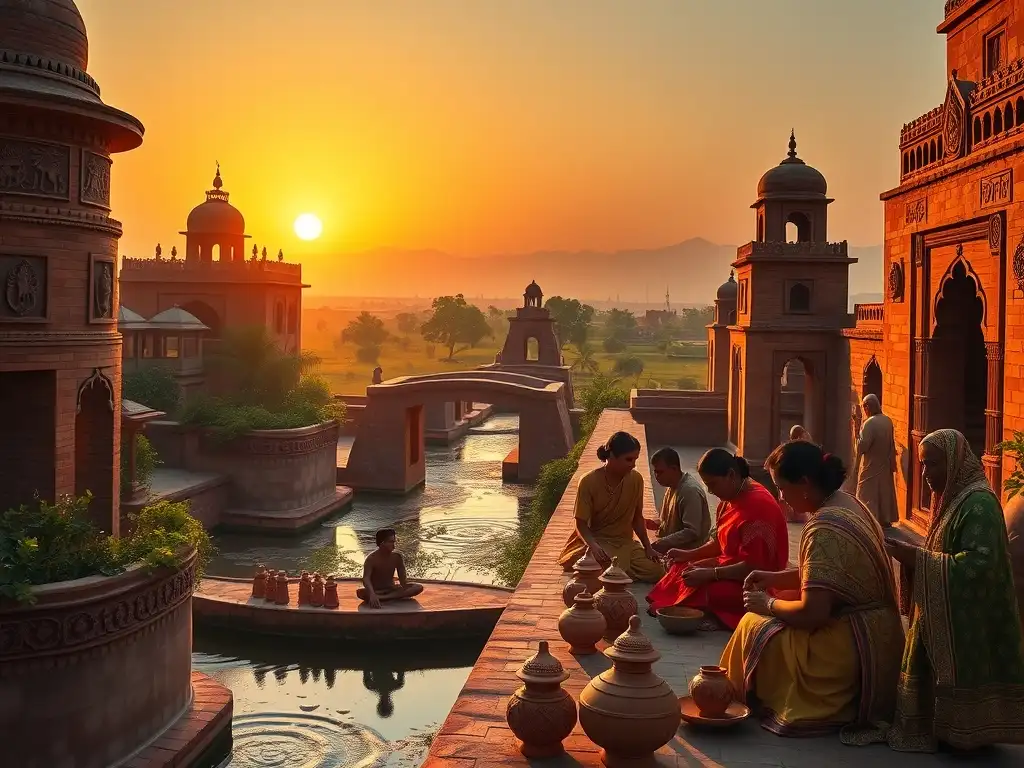
Welcome to Ancient India History, where we embark on a captivating journey through the rich and diverse tapestry of ancient Indian civilizations. Dive deep into the fascinating world of the Indus Valley, where religion and art intertwined to create a unique cultural legacy. In our featured article, "The Role of Religion in Shaping Indus Valley Artistic Expression," we unravel the profound impact of spiritual beliefs on artistic endeavors of this remarkable civilization.
Get ready to explore how ancient faiths sculpted not only the physical landscape but also the very essence of artistic creativity. Join us as we uncover the secrets of the past and discover what made the Indus Valley a cornerstone of history!
Introduction to Indus Valley Religion and Art
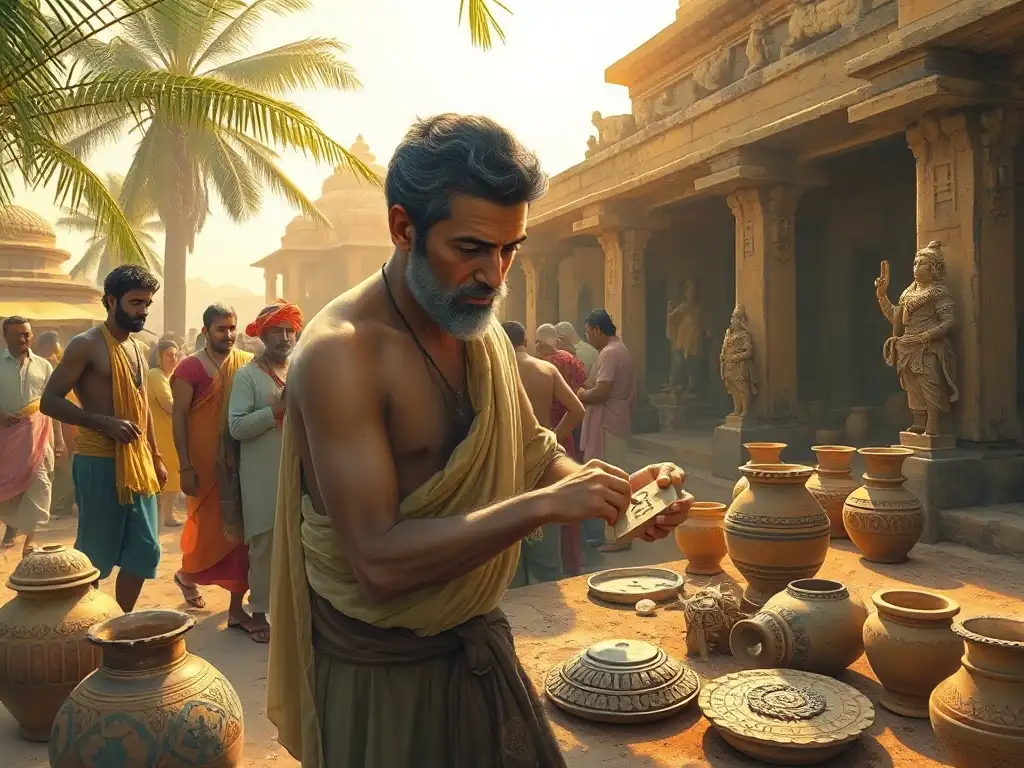
The Indus Valley Civilization, one of the world's oldest urban cultures, thrived around 2500 BCE in what is now modern-day Pakistan and northwest India. This ancient civilization is renowned not only for its advanced urban planning and architecture but also for its remarkable artistic expression, deeply intertwined with religious beliefs and practices. Understanding the role of Indus Valley religion and art helps illuminate how spiritual values shaped the aesthetic and functional aspects of their creations.
From intricate pottery and sculptures to impressive seals, the art of the Indus Valley reflects a society that placed significant importance on spirituality and ritualistic practices. This article delves into the profound connection between religion and artistic expression in the Indus Valley, highlighting the ways in which these elements coalesced to form a unique cultural identity.
Overview of the Indus Valley Civilization
The Indus Valley Civilization (IVC), also known as the Harappan Civilization, flourished during the Bronze Age and is characterized by its sophisticated urban centers such as Harappa and Mohenjo-Daro. Key features of this civilization include:
- Urban Planning: Advanced city layouts with grid patterns, drainage systems, and public baths.
- Trade Networks: Extensive trade routes with neighboring regions, facilitating cultural exchange.
- Material Culture: A variety of artifacts, including terracotta figurines, jewelry, and seals, showcasing craftsmanship and artistic skill.
The IVC's decline around 1900 BCE is still a subject of debate, but it left behind a rich legacy that profoundly influenced subsequent Indian cultures.
Significance of Religion in Ancient Indian Cultures
Religion in ancient Indian cultures, including the Indus Valley, served as a cornerstone for societal norms, values, and artistic expression. Key aspects include:
- Spiritual Beliefs: A pantheon of deities and a belief in the afterlife influenced daily life and art.
- Ritual Practices: Ceremonial activities, often depicted in art, were integral to community life.
- Cultural Identity: Religion helped shape a collective identity, fostering unity through shared beliefs and practices.
This intertwining of religion and culture laid the groundwork for artistic traditions that would evolve over millennia in the Indian subcontinent.
The Intersection of Indus Valley Religion and Artistic Expression
Art in the Indus Valley was not merely for decoration; it served as a medium for expressing religious beliefs and communal values. Understanding this intersection reveals much about the civilization's priorities and worldview.
How Religious Beliefs Influenced Art Forms
The artistic endeavors of the Indus Valley reflect the influence of religious beliefs in various forms:
- Sculptures and Figurines: Many artifacts depict deities, animals, or symbolic imagery, suggesting a connection to worship and ritual.
- Seals: Often inscribed with symbols and figures, these were likely used for trade and religious purposes, indicating a blend of functionality and spirituality.
- Pottery Designs: Decorative motifs frequently include religious symbols, highlighting the significance of spirituality in everyday objects.
The integration of religious themes within art forms not only served practical purposes but also reinforced the cultural identity of the Indus Valley people.
Symbolism in Indus Valley Artistic Works
Symbolism plays a vital role in understanding the artistic expressions of the Indus Valley:
- Animal Motifs: Represents fertility, power, and divinity, often linked to the worship of nature and specific deities.
- Geometric Patterns: These designs may symbolize cosmic order and the interconnectedness of life, echoing religious philosophies.
- Ritual Objects: Items such as ceremonial pottery and figurines are imbued with symbolic meanings related to fertility, prosperity, and protection.
These elements collectively illustrate how religion was a fundamental force in shaping the artistic landscape of the Indus Valley Civilization, enriching its cultural legacy.
Major Religious Themes in Indus Valley Art
The Indus Valley Civilization, flourishing from approximately 3300 BCE to 1300 BCE, presents a rich tapestry of artistic expression deeply intertwined with its religious beliefs. This civilization's art reflects significant themes that resonate with their spiritual practices and social structure. Major religious themes identified in Indus Valley art include fertility, the divine feminine, and the reverence for nature.
The concept of fertility is particularly prominent, often symbolized through various artifacts, such as terracotta figurines representing female forms, which are believed to signify fertility goddesses or motherly figures. This focus on fertility underscores the importance of agriculture and procreation in their society, suggesting that these themes were central to their religious beliefs and practices.
Additionally, the reverence for animals, particularly bulls and elephants, indicates a possible totemic aspect of their religion, where certain animals held spiritual significance. This can be observed in seals and sculptures that depict these creatures, hinting at a connection to agricultural success and prosperity.
Depictions of Deities in Indus Valley Artifacts
Artifacts from the Indus Valley often feature depictions of deities or divine figures, although less is known about their specific identities compared to later Indian religions. The famous "Priest-King" statue from Mohenjo-Daro is one of the most iconic artifacts, suggesting a figure of authority, possibly a religious leader or priest.
Moreover, seals often illustrate hybrid creatures and figures that combine human and animal traits, hinting at a complex pantheon or belief system. For example, the depiction of a figure sitting in a yogic posture, often interpreted as a proto-Shiva, suggests early forms of meditation and ascetic practices that later became prominent in Hinduism. These depictions indicate the significance of spirituality and governance intertwined within their religious framework.
Ritualistic Elements in Sculptures and Pottery
Ritualistic elements are prevalent throughout Indus Valley art, particularly in sculptures and pottery. The use of specific symbols, such as the swastika, which is associated with auspiciousness and well-being, reflects the importance of rituals in daily life.
Additionally, many pottery pieces feature intricate designs that may have served a ritualistic purpose, suggesting that these objects were not merely functional. The presence of ceremonial items, such as the small terracotta figurines used in domestic shrines, indicates the integration of art into religious practices, reinforcing the sacred nature of everyday objects.
The Role of Nature and Elements in Religious Art
Nature and the elements hold a prominent place in the religious art of the Indus Valley Civilization. The representation of natural motifs such as trees, flowers, and rivers emphasizes the connection between the environment and religious beliefs. These elements are often depicted in pottery designs and seals, suggesting that the Indus people revered nature as a manifestation of the divine.
Moreover, water, considered sacred in many cultures, is likely reflected in their art through the depiction of water bodies in seals and the design of drainage systems in urban planning. This reverence for natural elements illustrates a worldview that sees the divine presence in the surrounding environment, highlighting the symbiotic relationship between spirituality and nature.
Material Culture and Artistic Techniques
The artistic expression in the Indus Valley Civilization is largely characterized by its material culture and the techniques employed in creating various artifacts. The use of materials not only reflects the technological advancements of the time but also signifies the cultural values and religious beliefs of the society.
Common Materials Used in Indus Valley Art
Indus Valley artisans utilized a diverse range of materials in their artistic endeavors. Common materials included terracotta, bronze, stone, and semi-precious stones.
- Terracotta: Used extensively for figurines, pottery, and seals, terracotta was easily shaped and fired, allowing for intricate designs.
- Bronze: The use of bronze for sculptures indicates advanced metallurgical skills, with notable examples including the bronze dancing girl, which exemplifies both artistry and craftsmanship.
- Stone: Stone seals, often engraved with animals and symbols, played a crucial role in trade and religious practices, suggesting a complex socio-economic and spiritual life.
These materials reflect the technological prowess of the Indus Valley people while also serving to convey their religious and cultural narratives through art.
Artistic Techniques Reflecting Religious Motifs
Artistic techniques in the Indus Valley were as varied as the materials used, with each technique often reflecting the civilization's religious motifs. Techniques such as carving, molding, and intricate beadwork were employed to create detailed representations of religious figures and symbols.
- Carving: The skillful carving of seals with motifs of deities and animals showcases the artisans' ability to convey complex narratives through simple images.
- Molding: The use of molds for terracotta figurines allowed for mass production, indicating that these religious artifacts were significant in both domestic and ritual contexts.
- Inlay Work: The use of semi-precious stones inlaid into pottery and jewelry not only enhanced the aesthetic value but also served as a means of expressing religious and social status.
These artistic techniques contributed to a rich visual language that communicated the spiritual beliefs and practices of the Indus Valley Civilization, illustrating how religion and art were integrally linked in shaping their cultural identity.
The Impact of Religion on Urban Planning and Architecture
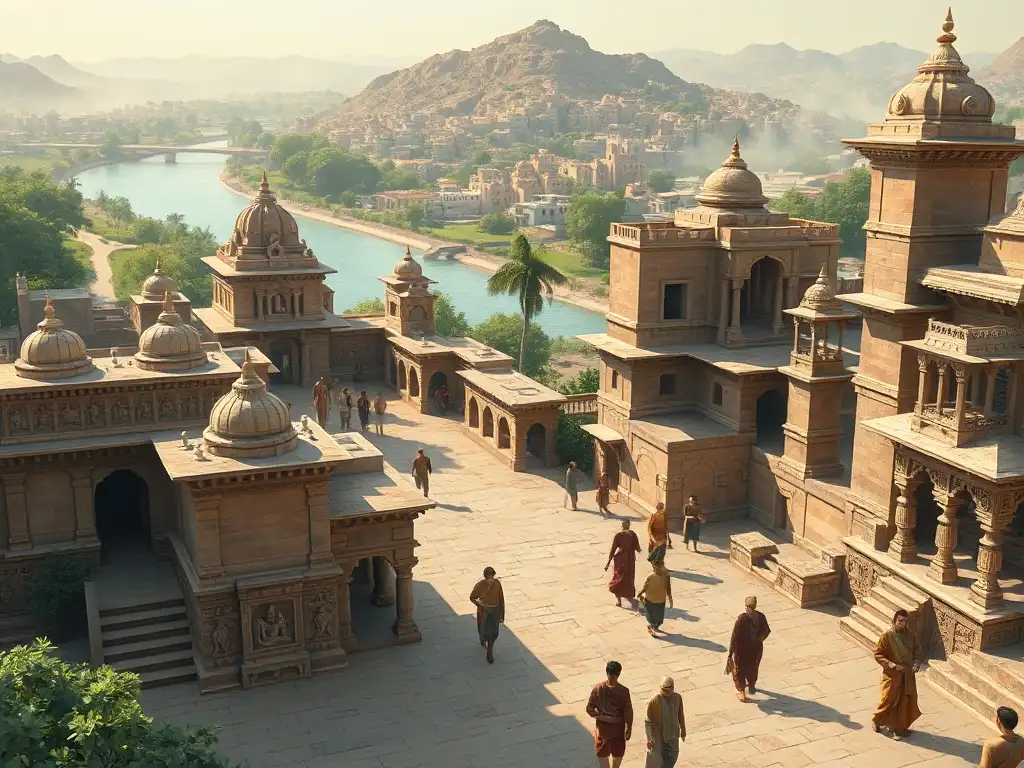
The Indus Valley Civilization (IVC) is renowned for its advanced urban planning and architecture, deeply intertwined with the religious beliefs and practices of its people. Religion influenced not only the structure of the cities but also their layout and societal organization. Cities like Mohenjo-Daro and Harappa exhibit an impressive grid pattern, with streets and drainage systems that reflect a high degree of planning. Central to this urban design were areas designated for religious practices, indicating that religion was a focal point in community life.
One of the key features of IVC architecture is the presence of public baths, such as the Great Bath at Mohenjo-Daro. These large, water-filled structures likely played a significant role in religious purification rituals, suggesting that the act of bathing was not merely practical but had spiritual significance as well. The incorporation of such features into urban planning indicates a society that placed great importance on religious practices and their integration into daily life.
Sacred Spaces and Their Artistic Significance
Sacred spaces within the Indus Valley Civilization were designed with a combination of functionality and artistic expression. Structures such as altars, shrines, and ceremonial platforms were often adorned with intricate carvings and reliefs. These artistic elements served not only decorative purposes but also communicated religious narratives and beliefs.
For example, seals discovered from this period reveal depictions of deities, animals, and human figures engaged in ritualistic activities. The artistry involved in creating these seals illustrates the significance of religious symbolism in their culture, showcasing a deep connection between the spiritual and the artistic. The use of materials like terracotta and stone to craft these sacred objects further emphasizes their importance, as these were often imbued with cultural and religious meanings.
Temples and Public Structures: A Reflection of Religious Beliefs
While the Indus Valley Civilization did not leave behind large-scale temples akin to those found in later Indian cultures, the public structures of the time reveal much about their religious beliefs. The layout of cities often included large open spaces that could serve as gathering areas for communal worship and rituals.
The absence of monumental temples may indicate a different approach to worship, possibly suggesting that religious activities were more communal and less hierarchical. Public structures likely acted as venues for festivals and communal gatherings, reinforcing the role of religion in social cohesion. The simplicity of these structures, combined with the artistry reflected in their embellishments, underscores a belief system that valued community engagement over individualistic worship.
Comparisons with Other Ancient Civilizations
The artistic expressions and religious influences of the Indus Valley Civilization can be better understood through comparisons with other ancient civilizations, particularly Mesopotamia.
Similarities between Indus Valley Religion and Art with Mesopotamia
Both the Indus Valley and Mesopotamia exhibited a strong connection between religion and art, with religious symbols frequently depicted in their artistic creations. In Mesopotamia, ziggurats served as monumental religious structures, much like how public baths and open spaces in the IVC functioned as centers for spiritual activities.
Moreover, both civilizations produced seals that illustrated their religious beliefs. Mesopotamian seals often depicted gods and mythological creatures, while Indus seals featured unique motifs and deities significant to their own belief systems. This indicates a broader trend where art served as a medium for expressing religious ideologies, facilitating communication about spiritual matters across regions.
Differentiating Features of Indus Artistic Expression
Despite these similarities, there are also distinct features that set Indus Valley artistic expressions apart from those of other civilizations. The IVC is characterized by its use of naturalistic forms and an emphasis on geometric patterns, which can be seen in pottery, jewelry, and seals.
While Mesopotamian art often portrayed more anthropocentric themes and narrative scenes, Indus art reflects a subtler connection with nature and spirituality. The abstraction in their motifs and the integration of animals in artistic representations suggest a reverence for the natural world as part of their religious beliefs. This unique artistic style highlights the distinct cultural identity of the Indus Valley, showcasing how religion informed their artistic narrative in ways that differed from their contemporaries.
Conclusion
The relationship between Indus Valley religion and art is a fascinating area of study that reveals much about the values, beliefs, and social structures of one of the world's earliest urban civilizations. By examining the artifacts, sculptures, and architectural remnants, we gain insights into how spirituality influenced artistic expression. The Indus Valley Civilization's art was not merely decorative; it served to communicate religious ideas, reflect societal norms, and connect the community with the divine.
Understanding the nuances of this relationship enriches our appreciation of the Indus Valley's contributions to art and culture. As we reflect on the impressive creativity of this ancient civilization, it becomes evident that their artistic expressions were deeply intertwined with their religious practices, serving as a bridge between the material and spiritual worlds.
Summary of Key Insights on Indus Valley Religion and Art
- Religious Symbolism: Artifacts such as seals, pottery, and sculptures exhibit a variety of motifs and symbols that suggest a rich religious life. Deities, animals, and geometric patterns were prevalent, indicating the significance of spirituality in daily life.
- Ritualistic Functions: Many artistic works appear to have served specific ritualistic purposes. For instance, terracotta figurines and ceremonial objects found at archaeological sites hint at their use in worship or as offerings.
- Community Identity: Artistic expressions were not just individualistic but reflected collective beliefs and values. They fostered a sense of identity among the people of the Indus Valley, reinforcing community ties through shared religious practices.
- Cultural Exchange: The artistic styles of the Indus Valley demonstrate influences from neighboring regions, indicating a dynamic interaction among cultures. This exchange enriched their artistic repertoire and reflected a broader understanding of spirituality.
The Lasting Legacy of Indus Valley Artistic Expressions in Religion
The artistic expressions of the Indus Valley Civilization have left an enduring legacy that continues to influence contemporary interpretations of spirituality in the Indian subcontinent. The motifs and symbols that originated in this era can still be observed in various forms of Indian art and religious practices today.
- Continuity of Themes: Many themes explored by Indus Valley artists, such as the representation of deities and nature, have persisted throughout Indian history, evolving yet retaining their core significance in religious contexts.
- Inspiration for Modern Artists: Contemporary artists draw inspiration from the sophisticated craftsmanship and spiritual depth of Indus Valley art. This revival fosters a greater appreciation of ancient traditions and their relevance in modern artistic expressions.
- Cultural Heritage: The artistic legacy of the Indus Valley serves as a testament to the civilization's advanced understanding of aesthetics and spirituality. It highlights the importance of preserving cultural heritage, as these artistic expressions form an integral part of India's historical narrative.
The intricate interplay between Indus Valley religion and art not only shaped the civilization’s identity but also laid the groundwork for future artistic and spiritual endeavors in the Indian cultural landscape.
- Introduction to Indus Valley Religion and Art
- The Intersection of Indus Valley Religion and Artistic Expression
- Major Religious Themes in Indus Valley Art
- Material Culture and Artistic Techniques
- The Impact of Religion on Urban Planning and Architecture
- Comparisons with Other Ancient Civilizations
- Conclusion
- What were the primary religious beliefs in the Indus Valley civilization?
- How did religion influence art in the Indus Valley?
- Were there any artifacts that highlight the relationship between religion and art in the Indus Valley?
- How did the Indus Valley religion compare to other ancient civilizations?
- What contributions did the Indus Valley civilization make to later Indian cultures?
Frequently Asked Questions
What were the primary religious beliefs in the Indus Valley civilization?
The Indus Valley religion likely revolved around nature worship, fertility deities, and possibly the veneration of mother goddesses, indicating a complex spiritual life.
How did religion influence art in the Indus Valley?
Artistic expression in the Indus Valley was heavily influenced by religious themes, with sculptures, seals, and pottery often depicting deities and symbols significant to their spiritual practices.
Were there any artifacts that highlight the relationship between religion and art in the Indus Valley?
Yes, artifacts such as seals, figurines, and pottery illustrate the interconnection between religion and art, showcasing motifs that reflect the spiritual beliefs of the civilization.
How did the Indus Valley religion compare to other ancient civilizations?
The Indus Valley religion is unique in its focus on nature and fertility, differing from the more anthropomorphic deities of Mesopotamian and Egyptian cultures, suggesting a distinct spiritual worldview.
What contributions did the Indus Valley civilization make to later Indian cultures?
The artistic and religious traditions established in the Indus Valley laid the groundwork for subsequent Indian cultures, influencing later practices and artistic styles through their symbolism and rituals.
Final Reflection: The Enduring Legacy of Indus Valley Religion and Art
The intricate relationship between Indus Valley religion and art continues to resonate in today's world, illustrating how belief systems profoundly influence cultural expression. The artistic achievements of this ancient civilization are not merely relics of the past; they serve as a testament to the enduring power of spirituality in shaping human creativity. As we explore the remnants of their artistic endeavors, we uncover a narrative that speaks to the universal quest for meaning and connection through art.
The impact of Indus Valley religion on artistic expression has left an indelible mark on the cultural landscape, inspiring generations to seek deeper understanding through creativity. The motifs and symbols found in their art reflect a society deeply intertwined with its spiritual beliefs, emphasizing the importance of faith in daily life. Art is the most beautiful of all lies.
This quote encapsulates the essence of how art transcends mere aesthetics, becoming a vessel for the expression of profound truths and beliefs that continue to influence contemporary artistic practices.
As we reflect on the lessons from the Indus Valley civilization, let us consider how our own beliefs shape our creative expressions. I invite you to explore the role of your own values and spirituality in your artistic endeavors. Whether through painting, writing, or any form of creative expression, there lies an opportunity to connect with something greater than ourselves. Embrace the legacy of the Indus Valley, and allow it to inspire you to infuse your art with meaning, fostering a deeper connection to your own beliefs and the world around you.
Unveil the Spiritual Tapestry of the Indus Valley!
Thank you for diving into the fascinating world of the Indus Valley's artistic expression! You've uncovered how religion intricately influenced their art and culture. Now, it's time to take your interest a step further and explore the depths of this ancient civilization.
Here are some exciting actions you can take next:
- Immerse yourself in more readings about the religious symbols and motifs in Indus Valley art. Discover the significance behind each piece!
- Share your insights with friends or on social media. Discuss what surprised you the most about the artistic styles and their religious connections.
- Join a community forum or group focused on ancient Indian history. Engage with fellow enthusiasts and share your thoughts and findings!
What aspect of Indus Valley artistic expression resonates with you the most – the symbolism, the techniques, or perhaps the cultural contexts? Let's spark a discussion!