
The Power of Women in Ancient Indian Rituals and Practices

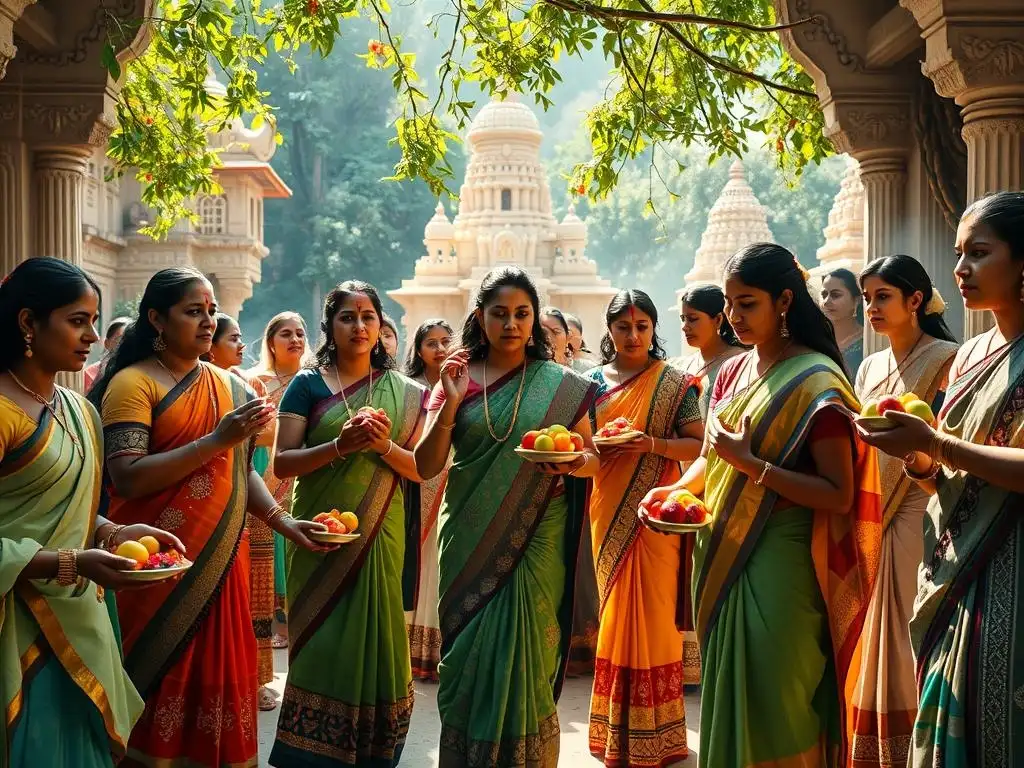
Welcome to Ancient India History, where we delve into the rich tapestry of India's past, exploring the profound contributions of its civilizations. In this journey, we invite you to uncover the power of women in ancient Indian rituals and practices. How did these remarkable women shape spiritual and cultural landscapes? What roles did they play in the sacred ceremonies that defined their communities? Join us as we unlock the secrets of their influence and celebrate their enduring legacy. Prepare to be inspired and enlightened as you explore the fascinating narratives that await you!
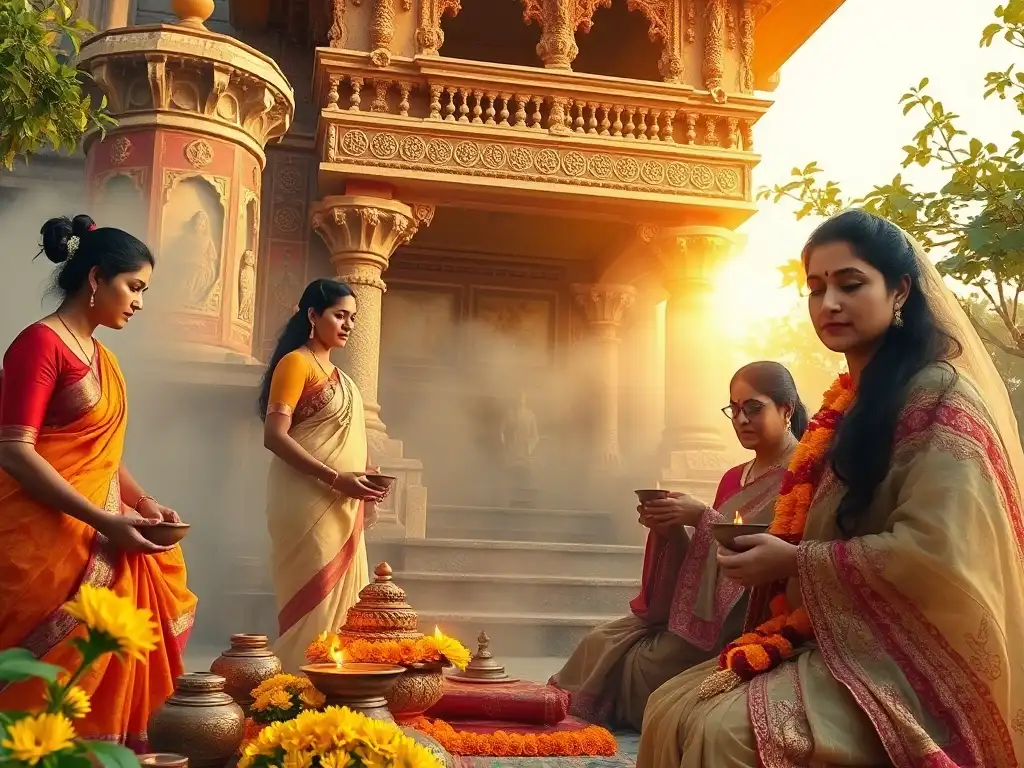
Introduction to Women in Ancient Indian Rituals
The history of ancient India is rich and multifaceted, showcasing a diverse tapestry of cultures, beliefs, and practices. Among the many layers of this historical narrative, the role of women in rituals and religious practices stands out as a significant area of exploration. Women in ancient Indian rituals were not merely passive participants; they played vital roles that influenced spiritual practices, societal norms, and cultural expressions.
The contributions of women in these sacred contexts reveal much about their status, power, and agency within the broader framework of ancient Indian society. As we delve into this topic, we will uncover the intricate ways in which women shaped, sustained, and transformed rituals throughout different periods of ancient India.
Overview of Women's Roles in Ancient Indian Society
In ancient Indian society, women held a complex and dynamic position. They were revered as mothers, wives, and nurturers, often seen as the embodiment of Shakti, or divine feminine energy. However, their roles extended beyond the domestic sphere. Women engaged in various social, economic, and spiritual activities, contributing to the community's overall well-being.
- Key Roles:
- Household Managers: Women were responsible for maintaining the household and managing resources.
- Educators: Many women were involved in the education of their children, imparting values and knowledge.
- Ritual Practitioners: They actively participated in rituals, often leading ceremonies and invocations.
Through these roles, women not only influenced their families but also played a pivotal part in the fabric of society, demonstrating their importance in shaping cultural and spiritual life.
Significance of Rituals in Ancient Indian Culture
Rituals in ancient India were not merely ceremonial acts; they were integral to the social and spiritual fabric of the civilization. These rituals served multiple purposes:
- Spiritual Connection: They facilitated a connection between the individual and the divine.
- Community Bonding: Rituals brought communities together, fostering social cohesion and collective identity.
- Cultural Transmission: They played a crucial role in passing down traditions, values, and beliefs from one generation to another.
Women, as primary facilitators of many household and community rituals, ensured that these practices were preserved and adapted, thus maintaining the continuity of cultural heritage.
Historical Context of Women in Ancient Indian Rituals
To understand the power of women in ancient Indian rituals, it is essential to explore the historical context across different civilizations and periods.
Women in the Indus Valley Civilization Rituals
The Indus Valley Civilization (c. 3300–1300 BCE) is one of the earliest urban cultures in the world. Archaeological findings suggest that women played significant roles in the spiritual life of this civilization. Evidence includes:
- Figurines of Female Deities: Many clay figurines depict women in ritualistic poses, suggesting their involvement in religious practices.
- Ritual Spaces: Sites such as Mohenjo-Daro feature complex bathing areas and altars, indicating that women may have participated in sacred rites.
These findings point to a society where women's roles in rituals were recognized and valued, laying the groundwork for future cultural practices.
Vedic Period: Women’s Spiritual and Ritualistic Participation
The Vedic period (c. 1500–500 BCE) marked a significant evolution in religious practices and societal structures. During this time, women continued to play essential roles in spiritual and ritualistic activities:
- Soma Rituals: Women were known to participate in Soma sacrifices, a central ritual that involved the consumption of a sacred drink believed to confer immortality.
- Ritual Specialists: Some women became Brahmavadinis, learned women who could recite Vedic hymns and participate in sacrificial rites, reflecting their elevated status in certain contexts.
This period illustrates a nuanced landscape where women's participation in rituals was both revered and restricted, depending on the evolving societal norms.
Influence of Religious Texts on Women's Roles in Rituals
Religious texts such as the Rig Veda, Upanishads, and later Puranas provide insights into women's roles in rituals. These texts often present a dual image of women:
- Empowered Figures: Many hymns celebrate women as embodiments of power and wisdom, encouraging their involvement in spiritual life.
- Restrictive Norms: Conversely, other texts impose restrictions on women's participation, reflecting changing attitudes towards gender roles over time.
The interplay between empowerment and restriction in these texts highlights the complexity of women's roles in ancient Indian rituals, illustrating how their contributions were both celebrated and constrained by societal norms.
Key Rituals Involving Women in Ancient India
Women played a vital role in various rituals throughout ancient Indian society, serving not just as participants but as central figures in many religious and cultural practices. These rituals encompassed a wide range of activities from marriage ceremonies to festivals and sacrificial rites, each reflecting the societal status and spiritual significance attributed to women. Their involvement often highlighted their roles as nurturers, caretakers, and spiritual mediators, reinforcing the belief in their connection to the divine.
Marriage Rituals and Women's Central Role
Marriage rituals in ancient India were profoundly significant and showcased the prominent role of women. These ceremonies were not merely personal unions but were deeply embedded in religious and cultural traditions. The bride, often seen as a goddess, was central to the ceremony, symbolizing fertility, prosperity, and the continuation of family lineage.
Key elements of these rituals included:
- Saptapadi (Seven Steps): The bride and groom take seven steps together, each representing a vow, emphasizing the partnership between them.
- Kanyadaan: This ritual involved the father giving away his daughter, symbolizing the transition of the woman from her natal home to her marital home, underscoring her importance in the family structure.
- Homa (fire offerings): Women often participated in making offerings to the sacred fire, a pivotal element that represented purity and the divine presence in the marriage.
Through these rituals, women not only assumed a primary role but also embodied the values and virtues of their families and communities.
Festivals and Celebrations: Women as Key Participants
Festivals in ancient India were vibrant occasions where women played crucial roles, often leading rituals and celebrations. These events were imbued with cultural significance and reflected the community's values, with women acting as the primary facilitators of joy and devotion.
During festivals, women engaged in various activities such as:
- Preparation of Offerings: Women prepared food and offerings for deities, highlighting their role as nurturers within the household.
- Ritual Dances and Songs: Traditional dances and songs performed by women were integral parts of celebrations, often invoking blessings and prosperity.
- Decorating Altars and Homes: Women decorated spaces with rangoli (colored powders) and flowers, creating a welcoming and auspicious environment for worship.
These practices not only reinforced women's roles within the family but also their importance in upholding cultural traditions and communal harmony.
Sacrificial Rituals: The Role of Women in Yagnas
Sacrificial rituals, or Yagnas, were significant in ancient Indian spiritual practices, and women held essential roles in these rites. Although traditionally dominated by male priests, women contributed actively to the sacrificial process. Their involvement underscored the belief in their spiritual purity and connection to the divine.
Women participated in Yagnas through:
- Preparation of Ingredients: Women were responsible for gathering and preparing the necessary ingredients, ensuring that the offerings were pure and suitable for the deities.
- Chanting Mantras: In some traditions, women recited Vedic mantras, signifying their spiritual authority and knowledge.
- Offering of Ghee and Grains: Women played a direct role in making offerings to the fire, which was believed to carry the offerings to the gods, symbolizing their participation in the sanctification of the ritual.
These contributions reflected the integral role women played in maintaining the sanctity and efficacy of the rituals.
The Spiritual Significance of Women in Rituals
Women held significant spiritual authority in ancient Indian rituals, representing not only the earthly elements of life but also embodying deeper spiritual truths. Their roles were often seen as essential for the success of rituals, linking the community to the divine.
Women as Custodians of Tradition and Rituals
Throughout history, women have been seen as the custodians of tradition, ensuring that rituals and practices were passed down through generations. They maintained the cultural heritage by teaching their children the importance of rituals, thus preserving the community’s identity and spiritual practices.
This custodial role involved:
- Transmission of Knowledge: Women shared the knowledge of rituals, prayers, and customs, ensuring that these practices persisted.
- Participation in Family Rituals: Women often conducted family rituals and ceremonies, reinforcing their status as the spiritual backbone of the household.
- Role Models: By embodying the values and practices of their ancestors, women served as role models for the younger generations, instilling a sense of pride and continuity in cultural identity.
The Connection Between Women and Fertility Rituals
Fertility rituals were crucial in ancient Indian society, reflecting the deep reverence for women as life-givers. These rituals, often centered around agriculture and childbirth, emphasized the importance of women in sustaining both family and community life.
Key aspects included:
- Worship of Fertility Goddesses: Women engaged in rituals dedicated to goddesses like Parvati and Durga, invoking their blessings for fertility and prosperity.
- Rituals for Childbirth: Specific ceremonies were conducted to ensure safe childbirth, with women playing a central role in performing these rites.
- Agricultural Festivals: Women participated in harvest festivals, celebrating fertility not just in human life but also in agriculture, showcasing their integral role in sustaining the community's livelihood.
Through these rituals, women were celebrated not just for their reproductive capabilities but also for their nurturing qualities and their contributions to the community's survival.
Goddesses and the Feminine Divine in Ancient Indian Worship
The worship of goddesses in ancient India reflects the veneration of the feminine divine, signifying women's crucial role in spiritual life. Goddesses were often seen as powerful entities responsible for various aspects of life, from fertility to wisdom, illustrating the multifaceted nature of women's contributions.
Key elements include:
- Representation of Power: Goddesses like Saraswati, Lakshmi, and Kali exemplified different forms of power, wisdom, and prosperity, highlighting the reverence for feminine qualities.
- Ritual Practices: Worship of these goddesses involved specific rituals performed primarily by women, reinforcing their spiritual significance and connection to the divine.
- Cultural Narratives: Myths and legends surrounding these goddesses often portrayed women as central figures in the cosmic order, further embedding their importance in ancient Indian culture.
Through the lens of goddess worship, the spiritual significance of women in rituals was not only acknowledged but celebrated, emphasizing their powerful roles in both mundane and divine realms.
Case Studies of Prominent Women in Ancient Indian Rituals
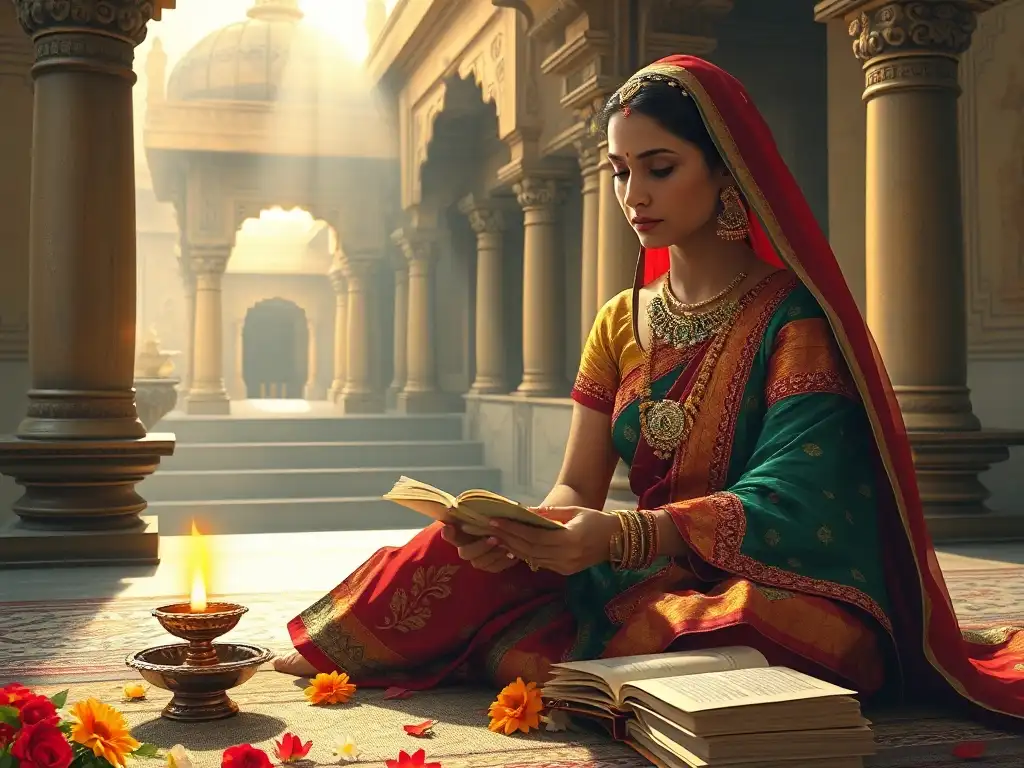
The role of women in ancient Indian rituals was multifaceted and significant, as reflected in various historical accounts and texts. To better understand the impact of women in these practices, we can explore several case studies that highlight their prominence and influence.
One of the most notable examples is the figure of Gargi Vachaknavi, a sage renowned for her intellect and participation in the philosophical debates of the Brahmanas. Gargi is depicted as challenging the male sages during the Satra rituals, demonstrating that women could possess not just ritual knowledge but also the authority to question and engage in theological discourse. Her involvement in these rituals showcases the capability of women to hold positions of respect and power in spiritual contexts.
Another prominent figure is Maitrayi, who is mentioned in the Upanishads. Maitrayi’s participation in discussions on metaphysics and her assertion that true wealth lies in knowledge over material possessions underscore the role of women as not only participants in rituals but also as spiritual leaders. Her philosophical inquiries indicate that women were engaged in significant intellectual discussions, which often accompanied ritualistic practices.
Notable Female Figures in Ancient Texts
Ancient Indian literature is replete with references to women who played crucial roles in rituals and spiritual practices. Texts such as the Mahabharata and Ramayana highlight several female figures whose contributions were pivotal.
For instance, in the Mahabharata, we find Draupadi, whose swayamvara (a ceremonial bride selection) was a grand ritual that signified her agency and choice in marriage. The narrative illustrates how her presence and decisions shaped the course of events in the epic, reflecting the broader societal recognition of women's agency in rituals.
Additionally, the Puranas mention the goddess Durga, whose worship involves elaborate rituals that women actively partake in. Her symbolism as a powerful feminine force not only reinforces women's roles within religious practices but also highlights their importance in sustaining cultural and spiritual traditions through rituals dedicated to her.
Influential Queens and Their Ritual Contributions
Throughout ancient Indian history, queens have held significant positions in religious and ritual practices, often using their status to influence and enhance cultural norms. For example, Rani Durgavati of Gondwana is known for her patronage of various temples and rituals that celebrated local deities, thereby reinforcing the integration of spirituality in governance. Her involvement in these practices illustrates how queens could shape religious landscapes.
Similarly, the queens of the Gupta Empire, such as Prabhavati Gupta, are noted for their contributions to the promotion of Buddhist rituals and temples. Their patronage not only facilitated the flourishing of religion but also encouraged women to participate in and lead religious ceremonies, reflecting a more inclusive approach to spiritual practices during their reign.
Challenges Faced by Women in Ritual Practices
Despite the prominent roles women held in ancient Indian rituals, they faced numerous challenges that often limited their participation and influence. Understanding these challenges provides insight into the evolving dynamics of gender roles within religious contexts.
Societal Norms and Limitations on Women’s Participation
Societal norms in ancient India often prescribed specific roles for women, which could limit their participation in rituals. The Manusmriti, an ancient legal text, articulated various rules regarding women's behavior, including restrictions on their involvement in certain religious ceremonies. Such norms enforced a hierarchy that prioritized male participation, often relegating women to secondary roles, even in rituals where they historically held prominence.
These limitations were compounded by societal expectations that emphasized women's roles in domestic spheres rather than in public or spiritual domains. Consequently, while women like Gargi and Maitrayi made significant contributions, many others were constrained by familial duties and societal expectations, hindering their active participation in rituals.
Changes Over Time: From Active Participants to Restrained Roles
Over the centuries, the role of women in rituals underwent significant changes. Initially, women enjoyed a degree of freedom and influence, as seen in the Vedic period when they participated in sacrifices and rituals alongside men. However, as patriarchal structures began to solidify, particularly during the later Vedic and post-Vedic periods, women's roles became increasingly restricted.
By the medieval period, many rituals had become male-dominated, and women were often relegated to supportive roles rather than being active participants. This shift not only limited the visibility of women's contributions in religious practices but also reflected a broader societal trend towards the marginalization of women's roles in public life.
The power of women in ancient Indian rituals is a testament to their enduring influence and contributions, even in the face of societal challenges. Their historical presence in ritual practices underscores the dynamic interplay between gender, society, and spirituality in ancient India.
Conclusion: The Lasting Impact of Women in Ancient Indian Rituals
The exploration of women's roles in ancient Indian rituals reveals a profound and multifaceted impact that continues to resonate in contemporary society. Women were not merely passive participants; they were often central figures in various religious practices, embodying key spiritual and social functions. Their influence extended beyond the confines of domestic spaces, shaping the very fabric of ritualistic life in ancient India.
Through their involvement in ceremonies, from the household to the temple, women contributed to the preservation and transmission of cultural traditions, beliefs, and values. Such contributions underscore the significance of recognizing women's agency in ancient Indian history and the essential roles they played in maintaining the spiritual continuum of society.
Reflection on the Importance of Recognizing Women’s Contributions
Recognizing the contributions of women in ancient Indian rituals is crucial for a comprehensive understanding of historical narratives. Traditional accounts often marginalize women's roles, focusing primarily on male figures and their achievements. By acknowledging women's participation, we not only enrich our historical perspective but also empower future generations to appreciate the balance and equality inherent in ancient practices. This recognition fosters a deeper connection to our cultural roots and highlights the often-overlooked strength of women as custodians of tradition and spirituality.
The Legacy of Women in Ancient Indian Religious Practices
The legacy of women in ancient Indian religious practices is evident in various forms, including literature, art, and continued traditions. Women such as Gargi and Maitreyi, who are revered for their philosophical contributions, exemplify the intellectual and spiritual authority that women held. Additionally, the various female deities venerated in Hinduism, like Durga and Saraswati, symbolize the divine feminine and reflect the respect afforded to women in spiritual contexts. This legacy persists in modern times, where women's roles in spiritual and ritual practices continue to evolve, serving as a testament to their enduring influence in shaping religious identities and practices.
Call to Action: Further Exploration of Women's Roles in Ancient Indian History
To fully appreciate the profound contributions of women in ancient Indian history, it is essential to engage with the wealth of knowledge available on the subject. This exploration not only enriches our understanding of the past but also inspires current and future narratives about gender roles in society.
Suggested Readings and Resources for Deeper Understanding
- Books:
- Women in Ancient India by Kumkum Sangari
- The Role of Women in Ancient Indian Society by R. S. Sharma
- Goddesses and Women in the Hindu Tradition by Ananda K. Coomaraswamy
- Journals and Articles:
- Articles from the Journal of Hindu Studies focusing on gender and ritual practices.
- Research papers discussing the philosophical contributions of women in ancient texts.
- Online Resources:
- Documentaries and lectures available on platforms dedicated to historical education.
- Websites focusing on women's history in India, providing curated content and academic resources.
Encouragement to Reflect on the Cultural Heritage of Women in Ancient India
As we delve into the cultural heritage of women in ancient India, it is vital to reflect on their enduring legacies. The rituals and practices they participated in not only defined spiritual life but also shaped societal structures and values. By honoring their contributions, we acknowledge the complexity of history and the integral role women played in shaping the cultural landscape.
This reflection encourages a broader appreciation of diversity within the historical narrative, paving the way for a more inclusive understanding of our collective heritage. Embracing this knowledge is essential for fostering respect and recognition for women’s roles, both past and present, in shaping our world.
- Introduction to Women in Ancient Indian Rituals
- Historical Context of Women in Ancient Indian Rituals
- Key Rituals Involving Women in Ancient India
- The Spiritual Significance of Women in Rituals
- Case Studies of Prominent Women in Ancient Indian Rituals
- Notable Female Figures in Ancient Texts
- Influential Queens and Their Ritual Contributions
- Challenges Faced by Women in Ritual Practices
- Conclusion: The Lasting Impact of Women in Ancient Indian Rituals
- Call to Action: Further Exploration of Women's Roles in Ancient Indian History
- What roles did women play in ancient Indian rituals?
- Were women allowed to perform rituals independently?
- How did the status of women in rituals vary across different periods?
- What contributions did women make to ancient Indian spiritual practices?
- How does the study of women in rituals enhance our understanding of ancient Indian society?
Frequently Asked Questions
What roles did women play in ancient Indian rituals?
Women held significant roles in ancient Indian rituals, often serving as leaders in ceremonies and participating actively in spiritual practices and familial rites.
Were women allowed to perform rituals independently?
Yes, women were permitted to perform rituals independently, especially in the context of household ceremonies and personal worship, reflecting their spiritual authority.
How did the status of women in rituals vary across different periods?
The status of women in rituals varied, with periods like the Vedic age showcasing greater involvement compared to later epochs where their roles became more restricted.
What contributions did women make to ancient Indian spiritual practices?
Women contributed to spiritual practices through their roles as sages, teachers, and priestesses, influencing the development of rituals and religious texts.
How does the study of women in rituals enhance our understanding of ancient Indian society?
Studying women in rituals provides insight into their social status, authority, and cultural significance, reflecting the complexities of ancient Indian society and their contributions to civilization.
Final Reflection: The Enduring Legacy of Women in Ancient Indian Rituals
The exploration of women's roles in ancient Indian rituals reveals a profound connection to contemporary society, highlighting that the power of women in these practices was not merely symbolic but foundational to the spiritual and cultural fabric of the time. Today, as we navigate a world still grappling with gender inequality, understanding this historical context serves as a reminder of the strength and influence women have wielded throughout history.
The recognition of their contributions in rituals and practices is not just an academic exercise; it is a call to honor and amplify women's voices in all spheres of life today.
Clearly, the impact of women in ancient Indian rituals continues to resonate in our cultural and social landscapes. The rituals they led and participated in were not only expressions of devotion but also acts of agency that shaped community identities and values. As we reflect on this legacy, we find that the empowerment of women in spiritual practices has paved the way for ongoing movements advocating for gender equality and representation. When women rise, nations rise.
This sentiment encapsulates the transformative potential that women hold, both in ancient times and in our modern world.
As we conclude this exploration, I invite you to reflect on the lessons learned from the powerful roles women played in ancient Indian rituals. Consider how you can honor this legacy in your own life—whether by advocating for women's rights, supporting female leaders, or simply recognizing the strength within yourself and those around you. Let us carry forward the spirit of empowerment that these women embodied, ensuring that their stories inspire future generations to embrace their power and potential.
Unveil the Legacy: Empowering Women in Ancient Indian Rituals!
Thank you for joining us on this enlightening journey through the rich tapestry of women's roles in ancient Indian rituals and practices. Your interest not only highlights the significance of these contributions but also invites us to honor their lasting impact.
Now, let’s take this inspiration further—here are a few actions you can take right now:
- Dive deeper: Explore our exclusive resources and articles on specific rituals that celebrate women’s empowerment in ancient India.
- Join the conversation: Share your thoughts and insights with our community on social media! What practices resonate with you?
- Spread the word: Encourage friends and family to discover the powerful history of women in rituals by sharing this article and engaging in discussions around it.
Are you ready to celebrate and honor the incredible legacy of women in our history? What modern rituals do you believe can draw inspiration from these ancient practices?