
The Role of Festivals in Promoting IndianChinese Cultural Exchange

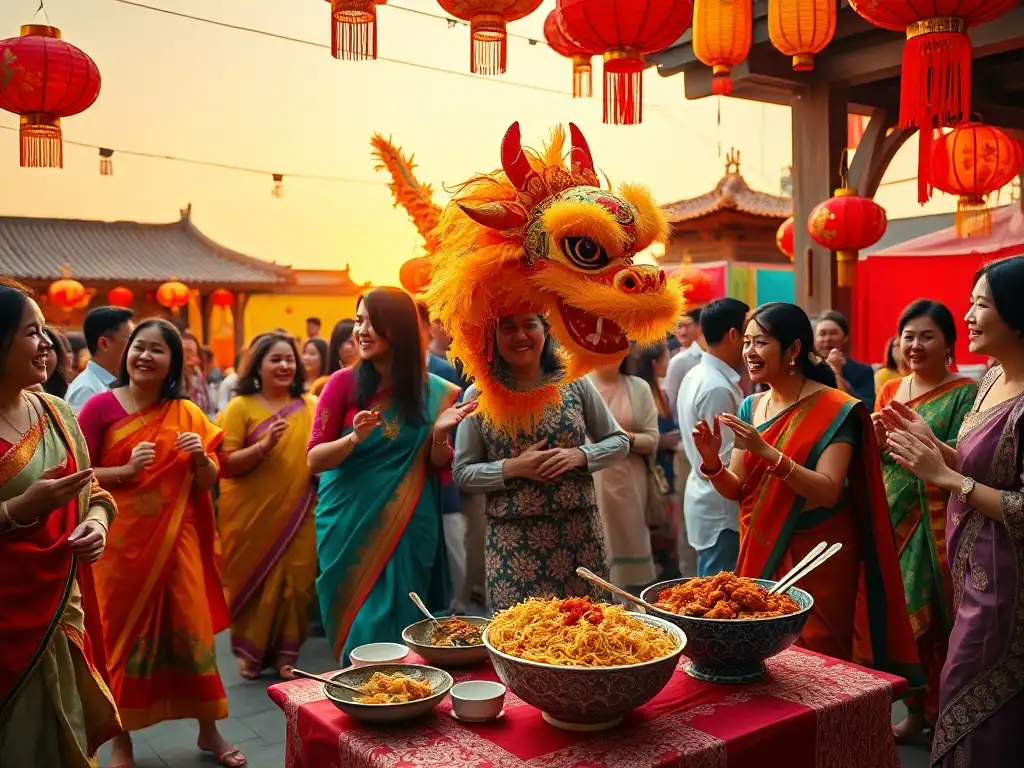
Welcome to Ancient India History, where we embark on a captivating journey through the vibrant tapestry of ancient Indian civilizations. Here, we delve into the rich culture, remarkable achievements, and diverse histories that have shaped our world. In this article, we shine a spotlight on the fascinating interplay between traditions as we explore "Indian Chinese cultural festivals", uncovering how these vibrant celebrations serve as a bridge between two ancient cultures.
Join us as we unravel the stories and significance of these festivals, igniting your curiosity and inspiring a deeper understanding of the profound connections that transcend time and geography. Ready to discover how festivals foster cultural exchange? Let's dive in!
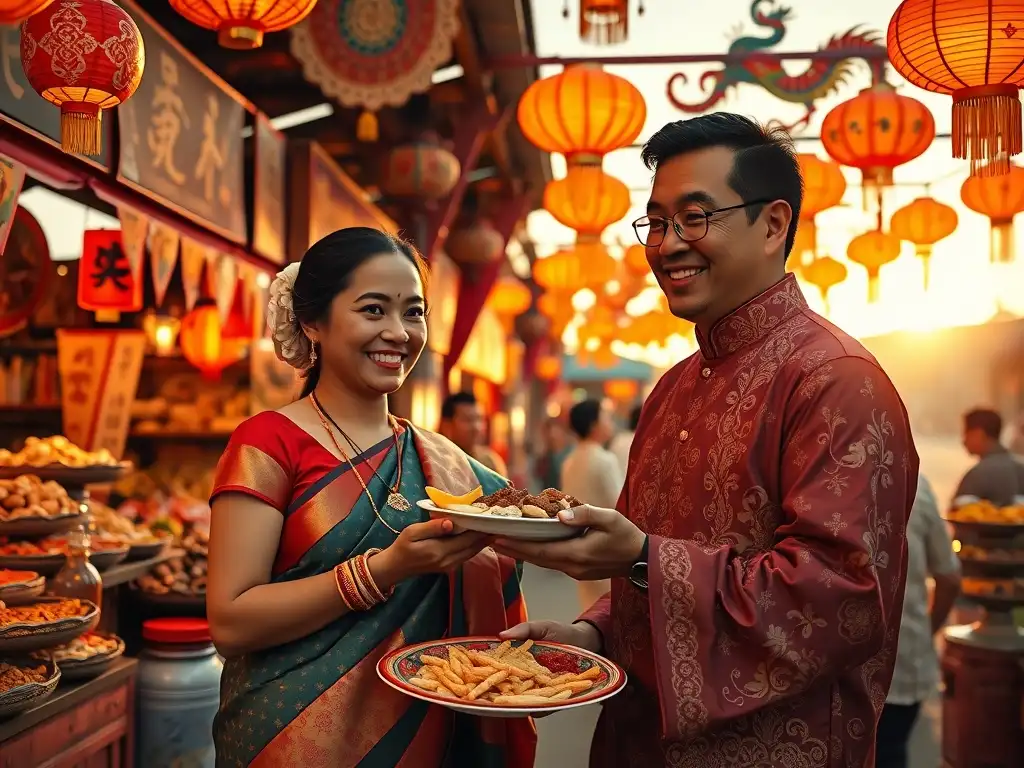
Festivals have served as pivotal platforms for cultural exchange throughout history, acting as vibrant expressions of community, tradition, and shared heritage. In the context of Indian and Chinese civilizations, festivals play a crucial role in fostering mutual understanding, respect, and collaboration between these two ancient cultures.
As the world becomes increasingly interconnected, the significance of Indian Chinese cultural festivals amplifies, showcasing the unique blend of customs, beliefs, and practices that have evolved over millennia. This article delves into the various facets of these festivals, examining their contributions to cultural exchange and the historical context that has shaped the interactions between India and China.
Introduction to Indian-Chinese Cultural Festivals
Indian-Chinese cultural festivals represent a rich tapestry of traditions that highlight the deep-rooted connections between the two nations. These festivals not only celebrate religious and seasonal events but also emphasize the shared values of harmony, respect, and community. By participating in these celebrations, individuals from both cultures engage in a dialogue that transcends linguistic and geographical barriers, fostering a spirit of unity and cooperation.
Understanding the Significance of Cultural Festivals
Cultural festivals hold tremendous significance in both Indian and Chinese societies, serving as:
- Expressions of Identity: Festivals allow communities to express their unique identities, showcasing traditional music, dance, cuisine, and art.
- Opportunities for Exchange: These events create opportunities for intercultural dialogue, enabling attendees to learn about one another's customs and practices.
- Reinforcement of Traditions: Festivals help preserve cultural heritage, ensuring that traditional practices are passed down through generations.
By understanding the importance of these festivals, we can appreciate their role in promoting Indian Chinese cultural exchanges and strengthening the bonds between these two civilizations.
Overview of Indian-Chinese Interaction Through Festivals
The interaction between Indian and Chinese cultures through festivals is marked by an array of celebrations that highlight their historical connections. Notable festivals include:
- Diwali and Chinese New Year: Both festivals emphasize the values of light overcoming darkness and the renewal of life, fostering a spirit of joy and optimism.
- Buddha Purnima and Vesak: Celebrated in both cultures, these festivals honor the life of Buddha and emphasize universal compassion and peace.
These examples illustrate how festivals serve as a bridge, bringing together diverse cultural elements and encouraging collaboration between India and China.
Historical Context of Indian-Chinese Cultural Exchanges
To fully appreciate the role of festivals in promoting Indian-Chinese cultural exchange, it is essential to examine the historical context that has shaped these interactions over the centuries.
Ancient Trade Routes and Cultural Interactions
The Silk Road, a network of trade routes connecting India and China, was instrumental in facilitating not only economic exchanges but also cultural interactions.
- Merchants and Pilgrims: Traders and pilgrims traversed these routes, sharing goods, ideas, and traditions, which laid the groundwork for cultural synergy.
- Cultural Artifacts: The exchange of artifacts, texts, and religious practices enriched both cultures, leading to the development of distinctive yet intertwined traditions.
This historical backdrop sets the stage for understanding how festivals emerged as vital components of these exchanges.
Key Historical Festivals Celebrated in India and China
Throughout history, several festivals have stood out as symbols of Indian-Chinese cultural interactions:
- The Lantern Festival (China): Celebrated on the 15th day of the first lunar month, it marks the end of the Chinese New Year celebrations and symbolizes reunion and harmony.
- Navratri (India): A festival dedicated to the worship of the goddess Durga, it highlights themes of victory over evil and the celebration of feminine energy.
These festivals not only reflect the distinct cultural identities of India and China but also echo the shared values that bind them together, reinforcing the significance of cultural exchange.
Major Indian-Chinese Cultural Festivals
Festivals serve as vibrant platforms for cultural exchange, allowing communities to share their traditions, values, and practices. In the context of Indian-Chinese interactions, several key festivals exemplify this cultural synergy. These festivals not only celebrate the rich heritage of both nations but also foster goodwill and understanding between their peoples. Notable festivals include Diwali, Chinese New Year, and several others that play pivotal roles in promoting Indian-Chinese cultural exchange.
Diwali: The Festival of Lights and Its Chinese Counterparts
Diwali, known as the Festival of Lights, is one of the most celebrated festivals in India, symbolizing the victory of light over darkness and good over evil. This festival typically involves the lighting of lamps, fireworks, and sharing sweets among friends and family. Interestingly, Diwali finds its parallels in various Chinese celebrations, particularly in the form of the Lantern Festival, which occurs on the fifteenth day of the Lunar New Year. Both festivals emphasize the importance of light and renewal, promoting themes of hope and togetherness.
In recent years, communities in India with significant Chinese populations, such as Kolkata's Chinatown, have started to celebrate Diwali with traditional Chinese elements. This fusion includes the use of Chinese lanterns alongside traditional Indian diyas, creating a unique atmosphere that showcases the blending of cultures. Such celebrations not only enrich the local cultural landscape but also highlight the shared values of joy and community spirit between Indian and Chinese traditions.
Chinese New Year Celebrations in India
Chinese New Year, also known as the Spring Festival, is celebrated with much enthusiasm by the Chinese diaspora in India. Major cities like Kolkata, Mumbai, and Delhi host vibrant parades featuring dragon dances, lion dances, and various cultural performances that attract a wide audience. The colorful decorations and the sharing of traditional dishes like dumplings and spring rolls invite participation from the broader community, including Indian neighbors.
This celebration serves as a significant entry point for Indians to engage with Chinese culture. Festivals like these foster a sense of curiosity and appreciation, as they highlight the similarities and differences in customs and traditions. The participation of local Indian communities in these festivities enhances intercultural dialogue, leading to a greater understanding of the shared history and values between India and China.
Other Notable Festivals Promoting Indian-Chinese Exchange
In addition to Diwali and Chinese New Year, several other festivals promote Indian-Chinese cultural exchange. One such festival is the Mid-Autumn Festival, celebrated by the Chinese community in India, which includes mooncake sharing and lantern displays. This festival has seen participation from Indian communities, who join in the celebration of harvest and family reunions.
Another example is the Dragon Boat Festival, which, while primarily a Chinese festival, has gained recognition in regions with a significant Chinese presence in India. Local adaptations of the festival, including boat races and cultural exhibitions, have emerged, inviting Indian participants to engage in the festivities. These festivals exemplify the ongoing dialogue between Indian and Chinese traditions, enhancing cultural appreciation and collaboration.
The Impact of Indian-Chinese Cultural Festivals on Society
Cultural festivals play a crucial role in shaping societal dynamics, particularly in multicultural settings. The Indian-Chinese cultural festivals significantly impact local communities by fostering connections, promoting mutual understanding, and encouraging artistic collaboration.
Fostering Community Bonds Through Cultural Celebrations
The Indian-Chinese cultural festivals create opportunities for community bonding, bringing together individuals from diverse backgrounds. These celebrations often involve collaborative efforts in organizing events, which helps build friendships and partnerships between different cultural groups. The collective participation in festival activities, such as preparing traditional foods, decorating venues, and performing arts, strengthens social ties and cultivates a sense of belonging.
Additionally, these festivals serve as platforms for intergenerational learning, where younger generations can connect with their heritage while also embracing the traditions of their neighbors. Such interactions foster a spirit of inclusivity and mutual respect, which is essential for harmonious coexistence in a multicultural society.
The Role of Festivals in Enhancing Mutual Understanding
Indian-Chinese cultural festivals play a key role in enhancing mutual understanding between the two communities. By showcasing their respective traditions, customs, and cuisines, these festivals provide a learning experience for attendees. People from different backgrounds can engage in conversations, ask questions, and share their experiences, leading to a deeper appreciation of each culture.
Through workshops, performances, and discussions held during these festivals, participants gain insights into the significance of various practices, such as the symbolism of the dragon in Chinese culture or the meaning behind the Diwali celebrations. This exchange of knowledge promotes empathy and reduces stereotypes, fostering a more informed and cohesive community.
Promoting Artistic Collaboration and Innovation
The intersection of Indian and Chinese cultures during festivals often leads to artistic collaboration and innovation. Artists from both communities come together to create unique performances that blend traditional music, dance, and visual arts. This creative fusion results in new forms of expression that honor both cultures while pushing the boundaries of artistic norms.
Such collaborations can be seen in theatrical performances that incorporate elements from both Indian and Chinese storytelling traditions or in culinary events where chefs experiment with fusion cuisine. These innovative practices not only celebrate the richness of cultural heritage but also contribute to the ongoing evolution of art and culture in an increasingly globalized world. Through these interactions, the festivals become a source of inspiration, encouraging artists to explore new ideas and collaborative projects.
Modern Trends in Indian-Chinese Cultural Festivals
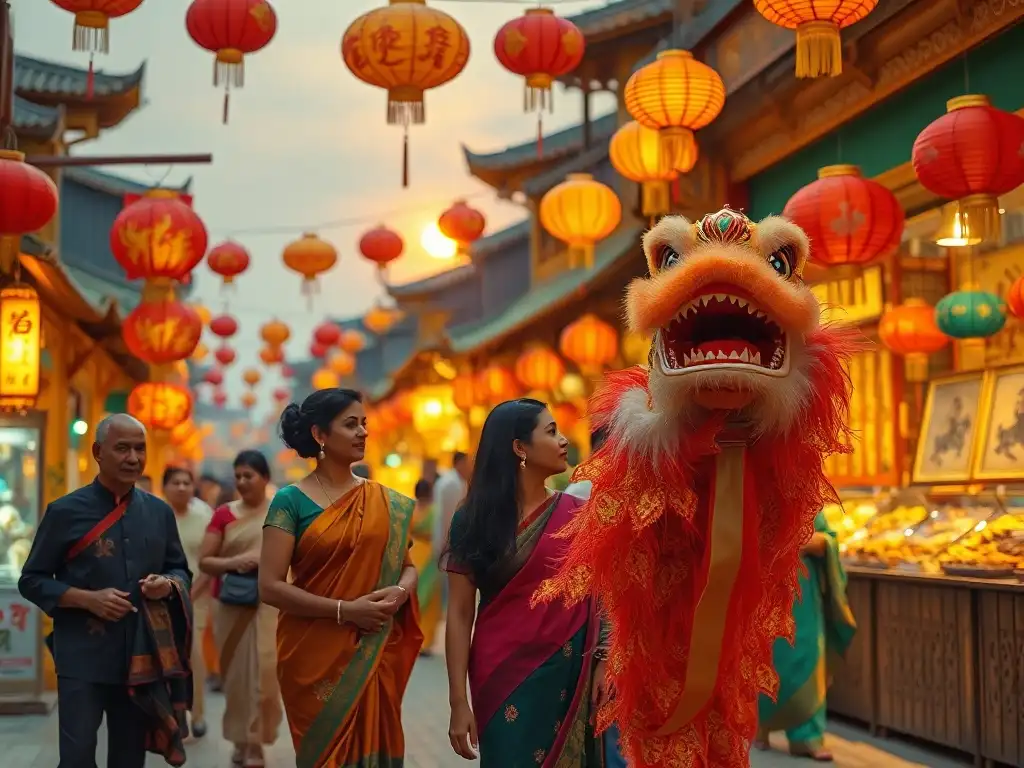
In recent years, there has been a noticeable shift in how Indian-Chinese cultural festivals are celebrated, reflecting both the evolving dynamics of cultural exchange and the influence of globalization. Festivals such as Diwali and Chinese New Year have started to gain popularity beyond their traditional boundaries, with communities coming together to celebrate these events in a more inclusive manner.
Collaborative Events
Many cities with significant Indian and Chinese populations have begun organizing joint festivals that incorporate elements from both cultures. These events often feature a blend of traditional performances, food stalls, and workshops, allowing attendees to experience the richness of both cultures firsthand. For example, events like "Diwali in Chinatown" or "Chinese New Year in Little India" showcase how cultural intersections can create vibrant celebrations that honor both traditions.
Focus on Sustainability
Another modern trend is the increasing awareness of sustainability in festival celebrations. Organizers are making efforts to reduce waste and promote eco-friendly practices during these events. This includes using biodegradable materials, promoting local artisans, and encouraging attendees to participate in recycling programs. Such initiatives not only enhance the festival experience but also foster a sense of shared responsibility toward the environment.
The Influence of Globalization on Festival Celebrations
Globalization has played a pivotal role in shaping Indian-Chinese cultural festivals. With the world becoming increasingly interconnected, these festivals have transcended geographical boundaries, allowing for a greater exchange of ideas, traditions, and practices between India and China.
Cultural Fusion
One significant outcome of globalization is the fusion of cultural elements from both countries. For instance, during the Chinese New Year celebrations, Indian influences can be seen in the food served and the decorations used. Similarly, Diwali celebrations in Chinese communities may incorporate traditional Chinese motifs and customs, creating a unique blend of both cultures that resonates with attendees from diverse backgrounds.
Increased Accessibility
Globalization has also made it easier for individuals to access information about these festivals. Social media platforms and online resources allow people from all over the world to learn about Indian-Chinese cultural festivals, leading to increased participation and appreciation. This accessibility fosters a sense of global community, where people can celebrate and share their cultural heritage irrespective of their physical location.
Digital Platforms and Virtual Celebrations of Indian-Chinese Festivals
The rise of digital platforms has transformed the way Indian-Chinese cultural festivals are celebrated, particularly in the wake of the COVID-19 pandemic. Virtual celebrations have emerged as a viable alternative, allowing communities to stay connected and share their traditions despite physical distancing.
Online Festivals
Many organizations have begun hosting online festivals that feature live-streamed performances, interactive workshops, and virtual markets. These digital events allow participants to engage with cultural content from the comfort of their homes, making it possible for those unable to attend in person to experience the festivities. For example, virtual Diwali celebrations often include online diya lighting ceremonies and dance performances, while Chinese New Year events feature online lion dances and cooking classes.
Social Media Engagement
Social media platforms have become essential tools for promoting Indian-Chinese cultural festivals. They allow for the sharing of festival-related content, such as recipes, traditional dress tutorials, and cultural histories. Hashtags and challenges encourage user-generated content, promoting a sense of community and participation. This digital engagement helps to keep the spirit of the festivals alive, enabling people to connect with their cultural roots while exploring the traditions of others.
Challenges Faced in Promoting Indian-Chinese Cultural Festivals
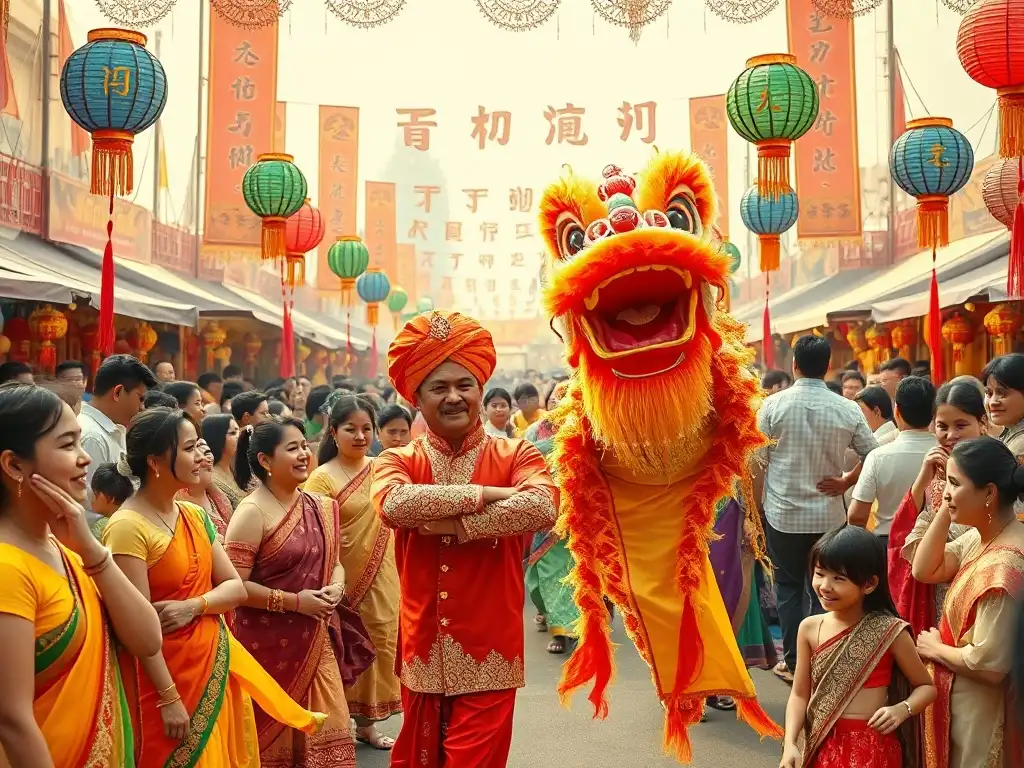
Despite the positive trends in promoting Indian-Chinese cultural festivals, several challenges remain that hinder the effective exchange of cultural practices and celebrations.
Cultural Misunderstandings and Stereotypes
Cultural misunderstandings and stereotypes can pose significant barriers to the successful promotion of Indian-Chinese cultural festivals. Often, preconceived notions about each culture can lead to misinterpretations of the significance and practices associated with various festivals.
Stereotypical Representations
For instance, events may be overshadowed by stereotypical portrayals that fail to capture the richness and depth of the cultures involved. These representations can perpetuate misunderstandings, leading to reluctance among individuals to participate or engage with the cultural festivities. Addressing these stereotypes through education and dialogue is vital to fostering a more inclusive environment for cultural exchange.
Need for Authentic Representation
Moreover, the challenge lies in ensuring that festivals authentically represent both cultures. Organizers must strive to create events that honor the traditions and values of both Indian and Chinese communities, avoiding tokenism and superficial representations that can dilute the cultural significance of the celebrations.
Political and Economic Barriers to Cultural Exchange
Political and economic factors also play a significant role in shaping the landscape of Indian-Chinese cultural festivals. Tensions between the two nations can impact the willingness of communities to engage in cross-cultural celebrations.
Diplomatic Relations
Political relations often dictate the level of cooperation and support for cultural initiatives. When diplomatic ties are strained, it can lead to reduced participation in joint festivals and events, limiting opportunities for cultural exchange. This necessitates a concerted effort from both governments to promote cultural diplomacy and foster an environment conducive to collaboration.
Resource Allocation
Economic disparities can further complicate the promotion of Indian-Chinese cultural festivals. Limited funding and resources may hinder the ability of organizers to host large-scale events, affecting the quality and reach of the celebrations. Addressing these economic barriers through partnerships and sponsorships can enhance the sustainability and impact of cultural festivals, allowing them to thrive in both communities.
The Future of Indian-Chinese Cultural Festivals
The future of Indian-Chinese cultural festivals appears promising as both nations continue to deepen their ties through various forms of collaboration. With globalization and advancements in technology, these festivals are evolving into platforms that not only celebrate heritage but also foster understanding and friendship between the two cultures. The integration of modern elements into traditional festivals has made them more accessible and appealing to younger generations, ensuring their relevance in contemporary society.
Moreover, the growing interest in cultural tourism presents a unique opportunity. As more tourists seek authentic experiences, festivals that showcase Indian and Chinese traditions can attract visitors from around the globe. This influx can lead to increased economic benefits for host communities while promoting cultural exchange.
Opportunities for Enhanced Collaboration
The potential for enhanced collaboration between India and China in cultural festivals is vast. Both countries can leverage their rich histories to create joint celebrations that highlight shared values, traditions, and artistic expressions. Initiatives such as cultural exchange programs, artist residencies, and collaborative workshops can pave the way for a more integrated festival experience.
One promising avenue is the establishment of bilateral cultural committees focused on organizing joint festivals. Such committees can ensure that both cultures are represented equitably, allowing for a more balanced exchange of ideas and practices. Additionally, partnerships between local governments, cultural organizations, and the private sector can facilitate funding and resources necessary for the successful execution of these festivals.
Furthermore, digital platforms can play a crucial role in enhancing collaboration. Virtual festivals can connect audiences from both nations, enabling them to experience cultural performances, workshops, and discussions from the comfort of their homes. This model not only increases participation but also helps in reaching a global audience, thus broadening the impact of cultural festivals.
The Role of Education in Promoting Cultural Awareness
Education is a cornerstone in promoting cultural awareness and appreciation between India and China. Incorporating cultural studies into school curricula can help students understand the significance of festivals in both societies. By learning about the history, rituals, and meanings behind these celebrations, students can develop a deeper respect for each other’s cultures.
Exchange programs for students and educators can also enhance understanding. These programs allow participants to immerse themselves in the culture of the host country, fostering firsthand experience of cultural festivals. Such interactions can break down stereotypes and encourage friendships that transcend national borders.
Additionally, community workshops and public lectures hosted by cultural institutions can further promote awareness. By inviting artists, scholars, and cultural practitioners from both nations to share their knowledge, audiences can gain insights into the intricacies of Indian and Chinese festivals, thus enriching the cultural dialogue.
Conclusion
Recap of the Importance of Indian-Chinese Cultural Festivals
Indian-Chinese cultural festivals serve as vital conduits for promoting mutual understanding and respect between the two nations. They provide a platform to celebrate shared histories, artistic expressions, and social values. Through these festivals, individuals from both cultures can come together to appreciate their differences while finding common ground.
Furthermore, these festivals not only enhance cultural ties but also contribute to economic growth through tourism and local business support. This symbiotic relationship underscores the importance of sustaining and expanding these celebrations in the years to come.
Final Thoughts on Future Prospects for Cultural Exchange
As India and China navigate the complexities of modern geopolitics, cultural festivals will remain a beacon of hope for fostering goodwill and cooperation. By investing in these celebrations and expanding their scope, both nations can create a vibrant tapestry of cultural exchange that benefits future generations.
The integration of technology, educational initiatives, and collaborative efforts will be crucial in shaping the future of Indian-Chinese cultural festivals. By nurturing these connections, we pave the way for a more harmonious relationship, where culture serves as a bridge rather than a barrier. Through continued commitment and innovation, the prospects for cultural exchange remain bright, promising a rich future for both Indian and Chinese civilizations.
- Introduction to Indian-Chinese Cultural Festivals
- Historical Context of Indian-Chinese Cultural Exchanges
- Major Indian-Chinese Cultural Festivals
- The Impact of Indian-Chinese Cultural Festivals on Society
- Modern Trends in Indian-Chinese Cultural Festivals
- The Influence of Globalization on Festival Celebrations
- Digital Platforms and Virtual Celebrations of Indian-Chinese Festivals
- Challenges Faced in Promoting Indian-Chinese Cultural Festivals
- The Future of Indian-Chinese Cultural Festivals
- Conclusion
- What are Indian Chinese cultural festivals?
- How do these festivals enhance cultural exchange?
- Can you name some popular Indian Chinese cultural festivals?
- What is the significance of festivals in ancient Indian civilizations?
- How do modern Indian Chinese cultural festivals differ from ancient times?
Frequently Asked Questions
What are Indian Chinese cultural festivals?
Indian Chinese cultural festivals are events that celebrate the rich heritage and traditions of both Indian and Chinese cultures, promoting mutual understanding and appreciation.
How do these festivals enhance cultural exchange?
These festivals enhance cultural exchange by providing a platform for interaction, collaboration, and the sharing of traditions, which fosters community bonds between Indian and Chinese populations.
Can you name some popular Indian Chinese cultural festivals?
Some popular festivals include Diwali, celebrated with Chinese lanterns, and the Chinese New Year, which features Indian dance performances, showcasing the blending of cultures.
What is the significance of festivals in ancient Indian civilizations?
In ancient Indian civilizations, festivals played a crucial role in religious practices, community bonding, and the celebration of seasonal changes, reflecting the diverse cultural landscape of the time.
How do modern Indian Chinese cultural festivals differ from ancient times?
Modern festivals incorporate technology and global influences, while ancient festivals were primarily focused on localized traditions and rituals, highlighting the evolution of cultural practices over time.
Final Reflection: Celebrating Unity Through Indian-Chinese Cultural Festivals
The exploration of Indian-Chinese cultural festivals reveals their profound significance in fostering mutual understanding and appreciation between two rich cultures. In today's globalized world, where cultural boundaries are often blurred, these festivals serve as vibrant reminders of our shared humanity and the beauty of diversity. They not only celebrate heritage but also act as bridges that connect communities, making them more relevant than ever in our increasingly interconnected society.
Cultural festivals have a unique power to shape societal perceptions and foster connections. They create spaces where individuals from different backgrounds can come together, share stories, and learn from one another. The impact of these festivals extends beyond mere celebration; they inspire a sense of belonging and community. As the renowned author Pico Iyer once said, We travel, initially, to lose ourselves; and we travel, next, to find ourselves.
This sentiment resonates deeply with the essence of Indian-Chinese festivals, as they encourage participants to explore and embrace the richness of both cultures.
As we reflect on the importance of these cultural exchanges, I invite you to consider how you can engage with and celebrate the diversity around you. Take the time to participate in local festivals, learn about different traditions, and share your own cultural stories. By doing so, you contribute to a more harmonious world where understanding and respect flourish. Let us all commit to being ambassadors of cultural exchange, ensuring that the legacy of Indian-Chinese festivals continues to inspire future generations.
Embrace the Harmony: Join the Cultural Celebration!
Thank you for diving into the vibrant world of Indian-Chinese cultural exchanges through festivals! By exploring this rich blend of traditions, you've taken an important step toward fostering mutual understanding and appreciation. Now, let's turn this knowledge into action!
Here are a few exciting ways you can get involved:
- Participate in a Local Festival: Seek out local Indian or Chinese festivals to immerse yourself in these cultures—taste authentic foods, enjoy traditional performances, and connect with your community.
- Share Your Experience: Document your festival experiences on social media or in a blog post to inspire others to join in the celebration of cultural diversity.
- Start a Conversation: Discuss with friends or family the significance of these festivals—what traditions resonate with you, and how can we embrace these practices together?
How do you envision your next festival experience shaping your understanding of another culture? **Share your thoughts below! **