
The Legacy of the Indus Valley Civilization: Lessons for Future Generations

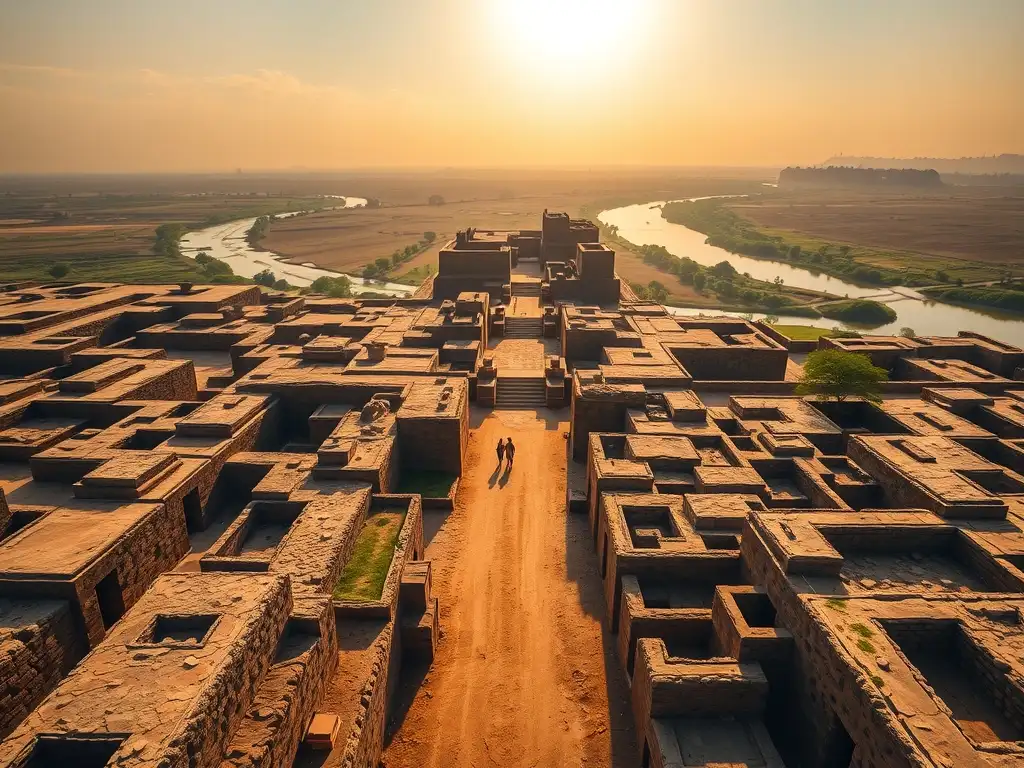
Welcome to Ancient India History, where we embark on a captivating journey through the rich tapestry of ancient Indian civilizations. In our featured article, “The Legacy of the Indus Valley Civilization: Lessons for Future Generations,” we delve into the profound insights and enduring wisdom that this remarkable civilization offers. What can the pioneering urban planners, innovative artisans, and progressive thinkers of the Indus Valley teach us today?
As you explore the fascinating narratives and contributions of these ancient cultures, you’ll uncover lessons that resonate through time and inspire our future. Join us in unlocking the secrets of history and discover how the echoes of the past shape our present and future!
The Indus Valley Civilization (IVC) stands as one of the earliest urban cultures in human history, flourishing around 2500 BCE in what is now modern-day Pakistan and northwest India. Known for its advanced city planning, sophisticated drainage systems, and vibrant trade networks, the IVC offers invaluable lessons that resonate even today.
As we delve into the legacy of this remarkable civilization, we uncover not only its historical significance but also the enduring wisdom embedded within its culture and practices. By exploring the Indus Valley civilization lessons, we can gain insights into sustainable living, community organization, and the importance of adaptability in the face of change, which are crucial for the challenges we face in our contemporary world.
Introduction to the Indus Valley Civilization
The Indus Valley Civilization was a remarkable achievement of human ingenuity, characterized by its complex society and innovative urban design. This section will provide an overview of the civilization and discuss the importance of studying ancient cultures like the IVC.
Overview of the Indus Valley Civilization
The IVC, also known as the Harappan Civilization, emerged around 3300 BCE and peaked during the Mature Harappan period (approximately 2500-1900 BCE). It encompassed a vast territory, with major urban centers such as Harappa and Mohenjo-Daro showcasing advanced architecture and infrastructure. Notable features of this civilization include:
- Urban Planning: Cities were meticulously planned with grid layouts, wide streets, and sophisticated drainage systems.
- Economy: The economy was primarily based on agriculture, trade, and crafts, with evidence of a standardized system of weights and measures.
- Art and Culture: The civilization produced intricate pottery, seals, and jewelry, reflecting a rich cultural life that included trade relationships with distant lands.
Importance of Studying Ancient Civilizations
Understanding civilizations like the Indus Valley is crucial for several reasons:
- Cultural Heritage: They form the foundation of our cultural heritage, giving insight into the evolution of human societies.
- Lessons in Sustainability: The IVC's methods of agricultural practices and urban planning can inform modern sustainability efforts.
- Social Organization: The structures of governance and community in ancient societies reveal valuable lessons about social cohesion and resilience.
Historical Context of the Indus Valley Civilization
To appreciate the legacy of the Indus Valley Civilization, it is essential to understand its historical context, including a timeline of its development and key features of its society.
Timeline of the Indus Valley Civilization
- 3300 BCE: Emergence of the early Harappan culture.
- 2600-1900 BCE: Mature Harappan phase marked by urban planning and cultural flourishing.
- 1900-1300 BCE: Decline of the civilization due to possible environmental changes and resource depletion.
- 1300 BCE onwards: Transition to post-Harappan cultures as urban centers declined.
Key Features of Indus Valley Society
The society of the Indus Valley Civilization was marked by several defining characteristics:
- Social Structure: Evidence suggests a relatively egalitarian society with no clear signs of a ruling elite.
- Trade Networks: Extensive trade routes connected the IVC with Mesopotamia and other regions, facilitating the exchange of goods and ideas.
- Religious Practices: While much remains unknown about their belief systems, artifacts suggest a possible worship of fertility and nature deities.
As we explore the lessons that the Indus Valley Civilization offers, it becomes evident that their innovative spirit and adaptability continue to inspire future generations, encouraging us to learn from the past to create a sustainable future.
Key Lessons from the Indus Valley Civilization
The Indus Valley Civilization (IVC), flourishing from approximately 3300 to 1300 BCE, offers a wealth of lessons that continue to resonate today. As one of the earliest urban cultures, it showcases remarkable advancements in various domains, from urban planning to trade systems. The IVC teaches us about the importance of sustainability, adaptability, and community organization.
By examining these aspects, we can glean insights applicable to modern challenges, particularly in the realms of urbanization, environmental conservation, and cultural preservation. The lessons of the IVC serve as a reminder that the foundations of civilization are built on innovation, cooperation, and respect for the environment.
Urban Planning and Architecture: Lessons for Modern Cities
The urban planning of the Indus Valley Civilization is often regarded as a precursor to modern city designs. Cities like Mohenjo-Daro and Harappa were meticulously planned with grid patterns, advanced drainage systems, and standardized brick sizes.
- Grid Layout: The organized street layouts minimized congestion and optimized space utilization, a principle still relevant for today's urban planners facing rapid population growth.
- Public Infrastructure: The sophisticated drainage systems highlight the importance of sanitation and public health. Modern cities can learn from this by incorporating efficient waste management systems to prevent urban flooding and pollution.
- Community Spaces: The presence of public baths and communal areas emphasizes the value of social spaces in fostering community interaction. This principle can guide urban designers in creating inclusive environments that promote social cohesion.
By embracing these planning techniques, modern cities can enhance livability and sustainability while addressing contemporary challenges.
Sustainable Agriculture Practices in the Indus Valley
Agriculture was the backbone of the Indus Valley Civilization, showcasing practices that were not only advanced for their time but also sustainable.
- Crop Diversity: The IVC cultivated a variety of crops, including wheat, barley, and cotton, which helped maintain soil health and reduce dependency on single crops. This practice is crucial today as we face food security challenges and climate change.
- Water Management: Evidence suggests that the IVC utilized sophisticated irrigation techniques, including the construction of reservoirs and canals. These methods can inspire contemporary agricultural practices that prioritize efficient water use and conservation in farming.
- Soil Fertility: Techniques such as crop rotation and natural fertilizers were likely employed, promoting soil fertility and sustainability. Modern agriculture can benefit from integrating traditional knowledge with contemporary science to enhance productivity while minimizing environmental impact.
The sustainable agricultural practices of the IVC provide a valuable framework for modern food systems, emphasizing the need for ecological balance.
Trade and Economy: Insights for Future Generations
The Indus Valley Civilization was a hub of trade, both local and international, demonstrating the significance of economic interdependence.
- Trade Networks: The extensive trade routes established with regions as far as Mesopotamia highlight the importance of connectivity in boosting economic growth. Modern economies can learn from this by fostering global trade partnerships that promote mutual benefit.
- Standardization: The use of standardized weights and measures facilitated trade, ensuring fairness and efficiency. Implementing similar systems in contemporary commerce can help address issues of inequality and fraud in global markets.
- Resource Management: The strategic management of resources, including minerals and textiles, reflects an understanding of economic sustainability. Future generations must prioritize responsible resource use to ensure long-term economic stability.
The trade practices of the Indus Valley Civilization emphasize the importance of cooperation, standardization, and sustainability in economic systems.
Cultural Contributions of the Indus Valley Civilization
The cultural legacy of the Indus Valley Civilization is rich and diverse, contributing significantly to art, language, and societal values. These contributions are essential for understanding the foundations of Indian culture and civilization as a whole.
Art and Craftsmanship: A Legacy of Creativity
The art and craftsmanship of the Indus Valley Civilization reflect a high level of creativity and technical skill.
- Pottery and Terracotta Figurines: The intricate pottery designs and terracotta figurines reveal a sophisticated aesthetic sense and artistic expression. These artifacts not only serve as historical records but also inspire contemporary artists to explore traditional techniques.
- Metallurgy: The IVC was known for its advanced metallurgy, producing tools, jewelry, and decorative items that demonstrate both functionality and beauty. This legacy encourages modern artisans to blend traditional practices with innovative designs.
- Textiles: Evidence of cotton cultivation suggests that the IVC was among the earliest to produce textiles. The ongoing appreciation for handcrafted textiles today can be traced back to these early innovations.
The artistic achievements of the IVC highlight the importance of creativity and craftsmanship in shaping cultural identities.
Writing and Language: Communication's Role in Civilization
The Indus Valley Civilization is also notable for its early writing system, which remains largely undeciphered. However, its significance in communication cannot be overstated.
- Symbolic Representation: The use of seals with inscriptions indicates a sophisticated method of record-keeping and communication. This underscores the importance of written language in administration and trade, a concept that continues to be vital in contemporary society.
- Cultural Transmission: Writing facilitated the transmission of cultural values, beliefs, and knowledge. Modern societies can learn from this by recognizing the role of language in preserving cultural heritage and fostering understanding among diverse communities.
- Linguistic Diversity: The presence of various symbols suggests a rich linguistic landscape. Embracing linguistic diversity today can enhance social cohesion and promote inclusivity in multicultural societies.
The writing system of the Indus Valley Civilization serves as a reminder of the power of communication in advancing civilization and cultural continuity.
The social structure of the Indus Valley Civilization was intricate and well-organized, reflecting a significant level of sophistication in governance and societal roles. Archaeological evidence suggests that the society was likely stratified, with a clear division between various social classes. This hierarchical organization played a crucial role in maintaining order and facilitating trade, agriculture, and urban planning. The centralized governance system is indicative of advanced administrative practices, which can serve as vital lessons for contemporary societies in terms of governance and community organization.
Hierarchical Organization: Lessons in Leadership
The leadership within the Indus Valley Civilization appears to have been characterized by a blend of political and religious authority. The existence of large urban centers like Mohenjo-Daro and Harappa implies a centralized leadership structure that effectively managed resources and enforced laws. Leaders likely had duties that included overseeing trade, agriculture, and public works, which highlights the importance of competent governance.
Modern societies can learn from this organized approach to leadership. Effective leaders should foster inclusiveness and ensure that governance is adaptable to the needs of the populace. The Indus leaders demonstrated the significance of maintaining social harmony and a stable economy, which are essential for the longevity of any civilization.
Gender Roles and Family Structures in the Indus Society
Gender roles in the Indus Valley Civilization were relatively progressive compared to many other ancient cultures. Evidence suggests that women participated in economic activities, including trade and crafts, and may have held significant roles within the family structure. The emphasis on family units, as seen through residential layouts and artifacts, indicates that family was a central aspect of social life.
Lessons from the gender dynamics of the Indus Valley highlight the importance of gender equality in fostering a balanced society. By promoting equal opportunities for all members of society, contemporary cultures can harness the full potential of their populations, ultimately leading to greater innovation and social cohesion.
Environmental Awareness in the Indus Valley Civilization
The Indus Valley Civilization is notable for its advanced understanding of environmental management, particularly concerning water and agriculture. The civilization's success was closely tied to its ability to adapt to and harness environmental resources, an aspect that modern societies can emulate in addressing current ecological challenges.
Water Management Techniques: Learning from the Past
One of the most remarkable features of the Indus Valley Civilization was its sophisticated water management systems. The meticulous construction of drainage systems, wells, and reservoirs illustrates a profound understanding of hydrology. These innovations not only facilitated agriculture but also improved public health by reducing waterborne diseases.
By studying these ancient techniques, contemporary societies can enhance their own water management practices. This includes implementing sustainable practices that prioritize the conservation of water resources and the development of infrastructure that minimizes waste and promotes equitable access to clean water.
Impact of Climate Change on the Civilization: A Cautionary Tale
The decline of the Indus Valley Civilization is often attributed to climate change and environmental degradation. Shifts in monsoon patterns, coupled with overexploitation of resources, led to severe water shortages and agricultural failures. This historical lesson underscores the critical importance of environmental sustainability and adaptability in the face of changing climatic conditions.
Today's global society faces similar challenges, and the experience of the Indus Valley Civilization serves as a cautionary tale. It emphasizes the necessity for proactive measures in addressing climate change, promoting sustainable practices, and ensuring that future generations learn from the past to create resilient societies.
The Indus Valley Civilization's Influence on Future Generations
The Indus Valley Civilization (IVC), one of the earliest urban cultures in the world, has left a profound legacy that continues to resonate through the ages. Its advancements in urban planning, architecture, social organization, and trade have laid foundational principles that still inform modern societies. The sophisticated drainage systems, standardized weights and measures, and the use of baked bricks in construction highlight a civilization that valued order, hygiene, and uniformity. These practices are not just relics of the past; they are lessons that can be applied to contemporary urban development and management.
Moreover, the IVC’s emphasis on craft specialization and trade illustrates the importance of economic interdependence and collaboration among communities. The vast trade networks, extending to regions as far as Mesopotamia, underscore the necessity of cultural exchange and economic partnerships. This historical perspective encourages future generations to foster globalization and mutual respect among diverse cultures.
How Indus Valley Lessons Can Shape Modern Society
The lessons derived from the Indus Valley Civilization are particularly relevant in addressing some of today’s pressing challenges, such as urban overcrowding, resource management, and environmental sustainability. The IVC's innovative approaches to urban planning and infrastructure can inspire modern architects and city planners to prioritize sustainable design. For instance, the civilization's effective drainage systems and water conservation techniques can guide current efforts toward developing resilient urban environments that mitigate flooding and promote efficient water use.
Additionally, the social organization of the IVC, characterized by a relatively egalitarian society, offers insights into promoting inclusivity and equity in modern governance. By studying their communal decision-making practices, contemporary societies can work towards more democratic and participatory frameworks that empower all citizens.
Integrating Ancient Wisdom into Contemporary Practices
Integrating the wisdom of the Indus Valley into contemporary practices can take various forms. For instance, the revival of traditional crafts and skills, such as pottery and textile weaving, can not only preserve cultural heritage but also promote sustainable economic practices. By supporting local artisans and encouraging the use of traditional materials, communities can reduce reliance on mass-produced goods, thereby fostering a more sustainable economy.
Furthermore, the IVC’s understanding of environmental harmony can inform modern agricultural practices. Techniques used by the IVC, such as crop rotation and irrigation management, can be adapted to contemporary farming to enhance productivity while preserving soil health and biodiversity. This ancient knowledge can guide modern agriculturalists in developing resilient systems that can withstand climate change impacts.
Conclusion: The Enduring Legacy of the Indus Valley Civilization
The legacy of the Indus Valley Civilization serves as a reminder of the potential for ancient wisdom to inform contemporary practices. Its emphasis on sustainability, community, and innovation highlights principles that can guide future generations toward a more harmonious and balanced existence. Reflecting on these lessons encourages a deeper appreciation of our historical roots and the interconnectedness of all societies.
Reflecting on the Lessons Learned
In reflecting on the lessons learned from the Indus Valley, it becomes evident that the civilization's achievements are not merely historical milestones but enduring principles that can guide us today. The IVC teaches us the importance of societal cohesion, environmental stewardship, and the value of innovation in overcoming challenges. By understanding and appreciating these lessons, we can cultivate a society that honors its past while striving for a sustainable future.
Call to Action: Embracing Ancient Wisdom for a Sustainable Future
As we navigate the complexities of the modern world, it is imperative to embrace the wisdom of the Indus Valley Civilization. Communities, policymakers, and individuals alike are encouraged to look back at these ancient teachings and integrate them into their daily lives and governance structures. By doing so, we can foster a sustainable future that is informed by the successful practices of our ancestors, ensuring that the legacy of the Indus Valley civilization continues to inspire and shape generations to come. 🌍✨
- Introduction to the Indus Valley Civilization
- Historical Context of the Indus Valley Civilization
- Key Lessons from the Indus Valley Civilization
- Cultural Contributions of the Indus Valley Civilization
- Social Structure and Governance
- Environmental Awareness in the Indus Valley Civilization
- The Indus Valley Civilization's Influence on Future Generations
- Conclusion: The Enduring Legacy of the Indus Valley Civilization
- What are the main features of the Indus Valley Civilization?
- What lessons can modern societies learn from the Indus Valley Civilization?
- How did the Indus Valley Civilization influence later Indian cultures?
- What role did trade play in the Indus Valley Civilization?
- Why is the Indus Valley Civilization considered a mystery?
Frequently Asked Questions
What are the main features of the Indus Valley Civilization?
The Indus Valley Civilization is known for its advanced urban planning, sophisticated drainage systems, and standardized weights and measures. It showcases remarkable achievements in architecture and craftsmanship.
What lessons can modern societies learn from the Indus Valley Civilization?
Modern societies can learn about the importance of sustainable urban planning and community-based governance. The civilization's emphasis on hygiene and public health offers valuable insights for contemporary challenges.
How did the Indus Valley Civilization influence later Indian cultures?
The cultural practices, trade networks, and artistic expressions established during the Indus Valley period laid the foundation for later Indian civilizations, including the Vedic and Mauryan periods.
What role did trade play in the Indus Valley Civilization?
Trade was crucial for the Indus Valley Civilization, facilitating the exchange of goods like cotton textiles and metals with distant regions. This economic activity contributed to their wealth and cultural exchange.
Why is the Indus Valley Civilization considered a mystery?
Despite its significant achievements, much about the Indus Valley Civilization remains unknown, including its script and reasons for decline. This mystery fuels ongoing research and archaeological exploration.
Final Reflection: Embracing the Lessons of the Indus Valley Civilization for a Sustainable Future
The Indus Valley Civilization stands as a testament to human ingenuity and resilience, offering invaluable lessons that resonate profoundly in today's world. As we grapple with contemporary challenges such as urbanization, climate change, and resource management, the principles of sustainability and community-driven development that characterized this ancient civilization become increasingly relevant. The legacy of the Indus Valley Civilization is not merely a relic of the past; it serves as a guiding light for our future, reminding us that the choices we make today will shape the world of tomorrow.
The influence of the Indus Valley Civilization extends beyond historical significance; it continues to inspire modern societies in their quest for sustainable living. The intricate urban planning, advanced agricultural techniques, and emphasis on trade and cooperation underscore the importance of community and environmental stewardship. As we navigate the complexities of modern life, we can draw parallels to the wisdom of the Indus Valley. The greatest threat to our planet is the belief that someone else will save it.
– Robert Swan. This quote encapsulates the urgency of taking individual and collective responsibility, echoing the collaborative spirit of the Indus Valley people.
As we reflect on the lessons from the Indus Valley Civilization, I invite you to consider how these insights can be woven into the fabric of your daily life. What steps can you take to foster sustainability in your community? Whether it's advocating for responsible consumption, supporting local agriculture, or engaging in community-building initiatives, every action counts. Let us honor the legacy of the Indus Valley by not only learning from their achievements but also by actively applying these lessons to create a more sustainable and harmonious future for generations to come.
Unveil the Timeless Lessons of the Indus Valley Civilization!
Thank you for diving into the remarkable world of the Indus Valley Civilization! Through this exploration, you've uncovered invaluable insights into innovation, sustainability, and community. Now, it’s time to turn that knowledge into action!
Here are a few ways you can bring these lessons to life:
- Implement sustainable practices in your daily routine. Focus on reducing waste and conserving resources, just as the ancient inhabitants of the Indus Valley did.
- Start a conversation! Share what you’ve learned about the Indus Valley with friends or on social media to inspire others.
- Join a local history or archaeology group to connect with like-minded individuals and further explore the mysteries of our past.
What aspect of the Indus Valley Civilization inspires you the most to create positive change in your life or community?