
The Science of Epigraphy: Methods Used for Studying Ancient Inscriptions

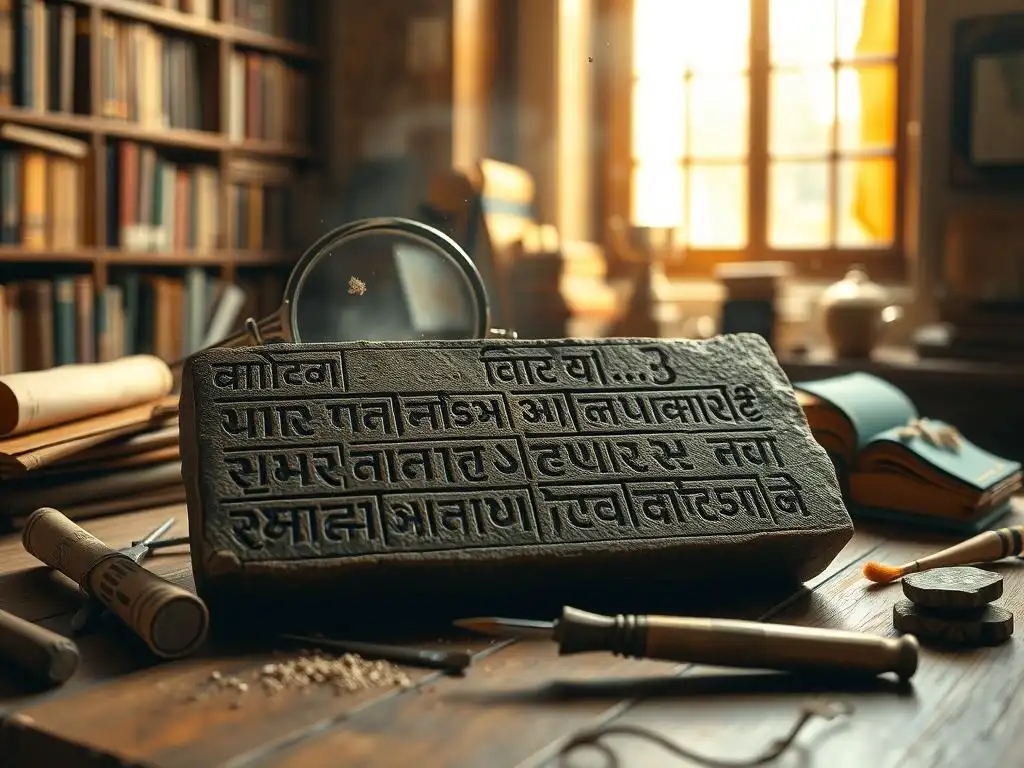
Welcome to Ancient India History, where we embark on a fascinating journey through the rich tapestry of ancient Indian civilizations. As you delve into our latest exploration, The Science of Epigraphy: Methods Used for Studying Ancient Inscriptions, you'll uncover the intricate techniques that have preserved the voices of the past. What stories do these ancient inscriptions hold, and how do they illuminate our understanding of cultures that once thrived?
Join us as we unveil the methods that bring history to life, and prepare to be inspired by the profound contributions of a civilization that shaped the world. Your adventure into the depths of ancient knowledge begins now!
Introduction to Ancient Indian Inscriptions
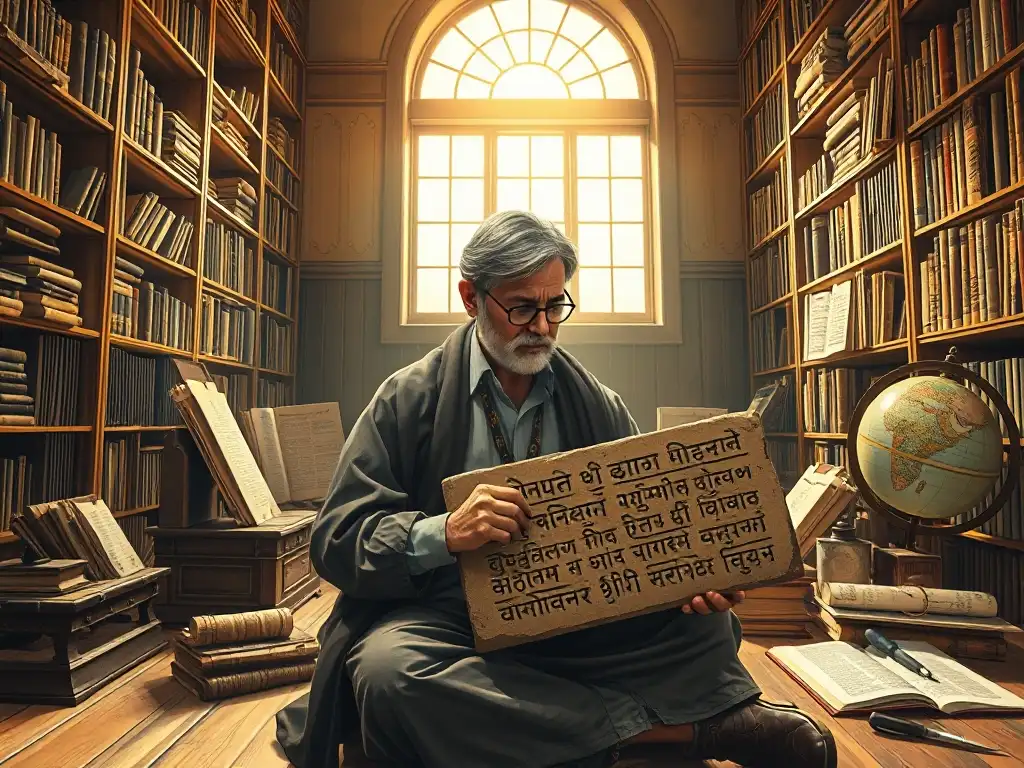
The study of ancient inscriptions, known as epigraphy, is a vital discipline that opens a window into the rich tapestry of Indian history. From the intricate seals of the Indus Valley Civilization to the monumental edicts of the Maurya and Gupta Empires, inscriptions serve as invaluable artifacts that provide insights into the social, political, and cultural dynamics of ancient Indian society. This article delves into the methods employed in the study of ancient Indian inscriptions, highlighting their significance in reconstructing historical narratives and understanding the evolution of language and script in the region.
Definition of Epigraphy in Ancient Indian Context
Epigraphy, derived from the Greek words "epi" (upon) and "grapho" (to write), refers to the study of inscriptions engraved on various materials such as stone, metal, and clay. In the context of ancient India, this discipline encompasses a wide array of scripts and languages including Brahmi, Kharosthi, and Sanskrit. These inscriptions are not merely historical records; they encapsulate the religious beliefs, administrative practices, and cultural values of the time, thereby serving as a critical tool for historians and archaeologists alike.
Importance of Studying Ancient Inscriptions
Studying ancient inscriptions is crucial for several reasons:
- Historical Insights: Inscriptions provide direct evidence of historical events, rulers, and societal structures.
- Cultural Understanding: They reflect the cultural and religious beliefs prevalent at the time of their writing.
- Linguistic Evolution: The analysis of scripts helps trace the evolution of languages in ancient India.
- Archaeological Context: Inscriptions often come with archaeological finds, enriching our understanding of ancient societies.
Historical Overview of Ancient Indian Inscriptions
The history of ancient Indian inscriptions is as varied as the civilizations that produced them. Their study reveals a timeline marked by significant developments in writing and communication.
Major Periods in Ancient Indian Inscription History
- Indus Valley Civilization (circa 3300–1300 BCE):
- Characterized by seals with indecipherable script.
- Provides insights into trade and economic practices.
- Maurya Empire (322–185 BCE):
- Introduction of Brahmi script.
- Ashoka's edicts exemplify moral and administrative principles.
- Gupta Empire (circa 240–550 CE):
- Flourishing of inscriptions in Sanskrit.
- Reflects advancements in art, literature, and governance.
Key Discoveries and Their Impact on Understanding Ancient Cultures
The study of ancient inscriptions has led to several pivotal discoveries that have reshaped our understanding of Indian history:
- Ashoka's Edicts: These inscriptions revealed the moral and ethical governance of the Mauryan Empire, emphasizing Buddhism and non-violence.
- The Allahabad Pillar Inscription: This inscription highlights the achievements of Samudragupta, showcasing the military conquests and cultural patronage of the Gupta period.
- Inscriptions from the Chola Dynasty: They illustrate the administrative prowess and maritime trade of South India, reflecting the cultural exchanges within the Indian Ocean.
Through these discoveries, epigraphy not only illuminates the past but also fosters a deeper appreciation of the diverse cultures that have shaped ancient India. The methodologies employed in studying these inscriptions will be explored further in the subsequent sections of this article.
Main Methods Used for Studying Ancient Indian Inscriptions
The study of ancient Indian inscriptions relies on a combination of traditional and modern methods that help scholars uncover the historical, cultural, and linguistic significance of these textual artifacts. The primary methods include archaeological techniques, analytical approaches, and technological innovations, each contributing to a comprehensive understanding of inscriptions from various periods, particularly from the Indus Valley civilization through to the Gupta Empire. By employing these methods, researchers can accurately date artifacts, decipher scripts, and contextualize the inscriptions within their historical framework.
Archaeological Methods in Epigraphy
Archaeological methods are foundational in the study of ancient inscriptions. These techniques involve:
- Excavation: Systematic digging in sites known for inscriptions helps uncover artifacts in their original context, providing insights into their usage and significance.
- Stratigraphy: Analyzing the layers of soil in which inscriptions are found allows scholars to establish a chronological sequence of events and understand the historical timeline of the site.
- Contextual Analysis: Examining the physical surroundings of inscriptions, such as temples or fortifications, aids in understanding their purpose and societal role.
Archaeological methods also include the application of field surveys to locate new inscriptions and the use of photogrammetry to create detailed 3D models of inscriptions, which help in visualizing and interpreting their details without risking damage to the original artifacts.
Analytical Techniques in Epigraphy
Analytical techniques focus on the examination of inscriptions through various scientific methods:
- Palaeography: This technique involves studying the evolution of scripts over time, allowing researchers to date inscriptions and understand their linguistic development. By comparing letter forms, scholars can trace changes in writing styles across different periods.
- Iconography: Analyzing the symbols and motifs accompanying inscriptions provides context about the culture and beliefs of the time. This method helps connect textual information with visual representations found in art and architecture.
- Material Analysis: Techniques such as petrographic analysis and chemical composition studies help identify the materials used in inscriptions (stone, metal, or clay) and their geographic origins, revealing trade routes and technological advancements.
These analytical methods enhance the understanding of the inscriptions by placing them within broader historical and cultural narratives.
Technological Advances in Epigraphy
Recent technological advances have revolutionized the study of ancient inscriptions, making previously inaccessible information available to researchers:
- Digital Imaging: High-resolution imaging techniques, including multispectral imaging, allow scholars to visualize inscriptions that have faded or weathered over time, revealing details that are not visible to the naked eye.
- 3D Scanning: This technology enables the creation of highly detailed digital models of inscriptions, preserving them for future study and allowing for virtual analysis without physical handling.
- GIS and Remote Sensing: Geographic Information Systems (GIS) and remote sensing help researchers analyze spatial relationships between inscriptions and their environments, uncovering patterns that may indicate cultural or administrative significance.
These technological advancements not only enhance the accuracy of inscriptions' study but also facilitate collaboration among researchers globally.
Challenges in the Study of Ancient Indian Inscriptions
Despite the advancements in methodologies and technologies, the study of ancient Indian inscriptions faces significant challenges that can impede research efforts.
Preservation Issues of Ancient Inscriptions
Preservation is a critical issue in the study of ancient inscriptions. Many inscriptions are found on materials that are vulnerable to environmental factors such as:
- Weathering: Exposure to wind, rain, and temperature fluctuations can lead to erosion and loss of inscription details, making them difficult to read.
- Pollution: Urbanization and industrial activities can accelerate the degradation of inscriptions due to chemical reactions with pollutants.
- Biological Growth: Moss, lichen, and other biological growth can obscure inscriptions, further complicating their preservation.
Efforts to conserve these inscriptions, including controlled environments and protective coverings, are essential to ensure their longevity for future research.
Difficulty in Deciphering Ancient Scripts
Deciphering ancient scripts poses a significant challenge for epigraphists:
- Linguistic Complexity: Many ancient Indian scripts, such as Brahmi and Kharosthi, exhibit variations and regional differences that complicate interpretation.
- Incompleteness: Inscriptions are often fragmentary, missing key portions of text that hinder complete understanding.
- Cultural Context: Understanding the cultural and historical context of the inscriptions is crucial for accurate interpretation. Without sufficient background knowledge, misinterpretations can occur.
These difficulties highlight the need for interdisciplinary approaches, combining linguistics, archaeology, and cultural studies to enhance the understanding of ancient inscriptions effectively.
Case Studies of Notable Ancient Indian Inscriptions
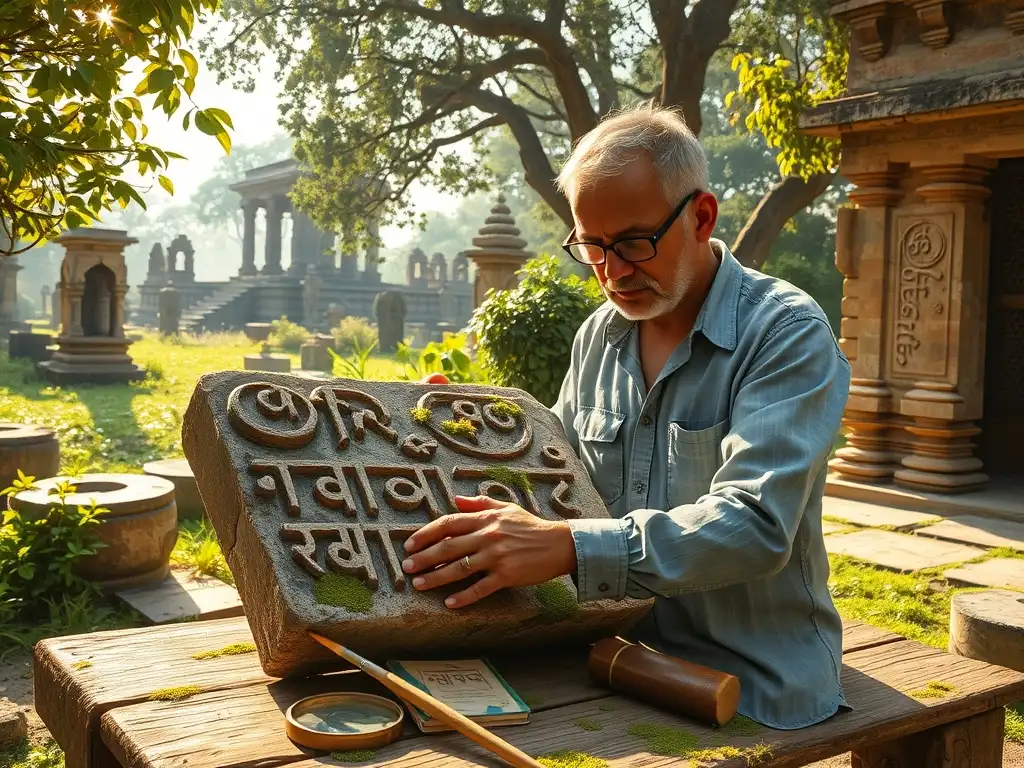
The study of ancient Indian inscriptions provides invaluable insights into the socio-political and cultural contexts of historical periods. Among the most significant inscriptions are those from the Mauryan and Gupta empires, which illustrate various methodologies and techniques employed by epigraphists. This section delves into two pivotal case studies: the Edicts of Ashoka and the inscriptions of the Gupta period, highlighting the methodologies used in their analysis and the implications for understanding ancient Indian society.
The Edicts of Ashoka: Analyzing the Methodology
The Edicts of Ashoka, inscribed during the reign of Emperor Ashoka (c. 268-232 BCE), represent a landmark in the study of ancient inscriptions. These edicts, carved on rocks and pillars across the Indian subcontinent, embody the principles of governance, moral conduct, and Buddhist philosophy.
The methodology for analyzing these inscriptions involves several key steps:
- Paleography: Scholars examine the script used in the inscriptions, primarily Brahmi, to understand its evolution and regional variations.
- Content Analysis: The edicts are analyzed for their themes, such as non-violence, truthfulness, and social welfare, revealing Ashoka's vision of an ethical state.
- Contextualization: By placing the inscriptions within their archaeological and historical contexts, researchers can infer the political and social dynamics of the time.
- Comparative Studies: Comparing the edicts with other contemporary records allows for a broader understanding of the influence of Ashoka's policies on his subjects and neighboring regions.
These methodologies have not only facilitated a deeper understanding of Ashoka's reign but also established a framework for studying other inscriptions from ancient India.
The Inscriptions of the Gupta Period: Techniques Employed
The Gupta period (c. 320-550 CE) is often regarded as a golden age in Indian history, marked by remarkable achievements in art, science, and literature. The inscriptions from this time serve as critical historical sources that reveal information about administration, religion, and culture.
The techniques employed in studying Gupta inscriptions include:
- Digital Imaging: Advanced imaging technologies, such as photogrammetry and 3D modeling, enhance the readability of inscriptions that have weathered over time.
- Material Analysis: Scholars analyze the materials used for carving, such as stone or metal, to determine the resources available and the technological capabilities of the period.
- Historical Linguistics: By examining the language and terminology, researchers can trace the evolution of Sanskrit and its regional dialects during the Gupta period.
- Ethnohistorical Approaches: Incorporating local traditions and oral histories helps contextualize the inscriptions and understand their significance within specific communities.
These techniques have opened new avenues for understanding the complex interplay of culture, politics, and economy during the Gupta period.
Future Directions in the Study of Ancient Indian Inscriptions
The future of epigraphy in ancient Indian studies promises exciting advancements, propelled by emerging technologies and interdisciplinary approaches. As researchers continue to explore this rich field, several trends are shaping the landscape of inscriptional studies.
Emerging Technologies and Their Potential Impact
Technological advancements are revolutionizing the way historians and epigraphists study ancient inscriptions. Notable emerging technologies include:
- Artificial Intelligence (AI): AI algorithms can assist in deciphering inscriptions by recognizing patterns and suggesting interpretations based on historical data.
- Machine Learning: This technology can analyze large datasets of inscriptions, identifying common themes and linguistic features that may not be readily apparent.
- Augmented Reality (AR): AR applications can provide interactive experiences, allowing users to visualize and explore inscriptions in their original contexts.
- Remote Sensing: Techniques like LiDAR (Light Detection and Ranging) can reveal hidden inscriptions and archaeological sites that traditional methods might overlook.
These technologies hold the potential to deepen our understanding of ancient Indian inscriptions and uncover new findings about past civilizations.
Interdisciplinary Approaches in Epigraphy Research
The study of ancient Indian inscriptions is increasingly benefiting from interdisciplinary collaboration. By integrating insights from various fields, researchers can develop a more holistic understanding of historical contexts. Key interdisciplinary approaches include:
- Collaboration with Archaeology: Joint efforts between epigraphists and archaeologists can enhance the context of inscriptions, linking them to material culture and settlement patterns.
- Historical Geography: Understanding the geographical distribution of inscriptions can shed light on trade routes, migration patterns, and the spread of ideas.
- Cultural Studies: Engaging with cultural anthropology allows for a deeper exploration of the social implications of inscriptions, considering how they reflect and influence cultural practices.
These interdisciplinary approaches are crucial for enriching the narrative of ancient Indian history and ensuring a more comprehensive understanding of its inscriptions.
Conclusion: The Importance of Methods in Understanding Ancient Indian Inscriptions
The study of ancient Indian inscriptions is a vital component of epigraphy, providing invaluable insights into the history, culture, and societal norms of ancient civilizations. The methods employed in this discipline are essential for accurately interpreting these inscriptions, which are often the only remnants of past societies. Understanding the techniques used, such as paleography, iconography, and contextual analysis, allows scholars to reconstruct historical narratives that might otherwise remain obscured.
Moreover, the application of these methods not only enhances our comprehension of the inscriptions themselves but also contributes to broader historical and archaeological research. The careful analysis of materials, styles, and contexts of inscriptions helps in dating artifacts and understanding the geographical spread of different cultures across ancient India. As such, the scientific approaches to studying these inscriptions underscore their significance as primary sources for historians and archaeologists alike.
Summary of Key Methods in Epigraphy
The methods used in epigraphy can be categorized into several key areas, each contributing unique insights:
- Paleography: This involves the study of ancient scripts and writing styles. Understanding the evolution of scripts helps scholars identify the time period of an inscription and the cultural influences at play.
- Iconography: This method focuses on the symbolic representations found within inscriptions. Analyzing images and symbols provides deeper context regarding the beliefs and practices of ancient peoples.
- Material Analysis: Inscriptions are often made from various materials, including stone, metal, and clay. Examining these materials can reveal information about the technological capabilities and resources available to the society that created them.
- Contextual Analysis: This method emphasizes the importance of the surrounding environment in which an inscription is found. By studying the context, such as the location and associated artifacts, scholars can better interpret the significance of the inscription within its historical framework.
- Digital Techniques: The advent of technology has introduced methods like 3D scanning and digital imaging, which allow for detailed examination without damaging the original artifacts. These modern techniques can uncover details that are not visible to the naked eye.
By employing a combination of these methods, researchers can construct a comprehensive understanding of ancient inscriptions and their implications for our knowledge of ancient Indian civilizations.
The Role of Ancient Inscriptions in Uncovering India’s Rich History
Ancient inscriptions serve as critical links to understanding the multifaceted history of India. They provide concrete evidence of historical events, political dynamics, and cultural practices that shaped various regions across the subcontinent. Through these inscriptions, we learn about the governance of ancient kingdoms, trade relations, social hierarchies, and religious beliefs that were prevalent in different eras.
For instance, the Edicts of Ashoka, inscribed during the Mauryan Empire, offer a glimpse into the moral and ethical principles that guided one of India’s most influential rulers. Similarly, inscriptions from the Gupta period shed light on advancements in science, art, and literature, reflecting the cultural prosperity of that time.
Furthermore, inscriptions contribute to our understanding of linguistic development in ancient India. They document the evolution of languages and scripts, revealing how communication and administration functioned across diverse populations.
Ancient inscriptions are not merely relics of the past; they are dynamic tools that historians and archaeologists utilize to reconstruct the rich tapestry of India’s heritage. Their study through refined methods allows us to appreciate the complexities of ancient Indian civilizations and their enduring legacy in modern society.
- Introduction to Ancient Indian Inscriptions
- Historical Overview of Ancient Indian Inscriptions
- Main Methods Used for Studying Ancient Indian Inscriptions
- Challenges in the Study of Ancient Indian Inscriptions
- Case Studies of Notable Ancient Indian Inscriptions
- Future Directions in the Study of Ancient Indian Inscriptions
- Conclusion: The Importance of Methods in Understanding Ancient Indian Inscriptions
Frequently Asked Questions
What are ancient Indian inscriptions?
Ancient Indian inscriptions are writings found on stone, metal, and other materials, which provide valuable insights into the history, culture, and languages of ancient Indian civilizations.
Why are epigraphic methods important in studying history?
Epigraphic methods are crucial because they help historians decode inscriptions, revealing information about politics, religion, and society in ancient India, thus enriching our understanding of the past.
What materials were commonly used for inscriptions in ancient India?
Ancient Indians typically used stone, metal, and wood for inscriptions, as these materials preserved the writings over time, allowing us to study them today.
How do researchers date ancient inscriptions?
Researchers often use techniques like palaeography and carbon dating to determine the age of ancient inscriptions, alongside historical context and style comparisons with known artifacts.
What contributions did the Gupta Empire make to epigraphy?
The Gupta Empire is known for its prolific inscriptions, which documented royal achievements and religious devotion, showcasing advancements in literature and art, thus influencing later Indian epigraphy.
Final Reflection: The Enduring Legacy of Ancient Indian Inscriptions
The study of ancient Indian inscriptions remains profoundly relevant today, as it not only enriches our understanding of historical narratives but also illuminates the cultural and social dynamics of past civilizations. The methods employed in epigraphy, from meticulous fieldwork to advanced imaging techniques, serve as a bridge connecting us to our ancestors, revealing their thoughts, beliefs, and daily lives. In a world increasingly driven by technology, the timeless quest to decode these ancient messages reminds us of the importance of preserving our heritage and learning from it.
The influence of ancient inscriptions extends far beyond the academic realm; they shape our cultural identity and collective memory. The meticulous work of epigraphists not only preserves history but also inspires contemporary artists, writers, and thinkers to explore their roots. As noted by the renowned historian Romila Thapar, History is not just about the past; it is a dialogue between the past and the present.
This ongoing conversation encourages us to reflect on how our histories inform our identities and societal values today.
As we conclude our exploration of the methods used in studying ancient Indian inscriptions, I invite you to reflect on the stories that these artifacts tell and consider how they resonate with your own life. Let the lessons of the past inspire you to engage with your heritage, whether through research, storytelling, or simply appreciating the richness of your cultural background. Embrace the opportunity to connect with history, for in doing so, we not only honor those who came before us but also pave the way for future generations to understand their own narratives.
Unveil the Secrets of Ancient Inscriptions!
Thank you for diving into the fascinating world of epigraphy with us! We hope you found valuable insights into the methods that reveal the stories of ancient civilizations. Now, let's take a step further and apply this knowledge!
Here are a few actions you can take right now:
- Explore local museums or libraries to discover exhibits or resources featuring ancient inscriptions and artifacts. You might uncover hidden treasures!
- Share this article with friends and fellow history enthusiasts to spark discussions about your newfound knowledge of epigraphy.
- Join an online community focused on historical studies to connect with others who are passionate about ancient civilizations and their mysteries.
If you had the opportunity, what unique inscription would you love to decipher?