
The Significance of Inscriptions in Documenting Ancient Indian Festivals and Rituals

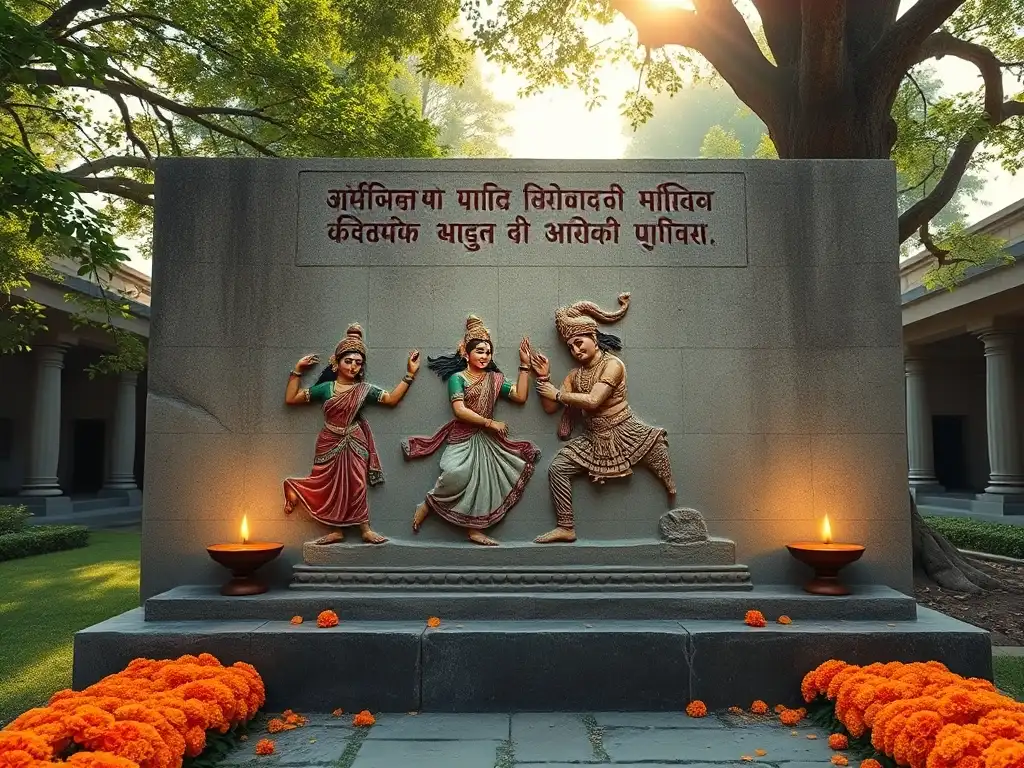
Welcome to Ancient India History, where we invite you to embark on a fascinating journey through the tapestry of time that weaves together the vibrant cultures and remarkable civilizations of ancient India. In our feature article, “The Significance of Inscriptions in Documenting Ancient Indian Festivals and Rituals,” we delve into the intriguing world of ancient Indian festival inscriptions—a treasure trove of knowledge that reveals the intricate rituals and celebrations that shaped societal values and traditions.
As you explore this captivating topic, prepare to uncover the stories etched in stone that have stood the test of time, sparking curiosity about the profound legacy of our ancestors. Join us as we unravel the mysteries of the past and celebrate the enduring spirit of ancient Indian heritage!
The study of ancient Indian festival inscriptions reveals a treasure trove of cultural, religious, and social practices that shaped the civilizations of the subcontinent. These inscriptions serve as invaluable primary sources, documenting not only the festivals celebrated but also the rituals and societal norms associated with them.
They allow historians and archaeologists to piece together the multifaceted tapestry of ancient Indian life, from the flourishing Indus Valley Civilization to the later Gupta Empire. By examining these inscriptions, we can gain insights into the values, beliefs, and community dynamics of ancient Indian societies, making them crucial for understanding the historical significance of festivals and rituals in shaping cultural identity.
Understanding Ancient Indian Festival Inscriptions
Definition of Inscriptions in Ancient India
Inscriptions in ancient India refer to engravings or carvings made on materials such as stone, metal, pottery, or even wood, which serve as a record of events, decrees, or cultural practices. These inscriptions often include:
- Religious Texts: Verses or mantras dedicated to deities.
- Royal Edicts: Decrees issued by kings regarding festivals or public celebrations.
- Commemorative Records: Inscriptions that document specific events or rituals associated with festivals.
These artifacts are critical for understanding the socio-political and religious landscape of ancient India.
Importance of Inscriptions in Historical Context
The importance of inscriptions in historical context cannot be overstated. They provide a direct link to the past, offering insights into:
- Cultural Practices: Insights into the rituals, ceremonies, and festivals that were significant to ancient communities.
- Historical Events: Records of specific occurrences tied to festivals, such as victories or consecrations.
- Societal Norms: Information on the roles of various social classes in festivals, revealing hierarchies and cultural practices.
Inscriptions serve as a foundational resource for reconstructing the timeline and understanding the complexities of ancient Indian history.
The Role of Inscriptions in Documenting Festivals
Festivals Celebrated in Ancient India
Ancient Indian festivals were deeply rooted in religious significance and seasonal changes. Some notable festivals documented in inscriptions include:
- Maha Shivaratri: A festival dedicated to Lord Shiva, marked by night-long vigils and offerings.
- Diwali: The festival of lights, celebrating the victory of light over darkness and good over evil.
- Holi: The festival of colors, signifying the arrival of spring and the triumph of love.
These festivals often had specific rituals associated with them, which were meticulously recorded in inscriptions, providing a glimpse into the celebratory practices of the time.
How Inscriptions Provide Insight into Ritual Practices
Inscriptions offer unique insights into the ritual practices associated with ancient festivals. They often describe:
- Ceremonial Offerings: Details of what was offered to deities during festivals, which can include flowers, fruits, and grains.
- Festive Activities: Descriptions of communal activities such as dances, music, and feasting that accompanied the festivals.
- Ritual Significance: Explanations of the spiritual or cultural meanings behind various rituals, illustrating their importance in the broader context of ancient Indian spirituality.
Through the study of these inscriptions, scholars can reconstruct the vibrant tapestry of ancient Indian festivals, enriching our understanding of their enduring legacy.
Major Ancient Indian Festival Inscriptions
Inscriptions have played a crucial role in illuminating the vibrant tapestry of ancient Indian festivals, providing insights into the religious practices, cultural values, and social structures of the time. These inscriptions, often engraved on stone or metal, document a variety of festivals from different regions and eras, reflecting the diverse traditions that flourished across the Indian subcontinent. Some of the most notable ancient Indian festival inscriptions include those from the Mauryan, Gupta, and post-Gupta periods, which reveal the importance of festivals as both communal and religious observances.
One of the significant collections of inscriptions can be traced back to the Edicts of Ashoka, which mention various festivals and the importance of moral conduct during these celebrations. Similarly, inscriptions from the Gupta period highlight festivals like Makar Sankranti and the rituals associated with them, showcasing how these events were integral to the agrarian calendar and community cohesion.
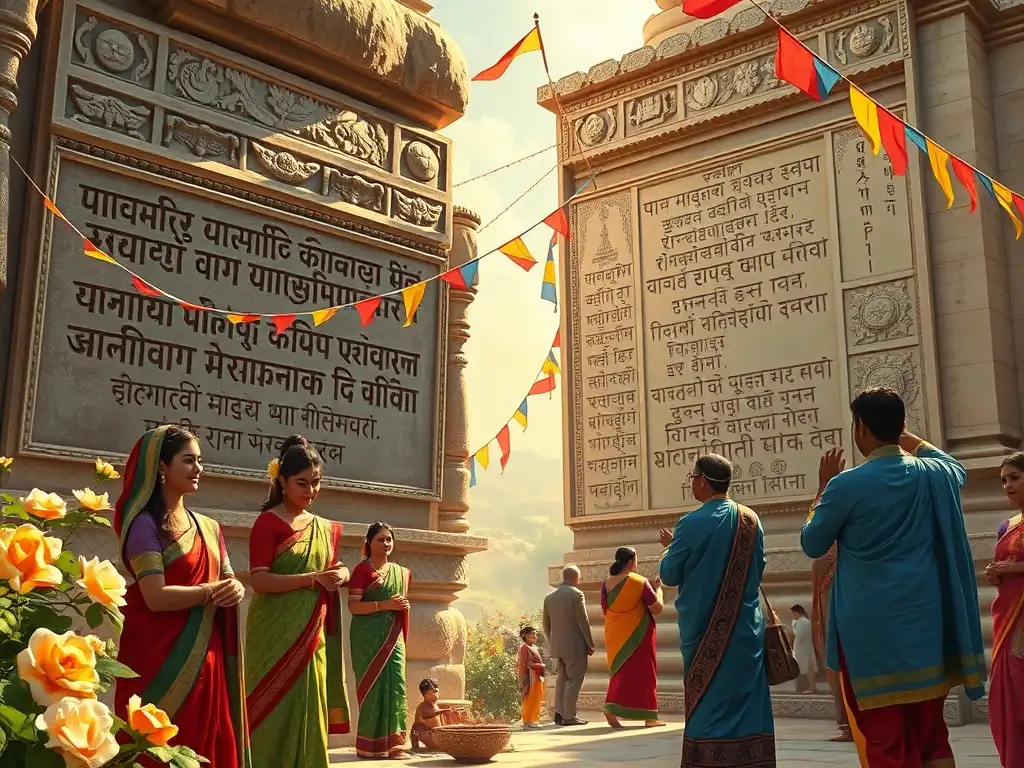
Numerous inscriptions detail specific festivals, providing both historical context and insight into their ceremonial practices.
- The Junagadh Rock Edicts: These inscriptions by Ashoka detail the observance of ceremonies and festivals, emphasizing the need for compassion and morality during such events.
- The Uparkot Caves Inscriptions: Dating back to the 1st century CE, these inscriptions mention the festival of Holi, celebrating the arrival of spring and the victory of good over evil.
- The Gupta Inscriptions: Found in various temples, these records often highlight the celebration of Diwali through descriptions of rituals and offerings made to deities, showcasing the festival's significance in the socio-religious landscape of the time.
These examples represent just a fraction of the vast array of inscriptions that document ancient Indian festivals, each contributing to a richer understanding of the cultural practices of their time.
Analysis of Inscriptions from Different Regions
The analysis of ancient festival inscriptions reveals significant regional variations in practices and beliefs throughout ancient India. For instance, the inscriptions from the western regions, such as Gujarat, often emphasize the celebration of agricultural festivals like Navratri, reflecting the agrarian lifestyle of the communities. In contrast, the inscriptions from southern India, particularly from the Chola dynasty, highlight temple festivals dedicated to various deities, showcasing the deep intertwining of religion and daily life.
Furthermore, the different languages and scripts used in these inscriptions, such as Brahmi, Prakrit, and Tamil, provide clues about the linguistic diversity and the inter-regional exchanges that took place. The regional festivals, as documented through inscriptions, not only reflect local traditions but also illustrate the broader cultural dialogues within the subcontinent, revealing how ancient Indian society was shaped by both local customs and pan-Indian influences.
Cultural and Historical Insights Gained from Inscriptions
The cultural and historical insights gleaned from ancient Indian festival inscriptions are invaluable for understanding the socio-religious dynamics of the time. These inscriptions serve as primary sources that provide evidence of the rituals, celebrations, and communal activities that were significant to ancient communities.
Influence of Festivals on Ancient Indian Society
Festivals in ancient India were more than mere celebrations; they played a pivotal role in shaping social structures and reinforcing community bonds. Inscriptions reveal how festivals provided a platform for social interaction, allowing individuals from various castes and classes to partake in communal rituals. The documentation of these festivals in inscriptions underscores their significance in promoting unity and fostering a sense of belonging among diverse populations.
Additionally, festivals often had political implications, as rulers would sponsor grand celebrations to legitimize their authority and connect with their subjects. The inscriptions serve as a testament to how festivals were strategically used to enhance the ruler's image and reinforce their power.
Rituals Reflected in Ancient Indian Inscriptions
The rituals associated with ancient festivals, as documented in inscriptions, offer a glimpse into the spiritual and cultural life of past societies. These records detail various rituals, from elaborate pujas and offerings to processions and communal feasting.
For instance, inscriptions from temple complexes often describe the different stages of rituals performed during festivals, highlighting the intricate relationship between worship and community life. These rituals not only honored the deities but also reinforced the moral and ethical values upheld by society.
Moreover, the descriptions of specific offerings made during these rituals reflect the agricultural practices and economic conditions of the time, revealing how festivals were deeply intertwined with the cycles of nature and the agrarian economy. Through these insights, we can appreciate the rich cultural heritage that ancient Indian festival inscriptions continue to offer today.
The Impact of Inscriptions on Modern Understanding of Festivals
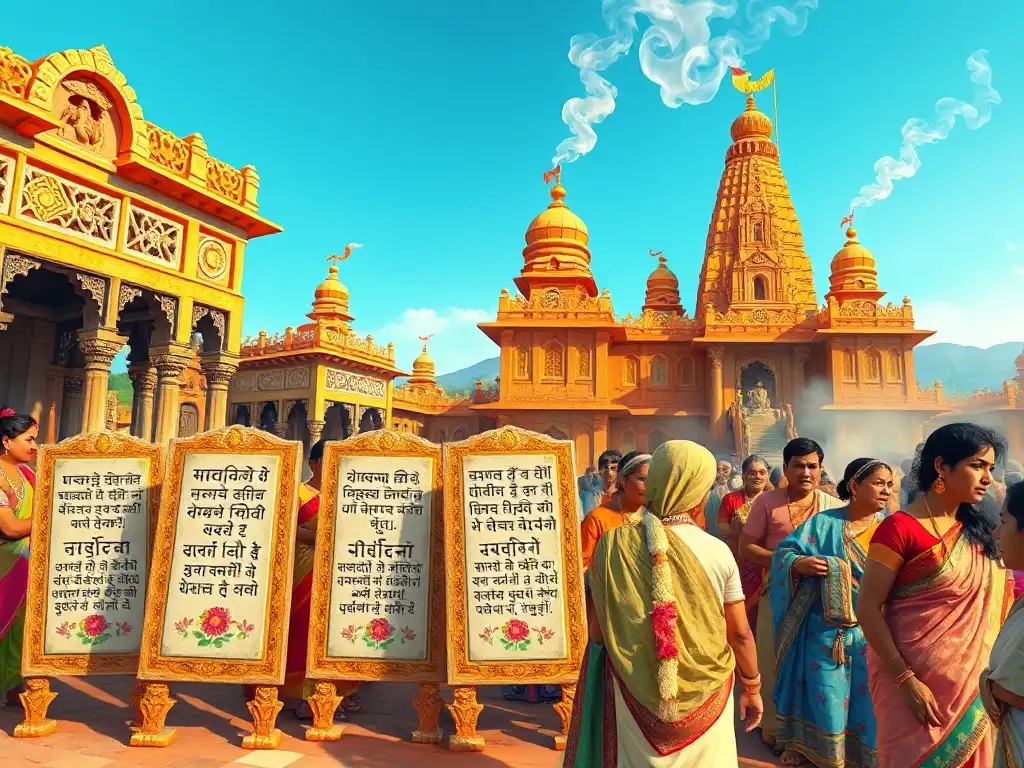
Inscriptions from ancient India serve as crucial primary sources that provide insights into the festivals and rituals celebrated by various civilizations. By examining these inscriptions, historians and archaeologists have gained a deeper understanding of the socio-religious dynamics that shaped ancient Indian life. The detailed accounts of festivals, such as their timings, associated deities, and rituals, allow researchers to reconstruct the cultural and religious context of the time. This understanding is vital not only for academic purposes but also for the cultural identity of modern India, as it connects contemporary practices with their ancient roots.
Moreover, inscriptions often reveal the regional variations in festival celebrations, highlighting the diversity within ancient Indian culture. They document the patronage of kings and local rulers, which indicates how festivals were used to reinforce political power and social cohesion. By analyzing such inscriptions, modern scholars can better appreciate how festivals served as platforms for community bonding, economic activity, and artistic expression. This multifaceted view enriches our comprehension of ancient Indian society and highlights the relevance of festivals in fostering a sense of identity and continuity throughout history.
How Inscriptions Shape Current Perspectives on Ancient Indian Culture
The study of ancient Indian festival inscriptions significantly shapes contemporary perspectives on Indian culture. These inscriptions reveal not only the religious practices of the time but also the philosophical underpinnings of those practices. For instance, inscriptions may reference specific texts or mythological stories that were integral to the festivals, offering insights into the prevailing beliefs and values of society.
Additionally, the language and style of the inscriptions often reflect the sociopolitical context of the period, allowing modern scholars to trace the evolution of language, art, and governance. By analyzing these inscriptions, historians can discern the influence of various dynasties on festival practices, demonstrating how cultural exchange and syncretism occurred over centuries. This understanding encourages a more nuanced view of ancient Indian culture, moving beyond monolithic narratives to appreciate the complexity and richness of its traditions.
Preservation of Ancient Indian Festival Traditions through Inscriptions
Inscriptions play a vital role in preserving the traditions of ancient Indian festivals. Many of these inscriptions serve as records of rituals, ceremonies, and even specific offerings made to deities, acting as a repository of cultural knowledge. Such documentation ensures that the essence of these festivals is not lost over time, even as practices may change or evolve.
Furthermore, inscriptions often include instructions or guidelines on how to conduct specific rituals, which helps maintain the continuity of traditions across generations. This preservation is essential for communities that seek to uphold their heritage, as it provides a tangible link to their past. By studying these inscriptions, scholars and practitioners alike can revive and reinvigorate ancient practices, ensuring they remain relevant in a modern context.
The value of inscriptions extends beyond mere preservation; they also serve as a source of inspiration for contemporary celebrations. By understanding the historical significance of these festivals through inscriptions, modern communities can enrich their own practices, drawing on the wisdom and spirituality embedded in ancient traditions.
Challenges in Interpreting Ancient Indian Festival Inscriptions
Despite the wealth of information contained in ancient Indian festival inscriptions, several challenges arise when interpreting them. One of the primary obstacles is the often fragmented and incomplete nature of these inscriptions. Many inscriptions have weathered the tests of time, leading to missing information that can hinder a full understanding of the context and significance of the recorded festivals.
Additionally, the language used in inscriptions can pose interpretative challenges. The evolution of language and script over centuries means that scholars must possess a strong understanding of ancient dialects and scripts to accurately decipher the texts. Misinterpretation of terms or phrases can lead to skewed understandings of the festivals, their meanings, and their practices.
Limitations of Inscriptions as Historical Sources
While inscriptions are invaluable resources for understanding ancient festivals, they are not without limitations. One significant limitation is that they often reflect the perspectives of the elite or ruling classes, potentially marginalizing the voices of common people. This can create a skewed view of festival practices, as the inscriptions may prioritize the interests and traditions of those in power.
Furthermore, inscriptions may not provide a comprehensive account of all festivals celebrated in a region. Many local or smaller-scale festivals may not have been deemed significant enough to warrant documentation, leading to gaps in the historical record. As a result, relying solely on inscriptions can result in an incomplete understanding of the rich tapestry of ancient Indian festival traditions.
The Need for Multidisciplinary Approaches in Interpretation
To overcome the challenges and limitations associated with interpreting ancient Indian festival inscriptions, a multidisciplinary approach is essential. Engaging with various fields, such as archaeology, anthropology, history, and linguistics, allows for a more holistic understanding of the inscriptions and their cultural significance.
For instance, archaeological findings can provide context for inscriptions, revealing physical evidence of festivals, such as artifacts and ceremonial sites. Meanwhile, anthropological perspectives can help elucidate the social dynamics surrounding festivals, offering insights into community practices and beliefs. By integrating these disciplines, researchers can construct a more comprehensive narrative that encompasses the complexities of ancient Indian festival traditions.
The study of ancient Indian festival inscriptions requires careful consideration and a collaborative approach to fully appreciate their historical, cultural, and social dimensions. By embracing a multidisciplinary methodology, scholars can unlock the rich significance embedded in these inscriptions, fostering a deeper understanding of India's diverse heritage.
Conclusion
The study of ancient Indian festival inscriptions offers a profound insight into the cultural and religious practices of early civilizations. These inscriptions not only serve as historical records but also illuminate the social, economic, and political contexts in which these festivals were celebrated. By examining these texts, historians and archaeologists can piece together the multifaceted tapestry of ancient Indian life, revealing how festivals were intertwined with daily existence, community identity, and religious devotion.
Summary of the Importance of Ancient Indian Festival Inscriptions
Ancient Indian festival inscriptions are invaluable resources for understanding the rich traditions and celebrations that have shaped Indian culture over millennia. These inscriptions provide direct evidence of:
- Cultural Practices: They document specific rituals, celebrations, and the significance of various festivals, reflecting the beliefs and values of ancient societies.
- Historical Context: Inscriptions often mention the patronage of rulers or the involvement of local communities, thereby offering insights into the political and social structures of the time.
- Religious Significance: Many inscriptions highlight the deities worshipped during festivals, showcasing the religious diversity and syncretism present in ancient India.
- Artistic Expression: The language, style, and medium of these inscriptions contribute to the understanding of ancient Indian art and literature, revealing the aesthetic sensibilities of the time.
In essence, these inscriptions serve as a bridge connecting past and present, allowing modern scholars to appreciate the continuity and evolution of festival-related customs and practices.
Future Directions for Research on Inscriptions and Festivals
As scholars continue to explore the field of ancient Indian festival inscriptions, several promising directions for research emerge:
- Interdisciplinary Approaches: Collaborating with anthropologists, art historians, and religious studies experts can enrich the understanding of inscriptions and their cultural contexts.
- Digital Humanities: Utilizing digital tools for the preservation, analysis, and visualization of inscriptions can open new pathways for research and engagement with these texts.
- Regional Studies: Focusing on lesser-known inscriptions from various regions can provide a more comprehensive picture of the diversity of festivals across ancient India.
- Comparative Analysis: Examining inscriptions alongside archaeological findings, literary texts, and oral traditions can yield insights into the complexities of ancient festival practices.
By pursuing these avenues, researchers can further illuminate the significance of ancient Indian festival inscriptions, ensuring that these vital pieces of history continue to inform our understanding of India's cultural heritage.
- Understanding Ancient Indian Festival Inscriptions
- The Role of Inscriptions in Documenting Festivals
- Major Ancient Indian Festival Inscriptions
- Examples of Significant Inscriptions Related to Festivals
- Analysis of Inscriptions from Different Regions
- Cultural and Historical Insights Gained from Inscriptions
- The Impact of Inscriptions on Modern Understanding of Festivals
- Challenges in Interpreting Ancient Indian Festival Inscriptions
- Conclusion
- What are ancient Indian festival inscriptions?
- How do inscriptions contribute to our understanding of ancient Indian festivals?
- What types of festivals are commonly mentioned in ancient inscriptions?
- Where can we find examples of ancient Indian festival inscriptions?
- Why are these inscriptions important for studying ancient Indian culture?
Frequently Asked Questions
What are ancient Indian festival inscriptions?
Ancient Indian festival inscriptions are written records that document the celebrations, rituals, and customs associated with various festivals in ancient India, providing insights into the cultural practices of the time.
How do inscriptions contribute to our understanding of ancient Indian festivals?
Inscriptions serve as a primary source of information, revealing details about the religious significance, societal roles, and historical contexts of festivals, thus enriching our comprehension of ancient Indian culture.
What types of festivals are commonly mentioned in ancient inscriptions?
Many ancient inscriptions refer to major festivals such as Diwali, Holi, and Makar Sankranti, highlighting their ritualistic practices and the communities that celebrated them.
Where can we find examples of ancient Indian festival inscriptions?
Examples of these inscriptions can be found on temples, stone tablets, and manuscripts, particularly in regions like the Indus Valley, Maurya, and Gupta Empires.
Why are these inscriptions important for studying ancient Indian culture?
They offer a window into the past, allowing historians to analyze the evolution of religious practices, social structures, and the interconnectedness of various cultures within ancient India.
Final Reflection: The Enduring Legacy of Ancient Indian Festival Inscriptions
The exploration of ancient Indian festival inscriptions reveals their profound relevance in today's world. These inscriptions not only serve as historical records but also as cultural touchstones that connect us to our roots. In an era where globalization often overshadows local traditions, understanding the significance of these inscriptions can inspire a renewed appreciation for our diverse heritage. They remind us of the vibrant tapestry of rituals and celebrations that have shaped our identities across generations.
Cultural heritage is not merely a relic of the past; it is a living, breathing entity that influences our present and future. The inscriptions we study today continue to resonate within our communities, fostering a sense of belonging and continuity. As we engage with these texts, we uncover stories that echo the values, beliefs, and practices of our ancestors. History is not just about the past; it is a guide to our future.
This ongoing dialogue with the past enriches our understanding of who we are and where we come from, encouraging us to honor and preserve these traditions.
As we reflect on the insights gained from ancient Indian festival inscriptions, I invite you to consider how you can incorporate this knowledge into your own life. Take a moment to explore your cultural heritage, attend local festivals, or even document your own family traditions. By doing so, you not only celebrate the richness of your history but also contribute to the preservation of these invaluable practices for future generations. Embrace the lessons of the past and let them inspire your journey forward, ensuring that the spirit of these ancient celebrations continues to thrive in our modern world.
Unveil the Festivities: Engage with Ancient Indian Rituals!
Thank you for exploring the fascinating world of ancient Indian festivals and rituals with us! We hope you’ve gained valuable insights into how inscriptions play a critical role in preserving these cultural treasures. Now, it's time to take that knowledge and bring it to life!
Here are some actionable steps you can take right now:
- Dive deeper into this rich heritage by visiting local museums or cultural centers to experience artifacts and exhibits related to ancient Indian festivals.
- Share your newfound knowledge with friends and family; consider hosting a themed gathering that celebrates these rituals!
- Join online forums or social media groups dedicated to ancient Indian history – engage in discussions and share your thoughts on the significance of these inscriptions.
What intriguing aspect of ancient Indian festivals would you like to explore further, and how do you believe these rituals shape our understanding of culture today?