
The Magnificent Ajanta and Ellora Caves: A Luxury Journey into Ancient Art

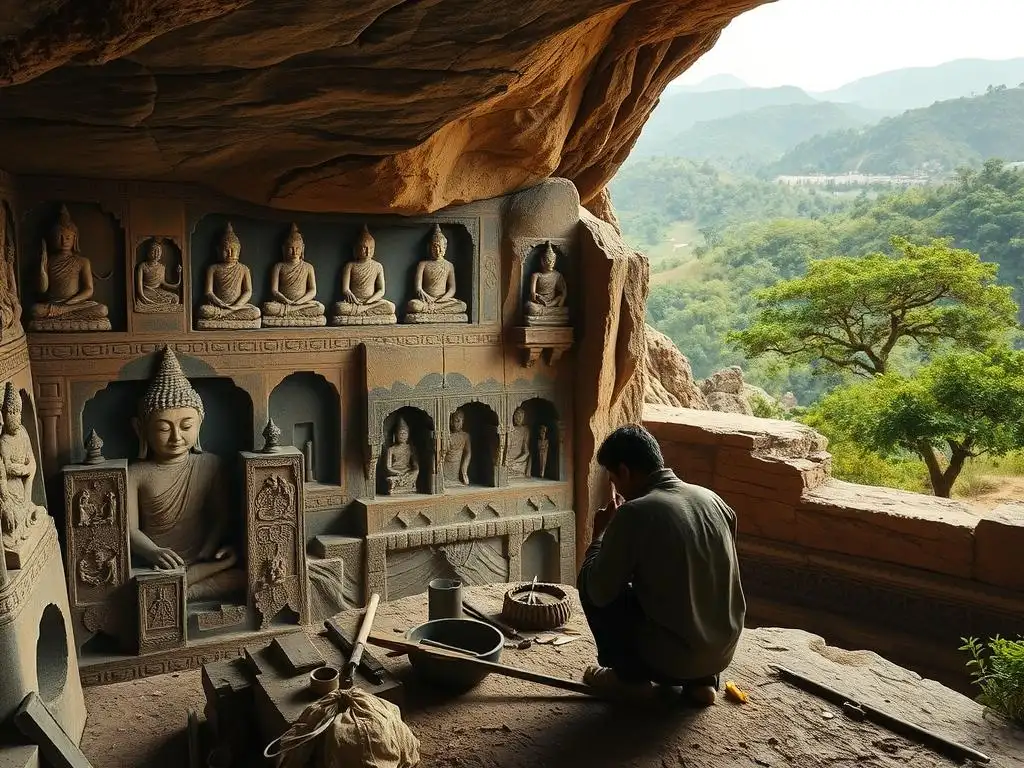
Welcome to Ancient India History, where we embark on an extraordinary journey through time, unearthing the rich tapestry of ancient Indian civilizations. In this captivating exploration, we invite you to delve into the world of Ancient Indian cave art, a magnificent testament to the creativity and spiritual depth of our ancestors.
Prepare to be enchanted as we uncover the allure of the Ajanta and Ellora Caves, where every brushstroke tells a story and every shadow whispers secrets of a luxurious past. Join us as we unveil the wonders of historical travel, and let your curiosity lead you deeper into this mesmerizing realm!
- Introduction to Ancient Indian Cave Art
- The Ajanta Caves: A Closer Look at Ancient Artistry
- The Ellora Caves: A Testament to Ancient Engineering
- Comparing Ajanta and Ellora Caves: A Journey Through Time
- Exploring the Rich Heritage: What to Expect on Your Journey
- Conclusion: Embracing the Legacy of Ancient Indian Cave Art
- Call to Action: Plan Your Luxury Journey Today
- Frequently Asked Questions
- Final Reflection: Embracing the Legacy of Ancient Indian Cave Art
- Embark on Your Own Journey Through Time!
Introduction to Ancient Indian Cave Art
Ancient Indian cave art represents one of the most significant and captivating aspects of India’s rich cultural heritage. From the intricate carvings of the Indus Valley Civilization to the exquisite frescoes of the Ajanta and Ellora Caves, this art form serves as a window into the spiritual and artistic expressions of ancient civilizations.
The caves, carved into the rugged landscapes of India, not only showcase the exceptional craftsmanship of their creators but also narrate the stories of the era, reflecting religious beliefs, societal norms, and artistic innovation. As travelers seek to explore this breathtaking journey into the past, the luxurious experience of visiting these archaeological treasures allows for a deeper understanding of ancient Indian cave art, its origins, and its lasting impact on the world.
Overview of Ancient Indian Cave Art
Ancient Indian cave art encompasses a diverse range of artistic expressions found in various locations across the subcontinent. Dating back thousands of years, these artworks can be classified into several categories, including:
- Rock Paintings: Early humans created stunning rock paintings depicting animals, hunting scenes, and spiritual symbols. Notable sites include the Bhimbetka rock shelters and the caves of Madhya Pradesh.
- Religious Sculptures: Many caves, especially those associated with Buddhism, Jainism, and Hinduism, feature exquisite sculptures and carvings that illustrate religious narratives and figures. The Ajanta Caves, for instance, are renowned for their detailed depictions of the life of Buddha.
- Frescoes: The walls of the caves are adorned with vibrant frescoes that reflect the artistic styles and techniques of their time. The Ajanta Caves offer some of the most famous examples, showcasing intricate murals with vivid colors and elaborate designs.
This artistic legacy not only highlights the technical skills of early artisans but also provides insight into the cultural and religious dynamics that shaped ancient Indian society.
Significance of Ajanta and Ellora Caves in Indian History
The Ajanta and Ellora Caves are two of the most significant sites for ancient Indian cave art, drawing visitors from around the world eager to witness their grandeur and historical importance.
- Ajanta Caves: Dating back to the 2nd century BCE, the Ajanta Caves are a UNESCO World Heritage Site known for their stunning rock-cut architecture and intricate frescoes. These caves served as monastic quarters for Buddhist monks and are celebrated for their unique depiction of Buddhist teachings and narratives. The murals reflect the evolution of Buddhist art and provide a glimpse into the social and cultural milieu of the period.
- Ellora Caves: Located near Aurangabad, the Ellora Caves, which date from the 5th to the 10th century CE, showcase a remarkable blend of Buddhist, Hindu, and Jain artistry. This site features over 30 caves, with the grand Kailasa temple being a highlight due to its monumental scale and intricate carvings. The coexistence of different religious traditions in Ellora speaks volumes about the pluralistic nature of ancient Indian society.
Both the Ajanta and Ellora Caves are not just artistic masterpieces; they are also vital historical records that illuminate the religious, social, and economic life of ancient India. Their preservation and continued exploration allow us to appreciate the depth and diversity of ancient Indian cave art, making them essential destinations for anyone interested in the luxury of historical travel.
The Ajanta Caves: A Closer Look at Ancient Artistry
Historical Context of the Ajanta Caves
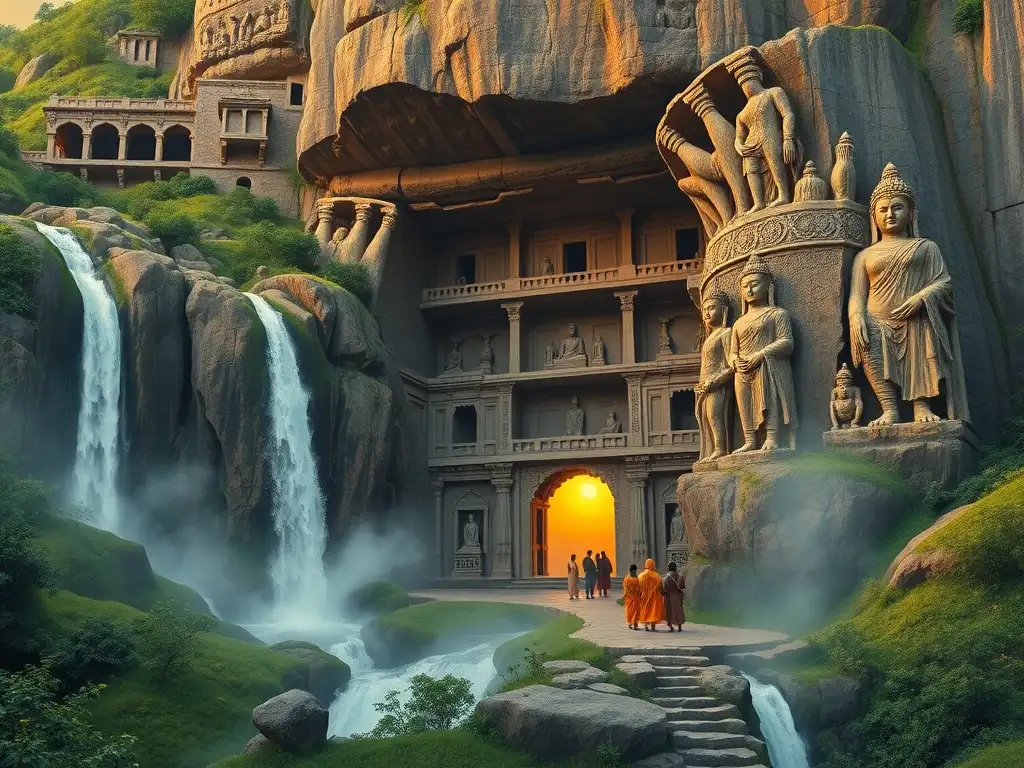
The Ajanta Caves, a UNESCO World Heritage Site, date back to the 2nd century BCE and were continuously developed until the 6th century CE. Nestled in a secluded, horseshoe-shaped gorge along the Waghora River in Maharashtra, these caves served as monastic quarters and viharas for Buddhist monks. The historical context of these caves is closely tied to the flourishing of Buddhism during the Mauryan and post-Mauryan periods. The patronage of local rulers and wealthy merchants played a crucial role in the establishment of these caves.
The significance of the Ajanta Caves extends beyond their architectural marvels; they are a testament to the socio-religious environment of ancient India. The caves were primarily used for meditation and religious teachings. As a result, the paintings and carvings depict various Jataka tales, illustrating the previous lives of the Buddha, aimed at imparting moral lessons to devotees.
Features of Ajanta Cave Paintings
The Ajanta Cave paintings are renowned for their vibrant colors, intricate details, and profound themes that reflect the cultural richness of ancient India. These artworks are primarily executed in the fresco technique, where pigments are applied to wet plaster, ensuring longevity and vibrancy.
The features of Ajanta Cave paintings can be categorized into several distinctive styles and themes, showcasing the artistic prowess of the time:
- Narrative Art: The paintings often tell stories, particularly the Jataka tales, which serve to communicate Buddhist teachings.
- Figural Representations: The artists depicted figures with elongated limbs and graceful postures, conveying a sense of movement and emotion.
- Symbolism: Many paintings incorporate symbolic elements that represent various aspects of Buddhist philosophy, including compassion, wisdom, and enlightenment.
Iconic Frescoes and Murals
Among the most iconic frescoes in the Ajanta Caves are those found in Cave 1 and Cave 2. These murals are celebrated for their exquisite details and vibrant color palettes.
- Cave 1: This cave houses some of the most famous depictions of the Avalokiteshvara, a bodhisattva of compassion, rendered with delicate facial expressions and intricate jewelry.
- Cave 2: Notable for its detailed frescoes of celestial beings and the Buddha, this cave illustrates scenes from the Jataka tales, emphasizing moral virtues and the path to enlightenment.
The frescoes not only reflect religious themes but also provide insight into the daily life and customs of ancient Indian society, showcasing musicians, dancers, and various forms of attire.
Architectural Brilliance of the Caves
The architectural brilliance of the Ajanta Caves lies in their ingenious design and construction. Carved directly into the rock face, these caves display a unique blend of functionality and aesthetic appeal.
Key architectural features include:
- Monastic Layout: The caves are organized into a series of viharas (monasteries) and chaityas (prayer halls), facilitating communal living and worship.
- Rock-Cut Architecture: The meticulous craftsmanship involved in carving the caves out of solid rock demonstrates advanced engineering skills of the time. The harmonious interplay of light and shadow adds depth to the interiors.
- Elaborate Facades: Many caves feature intricately carved doorways and columns, adorned with floral motifs and figures that enhance their grandeur.
The Ajanta Caves stand as a monumental achievement in ancient Indian cave art, embodying a rich blend of spirituality, artistry, and architectural innovation. Their grandeur continues to inspire awe and fascination, making them a vital component of ancient Indian heritage and a must-visit for luxury travelers exploring historical sites.
Luxury Tours to Ajanta Caves
Embarking on a luxury tour to the Ajanta Caves is not just a journey into the heart of ancient Indian cave art; it is an experience that combines comfort, culture, and exclusivity. These tours are meticulously designed to offer travelers an immersive experience, allowing for a deep appreciation of the stunning frescoes, intricate sculptures, and historical significance of the caves.
Luxury tours often include private transportation, ensuring that guests enjoy a seamless journey from their accommodations to the site. Many tours feature expert guides who provide rich narratives about the history, artistry, and cultural context of the caves, enhancing the overall experience. Additionally, travelers can enjoy personalized itineraries that allow for flexibility, enabling them to explore the caves at their own pace, ensuring that no detail is overlooked.
Moreover, these tours frequently incorporate high-end amenities such as gourmet meals, exclusive access to certain areas of the caves, and opportunities to engage with local artisans or historians. The combination of luxury travel with the exploration of one of India's most magnificent heritage sites offers a unique way to appreciate the artistic legacy of ancient Indian civilization.
Recommended Luxury Hotels Near Ajanta
When planning a visit to the Ajanta Caves, staying in a luxury hotel can significantly enhance the overall experience. Here are some highly recommended options that offer premium accommodations and excellent services:
| Hotel Name | Location | Features |
|---|---|---|
| Taj Hotel & Convention Centre | Aurangabad | Elegant rooms, fine dining, spa services |
| Vivanta Aurangabad | Aurangabad | Contemporary design, outdoor pool, gardens |
| The Meadows Resort | Adjacent to Ajanta | Spacious villas, adventure activities, dining |
| Hotel Kailas | Near Ajanta | Comfortable rooms, local cuisine, guided tours |
These hotels provide a perfect blend of comfort and luxury, ensuring that guests can relax after a day of exploring the magnificent caves. Each hotel has unique offerings, from exquisite dining experiences to rejuvenating spa treatments, which allow travelers to indulge in the opulence of their stay while being close to the rich heritage of the Ajanta Caves.
Guided Tours: Experience the Rich Heritage
Guided tours of the Ajanta Caves are an excellent way to delve deeper into the rich heritage of ancient Indian cave art. These tours typically feature knowledgeable guides who specialize in art history and archaeology, providing insights that go beyond the visuals to uncover the stories and significance behind the artwork.
During a guided tour, visitors can expect to explore the intricate frescoes and sculptures that depict various aspects of life in ancient India, including religious themes, daily life, and the evolution of artistic techniques. Guides often share fascinating anecdotes about the patrons who commissioned the caves and the monks who lived and worked there, offering a comprehensive understanding of this UNESCO World Heritage site.
Additionally, many guided tours include discussions on the architectural techniques used in the construction of the caves, the materials employed, and the cultural influences that shaped their design. This enriching experience not only highlights the artistic brilliance of the Ajanta Caves but also fosters a greater appreciation for the cultural heritage of India as a whole. By participating in a guided tour, travelers can forge a deeper connection with the ancient artistry that continues to inspire awe and admiration in the present day.
The Ellora Caves: A Testament to Ancient Engineering
Historical Background of the Ellora Caves
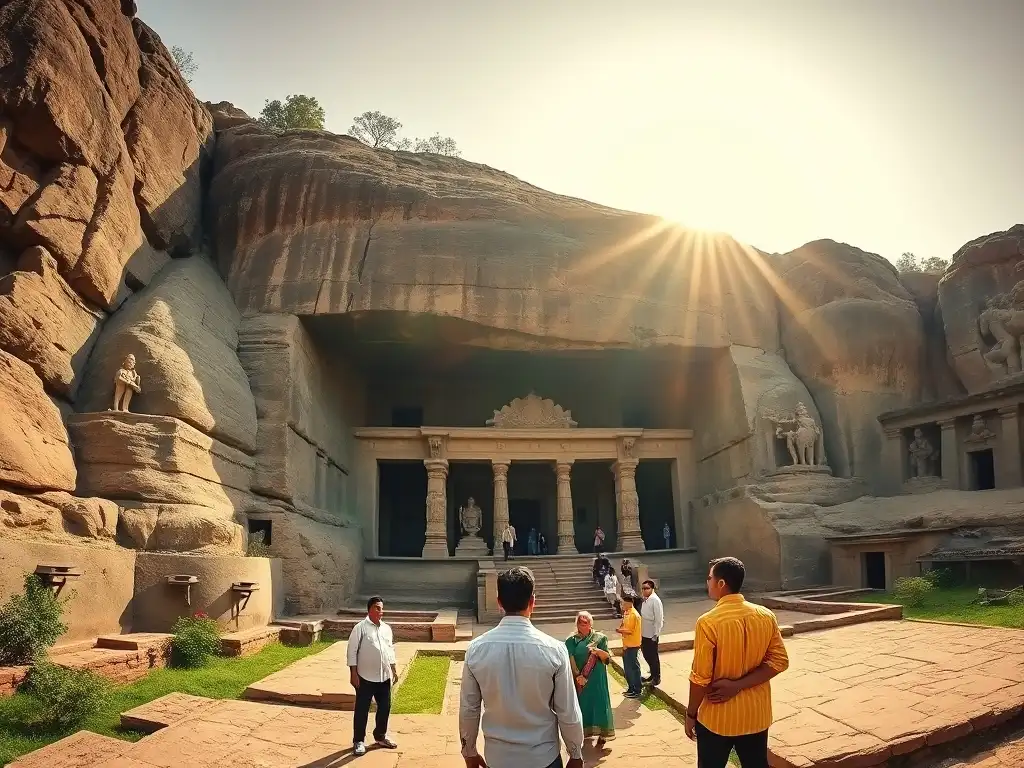
The Ellora Caves, located in Maharashtra, India, are a remarkable ensemble of rock-cut architecture that dates back to the 6th to 8th centuries CE. This UNESCO World Heritage site comprises 34 caves, which are divided into three distinct groups: Hindu, Buddhist, and Jain. The construction of these caves showcases the extraordinary skill and ingenuity of ancient Indian artisans and reflects the vibrant religious tapestry of the time.
The caves were carved out of volcanic basalt rock, utilizing sophisticated techniques that allowed for intricate designs and large monolithic sculptures. The construction of these caves is believed to have been commissioned by various dynasties, including the Rashtrakutas, who played a pivotal role in the patronage of art and architecture during this period. The multi-religious nature of the caves suggests a spirit of coexistence and mutual respect among different faiths, making Ellora a significant historical landmark.
Unique Characteristics of Ellora Cave Sculptures
The sculptures found within the Ellora Caves are distinguished by their stunning detail and grandeur. Each cave features intricate carvings that depict various deities, mythological narratives, and scenes from daily life. The artistry is reflective of the artistic trends of ancient India, characterized by:
- Intricacy: The detailed carvings often include fine lines and elaborate patterns, showcasing the skill of the artisans.
- Relief Work: Many sculptures are crafted in high relief, creating a three-dimensional effect that adds depth and realism.
- Symbolism: The motifs used in the carvings often carry deep spiritual meanings, representing philosophical concepts and religious beliefs.
Monolithic Structures and Their Significance
One of the most significant aspects of the Ellora Caves is the presence of monolithic structures, particularly the famed Kailasa temple (Cave 16). This remarkable feat of engineering is carved from a single rock and is a testament to the advanced techniques used by ancient craftsmen. The temple complex features:
- Architectural Innovation: The Kailasa temple is not only a place of worship but also an architectural marvel. Its design incorporates a multi-tiered structure, intricate carvings, and a grand courtyard, all hewn from solid rock.
- Cultural Symbolism: The temple serves as a symbol of devotion and artistic achievement, reflecting the spiritual and cultural aspirations of the time. It represents the pinnacle of rock-cut architecture in ancient India.
Diverse Religious Influences in Ellora
The Ellora Caves exhibit a unique blend of religious influences, as they encompass Buddhist, Hindu, and Jain traditions within the same complex. This diversity is evident in the themes and iconography present in the sculptures:
- Buddhist Influence: The Buddhist caves, primarily located in the southern section, feature stupas and prayer halls adorned with carvings of the Buddha and Bodhisattvas, illustrating the teachings of Buddhism.
- Hindu Influence: The central group of caves showcases Hindu deities, including Shiva and Vishnu, with elaborate narratives from Hindu mythology, reflecting the rich tapestry of Hindu beliefs.
- Jain Influence: The Jain caves, situated towards the north, display a more austere aesthetic, focusing on Tirthankaras and emphasizing the principles of non-violence and asceticism.
The coexistence of these diverse religious traditions within the same site highlights the pluralistic nature of ancient Indian society and its commitment to spiritual exploration. Thus, the Ellora Caves stand not only as a magnificent representation of ancient Indian cave art but also as a testament to the enduring legacy of cultural harmony in India.
Luxury Travel Options to Ellora Caves
For those seeking a lavish experience while exploring the magnificent Ellora Caves, several luxury travel options are available that cater to the discerning traveler. The Ellora Caves, a UNESCO World Heritage Site, are renowned not only for their stunning rock-cut architecture but also for their historical significance, making them a perfect destination for a luxury heritage tour.
Travelers can indulge in high-end accommodations, personalized guided tours, and exclusive experiences that enhance their visit to this extraordinary site. From opulent hotels to tailored itineraries, the luxury travel options to Ellora Caves are designed to provide comfort and sophistication while immersing visitors in the rich tapestry of ancient Indian culture.
High-End Accommodations in Aurangabad
Aurangabad, the nearest city to the Ellora Caves, offers an array of high-end accommodations that ensure a comfortable and luxurious stay. Some of the standout options include:
- Vivanta by Taj Aurangabad: This luxury hotel blends traditional Indian hospitality with modern amenities. Located amidst lush gardens, it offers elegantly designed rooms, a spa, and fine dining options, providing a serene retreat after a day of exploration.
- The Meadows Resort & Spa: Set against the backdrop of the Sahyadri mountains, this resort is a perfect blend of nature and luxury. Guests can unwind in well-appointed villas, enjoy spa treatments, and savor gourmet cuisine while soaking in stunning views.
- Radisson Blu Hotel: Located conveniently close to major attractions, this hotel offers contemporary rooms, a rooftop pool, and multiple dining options. The Radisson Blu provides an excellent base for luxury travelers looking to explore Aurangabad and the Ellora Caves.
Staying in one of these high-end accommodations not only ensures a plush experience but also allows travelers to appreciate the beauty of the region in style.
Exclusive Guided Tours and Experiences
To elevate the visit to the Ellora Caves, several tour operators offer exclusive guided tours that provide in-depth insights into the art and history of the caves. These personalized experiences often include:
- Private Guided Tours: Engage with knowledgeable guides who specialize in ancient Indian history and art. These tours often allow for flexible itineraries, enabling visitors to spend more time at sites of interest.
- Cultural Experiences: Some tours incorporate cultural activities, such as traditional Indian cooking classes or workshops on ancient Indian art forms, allowing travelers to immerse themselves fully in the local heritage.
- Helicopter Tours: For a truly unique perspective, helicopter tours are available, offering breathtaking aerial views of the Ellora Caves and the surrounding landscapes. This luxury experience provides an unforgettable way to appreciate the scale and grandeur of the site.
- Exclusive Access: Certain tour packages may offer after-hours access to the caves, allowing visitors to explore these ancient wonders without the crowds, creating an intimate and serene experience.
These exclusive tours and experiences are tailored to enhance the appreciation of the Ellora Caves, providing luxury travelers with a deeper connection to the ancient art and culture of India.
Comparing Ajanta and Ellora Caves: A Journey Through Time
Similarities Between Ajanta and Ellora Caves
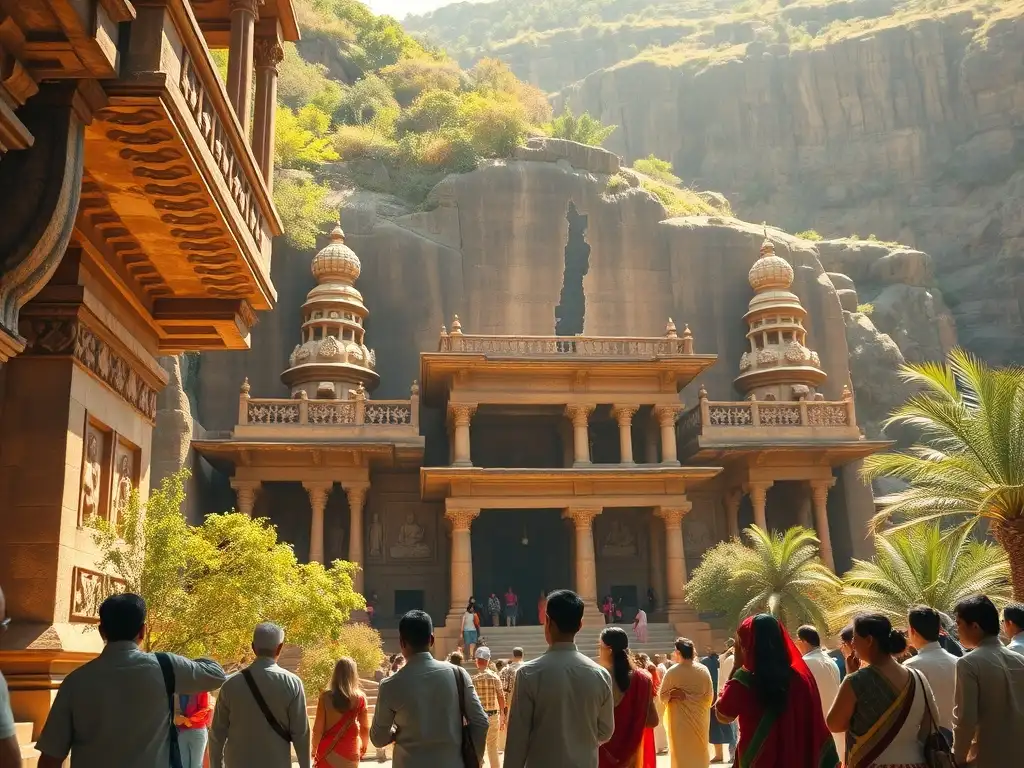
The Ajanta and Ellora Caves, both UNESCO World Heritage Sites, are monumental testaments to ancient Indian cave art and architecture. These remarkable sites, located in Maharashtra, India, share several similarities that reflect the cultural and spiritual milieu of their time.
- Historical Context: Both cave complexes date back to approximately the 2nd century BCE to the 6th century CE, showcasing the rich tapestry of ancient Indian civilization.
- Religious Significance: Ajanta is predominantly Buddhist, while Ellora features a blend of Buddhist, Hindu, and Jain influences. Despite their differing religious affiliations, both sites were created as places of worship and reflection, emphasizing spiritual connection.
- Artistic Excellence: Each cave contains intricate sculptures and frescoes that exemplify the skills of ancient artisans. The use of natural colors and detailed motifs in both sites reflects the high level of craftsmanship achieved during their respective periods.
- Architectural Ingenuity: The caves were hewn from solid rock, showcasing advanced engineering techniques. The planning and execution of cave layouts demonstrate a sophisticated understanding of space and structure.
Despite their differences, these similarities underscore the importance of Ajanta and Ellora as cultural and artistic landmarks in the history of ancient India.
Key Differences: Art Styles and Structures
While Ajanta and Ellora share a common heritage, they exhibit distinct artistic styles and structural designs that set them apart.
- Art Styles:
- Ajanta Caves: The art in Ajanta is characterized by its vibrant frescoes and intricate narrative reliefs depicting the life of the Buddha and Jataka tales. The use of flowing lines and soft colors creates a sense of movement and emotion, reflecting the influence of Buddhist iconography.
- Ellora Caves: In contrast, Ellora showcases a more diverse artistic palette. The Hindu caves, particularly the Kailasa temple, display grand sculptures and elaborate carvings that bring to life deities and mythological figures. The Jain caves emphasize intricate details, often featuring finely carved pillars and ceilings.
- Structural Design:
- Ajanta: Comprising around 30 caves, Ajanta is primarily monastic, with viharas (monasteries) and chaityas (prayer halls) designed for meditation and worship. The layout encourages a sense of introspection and spiritual focus.
- Ellora: With over 34 caves, Ellora is more architecturally diverse, including massive temples and monastic complexes. The Kailasa temple, carved from a single rock, is a prime example of the monumental scale and engineering prowess of ancient builders.
These differences highlight the unique artistic expressions and architectural achievements found within each cave complex, enriching the narrative of ancient Indian cave art.
Choosing Your Luxury Experience: Ajanta vs. Ellora
When planning a visit to explore the wonders of ancient Indian cave art, the choice between Ajanta and Ellora can significantly impact your travel experience. Here are some factors to consider when selecting your luxury journey:
- Accessibility and Amenities:
- Ajanta offers a serene and picturesque setting, ideal for those seeking a tranquil escape. Luxury hotels nearby often provide spa services, gourmet dining, and guided tours tailored to your interests.
- Ellora, being closer to the city of Aurangabad, offers more amenities, including high-end accommodations and diverse dining options. The bustling environment can add a different dimension to your stay.
- Tour Experience:
- For a more immersive experience, Ajanta's caves can be explored at a leisurely pace. Guided tours focusing on the art and history can enhance your understanding of the frescoes and their narratives.
- Ellora's vastness allows for a more varied exploration, with options to visit multiple caves representing different religions. Luxury tours often include private guides and exclusive access to certain areas.
- Cultural Events:
- Both locations occasionally host cultural events, but Ellora often features more contemporary performances and exhibitions, which can enrich your understanding of the ongoing legacy of ancient art.
Ultimately, the choice between Ajanta and Ellora hinges on your preferences for ambiance, accessibility, and the type of luxury experience you seek in your exploration of ancient Indian cave art. Whether you choose the tranquil beauty of Ajanta or the architectural grandeur of Ellora, both journeys promise to be enriching adventures into the heart of ancient Indian heritage.
Exploring the Rich Heritage: What to Expect on Your Journey
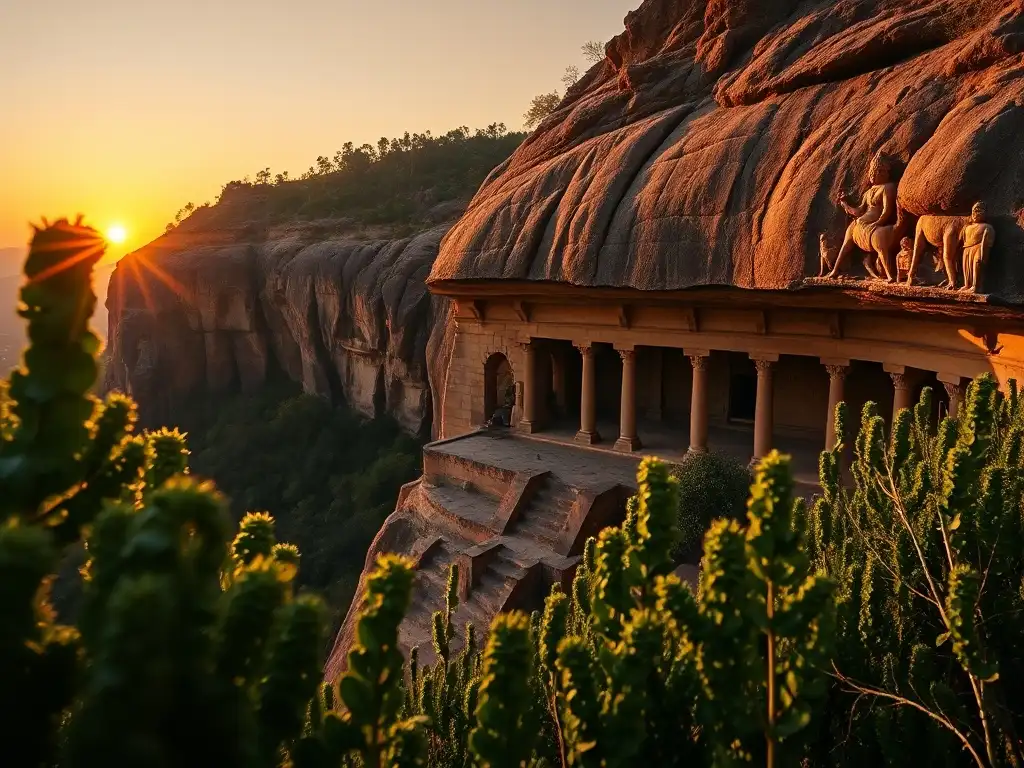
The Ajanta and Ellora Caves represent a pinnacle of ancient Indian cave art, showcasing the incredible craftsmanship and spiritual depth of their creators. As you embark on your journey to these UNESCO World Heritage Sites, you can expect a fusion of breathtaking artistry, intricate sculptures, and a deep dive into the cultural narratives that shaped ancient India.
The caves, carved into rock faces between the 2nd century BCE and the 6th century CE, feature stunning frescoes, monumental statues, and exquisite carvings that illustrate the religious and historical significance of the time. Visitors will encounter a range of styles, from the Buddhist murals of Ajanta to the Hindu and Jain iconography of Ellora, highlighting the diverse beliefs and practices of ancient Indian civilizations.
The experience is not just about visual splendor but also about understanding the context behind the art. Guided tours often delve into the stories depicted in the murals, the techniques used by artisans, and the socio-political factors influencing the work. This journey into ancient Indian cave art will not only be aesthetically pleasing but also intellectually enriching, providing insights into the lives and beliefs of those who shaped these magnificent sites.
Essential Tips for Visiting Ajanta and Ellora Caves
When planning your visit to the Ajanta and Ellora Caves, it's crucial to consider a few essential tips to enhance your experience.
Best Time to Visit for Optimal Experience
The ideal time to visit the Ajanta and Ellora Caves is during the cooler months, specifically from October to March. During this period, the weather is pleasant, allowing for comfortable exploration of the caves.
- October to November: The onset of winter brings moderate temperatures, making it perfect for outdoor activities.
- December to February: Expect cooler weather, with temperatures ranging from 10°C to 25°C (50°F to 77°F), ideal for long walks through the sites.
- March: As temperatures begin to rise, it is still manageable for visits, but be prepared for warmer conditions.
Dress Code and Cultural Sensitivity
Visitors should dress respectfully, considering the spiritual significance of these sites.
- Modest Clothing: Wear outfits that cover shoulders and knees. Lightweight, breathable fabrics are recommended due to the cave interiors' varying temperatures.
- Comfortable Footwear: Given the uneven terrain and extensive walking required, sturdy shoes are essential.
- Cultural Awareness: Remember to maintain a respectful demeanor, as these sites are still places of worship for many.
Luxury Travel Essentials: What to Pack
Packing for a trip to the Ajanta and Ellora Caves requires careful consideration to ensure a comfortable and enjoyable experience.
Recommended Travel Gear for Cave Exploration
When visiting these ancient sites, certain gear can enhance your exploration:
- Lightweight Backpack: Ideal for carrying essentials like water, snacks, and a camera.
- Portable Charger: Keep your devices charged to capture the stunning art and landscapes.
- Sunglasses and Hat: Protect yourself from the sun, especially during outdoor explorations.
- Guidebook or App: A reliable source of information about the caves will enrich your visit.
Luxury Transport Options: Getting There in Style
Arriving at Ajanta and Ellora Caves in luxury can enhance your experience significantly. Consider the following options:
- Private Chauffeur Services: Arranging for a private driver ensures a comfortable journey, allowing you to relax and enjoy the scenery.
- Luxury Coaches: Some travel companies offer premium coach services with amenities for a more comfortable ride.
- Helicopter Tours: For a truly unique experience, consider helicopter tours that provide aerial views of both the caves and the surrounding landscapes.
By preparing adequately and embracing the spirit of the journey, your expedition to the Ajanta and Ellora Caves will be a remarkable exploration of ancient Indian cave art, steeped in history and culture.
Conclusion: Embracing the Legacy of Ancient Indian Cave Art
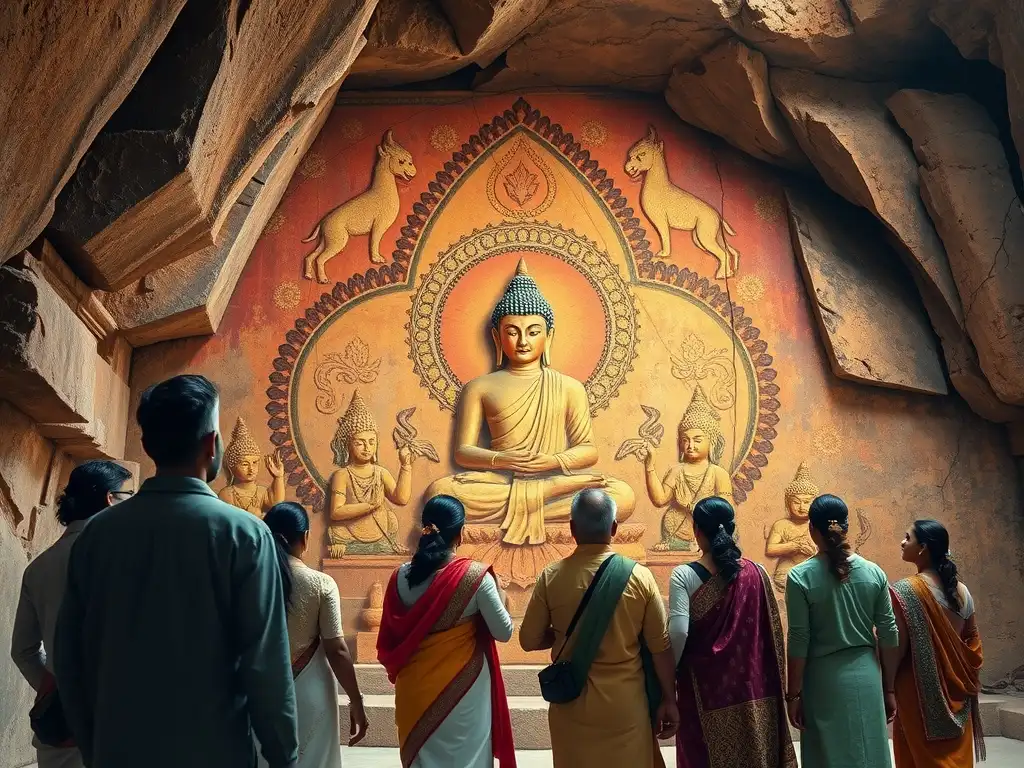
The Ajanta and Ellora Caves stand as monumental testaments to the exceptional artistry and cultural richness of ancient Indian civilization. These sites are not merely collections of rock-cut architecture and sculptures; they encapsulate the spiritual, artistic, and historical narratives that have shaped the Indian subcontinent over centuries.
Visiting these caves allows travelers to immerse themselves in a world where history and art converge, offering insights into the lives and beliefs of the people who created them. The intricate carvings, stunning frescoes, and the sheer scale of these caves evoke a deep sense of wonder and appreciation for ancient craftsmanship.
By embracing the legacy of ancient Indian cave art, visitors can connect with the past in a profoundly personal way, gaining a deeper understanding of the cultural and religious contexts that gave rise to these masterpieces. This journey through time not only enlightens the mind but also enriches the soul, highlighting the enduring impact of art on human civilization.
Why Ajanta and Ellora Caves are Must-Visit Heritage Sites
The Ajanta and Ellora Caves are celebrated not just for their artistic brilliance but also for their historical significance. Here are some compelling reasons to include these sites in your luxury heritage travel itinerary:
- Rich Historical Context:
- Ajanta Caves: Dating back to the 2nd century BCE to about 480 CE, the Ajanta Caves are renowned for their Buddhist rock-cut monuments, showcasing the evolution of Buddhist art and architecture.
- Ellora Caves: Spanning from 600 to 1000 CE, the Ellora Caves feature a mix of Buddhist, Hindu, and Jain rock-cut temples, reflecting the religious harmony that prevailed in ancient India.
- Artistic Masterpieces:
- The frescoes and sculptures in Ajanta are a sublime example of ancient Indian painting techniques, depicting scenes from the Jataka tales and Buddhist teachings.
- Ellora’s Kailasa temple, a monolithic rock-cut structure, is an architectural marvel that demonstrates the sophistication of ancient engineering.
- Cultural Significance:
- Both sites serve as critical points of reference for understanding the interplay between religion, art, and society in ancient India. They provide valuable insights into the daily lives, beliefs, and practices of the time.
- UNESCO World Heritage Sites:
- Recognized for their outstanding universal value, both Ajanta and Ellora have been designated as UNESCO World Heritage Sites, making them integral to global heritage conservation efforts.
- Accessibility and Amenities:
- With luxury accommodations and guided tours available, visiting these caves can be a comfortable and enriching experience, allowing travelers to appreciate the intricate details of the art without sacrificing modern comforts.
Final Thoughts on Luxury Heritage Travel in India
Luxury heritage travel in India offers a unique opportunity to explore the country's vast and diverse history through its architectural and artistic treasures. The Ajanta and Ellora Caves exemplify this journey, providing travelers with a chance to witness the grandeur of ancient Indian cave art firsthand.
As you plan your exploration of these magnificent sites, consider engaging with knowledgeable local guides who can enhance your understanding of the historical and cultural significance of the caves. The blend of luxury and heritage travel not only caters to comfort and indulgence but also fosters a deeper appreciation for the artistic achievements of ancient civilizations.
Embracing the legacy of ancient Indian cave art is not just about witnessing beauty; it's about connecting with a rich historical narrative that continues to resonate today. Whether you are an art enthusiast, a history buff, or simply looking for an enriching travel experience, the Ajanta and Ellora Caves promise a journey unlike any other. 🕌✨
Call to Action: Plan Your Luxury Journey Today
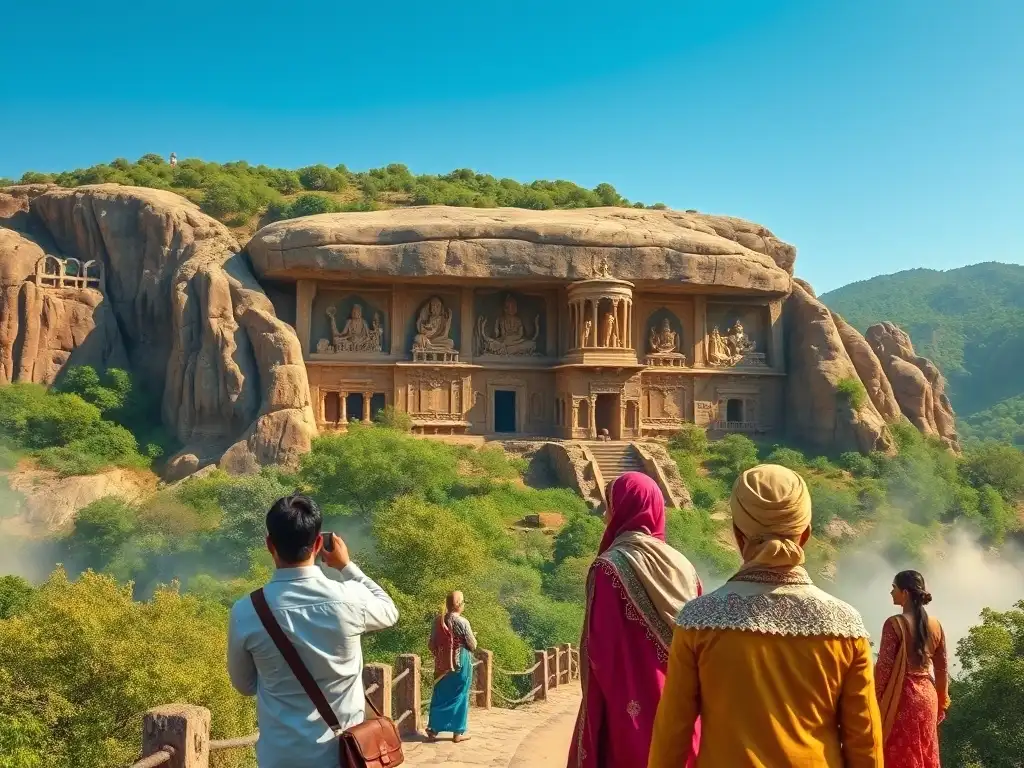
Embarking on a journey to explore the Ajanta and Ellora Caves is not just a travel experience; it is a luxury voyage into the heart of ancient Indian cave art. These caves, renowned for their intricate sculptures and stunning frescoes, offer an unparalleled glimpse into the artistic and spiritual heritage of ancient India. To truly appreciate the magnificence of these caves, consider planning your visit with bespoke luxury tours that cater to your every need.
When planning your luxury journey, ensure that you choose a well-structured itinerary that allows ample time for exploration. Look for tours that provide knowledgeable guides who can offer insights into the historical significance and artistic nuances of the cave art. Moreover, select accommodations that reflect the grandeur of ancient Indian architecture while providing modern comforts. This combination ensures a memorable experience that resonates with the beauty of the past.
Explore More: Links to Luxury Tours and Accommodations
To enhance your visit to the Ajanta and Ellora Caves, here are some recommended luxury tours and accommodations that promise an enriching experience:
- Luxury Tours:
- Heritage Train Journeys: Experience the elegance of traveling by train while visiting ancient sites.
- Private Guided Tours: Tailored tours that allow you to explore at your own pace with expert historians.
- Accommodations:
- Heritage Hotels: Stay in beautifully restored palaces and mansions that reflect the historical essence of India.
- Luxury Resorts: Enjoy world-class amenities and services while being close to the caves.
Consider reaching out to travel specialists who focus on ancient Indian heritage tours for personalized recommendations.
Join Our Community of Ancient Indian Heritage Travelers
As you prepare for your journey into the world of ancient Indian cave art, we invite you to join our community of travelers who share a passion for exploring the rich history and culture of ancient India. Engaging with fellow enthusiasts can enhance your travel experience, providing you with valuable tips, insights, and recommendations.
- Share Your Experiences: Connect with others who have visited the caves and share your stories and photographs.
- Participate in Discussions: Join forums or social media groups dedicated to ancient Indian heritage to exchange ideas and information.
- Stay Updated: Subscribe to newsletters that provide updates on new tours, events, and exhibitions related to ancient Indian art and culture.
By joining our community, you not only enrich your own journey but also contribute to the preservation and appreciation of ancient Indian cave art for future generations.
Frequently Asked Questions
What are the Ajanta and Ellora Caves known for?
The Ajanta and Ellora Caves are renowned for their incredible rock-cut architecture and ancient Indian cave art, showcasing intricate sculptures and frescoes that depict Buddhist, Hindu, and Jain themes.
How did the ancient Indian civilizations contribute to art?
Ancient Indian civilizations, particularly during the Gupta Empire, significantly influenced art by producing masterpieces in various forms such as sculptures, paintings, and cave art, which are characterized by symbolism and intricate details.
What is the significance of cave art in ancient India?
Cave art serves as a crucial historical record, revealing the cultural, religious, and social practices of ancient Indian societies, and provides insights into their artistic techniques and spiritual beliefs.
When were the Ajanta and Ellora Caves created?
The Ajanta Caves date back to the 2nd century BCE, while the Ellora Caves were primarily constructed between the 5th and 10th centuries CE, reflecting the evolution of art in ancient India over centuries.
How can one visit the Ajanta and Ellora Caves today?
Visitors can access the Ajanta and Ellora Caves through guided tours, with facilities for accommodation and transport nearby. It's advisable to check for cultural events and preservation efforts to enhance the visit.
Final Reflection: Embracing the Legacy of Ancient Indian Cave Art
The Ajanta and Ellora Caves stand as a testament to the brilliance of ancient Indian cave art, reminding us that the echoes of history resonate profoundly in our contemporary world. Today, as we navigate an era dominated by digital innovation and rapid change, the timeless artistry found within these caves invites us to pause and appreciate the depth of human creativity and expression that transcends generations. The intricate carvings and vibrant frescoes not only tell stories of the past but also challenge us to reflect on our own narratives and cultural identities.
The influence of ancient Indian cave art extends far beyond the confines of history; it shapes our cultural landscape and inspires a sense of connection to our roots. The artistry of Ajanta and Ellora continues to captivate artists, historians, and travelers alike, fostering a dialogue between the past and present. As noted by art historian John Marshall, The caves are not merely monuments of the past; they are living expressions of the human spirit that continue to inspire and provoke thought.
This enduring legacy serves as a reminder of the power of art to bridge temporal and cultural divides, enriching our understanding of humanity.
As we conclude this exploration of the magnificent Ajanta and Ellora Caves, I invite you to reflect on the lessons embedded within these ancient walls. Consider how the themes of creativity, spirituality, and cultural heritage resonate in your own life. Let the stories told through ancient Indian cave art inspire you to seek out and celebrate the artistry in your surroundings, fostering a deeper appreciation for the diverse expressions of human experience. Embrace the journey of discovery, and allow the echoes of the past to guide you toward a more enriched and connected future.
Embark on Your Own Journey Through Time!
Thank you for taking the time to explore the incredible legacy of the Ajanta and Ellora Caves. You've journeyed through the vibrant history and exquisite artistry of these ancient marvels — now it's time to experience the magic for yourself! Here are a few ways you can dive deeper into the rich heritage of India:
- Plan a visit to Ajanta and Ellora — immerse yourself in the stunning surroundings and witness the breathtaking art firsthand.
- Share your experiences on social media; use the hashtag #AncientIndiaJourney to connect with fellow enthusiasts and foster a community around these masterpieces.
- Explore additional resources such as documentaries or books about ancient Indian art to deepen your understanding and appreciation.
How will you bring history to life in your everyday experiences today?