
The Gupta Empire: A Luxurious Exploration of India’s Golden Age

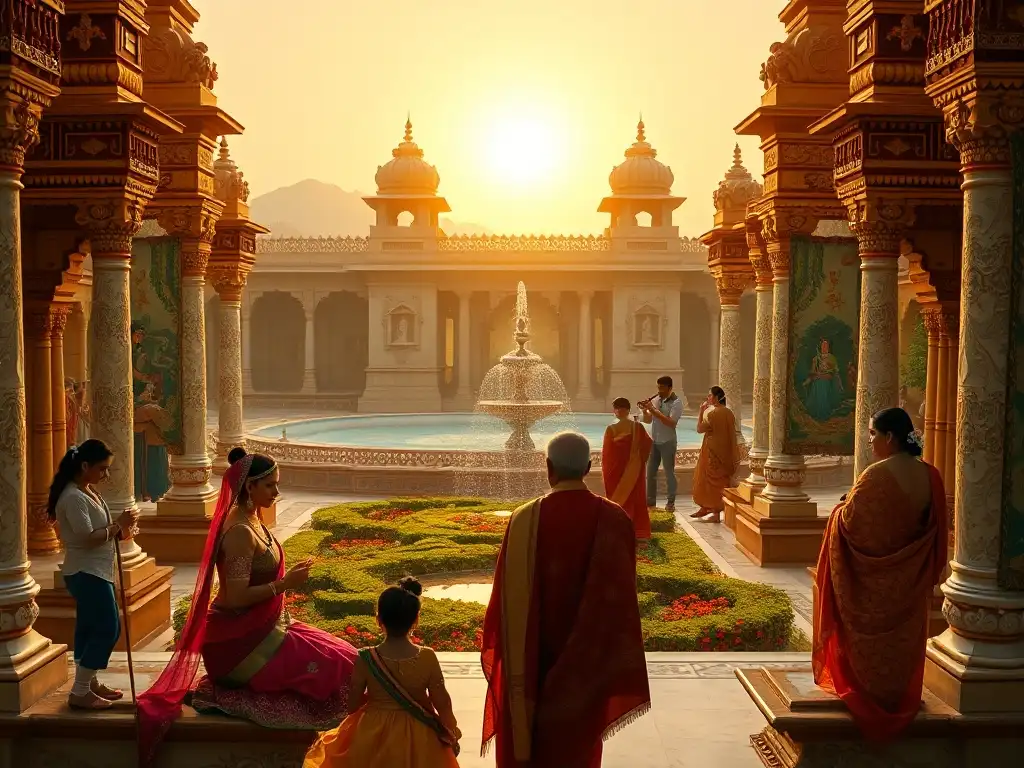
Welcome to Ancient India History, where we embark on an extraordinary journey through time, delving into the rich and diverse tapestry of ancient Indian civilizations. In this exploration, we invite you to discover the Gupta Empire, a remarkable period often hailed as India’s Golden Age. Our featured article, "The Gupta Empire: A Luxurious Exploration of India’s Golden Age," unveils the opulence and cultural brilliance that defined this era.
Curiosity awaits as we reveal how luxury intertwined with the vibrant culture of the Gupta period, shaping not just a civilization, but the very essence of Indian heritage. Dive deeper with us, and uncover the legacies that continue to inspire today!
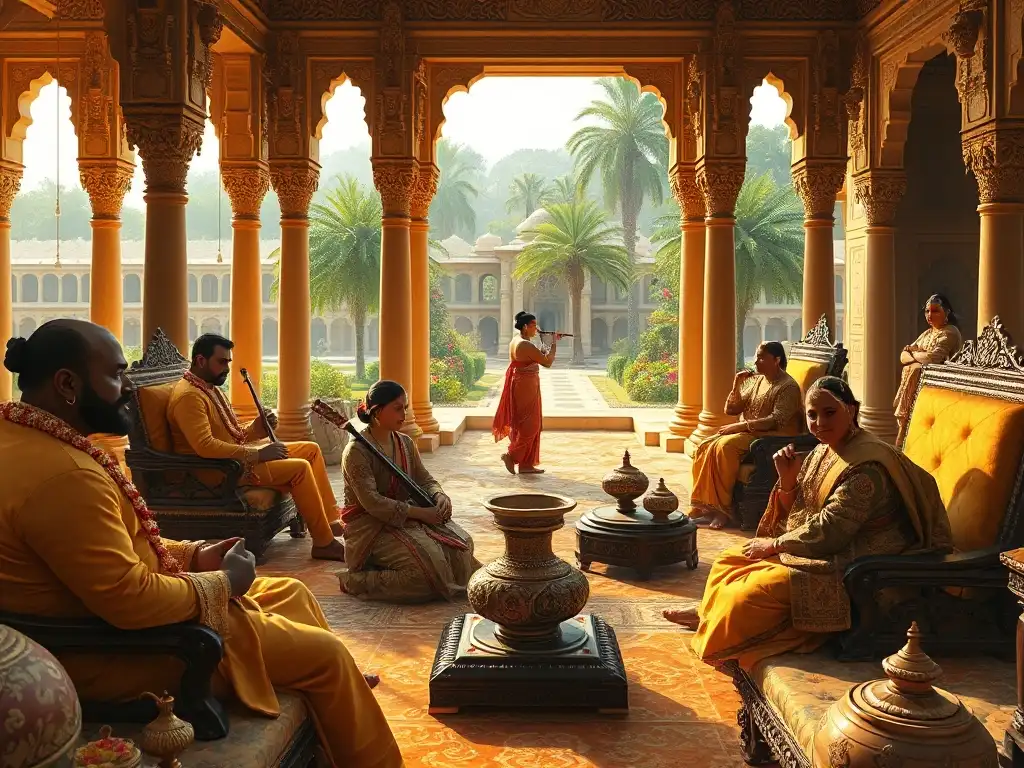
Introduction to the Gupta Empire Luxury and Culture
The Gupta Empire, often heralded as the "Golden Age of India," represents a pinnacle in the historical and cultural development of ancient India, flourishing from approximately 320 to 550 CE. This era is characterized by remarkable achievements in various fields, including art, literature, science, and philosophy. The Gupta dynasty's patronage of the arts and education not only enriched the cultural landscape of the time but also established a legacy that continues to influence modern society.
During this period, cities such as Pataliputra (modern-day Patna) became vibrant hubs for trade, scholarship, and the exchange of ideas. The Gupta rulers, particularly Chandragupta II, were known for their extravagant lifestyles, which mirrored the affluence experienced by their subjects. This luxurious environment fostered the flourishing of cultural activities, including the creation of exquisite sculptures, intricate paintings, and profound literary works.
The Gupta Empire's commitment to luxury and culture can be seen in its architectural wonders, such as the intricately carved temples and the stunning cave complexes like the Ajanta and Ellora Caves. These masterpieces not only showcase the artistic prowess of the time but also serve as a testament to the sophisticated societal structure that supported such creativity.
As we delve deeper into the luxurious aspects of the Gupta Empire, we will explore the various dimensions of its culture, including the arts, literature, and social customs, that collectively contributed to this remarkable period in ancient Indian history. The following sections will provide a comprehensive overview of how luxury and culture intertwined during the Gupta Empire, setting the stage for an enriched understanding of this fascinating era.
- What was the Gupta Empire known for in terms of luxury?
- How did the culture of the Gupta Empire influence modern India?
- What are some significant contributions of the Gupta Empire to art and literature?
- How did trade contribute to the luxury of the Gupta Empire?
- What role did religion play in the culture of the Gupta Empire?
Historical Context of the Gupta Empire
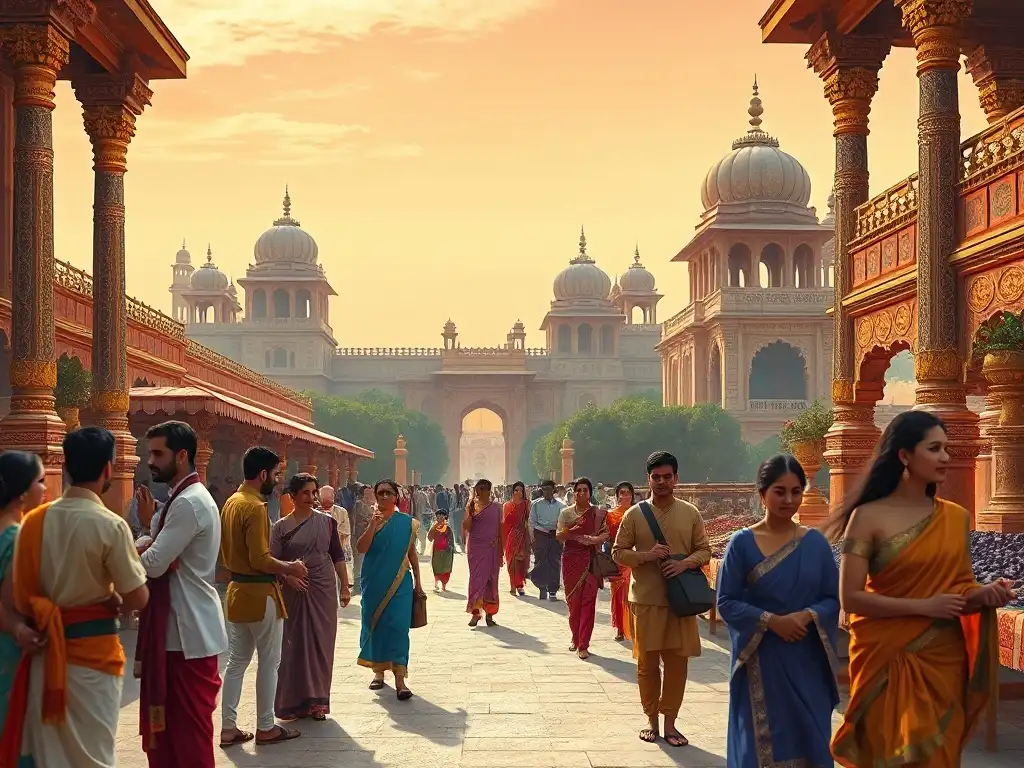
The Gupta Empire, which flourished from approximately 320 to 550 CE, is often regarded as a pivotal period in Indian history, marking the height of cultural, political, and economic advancements. This era is frequently referred to as India's Golden Age due to its remarkable achievements in various fields, including art, science, literature, and philosophy. The Gupta Empire emerged following the decline of the Kushan Empire and was characterized by a significant consolidation of power in northern India.
The Rise of the Gupta Dynasty
The rise of the Gupta Dynasty is attributed to its founder, Maharaja Sri Gupta, whose reign laid the foundation for future expansions. However, it was his grandson, Chandragupta I, who significantly expanded the empire through strategic alliances and military conquests. His marriage to a prominent Lichchhavi princess further solidified his power, granting him access to rich resources and trade networks.
Chandragupta I's successors, particularly Samudragupta (reigned circa 335–375 CE), are celebrated for their military prowess. Samudragupta's extensive campaigns not only expanded the empire’s territories but also established the Gupta Dynasty as a dominant power in the Indian subcontinent. His conquests included regions such as present-day Uttar Pradesh, Bihar, and parts of Bengal, leading to the integration of diverse cultures and societies under Gupta rule.
The Gupta Empire’s governmental structure was sophisticated, featuring a centralized administration that maintained control over vast territories. Local governors, known as uparikas, oversaw provinces, while the king upheld authority through a network of loyal officials. This governance model allowed for effective tax collection, infrastructure development, and the promotion of trade, further contributing to the luxurious lifestyle associated with the Gupta Empire.
Major Contributions to Indian Heritage
The Gupta Empire is renowned for its contributions to art, science, and literature, many of which laid the groundwork for future advancements in Indian culture.
- Art and Architecture:
- The Gupta period saw the flourishing of classical Indian art, characterized by intricate sculptures and stunning cave paintings, such as those found in Ajanta and Ellora. The use of vibrant colors and detailed craftsmanship in these artworks reflected the luxurious aesthetic of the era.
- Temples built during this time, such as the Dashavatara Temple in Deogarh, showcased advanced architectural techniques, including intricate carvings and elaborate frescoes, which symbolized the cultural richness of the Gupta Empire.
- Science and Mathematics:
- The Gupta period is credited with significant developments in mathematics, including the concept of zero and the decimal system, which revolutionized mathematical thought.
- Notable scholars such as Aryabhata made remarkable strides in astronomy and mathematics, influencing future generations and marking the Gupta Empire as a beacon of intellectual progress.
- Literature and Philosophy:
- The era produced a wealth of literary works, with playwrights like Kalidasa and poets such as Bhavabhuti elevating Sanskrit literature to new heights. Their plays and poems often explored themes of love, nature, and mythology, enriching Indian cultural heritage.
- Philosophical thought thrived during this period, with significant advancements in Hindu philosophy and the rise of schools such as Vedanta and Nyaya, which laid the groundwork for future philosophical discourse in India.
The Gupta Empire was a period marked by luxury and cultural brilliance, leaving an indelible mark on Indian heritage. The advancements made during this era continue to influence modern Indian society, showcasing the lasting legacy of the Gupta Dynasty's contributions to luxury and culture.
Luxury Under the Gupta Empire
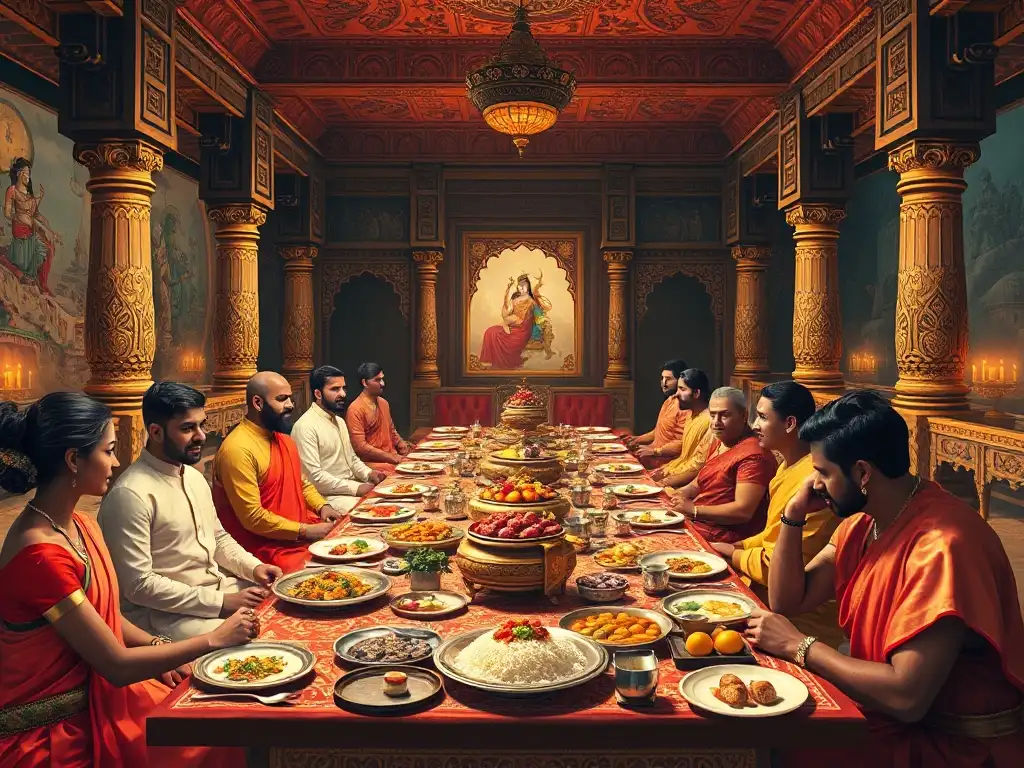
The Gupta Empire, often referred to as India's Golden Age, is renowned for its remarkable contributions to art, architecture, and culture. During this period, which spanned from approximately 320 to 550 CE, the embrace of luxury in various forms became a defining characteristic of Gupta society. This luxury was not merely materialistic; it was intricately woven into the very fabric of daily life, reflecting the empire's prosperity and cultural sophistication.
The Opulence of Gupta Architecture
Gupta architecture stands as a testament to the empire's luxurious aesthetic and engineering prowess. The period is marked by the development of intricate temple designs and monumental structures, which were often adorned with elaborate carvings and sculptures. One of the most notable examples is the Dashavatara Temple in Deogarh, built in the 6th century, which showcases the quintessential Gupta style characterized by:
- Curvilinear Shikhara: The temple's towering spires symbolize the sacred mountains, creating a striking silhouette against the skyline.
- Intricate Relief Work: The walls of Gupta temples are often embellished with detailed reliefs depicting deities, celestial beings, and scenes from Hindu epics. This craftsmanship reflects not only artistic skill but also the spiritual fervor of the time.
Another significant architectural marvel is the Udayagiri Caves, which date back to the 4th century. These caves feature rock-cut sculptures and inscriptions that reveal the luxurious patronage of the Gupta kings. The caves served as both religious sites and artistic showcases, blending functionality with opulence.
The use of materials such as sandstone and the implementation of advanced construction techniques highlight the luxury associated with Gupta architecture. Temples were not just places of worship; they were symbols of power and prestige, reflecting the wealth and cultural sophistication of the empire.
Richness in Gupta Art and Craftsmanship
The Gupta period is also celebrated for its exquisite art and craftsmanship, which flourished under royal patronage. The artistic expressions of this era reveal a deep appreciation for beauty and intricate detail, resulting in works that are both visually stunning and culturally significant.
- Sculpture: Gupta sculptures are characterized by their grace and elegance. The Buddha statues, often made of stone or bronze, exhibit serene expressions and finely detailed robes. These sculptures not only served religious purposes but also conveyed the luxurious lifestyle of the elite. Notable examples include the Bodhisattva Avalokiteshvara figure, which showcases the skillful blending of form and spirituality.
- Paintings: The frescoes of the Gupta period, particularly those found in the Ajanta Caves, represent an apex of Indian painting. These vibrant murals depict various themes, including mythology, nature, and daily life, all rendered with a remarkable attention to detail. The use of rich colors and intricate patterns exemplifies the luxury of the time, as artists employed costly materials to create their masterpieces.
- Textiles and Jewelry: Gupta luxury is also evident in the textiles and jewelry crafted during this period. Fine silk and cotton fabrics were produced, often featuring elaborate patterns and vibrant dyes. Jewelry made from gold, precious stones, and intricate designs became a status symbol among the elite, showcasing wealth and refinement.
The richness in Gupta art and craftsmanship not only reflects the aesthetic values of the time but also offers insights into the social and cultural dynamics of the empire. The emphasis on beauty, precision, and luxury in artistic endeavors underscores the Gupta Empire's status as a cultural and economic powerhouse in ancient India.
The Gupta Empire's luxury and culture were interwoven into its architectural achievements and artistic expressions, creating a legacy that continues to inspire admiration and study. The opulence of the era serves as a vivid reminder of India's rich historical heritage, attracting visitors and scholars alike to explore its enduring legacy.
Cultural Practices and Their Luxurious Aspects
Festivals and Celebrations in Gupta Society
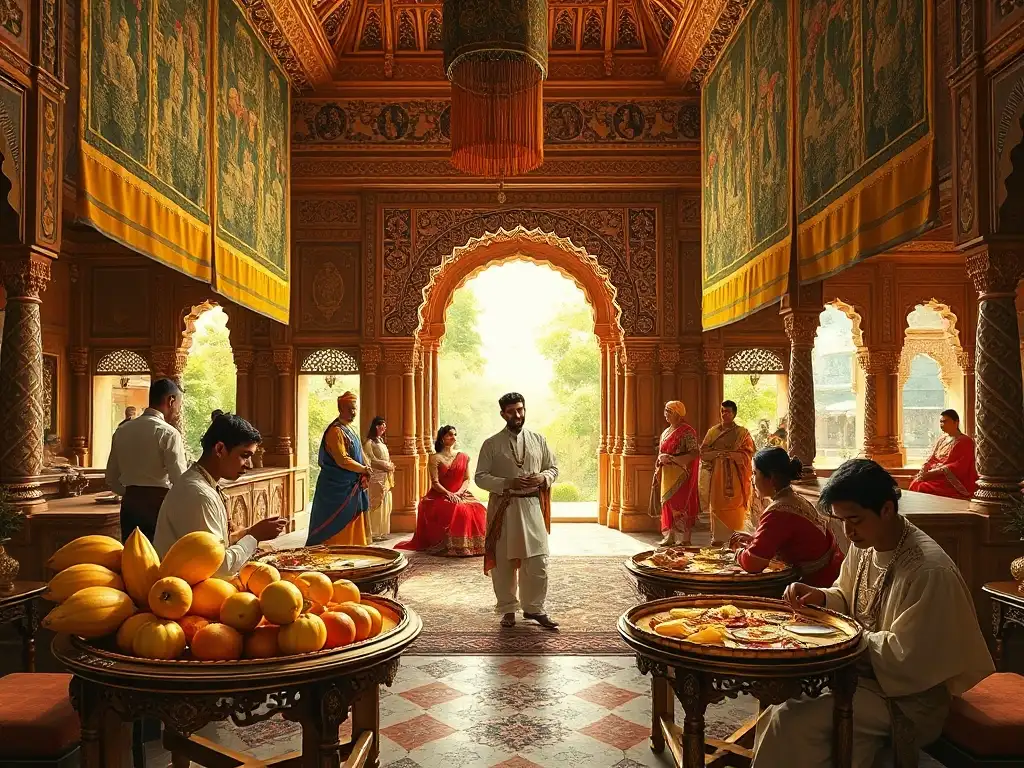
The Gupta Empire, often referred to as the Golden Age of India, was characterized by a rich tapestry of festivals and celebrations that reflected the cultural opulence of the time. These events were not merely communal gatherings; they were grand spectacles showcasing the wealth, artistry, and sophistication of Gupta society.
- Major Festivals:
- Makar Sankranti: Celebrated during the winter solstice, this festival marked the sun's transition into Capricorn. Luxurious feasts featuring diverse delicacies were prepared, and people adorned themselves in vibrant clothing.
- Holi: The festival of colors, Holi was celebrated with exuberance, where the elite would host extravagant gatherings featuring music, dance, and lavish banquets. The use of fragrant powders and watercolors symbolized joy and prosperity.
- Diwali: The festival of lights was a significant occasion for the Gupta elite. Homes were illuminated with oil lamps and decorated with intricate rangoli designs. Wealthy families would distribute gifts and sweets to signify goodwill and abundance.
- Ceremonial Practices:
- Rituals: The Gupta nobility often engaged in elaborate rituals during festivals, which included offerings to deities, showcasing their devotion through luxurious items such as gold and silver artifacts.
- Performances: Theatrical performances and classical dance forms were integral to celebrations, often sponsored by affluent patrons. These events not only entertained but also reinforced social hierarchies and cultural values.
The festivals of the Gupta Empire were not just moments of joy; they were expressions of wealth and cultural identity, serving to unify society and promote the luxurious lifestyle that was emblematic of the period.
The Role of Religion in Gupta Luxury
Religion played a pivotal role in the cultural and luxurious landscape of the Gupta Empire. The intertwining of spirituality and opulence is evident in various aspects of Gupta life, from architecture to daily practices.
- Temples and Architecture:
- The Gupta period saw the construction of magnificent temples that were not only places of worship but also symbols of wealth and artistic achievement. The Dasavatara Temple in Deogarh, for example, showcases intricate carvings and sculptures reflecting the grandeur of Gupta architecture.
- Temples were often adorned with precious materials, and the patronage of wealthy merchants and kings led to the construction of elaborate shrines that became pilgrimage sites, drawing visitors from far and wide.
- Religious Practices:
- The Gupta elite engaged in various rituals that required significant resources, such as commissioning elaborate yajnas (Vedic sacrifices) and donating to religious institutions. These practices not only elevated their status within the community but also highlighted their wealth.
- Buddhism and Hinduism: Both religions flourished during this era, and the luxury associated with religious life included the creation of exquisite artworks, manuscripts, and ceremonial objects made of precious metals.
- Philosophy and Scholarship:
- The Gupta period was marked by intellectual pursuits, where scholars often explored religious texts and philosophical ideas. This intellectual luxury fostered an environment where religion and culture coexisted, leading to advancements in literature, science, and the arts.
The luxurious aspects of Gupta culture were deeply intertwined with religious practices, showcasing how spirituality influenced the opulence of daily life, architecture, and societal norms. The elaborate festivals and rich religious traditions not only defined the Gupta Empire's cultural identity but also solidified its status as a pinnacle of luxury in ancient India.
Exploring the Gupta Empire Today: Luxury Travel Experiences
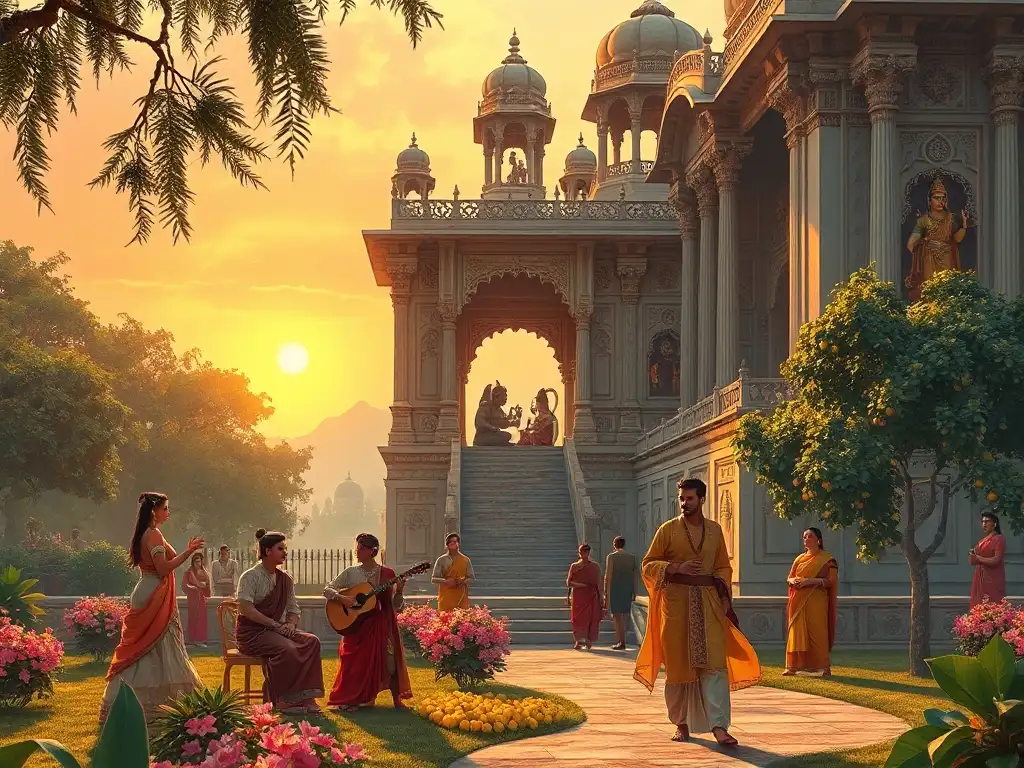
The Gupta Empire, often hailed as India's Golden Age, is a treasure trove of history that attracts luxury travelers seeking a blend of culture, heritage, and opulence. Modern luxury travel experiences allow visitors to delve into the remnants of this remarkable era, providing an opportunity to explore not only the architectural marvels but also the rich traditions that flourished during this time. Tour operators now offer meticulously crafted itineraries that showcase the grandeur of Gupta-era sites, combining comfort and exclusivity with deep cultural immersion.
Luxury Heritage Tours in India
Luxury heritage tours in India provide an exquisite way to experience the rich legacy of the Gupta Empire. These tours typically include:
- Private Guides: Guests are accompanied by knowledgeable historians who provide insights into the significance of each site, enhancing the overall experience.
- Handpicked Accommodations: Stays are arranged in luxury heritage hotels or boutique resorts that echo the grandeur of ancient architecture, often featuring modern amenities and spa services.
- Customized Itineraries: Tailored experiences allow travelers to explore sites like:
- Nalanda University: Once the world’s oldest residential university, renowned for its comprehensive curriculum and vibrant intellectual community.
- Sarnath: The location where Buddha delivered his first sermon, featuring ancient ruins and stupas that reflect the cultural syncretism of the Gupta period.
- Khajuraho Temples: Known for their exquisite sculptures and intricate carvings, these temples offer a glimpse into the artistic excellence of the time.
Luxury tours also include opportunities to engage with local artisans, participate in traditional craft workshops, and enjoy gourmet dining experiences featuring regional delicacies.
Unique Experiences to Discover Gupta Culture
Engaging with the Gupta Empire's culture goes beyond mere sightseeing; it involves immersive experiences that bring history to life. Here are some unique activities that travelers can enjoy:
- Culinary Journeys:
- Participate in cooking classes that explore ancient recipes influenced by Gupta cuisine, using locally sourced ingredients.
- Enjoy a royal feast, reminiscent of the banquets held during the Gupta period, featuring dishes like Pulao, Kofta, and Paneer Tikka.
- Art and Craft Workshops:
- Attend workshops led by skilled artisans who specialize in traditional crafts such as pottery, weaving, and sculpture, echoing the techniques of Gupta artisans.
- Create your own piece of art using methods passed down through generations, offering a tangible connection to the past.
- Cultural Performances:
- Experience classical dance and music performances that have their roots in the Gupta era. Witnessing Bharatanatyam or Kathak in historical settings adds a layer of authenticity to the experience.
- Attend local festivals or fairs that celebrate the region's heritage, allowing travelers to mingle with locals and partake in traditional customs.
- Guided Meditation and Yoga:
- Engage in guided meditation sessions inspired by ancient Indian philosophies that were prevalent during the Gupta Empire, promoting wellness and spiritual growth.
- Participate in yoga classes that focus on the holistic practices established during the era, fostering a deeper understanding of ancient Indian wellness traditions.
By integrating these unique experiences into their travel itineraries, luxury travelers can gain a profound appreciation for the Gupta Empire's luxury and culture while creating lasting memories of their journey through India’s historical landscapes.
Conclusion: The Lasting Impact of Gupta Empire Luxury and Culture
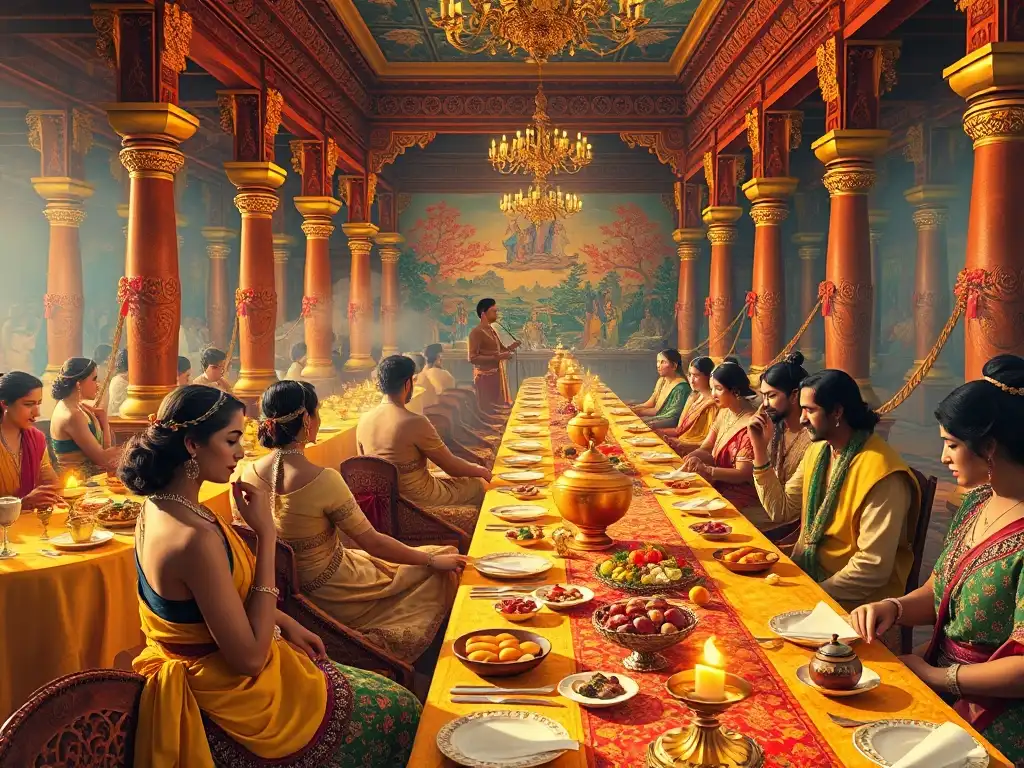
The Gupta Empire, often referred to as the Golden Age of India, left an indelible mark on the cultural and luxury heritage of the region. This period, spanning from approximately 320 CE to 550 CE, was characterized by remarkable advancements in various fields, including art, science, literature, and architecture. The luxurious lifestyle enjoyed by the elite during this era was not merely a reflection of wealth but also a manifestation of a rich cultural ethos that celebrated creativity and knowledge.
The luxurious culture of the Gupta Empire can be seen in its splendid palaces, intricate jewelry, and exquisite textiles. Artisans and craftsmen flourished, creating masterpieces that remain celebrated even today. The famous Ajanta and Ellora caves, adorned with stunning frescoes and sculptures, exemplify the exceptional artistic talent and the emphasis on aesthetics during this golden age. This vibrant cultural scene fostered an environment where innovation thrived, leading to significant contributions in mathematics, astronomy, and medicine—fields in which the Guptas excelled.
Moreover, the Gupta Empire's impact extends beyond its immediate geographic confines. The luxury and cultural richness of this era influenced neighboring regions and subsequent dynasties. The establishment of trade routes facilitated cultural exchanges that introduced Indian luxury goods to international markets, enhancing India’s stature in the global trade arena. The dissemination of knowledge and artistic styles further contributed to a broader understanding and appreciation of Indian culture, which continues to resonate in modern times.
In modern luxury and historical travel, the legacy of the Gupta Empire serves as a beacon for those seeking to explore India's rich heritage. Tours that highlight the historical significance of this period offer travelers a glimpse into a world where luxury was intertwined with profound cultural achievements. By immersing oneself in the remnants of Gupta architecture, art, and science, travelers can gain a deeper appreciation of the empire's contributions to civilization.
Call to Action
Ready to embark on a journey through the opulent history of the Gupta Empire? Join our exclusive luxury heritage tours that take you to the heart of ancient Indian civilization. Discover the majestic ruins, brilliant artworks, and rich traditions that define this remarkable era. Engage with expert guides who will illuminate the fascinating narratives behind each site, bringing the past to life in a way that is both engaging and educational.
👉 Book your tour today and explore the luxury and culture of the Gupta Empire!
Frequently Asked Questions
What was the Gupta Empire known for in terms of luxury?
The Gupta Empire is celebrated for its luxurious lifestyle, characterized by exquisite art, fine textiles, and remarkable architecture that showcased the wealth of the period.
How did the culture of the Gupta Empire influence modern India?
The cultural achievements of the Gupta Empire, including advancements in science, mathematics, and literature, laid the groundwork for many aspects of modern Indian culture.
What are some significant contributions of the Gupta Empire to art and literature?
The Gupta Empire produced notable works in literature, such as Kalidasa's plays, and impressive art forms including sculptures and temples that reflect the era's aesthetic sophistication.
How did trade contribute to the luxury of the Gupta Empire?
Trade routes established during the Gupta Empire facilitated the exchange of luxurious goods like silk and spices, enriching the empire and enhancing its cultural diversity.
What role did religion play in the culture of the Gupta Empire?
Religion, particularly Hinduism and Buddhism, significantly shaped the culture of the Gupta Empire, influencing its art, architecture, and philosophical thought, and promoting a sense of unity among its people.
Final Reflection: The Enduring Legacy of Gupta Empire Luxury and Culture
The Gupta Empire's luxurious tapestry of culture and innovation remains profoundly relevant today, as it exemplifies the heights of human achievement and creativity. In an era where we often seek to rediscover our roots and understand the foundations of our modern societies, the Gupta Empire stands as a beacon of inspiration, showcasing how art, science, and philosophy can flourish in harmony. The opulence of this golden age reminds us that luxury is not merely about material wealth but is deeply intertwined with cultural richness and intellectual advancement.
The influence of the Gupta Empire transcends time, shaping not only the cultural landscape of India but also leaving an indelible mark on global civilization. From advancements in mathematics and astronomy to the flourishing of literature and the arts, the legacy of this era continues to resonate. As we navigate our contemporary world, we can draw parallels between the Gupta Empire's commitment to cultural enrichment and our own pursuits of knowledge and creativity. Culture is the widening of the mind and of the spirit.
– Jawaharlal Nehru. This quote encapsulates the essence of the Gupta period, urging us to embrace the transformative power of culture in our lives.
As we reflect on the Gupta Empire's luxurious legacy, I invite you to consider how you can weave elements of this rich cultural heritage into your own life. Take a moment to explore the arts, engage with literature, or delve into the sciences, allowing the spirit of the Gupta Empire to inspire your personal journey.
By embracing the values of creativity, knowledge, and cultural appreciation, we can honor the past while enriching our present and future. Let the lessons of this magnificent era guide you in crafting a life that celebrates the beauty of culture and the pursuit of excellence.
Unveil the Riches of the Gupta Empire Today!
Thank you for diving into the fascinating world of the Gupta Empire! We’re thrilled you took the time to explore this incredible chapter of India’s Golden Age. With insights into the luxurious culture, remarkable achievements, and lasting legacy, you now have a glimpse into a significant era that shaped history.
Now, let’s take the next step to deepen your understanding and enjoyment of this vibrant period:
- Dive deeper: Choose one of the cultural achievements of the Gupta Empire, such as its advancements in art, science, or literature, and dedicate a day to researching it. Discover how these contributions continue to influence our lives today!
- Join the conversation: Share your thoughts about the Gupta Empire with friends or in online forums. What aspects captured your interest the most?
- Explore the empire’s treasures: Visit a local museum or an online exhibit to view artifacts from the Gupta period. You might be amazed by what you uncover!
What aspect of the Gupta Empire are you most excited to explore further? Let's discuss your discoveries!