
Exploring the Epicurean Themes in Jayadeva's Gita Govinda

Welcome to Ancient India History, where we embark on a captivating journey through the rich tapestry of ancient Indian civilizations! Dive deep into the Epicurean themes in Jayadeva's Gita Govinda, a remarkable work that intertwines philosophy and poetry, illuminating the profound cultural contributions of its time. As you explore this intricate fusion of thought and artistry, prepare to uncover insights that challenge and inspire. Join us as we unravel the layers of meaning behind this literary masterpiece and discover how it reflects the essence of a vibrant historical era. Your adventure into the depths of India's past begins here!
- Introduction to Epicurean Themes in Gita Govinda
- Understanding Epicureanism in the Context of Indian Thought
- Epicurean Themes in Gita Govinda
- Analysis of Key Passages Illustrating Epicurean Themes
- The Influence of Epicurean Themes on Classical Indian Poetry
- Conclusion: The Relevance of Epicurean Themes in Gita Govinda
- Frequently Asked Questions
- Final Reflection: Embracing Pleasure and Spirituality in Gita Govinda
- Ignite Your Passion for Epicurean Philosophy!
Introduction to Epicurean Themes in Gita Govinda

The exploration of Epicurean themes in Jayadeva's Gita Govinda offers a fascinating glimpse into the interplay between philosophy and poetry in ancient Indian literature. Written in the 12th century CE, this lyrical work not only embodies the essence of devotion and love but also subtly intertwines Epicurean ideals that emphasize pleasure, contentment, and the pursuit of happiness. By examining these themes, we gain deeper insights into the cultural and philosophical milieu of the time and how they resonate with the broader spectrum of ancient Indian thought.
In the context of Gita Govinda, the Epicurean themes serve as a vehicle for expressing the joy of love, both divine and earthly, while reflecting on the transient nature of life and the importance of savoring moments of beauty and ecstasy. This article aims to dissect these themes within the framework of Jayadeva’s poetry, illustrating how they contribute to the richness and depth of his work.
Overview of Jayadeva's Gita Govinda
Gita Govinda, composed by the poet-saint Jayadeva, is a seminal piece of classical Indian literature that celebrates the divine love between Lord Krishna and Radha. The poem is structured in a series of lyrical verses, often recited and performed in devotional contexts, and is renowned for its intricate portrayal of love's various stages, including longing, union, and separation.
Jayadeva employs a range of poetic devices, including metaphor, imagery, and rhythm, to evoke emotional intensity and a deep sense of devotion. The narrative unfolds in a series of dialogues and lyrical descriptions, reflecting the complexities of love and the spiritual journey of the soul. The work is not only a cornerstone of Bhakti literature but also serves as a rich repository of cultural and philosophical ideas of its time.
Importance of Epicurean Philosophy in Ancient Indian Literature
The significance of Epicurean philosophy in ancient Indian literature cannot be overstated. Rooted in the teachings of Epicurus, this philosophical approach emphasizes the pursuit of happiness through the enjoyment of simple pleasures, the cultivation of friendships, and the quest for knowledge. In the context of Indian philosophy, these themes resonate with various schools of thought, including Buddhism and Jainism, which also celebrate the importance of happiness and the avoidance of suffering.
In Gita Govinda, the Epicurean themes manifest through the celebration of love and beauty, encouraging readers to embrace joy and fulfillment. The portrayal of divine love as a source of ultimate bliss reflects a harmonious blend of spiritual and earthly pleasures, aligning with Epicurean ideals. Furthermore, the text encourages a mindful appreciation of life's transient moments, urging individuals to savor the present and seek happiness in their experiences.
By understanding the Epicurean themes in Gita Govinda, readers can appreciate the broader literary and philosophical context of ancient India, recognizing how these ideas influenced not only poetry but also the cultural fabric of society. This exploration invites a deeper engagement with the text and the rich tradition it represents.
Understanding Epicureanism in the Context of Indian Thought
Definition of Epicureanism
Epicureanism, founded by the philosopher Epicurus in the 4th century BCE, is a system of philosophy that emphasizes the pursuit of happiness through the cultivation of pleasure and the avoidance of pain. It posits that the ultimate goal of life is to attain a state of ataraxia, or tranquility, achieved through the moderation of desires and the appreciation of simple pleasures.
In the context of Indian thought, Epicureanism can be understood as a philosophical framework that, while distinct, resonates with certain aspects of Indian philosophies that prioritize personal well-being and the quest for inner peace. The term itself often evokes a broader understanding of hedonism, yet Epicurus advocated for a refined version of pleasure, which included intellectual and spiritual enjoyment, rather than mere physical indulgence.
Key Principles of Epicurean Philosophy
Epicurean philosophy is based on several core principles that guide adherents in their pursuit of happiness:
- Pleasure as the Highest Good:
- Epicurus taught that pleasure is the highest good and the primary measure of what is valuable in life. However, it is crucial to distinguish between different types of pleasures:
- Natural and Necessary Pleasures: Such as food, shelter, and companionship, which are essential for a fulfilling life.
- Natural but Unnecessary Pleasures: Such as luxury foods or lavish lifestyles, which can lead to disturbance if pursued excessively.
- Vain Pleasures: Such as fame or wealth, which do not contribute to true happiness.
- Epicurus taught that pleasure is the highest good and the primary measure of what is valuable in life. However, it is crucial to distinguish between different types of pleasures:
- Avoidance of Pain:
- Epicureans advocate for the minimization of pain, both physical and emotional. This involves making wise choices that lead to a balanced life, avoiding extremes.
- The Role of Friendship:
- Friendship is considered one of the greatest sources of happiness. Epicurus emphasized that true friends enhance the quality of life, providing support and companionship that enrich the experience of pleasure.
- The Importance of Knowledge:
- Knowledge is vital in understanding the world and dispelling unnecessary fears, especially regarding death and the afterlife, which Epicurus believed should not be a source of anxiety.
- Living a Simple Life:
- Epicurus promoted a simple lifestyle, advocating for moderation in all things. This simplicity leads to less anxiety and greater appreciation of life's pleasures.
Comparison of Epicureanism and Indian Philosophical Traditions
When comparing Epicureanism with Indian philosophical traditions, several intriguing parallels and contrasts emerge:
- Pleasure and Happiness:
- Both Epicureanism and various Indian philosophies, such as Carvaka (materialism) and certain interpretations of Buddhism, acknowledge the pursuit of happiness and pleasure. However, Indian traditions often emphasize spiritual fulfillment and enlightenment as higher goals than mere pleasure.
- Desire and Detachment:
- Epicurus encourages the moderation of desires to achieve tranquility, while many Indian philosophies, particularly Advaita Vedanta and Buddhism, advocate for the renunciation of desires as a pathway to liberation ( moksha or nirvana). The Indian perspective often views attachment to sensory pleasures as a source of suffering.
- The Nature of Reality:
- Epicureanism is rooted in a materialistic understanding of the universe, focusing on physical pleasures and experiences. In contrast, Indian philosophies explore both material and transcendent realities, often prioritizing the latter as the ultimate truth.
- Fear of Death:
- Epicurus taught that understanding the naturalness of death leads to a more enjoyable life, while Indian philosophies often have elaborate doctrines surrounding death, reincarnation, and the soul, influencing how followers perceive life and death.
While there are distinct differences between Epicureanism and Indian philosophical traditions, the exploration of pleasure, happiness, and the nature of desire offers fertile ground for comparative analysis. The "Epicurean themes in Gita Govinda" can be illuminated through these philosophical dialogues, enriching our understanding of ancient Indian literature and thought.
Epicurean Themes in Gita Govinda
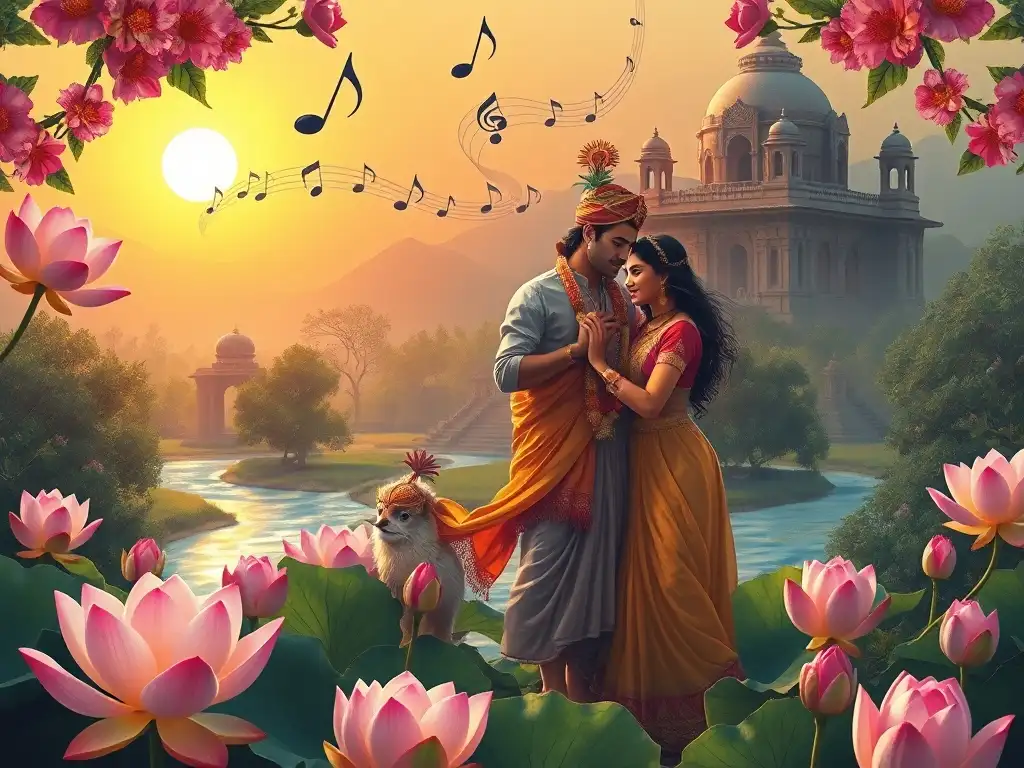
The Gita Govinda, authored by the 12th-century poet Jayadeva, is a seminal work in classical Indian literature that intricately weaves together themes of love, desire, and spirituality. While primarily centered around the divine love between Krishna and Radha, the text also encapsulates several Epicurean themes that resonate with the philosophy of seeking pleasure and avoiding pain. This section delves into the various Epicurean elements present in the Gita Govinda, shedding light on its relevance in the context of ancient Indian thought.
Love and Desire as Central Themes
In the Gita Govinda, love and desire are not merely romantic notions; they are portrayed as profound spiritual experiences that drive the essence of human existence. The passionate longing of Radha for Krishna embodies a quest for fulfillment that parallels Epicurean ideals.
- The Nature of Desire: The text articulates desire as an essential aspect of life, suggesting that unfulfilled desires can lead to emotional turmoil. This aligns with the Epicurean view that understanding and managing desires is crucial for achieving happiness.
- Divine Love: Jayadeva presents divine love as the ultimate source of joy. The interplay between Krishna and Radha illustrates how love transcends mere physical attraction, evolving into a spiritual journey that aims for bliss and contentment.
- Symbolism of Desire: The metaphorical language used in the Gita Govinda elevates desire to a sacred level. For instance, the longing of Radha symbolizes the human soul's yearning for a connection with the divine, echoing Epicurean sentiments about the pursuit of higher pleasures.
The Pursuit of Pleasure and Happiness
Epicurean philosophy emphasizes the pursuit of pleasure as a fundamental human goal, and this is reflected in the Gita Govinda through the exploration of various forms of joy and fulfillment.
- Transitory Pleasures: The text acknowledges that while earthly pleasures are fleeting, they play a significant role in the human experience. Jayadeva illustrates this through the playful interactions between Krishna and Radha, highlighting moments of joy that arise from love and companionship.
- Sustainable Happiness: Beyond immediate pleasures, the Gita Govinda suggests that true happiness comes from a deeper understanding of love and devotion. This aligns with Epicurean teachings that advocate for a balanced approach to pleasure—one that seeks sustainable joy through friendship, wisdom, and virtue.
- The Joy of Togetherness: The celebration of communal experiences, such as festivals and gatherings, underscores the importance of social connections in achieving happiness. The text depicts how shared moments of joy amplify personal happiness, reflecting the Epicurean belief in the value of relationships.
The Role of Nature in Epicurean Thought
Nature plays a vital role in both Epicurean philosophy and the Gita Govinda, serving as a backdrop for the unfolding of love and desire.
- Nature as a Source of Pleasure: Jayadeva's vivid descriptions of the natural world create a lush setting for the love story of Krishna and Radha. The beauty of the landscape enhances the emotional experience, reinforcing the Epicurean idea that nature is a source of pleasure and inspiration.
- Symbolic Representations: The elements of nature, such as blooming flowers and flowing rivers, symbolize the transient beauty of life and the joy that can be found in the present moment. This reflects the Epicurean notion of appreciating the simple pleasures that surround us.
- Harmony with Nature: The poem suggests that a harmonious relationship with nature contributes to spiritual well-being. The interconnectedness of love, nature, and the divine illustrates an Epicurean appreciation for the natural world as essential to a fulfilling life.
The Gita Govinda serves as a rich tapestry of Epicurean themes, illustrating the complexities of love, the pursuit of happiness, and the significance of nature in human experience. Through Jayadeva's poetic lens, readers are invited to explore these timeless concepts that resonate across cultures and eras.
Analysis of Key Passages Illustrating Epicurean Themes
Examination of Selected Verses
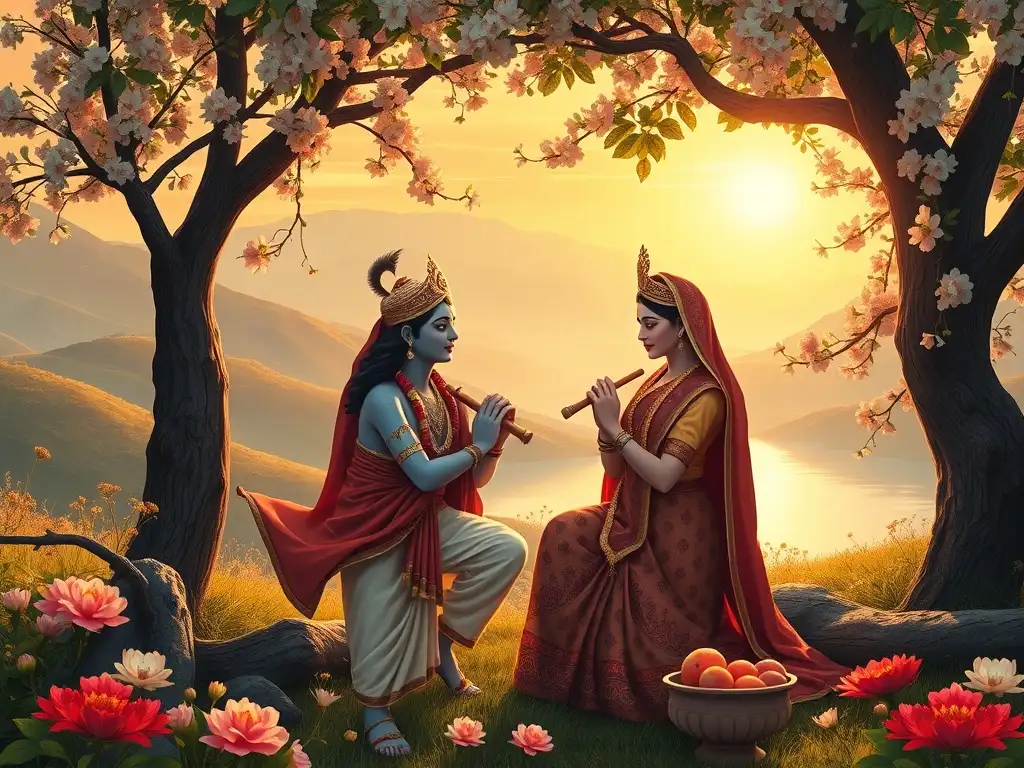
Jayadeva's Gita Govinda is a seminal work that encapsulates the essence of devotion through its poetic exploration of love and longing. Within this text, several passages poignantly illustrate Epicurean themes, emphasizing pleasure, enjoyment, and the transient nature of life. One notable verse reflects the bliss of union, where the poet describes the intimate moments between Radha and Krishna, invoking sensations of joy and ecstasy:
As the moonlight bathes the earth, so does my heart bask in the glow of your love.
This imagery not only emphasizes the beauty of physical and emotional pleasure but also aligns with the Epicurean belief in cherishing sensory experiences. Such verses encourage readers to revel in the moment, a core principle of Epicurean philosophy.
Additionally, the interplay between desire and fulfillment is vividly portrayed in Jayadeva’s verses. For instance, when Radha expresses her yearning for Krishna, it serves as a reminder of the fleeting nature of happiness, reinforcing the idea that pleasure is often intertwined with longing. This duality—fulfillment and desire—mirrors Epicurean thought that advocates for the pursuit of pleasure while acknowledging its impermanence.
The Gita Govinda is rich with symbolic elements that accentuate the concept of pleasure, particularly through natural imagery. Nature itself becomes a metaphor for enjoyment and sensuality. The verses often depict blooming flowers, flowing rivers, and vibrant landscapes, all of which serve to evoke a sense of delight:
| Symbol | Representation |
|---|---|
| Lotus | Symbol of purity and beauty |
| Peacock | Represents joy and celebration |
| Moon | Epitome of romantic pleasure |
These symbols underscore the idea that pleasure can be found in the world around us. The Epicurean viewpoint posits that nature is not merely a backdrop but an integral source of joy and fulfillment. The poet invites readers to engage fully with their surroundings, suggesting that true pleasure arises from an appreciation of beauty in life.
Moreover, the use of metaphors and allegories in Gita Govinda reinforces the connection between physical pleasure and spiritual joy. For instance, the act of love is often described as a divine dance, where each movement encapsulates both sensual enjoyment and a deeper spiritual connection. This duality illustrates that physical pleasure can lead to a transcendent experience, aligning with Epicurean ideals that advocate for a life enriched by sensory delights while seeking deeper understanding.
The Connection Between Love and Spiritual Fulfillment
In Gita Govinda, love serves as a conduit for both earthly pleasure and spiritual fulfillment. Jayadeva intricately weaves love and devotion, suggesting that true happiness arises from the union of the lover and the beloved. For example, the ecstatic expressions of Radha highlight not only the joy of love but also the spiritual ecstasy that accompanies genuine devotion:
In your embrace, I find the universe; your love is the nectar of my soul.
This connection illustrates the Epicurean belief that while pleasure is essential, the highest form of enjoyment is achieved through meaningful relationships and spiritual connections. Love, in this context, becomes a transformative experience that transcends mere physicality and leads to profound spiritual satisfaction.
Moreover, the verses often depict the trials of separation, emphasizing the pain of longing as an integral part of love. This dynamic aligns with the Epicurean understanding that the pursuit of pleasure must be balanced with the acceptance of pain, as both are part of the human experience. The interplay of pleasure and pain in love reinforces the idea that spiritual fulfillment is not devoid of challenges, but rather enriched by them.
The Gita Govinda serves as a profound exploration of Epicurean themes, where pleasure, love, and spirituality intertwine. Jayadeva's masterful use of imagery and symbolism offers insights into the nature of joy, encouraging readers to embrace the richness of both earthly and spiritual experiences. By examining these themes, one can appreciate how Gita Govinda resonates with the core principles of Epicurean philosophy, advocating for a life filled with love, pleasure, and spiritual growth.
The Influence of Epicurean Themes on Classical Indian Poetry
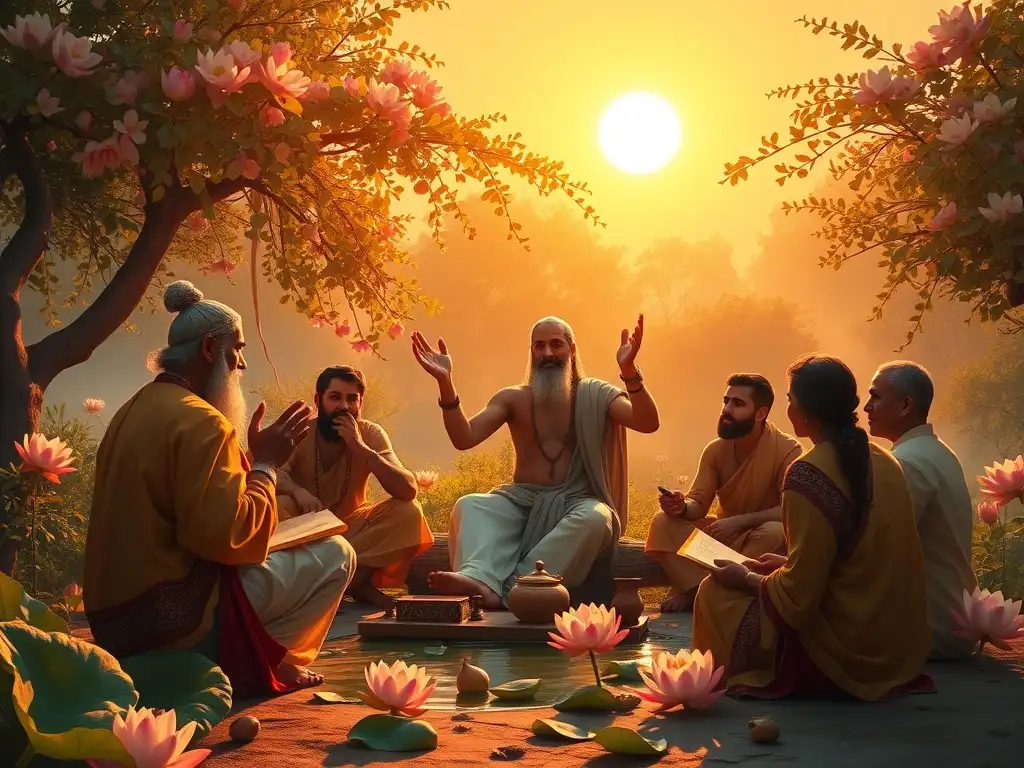
Impact on Later Poets and Works
The influence of Epicurean themes in Jayadeva's Gita Govinda can be observed in the works of several later poets, who drew inspiration from the celebration of love and sensuality that characterizes the text. This influence is particularly evident in the lyrical poetry of the Bhakti movement, where poets like Mirabai and Tulsidas adopted the emotive expressions of devotion and longing found in Jayadeva's verses.
- Mirabai: Her compositions often reflect a deep yearning for the divine, paralleling the themes of love and desire explored in the Gita Govinda. The emotive language and metaphors used to describe her longing for Krishna resonate with the Epicurean ideal of pursuing pleasure through love.
- Tulsidas: In his Ramcharitmanas, Tulsidas incorporates similar themes of devotion and the joy found in divine love. His portrayal of the playful interactions between Rama and Sita echoes the sensuous imagery present in Jayadeva's work.
Additionally, the poets of the 17th and 18th centuries, such as Keshavdas and Bihari, utilized the stylistic elements of Jayadeva's poetry, particularly the use of rasa (emotional flavor) in their own compositions. The focus on romantic love, beauty, and the celebration of the human experience can be traced back to the Epicurean influences present in the Gita Govinda.
Comparisons with Other Classical Texts
When comparing the Gita Govinda to other classical texts, the Epicurean themes become even more pronounced. For example, the Mahabharata and Ramayana, while focused on dharma (duty) and righteousness, contain elements of desire and love that reflect the human condition. However, these texts often approach such themes with a moralistic lens, contrasting with the more liberated expression found in Jayadeva's work.
| Text | Themes Explored | Approach |
|---|---|---|
| Gita Govinda | Love, Desire, Sensuality | Celebration of human emotions |
| Mahabharata | Duty, Honor, Family Conflict | Moralistic and philosophical |
| Ramayana | Virtue, Devotion, Ideal Love | Emphasis on dharma and righteousness |
In Gita Govinda, the portrayal of Krishna as both a divine figure and a lover highlights Epicurean ideals of pleasure and enjoyment, setting it apart from the more austere interpretations found in other classical literature. This distinction illustrates how Jayadeva’s work contributes to a more nuanced understanding of love and desire, allowing for a celebration of these experiences within the framework of devotion.
Reflection of Epicureanism in the Wider Literary Context
Epicureanism, as a philosophical doctrine advocating for the pursuit of happiness through the enjoyment of simple pleasures, resonates throughout the landscape of ancient Indian literature. The Gita Govinda, with its rich tapestry of romantic imagery and emotive expression, serves as a critical lens through which to explore these themes in the wider literary context.
The influence of Epicurean thought can also be seen in the works of other literary figures in ancient India, such as the poet Kalidasa. His masterpieces, including Shakuntala and Meghaduta, emphasize the beauty of nature and the joy of love, mirroring the sensuousness found in Jayadeva’s poetry.
Furthermore, the interplay of rasa in classical Indian aesthetics aligns closely with Epicurean ideals. The emotional experiences evoked by poetry are intended to provide pleasure and enjoyment, reinforcing the notion that literature serves as a medium for the exploration of human emotions and desires.
The Epicurean themes found in Jayadeva's Gita Govinda not only shaped the trajectory of subsequent poets and literary works but also contributed to a broader discourse on love, pleasure, and human experience within the rich tapestry of classical Indian literature. This legacy continues to influence contemporary interpretations of love and spirituality, highlighting the timeless nature of these themes.
Conclusion: The Relevance of Epicurean Themes in Gita Govinda

Summary of Key Insights
Jayadeva's Gita Govinda intricately weaves together themes of love, devotion, and pleasure, drawing parallels with Epicurean philosophy. One of the central tenets of Epicureanism is the pursuit of pleasure as a vital component of a fulfilling life, which resonates throughout Jayadeva's verses. The poem illustrates the delicate balance between spiritual devotion and earthly pleasures, suggesting that true happiness emerges from the harmonious integration of both.
Key insights include:
- Pleasure and Divine Love: The Gita Govinda celebrates the sensual aspects of love between Radha and Krishna, echoing Epicurean beliefs that pleasure is essential for happiness.
- Transitory Nature of Joy: Both Epicureanism and Jayadeva's poetry acknowledge the fleeting nature of joy and the importance of savoring each moment.
- Naturalism: The vivid imagery in Gita Govinda reflects the Epicurean appreciation for nature, emphasizing the beauty and transience of life.
The Lasting Legacy of Jayadeva's Work
Jayadeva's Gita Govinda has left an indelible mark on not only Indian literature but also on the broader canvas of world literature. Its treatment of love and desire, infused with Epicurean themes, has influenced countless poets and playwrights across centuries.
- Cultural Impact: The Gita Govinda has inspired various forms of art, including dance, music, and visual arts, highlighting its enduring relevance in Indian culture.
- Philosophical Dialogues: The interplay of love and spirituality in the poem has sparked discussions among scholars regarding the philosophical underpinnings of love in both Indian and Western thought.
- Literary Influence: Subsequent literary works have drawn from Jayadeva's exploration of love, reflecting its influence on both classical and modern interpretations of romantic themes.
Future Directions for Research on Epicureanism in Indian Literature
The exploration of Epicurean themes in Indian literature, particularly in works like Gita Govinda, opens new avenues for research. Scholars can delve into various dimensions:
- Comparative Analysis: Investigating parallels between Epicureanism and other Indian philosophical traditions can yield rich insights into the cultural synthesis of ideas.
- Interdisciplinary Studies: Collaborations between literary studies, philosophy, and cultural history can enhance our understanding of the socio-political contexts in which Gita Govinda was created.
- Modern Reinterpretations: Examining how contemporary authors reinterpret Jayadeva's themes in light of modern Epicurean philosophy could provide fresh perspectives on enduring human experiences.
The integration of Epicurean themes within Gita Govinda not only enriches our understanding of Jayadeva's work but also invites ongoing dialogue about the intersection of pleasure, love, and spirituality in literature.
Frequently Asked Questions
What is the Gita Govinda?
The Gita Govinda is a 12th-century lyrical poem written by Jayadeva that explores the divine love between Radha and Krishna, blending spiritual and erotic themes.
How does the Gita Govinda relate to Epicurean themes?
The poem incorporates Epicurean themes by emphasizing pleasure, enjoyment of life, and the pursuit of aesthetic experiences, reflecting the joy of divine love and nature.
Who was Jayadeva?
Jayadeva was a prominent poet and saint from ancient India, known for his devotional poetry. His work, the Gita Govinda, is celebrated for its spiritual depth and lyrical beauty.
What are the major themes in the Gita Govinda?
Major themes include divine love, devotion, the nature of relationships, and the celebration of life, which resonate with both spiritual and Epicurean philosophies.
Why is the Gita Govinda significant in Indian literature?
The Gita Govinda is significant for its unique blend of theological and sensual elements, influencing various art forms, including dance, music, and drama, while embodying the cultural richness of ancient India.
Final Reflection: Embracing Pleasure and Spirituality in Gita Govinda
In a world that often prioritizes material success over personal fulfillment, the exploration of Epicurean themes in Jayadeva's Gita Govinda resonates profoundly with contemporary society. The delicate balance between pleasure and spirituality, as illustrated in this timeless work, serves as a reminder that true happiness is not merely found in indulgence but in the harmonious pursuit of joy and connection. This understanding is crucial today, as we navigate the complexities of modern life and seek deeper meaning beyond the superficial.
The influence of Epicurean thought within the Gita Govinda extends far beyond its literary context; it has woven itself into the fabric of cultural and social dynamics. This interplay between pleasure and devotion continues to inspire countless individuals to seek a life enriched by love, beauty, and spiritual awareness. As Jayadeva eloquently captures, “Where there is love, there is the essence of all joy.” > This quote encapsulates the enduring relevance of these themes, reminding us that the pursuit of pleasure, when aligned with higher values, can lead to profound fulfillment.
As we reflect on the teachings of the Gita Govinda, let us embrace the invitation to cultivate joy in our lives while remaining mindful of our spiritual journey. Consider how you can integrate these Epicurean principles into your daily existence—whether through nurturing relationships, appreciating art, or simply savoring the beauty of the world around you. Take a moment to reflect on what brings you true happiness and how you can weave those elements into the tapestry of your life, fostering a deeper connection with both yourself and the universe.
Ignite Your Passion for Epicurean Philosophy!
Thank you for diving into the rich world of Jayadeva's Gita Govinda! By exploring its themes, you've uncovered the profound significance of love, joy, and sensory experience in spiritual life. Now, let’s turn that inspiration into action!
Take Your Next Steps:
- Engage with the Text: Obtain a copy of the Gita Govinda and dedicate some time to read a poem or two—allow the rhythms and emotions to resonate with you.
- Join a Community Discussion: Share your insights on the themes you found most compelling in this work with friends or in an online forum.
- Create Your Own Inspired Work: Experiment with writing a short poem or reflective piece inspired by the themes of love and joy found in the Gita Govinda.
What are your thoughts on how the principles of epicureanism shape our everyday experiences and relationships? Let's discuss!