
The Spiritual Dimensions of Classical Indian Poetry: A Journey through Bhakti

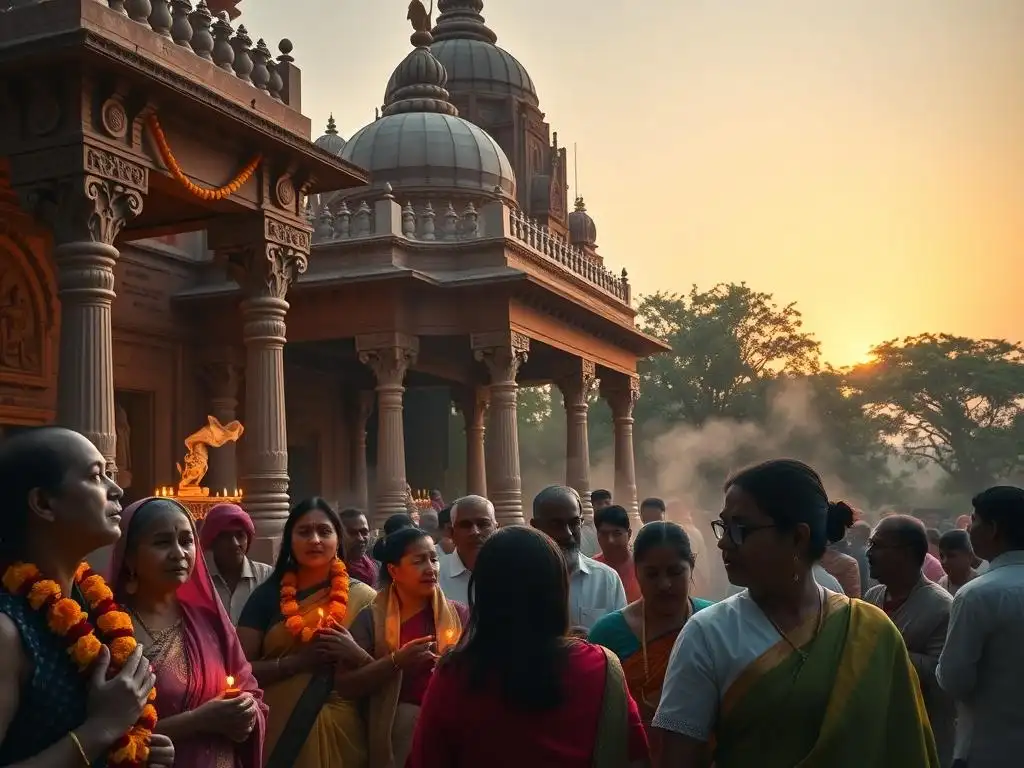
Welcome to Ancient India History, where we embark on an intriguing journey through the vibrant tapestry of India's past! Here, we delve into the rich and diverse history, culture, and contributions of ancient Indian civilizations, shining a light on the profound influence they continue to have today.
In our featured article, "The Spiritual Dimensions of Classical Indian Poetry: A Journey through Bhakti," we explore the enchanting realm of spirituality in classical Indian poetry—a captivating experience that intertwines devotion, creativity, and philosophy. Prepare to uncover the layers of meaning and significance behind these poetic expressions, and let your curiosity guide you deeper into the heart of India's literary heritage.
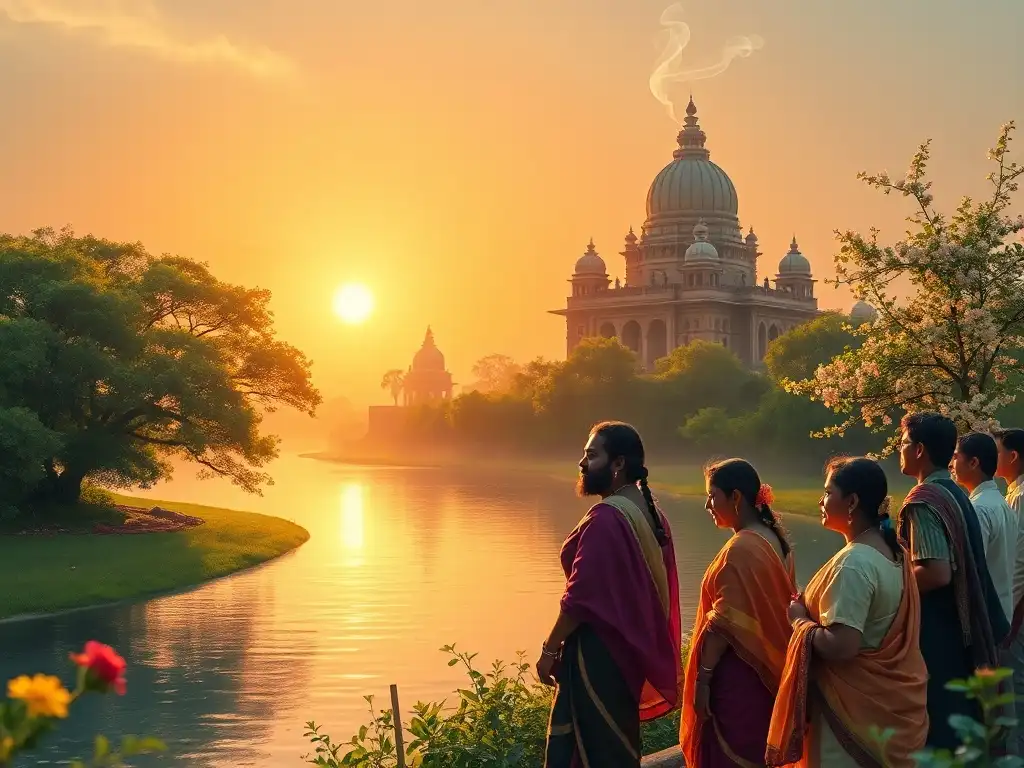
Introduction to Spirituality in Classical Indian Poetry
The tapestry of classical Indian poetry is intricately woven with threads of spirituality, reflecting the profound beliefs and practices that have shaped the subcontinent's cultural identity. Among the myriad of movements that have influenced Indian literature, the Bhakti Movement stands out as a transformative force, bridging the divine with the human experience.
This movement not only redefined religious devotion but also infused poetic expression with deep spiritual significance. As we embark on this journey through the realms of Bhakti, we will explore how spirituality in classical Indian poetry manifests through various poetic forms, resonating with themes of love, longing, and devotion to the divine.
Overview of Bhakti Movement and Its Impact on Poetry
The Bhakti Movement, which emerged in India around the 7th century AD, marked a revolutionary shift in the spiritual landscape. It emphasized personal devotion to a god, often characterized by passionate expressions of love and surrender. This movement transcended caste and religious boundaries, allowing poets from diverse backgrounds to voice their spiritual experiences and insights.
Key figures of the Bhakti Movement, such as Mirabai, Kabir, and Tulsidas, expressed their spirituality through vibrant poetry that resonated with the masses. Their works often contained:
- Emotional intensity: The themes of love for God were portrayed with deep emotional depth, reflecting the poets' personal experiences.
- Vernacular languages: By writing in local dialects, these poets made spirituality accessible to a broader audience, thereby democratizing religious expression.
- Metaphysical exploration: Many poems delved into the nature of the self, God, and the universe, inviting readers to contemplate profound truths about existence.
This rich tradition of Bhakti poetry not only enriched the literary landscape of India but also fostered a sense of community and shared spirituality among its readers.
Significance of Spirituality in Literature
The spiritual dimension of classical Indian poetry serves several vital functions:
- Cultural Identity: It nurtures a collective consciousness that transcends individual experiences, allowing for a shared identity among diverse groups.
- Moral and Ethical Guidance: Many poems provide insights into ethical living, encouraging followers to embody virtues such as love, compassion, and humility.
- Emotional Resonance: The expression of spiritual longing and devotion evokes deep emotional responses, connecting readers to a higher plane of existence.
Through these functions, spirituality in classical Indian poetry becomes a conduit for not only artistic expression but also a means of exploring the complexities of the human condition.
Historical Context of Classical Indian Poetry
To fully appreciate the spiritual dimensions of classical Indian poetry, it is essential to understand its historical context. The evolution of poetic forms and themes can be traced back to various influences, including ancient texts, religious practices, and philosophical schools of thought.
The Roots of Spiritual Expression in Ancient Indian Literature
The spiritual expression in Indian literature finds its roots in ancient texts such as the Vedas and Upanishads, which explore profound metaphysical concepts and the nature of the divine. These texts laid the groundwork for subsequent literary expressions, fostering an environment where spirituality could flourish.
Moreover, the Puranas and epics like the Mahabharata and Ramayana also contributed to the spiritual landscape by embedding moral dilemmas and divine narratives within their stories. The poetic tradition was further enriched by the emergence of Sanskrit poetry, which often integrated themes of devotion, philosophy, and aesthetics.
Influences of Religion and Philosophy on Poetic Forms
The interplay of religion and philosophy has profoundly shaped the forms and content of classical Indian poetry. Various philosophical schools, such as Vedanta and Bhakti, influenced poets to explore themes of unity, the nature of the self, and the divine.
- Diverse Religious Traditions: The coexistence of Hinduism, Buddhism, and Jainism, each with its own spiritual doctrines, created a rich tapestry of poetic expression.
- Philosophical Dialogues: The incorporation of philosophical debates into poetry allowed poets to engage with complex spiritual ideas, making their work a dialogue between the divine and human understanding.
This historical context sets the stage for a deeper exploration of the spiritual dimensions present in the works of classical Indian poets, particularly those influenced by the Bhakti Movement.
Key Figures in Bhakti Poetry
The Bhakti movement, which flourished between the 7th and 17th centuries, brought forth a rich tapestry of poetry that emphasized personal devotion to God, transcending caste and religious boundaries. Key figures in this movement played a pivotal role in shaping spiritual consciousness through their poetic expressions. Among them, poets like Kabir, Mirabai, Tulsidas, Surdas, and Chaitanya Mahaprabhu stand out for their profound contributions to spirituality in classical Indian poetry.
These poets often used vernacular languages, making their works accessible to the common people. Their verses not only expressed deep devotion but also challenged established norms and emphasized direct, personal relationships with the divine. Through their unique styles and themes, they laid the groundwork for future generations to explore spirituality through poetry.
Notable Poets and Their Contributions to Spirituality
- Kabir: A mystic poet whose verses emphasized a personal connection with God, Kabir's work often critiqued the rituals of organized religion. His couplets (dohas) convey profound spiritual insights, urging followers to seek the divine within themselves rather than through external worship.
- Mirabai: Known for her passionate devotion to Lord Krishna, Mirabai's poems reflect her unwavering love and spiritual yearning. Her compositions celebrate the joys and trials of divine love, illustrating how personal suffering can lead to spiritual enlightenment.
- Tulsidas: Renowned for his epic poem, the Ramcharitmanas, Tulsidas dedicated his life to the worship of Lord Rama. His works explore themes of devotion, righteousness, and the importance of surrendering oneself to God, thus fostering a deeper spiritual understanding among his readers.
- Surdas: A celebrated poet of the Bhakti movement, Surdas is famous for his devotional songs dedicated to Lord Krishna. His poetic imagery and emotional depth convey the beauty of divine love and the longing for a connection with the divine.
- Chaitanya Mahaprabhu: As a prominent saint and reformer, Chaitanya's teachings emphasized the practice of congregational chanting (sankirtan) as a means of attaining spiritual ecstasy. His life and poetry inspire followers to engage in collective devotion, highlighting the communal aspects of spirituality.
Themes of Spirituality in Classical Indian Poetry
Classical Indian poetry, particularly within the Bhakti tradition, is rich with themes that explore the nature of spirituality. The works of these poets delve into profound questions about existence, the divine, and the relationship between the two.
Love and Devotion in Bhakti Poetry
At the heart of Bhakti poetry lies the theme of love and devotion. Poets express their relationships with the divine in terms of deep emotional bonds, often likening their connection to that of lovers. This love is not merely romantic but transcends physical boundaries, embodying a spiritual longing that resonates with many readers.
For instance, Mirabai's songs exude an intimate devotion to Krishna, portraying her love as both a source of joy and suffering. Kabir's verses also reflect a deep yearning for union with the divine, emphasizing that true love stems from a sincere heart. This theme of love serves as a powerful vehicle for spiritual exploration, inviting readers to reflect on their own relationships with the divine.
The Quest for Divine Connection: A Common Thread
A significant theme that runs through classical Indian poetry is the quest for a connection with the divine. Many poets articulate their struggles and aspirations to find God, often portraying this journey as filled with trials and tribulations.
For example, Tulsidas emphasizes the importance of devotion and surrender in his works, suggesting that the path to divine connection is paved with humility and faith. The quest for the divine is depicted as both a personal and collective journey, encouraging followers to seek spiritual truths through their experiences and reflections.
Nature and the Divine: Symbolism in Poetic Imagery
Nature often serves as a profound metaphor in Bhakti poetry, symbolizing the divine presence and the interconnectedness of all life. Poets frequently draw on natural imagery to illustrate spiritual concepts, using elements like rivers, mountains, and the seasons to evoke feelings of tranquility and divine beauty.
In Surdas's poetry, the beauty of nature mirrors the divine qualities of Krishna, illustrating how the natural world is infused with spiritual significance. This use of symbolism not only enriches the poetic experience but also invites readers to find divinity in the world around them, fostering a deeper appreciation for both nature and spirituality.
Through these themes, classical Indian poetry encapsulates the essence of Bhakti and offers a profound exploration of spirituality, encouraging readers to embark on their own journeys of devotion and connection with the divine.
The Role of Language and Form in Expressing Spirituality
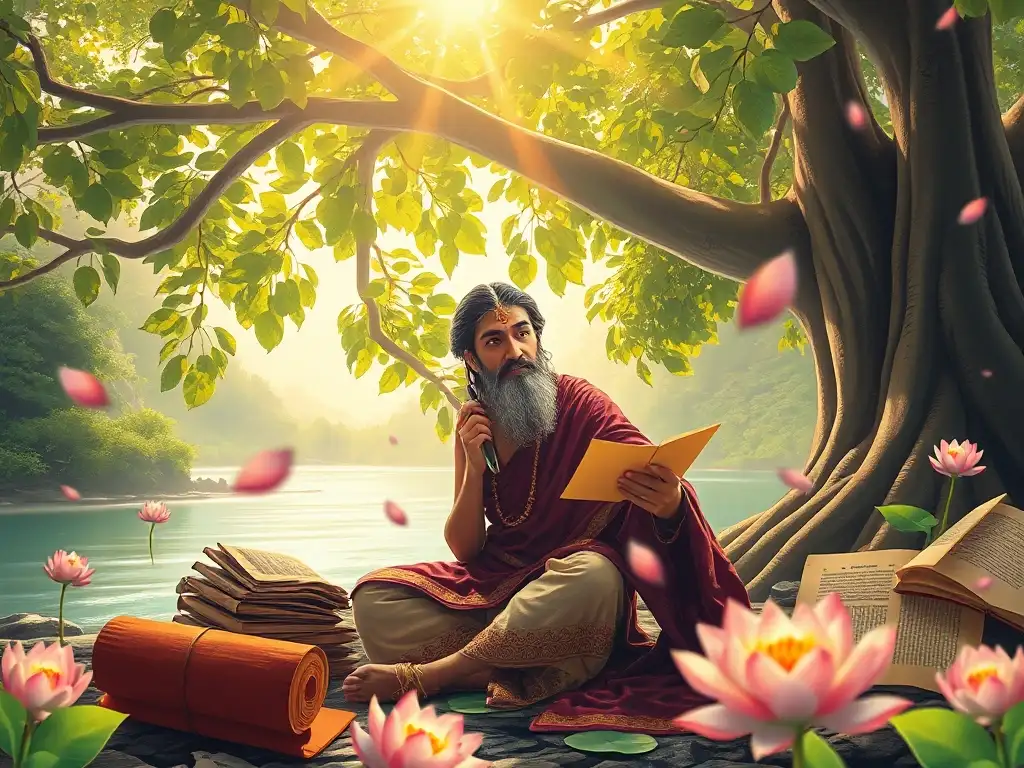
The spiritual dimensions of classical Indian poetry are intricately woven into its language and form. Language in Bhakti poetry is not merely a means of communication; it is a spiritual medium that connects the divine and the devotee. The use of rhythm, meter, and lyrical structures creates a melodic flow that enhances the emotional experience of spirituality. The form of poetry, whether it be a simple couplet or a complex verse, plays a significant role in conveying spiritual devotion, as it often mirrors the evolution of the soul's journey towards the divine.
The choice of words is deeply purposeful, often drawing from everyday experiences and emotions to forge a connection between the poet and the audience. The simplicity and accessibility of language invite readers and listeners to engage with profound spiritual concepts, making the poetry both relatable and transcendent. This balance between simplicity and depth is what elevates Bhakti poetry, allowing it to navigate complex spiritual ideas while remaining grounded in the human experience.
The Use of Vernacular Languages in Bhakti Poetry
One of the most defining aspects of Bhakti poetry is its use of vernacular languages. Unlike earlier Sanskrit literature, which was often limited to the elite, Bhakti poets chose to express their devotion in the languages spoken by the common people. This democratization of spiritual expression enabled a wider audience to engage with spiritual themes, fostering a sense of inclusion and belonging.
By employing vernacular languages such as Tamil, Hindi, and Marathi, Bhakti poets like Kabir, Mirabai, and Thiyagaraja made spiritual teachings accessible. Their poetry often reflected local dialects and cultural nuances, establishing a direct emotional connection with their audience. This linguistic approach not only helped preserve regional identities but also unified diverse groups under a common spiritual ethos, allowing for a rich tapestry of cultural expression within the Bhakti movement.
Poetic Devices that Enhance Spiritual Themes
The use of various poetic devices in Bhakti poetry serves to deepen the exploration of spiritual themes. Devices such as metaphors, similes, and personification are frequently employed to illustrate the complexities of divine love and devotion. For instance, the metaphor of the divine as a beloved is prevalent in many poems, highlighting the intimate relationship between the devotee and the divine.
Imagery plays a crucial role as well, painting vivid pictures that evoke spiritual emotions and experiences. Nature, love, and the cosmos are often depicted in ways that reflect the interconnectedness of all beings, emphasizing a universal spirituality that transcends individual identities. Repetition, another common device, serves to reinforce key spiritual messages, creating a rhythmic mantra-like quality that invites meditation and reflection.
The Impact of Bhakti Poetry on Indian Society
Bhakti poetry has left an indelible mark on Indian society, influencing not only the spiritual landscape but also the cultural and social fabric of the nation. The movement encouraged a shift in how spirituality was perceived, fostering a more personal connection with the divine that transcended ritualistic practices. This shift facilitated greater inclusivity and laid the groundwork for social change.
Spirituality as a Unifying Force in Diverse Cultures
At the heart of Bhakti poetry is the idea of spirituality as a unifying force. The movement transcended regional, linguistic, and caste boundaries, promoting a sense of shared identity among diverse groups. By focusing on the commonality of human experience and the universal quest for the divine, Bhakti poets emphasized that spirituality is not confined to a single tradition or belief system. This inclusivity helped to forge connections among various cultural and religious communities, fostering a spirit of tolerance and harmony.
The celebration of diversity within Bhakti poetry also encouraged mutual respect among different faiths, creating a rich dialogue that resonates to this day. By recognizing the divine in all beings, the Bhakti movement cultivated a sense of collective spiritual consciousness that remains a cornerstone of Indian culture.
The Influence of Bhakti Poets on Social Reforms
Bhakti poets were not just spiritual leaders; they were also social reformers who challenged the prevailing social norms of their time. Their poetry often addressed issues such as caste discrimination, gender inequality, and the rigid structures of orthodox religion. By advocating for equality and social justice through their verses, these poets galvanized movements that sought to uplift marginalized communities.
For example, poets like Kabir and Ravidas spoke against the caste system, urging their followers to look beyond social divisions and recognize the inherent divinity in every individual. Similarly, Mirabai's unwavering devotion to Lord Krishna defied societal norms regarding women's roles, showcasing the power of personal spirituality to challenge and transform societal expectations. Through their poignant verses, Bhakti poets not only inspired spiritual awakening but also instigated significant social change, leaving a lasting legacy on Indian society.
Contemporary Relevance of Spirituality in Classical Indian Poetry
The spiritual dimensions of classical Indian poetry, particularly through the lens of Bhakti, continue to resonate profoundly in contemporary society. As modern individuals navigate the complexities of life, the themes of love, devotion, and the quest for divine connection found in Bhakti poetry provide a source of solace and inspiration. This poetry transcends time, offering insights into the nature of existence, the essence of surrender, and the universal search for meaning that echoes in today's spiritual pursuits.
In a world increasingly characterized by materialism, the teachings of Bhakti poets remind us of the significance of inner fulfillment over external achievements. The notion of finding divinity in everyday experiences, as emphasized by poets like Kabir and Mirabai, invites modern readers to reflect on their spiritual journeys. This connection fosters a sense of community among individuals seeking deeper understanding and encourages a collective exploration of faith that is both personal and universal.
How Bhakti Poetry Inspires Modern Spiritual Movements
Bhakti poetry has significantly influenced various modern spiritual movements, including those centered around yoga and mindfulness. The emphasis on personal devotion and direct experience of the divine resonates with contemporary seekers who prioritize authenticity in their spiritual practices. For instance, many spiritual leaders today incorporate the teachings of Bhakti poets into their discourses, emphasizing love for God as an essential path to enlightenment.
Organizations that promote interfaith dialogue and spiritual inclusivity often draw upon the works of Bhakti poets. Their messages of love, unity, and acceptance stand as powerful antidotes to religious divisiveness. Programs inspired by Bhakti poetry encourage individuals from diverse backgrounds to come together, fostering a sense of shared humanity and spiritual exploration. This movement towards inclusivity serves as a reminder of the universal truths embedded in spiritual literature, illustrating that the essence of Bhakti transcends cultural and temporal boundaries.
The Enduring Legacy of Spiritual Themes in Today's Culture
The legacy of spiritual themes found in classical Indian poetry is evident in today's cultural expressions, from literature to music and visual arts. Many contemporary artists draw inspiration from Bhakti poetry, infusing their works with the same spiritual fervor that characterized the verses of ancient poets. For example, music genres such as devotional music and fusion genres often reinterpret traditional Bhakti songs, bridging the gap between the past and the present.
Moreover, in literature, modern writers explore themes of devotion and spirituality reminiscent of Bhakti poetry. This resurgence highlights a widespread yearning for spiritual connection and authenticity, which continues to shape narratives in contemporary storytelling. The exploration of self and the divine remains a potent theme, encouraging readers to engage with their spirituality in meaningful ways, much like the poets of the Bhakti movement did centuries ago.
Conclusion: The Lasting Influence of Spirituality in Classical Indian Poetry
The exploration of spirituality in classical Indian poetry, particularly through Bhakti, reveals profound insights that remain relevant today. The messages of devotion, love, and the quest for divine connection resonate across generations, shaping both individual spiritual practices and broader cultural movements. As we delve into the rich tapestry of Bhakti poetry, we uncover not only the historical significance of these works but also their contemporary implications.
Reflections on the Journey through Bhakti
Reflecting on the journey through Bhakti, it becomes clear that the essence of this poetic tradition lies in its ability to speak to the heart. The emotional depth and spiritual wisdom encapsulated in these poems encourage introspection and a deeper understanding of one's own beliefs and experiences. The personal connection that many individuals feel toward these texts exemplifies the timeless nature of their teachings, inviting readers to embark on their unique spiritual journeys.
The Importance of Preserving and Understanding Spiritual Heritage
Preserving and understanding the spiritual heritage embodied in classical Indian poetry is crucial for future generations. As custodians of this rich tradition, we have the responsibility to ensure that the wisdom of Bhakti poets is not lost in the sands of time. Encouraging studies, discussions, and artistic expressions based on Bhakti poetry will help maintain its relevance and inspire ongoing spiritual exploration. By fostering an appreciation for this heritage, we can cultivate a deeper connection with our own spirituality and encourage an enriching dialogue between the past and the present.
- Introduction to Spirituality in Classical Indian Poetry
- Historical Context of Classical Indian Poetry
- Key Figures in Bhakti Poetry
- Themes of Spirituality in Classical Indian Poetry
- The Role of Language and Form in Expressing Spirituality
- The Impact of Bhakti Poetry on Indian Society
- Contemporary Relevance of Spirituality in Classical Indian Poetry
- Conclusion: The Lasting Influence of Spirituality in Classical Indian Poetry
- What is the main focus of the article on classical Indian poetry?
- How did the Bhakti movement impact classical Indian poetry?
- What are some key characteristics of spirituality in classical Indian poetry?
- Who are some notable poets mentioned in the article?
- How does the article relate to the broader theme of ancient Indian history?
Frequently Asked Questions
What is the main focus of the article on classical Indian poetry?
The article explores the spiritual dimensions of classical Indian poetry, particularly through the Bhakti movement, highlighting how it influenced devotion and spiritual expression.
How did the Bhakti movement impact classical Indian poetry?
The Bhakti movement emphasized personal devotion to God, leading to the creation of poetry that reflects deep spiritual feelings and a connection to the divine.
What are some key characteristics of spirituality in classical Indian poetry?
Spirituality in classical Indian poetry often includes themes of devotion, love for the divine, and the search for meaning, expressed through rich metaphors and imagery.
Who are some notable poets mentioned in the article?
The article highlights several prominent poets of the Bhakti movement, including Kabir, Mirabai, and Tulsidas, who contributed significantly to the spiritual landscape of Indian poetry.
How does the article relate to the broader theme of ancient Indian history?
The article connects spirituality in classical Indian poetry to the larger narrative of ancient Indian civilization, showcasing how poetry served as a medium for cultural and spiritual expression throughout history.
Final Reflection: Embracing Spirituality in Classical Indian Poetry
The exploration of spirituality in classical Indian poetry reveals profound insights that resonate deeply in today's world. As we navigate the complexities of modern life, the timeless verses of Bhakti poets remind us of the enduring quest for connection, meaning, and transcendence. Their words serve as a beacon, illuminating the path toward inner peace and spiritual awakening amidst the chaos of contemporary existence.
Classical Indian poetry has not only shaped literary traditions but has also woven itself into the very fabric of our cultural and social identities. The Bhakti movement, with its emphasis on devotion and personal connection to the divine, continues to inspire countless individuals seeking solace and understanding in their spiritual journeys. As Rumi beautifully stated, "> The wound is the place where the Light enters you." This sentiment echoes the essence of Bhakti poetry, where the struggles of the human experience become a gateway to divine love and enlightenment.
As you reflect on the spiritual dimensions of classical Indian poetry, I invite you to consider how these teachings can enrich your own life. Take a moment to immerse yourself in the verses of these great poets, allowing their wisdom to guide you on your personal journey of self-discovery and spiritual growth. Embrace the call to connect with something greater than yourself, and let the beauty of Bhakti poetry inspire you to cultivate a deeper sense of spirituality in your everyday life.
Unveil the Profound Wisdom of Bhakti Poetry!
Thank you for exploring the rich landscape of classical Indian poetry with us! Your curiosity about the spiritual dimensions of Bhakti has equipped you with a deeper understanding of this profound tradition. Now, let’s take the next step on this transformative journey.
Here are a few ways you can actively engage with the beauty of Bhakti poetry:
- Dive into a Bhakti Text: Choose a classic work, such as the poems of **Kabir** or **Mirabai**, and set aside time to read and reflect on their spiritual messages.
- Join a Local Poetry Circle: Connect with individuals who share your passion for spiritual poetry. Share insights and explore the emotional depths together!
- Share Your Discoveries: Use social media to discuss your favorite Bhakti poets or verses. Tag friends who might appreciate the soulful wisdom!
How has Bhakti poetry influenced your understanding of spirituality? Let's share our thoughts and create a vibrant discussion!