
The Significance of Indian Festivals in Ancient Chinese Society

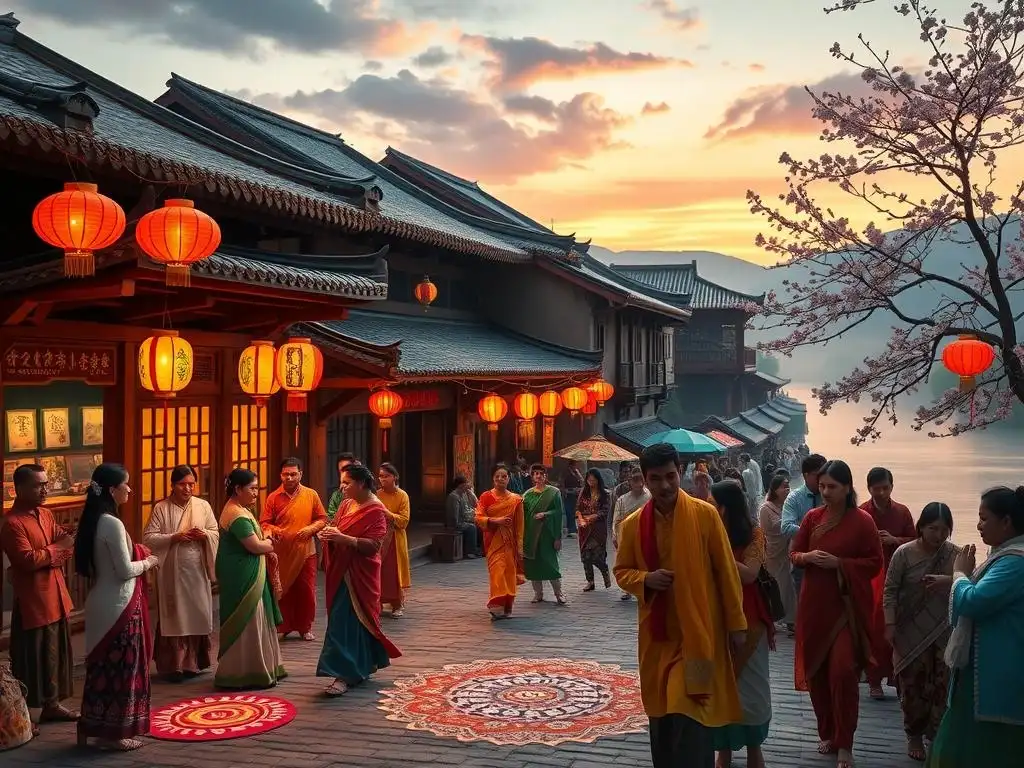
Welcome to Ancient India History, where we embark on a fascinating journey through the rich tapestry of ancient Indian civilizations and their profound influence on the world. In this exploration, we delve into the intriguing connections between cultures, revealing how Indian festivals in ancient China played a pivotal role in shaping societal interactions. What were the celebrations that crossed borders and bridged cultures? Join us as we uncover the significance of these vibrant festivals and their impact on ancient Chinese society, inviting you to deepen your understanding of the remarkable exchanges that have defined our shared history.
Introduction to Indian Festivals in Ancient China
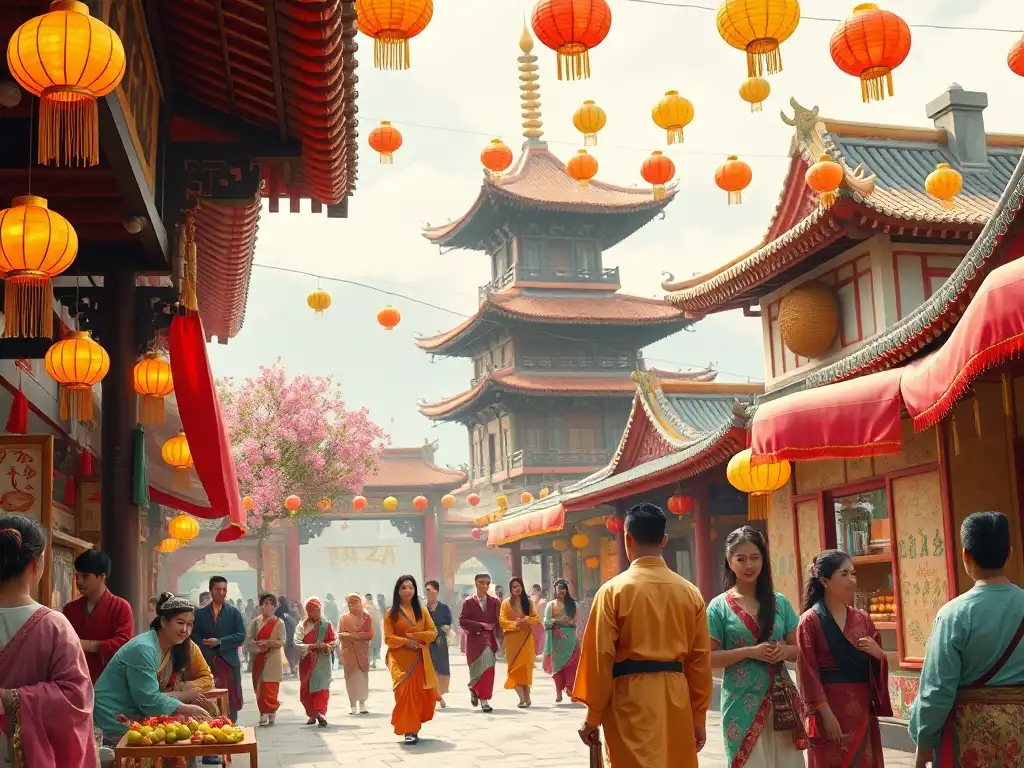
The intersection of Indian and Chinese cultures has been a profound and multifaceted journey throughout history, with Indian festivals playing a significant role in shaping social and cultural dynamics in ancient China. These festivals, rich in tradition and symbolism, were not merely occasions for celebration but also vehicles for cultural exchange, spirituality, and community bonding. The influence of Indian festivals in ancient Chinese society can be traced through various texts, archaeological findings, and historical accounts, showcasing a vibrant tapestry of interactions that transcended geographical boundaries.
Overview of Indian Cultural Influence on China
Ancient China and India, two of the world's oldest civilizations, have shared a long history of cultural exchange, marked by the transmission of ideas, art, philosophy, and religious practices. The influence of Indian culture on China is particularly evident in several areas:
- Religion and Philosophy: The introduction of Buddhism from India in the first century AD transformed Chinese spiritual life, giving rise to unique festivals and rituals that integrated Indian customs with local traditions.
- Art and Architecture: Indian motifs and styles influenced Chinese art, particularly in sculpture and temple architecture, as seen in the carvings of Buddhist stupas that often reflect Indian artistic principles.
- Language and Literature: Many Indian literary works were translated into Chinese, enriching its literary landscape and introducing new concepts and narratives that resonated with Chinese audiences.
This cross-pollination of cultures facilitated a deeper understanding and appreciation of each other's festivals, customs, and practices.
The Role of Festivals in Ancient Societies
Festivals have always been pivotal in ancient societies, serving multiple purposes that extend beyond mere celebration. They were integral to:
- Cultural Identity: Festivals helped solidify communal bonds and fostered a sense of identity among people, as they celebrated shared beliefs and traditions.
- Agricultural Cycles: Many festivals were linked to agricultural practices, marking the change of seasons and ensuring successful harvests through rituals and offerings.
- Religious Observance: Festivals often had religious significance, providing a platform for worship, reflection, and community participation.
In ancient China, the incorporation of Indian festivals enriched the local customs, leading to unique celebrations that blended elements from both cultures.
Historical Context of Indian Festivals in China
The Silk Road: A Conduit for Cultural Exchange
The Silk Road was not just a trade route; it was a vital channel through which cultural exchanges flourished between India and China. This network facilitated the movement of goods, ideas, and people, allowing Indian festivals to reach Chinese soil. Some key aspects include:
- Trade and Cultural Exchange: Merchants and travelers brought with them not just commodities but also their cultural practices, including festivals, which were adopted and adapted by local populations.
- Buddhism's Spread: As Buddhism traveled along the Silk Road, it carried with it various Indian festivals associated with the religion, such as Buddha Purnima, which celebrated the birth, enlightenment, and death of the Buddha.
The Silk Road thus served as a melting pot for diverse cultures and traditions, highlighting the significance of Indian festivals in ancient Chinese society.
Early Interactions between Indian and Chinese Civilizations
The early interactions between Indian and Chinese civilizations laid the groundwork for the exchange of festivals and traditions. Notable events include:
- Embassies and Diplomatic Missions: During the Han Dynasty, embassies were sent to India, which facilitated the exchange of cultural practices, including festivals.
- Buddhist Monks: Indian monks traveled to China to spread Buddhist teachings, often bringing with them the festivals associated with their faith, which gradually found resonance in Chinese culture.
These early interactions exemplify how Indian festivals in ancient China were not merely imported customs but were interwoven into the fabric of Chinese society, reflecting a rich legacy of cultural dialogue.
Major Indian Festivals Celebrated in Ancient China
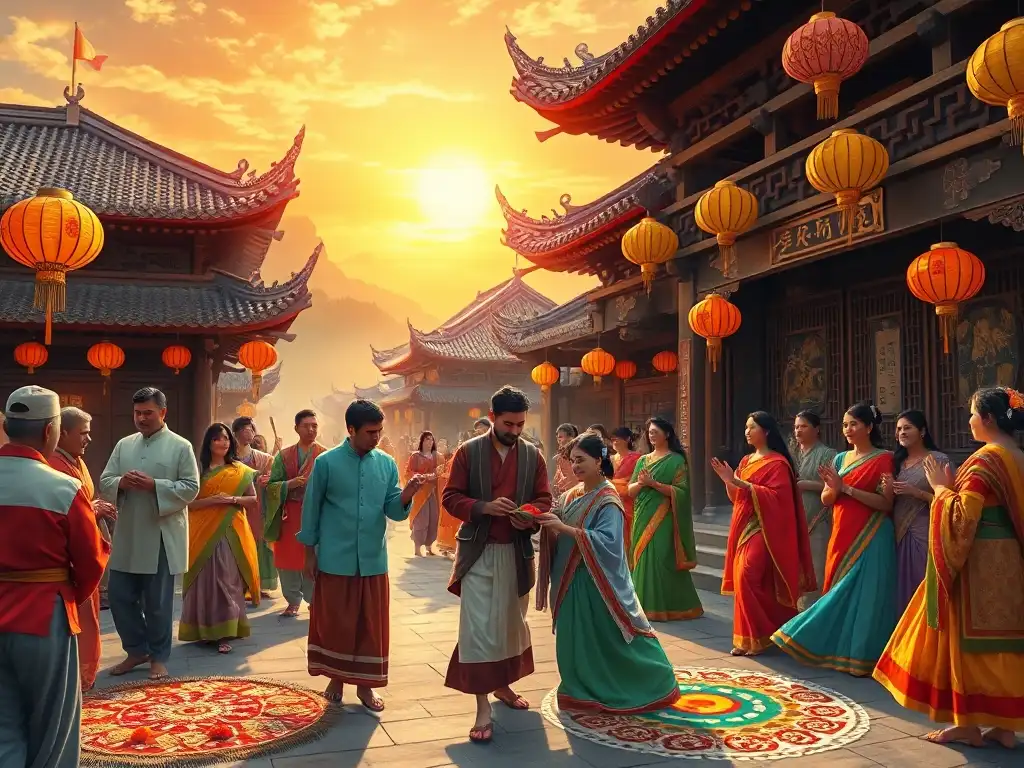
The exchange between Indian and Chinese civilizations has a long and intricate history, particularly in the realm of cultural practices and festivals. Several Indian festivals found their way into ancient Chinese society, influencing local customs and rituals. This syncretism can be attributed to the cultural interactions facilitated by trade routes, religious exchanges, and the movement of people, particularly through the Silk Road. Festivals such as Diwali, Holi, and Makar Sankranti not only resonated with the spiritual beliefs of the Chinese but also enriched their cultural tapestry.
Diwali: The Festival of Lights and Its Influence
Diwali, one of the most celebrated festivals in India, symbolizes the victory of light over darkness and good over evil. In ancient China, aspects of Diwali were observed, particularly in regions influenced by Indian merchants and Buddhist monks. The festival's core themes of illumination and renewal were adopted during certain Chinese celebrations, such as the Lantern Festival.
During Diwali, the practice of lighting lamps (diyas) was mirrored in the Chinese tradition of using lanterns to drive away darkness and invite prosperity. Moreover, the idea of family reunions during this festival resonated in Chinese culture, where family plays a central role in gatherings and celebrations. Historical texts indicate that some Chinese regions celebrated similar rituals, reflecting the profound impact of Indian philosophies and festivals on their societal norms.
Holi: The Festival of Colors in Chinese Context
Holi, known for its vibrant celebrations and the playful throwing of colored powders, also made its mark on ancient Chinese society, especially among communities influenced by Indian culture. This festival, symbolizing the arrival of spring and the triumph of good over evil, was associated with themes of renewal and joy, which were embraced by the Chinese.
In ancient China, similar celebrations emerged, characterized by the joyous use of colors and water, akin to Holi's traditions. The festival of Qingming, which involved the honoring of ancestors and the celebration of spring, reflected elements of Holi's spirit of rejuvenation. The blending of these celebrations highlighted the fluidity of cultural exchanges and the ability of festivals to adapt and flourish across different societies.
Makar Sankranti: Celebrations and Adaptations in China
Makar Sankranti, a festival marking the transition of the sun into the zodiac sign of Capricorn, was another Indian festival that found resonance in ancient Chinese practices. This festival is celebrated with enthusiasm in India, symbolizing the end of winter and the beginning of the harvest season.
In ancient China, the arrival of spring was also celebrated through various agricultural festivals that emphasized gratitude for bountiful harvests. While Makar Sankranti itself may not have been directly celebrated, the significance of harvest festivals in both cultures suggests a shared appreciation for nature's cycles. The adoption of rituals associated with the changing seasons reflected the deep-rooted agricultural traditions in both Indian and Chinese societies, fostering a sense of unity through shared cultural values.
The Cultural Significance of Indian Festivals in Ancient China
The integration of Indian festivals into ancient Chinese culture serves as a testament to the dynamic interactions between these two civilizations. The festivals not only provided avenues for entertainment and social cohesion but also played a vital role in shaping cultural identities.
Festivals as a Means of Cultural Integration
Indian festivals in ancient China acted as catalysts for cultural integration. They facilitated the convergence of diverse traditions, beliefs, and practices, allowing for a richer cultural landscape. Celebrations such as Diwali and Holi brought communities together, fostering mutual respect and understanding among different ethnic groups.
The incorporation of Indian festivals into local customs illustrated the flexibility of cultural practices and the willingness of societies to embrace and adapt foreign influences. These festivals served as platforms for dialogue and exchange, contributing to a more interconnected world.
Spiritual and Religious Implications of Indian Festivals
The spiritual and religious dimensions of Indian festivals resonated deeply within ancient Chinese society. Many of these celebrations were imbued with philosophical meanings that transcended mere festivities. For instance, the themes of light, renewal, and community present in Diwali and Holi aligned with the spiritual beliefs of Chinese philosophies such as Taoism and Confucianism.
Moreover, the rituals associated with these festivals often included elements of reverence and worship, reflecting a shared understanding of the divine and the importance of harmony in life. The spiritual implications of these festivals not only enriched Chinese cultural practices but also fostered a sense of collective identity and purpose among those who participated in these celebrations.
The significance of Indian festivals in ancient Chinese society lies in their ability to create cultural connections, enrich social practices, and enhance spiritual understanding, marking a profound legacy of interaction between these two ancient civilizations.
The Impact of Indian Festivals on Chinese Society
The interaction between ancient India and China was not merely a political or economic exchange but significantly enriched cultural practices, particularly through festivals. Indian festivals introduced new themes, rituals, and ideologies into Chinese society, fostering a deeper understanding of spirituality and community. This cultural exchange was facilitated by trade routes such as the Silk Road, which allowed for the transfer of ideas and customs alongside goods.
As Indian festivals gained popularity in China, they began to reshape local customs and traditions. The vibrant celebrations often centered around themes of renewal, harvest, and spirituality resonated with existing Chinese practices. This melding of traditions led to a unique cultural tapestry that highlighted the interconnectedness of these ancient civilizations.
Influence on Chinese Traditions and Customs
The influence of Indian festivals on Chinese traditions can be seen in various aspects of Chinese culture, including art, literature, and religious practices. For instance, festivals like Diwali, which celebrates the triumph of light over darkness, inspired similar themes in Chinese festivals, where light is often symbolic of prosperity and good fortune.
Moreover, the incorporation of Indian deities and mythologies into Chinese folklore enriched the local narrative traditions. The celebration of festivals often included elaborate ceremonies, processions, and communal feasting, which fostered a sense of unity and cultural identity among the people.
The Adoption of Indian Philosophies and Practices
The adoption of Indian philosophies, particularly Buddhism, played a crucial role in shaping the festival landscape in ancient China. Festivals celebrating events in the life of the Buddha, such as Vesak, became integrated into the Chinese calendar, promoting values of compassion, mindfulness, and community spirit.
These philosophical underpinnings influenced not only the understanding of festivals but also the manner in which they were celebrated. The rituals and practices surrounding these festivals often emphasized meditation, reflection, and communal harmony, reflecting a blend of Indian and Chinese cultural values.
Conclusion: The Legacy of Indian Festivals in Ancient Chinese Culture
The legacy of Indian festivals in ancient Chinese culture is profound and enduring. These festivals not only introduced new customs but also fostered a spirit of inclusivity and cultural synthesis that characterized the interactions between the two civilizations.
Lasting Effects on Modern Chinese Celebrations
Today, the echoes of ancient Indian festivals can still be observed in modern Chinese celebrations. The themes of renewal and community found in these festivals have been preserved and adapted, influencing contemporary Chinese festivals like the Lantern Festival and the Mid-Autumn Festival. Elements such as communal gatherings, offerings, and the use of light in celebrations showcase the lasting impact of these early exchanges.
Reflections on Cultural Exchanges between India and China
The cultural exchanges between India and China during ancient times serve as a testament to the power of festivals as vehicles for social cohesion and cultural enrichment. This interaction illustrates how shared beliefs and practices can transcend geographic boundaries, creating a rich mosaic of cultural identity that continues to evolve. The legacy of Indian festivals in ancient China is a reminder of the importance of cultural dialogue and the lasting effects of historical interactions on contemporary society.
- Introduction to Indian Festivals in Ancient China
- Overview of Indian Cultural Influence on China
- The Role of Festivals in Ancient Societies
- Historical Context of Indian Festivals in China
- Major Indian Festivals Celebrated in Ancient China
- The Cultural Significance of Indian Festivals in Ancient China
- The Impact of Indian Festivals on Chinese Society
- Conclusion: The Legacy of Indian Festivals in Ancient Chinese Culture
- What role did Indian festivals play in ancient Chinese society?
- How were Indian festivals perceived by Chinese scholars?
- Did Indian festivals have any impact on Chinese festivities?
- What were some common themes in Indian and Chinese festivals?
- How did trade contribute to the sharing of festivals between India and China?
Frequently Asked Questions
What role did Indian festivals play in ancient Chinese society?
Indian festivals influenced cultural exchange and promoted social cohesion among communities, enhancing the appreciation of diverse traditions in ancient China.
How were Indian festivals perceived by Chinese scholars?
Chinese scholars often viewed Indian festivals as a source of wisdom and spirituality, reflecting the philosophical connections between India and China.
Did Indian festivals have any impact on Chinese festivities?
Yes, elements of Indian festivals found their way into Chinese festivities, enriching their cultural tapestry and introducing new rituals and celebrations.
What were some common themes in Indian and Chinese festivals?
Both Indian and Chinese festivals often celebrated harvests, deities, and seasonal changes, highlighting universal themes of gratitude and renewal.
How did trade contribute to the sharing of festivals between India and China?
Trade routes facilitated cultural exchange, allowing festivals and their associated customs to transcend borders, enriching both Indian and Chinese societies.
Final Reflection: The Enduring Legacy of Indian Festivals in Ancient China
The exploration of Indian festivals in ancient China reveals a profound interconnectedness between cultures that resonates even today. As we navigate an increasingly globalized world, the historical significance of these festivals serves as a reminder of the rich tapestry of cultural exchanges that have shaped societies. The vibrant traditions and shared celebrations not only enriched ancient Chinese society but also laid the groundwork for a deeper understanding of diversity and unity in our contemporary lives.
Cultural influences are often like threads woven into the fabric of society, creating patterns that define our collective identity. The impact of Indian festivals in ancient China can still be felt in various aspects of Chinese culture, from art to philosophy. These festivals fostered a spirit of inclusivity and celebration that transcended borders, encouraging mutual respect and understanding. Cultures are not isolated; they are interconnected, and through this connection, we find our shared humanity.
As we reflect on the significance of these ancient celebrations, let us embrace the lessons they impart about cultural appreciation and coexistence. I invite you to explore the richness of diverse traditions in your own life and consider how they can enhance your understanding of the world around you. By celebrating the legacies of the past, we can inspire a future where cultural exchanges continue to flourish, fostering harmony and unity in our global community.
Embrace the Richness of Cultural Exchange!
Thank you for exploring the fascinating world of Indian festivals and their significance in ancient Chinese society. You’ve uncovered the threads that connect cultures, and now it's time to delve deeper into this enriching journey!
Here’s how you can continue your exploration:
- Dive Deeper: Read more about the unique customs and traditions related to Indian festivals and their impact on other cultures. Visit the Ancient India History section for more enlightening articles!
- Share the Knowledge: Discuss this fascinating intersection of cultures with friends or family. Start a conversation about how festivals bring us together, celebrating our shared humanity.
- Participate in a Local Festival: Engage in cultural festivals in your community! Whether it's celebrating Diwali or the Lunar New Year, experiencing these traditions enhances your appreciation for diverse cultures.
Which festival would you be most excited to experience firsthand, and why? We invite you to share your thoughts and experiences in the comments below!