
Chandragupta Maurya's Role in Shaping India's Cultural Heritage

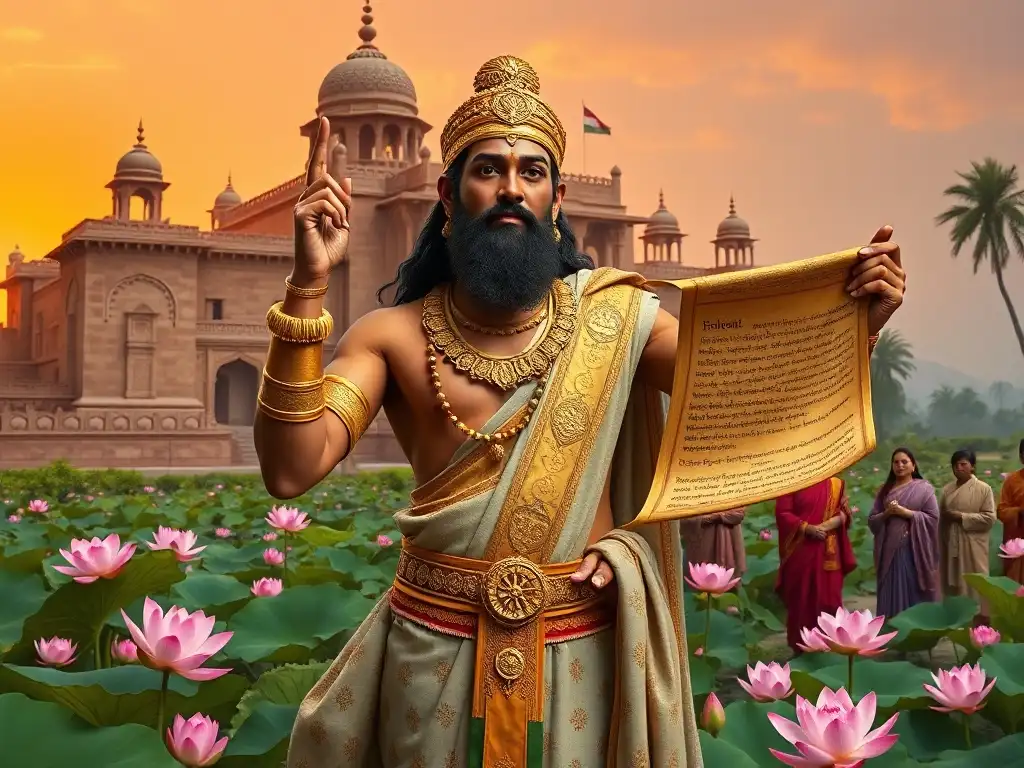
Welcome to Ancient India History, where we embark on a journey through the vibrant tapestry of India’s past. In this exploration, we delve into the remarkable contributions of Chandragupta Maurya, a pivotal figure whose leadership and vision laid the groundwork for a rich cultural heritage that still resonates today. Curious about how his reign influenced art, philosophy, and governance? Prepare to uncover the profound legacy he left behind as we unravel the fascinating story of India's ancient civilizations. Join us as we bring to life the echoes of history that continue to shape our world!
- Introduction to Chandragupta Maurya and His Cultural Contributions
- The Rise of Chandragupta Maurya
- Chandragupta Maurya's Political and Administrative Innovations
- Impact of Chandragupta Maurya on Indian Society
- Chandragupta Maurya's Influence on Religion and Philosophy
- Chandragupta Maurya and the Arts
- Legacy of Chandragupta Maurya in Indian Cultural Heritage
- Conclusion: The Enduring Legacy of Chandragupta Maurya's Cultural Contributions
-
Frequently Asked Questions
- What were the cultural contributions of Chandragupta Maurya?
- How did Chandragupta Maurya promote religious tolerance?
- What impact did Chandragupta Maurya have on administrative practices?
- How did the Gupta Empire build upon Chandragupta Maurya's contributions?
- Why is Chandragupta Maurya considered a key figure in Indian history?
- Final Reflection: The Enduring Legacy of Chandragupta Maurya's Cultural Contributions
- Unlock the Legacy of Chandragupta Maurya!
Introduction to Chandragupta Maurya and His Cultural Contributions
Chandragupta Maurya stands as a monumental figure in ancient Indian history, renowned not only for his political acumen but also for his profound cultural contributions that have significantly shaped India's heritage. As the founder of the Maurya Empire in 322 BCE, he played a pivotal role in unifying the Indian subcontinent and establishing a strong administrative framework that would influence governance for centuries. His reign marked a transformative period characterized by economic prosperity, cultural flourishing, and the promotion of diverse religious and philosophical ideals.
Exploring the rich tapestry of Chandragupta's life reveals how his leadership catalyzed a cultural renaissance that encompassed art, literature, and science. This article delves into the multifaceted contributions of Chandragupta Maurya, emphasizing their enduring impact on Indian culture and identity.
Overview of Chandragupta Maurya's Significance in Ancient India
Chandragupta Maurya's significance in ancient India extends beyond his military conquests; it encompasses the establishment of a centralized governance system that laid the groundwork for subsequent empires. His alliance with thinkers like Chanakya, who authored the Arthashastra, was instrumental in formulating policies that integrated various aspects of society, including economics, politics, and education.
- Founding the Maurya Empire: Chandragupta's ascension to power marked the beginning of a new era, effectively ending the fragmented political landscape that characterized the period preceding his rule.
- Cultural Synthesis: Under his reign, there was a remarkable synthesis of various cultural influences, leading to advancements in architecture, literature, and the arts. This era witnessed the proliferation of texts that celebrated Indian philosophy and spirituality.
- Promotion of Trade and Economy: Chandragupta understood the importance of a robust economy and trade networks, which facilitated cultural exchanges and contributed to the wealth of his empire.
Importance of Cultural Contributions in Shaping India's Heritage
The cultural contributions of Chandragupta Maurya are vital in understanding the evolution of Indian civilization. They laid the foundations for a rich cultural heritage that resonates through subsequent generations.
- Art and Architecture: The Maurya period is marked by monumental architecture, such as the construction of stupas and pillars that showcased intricate carvings and inscriptions. These structures not only served religious purposes but also became symbols of Maurya craftsmanship.
- Literature and Philosophy: The era was a fertile ground for literary works, with scholars and poets contributing to texts that explored diverse themes of morality, governance, and spirituality. The Arthashastra remains a testament to the intellectual advancements of this time.
- Religious Tolerance: Chandragupta's policies reflected a degree of religious tolerance, allowing various beliefs to flourish. This inclusivity fostered a rich cultural milieu where different philosophies coexisted, paving the way for future religious developments in India.
Chandragupta Maurya's reign was not merely a chapter in India's historical narrative; it was a defining moment that influenced the cultural, political, and social fabric of the subcontinent. His contributions continue to be celebrated as foundational elements of India's enduring heritage, making him a key historical figure worthy of exploration.
The Rise of Chandragupta Maurya
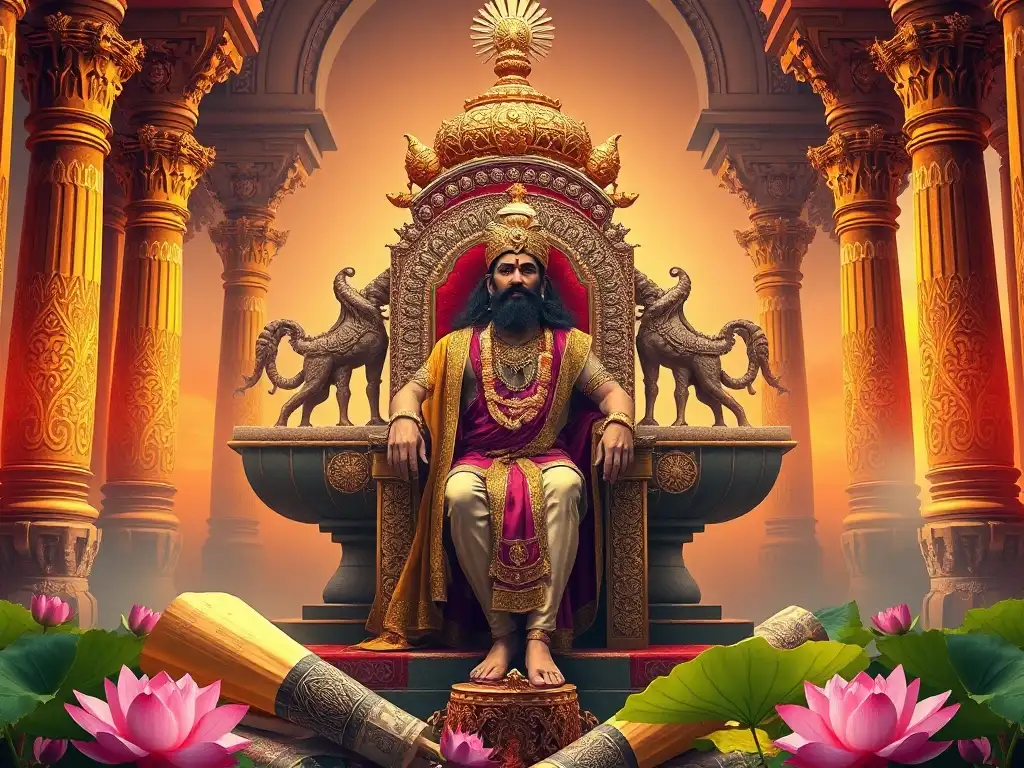
Chandragupta Maurya stands as a pivotal figure in the history of ancient India, not only for his military achievements but also for his extensive cultural contributions that laid the foundation for a unified Indian civilization. His rise to power marked the beginning of the Maurya Empire, a significant chapter in India's historical narrative.
Historical Context of Chandragupta's Ascendancy
The historical landscape of India during the time of Chandragupta was marked by fragmentation and chaos. The decline of the Nanda Dynasty created a power vacuum, allowing for new leaders to emerge. The Indo-Greek invasions had also contributed to a state of unrest in the northern regions, presenting both challenges and opportunities for ambitious leaders like Chandragupta.
Chandragupta was born into a humble family, possibly in the area of present-day Bihar, around 340 BCE. He was influenced by the teachings of Chanakya, a Brahmin scholar and strategist who played a crucial role in shaping his vision. Chanakya's animosity toward the Nandas fueled Chandragupta's ambition, as he sought to overthrow them and establish a new order.
The socio-political climate was further complicated by the presence of Alexander the Great, whose campaigns had reached the northwestern territories of India. Alexander's invasions not only weakened local kingdoms but also introduced Hellenistic influences, paving the way for new forms of governance and cultural exchange. Chandragupta's understanding of these dynamics allowed him to seize the moment and rally support for his cause.
Key Events Leading to the Foundation of the Maurya Empire
The path to establishing the Maurya Empire was marked by several critical events:
- Formation of Alliances:
- Chandragupta began by forming alliances with local chieftains discontent with the Nanda rule. Through both diplomacy and warfare, he gathered a substantial following.
- Confrontation with the Nandas:
- The decisive confrontation with the Nanda forces came around 321 BCE. With Chanakya's strategic guidance, Chandragupta engaged in guerilla warfare, utilizing the element of surprise and local knowledge to his advantage.
- Capture of Pataliputra:
- Chandragupta's forces successfully captured Pataliputra, the capital of the Nanda Empire. This victory was significant not only in terms of territory but also as a symbolic act of establishing a new era in Indian history.
- Consolidation of Power:
- After the fall of the Nandas, Chandragupta focused on consolidating his power. He implemented policies that promoted trade, agriculture, and infrastructure, all of which contributed to the cultural and economic landscape of the emerging empire.
- Influence of Greek Culture:
- The interactions with Alexander's successors led to a mutual exchange of ideas, art, and culture. Chandragupta's court became a melting pot of various influences, enriching the cultural fabric of India.
Through these pivotal events, Chandragupta Maurya not only established the Maurya Empire but also set the stage for significant cultural development that would influence Indian civilization for centuries to come. His reign marked a turning point in Indian history, as he united diverse regions and peoples, fostering a sense of shared identity and heritage that resonates to this day.
Chandragupta Maurya's Political and Administrative Innovations
Establishment of a Centralized Government
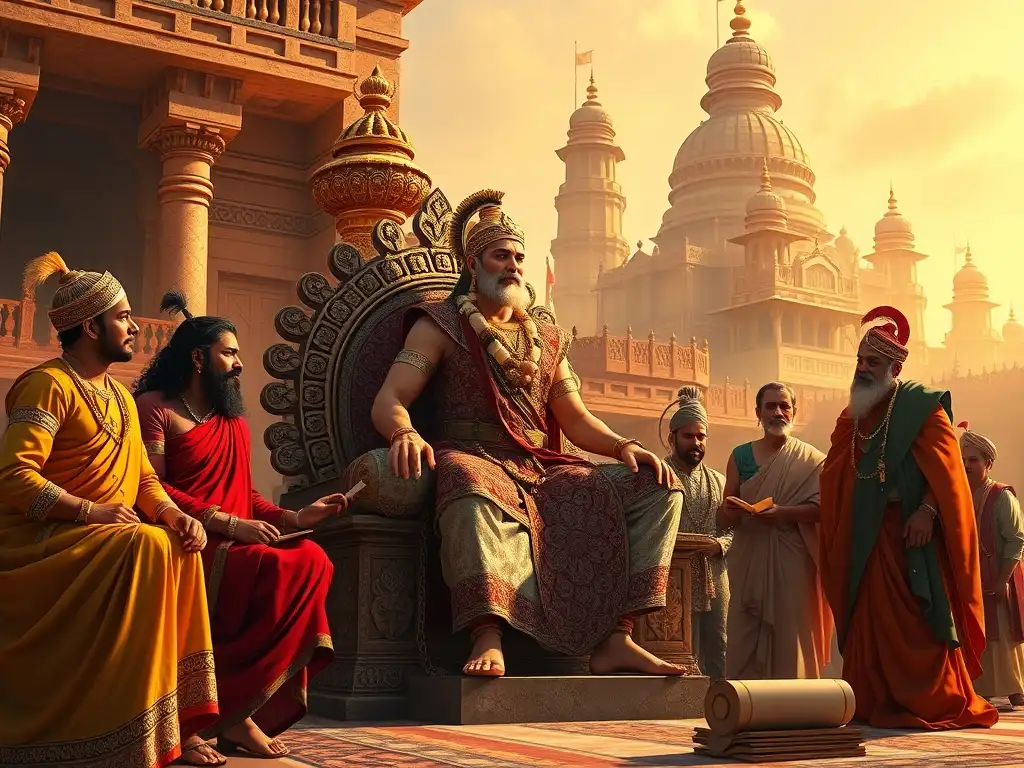
Chandragupta Maurya is renowned for establishing one of the first centralized governments in ancient India, which played a pivotal role in unifying diverse regions and cultures. His administration, marked by a structured hierarchy, laid the groundwork for a sophisticated governance model that influenced future Indian empires.
-
Formation of a Bureaucratic System:
Chandragupta introduced a tiered bureaucratic system that included various officials tasked with specific duties. This structure ensured efficient governance and allowed for the management of vast territories. The central authority was supported by local governors, known as Uparikas, who oversaw smaller regions and reported directly to the emperor.
-
Legal Framework:
To maintain order and facilitate justice, Chandragupta implemented a codified legal system. This framework not only addressed civil and criminal matters but also promoted social harmony, reflecting the cultural ethos of the time. The inclusion of laws favoring trade and agriculture helped stimulate economic growth, further embedding cultural practices and traditions.
-
Military Organization:
A strong military presence was crucial for the Mauryan Empire's stability. Chandragupta established a well-organized army, which was instrumental in both the expansion and protection of the empire. The military's role in safeguarding trade routes contributed to a flourishing economy, which allowed for cultural exchanges and the spread of ideas across the empire.
The Role of Governance in Cultural Development
Chandragupta Maurya's governance played an essential role in the cultural development of ancient India. By fostering a stable and prosperous environment, he enabled various cultural, religious, and artistic expressions to thrive.
-
Promotion of Arts and Architecture:
Under Chandragupta's rule, there was a notable patronage of the arts. The construction of monuments, stupas, and monasteries became prevalent, reflecting the architectural advancements of the time. The famous Ashoka Pillars, which emerged later, can trace their roots back to the artistic influences established during Chandragupta’s reign.
-
Cultural Syncretism:
The Mauryan Empire was characterized by a blend of various cultural practices due to its vast expanse. Chandragupta's policies encouraged the exchange of ideas between different ethnic and cultural groups. This syncretism laid the foundation for a rich tapestry of cultural heritage that included literature, philosophy, and religious thought.
-
Support for Religion and Philosophy:
Chandragupta’s administration recognized the importance of religion in society. The support for Jainism, particularly after his conversion, exemplified his commitment to promoting diverse belief systems. This not only fostered a sense of community but also facilitated the spread of philosophical ideas, enriching India's cultural landscape.
-
Economic Policies:
The establishment of trade routes and markets under Chandragupta's regime facilitated economic growth. As commerce flourished, so did cultural exchanges, leading to the introduction of new goods, technologies, and ideas. This economic prosperity allowed for the patronage of scholars and artists, further enhancing the cultural contributions of the period.
Chandragupta Maurya's political and administrative innovations significantly shaped India's cultural heritage. His centralized government not only provided stability but also fostered an environment where art, philosophy, and diverse cultures could flourish, leaving a lasting impact on the civilization's evolution.
Impact of Chandragupta Maurya on Indian Society
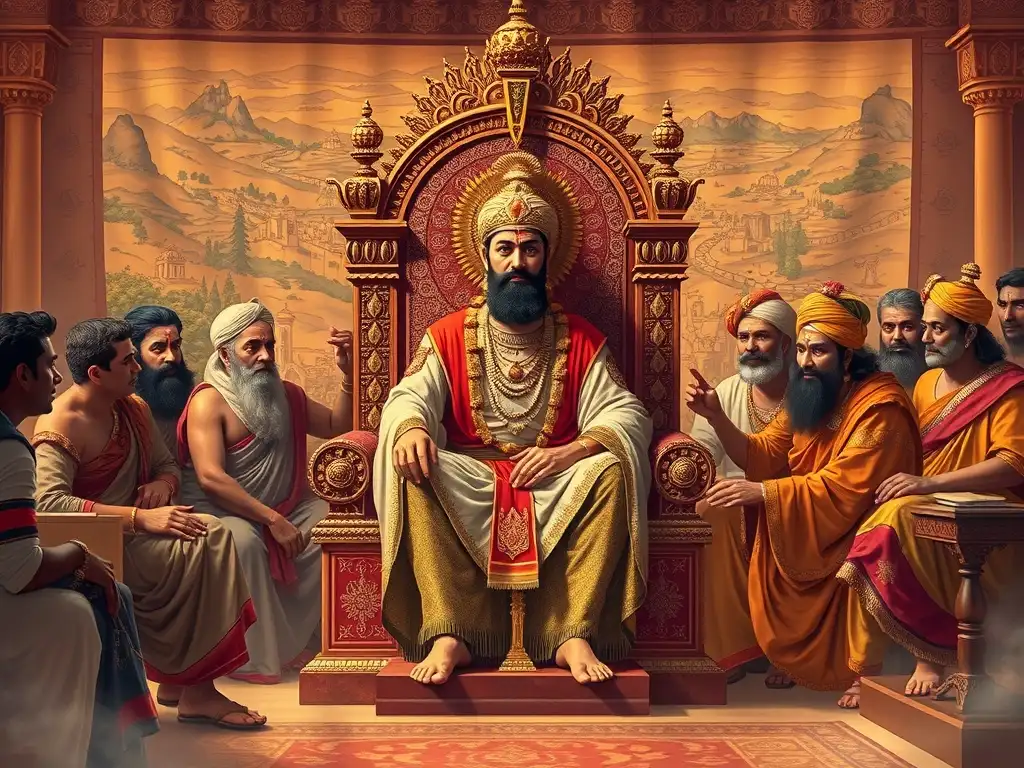
Chandragupta Maurya, the founder of the Maurya Empire, played a pivotal role in shaping the socio-political landscape of ancient India. His reign marked a significant transformation in Indian society, characterized by social reforms, economic development, and cultural advancements. The policies and actions taken during his rule not only consolidated power but also fostered a rich tapestry of cultural heritage that would influence subsequent generations.
Chandragupta Maurya implemented several social reforms that had profound cultural implications for ancient Indian society. One of the most notable changes was the establishment of a centralized administration, which facilitated the creation of laws and regulations that helped maintain order and justice across the empire. This system fostered a sense of unity and identity among diverse cultural groups within the Mauryan domain.
- Caste System Reevaluation: Under Chandragupta, there was an emphasis on meritocracy rather than strict adherence to the caste system. This approach allowed individuals from various backgrounds to rise in status based on their skills and contributions, encouraging a more dynamic social structure.
- Promotion of Education: Chandragupta recognized the importance of education in societal development. He established institutions that promoted learning, particularly in fields such as philosophy, science, and governance. The Nalanda University, which flourished later, can trace its roots back to this initial emphasis on education.
- Women's Rights: Though the societal norms of the time were restrictive, Chandragupta's administration took steps to improve the status of women. He supported the idea of women's education and their participation in various aspects of life, which gradually influenced cultural attitudes towards gender roles.
The implications of these reforms were significant as they laid the groundwork for a society that valued knowledge, skill, and collective identity over rigid social hierarchies. This shift not only fostered a more inclusive culture but also inspired subsequent rulers to adopt similar policies.
Promoting Trade and Commerce: A Catalyst for Cultural Exchange
Chandragupta Maurya's reign was marked by a remarkable expansion of trade and commerce, which served as a catalyst for cultural exchange across his empire and beyond. The Mauryan Empire, strategically located along vital trade routes, became a hub for merchants, artisans, and scholars, facilitating interactions between diverse cultures.
- Infrastructure Development: Chandragupta invested heavily in infrastructure, building roads, and establishing trade posts. The Grand Trunk Road, which connected the eastern and western parts of India, is a notable example. This development not only bolstered trade but also made travel safer and more efficient, allowing for the exchange of ideas and cultural practices.
- Economic Policies: His administration implemented policies that encouraged trade, such as tax incentives for merchants and the establishment of a standardized currency. These measures facilitated smoother transactions and contributed to economic prosperity, which in turn supported cultural endeavors such as art, literature, and architecture.
- Intercultural Exchange: As trade flourished, so did the exchange of culture. Merchants brought with them ideas, art forms, and religious practices from different regions. This intercultural dialogue enriched the cultural fabric of the Mauryan Empire, leading to the emergence of a more cosmopolitan society that embraced diverse influences.
Through these initiatives, Chandragupta Maurya not only strengthened the economic foundations of his empire but also created an environment conducive to cultural exchange and innovation. The legacy of his contributions can be seen in the flourishing of arts and sciences that characterized the subsequent Gupta period, highlighting the enduring impact of his reign on India's cultural heritage.
Chandragupta Maurya's Influence on Religion and Philosophy
Relationship with Jainism and Other Philosophical Schools
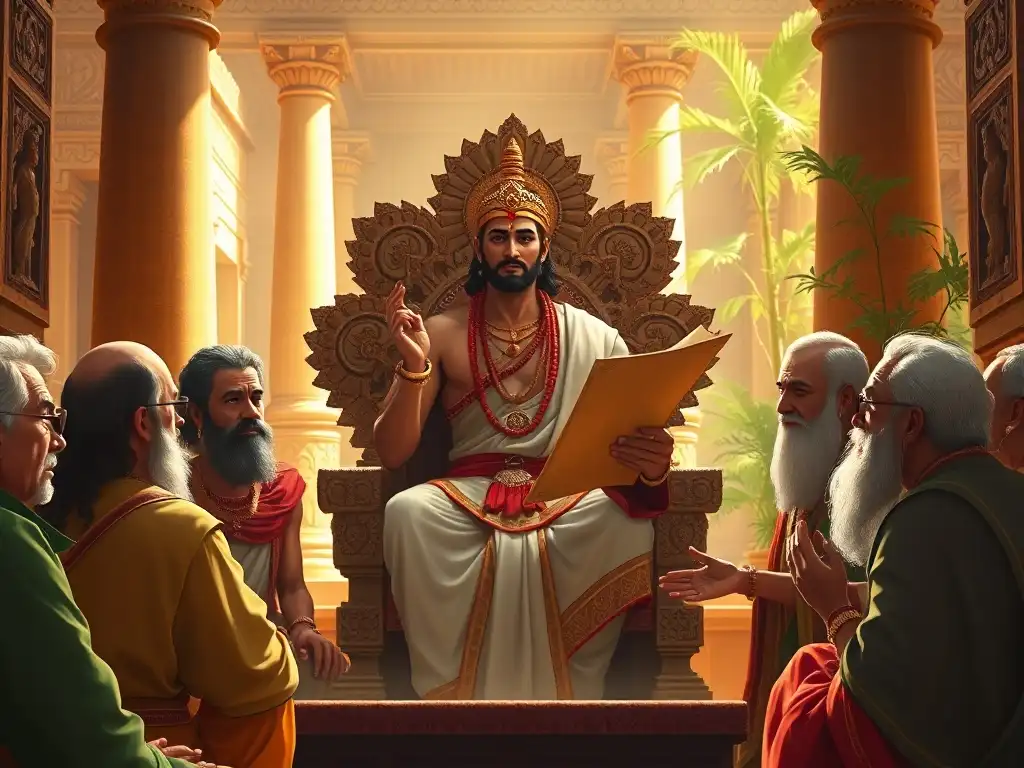
Chandragupta Maurya's reign marked a significant period in the evolution of religious thought in ancient India. One of the most notable aspects of his influence was his relationship with Jainism. Historical accounts suggest that Chandragupta, after abdicating his throne, became a follower of Jainism under the guidance of Bhadrabahu, a prominent Jain teacher. This conversion had profound implications not only for his own life but also for the broader cultural landscape of India.
- Support for Jainism: Chandragupta's patronage helped elevate Jainism's status in Indian society. He provided for the construction of numerous Jain temples and supported the dissemination of Jain teachings. This support was instrumental in establishing Jainism as a significant philosophical and religious tradition.
- Philosophical Contributions: Jainism, with its emphasis on non-violence (Ahimsa) and truth (Satya), resonated with the ethical dimensions of Chandragupta's governance. His adoption of these principles is reflected in the administrative policies of his empire, promoting a more humane approach to rulership.
- Interactions with Other Philosophical Schools: Beyond Jainism, Chandragupta's era witnessed vibrant interactions between various philosophical traditions, including Buddhism and Hinduism. The Mauryan Empire's expansive reach facilitated dialogues among these schools, leading to a rich tapestry of thought that influenced Indian culture.
Cultural Syncretism: Merging Diverse Beliefs
Chandragupta Maurya's reign was characterized by a unique blend of cultural syncretism, where diverse religious and philosophical beliefs coexisted and influenced one another. This blending of ideas contributed significantly to the cultural contributions of Chandragupta Maurya.
- Integration of Buddhist Ideals: Although primarily known for his association with Jainism, Chandragupta's policies and practices were also influenced by Buddhist ideals, especially during the reign of his grandson, Ashoka. The promotion of Buddhism, particularly the doctrine of compassion, complemented the Jains' principles of non-violence, creating a harmonious coexistence of beliefs.
- Hindu Philosophical Influence: The Mauryan Empire also saw the flourishing of Hindu philosophies. Under Chandragupta, the integration of Vedic principles into governance further legitimized his rule. This synthesis promoted a cultural environment where Hindu, Buddhist, and Jain ideas could thrive, leading to a more cohesive society.
- Art and Architecture: The cultural syncretism during Chandragupta's era is evident in the art and architecture of the period. Temples, sculptures, and inscriptions from this time reflect a blend of styles that draw from various religious traditions, showcasing a unique identity that was neither exclusively Jain, Buddhist, nor Hindu.
Chandragupta Maurya’s role in shaping the religious and philosophical landscape of ancient India is a testament to his cultural contributions. His influence fostered an environment of tolerance and syncretism, allowing diverse beliefs to flourish and intertwine, laying the groundwork for the rich tapestry of Indian culture that continues to resonate today.
Chandragupta Maurya and the Arts
Contributions to Architecture and Urban Planning
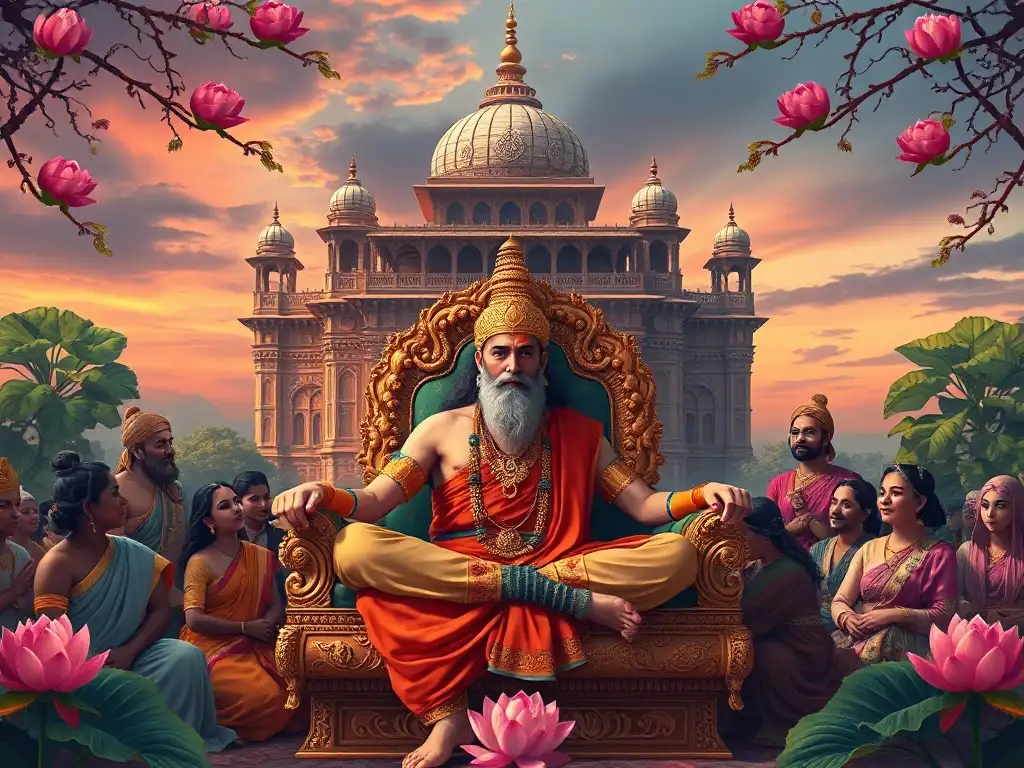
Chandragupta Maurya's reign marked a significant period in the evolution of architecture and urban planning in ancient India. Under his leadership, the Maurya Empire witnessed a remarkable transformation in the development of urban centers. One of the most notable achievements was the establishment of Pataliputra (modern-day Patna) as the empire's capital. This city was meticulously planned, featuring wide streets, fortified walls, and a complex drainage system that showcased advanced engineering skills for its time.
The architectural style that emerged during this period was characterized by:
- Fortifications: The city was surrounded by a massive wall, built for defense against invasions. These walls incorporated large gates and bastions, highlighting the importance of security in urban design.
- Public Spaces: Chandragupta emphasized the creation of public squares and gardens, which served as communal gathering places. This contributed to the cultural life of the city, fostering a sense of community.
- Water Management: The introduction of sophisticated irrigation and drainage systems ensured the sustainability of urban life, which was vital for the agricultural economy.
Moreover, the Mauryan period is noted for its use of durable materials such as stone and brick, which laid the groundwork for subsequent architectural developments in the Indian subcontinent. Temples and stupas began to emerge during this era, serving both religious and civic functions.
Patronage of Literature and Performing Arts
Chandragupta Maurya's cultural contributions extended beyond architecture to the realms of literature and the performing arts. His court became a vibrant center of intellectual and artistic activity, fostering a flourishing environment for scholars, poets, and artists.
Literary Contributions
Chandragupta's reign is often associated with the rise of Sanskrit literature. He is believed to have patronized many renowned scholars, including Kautilya (Chanakya), who wrote the influential text Arthashastra. This work not only provides insights into political strategy and economics but also reflects the cultural ethos of the time. The emphasis on governance, statecraft, and moral philosophy in literature during his rule laid the foundation for future literary traditions in India.
Performing Arts
In addition to literature, the Mauryan Empire saw significant developments in the performing arts. The period is noted for its patronage of drama and music, which were integral to cultural expression. The establishment of theaters and performance spaces allowed for the staging of plays that often drew from historical and mythological themes. These performances were not merely entertainment; they served educational purposes, conveying moral lessons and cultural narratives.
Furthermore, the integration of dance and music into religious and royal ceremonies enriched the cultural fabric of the empire. The Bharatanatyam and Kathak dance forms, which would later flourish in Indian culture, began to find their roots in this dynamic environment.
Chandragupta Maurya's cultural contributions were pivotal in shaping the artistic landscape of ancient India, influencing subsequent generations and leaving a lasting legacy that continues to resonate in modern Indian culture.
Legacy of Chandragupta Maurya in Indian Cultural Heritage
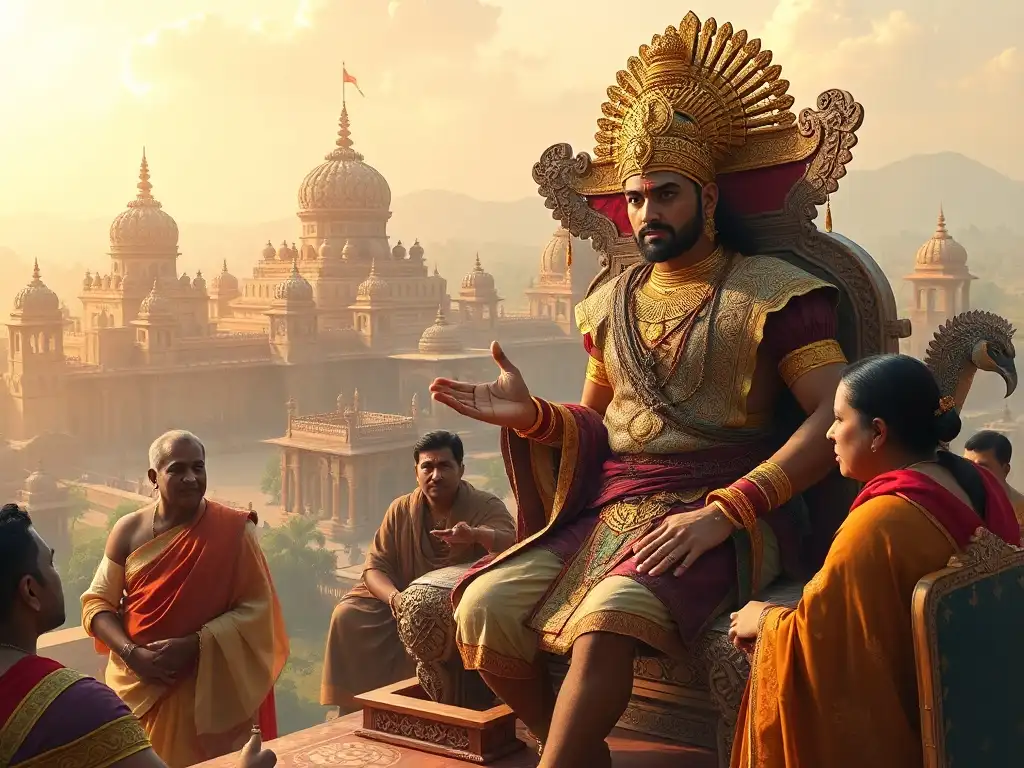
Chandragupta Maurya, the founder of the Maurya Empire in ancient India, left an indelible mark on the cultural landscape of the region. His reign, which began in 321 BCE, not only established one of the largest empires in Indian history but also set the stage for a rich tapestry of cultural developments that influenced subsequent generations. As a visionary leader, Chandragupta's policies and actions laid the groundwork for a unified Indian state, paving the way for advancements in various fields such as governance, philosophy, and art.
Long-term Effects of His Reign on Subsequent Dynasties
The impact of Chandragupta Maurya's reign can be traced through several key aspects that shaped the political and cultural dynamics of India for centuries to come:
- Political Unification: Chandragupta's successful conquest of territories, including the Nanda Empire, resulted in a significant political unification of northern India. This unification fostered a sense of identity among various regional cultures, facilitating trade and communication across vast distances.
- Administrative Innovations: Under Chandragupta, the Mauryan administration introduced structured governance, including centralized taxation, public welfare policies, and a bureaucracy that emphasized merit over lineage. These innovations not only influenced his immediate successors but also provided a model for later empires such as the Gupta Empire, which further refined these administrative practices.
- Cultural Synthesis: The Maurya Empire became a melting pot of diverse cultures, religions, and philosophies. Chandragupta's reign saw the patronage of various artistic and intellectual movements, which encouraged the synthesis of local traditions with influences from the Persian and Hellenistic cultures. This cultural amalgamation enriched Indian art, literature, and philosophy, leading to a flourishing of ideas that resonate in contemporary Indian culture.
- Religious Tolerance and Patronage: Chandragupta's conversion to Jainism later in life and his patronage of various religious practices highlighted the importance of religious tolerance. This approach not only promoted harmony among different faiths but also encouraged the flourishing of religious art and architecture, as seen in the construction of stupas and temples that celebrated diverse beliefs.
Recognition of Chandragupta Maurya in Modern Indian Culture
The legacy of Chandragupta Maurya continues to be celebrated in modern Indian culture through various mediums:
- Literature and Media: Numerous historical novels, films, and television series have portrayed Chandragupta's life and achievements, emphasizing his role as a unifying figure in Indian history. Works such as "Chanakya's Chant" by Ashwin Sanghi have popularized his story, making it accessible to contemporary audiences.
- Historical Scholarship: Academic research and historical studies have kept the memory of Chandragupta alive, with scholars examining his contributions to Indian governance, culture, and society. His life is often included in discussions about the evolution of political systems in India, illustrating his relevance even today.
- Cultural Symbols: Statues and monuments dedicated to Chandragupta Maurya can be found in various parts of India, serving as a reminder of his contributions to the nation's heritage. These symbols not only honor his legacy but also inspire pride in India's historical achievements.
- Educational Curricula: Chandragupta Maurya's role in shaping India's cultural heritage is included in educational curricula across the country, ensuring that future generations understand and appreciate his significance in Indian history.
Chandragupta Maurya's cultural contributions have left a lasting legacy that continues to shape the identity of modern India. His achievements in governance, cultural synthesis, and religious tolerance remain integral to understanding the historical narrative of the subcontinent.
Conclusion: The Enduring Legacy of Chandragupta Maurya's Cultural Contributions
Chandragupta Maurya, as the founder of the Maurya Empire, marked a pivotal turning point in Indian history. His cultural contributions extend beyond mere governance; they laid the foundations for a unified cultural identity that resonates throughout India’s extensive history. By consolidating various regional factions and promoting a centralized administrative system, he fostered a milieu that encouraged trade, art, and philosophical inquiry.
Summary of Key Contributions and Their Significance
The significance of Chandragupta Maurya's cultural contributions can be distilled into several key areas:
- Political Unity and Administration:
- Centralization of Power: Chandragupta established a centralized form of governance that replaced the fragmented systems of smaller kingdoms. This unity facilitated the spread of cultural practices and governance norms across vast regions.
- Legal Framework: The implementation of a codified legal system helped stabilize society, ensuring that cultural practices could flourish without the disruptions caused by regional conflicts.
- Promotion of Trade and Economy:
- Economic Policies: By enhancing trade routes, both overland and maritime, Chandragupta's policies allowed for a rich exchange of cultural goods, ideas, and traditions between different regions of India and beyond.
- Cultural Exchange: Increased trade brought about interactions with foreign cultures, which enriched Indian art, literature, and religious practices.
- Support for Arts and Literature:
- Encouragement of Scholarship: Under his reign, scholars and poets were patronized, leading to significant advancements in literature and philosophy. The Nalanda University, which would flourish later, has its roots in this period of intellectual vibrancy.
- Artistic Developments: The Maurya period saw the emergence of distinctive styles in sculpture and architecture, most notably the polished stone sculptures that depicted various aspects of life and spirituality.
- Religious Tolerance and Integration:
- Diversity of Beliefs: Chandragupta's rule was marked by a level of religious tolerance. This environment allowed for the coexistence of Jainism, Buddhism, and various local cults, fostering a rich tapestry of cultural practices.
- Influence of Jainism: His later conversion to Jainism and the influence of Jain scholars during his rule contributed to the philosophical discourse of the time, highlighting the interconnections between governance and spirituality.
Reflection on the Importance of Understanding Historical Figures in Cultural Context
Understanding historical figures like Chandragupta Maurya within their cultural contexts is vital for several reasons:
- Cultural Depth: It allows us to appreciate the complexities of their contributions beyond mere political achievements. The interplay of culture, economy, and governance provides a holistic view of their impact on society.
- Lessons for Modern Society: Analyzing the cultural dynamics of ancient figures can offer insights into contemporary issues, such as governance, cultural integration, and the importance of tolerance in diverse societies.
- Preservation of Heritage: Recognizing the contributions of historical figures fosters a sense of pride and continuity within a culture. It encourages the preservation of traditions and inspires future generations to build upon the legacies of their ancestors.
Chandragupta Maurya's cultural contributions are integral to understanding the rich tapestry of India's history. His enduring legacy serves as a reminder of the power of effective leadership in fostering a vibrant, interconnected cultural landscape.
Frequently Asked Questions
What were the cultural contributions of Chandragupta Maurya?
Chandragupta Maurya played a crucial role in establishing the Mauryan Empire, which significantly influenced Indian art, architecture, and governance. His reign marked the beginning of a rich cultural legacy that shaped Indian civilization.
How did Chandragupta Maurya promote religious tolerance?
Chandragupta Maurya is known for his inclusive policies, allowing various religions to flourish within his empire. This approach helped foster a spirit of tolerance and coexistence among different communities.
What impact did Chandragupta Maurya have on administrative practices?
Under Chandragupta Maurya, the Mauryan Empire developed advanced administrative systems that emphasized centralized governance and efficient management. This laid the groundwork for future Indian dynasties to adopt similar practices.
How did the Gupta Empire build upon Chandragupta Maurya's contributions?
The Gupta Empire, which followed the Mauryan, expanded on Chandragupta's foundations by promoting art, literature, and science, further enhancing India's cultural renaissance. The Mauryan legacy was crucial in this cultural evolution.
Why is Chandragupta Maurya considered a key figure in Indian history?
Chandragupta Maurya is often regarded as a pioneer in unifying India, establishing a vast empire that set the stage for future cultural and political developments. His strategies and policies left a lasting impact on the subcontinent's history.
Final Reflection: The Enduring Legacy of Chandragupta Maurya's Cultural Contributions
Chandragupta Maurya's cultural contributions are not merely historical footnotes; they are the very foundation upon which modern India stands. In an age where cultural identity is often questioned and redefined, understanding the profound impact of Chandragupta's reign offers us a lens through which we can appreciate the complexities of our heritage. His vision and leadership were pivotal in unifying diverse regions and cultures, laying the groundwork for a rich tapestry of traditions that continue to influence Indian society today.
The influence of Chandragupta Maurya extends far beyond his time, resonating through centuries and shaping the cultural landscape of India. His establishment of the Mauryan Empire not only fostered political stability but also encouraged a flourishing of art, philosophy, and governance that set a precedent for future generations. As we reflect on this legacy, we are reminded of the words of historian Romila Thapar: Chandragupta's reign was a turning point in Indian history, marking the transition from fragmented kingdoms to a unified empire.
This observation underscores the significance of his contributions, which remain relevant as we navigate the challenges of cultural preservation and identity in today's globalized world.
As we conclude our exploration of Chandragupta Maurya's role in shaping India's cultural heritage, I invite you to reflect on how these historical lessons can inspire your own journey. Consider the ways in which you can contribute to your community's cultural narrative, fostering unity and understanding amidst diversity. Embrace the spirit of Chandragupta's vision by championing the values of leadership, inclusivity, and cultural appreciation in your daily life. Together, we can honor the past while actively participating in the creation of a vibrant future.
Unlock the Legacy of Chandragupta Maurya!
Thank you for exploring the captivating journey of **Chandragupta Maurya** and his pivotal role in shaping India's rich cultural heritage. We hope you have gained valuable insights into how one historical figure can profoundly influence an entire civilization. Now, it’s time to harness that inspiration and take meaningful action!
- Explore more: Dive deeper into the historical intricacies of Maurya's reign by reading additional articles on our site, Ancient India History.
- Share the knowledge: Discuss this incredible legacy with your friends and family—post your thoughts on social media and tag us!
- Engage with our community: Join our forum to connect with fellow history enthusiasts and share your perspective on how Chandragupta's legacy continues to influence contemporary India.
What aspects of Chandragupta Maurya's legacy do you believe resonate most with today's society? Let's spark a meaningful conversation!