
Jain Influence on Indian Political Leaders: Historical Figures and Their Beliefs

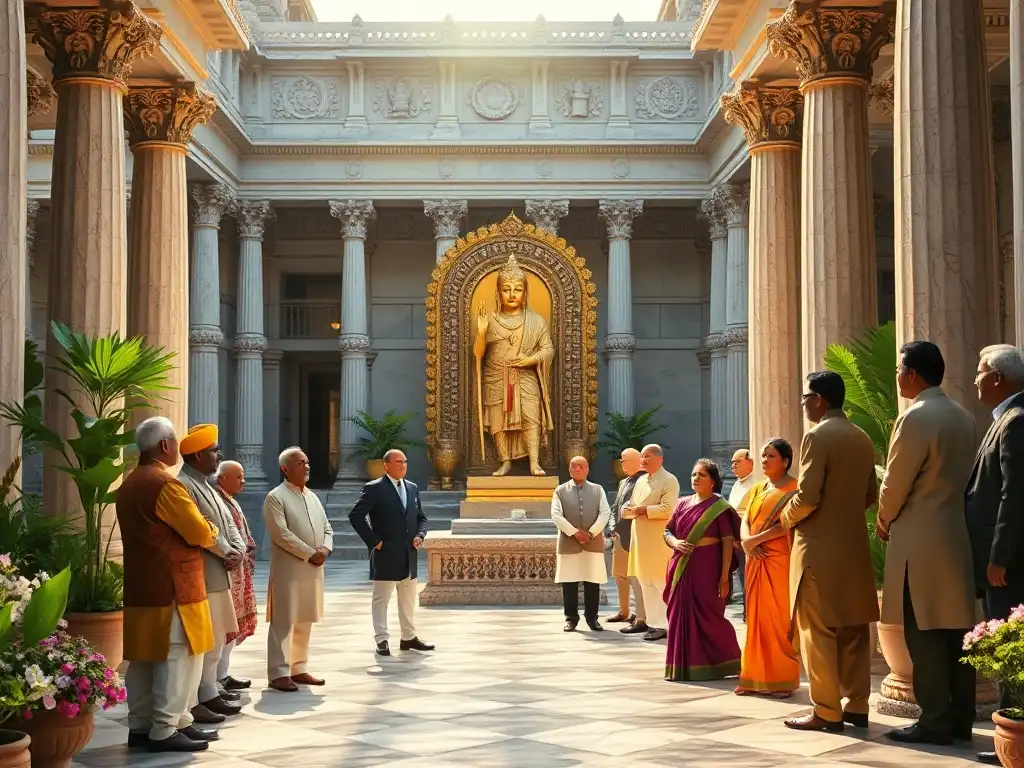
Welcome to Ancient India History, where we embark on an enlightening journey through the tapestry of India's rich and diverse past. In this exploration, we delve into the profound influence of Jainism on Indian political leaders, uncovering how the principles of this ancient religion shaped the philosophies and actions of some of history's most significant figures. Curious about the intersection of spirituality and governance? Join us as we unravel the compelling narratives that showcase the enduring legacy of Jain beliefs in the corridors of power, and prepare to be inspired by the remarkable stories that await you.
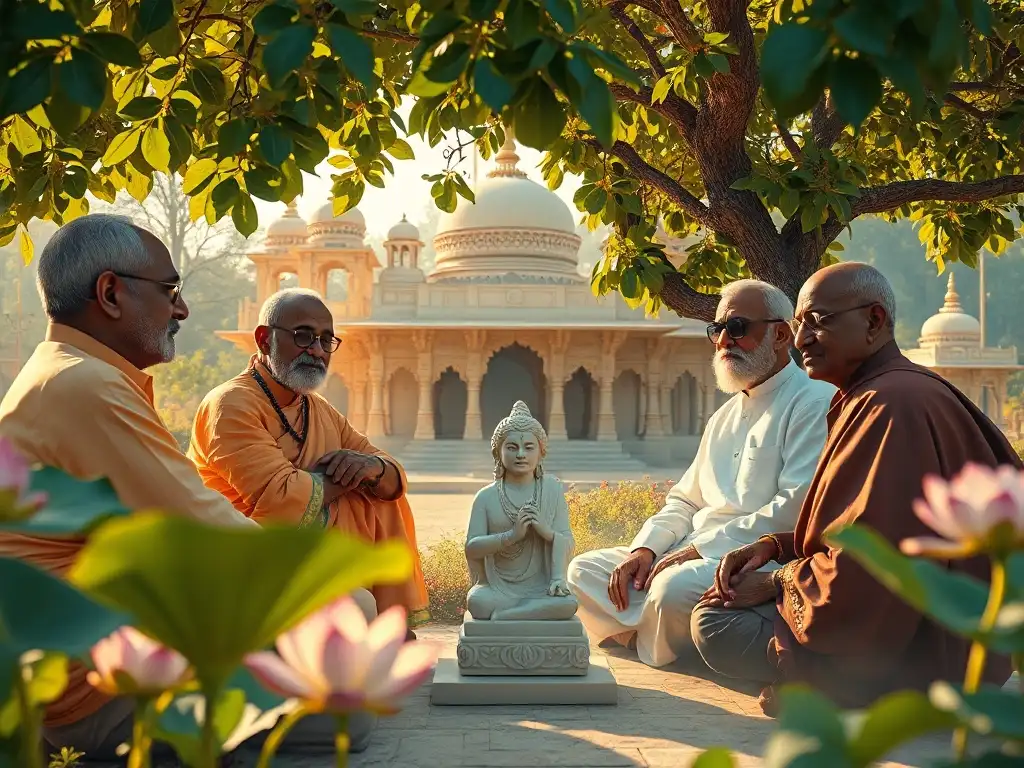
Introduction to Jainism and Its Role in Indian Politics
Jainism, one of the oldest religions in India, has played a significant role in shaping the moral and ethical framework of Indian society. Emerging around the 6th century BCE, Jain philosophy emphasizes non-violence (ahimsa), truth (satya), and asceticism, which have had profound implications not only for individual followers but also for the political landscape of ancient India.
This article explores the rich interplay between Jainism and Indian political leaders, examining how Jain principles have influenced historical figures and their governance. By understanding the contributions of Jainism to political thought and practice, we can gain insights into the broader socio-political tapestry of ancient Indian civilizations.
Overview of Jainism as a Religion and Philosophy
Jainism is characterized by its non-theistic approach, focusing on the individual's journey toward spiritual liberation (moksha). Central to Jain philosophy are the Three Jewels—right faith (samyak darshana), right knowledge (samyak jnana), and right conduct (samyak charitra)—which guide adherents in their pursuit of ethical living. The religion teaches that all living beings possess an eternal soul (jiva) and that the path to liberation involves minimizing harm to all forms of life.
The core tenets of Jainism have transcended religious boundaries, influencing various aspects of Indian culture, including art, literature, and most notably, politics. Jain leaders often advocated for policies rooted in peace and non-violence, fostering a culture of dialogue and diplomacy among rival states.
Significance of Jain Beliefs in Historical Context
In the historical context of India, Jainism has provided a unique moral compass for political leaders. The commitment to ahimsa has often translated into conflict resolution strategies and governance models that prioritize dialogue over warfare. Notably, during times of societal turbulence, Jain leaders emerged as mediators, promoting peace and stability.
Moreover, the wealth generated by Jain merchants allowed them to influence political decisions, funding initiatives that aligned with their ethical beliefs. This symbiotic relationship between Jainism and politics contributed to a distinctive political ethos that valued compassion, integrity, and communal harmony.
Historical Figures of Jainism and Their Political Influence
Jainism's influence on Indian political leaders can be traced through various historical figures who embodied Jain principles in their governance and leadership styles. This section delves into notable leaders across different periods of Indian history, highlighting their Jain connections and the impact of their beliefs on political affairs.
Early Political Leaders Influenced by Jainism
In ancient India, several rulers were guided by Jain principles, which shaped their policies and governance. For instance, Emperor Chandragupta Maurya, the founder of the Maurya Empire, is said to have adopted Jainism later in his life. Under the tutelage of the Jain monk Bhadrabahu, Chandragupta renounced his throne and lived as an ascetic, setting an example of moral leadership that inspired future generations.
Additionally, the Nandas, an earlier dynasty, are believed to have had Jain influences in their administration. Their policies reflected a commitment to trade and commerce, which aligned with Jain values of economic benevolence and prosperity.
Medieval Political Leaders and Jain Influence
During the medieval period, Jainism continued to exert its influence on political leaders. Rulers such as Raja Man Singh of Amber embraced Jain principles, promoting religious tolerance and supporting Jain institutions. His patronage facilitated the creation of magnificent Jain temple complexes, which served as symbols of political power and spiritual devotion.
Moreover, the Mughal Emperor Akbar is often remembered for his policy of Sulh-i-Kul (peace to all), which aligns closely with Jain ideals of non-violence and respect for diverse beliefs. His interactions with Jain scholars and leaders reflect a willingness to incorporate Jain ethical perspectives into governance, promoting a culture of inclusivity and dialogue.
Through these examples, we see how Jainism has not only influenced individual leaders but has also contributed to broader political ideologies that prioritize ethical governance and social harmony.
Key Jain Principles Impacting Indian Political Leaders
Jainism has played a significant role in shaping the ethical framework and decision-making processes of various Indian political leaders throughout history. The core principles of Jainism—Ahimsa (non-violence), Anekantavada (many-sidedness), and Aparigraha (non-possessiveness)—have influenced leaders not only in their personal lives but also in their political ideologies and governance styles. These principles encourage a commitment to ethical conduct, inclusivity, and the welfare of all beings, which resonate with many political philosophies in India. Understanding these principles sheds light on how Jainism has shaped the moral compass of some of India’s most influential figures.
Ahimsa (Non-Violence) and Its Political Implications
Ahimsa, or non-violence, is perhaps the most celebrated principle of Jainism, advocating for a life free from harm to any living being. This principle has profound implications for political leadership, particularly in contexts of conflict and governance. Leaders who embrace Ahimsa often prioritize peaceful resolutions and diplomacy over aggression and militarism.
Historically, this principle influenced leaders like Mahatma Gandhi, who adopted non-violent resistance as a strategy against British colonial rule. Gandhi’s philosophy of Ahimsa not only mobilized millions in the freedom struggle but also set a precedent for civil rights movements worldwide. Political leaders inspired by Jain teachings tend to promote policies that protect human rights, advocate for social justice, and support environmental sustainability, reflecting a holistic approach to governance that values life in all its forms.
Anekantavada (Many-Sidedness) and Political Discourse
Anekantavada, the doctrine of many-sidedness, posits that truth and reality are complex and multifaceted. This principle encourages open-mindedness and tolerance, fostering a political environment where diverse viewpoints can coexist. Political leaders influenced by Anekantavada are more likely to engage in constructive dialogue and seek consensus among differing factions.
In practice, this principle can be seen in leaders who advocate for inclusive governance, recognizing the legitimacy of multiple perspectives in policymaking. Such leaders often promote coalition-building and collaborative approaches to address societal issues. By embracing Anekantavada, political figures can navigate the complexities of modern democracy, allowing for a richer, more nuanced discourse that respects diverse opinions and fosters unity.
Aparigraha (Non-Possessiveness) in Leadership Ethics
Aparigraha, or non-possessiveness, emphasizes the importance of self-restraint and detachment from material possessions. In the context of political leadership, this principle encourages leaders to prioritize public service over personal gain. Leaders embodying Aparigraha are likely to demonstrate integrity, transparency, and accountability in their governance.
This ethical approach can lead to policies aimed at reducing corruption and promoting social equity. By rejecting the pursuit of wealth and power for personal benefit, leaders can focus on the welfare of their constituents. The practice of Aparigraha can also inspire initiatives that encourage sustainable development and equitable resource distribution, aligning political action with the broader values of Jainism.
Case Studies of Prominent Indian Political Leaders and Jainism
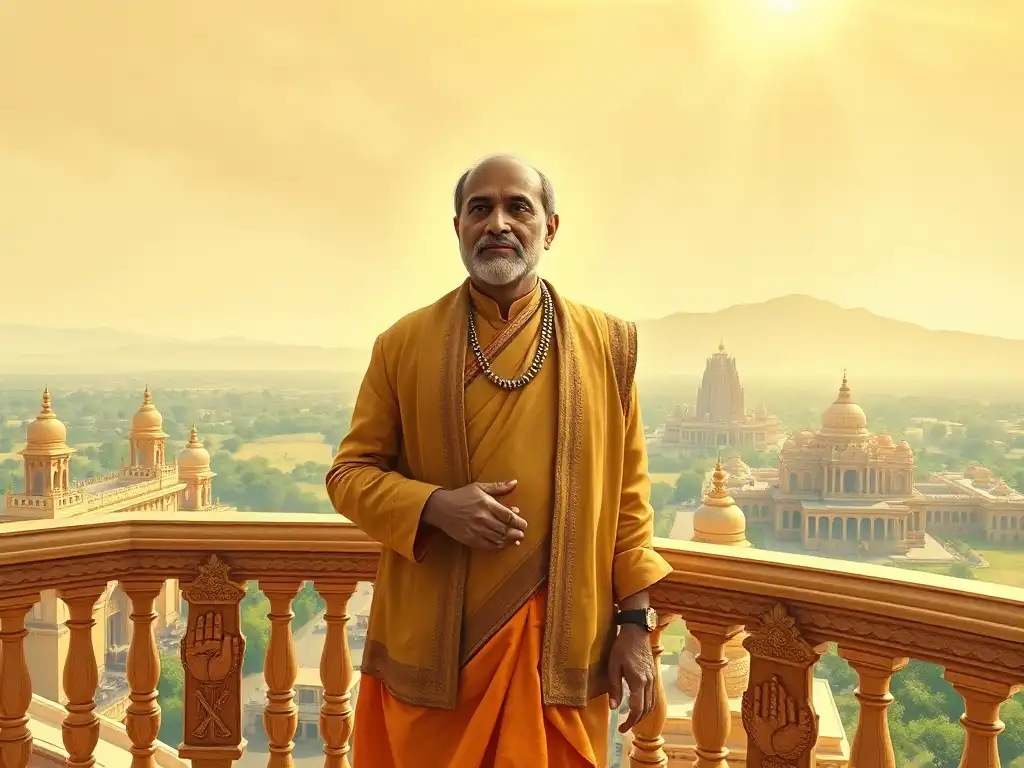
Jainism's influence on Indian political leaders can be observed through various historical and contemporary figures who have integrated Jain principles into their leadership styles and decision-making processes. These case studies exemplify how Jain beliefs have shaped their political ideologies and actions.
Mahatma Gandhi: Jain Influence on Political Decisions
Mahatma Gandhi, one of the most revered leaders in Indian history, was profoundly influenced by Jain principles, particularly Ahimsa. His commitment to non-violence was not only a personal ethic but also a cornerstone of his political strategy in the struggle for India's independence. Gandhi's approach to social and political reform was deeply rooted in the Jain belief that harming others, whether physically or emotionally, undermines the fabric of society.
Gandhi’s advocacy for peaceful resistance and civil disobedience inspired millions to join the freedom movement. His policies, such as the promotion of communal harmony and the empowerment of marginalized communities, reflected Jain values. By emphasizing compassion and understanding, Gandhi sought to create a society that honored the dignity of every individual, making his leadership a testament to the enduring impact of Jainism on Indian politics.
Narendra Modi: Advocacy for Jain Values in Governance
Current Prime Minister Narendra Modi has also acknowledged the influence of Jain principles in his governance approach. His administration has emphasized values such as cleanliness, sustainability, and non-violence, resonating with the Jain ethos. For instance, Modi's campaigns, such as Swachh Bharat Abhiyan (Clean India Campaign), reflect the Jain commitment to environmental stewardship and the importance of living in harmony with nature.
Moreover, Modi’s interactions with the Jain community and his acknowledgment of Jain teachings during public speeches demonstrate an effort to incorporate these values into national policy. By advocating for Jain principles, Modi aims to promote a governance model that balances development with ethical considerations, illustrating how ancient philosophies continue to inform contemporary political leadership in India.
The Legacy of Jainism in Contemporary Indian Politics
Jainism, with its profound ethical teachings and emphasis on non-violence (ahimsa), truth (satya), and asceticism, has left a significant imprint on Indian politics, transcending its historical roots. The legacy of Jainism is evident in the moral frameworks adopted by various political leaders who have drawn inspiration from Jain teachings. This influence can be seen in the principles of governance that prioritize peace, tolerance, and sustainable development. The philosophical underpinnings of Jainism encourage a holistic approach to leadership, urging leaders to prioritize the welfare of all beings and the environment.
Moreover, the historical contributions of Jains to Indian society, particularly in trade, education, and social reforms, have reinforced their standing in contemporary politics. Political leaders who embrace Jain values often advocate for policies that reflect ethical governance and social justice. As a result, Jainism's legacy continues to shape the political landscape of India, fostering a culture of integrity and accountability among leaders.
Current Political Leaders Embodying Jain Principles
Several contemporary Indian political leaders embody the principles of Jainism, advocating for policies that align with Jain values. For instance, leaders from the Jain community often emphasize the importance of non-violence and peace in their political discourse. Figures such as Siddaramaiah, the former Chief Minister of Karnataka, have been known to support initiatives that promote communal harmony and respect for all religions, mirroring Jain ideals.
Additionally, Kumaraswamy, another prominent leader, has often highlighted the significance of sustainable development, a principle deeply rooted in Jain philosophy. His policies encourage environmental conservation and the protection of natural resources, reflecting the Jain commitment to safeguarding life in all its forms.
These leaders not only advocate for Jain principles but also inspire a broader audience to consider the ethical implications of political decisions, thereby fostering a more compassionate political environment.
The Role of Jain Organizations in Political Advocacy
Jain organizations play a crucial role in advocating for political issues that resonate with Jain values. Groups such as the Jain Samaj and the Jain Federation actively engage in lobbying efforts to promote legislation that aligns with the principles of ahimsa and social justice. These organizations often host awareness campaigns, educational programs, and community outreach initiatives to inform the public and political leaders about Jain beliefs and their relevance to contemporary issues.
Moreover, Jain organizations have been instrumental in mobilizing voters, particularly during elections, to ensure that candidates who uphold Jain values are supported. Their advocacy extends to various social issues, including environmental protection, animal rights, and communal harmony, all of which are fundamental aspects of Jain philosophy. By influencing political discourse and policy-making, these organizations reinforce the significance of Jainism in shaping India's political landscape.
Conclusion: The Lasting Impact of Jainism on Indian Political Leaders
The impact of Jainism on Indian political leaders is both profound and enduring. The ethical principles derived from Jain teachings have shaped the values and actions of numerous leaders throughout history, fostering a culture of peace and social responsibility. As a philosophical framework, Jainism continues to inspire leaders to pursue governance that prioritizes the welfare of all beings.
Summary of Jainism's Influence Throughout History
Throughout history, Jainism has played a pivotal role in shaping the ethical and moral standards upheld by Indian political leaders. From ancient rulers who embraced Jain principles to modern leaders who advocate for peace and sustainability, the influence of Jainism is evident in the political fabric of India. This historical continuity underscores the relevance of Jain values in addressing contemporary societal challenges, reinforcing the notion that ethical governance is attainable when rooted in spiritual principles.
Future Implications for Jainism and Indian Political Leadership
Looking ahead, the implications of Jainism for Indian political leadership remain significant. As the global landscape increasingly values ethical governance and sustainability, the principles of Jainism may gain further traction among political leaders. The growing awareness of environmental issues and social justice aligns closely with Jain teachings, suggesting that future leaders may draw inspiration from Jain philosophy to address the pressing challenges of modern society.
The enduring influence of Jainism on Indian political leaders not only shapes their personal beliefs and practices but also has the potential to inspire a new generation of leaders committed to ethical governance and the welfare of all.
- Introduction to Jainism and Its Role in Indian Politics
- Historical Figures of Jainism and Their Political Influence
- Key Jain Principles Impacting Indian Political Leaders
- Case Studies of Prominent Indian Political Leaders and Jainism
- The Legacy of Jainism in Contemporary Indian Politics
- Conclusion: The Lasting Impact of Jainism on Indian Political Leaders
- What is Jainism and how does it influence Indian political leaders?
- Who are some notable Indian political leaders influenced by Jainism?
- How did Jainism shape the governance style of Indian leaders?
- What are the core beliefs of Jainism that resonate with political leadership?
- How has Jainism contributed to India's cultural and political landscape?
Frequently Asked Questions
What is Jainism and how does it influence Indian political leaders?
Jainism is an ancient Indian religion emphasizing non-violence and truth. Its principles have significantly influenced many Indian political leaders, promoting ethical governance and tolerance.
Who are some notable Indian political leaders influenced by Jainism?
Prominent leaders like Mahatma Gandhi and Jawaharlal Nehru were influenced by Jain values. Their commitment to ahimsa (non-violence) and truth reflects the teachings of Jainism.
How did Jainism shape the governance style of Indian leaders?
The teachings of Jainism encouraged leaders to adopt a moral compass in politics, emphasizing peaceful resolution of conflicts and ethical decision-making, which shaped their governance style.
What are the core beliefs of Jainism that resonate with political leadership?
Core beliefs include ahimsa, aparigraha (non-possessiveness), and satyagraha (truth force), which promote a just and compassionate approach to leadership, influencing political ideologies.
How has Jainism contributed to India's cultural and political landscape?
Jainism has contributed to India's cultural fabric by promoting tolerance and diversity. Its influence on political leaders has fostered a culture of peaceful coexistence and social harmony in the country.
Final Reflection: The Enduring Legacy of Jainism in Indian Political Leadership
The exploration of Jainism's profound influence on Indian political leaders reveals a rich tapestry of ethical governance and moral integrity that continues to resonate in contemporary politics. As we navigate an increasingly complex political landscape, the values espoused by Jain leaders—such as non-violence, truthfulness, and compassion—serve as a guiding light for current and future leaders. The historical figures discussed in this article exemplify how these principles can shape effective leadership, reminding us that the essence of governance lies not just in power, but in the ethical choices we make.
The impact of Jainism on the cultural and social fabric of India is undeniable, as it has fostered a sense of responsibility and ethical conduct among leaders throughout history. This influence is not merely historical; it is a living legacy that continues to inspire political discourse and action today. As Mahatma Gandhi famously stated, “The best way to find yourself is to lose yourself in the service of others.” This sentiment echoes the Jain philosophy of selflessness and service, reminding us that true leadership is rooted in the welfare of the community and the nation.
As we reflect on the teachings of Jainism and their implications for leadership, I invite you to consider how these values can be integrated into your own life and actions. How can you embody the principles of non-violence, truth, and compassion in your daily interactions? Whether in your personal relationships, community involvement, or professional endeavors, let the wisdom of Jain leaders inspire you to lead with integrity and purpose. Together, we can cultivate a political and social environment that honors these timeless ideals, paving the way for a brighter and more ethical future.
Embrace Jain Wisdom and Empower Your Journey!
Thank you for exploring the fascinating intersection of Jain beliefs and Indian political leaders with us! You’ve uncovered the rich tapestry of history and the profound impact of these philosophies on leadership. Now, it’s your turn to take inspiration from these teachings and apply them to your life.
Here are some actionable steps you can take today:
- Reflect on the Principles: Spend a few minutes each day contemplating how the Jain values of non-violence and truth can inspire your decision-making and interactions.
- Engage with the Community: Join or initiate discussions in local groups or online platforms that focus on Jain philosophy and its relevance in modern leadership.
- Share Your Insights: Write a blog post or social media update about what you've learned, encouraging others to consider how ancient wisdom can inform contemporary choices.
Which aspect of Jain philosophy resonates most with you, and how do you envision it shaping the leaders of tomorrow?