
The Architectural Marvels of Delhi: A Luxury Tour of Historical Significance

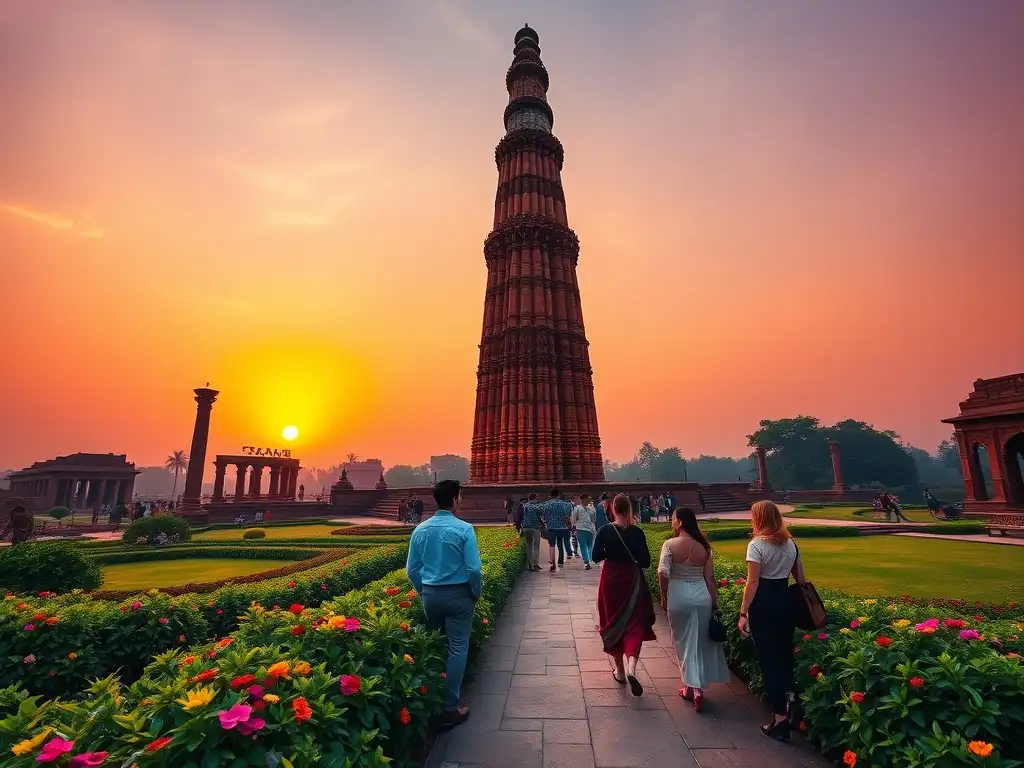
Welcome to Ancient India History, where we invite you to embark on an enlightening journey through the rich tapestry of India's past. In our featured article, "The Architectural Marvels of Delhi: A Luxury Tour of Historical Significance," we delve into the extraordinary architectural wonders that stand as testaments to the ingenuity and artistry of ancient Indian civilizations. From the majestic structures of the Indus Valley to the grand edifices of the Gupta Empire, discover how these timeless creations not only reflect a bygone era but also continue to inspire awe today.
Curious about the stories that shaped these magnificent sites? Let’s unlock the secrets of Delhi’s historical gems together!
- Introduction to Ancient Indian Architectural Wonders
-
Exploring Delhi's Iconic Architectural Wonders
- The Red Fort: A Symbol of Mughal Grandeur
- Humayun's Tomb: The Precursor to the Taj Mahal
- Qutub Minar: The Tallest Brick Minaret in the World
- Unique Architectural Aspects of Qutub Minar
- Historical Background and UNESCO Recognition
- India Gate: A Tribute to National Heroes
- Design and Architectural Features
- The Cultural and Historical Relevance of India Gate
- Luxury Tours and Experiences in Delhi
- Culinary Experiences Alongside Architectural Tours
- Shopping for Cultural Artifacts and Souvenirs
- Conclusion: Embracing the Rich Heritage of Ancient Indian Architectural Wonders
-
Frequently Asked Questions
- What are the main architectural wonders of Delhi?
- How did ancient Indian architecture influence modern designs?
- What is the significance of the Red Fort in Indian history?
- What role did the Gupta Empire play in architectural advancements?
- Are there guided tours available for exploring these architectural sites in Delhi?
- Final Reflection: Embracing the Legacy of Ancient Indian Architectural Wonders
- Unveil the Wonders of Delhi’s History!
Introduction to Ancient Indian Architectural Wonders
The architectural wonders of ancient India stand as a testament to the ingenuity, craftsmanship, and spiritual depth of its civilizations. From the intricate designs of the Indus Valley to the grandeur of the Gupta Empire, these structures not only showcase aesthetic brilliance but also reflect the socio-cultural dynamics of their time. In particular, Delhi, with its rich tapestry of historical monuments, encapsulates the essence of ancient Indian architectural marvels.
This article invites you on a luxury tour through Delhi's historical landscape, exploring significant sites that exemplify the profound contributions of ancient Indian architects and builders. As we delve into the significance of these architectural feats, we will uncover the stories they tell and their relevance in today's context.
The Significance of Ancient Indian Architecture
Ancient Indian architecture is characterized by its diversity and complexity, shaped by various influences over millennia. The significance of this architectural heritage lies in several key aspects:
- Cultural Identity: Ancient structures represent the cultural identity of different Indian civilizations. From the temples of South India to the forts of Rajasthan, each monument tells a story of the people who built them, their beliefs, and their way of life.
- Technological Innovation: The ingenuity of ancient Indian architects is evident in the use of advanced techniques and materials. For instance, the precision of stone-cutting and the use of mathematical principles in construction illustrate a deep understanding of engineering.
- Spiritual Significance: Many ancient structures, particularly temples and stupas, were built as places of worship and reflection. They not only served religious purposes but also functioned as community centers that fostered social cohesion.
- Tourism and Education: Today, these architectural wonders attract millions of visitors, serving as important sites for education and awareness of India's rich historical legacy. They provide insight into ancient practices and philosophies, making them vital for cultural tourism.
As we explore the architectural marvels of Delhi, we will see how these elements converge, creating a unique experience that celebrates the grandeur of ancient Indian architecture.
Overview of Delhi's Historical Landscape
Delhi, the capital of India, is a city that seamlessly blends the ancient and the modern. Its historical landscape is dotted with an array of architectural wonders that span centuries, each contributing to the narrative of the city. Here are some key highlights:
- Red Fort: A UNESCO World Heritage Site, this imposing fortification built by Mughal Emperor Shah Jahan in the 17th century showcases the exquisite craftsmanship of Mughal architecture, characterized by red sandstone and intricate inlay work.
- Qutub Minar: Standing tall at 73 meters, this minaret is the tallest brick minaret in the world. It reflects the architectural brilliance of the Indo-Islamic style and is surrounded by beautiful ruins that narrate the history of the Delhi Sultanate.
- Humayun's Tomb: Another UNESCO World Heritage Site, this tomb is an early example of Mughal architecture, influencing the design of the Taj Mahal. The lush gardens and symmetrical layout symbolize the Persian influence on Indian architecture.
- Lotus Temple: A modern architectural marvel, this Bahá'í House of Worship is designed in the shape of a lotus flower. It represents the harmonious blend of ancient spiritual philosophies with contemporary design principles.
Each of these sites, along with many others, forms a part of Delhi's rich historical landscape, inviting travelers to immerse themselves in the grandeur and significance of ancient Indian architectural wonders. As we embark on this luxury tour, we will uncover the stories behind these magnificent structures and appreciate their enduring legacy.
Exploring Delhi's Iconic Architectural Wonders
The Red Fort: A Symbol of Mughal Grandeur
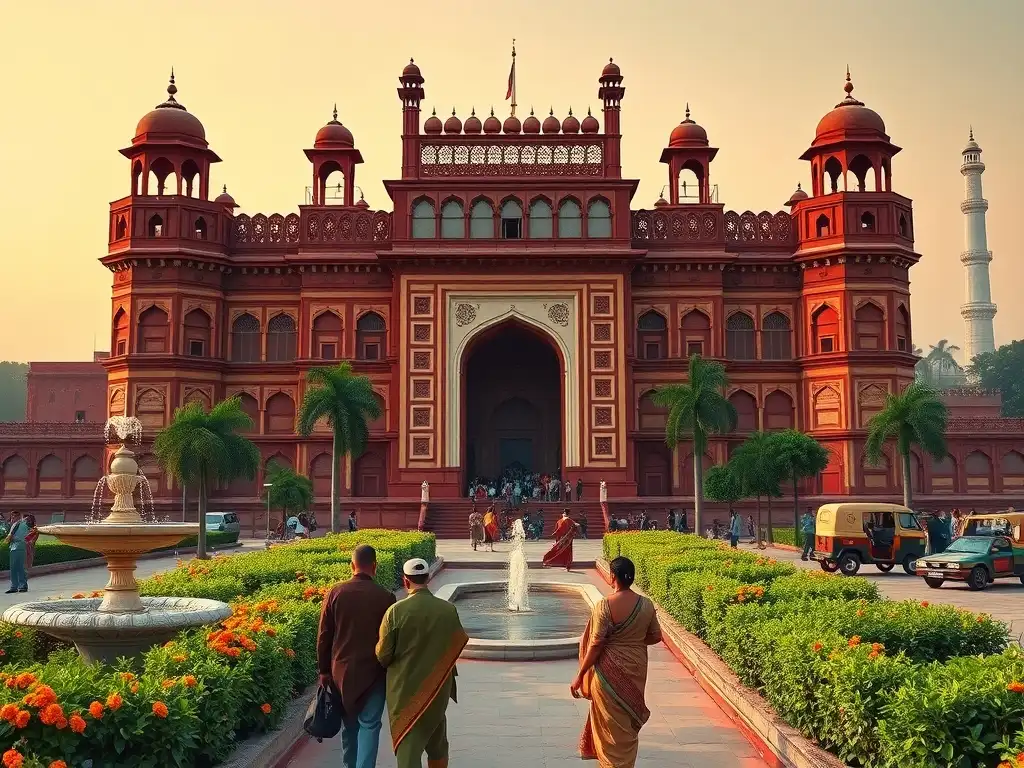
The Red Fort, known as Lal Qila in Hindi, stands as a testament to the architectural prowess of the Mughal Empire. Built between 1638 and 1648 under the reign of Shah Jahan, this UNESCO World Heritage Site is an iconic symbol of India's rich historical legacy. Its massive walls, made of red sandstone, encompass a complex of stunning structures that reflect the zenith of Mughal architecture.
Features of the Red Fort
- Red Sandstone Walls: The fort's imposing walls stretch over 2 kilometers in circumference and rise to a height of about 33 meters, making it a formidable fortress.
- Intricate Inlay Work: The interiors boast exquisite inlay work with precious stones, showcasing the artistic brilliance of Mughal artisans.
- Mughal Gardens: The fort features beautiful gardens that are reminiscent of Persian landscapes, designed to create a paradise on earth.
- Key Structures: Notable buildings within the fort include the Diwan-i-Am (Hall of Public Audience) and the Diwan-i-Khas (Hall of Private Audience), each adorned with stunning decorative elements.
Historical Context and Cultural Importance
The Red Fort served as the main residence of the Mughal emperors for nearly 200 years, until the British colonial period. It played a crucial role in India's struggle for independence, symbolizing both Mughal power and later, the fight against colonial rule. The fort's significance is further highlighted during India's annual Independence Day celebrations, where the Prime Minister hoists the national flag from its ramparts.
Moreover, the fort is an embodiment of the cultural syncretism that characterized the Mughal era, blending Islamic, Persian, and Indian architectural styles. This fusion not only reflects the grandeur of the Mughal dynasty but also serves as a focal point for understanding the evolution of architectural practices in ancient India.
Humayun's Tomb: The Precursor to the Taj Mahal
Humayun's Tomb is another remarkable example of ancient Indian architectural wonders, often hailed as the precursor to the Taj Mahal. Commissioned in 1569 by Humayun's widow, Bega Begum, this tomb is notable for its innovative architectural style and serene gardens, embodying the essence of Mughal architecture.
Architectural Features and Design Elements
- Charbagh Layout: The tomb is set in a Charbagh, or four-part garden, which is a traditional Persian design that symbolizes paradise.
- Dome and Arches: The grand dome, standing at 47 meters, is surrounded by a series of arches and smaller domes, creating a harmonious composition.
- Use of Red Sandstone and Marble: The combination of red sandstone and white marble inlay work exemplifies the artistic finesse of Mughal craftsmen.
- Water Features: The presence of water channels and fountains enhances the aesthetic appeal and reflects the importance of water in Mughal gardens.
Significance in Mughal Architecture
Humayun's Tomb is not just a mausoleum; it is a significant milestone in the evolution of Mughal architecture. It introduced several design elements that would later be replicated in the construction of the Taj Mahal, such as the use of a central dome and the concept of a garden tomb.
The tomb is also a UNESCO World Heritage Site and is considered a precursor to later Mughal architecture, influencing the design of subsequent tombs and monuments across India. Its historical and architectural significance continues to attract historians, architects, and tourists alike, making it an essential stop on any luxury heritage tour of Delhi.
Qutub Minar: The Tallest Brick Minaret in the World
The Qutub Minar, standing majestically at 73 meters, is not only the tallest brick minaret in the world but also a remarkable example of Indo-Islamic architecture. Located in the Qutub complex in Delhi, this UNESCO World Heritage Site attracts millions of visitors each year, drawn by its intricate details and historical significance. Constructed during the reign of Qutb al-Din Aibak in the 12th century, the minaret showcases a blend of Islamic and Indian architectural styles, making it a vital symbol of the cultural intermingling that characterized ancient India.
Unique Architectural Aspects of Qutub Minar
The Qutub Minar is renowned for its stunning craftsmanship and architectural ingenuity. The minaret features:
- Five Distinct Stories: Each level is marked by a balcony and intricately carved stonework, with the first three stories made of red sandstone and the last two of marble and sandstone.
- Ornate Calligraphy and Inscriptions: The surface of the minaret is adorned with verses from the Quran, beautifully inscribed in Arabic, which enhances its spiritual significance.
- Elaborate Quarters: The minaret contains a spiral staircase of 379 steps that leads to the top, offering breathtaking views of the city, albeit currently restricted for safety reasons.
These architectural elements not only demonstrate the advanced engineering techniques of the time but also reflect the aesthetic values and spiritual beliefs of the era.
Historical Background and UNESCO Recognition
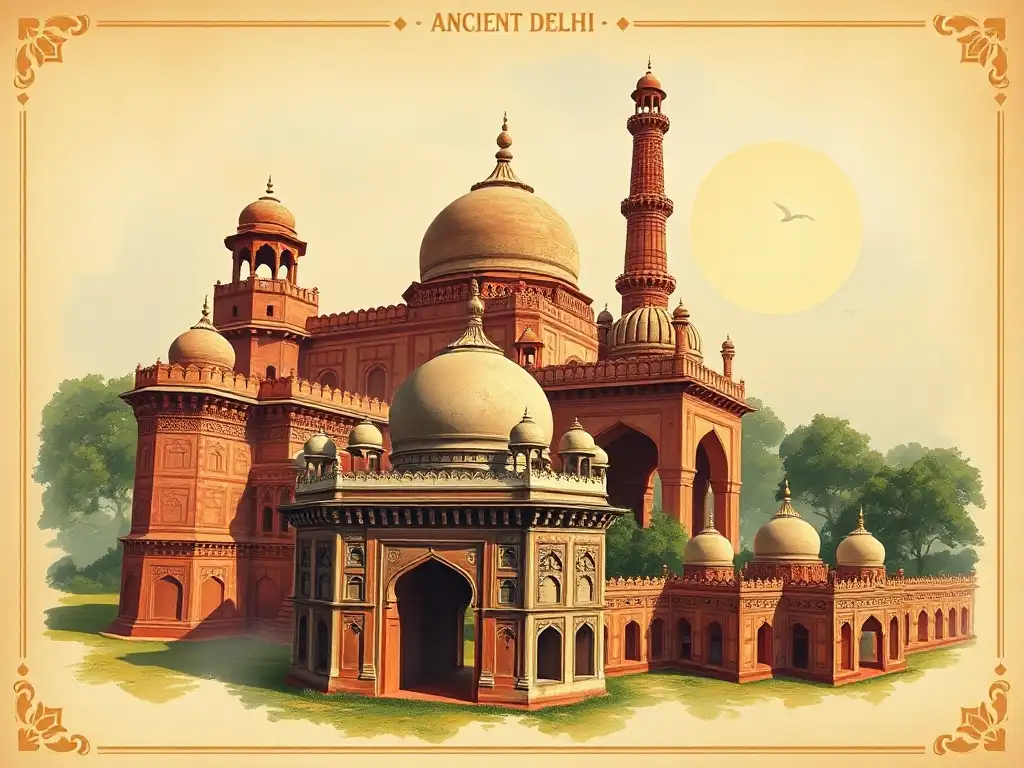
Dating back to 1193, the Qutub Minar was commissioned by Qutb al-Din Aibak to commemorate his victory over the last Hindu kingdom in Delhi. Over the years, it underwent several renovations, especially after suffering damage from lightning and earthquakes. In 1993, the Qutub Minar and its surrounding monuments were designated as a UNESCO World Heritage Site, recognizing its cultural and historical importance. This designation has helped in the preservation of its architectural splendor and has solidified its status as a must-visit site for tourists and history enthusiasts alike.
India Gate: A Tribute to National Heroes
India Gate, an iconic monument located in the heart of New Delhi, serves as a poignant tribute to the soldiers who sacrificed their lives during World War I and the Anglo-Afghan War. Standing at 42 meters tall, this archway is a significant part of India's national heritage. Designed by Sir Edwin Lutyens, India Gate is not only a memorial but also a gathering place for the citizens of Delhi, embodying the spirit of patriotism and remembrance.
Design and Architectural Features
India Gate's design is inspired by the Arc de Triomphe in Paris, featuring:
- The Arch Structure: The vast archway is made of red and yellow sandstone, with inscriptions honoring the soldiers engraved on its surface.
- Flame of the Unknown Soldier: Beneath the arch lies the Amar Jawan Jyoti, a flame that burns continuously in honor of the unknown soldiers who lost their lives in service to the nation.
- Surrounding Gardens: The monument is set in lush green gardens, providing a tranquil space for visitors to reflect on the sacrifices made by the nation's heroes.
These architectural features not only enhance the aesthetic appeal of India Gate but also serve as a reminder of the valor and sacrifices that shaped the nation.
The Cultural and Historical Relevance of India Gate
India Gate holds immense cultural and historical significance in India. It is often the site of national celebrations and commemorations, especially on Republic Day when a grand parade takes place. The monument has become a symbol of national pride and unity, drawing visitors from across the country and around the world. Furthermore, it reflects the colonial history of India, as its construction coincided with the British Raj, making it a focal point for discussions about colonialism and independence.
Both Qutub Minar and India Gate exemplify the rich architectural heritage of ancient India, representing the confluence of history, culture, and artistry that defines the subcontinent’s architectural wonders.
Luxury Tours and Experiences in Delhi
Best Luxury Tour Packages for Exploring Delhi’s Architectural Wonders
Delhi, a city steeped in history, presents an exquisite blend of ancient architectural splendor and modern luxury. Luxury tours in Delhi offer an immersive experience into the city's rich heritage, showcasing ancient Indian architectural wonders that reflect the genius of bygone eras.
Recommended Tour Providers
- Heritage India Tours
- Specializes in bespoke luxury tours that focus on architectural sites.
- Offers guided visits to Humayun's Tomb, Qutub Minar, and Red Fort.
- Customizable itineraries that cater to specific interests.
- Luxury Travel India
- Focuses on exclusive experiences, including private viewings of historical sites.
- Provides luxury vehicle transfers and gourmet dining options.
- Includes cultural performances and interactions with local artisans.
- Delhi Heritage Walks
- Organizes themed tours that delve deeply into architectural history.
- Offers expert-led walks in areas like Old Delhi, revealing hidden gems.
- Combines history with local cuisine experiences.
What to Expect from Luxury Tours
Luxury tours in Delhi are characterized by personalized service and exclusive access to various historical sites. Visitors can expect:
- Private Transportation: Comfortable, high-end vehicles for city exploration.
- Expert Guides: Knowledgeable historians and archaeologists providing in-depth insights into the architectural significance and historical context of each site.
- Culinary Delights: Gourmet meals at renowned restaurants or curated dining experiences featuring traditional Indian cuisine.
- Cultural Immersion: Opportunities to engage with local artisans and experience traditional crafts.
- VIP Access: Skip-the-line privileges and private tours of popular landmarks.
Private Guided Tours of Ancient Indian Architectural Sites
Private guided tours enhance the experience of exploring Delhi's architectural heritage, allowing for a more intimate understanding of ancient Indian architectural wonders.
Benefits of a Private Guide
- Tailored Experience: Private guides can customize the itinerary based on personal interests, ensuring a focused exploration of specific sites like the Lotus Temple or Jama Masjid.
- In-Depth Knowledge: Guides provide detailed narratives, sharing lesser-known stories and historical facts that enrich the visit.
- Flexibility: The schedule can be adjusted on-the-fly, allowing for spontaneous stops at lesser-known architectural sites or cultural experiences.
- Comfort and Convenience: A private guide ensures a seamless experience, managing logistics and providing personal attention throughout the tour.
Sample Itineraries for a Luxurious Experience
- Day 1: Classical Architecture Exploration
- Morning: Visit to Humayun's Tomb for a guided tour.
- Afternoon: Lunch at a luxury restaurant followed by exploration of Lotus Temple.
- Evening: Attend a cultural performance at a local theatre.
- Day 2: Mughal Era Marvels
- Morning: Private tour of the Red Fort with an expert historian.
- Afternoon: Visit to Jama Masjid and a walking tour of Old Delhi.
- Evening: Dinner at a five-star hotel featuring traditional Mughlai cuisine.
- Day 3: Modern Influences and Historical Sites
- Morning: Tour of Qutub Minar and surrounding archaeological complex.
- Afternoon: Visit to the National Museum for insights into ancient Indian art.
- Evening: Relaxation at a luxury spa followed by a sunset cocktail at a rooftop bar overlooking the city.
These luxurious tour options not only highlight the ancient Indian architectural wonders but also ensure that visitors enjoy a level of comfort and sophistication that enhances their overall experience in the historical city of Delhi.
Culinary Experiences Alongside Architectural Tours

Exploring ancient Indian architectural wonders in Delhi is not just a visual feast; it also offers a rich tapestry of culinary experiences. The city, steeped in history, presents a vibrant food scene that complements its stunning heritage sites. From traditional dishes to gourmet dining, visitors can indulge their palates while immersing themselves in the historical context of the structures they explore.
Fine Dining Options Near Delhi's Architectural Sites
Delhi boasts a plethora of fine dining establishments that provide a luxurious culinary experience, often situated in close proximity to significant architectural landmarks. Here are some notable options:
| Restaurant Name | Cuisine Type | Location | Architectural Landmark Nearby |
|---|---|---|---|
| Indian Accent | Modern Indian | Lodhi Road | Lodhi Garden |
| Bukhara | Indian Mughlai | ITC Maurya, Chanakyapuri | Rashtrapati Bhavan |
| Dum Pukht | Awadhi | ITC Maurya, Chanakyapuri | India Gate |
| SodaBottleOpenerWala | Parsi and Indian | DLF Promenade, Vasant Kunj | Qutub Minar |
| The Imperial | Continental & Indian | Janpath, Connaught Place | Jantar Mantar |
Recommendations
- Indian Accent: Renowned for its inventive take on traditional Indian dishes, this restaurant offers a fine dining experience that reflects the essence of India's culinary heritage. Its proximity to Lodhi Garden makes it an ideal stop after visiting the historical site.
- Bukhara: A legendary establishment known for its authentic Mughlai cuisine. The rustic ambiance and traditional cooking methods resonate with the historical grandeur of nearby Rashtrapati Bhavan, making it a must-visit for history and food enthusiasts alike.
- Dum Pukht: This restaurant specializes in heritage Awadhi cuisine, served in an elegant setting that mirrors the opulence of the Mughal era. Its location near India Gate allows diners to enjoy a luxurious meal after exploring this iconic monument.
- SodaBottleOpenerWala: A quirky eatery that celebrates Parsi cuisine, it offers a delightful fusion of flavors. Located near Qutub Minar, it provides a casual yet charming dining experience amidst historical exploration.
- The Imperial: With its colonial architecture, dining at The Imperial not only provides delectable dishes but also an ambiance steeped in history. Its closeness to Jantar Mantar allows guests to enjoy a sophisticated meal after a day of sightseeing.
The Fusion of Food and History
The synergy between food and history is a hallmark of Delhi's culinary landscape. Many restaurants not only focus on the quality of their cuisine but also embrace the stories and traditions that accompany each dish.
- Culinary Heritage: Each meal can act as a portal to a bygone era, with recipes passed down through generations that reflect the cultural influences of ancient Indian civilizations. For example, dishes like biryani and kebabs have their roots in the Mughal period, enabling diners to taste history.
- Cultural Experiences: Some restaurants offer themed dining experiences that incorporate elements of local history and architecture, such as live music, traditional performances, or decor that echoes ancient styles. This immersive approach enhances the experience, allowing visitors to engage with both the culinary and architectural wonders of Delhi.
- Food Tours: Combining architectural tours with food exploration has become increasingly popular. Guided tours often include stops at historical sites followed by tastings of local delicacies, providing a holistic view of Delhi's rich heritage.
The culinary experiences available alongside Delhi's ancient architectural wonders create an enriching journey for travelers. By indulging in the flavors of the region, visitors can deepen their appreciation for the historical significance of the landmarks they explore, making their trip a truly unforgettable experience. 🍽️
Shopping for Cultural Artifacts and Souvenirs
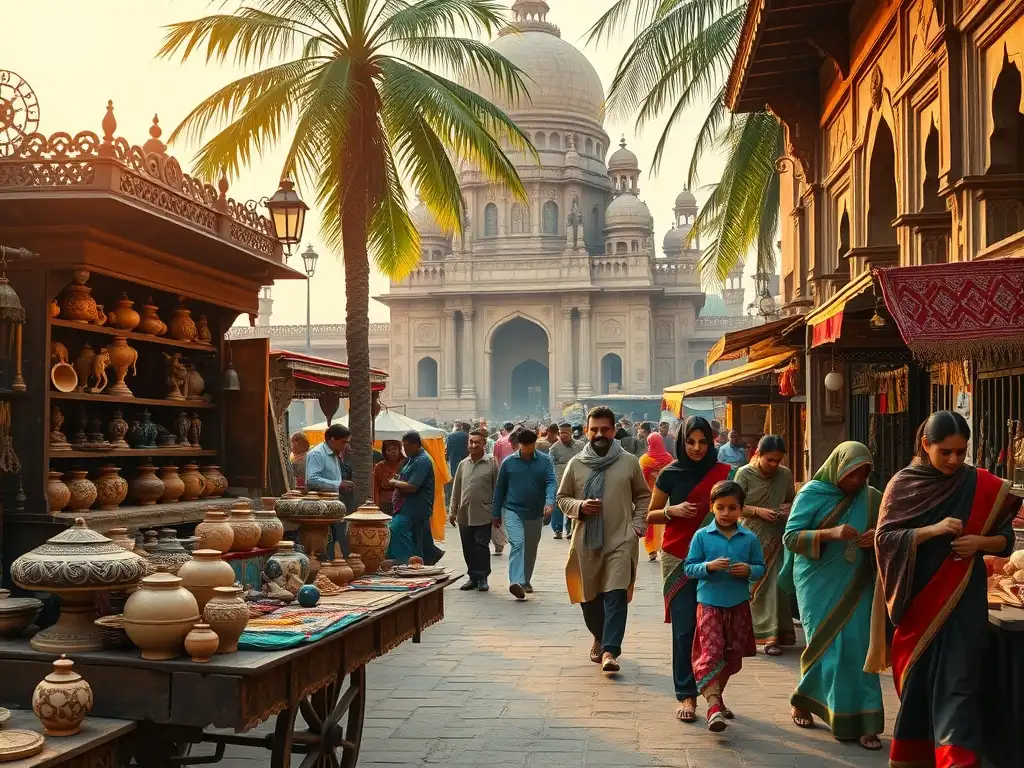
When exploring the architectural wonders of Delhi, one cannot overlook the opportunity to bring a piece of this rich heritage home. Shopping for cultural artifacts and souvenirs allows visitors to take a tangible part of ancient Indian history with them. From intricate handicrafts to replicas of historical structures, Delhi offers a myriad of options that reflect the city's architectural grandeur.
Delhi is a treasure trove of markets and shops that specialize in crafts, artworks, and souvenirs that celebrate its ancient architecture. Here are a few notable locations where you can find authentic pieces:
Top Markets to Explore
- Dilli Haat
- A vibrant open-air market that showcases crafts from various Indian states. Here, you can find handmade replicas of famous monuments and various traditional handicrafts.
- Chandni Chowk
- Known for its bustling streets and vibrant atmosphere, this market is famous for jewelry, textiles, and handcrafted items. Look for miniature models of the Red Fort and Jama Masjid, which are integral parts of Delhi's architectural heritage.
- Connaught Place
- A hub for upscale shopping and dining, Connaught Place also houses stores selling high-quality handicrafts. Seek out shops that offer traditional paintings and sculptures inspired by ancient Indian architecture.
- Janpath Market
- This market is a favorite for tourists seeking unique souvenirs. You can find a range of items, including traditional pottery and brass artifacts, often inspired by ancient designs.
- Lajpat Nagar
- Known for textiles, Lajpat Nagar also features shops that sell intricately designed wooden carvings and decorative items reflecting ancient architectural styles.
Tips for Purchasing Authentic Souvenirs
When shopping for cultural artifacts in Delhi, consider the following tips to ensure you bring home authentic and high-quality items:
- Research and Awareness: Familiarize yourself with the types of artifacts you wish to purchase. Understanding the characteristics of authentic pieces versus replicas is crucial.
- Ask for Certifications: Inquire if the seller provides any authenticity certificates for their items, especially for more expensive artifacts. This can ensure that you are buying a genuine product.
- Bargaining Skills: Bargaining is a common practice in Indian markets. Don't hesitate to negotiate prices, but do so respectfully to maintain a positive interaction with the seller.
- Inspect the Quality: Check the craftsmanship and materials used. Authentic artifacts often exhibit superior quality and attention to detail. Look for signs of craftsmanship that reflect traditional methods.
- Support Local Artisans: Whenever possible, buy directly from artisans or cooperatives. This not only ensures authenticity but also supports local craftsmanship and communities.
By exploring the markets of Delhi and following these tips, visitors can successfully find and purchase authentic cultural artifacts that embody the architectural wonders of ancient India, enriching their travel experience.
Conclusion: Embracing the Rich Heritage of Ancient Indian Architectural Wonders
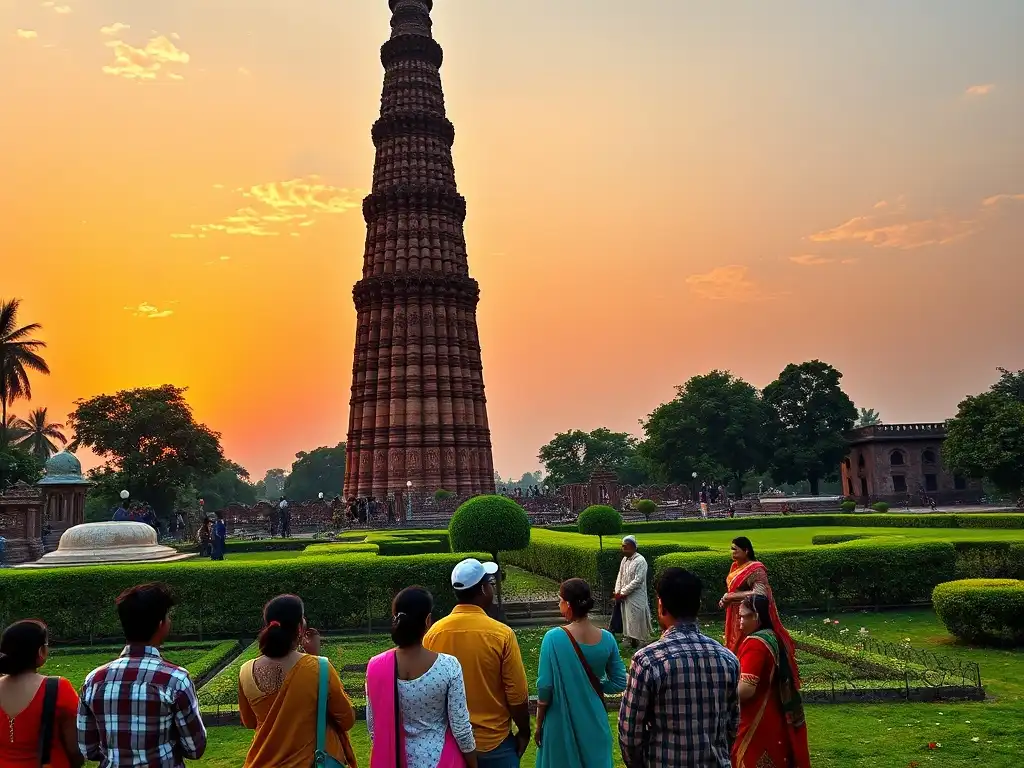
The architectural wonders of Delhi stand as a testament to the rich tapestry of ancient Indian history and culture. Each structure, from the intricate carvings of the Red Fort to the serene beauty of Humayun's Tomb, encapsulates stories of empires, faiths, and artistic ingenuity. As luxury travelers embark on tours to experience these marvels, they not only witness the grandeur of bygone eras but also engage with the philosophies and traditions that shaped them.
With a blend of historical significance and stunning aesthetics, these architectural gems invite visitors to immerse themselves in the architectural brilliance that ancient Indian civilizations achieved. As travelers leave Delhi, they carry with them not just memories of beautiful sights, but a deeper understanding of the cultural narratives interwoven within these structures.
The Lasting Impact of Delhi’s Architectural Marvels on Visitors
Visiting the architectural wonders of Delhi evokes a profound emotional response among travelers. The intricate details and grand designs of the structures often stimulate a sense of awe and admiration. For instance, the Qutub Minar, an iconic symbol of Delhi, showcases the mastery of Indo-Islamic architecture with its towering presence and detailed inscriptions. This experience can lead to:
- Increased Cultural Awareness: Visitors gain insights into the historical contexts in which these structures were built, understanding the influences of various dynasties, including the Mughals and the Delhi Sultanate.
- Architectural Inspiration: Many architects and designers draw inspiration from the fluid lines and harmonious proportions found in ancient Indian architecture, influencing contemporary design practices globally.
- Personal Reflection: Many travelers report that standing before these majestic structures fosters a personal connection to the past, prompting reflections on the continuity of history and culture.
Encouraging a Deeper Appreciation for Ancient Indian History and Culture
Engaging with the architectural wonders of Delhi serves as a gateway to a broader appreciation for ancient Indian history and culture. The stories encapsulated within each monument encourage visitors to explore:
- Historical Narratives: Learning about the events that led to the construction of these buildings offers a glimpse into the socio-political landscape of ancient India.
- Cultural Significance: Understanding the rituals, customs, and lifestyles of the people who inhabited these spaces enriches the experience and promotes cultural sensitivity.
- Preservation Efforts: Awareness of ongoing preservation efforts can inspire visitors to support initiatives aimed at protecting these historical sites, ensuring they remain intact for future generations to appreciate.
The exploration of ancient Indian architectural wonders in Delhi not only enriches the experience of luxury travelers but also cultivates a deeper understanding and appreciation for the rich heritage of ancient Indian civilizations. Through these encounters, visitors can foster connections to a history that is both vibrant and enduring.
Frequently Asked Questions
What are the main architectural wonders of Delhi?
Delhi is home to numerous architectural wonders, including the Red Fort, Humayun's Tomb, and the Qutub Minar, showcasing the city's rich historical significance.
How did ancient Indian architecture influence modern designs?
Ancient Indian architecture, characterized by its intricate carvings and structural innovations, has greatly influenced modern designs, promoting the use of local materials and cultural motifs.
What is the significance of the Red Fort in Indian history?
The Red Fort is a UNESCO World Heritage site known for its magnificent Mughal architecture and serves as a symbol of the Indian struggle for independence.
What role did the Gupta Empire play in architectural advancements?
The Gupta Empire is often referred to as the Golden Age of India, where advancements in architecture included the construction of temples with complex designs and detailed sculptures.
Are there guided tours available for exploring these architectural sites in Delhi?
Yes, there are many luxury tours available that offer guided experiences to explore historical sites, providing insights into their cultural significance and architectural uniqueness.
Final Reflection: Embracing the Legacy of Ancient Indian Architectural Wonders
The architectural marvels of Delhi serve as a testament to the rich tapestry of history and culture that defines our present. As we navigate through a world increasingly dominated by modernity, the significance of these ancient structures becomes even more pronounced. They remind us of the artistry, ingenuity, and resilience of our ancestors, urging us to appreciate the stories embedded within their walls. In a time when the past often feels distant, these wonders stand as a bridge connecting us to our heritage.
Cultural landscapes are shaped by the narratives we choose to honor, and the architectural wonders of Delhi are pivotal in this dialogue. They not only showcase the aesthetic brilliance of ancient Indian craftsmanship but also reflect the socio-political dynamics of their times. The continued reverence for these sites fosters a sense of identity and belonging in a rapidly changing world. Architecture is the learned game, correct and magnificent, of forms assembled in the light.
— Le Corbusier. This quote encapsulates the essence of how these structures, bathed in history, continue to inspire and influence contemporary design and thought.
As you reflect on the grandeur of these ancient Indian architectural wonders, consider how they can inspire your own journey. Let their stories motivate you to explore your roots, appreciate the artistry around you, and engage with history in a meaningful way. Whether through visiting these sites, learning about their significance, or sharing their stories with others, each action contributes to the preservation of our cultural heritage. Embrace the opportunity to connect with the past and let it guide you toward a more enriched future.
Unveil the Wonders of Delhi’s History!
Thank you for delving into the architectural marvels of Delhi with us! We hope this journey through time has ignited your passion for exploring the rich historical significance that our capital holds. Now it’s time to take action and immerse yourself in the beauty of these landmarks!
Here are some steps you can take right now:
- Plan Your Visit: Start by scheduling a trip to Delhi. Embrace the adventure and visit at least three historical sites, taking time to appreciate their unique stories.
- Join a Guided Tour: Enhance your experience by booking a guided tour that offers an in-depth exploration of the history and architecture of these remarkable sites.
- Share Your Journey: Document your experience on social media! Use the hashtag #DelhiArchitecturalTour to connect with others who share your passion and inspire engaging conversations.
What unique stories do you want to uncover as you explore Delhi's architectural heritage? Share your thoughts with us in the comments below!