
The Legacy of Ashoka: Exploring Ancient Indian History in Luxury


Welcome to Ancient India History! Dive into the mesmerizing world of ancient Indian civilizations, where every stone tells a story of rich culture and profound contributions. In our featured article, "The Legacy of Ashoka: Exploring Ancient Indian History in Luxury," we unravel the enduring impact of Ashoka the Great, whose reign transformed not only the landscape of India but also the ethos of its people.
Join us on this captivating journey as we explore the intersections of luxury and history, and discover how the echoes of Ashoka's legacy continue to resonate in modern India. Are you ready to uncover the treasures of the past?
- The Legacy of Ashoka in India: A Journey Through Ancient History
- Understanding Ashoka's Contributions to Indian Heritage
- Luxury Travel Experiences Exploring Ashoka's Legacy
- Understanding Ashoka's Environmental Legacy
- Myths and Realities of Ashoka's Legacy in Modern India
- Frequently Asked Questions
- Final Reflection: Embracing the Legacy of Ashoka in Modern India
- Ignite Your Journey into Ancient India!
The Legacy of Ashoka in India: A Journey Through Ancient History
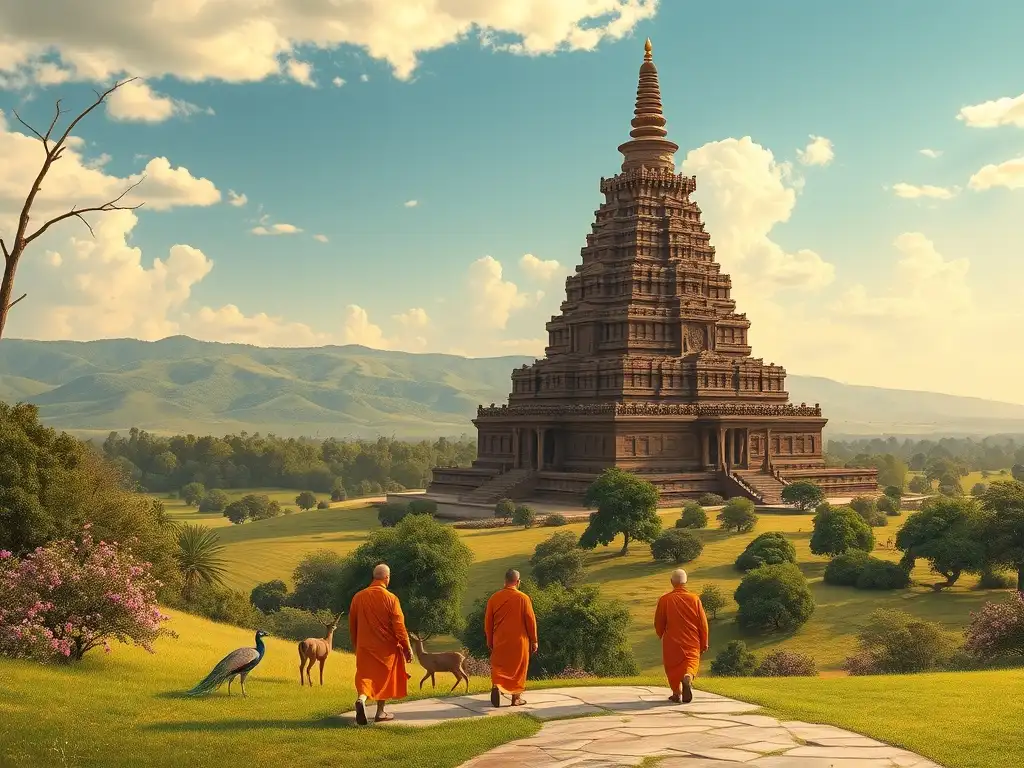
Introduction to the Legacy of Ashoka
The Legacy of Ashoka in India is a profound chapter in the annals of ancient history, reflecting not only the reign of one of the most influential emperors of the Maurya Dynasty but also the cultural, philosophical, and humanitarian advancements that emerged during his rule. Ashoka, who governed from approximately 268 to 232 BCE, is best known for his dramatic transformation from a fierce warrior to a proponent of peace and Buddhism following the bloody Kalinga War.
This remarkable journey of metamorphosis not only shaped his reign but also left an indelible mark on the spiritual and cultural landscape of India.
Ashoka’s commitment to Dharma (righteousness) influenced the ethos of his governance, advocating for social welfare, environmental responsibility, and the promotion of non-violence. His edicts, inscribed on pillars and rocks throughout his empire, serve as some of the earliest written records in Indian history, conveying messages of ethical conduct, respect for all living beings, and the importance of community. The Legacy of Ashoka is, therefore, not merely a historical footnote but a living testament to a period that emphasized compassion, tolerance, and cultural exchange.
As travelers embark on journeys to explore ancient Indian heritage, the legacy of Ashoka invites them to delve deeper into the historical sites, monuments, and philosophies that continue to resonate today. This article aims to guide you through the remarkable aspects of Ashoka’s legacy, showcasing how it intertwines with the luxurious heritage tours available across India, allowing visitors to experience the rich history while enjoying the comforts of modern travel.
The exploration of Ashoka's legacy is not only a historical inquiry but also a luxurious experience that harmonizes the past with the present, offering insights into a civilization that shaped modern India. Join us as we traverse through time and uncover the remarkable contributions of Ashoka, a beacon of ancient Indian heritage.
Understanding Ashoka's Contributions to Indian Heritage
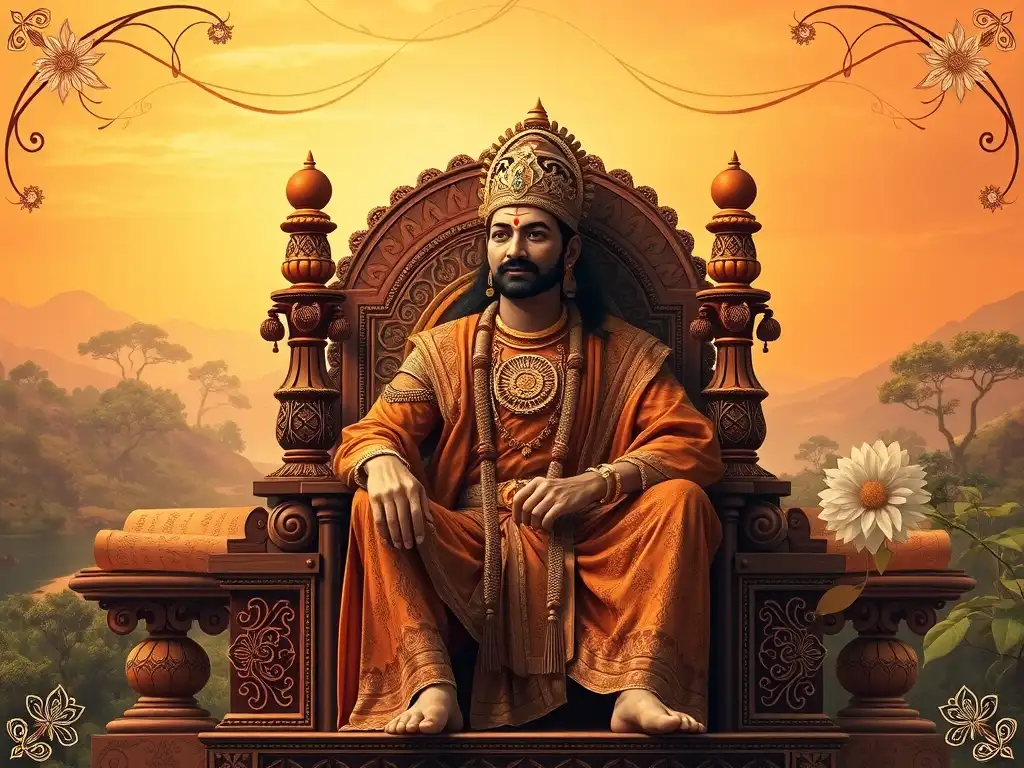
The Edicts of Ashoka: Messages of Peace and Governance
Ashoka the Great, who reigned from 268 to 232 BCE, is often celebrated for his transformative contributions to Indian heritage, particularly through his edicts. These inscriptions, carved on pillars and rocks across the Indian subcontinent, convey messages that reflect his commitment to governance, morality, and social welfare.
- Content and Purpose: The edicts primarily focus on Dharma, or righteous living, emphasizing values such as non-violence, truthfulness, and compassion. Ashoka's edicts served as a medium to promote ethical governance and encourage citizens to adopt virtuous behaviors. They addressed diverse topics including:
- The importance of animal welfare
- The promotion of religious tolerance
- The need for social harmony
- Geographical Spread: The edicts are not confined to a single region; they are found in various locations across modern-day India, Nepal, and Pakistan. This widespread distribution highlights the extensive reach of Ashoka’s influence and his efforts to unify the diverse populations under his rule. Notable sites include:
- Sarnath: Where Ashoka advocated for Buddhism and moral living.
- Lumbini: The birthplace of Buddha, where Ashoka commissioned a pillar.
- Language and Accessibility: The edicts were inscribed in multiple languages, including Brahmi and Greek, making them accessible to a broad audience. This multilingual approach reflects Ashoka’s understanding of the diverse linguistic groups within his empire and his intent to reach as many people as possible.
- Impact on Governance: The principles articulated in the edicts laid the foundation for a governance model that prioritized the welfare of the people over mere territorial expansion. Ashoka's emphasis on ethical leadership has had a lasting influence on Indian political philosophy.
The edicts of Ashoka are a testament to the king’s belief in governance that transcends power, focusing instead on the moral responsibilities of leadership.
The Role of Buddhism in Ashoka's Legacy
Buddhism played a pivotal role in shaping the legacy of Ashoka, as he became one of its most ardent supporters after his conversion post the Kalinga War. His embrace of Buddhism not only transformed his personal beliefs but also influenced the cultural and spiritual landscape of ancient India.
- Promotion of Buddhism: Ashoka actively promoted Buddhism both within his empire and beyond. He commissioned the construction of stupas, monasteries, and educational institutions that facilitated the spread of Buddhist teachings. Key initiatives included:
- Sending missionaries to regions such as Sri Lanka and Central Asia.
- Establishing the Buddhist Council aimed at consolidating teachings and practices.
- Integration with Governance: Ashoka integrated Buddhist principles into his policies, which emphasized non-violence and compassion. This integration is evident in his edicts, which reflect Buddhist moral teachings. For instance, the concept of Ahimsa (non-harm) became a central tenet of his administration, influencing laws and societal norms.
- Cultural Synthesis: The intersection of Ashoka's patronage and Buddhism led to a rich cultural synthesis, fostering an environment where arts and architecture flourished. The period saw the emergence of:
- Mauryan architecture, characterized by monumental stupas such as the Sanchi Stupa.
- Buddhist art, which depicted various aspects of the Buddha’s life and teachings.
- Enduring Influence: Ashoka's legacy continues to resonate in contemporary India and beyond. His commitment to peace and religious tolerance set a precedent that influenced not just Buddhism, but also the broader Indian ethos. The principles he championed are seen as relevant in today’s discussions on governance, ethics, and social justice.
Ashoka's legacy is not merely historical; it is a living tradition that continues to inspire millions around the world.
Luxury Travel Experiences Exploring Ashoka's Legacy

Exploring the Legacy of Ashoka in India offers a unique opportunity for travelers to immerse themselves in the opulence of ancient heritage while indulging in luxurious experiences. Ashoka, the third Mauryan emperor, is renowned for his significant contributions to Indian culture, governance, and Buddhism, which resonate through various historical sites across the subcontinent. Luxury travel experiences focused on Ashoka's legacy encompass bespoke tours, five-star accommodations, and curated cultural experiences that highlight the richness of India's past.
These luxury experiences often include private guides who specialize in ancient Indian history, ensuring that travelers gain deep insights into the significance of the sites they visit. From luxurious train journeys that evoke the royal era to exclusive access to historical landmarks, these tours are designed to provide an unforgettable experience. Additionally, many luxury travel packages feature gourmet dining that incorporates traditional Indian cuisine, allowing guests to savor the flavors of the region while learning about its history.
Top Luxury Heritage Tours Focused on Ashoka's Influence
-
Royal Train Journeys
Experience the grandeur of ancient India aboard luxury trains such as the Maharajas’ Express, which includes itineraries that explore sites linked to Ashoka. Guests can enjoy plush accommodations, fine dining, and guided excursions to historical landmarks.
-
Private Guided Tours
Tailored private tours, led by historians, allow travelers to delve deep into Ashoka's reign and its impact on Indian culture. These tours often include visits to significant sites like Sanchi and the Ashoka Pillars, with customized itineraries based on personal interests.
-
Heritage Hotels
Stay at heritage properties that reflect the architectural grandeur of ancient India. Many such hotels are located near historical sites related to Ashoka, providing easy access while offering modern luxury and comfort.
-
Cultural Immersion Activities
Engage in activities that reflect the traditions and arts of ancient India. This might include workshops on traditional crafts, cooking classes focused on ancient recipes, or guided meditation sessions inspired by Buddhist practices initiated by Ashoka.
Exploring Ashoka's Historical Sites: A Traveler's Guide
Travelers exploring the Legacy of Ashoka in India will find a wealth of historical sites that showcase his influence on architecture, governance, and culture. This guide highlights some of the most significant locations to visit:
- Sanchi Stupa Complex
- Lauriya Nandangarh
- Kushinagar
- Lumbini
Visiting these sites allows travelers to connect with Ashoka's legacy and appreciate the enduring impact of his contributions to Indian civilization.
The Stupas of Sanchi: Architectural Marvels
The Stupas of Sanchi, a UNESCO World Heritage Site, are among the most iconic representations of Buddhist architecture and art in India. Constructed during the reign of Ashoka in the 3rd century BCE, these stupas served as important pilgrimage sites and are renowned for their intricate carvings that depict scenes from the life of the Buddha and Jataka tales.
- Stupa No. 1 (Great Stupa): This is the most famous and largest stupa at Sanchi, symbolizing Ashoka’s dedication to Buddhism. Its hemispherical dome is surrounded by a circular path, allowing pilgrims to perform circumambulation.
- Artistic Significance: The gateways (toranas) feature exquisite relief sculptures that reflect the Buddhist teachings and values promoted by Ashoka, making them essential for understanding the evolution of Indian art and architecture.
- Visitor Experience: Luxury travelers can explore this site through guided tours that offer insights into the symbolism of the stupas and their historical context, enhancing the overall experience.
The Ashoka Pillar at Lauriya Nandangarh
The Ashoka Pillar at Lauriya Nandangarh is another remarkable testament to Ashoka's legacy, showcasing his commitment to spreading the principles of Dharma across his empire. This pillar, erected in the 3rd century BCE, stands approximately 12 meters high and is characterized by its polished sandstone finish.
- Symbol of Sovereignty: The pillar features inscriptions that articulate Ashoka's edicts, emphasizing moral governance and ethical conduct, which were revolutionary at the time.
- Architectural Features: The capital of the pillar is adorned with four lions, a symbol that would later become the emblem of India. This design represents Ashoka’s vision of unity and strength among his subjects.
- Cultural Significance: Visiting this site provides travelers with a deeper understanding of Ashoka's role in promoting Buddhism and his influence on Indian society. Luxury travel packages often include guided visits to this site, allowing for a rich historical narrative to unfold.
The Legacy of Ashoka in India is a profound aspect of the country’s heritage that can be explored through luxurious travel experiences. From exclusive tours to magnificent historical sites, travelers can engage with the rich tapestry of ancient Indian history while enjoying the finest comforts available today.
Unique Culinary Experiences Inspired by Ashoka's Era
Exploring the culinary landscape of Ashoka's era offers travelers a unique opportunity to experience the flavors and ingredients that defined ancient Indian cuisine. During Ashoka's reign, from 268 to 232 BCE, the Indian subcontinent was home to a remarkable variety of culinary traditions influenced by diverse cultures and regions. Luxury travel experiences that focus on this heritage often include specially curated dining experiences that highlight ancient recipes and cooking methods.
One of the most prominent aspects of Ashoka's legacy is the emphasis on vegetarianism, influenced by his embrace of Buddhism. This led to an abundance of vegetarian dishes that make use of local grains, legumes, and vegetables. Luxury culinary tours may offer guests the chance to partake in cooking classes where they learn to prepare traditional dishes, utilizing ancient techniques and ingredients sourced from local farms.
In addition to cooking classes, exclusive dining events may feature multi-course meals inspired by the flavors of Ashoka's time. These meals often incorporate spices that were significant in ancient Indian cooking, such as black pepper, cardamom, and turmeric. The experience may be enhanced by dining in picturesque settings, such as heritage properties or restored palaces, where guests can also enjoy the ambiance reflective of the period.
Dishes from Ancient Indian Recipes
The dishes inspired by Ashoka's era draw from a rich tapestry of ancient Indian recipes that have been passed down through generations. Some notable dishes include:
- Khichdi: A staple dish made from rice and lentils, khichdi was often considered a comfort food in ancient times. It reflects the simplicity and nutritional value of meals during Ashoka's reign. Luxury experiences may feature gourmet versions of khichdi, enhanced with exotic spices and seasonal vegetables.
- Dal: Lentil preparations were fundamental in ancient diets, and various regional recipes exist. Luxury tours often emphasize the preparation of dal using techniques that date back to Ashoka's time, showcasing the importance of legumes in providing sustenance.
- Vegetable Curries: A variety of vegetable curries made with seasonal produce were common. These dishes may be prepared using traditional methods, such as slow cooking in earthen pots, allowing the flavors to meld beautifully. Guests can enjoy curries that highlight the use of spices like cumin, coriander, and mustard seeds.
- Millet-Based Dishes: Millets were widely cultivated and consumed in ancient India. Luxury culinary experiences might offer traditional millet preparations such as roti (flatbread) or upma (savory porridge), emphasizing the health benefits of these ancient grains.
- Sweets and Desserts: Ancient Indian sweets, such as kheer (rice pudding) and ladoo (sweet round balls made from flour, sugar, and ghee), were often prepared for special occasions. Culinary experiences may include demonstrations of these recipes, showcasing the use of jaggery and cardamom, which were commonly used in ancient confections.
These dishes not only provide a taste of the past but also allow travelers to appreciate the cultural significance and evolution of Indian cuisine over the centuries. By indulging in these unique culinary experiences, travelers can savor the rich flavors that define the Legacy of Ashoka in India, creating lasting memories that connect them to the ancient heritage of the region.
Understanding Ashoka's Environmental Legacy
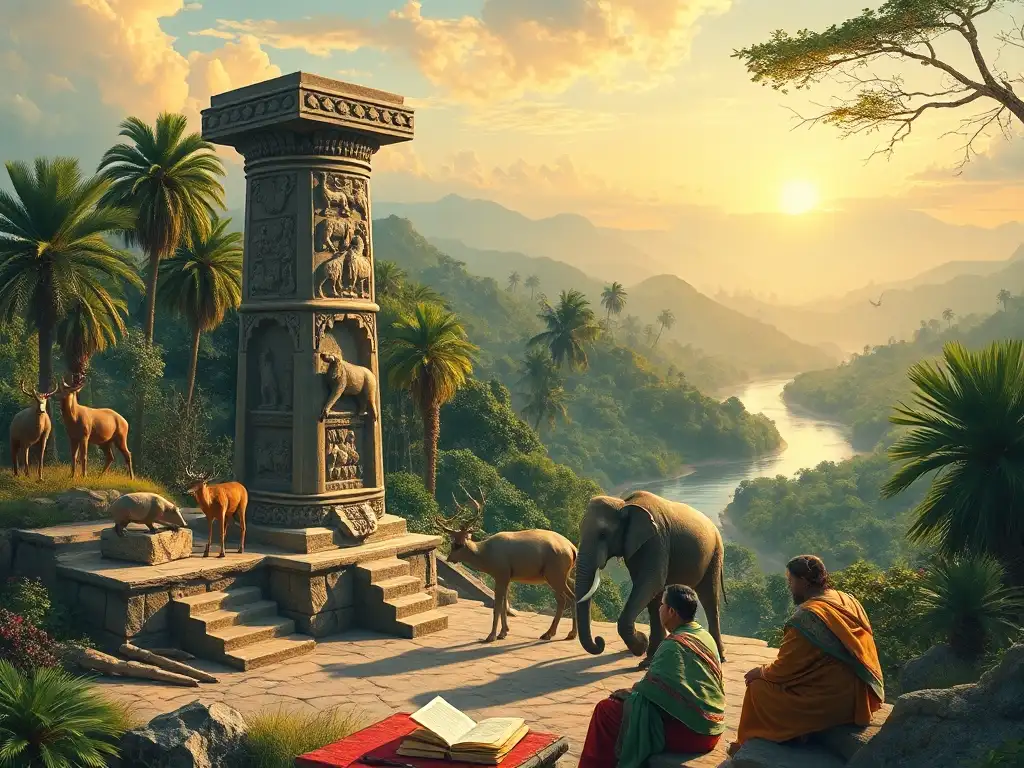
Ashoka the Great, the third emperor of the Maurya Dynasty, ruled from approximately 268 to 232 BCE. His reign is notable not only for its political and military achievements but also for its significant environmental consciousness. This aspect of his legacy is often overshadowed by his promotion of Buddhism and the spread of moral governance. However, Ashoka's commitment to natural conservation has left an indelible mark on India's history, showcasing an early awareness of the need to protect the environment.
The Role of Natural Conservation in Ashoka's Reign
Ashoka's approach to governance was deeply influenced by his conversion to Buddhism after the Kalinga War, which resulted in massive loss of life. This transformative experience prompted him to advocate for non-violence and compassion, extending these principles to the treatment of nature and animals.
- Buddhism and Environmentalism:
- Ashoka's followers often emphasize the interconnectedness of all living beings. This doctrine translated into policies that sought to preserve flora and fauna.
- The edicts inscribed on pillars and rocks across the empire included directives on the humane treatment of animals and the importance of maintaining ecological balance.
- Establishment of Protected Areas:
- Ashoka designated specific areas as sacred groves, which were protected from deforestation and exploitation. These zones were vital for biodiversity and served as habitats for various species.
- Historical records indicate that Ashoka established wildlife sanctuaries where animals could roam freely, reflecting an early form of conservation.
- Sustainable Practices:
- Under Ashoka’s reign, sustainable agricultural practices were encouraged. Farmers were taught methods that minimized environmental degradation, such as crop rotation and organic farming.
- The promotion of tree planting not only helped combat soil erosion but also contributed to the overall health of the environment.
- Public Awareness Campaigns:
- Ashoka utilized his edicts to educate the populace about the importance of caring for the environment. These proclamations urged citizens to plant trees, conserve water, and respect wildlife.
- By fostering a culture of environmental stewardship, Ashoka aimed to ensure that natural resources were preserved for future generations.
- Legacy in Modern Conservation:
- The principles laid out during Ashoka's reign resonate with contemporary environmental movements in India. His emphasis on harmony with nature is echoed in modern conservation policies.
- Many conservationists draw inspiration from Ashoka's methods, highlighting the relevance of his teachings in today's context of environmental crisis.
Overall, Ashoka's environmental legacy is a testament to his holistic approach to governance, where the welfare of his people was intrinsically linked to the health of their natural surroundings. His pioneering efforts in natural conservation continue to inspire contemporary thought on sustainable practices and the importance of respecting our planet. By exploring the Legacy of Ashoka in India, travelers can gain a deeper understanding of how ancient wisdom can inform modern ecological challenges.
Myths and Realities of Ashoka's Legacy in Modern India
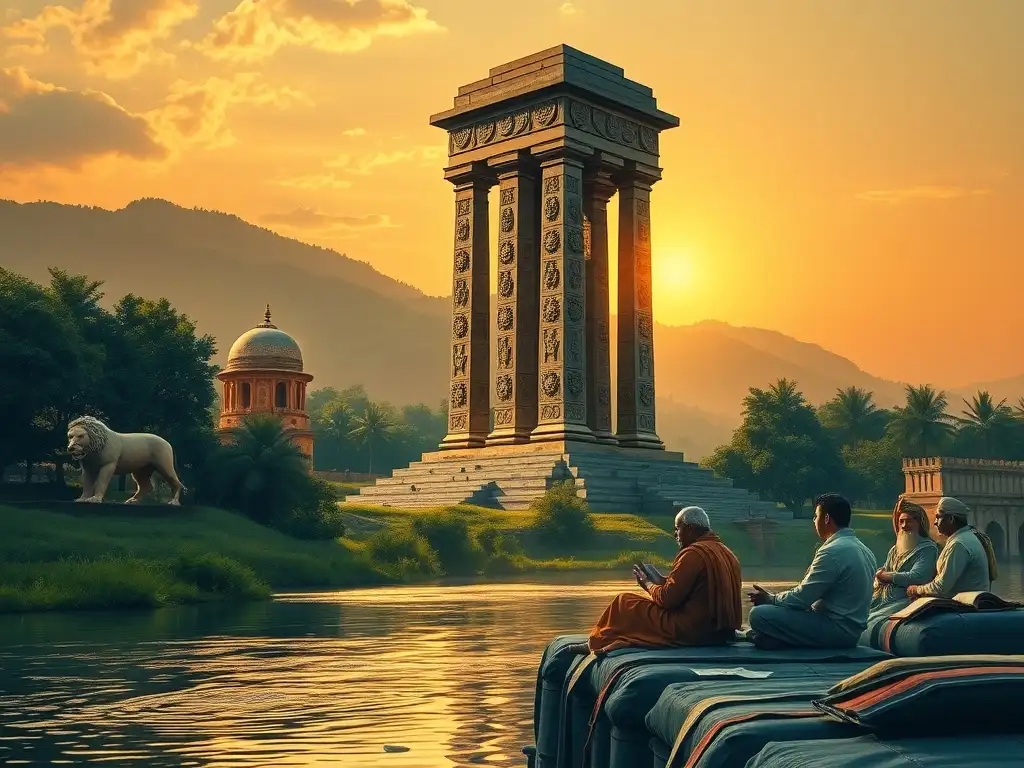
The legacy of Ashoka, one of ancient India's most celebrated emperors, has been a subject of fascination and discussion for centuries. However, with such a rich historical narrative, myths often intertwine with reality, leading to misconceptions about his life and contributions. This section aims to clarify these myths and explore the contemporary relevance of Ashoka's teachings and values in modern India.
Debunking Common Myths About Ashoka
- Ashoka Was a Pacifist
- One of the most common myths is that Ashoka was a complete pacifist who renounced all forms of violence after the Kalinga War. While it is true that he experienced a profound transformation post-war, leading him to embrace Buddhism and non-violence, his earlier reign involved significant military conquests. The Kalinga War itself was marked by immense bloodshed, which ultimately influenced his later policies of Dharma and peace.
- Ashoka's Edicts Were Solely Religious
- Another misconception is that Ashoka's edicts primarily focused on promoting Buddhism. In reality, while many edicts reference Buddhist principles, they also encompass a wide range of topics, including social welfare, animal rights, and moral conduct. This indicates his broader vision for societal harmony and not just a religious agenda.
- Ashoka's Empire Was Homogeneous
- Contrary to the belief that Ashoka ruled over a uniformly Buddhist empire, his realm was highly diverse, comprising various cultures, languages, and religions. Ashoka’s policies aimed to promote tolerance and coexistence among different communities, showcasing his understanding of pluralism.
- Ashoka's Influence Died with Him
- Some narratives suggest that Ashoka's influence wained after his death. However, many of his policies and the spread of Buddhism continued to thrive long after his reign. Ashoka's legacy laid the foundation for future Indian rulers and influenced the cultural and religious landscape across Asia.
- Ashoka's Legacy Is Exclusively Indian
- While Ashoka is a pivotal figure in Indian history, his influence transcends borders. His promotion of Buddhism led to its spread across Asia, impacting cultures in countries like Sri Lanka, Myanmar, and beyond. Thus, Ashoka's legacy is not confined to India but resonates globally.
The Contemporary Relevance of Ashoka's Legacy
The legacy of Ashoka is not only a relic of the past but also holds significant relevance in contemporary society. His values and teachings can be applied to various aspects of modern life:
- Promotion of Non-Violence: In an era marked by conflict and violence, Ashoka's commitment to non-violence and compassion serves as a powerful reminder of the potential for peaceful coexistence. His teachings can inspire movements for peace and social justice today.
- Social Welfare Initiatives: Ashoka's emphasis on the welfare of his subjects through edicts related to health, education, and animal rights resonates with today's focus on social responsibility. Modern policymakers can draw lessons from his approach to governance, prioritizing the well-being of all citizens.
- Cultural Pluralism: In today's multicultural societies, Ashoka's policy of tolerance and respect for diversity is more relevant than ever. His efforts to promote harmony among various religious and cultural groups can guide contemporary efforts to foster inclusive communities.
- Environmental Awareness: Ashoka’s edicts on animal protection and sustainable living highlight the importance of environmental stewardship. In the face of climate change and ecological degradation, these principles encourage modern society to adopt more sustainable practices.
- Educational Reforms: The emphasis Ashoka placed on learning and moral education can inspire current educational systems to integrate ethics and values into curricula, fostering responsible and conscientious citizens.
The legacy of Ashoka in India is a complex tapestry of historical facts and interpretations. By debunking myths and recognizing the contemporary relevance of his teachings, we can appreciate how the values of one of history's greatest emperors continue to shape modern Indian society and beyond.
Frequently Asked Questions
What is the Legacy of Ashoka in India?
The Legacy of Ashoka refers to the enduring impact of Emperor Ashoka's reign, particularly his promotion of Buddhism, non-violence, and social welfare throughout ancient India.
How did Ashoka contribute to Buddhism?
Ashoka was instrumental in the spread of Buddhism beyond India. He built stupas, sent missionaries, and helped establish Buddhist councils, solidifying the religion's influence in Asia.
What were the main features of Ashoka's Dhamma?
Ashoka's Dhamma emphasized moral values, compassion, and tolerance towards all living beings. It aimed to promote peace and harmony within society.
How did Ashoka's reign affect art and architecture?
Ashoka's reign witnessed a flourishing of art and architecture, exemplified by the Ashoka Pillars and rock edicts, which served both as monuments and moral guides for his subjects.
Why is Ashoka considered a transformative leader in Indian history?
Ashoka is seen as a transformative leader due to his shift from military conquest to moral governance. His policies laid the foundation for a more ethical and inclusive society, influencing future generations.
Final Reflection: Embracing the Legacy of Ashoka in Modern India
The legacy of Ashoka resonates profoundly in today's world, illustrating how ancient principles of governance, compassion, and cultural integration continue to shape contemporary society. In an era where divisiveness often prevails, Ashoka's commitment to peace and moral leadership serves as a beacon of hope, reminding us that true strength lies in understanding and empathy. His legacy is not merely a chapter in history; it is a living testament to the power of benevolence and the enduring impact of ethical governance.
The influence of Ashoka's reign extends far beyond the borders of ancient India, permeating various aspects of culture, philosophy, and even modern political thought. His edicts, which emphasized non-violence and social welfare, continue to inspire leaders and citizens alike in their quest for a just society. As Mahatma Gandhi once said, "> The greatness of a nation and its moral progress can be judged by the way its animals are treated." This sentiment echoes Ashoka's own principles, highlighting the ongoing relevance of his teachings in our collective journey toward a more compassionate world.
As we reflect on the lessons from Ashoka's legacy, let us challenge ourselves to embody his values in our daily lives. Consider how you can contribute to a culture of peace and understanding within your community. Whether through acts of kindness, advocacy for social justice, or simply fostering dialogue among differing perspectives, each of us has the power to carry forward Ashoka's vision. Embrace this opportunity to reflect on your role in shaping a legacy that honors the past while paving the way for a brighter future.
Ignite Your Journey into Ancient India!
Thank you for diving deep into the fascinating legacy of Ashoka with us! By exploring this remarkable chapter of history, you've gained insight into the profound impacts that shaped ancient Indian culture and society. Now, it's time to take your newfound knowledge and turn it into action.
Here are some steps you can take to further immerse yourself in this incredible journey:
- Dive deeper: Read extensively about Ashoka's edicts and their relevance in today's world. Explore a variety of resources to engage with this rich history.
- Share your knowledge: Discuss Ashoka's legacy with friends or family. Initiate engaging conversations to inspire others to appreciate and learn from ancient history.
- Join the conversation: Connect with fellow history enthusiasts by participating in community forums or social media groups. Share your thoughts and insights about how Ashoka's ideals continue to resonate in modern times.
What aspect of Ashoka's reign do you find most inspiring, and how do you believe it can influence our present?