
Women as Keepers of Oral Traditions in Ancient Indian Culture

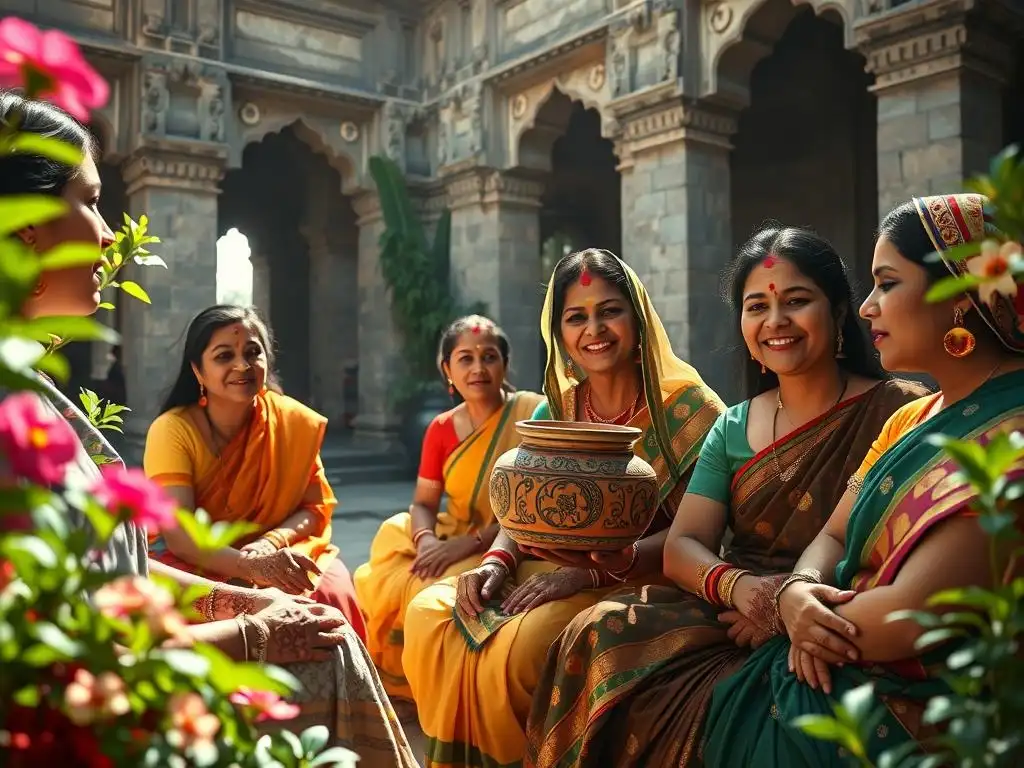
Welcome to Ancient India History, where we embark on an illuminating journey through the rich tapestry of India's past. In our featured article, “Women as Keepers of Oral Traditions in Ancient Indian Culture,” we delve into the pivotal role women played in preserving the narratives and wisdom of their civilizations.
Discover how these remarkable figures not only shaped cultural identity but also contributed to the enduring legacy of ancient India. Prepare to unlock the secrets of a society where the voices of women echoed through generations, and let your curiosity guide you deeper into the fascinating world of India's ancient heritage.
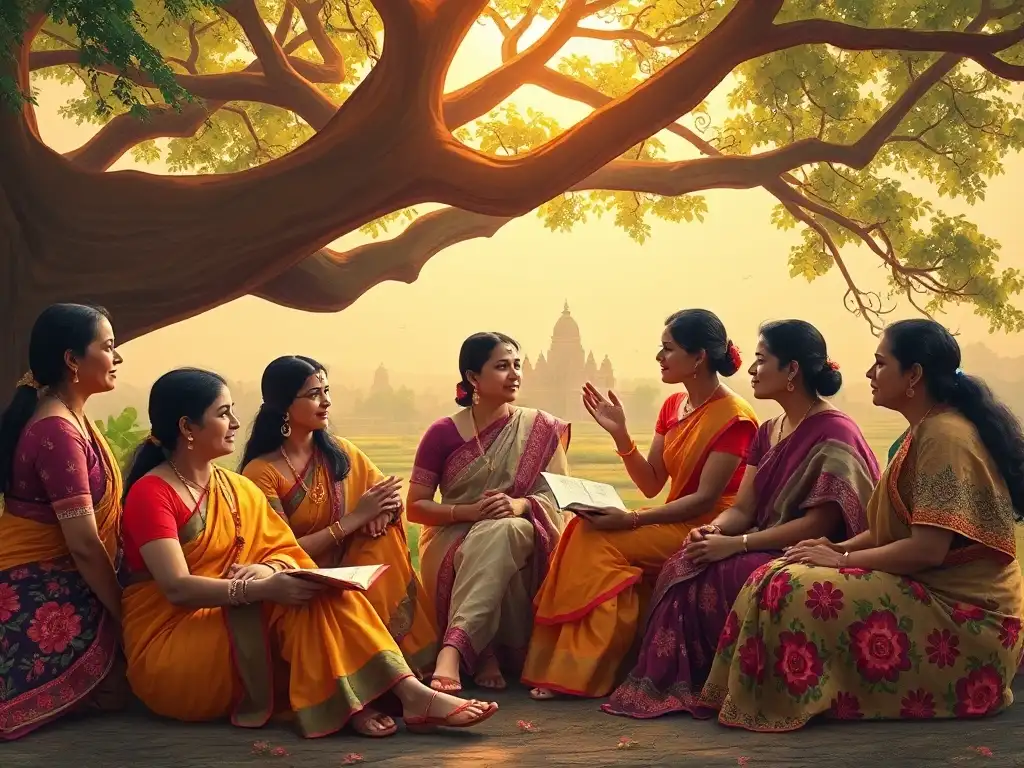
Introduction to Women in Ancient Indian Culture
The history of women in ancient Indian culture is a profound narrative woven through the intricate tapestry of society, spirituality, and tradition. As custodians of oral traditions, women played a pivotal role in preserving and transmitting cultural knowledge, stories, and values from one generation to another. This practice not only highlights their significance within their families and communities but also underscores their influence in shaping the cultural landscape of ancient India.
From the storytelling of myths and legends to the recitation of sacred texts, women were integral to the continuity of cultural heritage, firmly establishing their place in the annals of history. In exploring the role of women in ancient Indian culture, we uncover a rich legacy that reveals their resilience, creativity, and vital contributions.
Overview of Women's Roles in Ancient Indian Society
In ancient Indian society, women's roles were multifaceted and deeply rooted in cultural norms and traditions. They were not mere passive figures; rather, they were active participants in various aspects of life, including family, religion, and community. Their responsibilities encompassed:
- Household Management: Women were primarily responsible for managing household affairs, ensuring the smooth functioning of family life.
- Cultural Transmission: As the primary educators of children, women imparted moral values, social norms, and cultural knowledge through stories and teachings.
- Religious Practices: Women played a significant role in religious rituals and ceremonies, often serving as priestesses or spiritual leaders within their communities.
- Artistic Expressions: Many women engaged in artistic activities, including music, dance, and crafts, contributing to the cultural richness of society.
Despite the constraints imposed by patriarchal structures, women demonstrated agency and influence, often transcending their prescribed roles.
Importance of Oral Traditions in Ancient Indian Culture
Oral traditions in ancient India served as a vital means of preserving knowledge and cultural identity. They were not only a form of entertainment but also a method of education and societal cohesion. The significance of oral traditions includes:
- Cultural Preservation: Oral narratives helped maintain the continuity of cultural practices, ensuring that customs and values were passed down through generations.
- Community Bonding: Storytelling sessions fostered a sense of community, bringing people together to share experiences, wisdom, and collective memory.
- Historical Documentation: Oral traditions provided a means of documenting history, capturing events, and recording the lives of individuals who may not have been represented in written texts.
Through these traditions, women emerged as key figures, acting as the voices that kept history alive.
Historical Context of Oral Traditions
Defining Oral Traditions in Ancient India
Oral traditions in ancient India encompass a diverse range of storytelling practices, including myths, legends, folk tales, and religious texts. These narratives were often passed down through generations, evolving over time while retaining core themes and messages. The fluidity of oral traditions allowed for adaptability, enabling them to resonate with changing societal contexts while preserving essential cultural values.
The Significance of Oral Narratives in Indian History
Oral narratives played a crucial role in shaping the historical consciousness of ancient Indian society. They served as vehicles for:
- Cultural Identity: Oral stories conveyed the shared experiences and beliefs of communities, fostering a sense of belonging and cultural pride.
- Moral Instruction: Many narratives contained moral lessons, guiding individuals in their conduct and reinforcing societal values.
- Historical Record: Oral accounts often included references to historical events, figures, and traditions, providing insights into the socio-political landscape of the time.
Through these narratives, women were not only keepers of tradition but also active participants in the construction of historical memory.
Key Historical Periods Influencing Women's Roles as Oral Keepers
Throughout ancient Indian history, several key periods influenced the roles of women as oral tradition keepers. These include:
- Indus Valley Civilization (c. 3300–1300 BCE): Early evidence suggests that women played a role in ritual practices and community gatherings, contributing to early forms of storytelling.
- Vedic Period (c. 1500–500 BCE): The emergence of Vedic literature saw women participating in religious rituals, with some composing hymns and verses, thus preserving oral traditions.
- Epic Period (c. 500 BCE–500 CE): The composition of epic texts like the Mahabharata and Ramayana highlighted women's roles as narrators, with many female characters embodying the values and struggles of their time.
These historical contexts not only shaped the significance of oral traditions but also elevated women's status as vital contributors to the cultural narrative of ancient India.
Women as Custodians of Oral Traditions
In ancient India, women played a pivotal role as custodians of oral traditions, safeguarding the rich tapestry of cultural narratives, myths, and histories that defined their communities. Their contributions went beyond mere storytelling; they were the keepers of collective memory, ensuring that the wisdom and experiences of generations were passed down through the ages. This role was particularly significant in a society where written records were limited, and oral transmission was the primary means of conveying knowledge and traditions.
Women’s engagement with oral traditions was deeply intertwined with their social roles and responsibilities. As caregivers and nurturers, they often assumed the responsibility of educating the younger generations, using stories as a tool to impart moral lessons, cultural values, and historical context. This made them essential figures not only in preserving the past but also in shaping the future of their communities.
The Role of Women in Preserving Oral Literature
Women in ancient Indian culture were instrumental in preserving oral literature, encompassing a wide range of genres including folktales, epics, and religious hymns. Their storytelling was characterized by a unique style, often infused with emotion and personal experience, which helped to make the narratives relatable and engaging for listeners.
The significance of women's roles in oral literature can be seen in various cultural contexts. For example, in the epic tradition, women like Savitri and Draupadi are not only subjects of stories but also influential characters whose narratives reflect the values and beliefs of their societies. By recounting these tales, women ensured that the lessons embedded within them remained alive in the collective consciousness of their communities.
Moreover, women often created and adapted stories to reflect contemporary issues, thereby keeping the oral traditions relevant and dynamic. This adaptability showcased their creativity and allowed them to assert their agency within the cultural framework.
Types of Oral Traditions Maintained by Women
Women were involved in a multitude of oral traditions, each serving a distinct purpose within their communities. Some of the key types include:
- Folktales and Myths: Women narrated stories that explained natural phenomena, cultural practices, and societal norms. These tales often featured female protagonists and conveyed lessons about life, morality, and resilience.
- Ritual Songs and Chants: In various rituals and ceremonies, women performed songs that accompanied rites of passage, agricultural cycles, and religious observances. These performances were integral to maintaining cultural continuity.
- Epic Recitations: Women participated in the recitation of epic narratives, playing a role in the performance arts that brought these stories to life for audiences, often during festivals and communal gatherings.
- Proverbs and Sayings: Women were known to share proverbs that encapsulated wisdom and life lessons, contributing to the moral and ethical fabric of their societies.
Through these various forms, women not only preserved oral traditions but also contributed to the evolution of cultural expressions within their communities.
Cultural Significance of Women in Oral Traditions
Women as Storytellers and Educators
As storytellers, women held a vital position in educating the younger generation. They used storytelling as a pedagogical tool, weaving in lessons about social norms, ethics, and cultural heritage. This role was particularly important in rural and tribal societies where formal education systems were scarce.
In many communities, storytelling sessions were communal events, where women gathered to share tales with children and adults alike. These gatherings fostered a sense of community and belonging, reinforcing social bonds and shared identities. The narratives often included local history and genealogies, allowing listeners to connect with their past and understand their place within the community.
Moreover, women often tailored stories to their audience, making them more accessible and engaging, thus enhancing their role as educators and leaders within their cultural contexts.
The Impact of Oral Traditions on Community Identity
Oral traditions significantly contributed to the formation of community identity. They served as a repository of collective memory, where shared experiences, struggles, and triumphs were encapsulated in narratives. Women, as the primary narrators, played a crucial role in shaping this identity.
Through their storytelling, women helped to establish a sense of belonging and continuity within the community. The narratives reinforced cultural values, practices, and beliefs, creating a cohesive social fabric that bound individuals together. Additionally, the oral traditions preserved unique dialects, languages, and expressions that were intrinsic to local identities, thereby promoting cultural diversity.
The impact of these oral traditions also extended beyond their immediate communities, influencing neighboring cultures and contributing to the broader tapestry of Indian civilization.
Transmission of Knowledge and Values Through Oral Narratives
Oral narratives served as a vital means of transmitting knowledge and values across generations in ancient India. Women utilized storytelling to convey essential life skills, moral teachings, and social responsibilities, ensuring that younger members of the community understood their roles and cultural heritage.
The narratives often contained philosophical reflections and ethical dilemmas, prompting listeners to engage critically with the content. This process of reflection fostered a deeper understanding of societal values and personal conduct, reinforcing the idea that knowledge is not merely to be learned but also to be lived.
Furthermore, as custodians of oral traditions, women not only preserved existing knowledge but also adapted and reinterpreted it to address contemporary challenges. This dynamic nature of oral narratives allowed communities to remain resilient and adaptable in the face of change, ensuring the continuity of cultural identity through the ages.
Case Studies of Prominent Women in Oral Traditions
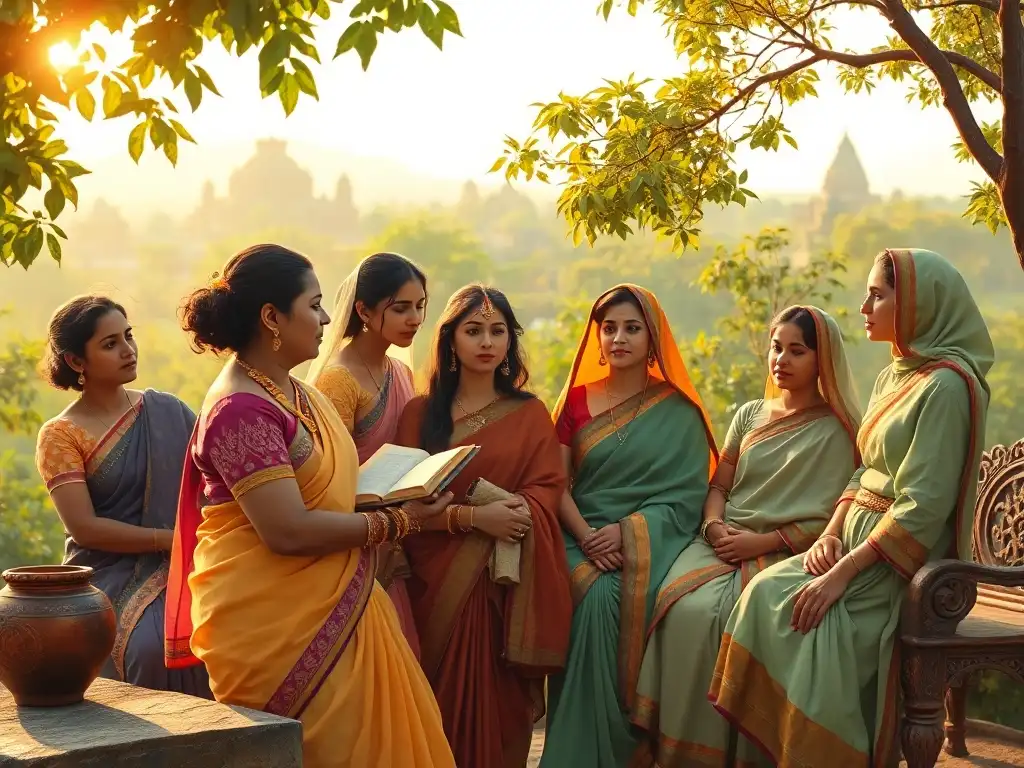
Women have played a pivotal role in preserving and transmitting oral traditions across various regions of ancient India. These traditions, encompassing folklore, songs, and storytelling, not only served as a means of entertainment but also as a vehicle for cultural education and community bonding. The contributions of women in this domain are evidenced through numerous case studies that highlight their influence and the rich tapestry of narratives they have woven.
Notable Figures and Their Contributions
- Vasanti: A renowned storyteller from the rural heartlands of Maharashtra, Vasanti became famous for her rendition of Tamasha, a traditional folk theater form. Through her performances, she conveyed moral lessons and the socio-political dynamics of her time, effectively using her platform to empower women in her community.
- Laxmi: In the northeastern states, Laxmi is celebrated for her mastery of Bihu songs. These songs, which celebrate the agricultural cycles, were passed down through generations, with Laxmi adding her unique flair and contemporary themes that resonated with the younger audience.
- Aditi: A prominent figure in the oral traditions of Tamil Nadu, Aditi is known for her Puthu Vellam, a form of storytelling that blends music and dance. Her performances not only entertained but also educated villagers about their history, myths, and the importance of preserving their cultural identity.
These women not only enriched their communities' cultural heritage but also paved the way for future generations to engage with their roots through oral narratives.
Regional Variations in Women's Oral Traditions
The oral traditions of women in ancient India exhibit remarkable regional diversity, reflecting the unique cultural, linguistic, and social contexts of different communities.
- Northern India: In regions like Punjab, women often engage in Gidda, a form of dance that incorporates singing traditional folk songs. These songs frequently narrate historical events or communal stories, allowing women to actively participate in cultural preservation.
- Western India: The Rajasthan folk tradition showcases women singing Ghoomar, where they recount tales of valor and romance, often highlighting the strength and resilience of women in historical narratives.
- Southern India: In Tamil Nadu, women participate in Villupattu, a narrative form that involves storytelling accompanied by a musical instrument called the Villupattu. This tradition allows women to express their thoughts on societal issues, showcasing their roles as both narrators and commentators of their times.
- Eastern India: The Bengali tradition features women reciting Puranas, ancient texts that include mythological stories. Women's involvement in this practice emphasizes their role as custodians of spiritual and cultural knowledge.
Challenges Faced by Women in Maintaining Oral Traditions
Despite their crucial role, women faced numerous challenges in maintaining and passing down oral traditions throughout history.
Societal Attitudes Towards Women's Roles
In many ancient Indian societies, prevailing patriarchal norms often relegated women to subordinate positions. This societal attitude manifested in various ways:
- Limited Recognition: Women's contributions to oral traditions were frequently overlooked or undervalued compared to their male counterparts. As a result, many women did not receive the acknowledgment they deserved for their storytelling prowess.
- Censorship and Control: In certain contexts, women's narratives were subject to censorship, especially if they diverged from established norms or challenged societal hierarchies. This restriction discouraged women from fully expressing their creativity and perspectives.
Impact of Modernization on Traditional Practices
The advent of modernization has brought significant changes to traditional practices, impacting women's roles in oral traditions:
- Urban Migration: As families migrated to urban areas for better opportunities, traditional storytelling practices began to diminish. The focus shifted towards modern forms of entertainment, leading to a decline in community gatherings where oral traditions thrived.
- Technological Influence: The rise of digital media and technology has altered the way stories are shared and consumed. While this has provided new platforms for women to express themselves, it has also threatened the authenticity of traditional narratives as they adapt to contemporary formats.
Efforts to Revive and Sustain Oral Traditions
Recognizing the invaluable role of women in preserving oral traditions, various initiatives have emerged to support and revitalize these practices:
- Community Workshops: Organizations and local groups have initiated workshops to teach young women the art of storytelling, ensuring that these traditions are passed down to future generations.
- Documentation Projects: Efforts are underway to document oral traditions, including audio and video recordings of women narrators. This not only preserves their voices but also promotes awareness and appreciation of their contributions.
- Cultural Festivals: Festivals celebrating oral traditions provide a platform for women storytellers to showcase their skills. These events encourage community participation and foster a sense of pride in cultural heritage.
Through these concerted efforts, the legacy of women as keepers of oral traditions in ancient Indian culture is being honored and revitalized, ensuring that their voices continue to resonate through time.
Conclusion: Legacy of Women in Ancient Indian Culture
The legacy of women as keepers of oral traditions in ancient Indian culture is profound and multifaceted. Women played a crucial role in preserving the narratives, myths, and histories that shaped the identity of various communities across the subcontinent. Through their storytelling, they not only transmitted knowledge but also maintained cultural continuity in a predominantly patriarchal society. The oral traditions that women safeguarded served as vehicles for teaching moral values, imparting cultural norms, and fostering community bonds. This legacy has influenced modern Indian literature and continues to resonate in contemporary cultural expressions.
Furthermore, the oral traditions kept by women reflect their resilience and adaptability in the face of societal changes. By embodying the stories of their ancestors, women have ensured that their voices and experiences are not lost to history. The significance of these contributions cannot be overstated, as they provide insights into the lived experiences of women throughout ancient Indian history, thus enriching our understanding of their roles and the challenges they faced.
Reflection on the Importance of Women's Contributions
Reflecting on the importance of women's contributions to oral traditions in ancient India reveals a critical aspect of cultural heritage. Women were not merely passive recipients of stories; they were active participants in the cultural dialogue, shaping and reshaping narratives according to their contexts and experiences. Their storytelling often encompassed themes of love, sacrifice, and resistance, highlighting the complexities of their lives and the societal structures around them.
Moreover, women's oral traditions have been instrumental in preserving local dialects and languages, contributing to the linguistic diversity of India. This preservation is vital, as it fosters a sense of belonging and identity among communities. By acknowledging the importance of these contributions, we can appreciate how women's narratives have enriched the broader tapestry of Indian culture and history.
Future Directions for Research on Women in Ancient Indian Culture
Future research on women in ancient Indian culture, particularly in relation to oral traditions, holds immense potential for uncovering new insights. Scholars can explore the intersections of gender, class, and caste in the context of storytelling practices, examining how these factors influenced the roles women played in their communities. Additionally, interdisciplinary approaches that incorporate anthropology, linguistics, and feminist theory can yield more nuanced understandings of women's contributions.
Another vital area of research could focus on the impact of colonialism and modernization on women's roles as keepers of oral traditions. Investigating how these dynamics have altered storytelling practices and the transmission of cultural knowledge can illuminate the ongoing relevance of women's voices in contemporary society. By prioritizing these areas, future scholarship can contribute to a more comprehensive understanding of women's roles in ancient Indian culture and their enduring legacies.
References
Recommended Reading on Women in Ancient Indian Culture
- "Women in Ancient India: A Historical Perspective": by R. S. Sharma
- "The Role of Women in Indian Mythology" by S. K. Sinha
- "Feminine Voices: Women and the Oral Tradition in India": by A. B. Rao
- "Goddesses, Women, and the Oral Tradition in Indian Culture" by M. K. Kaul
Sources for Further Exploration of Oral Traditions
- "Oral Traditions in India: A Cultural History": by P. N. Mishra
- "The Power of Storytelling: Oral Traditions in Indian Society": by L. K. Gupta
- "Voices of the Past: The Role of Oral Traditions in Indian Culture": by D. R. Patil
- "Legends and Lore: Exploring India's Oral Narrative Heritage": by V. S. Narayanan
- Introduction to Women in Ancient Indian Culture
- Historical Context of Oral Traditions
- Women as Custodians of Oral Traditions
- Cultural Significance of Women in Oral Traditions
- Case Studies of Prominent Women in Oral Traditions
- Challenges Faced by Women in Maintaining Oral Traditions
- Conclusion: Legacy of Women in Ancient Indian Culture
- References
- What role did women play in oral traditions in ancient India?
- How did oral traditions empower women in ancient Indian society?
- Were there any specific genres of oral literature that women focused on?
- How did the role of women in oral traditions differ across various regions in ancient India?
- What impact did the decline of oral traditions have on women's roles in society?
Frequently Asked Questions
What role did women play in oral traditions in ancient India?
Women were crucial as keepers of oral traditions, passing down stories, songs, and cultural knowledge through generations, thus preserving the heritage of their communities.
How did oral traditions empower women in ancient Indian society?
By being guardians of oral traditions, women held a position of significance in society, allowing them to influence cultural narratives and shape community identity.
Were there any specific genres of oral literature that women focused on?
Yes, women often specialized in genres such as folk songs, lullabies, and myths, which were integral to community life and often reflected their experiences and social roles.
How did the role of women in oral traditions differ across various regions in ancient India?
While the core function of women as oral tradition keepers was consistent, the content and style varied significantly, influenced by local cultures, languages, and historical contexts.
What impact did the decline of oral traditions have on women's roles in society?
The decline in oral traditions often led to a reduction in women's influence within cultural contexts, as written forms of literature emerged, changing the way history and narratives were recorded and shared.
Final Reflection: The Enduring Legacy of Women in Ancient Indian Culture
The role of women as custodians of oral traditions in ancient Indian culture is not just a historical fact; it is a profound testament to their resilience and influence in shaping societal narratives. Today, as we navigate a world that often overlooks the contributions of women, it becomes increasingly vital to recognize and celebrate their pivotal roles in preserving cultural heritage. The stories and wisdom passed down through generations by women are not merely remnants of the past; they are living legacies that continue to resonate in contemporary society.
The impact of women in ancient Indian culture extends far beyond their immediate communities; it has woven itself into the very fabric of our collective identity. Their stories, often shared in the form of songs, folklore, and rituals, have shaped cultural norms and values, influencing generations. As we reflect on this, we can draw inspiration from the words of the renowned poet and activist, Maya Angelou: I am my mother’s daughter. I am the dream and the hope of the slave. I rise.
This sentiment encapsulates the strength and perseverance of women who have kept traditions alive, reminding us that their voices are integral to our understanding of history and identity.
As we conclude our exploration of women in ancient Indian culture, I invite you to reflect on the stories that have shaped your own life and the lives of those around you. Consider how you can honor and share these narratives, whether through storytelling, art, or community engagement. By embracing the lessons of the past and amplifying the voices of women, we can ensure that their legacies continue to inspire future generations. Let us commit to being the keepers of these traditions, celebrating the richness of our cultural heritage and the women who have nurtured it through the ages.
Unveil the Voices of the Past!
Thank you for exploring the rich tapestry of women's roles in preserving oral traditions within ancient Indian culture! Your interest marks a significant step towards understanding the vital contributions that women have made to our history. Now, let’s take that understanding a step further and honor these voices through action.
- Dive deeper into the stories shared by women of ancient India by exploring a variety of literature on oral traditions.
- Share your thoughts about the importance of preserving oral histories by engaging in discussions on social media or participating in community groups.
- Connect with local cultural organizations to take part in workshops or events that celebrate these invaluable traditions.
How has learning about the journey of women's storytelling in history changed your perspective on cultural preservation?