
The Significance of Women in Ancient Indian Architecture


Welcome to Ancient India History, where we delve into the rich tapestry of India’s past, uncovering the remarkable contributions of its civilizations. In our featured article, "The Significance of Women in Ancient Indian Architecture," we invite you to explore the often-overlooked roles that women played in shaping architectural marvels that still inspire awe today.
Did you know that their influence extended beyond mere design, impacting cultural and spiritual dimensions of society? Join us on this enlightening journey as we reveal the stories and legacies of these extraordinary women, igniting your curiosity to learn more about their pivotal roles in history.
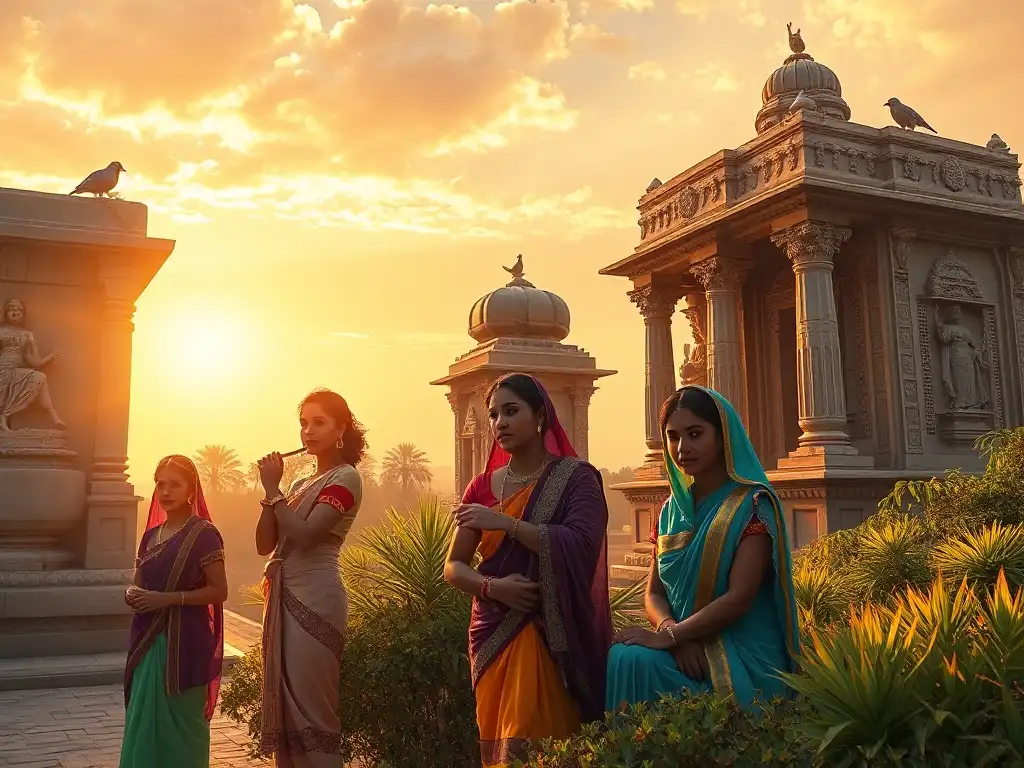
Exploring the Significance of Women in Architecture reveals a crucial yet often overlooked aspect of ancient Indian civilizations. Women played an integral role in shaping the architectural landscape of India, from the intricate designs of temples to the planning of urban settlements. Their contributions not only reflect their artistic and technical skills but also provide insight into the socio-cultural dynamics of the time. This article delves into the multifaceted roles of women in ancient Indian architecture, highlighting their influence and significance from the Indus Valley Civilization through to the Gupta Empire.
Introduction to Women in Architecture
The story of women in architecture during ancient India is one of resilience, creativity, and impact. While historical records often focus on male architects and rulers, evidence suggests that women were key players in various capacities within the architectural realm. They were involved not only in the design and construction but also in the patronage and preservation of significant structures. Understanding their roles helps to reconstruct a more comprehensive narrative of ancient Indian architecture and its evolution.
Understanding the Role of Women in Ancient Indian Architecture
Women in ancient India often assumed roles that transcended traditional gender boundaries. They were not merely passive observers but active participants in the architectural process. Their involvement ranged from:
- Patrons: Many royal women, queens, and noblewomen commissioned temples and public buildings, reflecting their status and contributing to the spiritual and cultural fabric of society.
- Artisans: Women were skilled artisans, contributing to the artistic elements such as carving, painting, and decorating structures.
- Architects: Some women, particularly in matriarchal societies, took on roles comparable to that of architects, influencing design and planning.
This multifaceted participation underscores the significance of women in the architectural heritage of ancient India.
Overview of Architectural Contributions by Women in Ancient India
The contributions of women to architecture in ancient India can be seen in various forms, including:
- Temple Architecture: Women played significant roles in the commissioning and construction of temples. For instance, the renowned Khajuraho Temples showcase intricate carvings that reflect feminine beauty and spirituality, indicating the involvement of women in their design.
- Urban Planning: Historical texts suggest that women were involved in urban planning, especially in regions where matrilineal customs prevailed, influencing the layout and functionality of cities.
- Cultural Symbolism: Architectural motifs often included depictions of goddesses and female figures, emphasizing their reverence and the importance of feminine energy in spiritual practices.
Each of these contributions illustrates the deep-rooted significance of women in shaping the architectural identity of ancient India.
Historical Context of Women in Architecture
To fully appreciate the contributions of women in ancient Indian architecture, it is essential to understand the historical context in which they operated. The societal norms and values of different periods greatly influenced women's roles and their involvement in architecture.
The Societal Position of Women in Ancient India
The societal position of women varied significantly throughout ancient Indian history. In some periods, women enjoyed considerable freedom and respect, engaging actively in public life. In others, their roles were more restricted. Key factors influencing their societal status included:
- Caste System: The caste hierarchy often determined the roles women could play, with higher castes generally affording more opportunities for participation in cultural and architectural endeavors.
- Religious Influence: The prominence of female deities in Hinduism and other religions provided women with a platform to express their creative and spiritual aspirations through architecture.
- Regional Variations: Different regions exhibited distinct cultural practices regarding women's roles, with matrilineal societies often allowing greater autonomy.
Understanding these dynamics is crucial to appreciating the contributions of women in ancient Indian architecture.
Architectural Practices and Gender Roles in Various Periods
Throughout ancient Indian history, architectural practices evolved, reflecting changes in societal attitudes toward gender roles. Notable periods include:
- Indus Valley Civilization (c. 3300–1300 BCE): Evidence suggests a collaborative approach in urban planning, where women likely contributed to the layout and design of cities such as Mohenjo-Daro.
- Maurya and Gupta Empires (c. 322 BCE–550 CE): These periods saw an increase in temple construction, with royal women often commissioning significant structures, thereby cementing their influence in architectural practices.
- Medieval Period: The rise of the Rajputs and other regional powers saw women as key patrons of architecture, with many fortresses and palaces bearing the marks of female influence.
By examining these periods, we can better understand the evolving roles of women in architecture and their lasting legacy in ancient Indian history.
Notable Women Architects and Their Contributions
In ancient India, women played a significant role in architecture, often as architects, builders, and designers. Although the historical records may not always explicitly mention their contributions, several notable figures have been recognized for their influence in shaping architectural styles and practices.
For instance, the renowned queen and architect Rani Durgavati of Gondwana was known for her strategic acumen and her contributions to the construction of forts and palaces. Her vision led to the development of architectural styles that blended aesthetics with defense mechanisms, showcasing how women could wield power through architectural innovation.
Another inspiring figure is Rani Padmini of Chittor, who not only influenced the architectural landscape of her time but also became an emblem of courage and integrity. The construction of the famous Chittorgarh Fort exhibits intricate designs that reflect her aesthetic preferences and the cultural values she upheld.
These women, among others, have left an indelible mark on ancient Indian architecture, showcasing that women's contributions were vital to the evolution of architectural practices, even if their names were often overshadowed by their male counterparts.
Prominent Female Figures in Ancient Indian Architecture
Several prominent female figures stand out in the history of ancient Indian architecture. Their contributions are noteworthy, not only for their artistic and design skills but also for their leadership and patronage roles.
- Vijaya Devi: Known for her role in the construction of temples during the Gupta period, she significantly influenced temple architecture, emphasizing intricate carvings and symmetry.
- Maharani Ahilya Bai Holkar: A celebrated queen of Malwa, she was instrumental in the reconstruction and beautification of various temples across India, including the famous Mahakaleshwar Temple in Ujjain. Her patronage reflected a deep commitment to preserving cultural heritage through architecture.
These women illustrate the multifaceted roles that women played in the architectural domain, serving as both creators and guardians of India's architectural heritage.
Women as Patrons of Architecture
Women in ancient India often acted as patrons of architecture, supporting various projects through their wealth and influence. This patronage was crucial in the development of significant architectural masterpieces, as many women used their positions to commission buildings that reflected their values, beliefs, and aspirations.
Patronage by women often extended beyond mere financial support; it embodied a commitment to cultural and religious ideals. Women would frequently fund temples, palaces, and public works, ensuring that these structures were imbued with spiritual significance and aesthetic beauty.
The Role of Women as Financial Supporters in Architectural Projects
The role of women as financial supporters in architectural projects cannot be overstated. Many royal women and influential figures utilized their resources to fund the construction of temples and other significant structures. This financial backing allowed for the employment of skilled artisans and craftsmen, thus enhancing the overall quality of the architectural work.
Women often engaged in charitable acts by funding public structures that served the community, such as wells, schools, and temples. Their contributions not only advanced architectural endeavors but also fostered community development and cultural expression.
Case Studies of Women Funders in Ancient India
Several case studies highlight the impactful role of women funders in ancient Indian architecture:
- Rani Rudrama Devi: As a ruler of the Kakatiya dynasty, she was known for her contributions to the construction of the Thousand Pillar Temple in Warangal. Her funding and oversight of this project demonstrated her commitment to architectural excellence and the promotion of cultural heritage.
- Queen Gayatri Devi: A prominent figure in the Chola dynasty, she commissioned the Brihadeeswarar Temple in Thanjavur. Her investments in this monumental structure not only marked a significant architectural achievement but also solidified her legacy as a patron of art and architecture.
These case studies serve as a testament to the significant impact of women on the architectural landscape of ancient India, showing that their contributions were vital to the development and preservation of cultural identity through architecture.
Symbolism and Representation of Women in Architectural Design
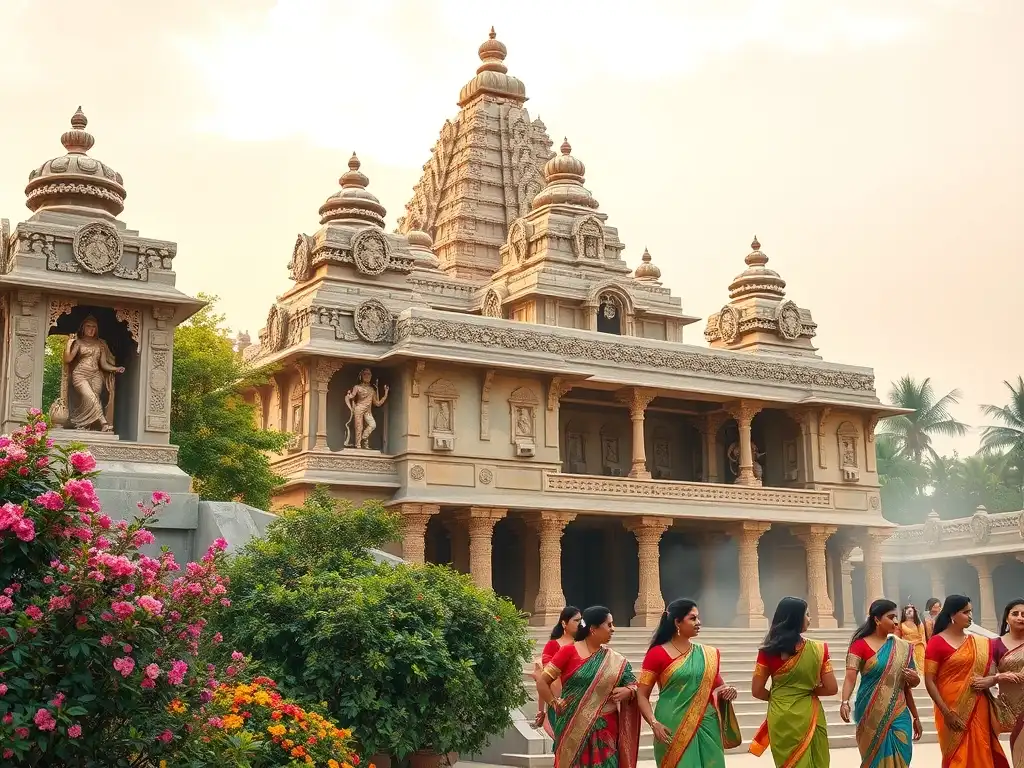
Women held a significant role in the architectural landscape of ancient India, not just as builders and patrons but also as symbols woven into the very fabric of design and ornamentation. The incorporation of female figures and motifs into temple architecture often conveyed deeper meanings, representing fertility, prosperity, and divine grace. These representations served multiple purposes, including the veneration of goddesses and the celebration of feminine qualities that were essential to the society's ethos.
In many ancient structures, the aesthetic appeal of women was not merely decorative but carried profound symbolic weight. For instance, the portrayal of goddesses like Durga and Lakshmi in intricate carvings and sculptures emphasized their importance in the spiritual and everyday life of ancient Indians. This blend of beauty and meaning helped to establish a sacred connection between architecture and the divine feminine, reflecting the reverence for women in cultural contexts.
The Depiction of Women in Ancient Indian Temples and Structures
The depiction of women in ancient Indian temples and structures is evident in the myriad sculptures and reliefs found across the subcontinent. Temples such as the Khajuraho Group of Monuments are renowned for their intricate carvings of women engaged in various aspects of life—dancing, playing musical instruments, and participating in rituals. These representations not only highlight the artistic prowess of the period but also provide insights into the societal roles and perceptions of women.
Moreover, the presence of female deities in sanctums underscored the centrality of women in spiritual practices. Temples dedicated to goddesses often featured elaborate iconography that celebrated feminine power and virtue. This artistic emphasis on women contributed to a narrative that placed them at the core of religious and social life, illustrating their revered status in ancient Indian culture.
Architectural Elements Reflecting Women’s Influence
Architectural elements that reflect women's influence can be observed in the design and ornamentation of various structures. For example, the use of decorative motifs, such as floral patterns and intricate carvings, often drew inspiration from feminine forms and nature. The incorporation of water bodies, like ponds and tanks, within temple complexes also symbolizes the nurturing aspects associated with femininity.
Furthermore, the layout of certain structures was designed to accommodate women's roles in rituals and ceremonies. Spaces were often created for women to participate actively in worship, highlighting their importance in the religious sphere. These architectural choices indicate a recognition of women's contributions to both the physical and spiritual dimensions of society.
The Legacy of Women in Ancient Indian Architecture
The legacy of women in ancient Indian architecture extends beyond the past, influencing various aspects of contemporary architectural practices and discussions. Understanding their contributions provides valuable insights into the cultural and historical significance of women in shaping architectural narratives.
Lasting Impacts of Women on Modern Indian Architecture
Modern Indian architecture continues to draw inspiration from the rich tapestry of ancient designs, with women’s contributions playing a vital role in this evolution. Contemporary architects often revisit the themes and motifs prevalent in ancient structures, incorporating them into modern designs that celebrate cultural heritage. The emphasis on sustainable and community-driven architecture can also be traced back to the collaborative spirit that characterized ancient building practices, where women were often central figures.
Moreover, the resurgence of interest in traditional building techniques and materials highlights the importance of women's roles in preserving architectural heritage. As society moves towards a more inclusive approach in recognizing contributions, the influence of women in architecture is being increasingly acknowledged and celebrated in modern contexts.
Recognition of Women's Contributions in Contemporary Discussions
In contemporary discussions surrounding architecture and design, the contributions of women in ancient India are slowly gaining recognition. Scholars and practitioners are working to illuminate the historical narratives that have often overlooked women's roles, advocating for a more inclusive understanding of architectural history.
Initiatives aimed at documenting and celebrating women's contributions have emerged, fostering a dialogue about their significance in the past and present. By highlighting the achievements of female architects, artisans, and patrons, these discussions not only affirm the importance of women in ancient architecture but also inspire future generations to appreciate and continue this legacy. The ongoing recognition of women's contributions serves as a reminder of the vital role they have played throughout history and the need for their voices to be included in contemporary architectural discourse.
Conclusion
The role of women in ancient Indian architecture is not merely an aspect of historical curiosity but a significant part of the cultural and artistic heritage of the subcontinent. Through their contributions, women have shaped the architectural landscape, influencing design, construction techniques, and the symbolism embedded within structures. Recognizing their pivotal roles helps to reframe our understanding of historical narratives around architectural achievements and cultural advancements.
Recap of the Significance of Women in Ancient Indian Architecture
Throughout history, women have played crucial roles in the realm of architecture in ancient India. They were not only instrumental in the design and construction of temples, palaces, and public buildings but also in the preservation and transmission of architectural knowledge. Many women, including skilled artisans and architects, contributed to the intricate carvings and artistic expressions that define ancient Indian architecture. Their involvement is evident in various architectural styles, such as:
- Temple Architecture: Women participated in the design and embellishment of temples, incorporating elements that reflect their religious beliefs and cultural values.
- Residential Architecture: In many households, women were responsible for the layout of homes, ensuring that spaces were not only functional but also aesthetically pleasing.
- Public Structures: Women often played advisory roles in the planning of public spaces, contributing to the community's social and cultural fabric.
The significance of these contributions extends beyond mere construction; they embody the essence of societal values, community identity, and the artistic legacy of ancient Indian civilization.
Future Perspectives on Women's Roles in Architecture
Looking ahead, there is a growing recognition of the need to highlight and celebrate the contributions of women in architecture, both in ancient times and in contemporary practice. As we delve deeper into historical research, we can uncover more stories of women who have been overlooked in traditional narratives.
Future perspectives may include:
- Increased Research Focus: Scholars and historians are encouraged to explore and document the contributions of women in architecture more comprehensively, ensuring that their stories are integrated into the broader discourse on architectural history.
- Educational Initiatives: Incorporating the study of women's roles in ancient architecture into academic curricula can foster a more inclusive understanding of architectural heritage among students and professionals.
- Recognition and Representation: Promoting the works of contemporary women architects can inspire future generations, ensuring that the legacy of women in architecture continues to thrive.
By acknowledging and amplifying the significance of women in architecture, we can pave the way for a more equitable and diversified understanding of architectural history and practice in India.
- Introduction to Women in Architecture
- Historical Context of Women in Architecture
- Notable Women Architects and Their Contributions
- Women as Patrons of Architecture
- Symbolism and Representation of Women in Architectural Design
- The Legacy of Women in Ancient Indian Architecture
- Conclusion
- What role did women play in ancient Indian architecture?
- How did the societal status of women influence their contributions to architecture?
- Can you name any prominent women associated with ancient Indian architecture?
- What architectural styles reflect the influence of women in ancient India?
- Why is it essential to study the significance of women in ancient Indian architecture today?
Frequently Asked Questions
What role did women play in ancient Indian architecture?
Women played a significant role in ancient Indian architecture, often as designers and artisans. Their contributions can be seen in various temples and public structures that reflect their skills and creativity.
How did the societal status of women influence their contributions to architecture?
The societal status of women in ancient India varied by region and period, affecting their participation in architecture. In some cultures, they were respected as skilled professionals, while in others, their roles were often restricted.
Can you name any prominent women associated with ancient Indian architecture?
Prominent women, such as architects, sculptors, and patrons, have been recognized in various texts and historical accounts. Some were known for their innovative designs in temple construction and artistic contributions.
What architectural styles reflect the influence of women in ancient India?
Several architectural styles, such as the Nagara and Dravidian styles, showcase the influence of women through elaborate carvings and designs that often include depictions of women in mythological contexts.
Why is it essential to study the significance of women in ancient Indian architecture today?
Studying the significance of women in ancient Indian architecture helps to highlight their contributions and correct historical narratives that often overlook or undervalue their roles. This understanding enriches our appreciation of cultural heritage and diversity.
Final Reflection: The Enduring Legacy of Women in Architecture
The significance of women in architecture transcends time, revealing a rich tapestry of contributions that have shaped our built environment. Today, as we navigate a world increasingly focused on gender equality and representation, the historical roles of women in ancient Indian architecture serve as a powerful reminder of their vital influence. Their creativity and vision not only contributed to the aesthetic and functional aspects of architectural marvels but also laid the groundwork for future generations to challenge norms and redefine spaces.
Clearly, the impact of women in architecture is not merely a relic of the past; it continues to resonate in our cultural and social landscapes. The stories of women artisans, architects, and patrons remind us that their contributions were integral to the architectural heritage we celebrate today. As we reflect on this legacy, we must acknowledge the words of architect Zaha Hadid: There are 360 degrees, so why stick to one?
This quote encapsulates the essence of diversity in architecture, urging us to embrace multiple perspectives, including those of women who have historically been marginalized.
As we move forward, let us take a moment to reflect on the lessons gleaned from the significance of women in architecture. I invite you to recognize the untold stories and contributions of women in your own community and beyond. By honoring their legacy and advocating for greater representation in the field, we can inspire a new generation of architects who will continue to shape our world with creativity, innovation, and inclusivity. Together, we can ensure that the voices of women in architecture are not only heard but celebrated for their profound impact on our collective history and future.
Empower Your Knowledge - Celebrate Women's Contributions!
Thank you for taking the time to explore the fascinating role of women in ancient Indian architecture. Your engagement with this vital piece of history not only enriches your understanding but also highlights the invaluable contributions made by women in shaping architectural marvels.
Now that you’ve delved into this captivating topic, here are some steps you can take to further your exploration and appreciation:
- Dive Deeper: Visit a local museum or historical site that showcases ancient Indian architecture. Pay special attention to the evidence of women’s influence and contributions.
- Share Your Insights: Connect with others who share your interests! Discuss this topic on social media or with friends; your voice can inspire a broader conversation about women’s roles in history.
- Explore Further: Read a book or watch a documentary that highlights the narratives of women in architecture around the world. You may be surprised by the stories you uncover from different cultures!
What aspect of women's contributions to ancient architecture has sparked your curiosity the most?