
The Voice of Women: Female Poets and Writers of Ancient India

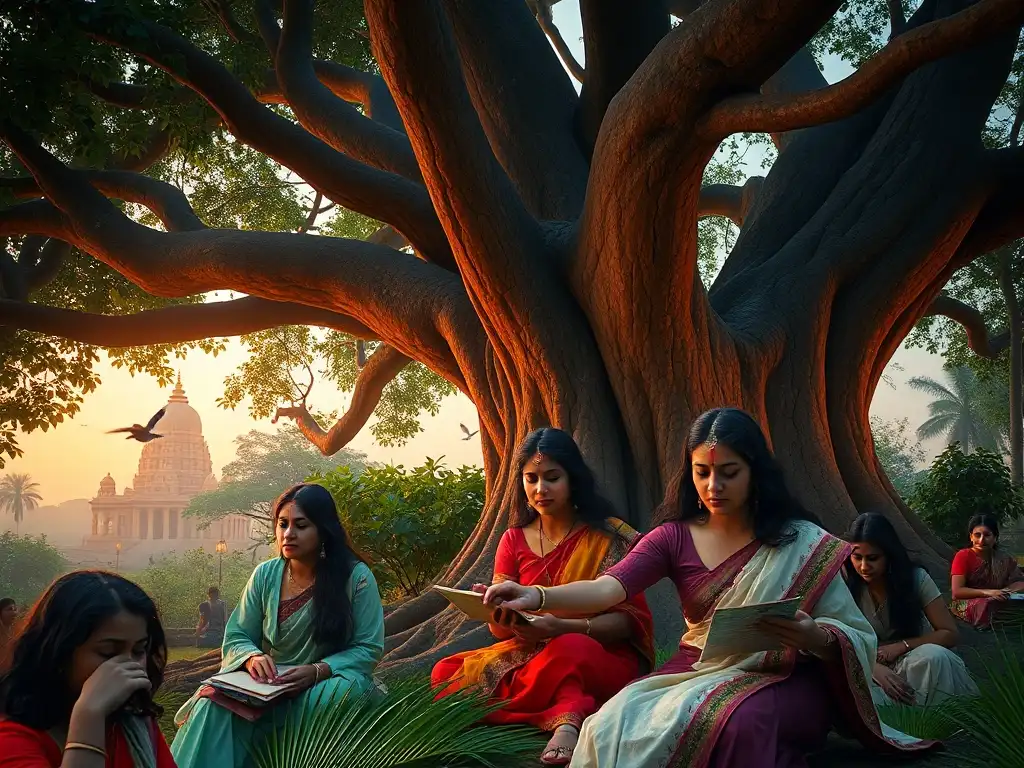
Welcome to Ancient India History, where we delve into the rich tapestry of civilizations that flourished on the Indian subcontinent. In our latest exploration, we shine a light on the often-overlooked voices of the past— female poets of ancient India. Discover how these remarkable women transcended societal norms to express their creativity and wisdom, shaping the literary landscape of their time.
Join us as we unravel the stories of these trailblazing writers and their invaluable contributions, inviting you to uncover the profound impact they had on culture and society. Your journey into the vibrant world of ancient Indian poetry begins here!
Introduction to Female Poets of Ancient India
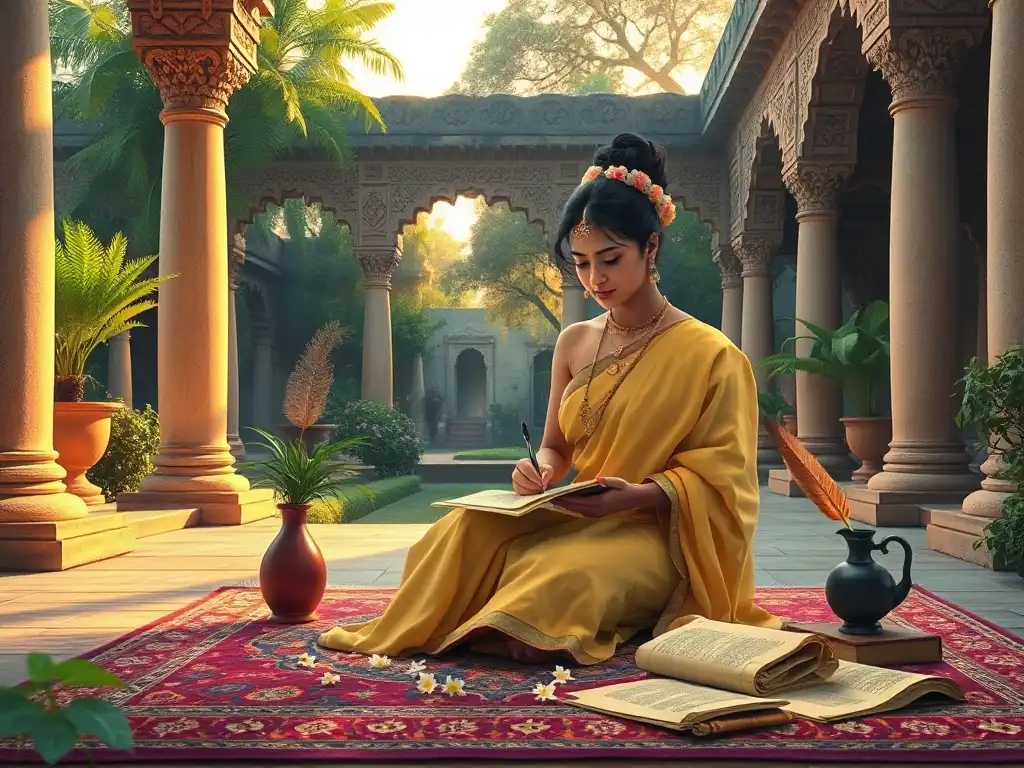
The literary landscape of ancient India is not merely a reflection of its historical and cultural narratives but also a testament to the voices of women who shaped its rich tapestry. Female poets and writers emerged as significant figures, contributing to various literary genres, from poetry to prose, and addressing themes that resonate through time.
Despite the societal constraints often imposed on women, these literary figures carved out spaces for their voices and perspectives, enriching the cultural heritage of ancient India. The exploration of female poets of ancient India unveils a profound narrative of resilience, creativity, and intellect, demonstrating their indispensable role in shaping literary traditions and societal norms.
Significance of Women in Ancient Indian Literature
Women in ancient India were not just passive recipients of cultural narratives; they actively participated in the creation and preservation of literary works. Their contributions are crucial for several reasons:
- Cultural Representation: Female poets provided insights into the lives, struggles, and aspirations of women, offering a counter-narrative to predominantly male perspectives.
- Diverse Themes: They explored a wide array of themes, including love, nature, spirituality, and social issues, which enriched the literary canon.
- Innovative Forms: Many female poets experimented with various poetic forms and styles, contributing to the evolution of literature in ancient India.
Overview of the Contribution of Female Writers
The contributions of female writers in ancient India are both varied and profound. Notable figures include:
- Gargi Vachaknavi: A philosopher and poet known for her debates in the Vedic texts, she is one of the earliest examples of women's intellectual contributions.
- Maitreyi: Another prominent figure from the Vedic period, Maitreyi's writings emphasized the importance of knowledge and philosophical inquiry.
- Mirabai: A 16th-century poet-saint, her devotional poetry transcended societal norms and expressed deep spiritual love and devotion.
These women, among others, not only contributed to the literary landscape but also influenced social norms and inspired future generations.
Historical Context of Women's Literary Contributions
To understand the impact and significance of female poets in ancient India, one must first examine the historical context in which they lived and wrote.
The Role of Women in Ancient Indian Society
In ancient Indian society, women's roles were often defined by patriarchal norms, yet they found ways to assert their identities and express themselves. Women were not just homemakers; many were educated, engaged in philosophical discourses, and contributed to religious and cultural practices. Their involvement in literature can be seen as a form of resistance against societal constraints, showcasing their intellectual and creative prowess.
Literary Traditions and Their Influence on Female Poets
The literary traditions of ancient India, such as the Vedic texts, epics, and devotional literature, played a significant role in shaping the voices of female poets. The following aspects highlight this influence:
- Access to Education: Some women had access to education and were well-versed in Sanskrit and other languages, allowing them to engage with literary traditions.
- Patronage and Support: Many female poets received patronage from royal courts or were part of literary circles that encouraged their creative endeavors.
- Cultural Exchange: The interaction between different cultures and languages in ancient India allowed female writers to draw inspiration from diverse sources, enriching their work.
By examining these elements, we can appreciate the complexity and richness of women's literary contributions in ancient India, recognizing them as vital participants in the country's cultural history.
Notable Female Poets of Ancient India
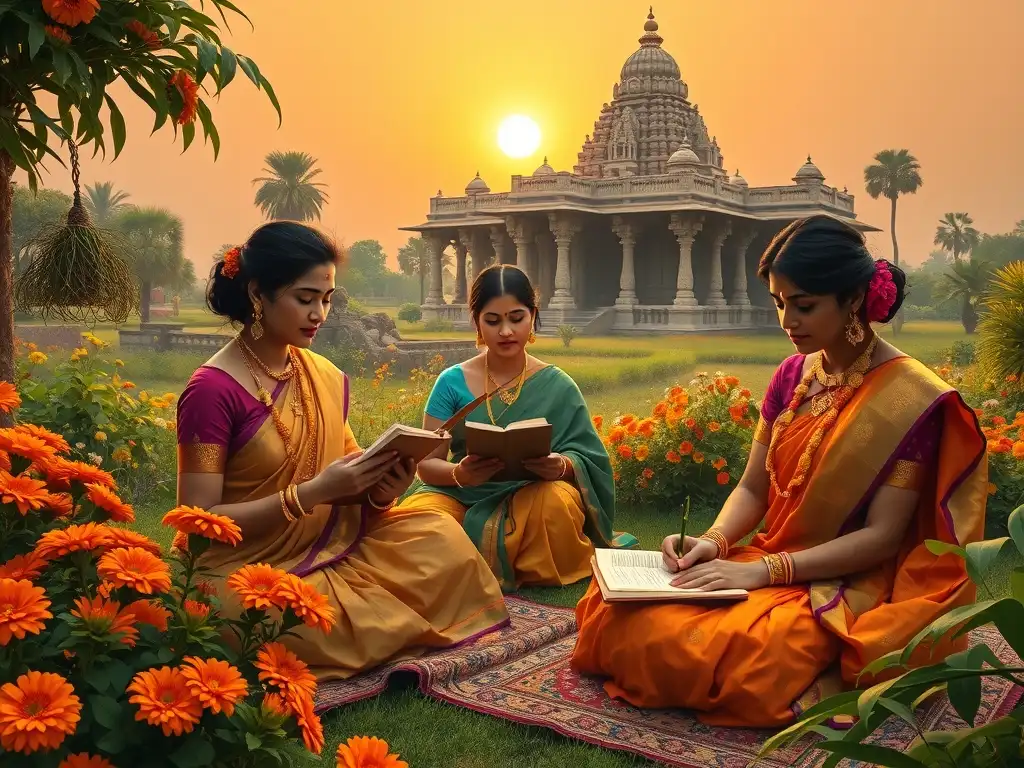
Throughout ancient Indian history, women have played a crucial role in the literary landscape, leaving behind a rich legacy of poetry that explored various themes, including spirituality, identity, and social issues. The contributions of female poets have often been overlooked, yet their voices provide a unique perspective on the society and culture of their times. Here are some of the most notable female poets from ancient India:
1. Savitribai Phule: A Pioneer of Women's Poetry
Savitribai Phule (1831-1897) is celebrated as one of the first female poets in India who challenged the patriarchal norms of her time. She was a prolific writer and an ardent advocate for women's education and rights. Her poetry often addressed social injustices, particularly regarding caste and gender discrimination. Through her work, she sought to empower women and encourage them to voice their thoughts and aspirations. Savitribai's verses resonate with a spirit of resilience and reform, making her a key figure in the history of women's literature in India.
2. Mirabai: The Mystic Poetess of Bhakti Movement
Mirabai (1498-1547) stands as a prominent figure in the Bhakti movement, known for her devotional poetry dedicated to Lord Krishna. Her compositions reflect deep spirituality and a longing for divine love, transcending the conventional boundaries of social norms. Mirabai's poems, often infused with intense emotion, challenge the restrictions placed on women and celebrate their strength and devotion. Her unwavering commitment to her beliefs, despite societal opposition, has made her an enduring symbol of female empowerment in Indian literature.
3. Akka Mahadevi: The Voice of Veerashaivism
Akka Mahadevi (12th century) was a revolutionary poet and saint associated with the Veerashaiva movement in Karnataka. Her poetry, characterized by powerful imagery and profound philosophical insights, emphasizes the soul's longing for the divine. Akka Mahadevi's verses often challenge traditional gender roles, advocating for spiritual equality and self-realization. As a female figure in a predominantly male-dominated religious landscape, she broke barriers and inspired many with her radical ideas and poetic expressions.
4. Gargi Vachaknavi: The Philosopher Poet
Gargi Vachaknavi, a figure from the Vedic period, is revered as one of the earliest women philosophers and poets in ancient India. Her contributions are primarily found in the Brahmanas, where she engages in profound philosophical discussions, often questioning the nature of existence and the cosmos. Gargi's dialogues, particularly in the context of the Brahma Sutras, reflect her intellect and depth of thought, making her a pioneering figure among female poets and thinkers in ancient Indian history.
5. Lopamudra: The Early Voice of Feminine Wisdom
Lopamudra, mentioned in the Rigveda, is another significant female poet of ancient India. As a wife of the sage Agastya, she is known for her lyrical verses that express her experiences and insights on love, longing, and existential questions. Her poetry often highlights the complexities of women's roles in society and their intrinsic wisdom. Lopamudra's contributions to Vedic literature underscore the importance of women's voices in shaping ancient Indian thought and spirituality.
Themes Explored by Female Poets in Ancient India
The poetry of female poets in ancient India serves as a rich repository of themes that reflect the socio-cultural fabric of their times. Through their verses, these poets have explored a variety of subjects, each offering insight into the feminine experience and the broader societal context.
Spirituality and Devotion in Women's Poetry
A central theme in the works of many female poets is spirituality and devotion. Poets like Mirabai and Akka Mahadevi expressed their deep love and reverence for the divine, often through personal narratives and metaphors. Their poetry not only conveys profound spiritual insights but also challenges traditional gender norms by placing women at the forefront of religious expression. This theme highlights the capacity of women to engage with spirituality on their terms, asserting their right to seek divine connection.
Nature and Feminine Identity in Literary Works
Another prevalent theme among female poets is the connection between nature and feminine identity. Their poetry often draws parallels between the beauty of the natural world and the complexities of women's experiences. Through vivid imagery and symbolism, poets like Lopamudra captured the essence of femininity, portraying women as nurturers and creators, reflecting the cycles of life and nature. This theme emphasizes the intrinsic link between women and the environment, celebrating their role as vital contributors to both.
Social Issues and Women's Rights Reflected in Poetry
Female poets of ancient India also tackled pressing social issues, using their poetry as a platform to address gender inequality, caste discrimination, and the quest for identity. Savitribai Phule's verses, for instance, boldly confront societal norms and advocate for women's rights and education. By bringing these issues to light, these poets not only documented their realities but also inspired future generations to continue the struggle for equality and justice. Their literary contributions serve as early manifestations of feminist thought in India, highlighting the importance of women's voices in societal reform.
The Influence of Female Poets on Indian Literature
The influence of female poets on Indian literature is profound and multifaceted, shaping not only the literary landscape of their time but also the cultural narratives that followed. These women, often writing in times of significant patriarchal constraints, managed to carve out spaces for their voices, bringing forth unique perspectives and emotional depth that enriched the literary tradition. Their works often reflected the complexities of women's lives, experiences, and aspirations, providing insights into the societal norms and values of ancient India.
Female poets like Mirabai and Akka Mahadevi transcended traditional themes, using poetry as a form of spiritual expression and personal liberation. Their compositions were not only artistic but also powerful commentaries on the roles and identities of women in their respective societies. The lyrical beauty and emotional resonance of their poetry have inspired subsequent generations of writers and poets, embedding their legacies within the fabric of Indian literature.
Moreover, the contributions of female poets have led to the emergence of distinct literary movements that challenge conventional narratives. They often utilized allegory and metaphor to convey deeper meanings, addressing themes such as love, devotion, loss, and rebellion. The rich tapestry of their work has fostered a tradition of female expression that continues to inspire modern Indian literature.
Contributions to Different Literary Genres
Female poets of ancient India made significant contributions across various literary genres, showcasing their versatility and creativity. Their works ranged from devotional poetry and folk songs to philosophical treatises and narrative poetry.
- Devotional Poetry: One of the most notable genres was devotional poetry, where women expressed their spiritual longings and devotion to deities. Poets like Mirabai are celebrated for their bhajans, which conveyed intense emotions and a deep connection with the divine. These compositions often challenged societal norms and advocated for personal faith over institutionalized religion.
- Folk Literature: Many female poets contributed to oral traditions, composing folk songs that reflected the everyday lives and struggles of women. These songs served as a means of cultural preservation and community bonding, often passed down through generations.
- Philosophical Writings: Some women engaged with philosophical discourse, writing texts that explored existential themes and moral dilemmas. Their insights often provided a counter-narrative to male-dominated philosophies, emphasizing the importance of women's perspectives.
- Narrative Poetry: Female poets also ventured into narrative poetry, weaving intricate tales that highlighted the experiences of women in society. These narratives often included themes of love, loss, and resilience, providing a voice to the unheard stories of women.
The diversity of genres and themes explored by female poets not only enriched Indian literature but also laid the groundwork for future literary expressions by women.
Impact on Future Generations of Women Writers
The impact of female poets from ancient India resonates through the ages, inspiring future generations of women writers. Their pioneering efforts in expressing personal and collective experiences through poetry have encouraged women to explore their own voices and stories.
- Role Models: These poets serve as role models for aspiring female writers, demonstrating that literature can be a powerful tool for self-expression and social change. Their legacies instill a sense of empowerment, encouraging women to break free from societal constraints and articulate their thoughts and feelings.
- Continuity of Themes: The themes explored by ancient female poets continue to be relevant today. Issues of identity, love, loss, and social justice remain central to women's writing, allowing contemporary authors to draw inspiration from their predecessors. This continuity ensures that the voices of women remain significant in the literary world.
- Literary Movements: The works of these poets have also contributed to the formation of literary movements focused on women's issues. The feminist literary movement, for instance, often references these historical figures, linking past struggles with current advocacy for women's rights in literature and society.
- Cultural Heritage: The preservation and celebration of the contributions of female poets enrich India's cultural heritage, fostering a sense of pride and connection among women writers today. This cultural lineage encourages modern poets to engage with their historical roots, blending traditional themes with contemporary issues.
Challenges Faced by Female Writers in Ancient India
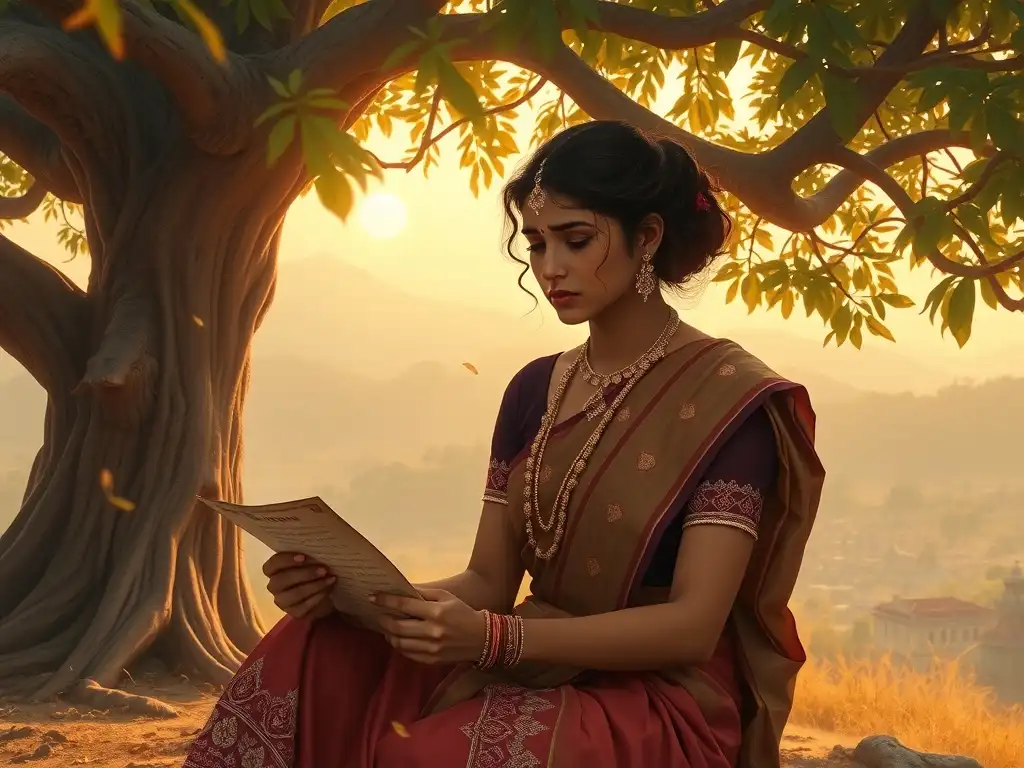
Despite their remarkable contributions, female writers in ancient India faced numerous challenges that hindered their ability to express themselves fully. These challenges were deeply rooted in the sociocultural fabric of the time, often placing women in subordinate positions.
Societal Norms and Restrictions on Women’s Expression
Societal norms in ancient India often dictated that women should adhere to strict roles within the domestic sphere, limiting their opportunities for education and self-expression. The prevailing belief was that women's primary responsibilities revolved around family and household management, relegating their literary aspirations to the background.
- Limited Access to Education: Education for women was not universally accessible, and many girls were discouraged from pursuing literacy. This lack of education significantly impacted women's ability to write and publish their works, constraining their potential as poets and thinkers.
- Censorship and Criticism: Women who dared to voice their thoughts through writing often faced societal backlash. Their works could be subjected to censorship, and their reputations jeopardized by critical scrutiny. Many female poets navigated a landscape where their creativity was stifled by the fear of societal reprisal.
- Cultural Expectations: Cultural expectations often dictated that women should prioritize family over personal ambitions. This societal pressure led many talented female poets to suppress their literary inclinations, as pursuing a writing career was seen as incompatible with their duties as wives and mothers.
These societal norms created an environment where female expression was often stymied, making it difficult for women to gain recognition as poets and writers.
The Struggle for Recognition and Acceptance
The struggle for recognition and acceptance has been a significant theme in the lives of female poets in ancient India. Despite their immense talent and contributions, these women often remained in the shadows of their male counterparts.
- Marginalization of Women's Voices: The historical narrative has often marginalized women's voices, relegating their contributions to the periphery of literary history. Many female poets were not adequately acknowledged in their time, and their works were frequently overshadowed by those of male poets.
- Reevaluation of Literary Canon: The literary canon has traditionally emphasized male authors, leading to a lack of representation for female writers. This bias necessitates a reevaluation of historical texts to uncover and celebrate the contributions of women, ensuring that their voices receive the recognition they deserve.
- Impact on Legacy: The struggle for recognition has far-reaching implications for the legacy of female poets. Many works went unrecorded or were lost to time, resulting in a fragmented understanding of their contributions. This legacy of invisibility continues to impact contemporary discussions about women's roles in literature.
The challenges faced by female writers in ancient India highlight the resilience and determination of women who sought to express themselves despite societal constraints. Their struggles serve as a testament to the enduring power of women's voices in literature, paving the way for future generations to claim their place in the literary world.
Conclusion: The Legacy of Female Poets in Ancient India
The legacy of female poets in ancient India is profound and multifaceted, highlighting not only the literary contributions of women but also their roles as cultural commentators and social critics. These poets broke barriers in a patriarchal society, using their voices to articulate experiences, emotions, and perspectives that resonate even today.
Their works often reflect themes of love, devotion, and spirituality, while also addressing social issues and injustices faced by women. The courage and creativity of these women served as a foundation for future generations, paving the way for women writers in subsequent eras to explore and express their identities.
The impact of these female poets extends beyond their literary achievements; they have inspired movements advocating for women's rights and education throughout Indian history. Their words echo in contemporary discussions on gender equality and empowerment, reminding us of the significant role women have played in shaping Indian culture and thought. As society continues to evolve, the voices of these ancient poets remain relevant, inviting reflection on the ongoing struggle for women's recognition and representation in literature and beyond.
The Enduring Impact of Women Writers on Indian Culture
Women writers in ancient India contributed significantly to the cultural tapestry of the subcontinent. Their poetry often encapsulated the ethos of their times, blending personal experiences with broader societal themes. For instance, the works of poets such as Vemana and Akka Mahadevi not only reflect their personal journeys but also challenge prevailing norms and highlight the resilience of women.
These poets left a lasting legacy that influences modern Indian literature and society. Their ability to articulate complex emotions and societal observations has inspired generations of writers. The themes they explored—love, spirituality, and social justice—continue to resonate with contemporary audiences, demonstrating the timeless nature of their insights. Furthermore, the revival of interest in ancient texts has sparked renewed appreciation for the contributions of women to Indian literary heritage, underscoring their essential role in both historical and cultural narratives.
Celebrating the Voices of Female Poets in Modern Literature
In contemporary literature, the voices of female poets from ancient India are being celebrated and revisited, highlighting their significance in the broader literary canon. Modern poets and writers draw inspiration from these ancient figures, often reinterpreting their works or embedding their themes into new narratives. This celebration is not merely academic; it has sparked a cultural renaissance that acknowledges the contributions of women in shaping Indian literary traditions.
Literary festivals, workshops, and academic discussions now frequently feature the works of ancient female poets, fostering an environment where their contributions are acknowledged and revered. This resurgence allows for a deeper understanding of the historical context in which these poets wrote and encourages a dialogue about the ongoing challenges women face in the literary world. By honoring these voices, modern literature enriches itself and promotes a more inclusive understanding of India's diverse cultural heritage.
References and Further Reading on Female Poets of Ancient India
For those interested in exploring the rich contributions of female poets in ancient India, the following resources offer valuable insights:
- "Women Poets of Ancient India" by [Author Name] – A comprehensive overview of the major female poets and their works.
- "The Feminine Voice in Indian Poetry" by [Author Name] – An exploration of the themes and styles of female poets across different periods.
- "Ancient Indian Literature: A Gender Perspective": by [Author Name] – A critical analysis of gender roles in ancient Indian literature, focusing on women's contributions.
- "Voices of the Past: Women in Ancient Indian Literature": by [Author Name] – A collection of translations and interpretations of works by female poets, accompanied by historical context.
These readings provide a deeper understanding of the significance and legacy of female poets in ancient India, highlighting their enduring impact on literature and culture.
- Introduction to Female Poets of Ancient India
- Significance of Women in Ancient Indian Literature
- Overview of the Contribution of Female Writers
- Historical Context of Women's Literary Contributions
- Notable Female Poets of Ancient India
- Themes Explored by Female Poets in Ancient India
- The Influence of Female Poets on Indian Literature
- Challenges Faced by Female Writers in Ancient India
- Conclusion: The Legacy of Female Poets in Ancient India
- References and Further Reading on Female Poets of Ancient India
- What contributions did female poets make in ancient India?
- Who are some notable female poets from ancient India?
- What themes were commonly explored by female poets in ancient India?
- How did the works of female poets influence Indian society?
- Are there any surviving texts from female poets of ancient India?
Frequently Asked Questions
What contributions did female poets make in ancient India?
Female poets in ancient India contributed significantly to literature and culture, often expressing their thoughts on love, spirituality, and social issues through their works.
Who are some notable female poets from ancient India?
Some notable female poets include Vāgdevi, a revered figure in Sanskrit literature, and Līlāvatī, known for her poignant verses and contributions to various literary forms.
What themes were commonly explored by female poets in ancient India?
Female poets often explored themes of love, devotion, and nature, reflecting their experiences and emotions, as well as the socio-political landscape of their time.
How did the works of female poets influence Indian society?
The works of female poets played a crucial role in shaping cultural narratives, challenging societal norms, and promoting the value of women's voices in a predominantly male literary tradition.
Are there any surviving texts from female poets of ancient India?
Yes, several texts and poems from female poets have survived, with notable collections preserved in manuscripts, showcasing their literary brilliance and contributions to ancient Indian literature.
Final Reflection: Echoes of Empowerment in Ancient Voices
The exploration of female poets of ancient India reveals a profound connection between the past and the present, illustrating how these remarkable women shaped literary traditions and societal norms. Today, as we navigate a world still grappling with gender inequality, their voices resonate with renewed urgency. The stories and verses of these poets not only highlight the struggles and triumphs of women in their time but also serve as a powerful reminder of the ongoing fight for equality and representation in literature and beyond.
The influence of these ancient female poets extends far beyond their historical context, serving as a beacon of inspiration for contemporary writers and activists alike. Their courage to express themselves in a patriarchal society laid the groundwork for future generations to challenge norms and assert their identities. As poet and activist Maya Angelou once said, I am a woman, phenomenally. Phenomenal woman, that’s me.
This sentiment echoes the essence of the ancient poets, who, through their words, carved out spaces for women to be seen and heard, inspiring countless others to follow in their footsteps.
As we reflect on the legacy of these pioneering women, I invite you to consider how their stories can inspire your own journey. Take a moment to explore your voice and the narratives you wish to share, whether through writing, art, or any form of expression. Embrace the lessons of resilience and creativity that these female poets imparted, and let their legacy empower you to contribute to the ongoing dialogue about women's rights and representation in our world today. Your voice matters—just as theirs did, and still does.
Unleash Your Inner Poet!
Thank you for immersing yourself in the remarkable world of female poets and writers from Ancient India. By exploring their voices, you’ve gained a deeper appreciation for the rich tapestry of history woven by these inspiring women. Now, it’s time to take action and carry their legacy forward.
Here are some steps you can take:
- Join a poetry workshop to unlock your creativity and connect with like-minded individuals who share your passion for words.
- Share your favorite poem by a female poet from Ancient India on social media, inspiring others to discover this rich literary heritage.
- Start a blog or journal to document your reflections on women writers, their impact, and the significance of their words in today’s context.
As you continue your exploration, consider this: In what ways do you think the voices of these historical figures can influence contemporary female writers?