
The Role of Religion in Shaping the Indus Valley Civilization

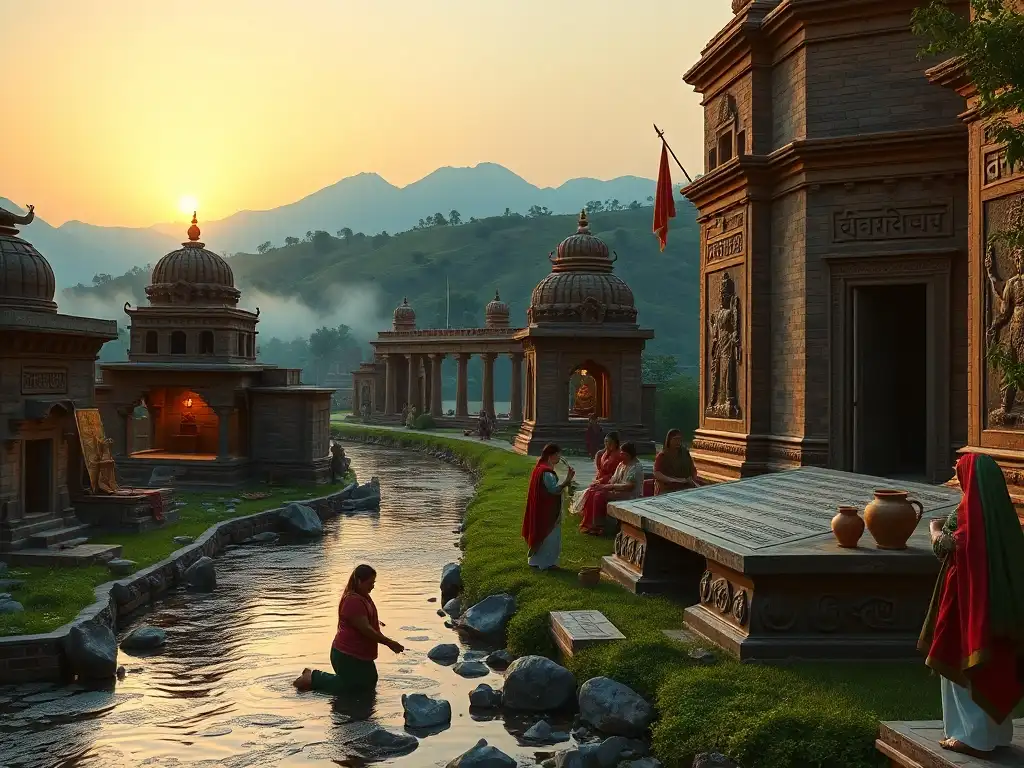
Welcome to Ancient India History, your gateway to exploring the rich tapestry of ancient Indian civilizations. Here, we delve into the profound impact that culture, innovation, and belief systems have had on shaping our world today. In our featured article, “The Role of Religion in Shaping the Indus Valley Civilization,” we uncover the intricate spiritual practices and religious beliefs that not only influenced daily life but also laid the foundations for societal structures in one of the earliest urban cultures.
Join us on this enlightening journey as we unravel the mysteries of the Indus Valley and discover how religion played a pivotal role in its development. Are you ready to unlock the secrets of the past?
Introduction to Religion in Indus Valley Civilization
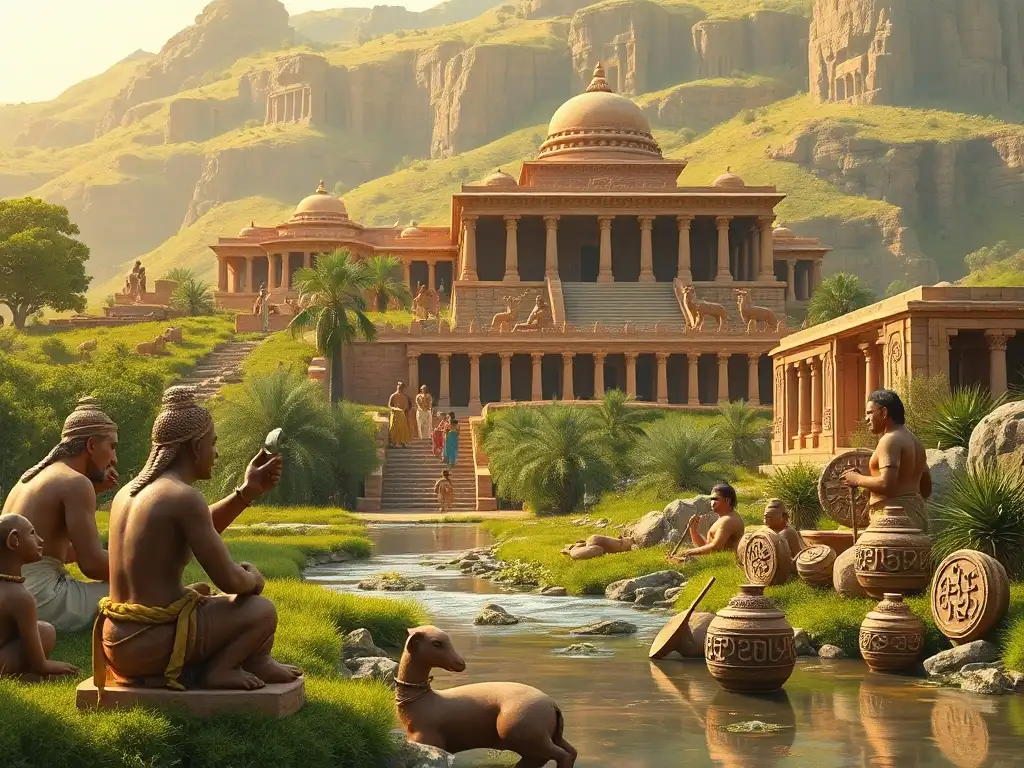
Religion played a pivotal role in shaping the social, cultural, and political landscapes of the Indus Valley Civilization (IVC), one of the world's earliest urban societies, flourishing around 2500 BCE. This ancient civilization, known for its advanced urban planning, sophisticated drainage systems, and monumental architecture, also exhibited rich spiritual life that influenced its daily practices and community interactions.
While much about the IVC remains a mystery due to the undeciphered script and the limited archaeological findings, the evidence available suggests that religion was deeply interwoven with the fabric of IVC society. Understanding the role of religion in the Indus Valley Civilization not only sheds light on the spiritual beliefs of its people but also unveils how these beliefs helped shape their societal norms and values.
Overview of the Indus Valley Civilization
The Indus Valley Civilization, predominantly located in present-day Pakistan and northwest India, emerged around 3300 BCE and lasted until approximately 1300 BCE. It is characterized by its well-planned cities like Harappa and Mohenjo-Daro, which showcased advanced urban design, including grid patterns, public baths, and sophisticated drainage systems. The civilization was primarily agrarian, thriving on the fertile plains of the Indus River, which provided ample resources for agriculture and trade.
- Key Features of the Indus Valley Civilization:
- Urban Planning: Evidence of well-structured cities with organized street layouts and public infrastructure.
- Economy: A robust economy based on agriculture, trade, and artisanal crafts.
- Writing System: The use of an undeciphered script found on seals and pottery.
- Art and Architecture: Notable for intricate pottery, seals, and the construction of large granaries.
Despite its achievements, the decline of the Indus Valley Civilization around 1900 BCE remains a subject of debate among historians, with theories ranging from climate change to invasions.
Significance of Religion in Ancient Societies
Religion in ancient societies served multifaceted roles, functioning as a glue that held communities together and a framework for understanding the world. It provided:
- A Moral Compass: Guiding ethical behavior and societal norms.
- Cohesion and Identity: Uniting people through shared beliefs and practices.
- Explanations for Natural Phenomena: Offering narratives that helped societies make sense of the world around them.
In the context of the Indus Valley Civilization, religion was likely central to community life, influencing everything from governance to public health.
Key Religious Practices in the Indus Valley Civilization
Major Religious Symbols and Artifacts
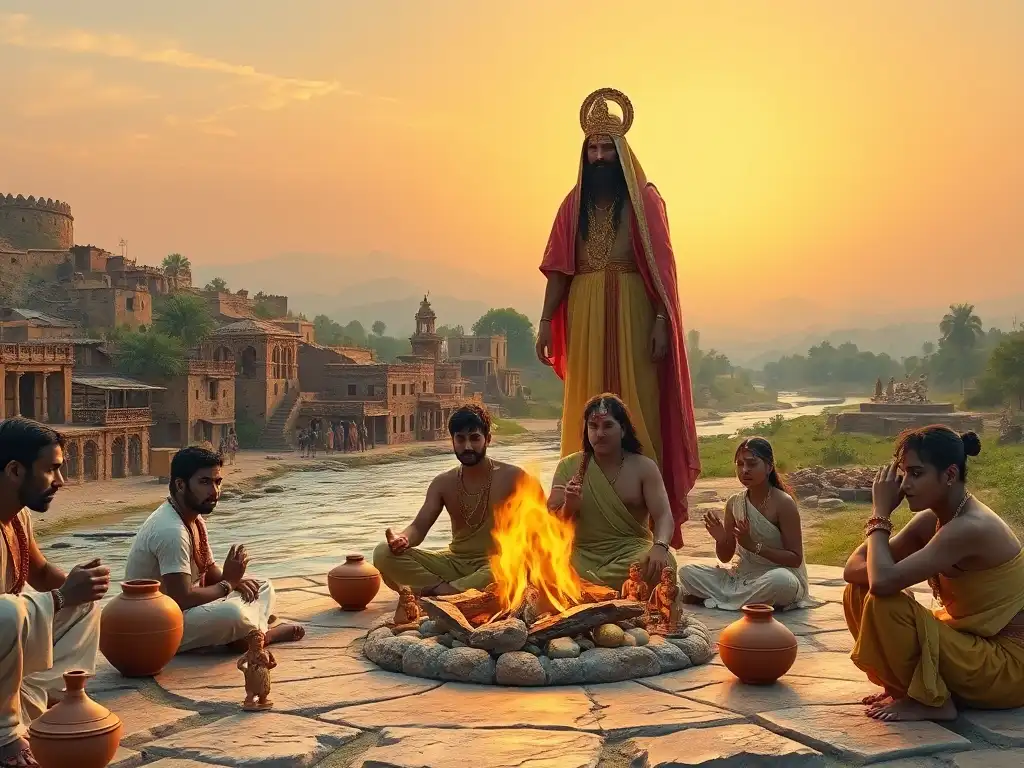
Archaeological discoveries have unveiled several significant religious symbols and artifacts that provide insight into the spiritual life of the IVC. Among these are:
- Seals: Many seals depict animals, such as unicorns, and humanoid figures, suggesting they held religious significance or were used in trade.
- Figurines: Terracotta figurines, often representing deities or fertility symbols, indicate the importance of ritual and worship.
- Cylindrical Objects: Often inscribed with symbols or images, these artifacts may have played a role in religious ceremonies or as amulets.
These artifacts highlight the complexity of religious beliefs and practices, suggesting a rich spiritual life that permeated daily living.
Rituals and Ceremonies in Indus Valley Culture
Rituals and ceremonies in the Indus Valley Civilization likely encompassed a variety of practices, including:
- Ritual Bathing: Evidence of large public baths suggests that purification rituals were significant.
- Offerings and Sacrifices: Artifacts indicate that offerings, possibly of food or goods, were made to deities.
- Festivals: Community gatherings for celebrations may have been integral to societal cohesion.
These practices not only fostered community bonds but also reinforced the spiritual hierarchies within society.
The Concept of Sacred Spaces: Temples and Altars
The presence of sacred spaces, such as temples and altars, underscores the importance of religion in the Indus Valley Civilization.
- Public and Private Worship: Structures likely served both communal and individual worship needs, indicating a dual approach to spirituality.
- Location and Design: The placement of these spaces, often in central areas of cities, reflects their significance in daily life.
By examining these sacred spaces, we gain insight into how religion influenced the architecture and urban planning of the Indus Valley Civilization, making it an integral aspect of their cultural identity.
Deities and Beliefs in the Indus Valley Civilization
The religion of the Indus Valley Civilization (IVC) remains one of the most enigmatic aspects of this ancient society, primarily due to the lack of substantial written records. However, archaeological findings have shed light on the deities and beliefs that likely shaped the spiritual landscape of the IVC. The prevailing evidence suggests a complex belief system that included a pantheon of deities, a reverence for nature, and the veneration of feminine divine figures.
Major Deities Worshipped in the Indus Valley
Archaeological discoveries, including seals, sculptures, and terracotta figurines, indicate the presence of various deities in the Indus Valley. One of the most prominent figures is the so-called "Proto-Shiva," often depicted in a yogic posture surrounded by animals. This figure suggests an early form of a deity associated with asceticism and meditation. Other seals feature horned deities, which some scholars believe may represent a fertility god or a protector of the community.
Additionally, there are indications of a Mother Goddess figure, often associated with fertility and agriculture, reflecting the agrarian lifestyle of the civilization. The presence of such deities suggests that the people of the IVC engaged in rituals aimed at ensuring fertility for both the land and their families.
The Role of Nature in Indus Valley Religion
Nature played a pivotal role in the religious beliefs of the Indus Valley Civilization. The abundance of rivers, particularly the Indus River, not only provided sustenance but also served as a source of spiritual inspiration. Evidence suggests that water bodies were considered sacred, and rituals may have involved water offerings or purification ceremonies.
Furthermore, the veneration of animals is evident in numerous artifacts, indicating that certain creatures held symbolic significance. The bull, for instance, is often depicted in seals and may have been associated with strength and fertility. This connection to nature illustrates the IVC's understanding of the interdependence between their environment and their spiritual beliefs, fostering a holistic approach to life that integrated the natural world into their religious practices.
Female Deities and Their Significance
Female deities held significant importance within the religious framework of the Indus Valley Civilization. The frequent representation of Mother Goddess figurines, often adorned with elaborate jewelry and exaggerated features, points towards a cultural emphasis on femininity, fertility, and motherhood. These figures may have been worshipped to invoke prosperity and ensure the continuity of the community.
The prominence of female deities suggests that women played a substantial role in the religious and social fabric of the civilization. Their veneration could reflect matriarchal elements in society, where women were honored as life-givers and nurturers, influencing social dynamics and cultural practices.
The Influence of Religion on Daily Life in the Indus Valley
Religion in the Indus Valley Civilization extended beyond mere worship; it was intricately woven into the daily lives of its people. The spiritual beliefs and practices of the IVC shaped social structures, economic activities, and artistic expressions, reflecting a society deeply connected to its religious roots.
Religious Practices and Social Structure
The social structure of the Indus Valley Civilization appears to have been influenced by religious practices, with a potential hierarchy emerging based on spiritual roles. While the exact nature of this hierarchy remains debated, it is believed that certain individuals may have acted as religious leaders or priests, guiding communal rituals and ceremonies.
Archaeological findings, such as altars and ceremonial hearths, suggest that religious gatherings were common. These gatherings likely fostered community cohesion and reinforced social bonds. The presence of specific artifacts associated with ritualistic practices indicates that religion dictated not only the spiritual aspects of life but also social interactions and community governance.
The Impact of Religion on Trade and Economy
Religion also had a profound impact on the economic activities of the Indus Valley Civilization. The act of trade may have been intertwined with religious beliefs, as merchants likely participated in rituals to seek blessings for successful transactions. Seals bearing religious symbols imply that spiritual elements were incorporated into trade practices, possibly serving as identification marks for merchants.
Moreover, the agricultural practices influenced by religious beliefs, such as rituals aimed at ensuring bountiful harvests, directly affected the economy. The intertwining of religion and agriculture created a system where spiritual well-being was perceived as essential for economic prosperity, shaping the community’s approach toward trade and sustenance.
Religion and Art: Expressions of Faith in Artifacts
Artistic expressions in the Indus Valley Civilization serve as valuable insights into the religious beliefs and practices of the era. Numerous artifacts, including seals, pottery, and figurines, reveal the significance of religion in daily life. The intricate designs and motifs often reflect religious themes, showcasing the importance of spirituality to the cultural identity of the civilization.
Seals featuring deities, animals, and symbols suggest that art was used not only for decorative purposes but also as a medium for conveying spiritual beliefs. These artifacts likely played a role in rituals and served as offerings or talismans, illustrating the deep connection between art and religion in the IVC. The artistic legacy of the Indus Valley thus stands as a testament to the civilization's reverence for their deities and the integral role of faith in their societal framework.
Comparison with Contemporary Civilizations
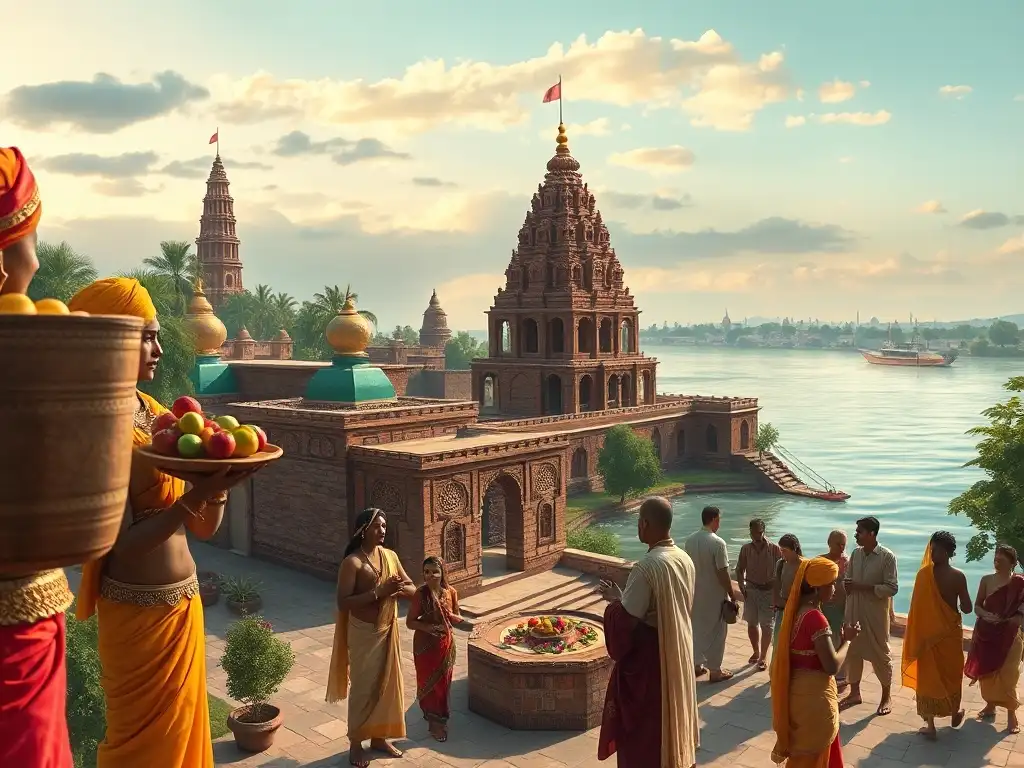
The Indus Valley Civilization (IVC) flourished around 2500 BCE in what is now Pakistan and northwest India, contemporaneously with other great civilizations such as Mesopotamia and Ancient Egypt. Understanding the religious aspects of the IVC in comparison to these civilizations provides insight into its unique characteristics and shared cultural elements.
Religion in the Indus Valley vs. Mesopotamian Beliefs
The religious practices of the Indus Valley Civilization show both similarities and contrasts when compared to those of Mesopotamia. In Mesopotamia, a polytheistic belief system dominated, with gods representing natural forces and city-states often having their patron deities. Temples and ziggurats were central to their worship, indicating a structured religious hierarchy.
In contrast, while the IVC also exhibited polytheistic tendencies, the lack of large temples or monumental architecture suggests a different approach to worship. Evidence indicates that fertility cults might have been significant, with numerous figurines, such as the famous "Dancing Girl" statue, suggesting a focus on fertility and perhaps goddess worship. The absence of written records from the IVC limits our understanding, but it appears that their religious practices were more integrated into daily life rather than centered around grand structures.
Similarities and Differences with Ancient Egyptian Religion
Ancient Egypt and the Indus Valley share some thematic elements in their religious practices, particularly in their reverence for nature and the afterlife. Both civilizations worshipped multiple deities and held significant rituals surrounding agriculture, which was vital for their societies.
However, differences emerge in their religious expressions and artistic representations. Egyptian religion was heavily influenced by the divine kingship, with pharaohs considered intermediaries between gods and humans. In contrast, the IVC lacked evidence of a centralized religious authority or divine kingship, indicating a more egalitarian approach to spirituality. Furthermore, while Egyptian art often depicted gods and the afterlife, Indus Valley artifacts emphasize fertility and daily life, suggesting a different focus in their spiritual beliefs.
Influence of Indus Valley Religion on Future Indian Civilizations
The religious practices of the Indus Valley Civilization arguably laid a foundation for later Indian civilizations. Elements such as the worship of fertility symbols and mother goddesses can be traced through subsequent cultural developments leading to Hinduism. The continuity of certain motifs, such as the sacredness of rivers and the reverence for nature, indicates a lingering influence of IVC beliefs.
Moreover, the concept of ritual purity and the importance of domestic worship seen in later Indian cultures may have roots in the practices of the Indus Valley. While the direct lineage of these religious beliefs is challenging to trace due to the lack of written records, it is evident that the religious landscape of ancient India was shaped significantly by its early civilizations, including the IVC.
Archaeological Insights into Religion in Indus Valley Civilization
Archaeological discoveries have been pivotal in piecing together the religious practices of the Indus Valley Civilization. Various sites have yielded artifacts that provide insights into the spiritual life of this ancient society.
Key Archaeological Sites and Findings
Prominent archaeological sites such as Mohenjo-Daro, Harappa, and Lothal have unearthed significant religious artifacts. Notable findings include:
- The Great Bath at Mohenjo-Daro: This large structure is believed to have been used for ritual purification, indicating the importance of water in IVC religious practices.
- Terracotta Figurines: Numerous figurines, often depicting female forms, suggest a cult of fertility or goddess worship.
- Seals with Iconography: Seals featuring animals and deities provide clues about the symbolic significance of certain creatures and the potential for a pantheon of gods.
These findings highlight the complexity of religious life in the IVC, suggesting ritualistic practices that were likely interwoven with daily activities.
Interpretation of Religious Artifacts
Understanding the religious significance of artifacts from the Indus Valley Civilization poses challenges due to the absence of written records. Scholars often rely on comparative analysis with contemporary civilizations to interpret findings.
For instance, the terracotta figurines are often viewed as representations of fertility deities, akin to the goddess figures found in Mesopotamia. However, without explicit textual evidence, interpretations remain speculative. The seals, often rich in iconography, might indicate trade practices but could also symbolize religious beliefs, reflecting the interconnectedness of commerce and spirituality.
Challenges in Understanding Indus Valley Religion
Several challenges complicate the understanding of religion in the Indus Valley Civilization. The primary barrier is the lack of decipherable written records, making it difficult to ascertain the beliefs, rituals, and societal structures directly. Additionally, the region's archaeological sites often face issues such as erosion and urban development, which threaten the preservation of crucial artifacts.
Moreover, the diverse interpretations of artifacts can lead to conflicting theories about the nature of IVC religion. Scholars must navigate cultural biases and the limitations of comparative analysis, often leading to ambiguous conclusions that highlight the complexity of ancient spiritual practices. Despite these challenges, ongoing research continues to shed light on the rich tapestry of religious life in the Indus Valley Civilization, contributing to our understanding of ancient Indian history.
Conclusion: The Lasting Legacy of Religion in the Indus Valley Civilization
The Indus Valley Civilization (IVC) is renowned for its advanced urban planning, trade systems, and social organization, but its religious practices also played a critical role in shaping its society. The lasting legacy of religion in the IVC can be seen in the archaeological remains, such as seals, figurines, and the layout of cities, which suggest a complex belief system that influenced daily life and governance. The reverence for certain deities, possibly linked to fertility and nature, hints at an early form of spirituality that laid the groundwork for later religious developments in the region.
Moreover, the integration of religious practices into everyday life facilitated social cohesion among the diverse communities within the IVC. Rituals and ceremonies likely served to unify individuals under shared beliefs, fostering a sense of identity that transcended individual city-states. This strong collective identity contributed to the civilization's resilience and adaptability, allowing it to flourish for centuries before its eventual decline. The remnants of this religious framework continue to resonate in the cultural practices of contemporary South Asia, illustrating the profound impact of IVC spirituality on the region's historical trajectory.
Summary of Key Points on Religion and Culture
- Diverse Belief Systems: The IVC exhibited a variety of religious symbols and practices, suggesting a rich tapestry of spiritual beliefs that included reverence for natural elements and possibly a mother goddess figure.
- Ritual Practices: Archaeological findings, including altars and ritualistic artifacts, indicate that religious ceremonies were integral to community life, possibly involving offerings and communal gatherings.
- Urban Planning Influences: The layout of cities, with their large public baths and potential temples, reflects the importance of ritual purity and religious observance in urban living.
- Cultural Continuity: Elements of IVC religion can be traced into later Indian religious practices, indicating a continuity of cultural and spiritual themes that defined the region's historical evolution.
- Social Cohesion: Religion served as a unifying force among the diverse populations of the IVC, fostering social networks and collective identities that were crucial for the civilization's stability.
The Role of Religion in Shaping Modern Perspectives on Indus Valley Civilization
Modern interpretations of the Indus Valley Civilization are significantly influenced by the understanding of its religious practices. Scholars and archaeologists often examine the religious artifacts unearthed from sites like Mohenjo-Daro and Harappa to gain insights into the spiritual lives of the people. This analysis has led to a reevaluation of the IVC's contributions to later Indian religious traditions, including Hinduism and Jainism.
Furthermore, the portrayal of the IVC in contemporary discourse often emphasizes its advanced societal structures and cultural practices, which are seen as foundational to the understanding of ancient Indian civilization as a whole. This recognition of the civilization's spiritual dimensions fosters a deeper appreciation for the interconnectedness of religion, culture, and social organization in shaping historical narratives.
In educational contexts, the role of religion in the IVC can stimulate discussions on the evolution of belief systems in South Asia and how they influenced governance, art, and community life. By acknowledging the religious aspects of the Indus Valley Civilization, modern scholars contribute to a more nuanced understanding of its legacy, highlighting the importance of spirituality in the development of one of the world's earliest urban cultures.
- Introduction to Religion in Indus Valley Civilization
- Overview of the Indus Valley Civilization
- Significance of Religion in Ancient Societies
- Key Religious Practices in the Indus Valley Civilization
- Deities and Beliefs in the Indus Valley Civilization
- The Influence of Religion on Daily Life in the Indus Valley
- Comparison with Contemporary Civilizations
- Archaeological Insights into Religion in Indus Valley Civilization
- Conclusion: The Lasting Legacy of Religion in the Indus Valley Civilization
- What was the primary religion in the Indus Valley Civilization?
- How did religion influence the daily life of Indus Valley people?
- Were there any specific religious sites in the Indus Valley Civilization?
- Did the Indus Valley Civilization have sacred texts or scriptures?
- How did the religion of the Indus Valley Civilization compare to later Indian religions?
Frequently Asked Questions
What was the primary religion in the Indus Valley Civilization?
The Indus Valley Civilization did not have a single dominant religion, but evidence suggests a polytheistic belief system with various deities and ritual practices.
How did religion influence the daily life of Indus Valley people?
Religion played a significant role in the social structure and daily activities of the Indus Valley people, influencing their rituals, trade, and even urban planning.
Were there any specific religious sites in the Indus Valley Civilization?
Yes, archaeological findings indicate the existence of religious structures like the Great Bath in Mohenjo-Daro, which is believed to have been used for ritual purification.
Did the Indus Valley Civilization have sacred texts or scriptures?
There are no known sacred texts from the Indus Valley Civilization, as their writing system remains undeciphered, but symbols suggest a spiritual belief system.
How did the religion of the Indus Valley Civilization compare to later Indian religions?
While the religious practices of the Indus Valley laid some foundations, later Indian religions like Hinduism evolved to include more structured beliefs and texts, diverging significantly from earlier traditions.
Final Reflection: The Enduring Legacy of Religion in the Indus Valley Civilization
The exploration of religion in the Indus Valley Civilization reveals how deeply intertwined spiritual beliefs were with the daily lives of its people, influencing everything from urban planning to social structures. Today, as we navigate a world often divided by differing beliefs, understanding the role of religion in shaping one of history's earliest civilizations offers profound insights into the power of faith in fostering community and identity. The lessons drawn from the Indus Valley remind us that religion can be a unifying force, transcending time and geography.
The impact of religion in the Indus Valley Civilization continues to resonate in contemporary discussions about cultural heritage and identity. The intricate symbols and rituals that emerged from this ancient society not only shaped their world but also laid foundational elements for future civilizations. As we reflect on this legacy, we are reminded of the words of historian Karen Armstrong: Religion is not about believing things; it’s about behaving in a way that is worthy of belief.
This perspective invites us to consider how the spiritual practices of the Indus Valley people were not merely rituals but essential components of their societal fabric.
As we conclude this exploration, I invite you to reflect on your own beliefs and their role in shaping your identity and community. Consider how the lessons from the Indus Valley Civilization can inspire you to engage with your own spiritual practices, fostering understanding and connection in a diverse world. Let us carry forward the understanding that, much like the ancient inhabitants of the Indus Valley, our beliefs can guide us toward a more harmonious existence, bridging divides and enriching our shared human experience.
Unveil the Spiritual Legacy of the Indus Valley Civilization!
Thank you for joining us on this insightful journey into the profound influence of religion on the Indus Valley Civilization. By exploring the intricate ties between spirituality and society, you've uncovered the essence of how these ancient beliefs shaped a remarkable culture. Now, it’s time to take your curiosity further!
Here’s how you can deepen your understanding and engagement:
- Dive Deeper: Research a specific religious artifact from the Indus Valley and share your findings. Discover how it reflects the beliefs and practices of that era!
- Join the Conversation: Engage with fellow history enthusiasts in our discussion forum by sharing your thoughts or questions about religion in ancient civilizations.
- Spread the Knowledge: Share this article with friends and family who are passionate about history, and spark discussions around the spiritual dimensions of ancient cultures.
As you reflect on this exploration, consider: How do the spiritual practices of the Indus Valley compare with those of modern societies?