
The Art and Architecture of the Indus Valley: A Reflection of Cultural Sophistication

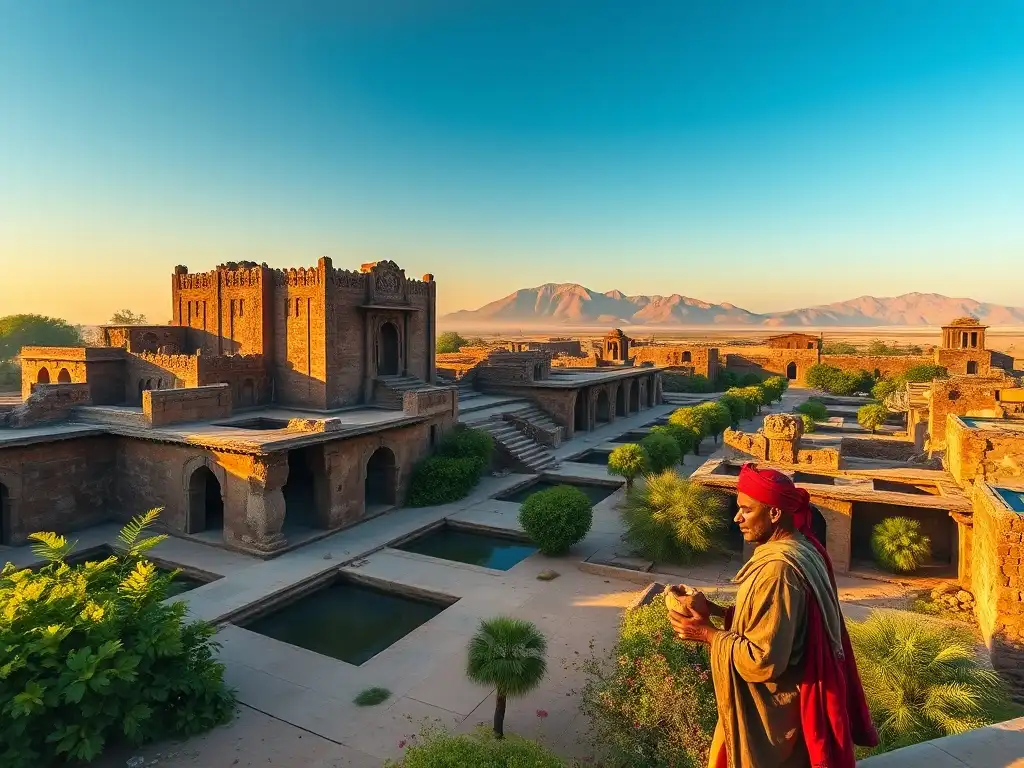
Welcome to Ancient India History, where we embark on a captivating journey through the rich tapestry of ancient Indian civilizations. In this exploration, we invite you to uncover the remarkable art and architecture of the Indus Valley, a testament to the cultural sophistication that flourished long ago. As we delve into the intricacies of their designs and artistic expressions, you'll discover how these early innovations laid the groundwork for the vibrant heritage that followed.
Prepare to be intrigued as we reveal the stories behind these ancient masterpieces and the profound impact they had on the evolution of Indian culture. Dive in and let the wonders of the Indus Valley inspire your curiosity!
Introduction to Indus Valley Art and Architecture
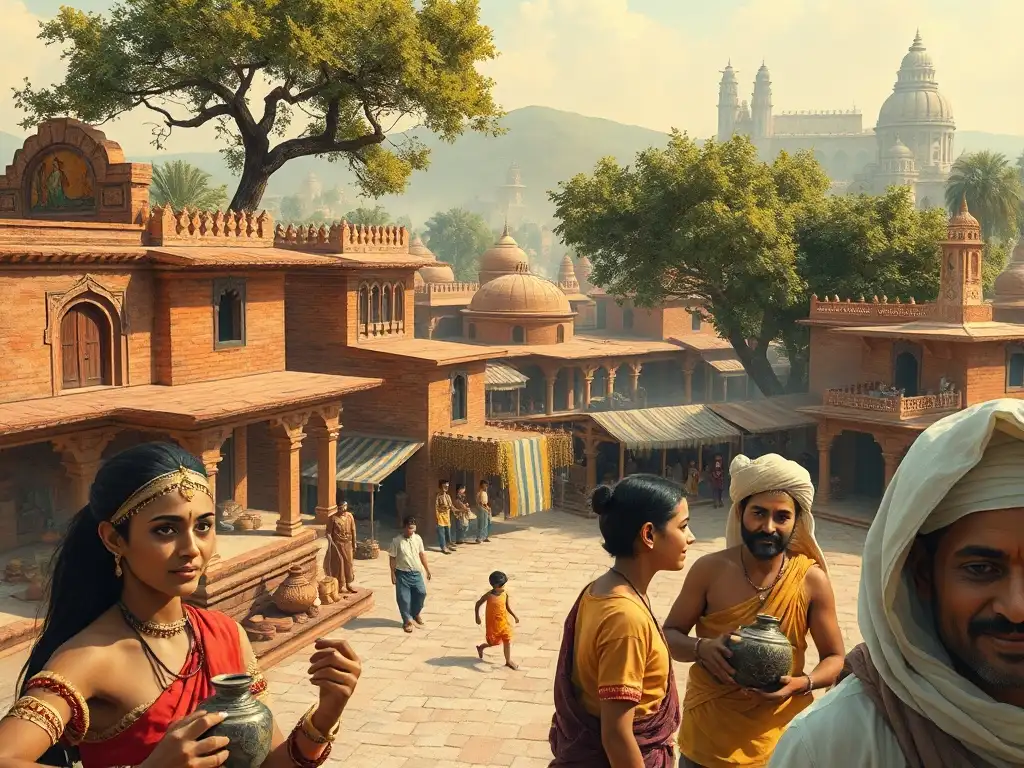
The Indus Valley Civilization, one of the world's earliest urban societies, flourished around 2500 BCE in what is now modern-day Pakistan and northwest India. It is renowned for its sophisticated art and architecture, which reflect the civilization's advanced technological prowess, social organization, and cultural values.
This article delves into the rich tapestry of Indus Valley art and architecture, examining how these elements not only served functional purposes but also symbolized the civilization's aesthetic sensibilities and cultural identity. By exploring the intricate details of their urban planning, craftsmanship, and artistic expressions, we can gain a deeper understanding of this remarkable civilization that laid foundational aspects of Indian culture.
Overview of the Indus Valley Civilization
The Indus Valley Civilization, also known as the Harappan Civilization, emerged around 3300 BCE, reaching its peak during the Mature Harappan phase (2600-1900 BCE). Characterized by well-planned cities such as Harappa and Mohenjo-Daro, this civilization showcased a level of urban sophistication that was unparalleled in its time. The cities were marked by:
- Grid-patterned streets: Streets were laid out in a grid pattern, indicating advanced urban planning.
- Drainage systems: Complex drainage systems were implemented, showcasing their engineering skills and commitment to sanitation.
- Public baths: The Great Bath of Mohenjo-Daro exemplifies the importance of ritual and cleanliness in their culture.
Significance of Art and Architecture in Ancient Cultures
Art and architecture serve as vital expressions of cultural identity, reflecting societal values, beliefs, and technological advancements. In ancient cultures, including the Indus Valley, these elements played a crucial role in:
- Cultural expression: Artistic endeavors, such as pottery, sculpture, and seals, provided insight into the daily lives, religious beliefs, and social hierarchies of the people.
- Social cohesion: Architectural feats, from monumental structures to residential buildings, fostered community and civic pride, reinforcing social bonds.
- Historical documentation: The remnants of art and architecture serve as primary sources for historians, offering clues about the civilization's evolution, trade relations, and interactions with neighboring cultures.
Historical Context of Indus Valley Civilization
Understanding the art and architecture of the Indus Valley requires a closer look at its historical context, including its timeline and key urban centers.
Timeline of the Indus Valley Civilization
| Period | Time Frame | Key Developments |
|---|---|---|
| Early Harappan | 3300 - 2600 BCE | Initial settlement and agricultural development |
| Mature Harappan | 2600 - 1900 BCE | Urbanization, trade, and cultural flourishing |
| Late Harappan | 1900 - 1300 BCE | Decline of cities and transition to rural settlements |
Key Locations of Indus Valley Urban Centers
The Indus Valley Civilization boasted several major urban centers that exemplified its architectural brilliance and cultural richness. Some of the most significant sites include:
- Harappa: Known for its well-constructed granaries and sophisticated drainage systems.
- Mohenjo-Daro: Famous for the Great Bath and its uniform brick houses.
- Dholavira: Renowned for its water conservation systems and intricate urban planning.
Through these urban centers, the Indus Valley Civilization not only demonstrated advanced engineering and architectural skills but also embodied a cultural sophistication that continues to fascinate historians and archaeologists today.
Characteristics of Indus Valley Art
The art of the Indus Valley Civilization is marked by its remarkable sophistication, reflecting the culture's advanced social structure and technological prowess. Predominantly, the art is characterized by its attention to detail, use of geometric patterns, and a balance between utility and aesthetic appeal.
The craftsmanship in pottery, seals, and figurines reveals a high level of skill and artistic expression. Pottery from this era often features intricate designs, including painted motifs that depict animals, human figures, and floral patterns. Moreover, the use of terracotta for crafting figurines, especially those portraying dancers and mother goddesses, indicates a rich tradition of religious and cultural symbolism.
Indus Valley artists also exhibited a keen understanding of proportion and form, which is evident in their bronze and stone sculptures. The art produced was not only decorative but also served functional purposes, such as seals used for trade, depicting various motifs that represented the civilization's commerce and social structure.
Common Themes in Indus Valley Artworks
Indus Valley artworks often embody themes that reflect the civilization's daily life, spirituality, and environment. Common motifs include:
- Nature and Animals: Many artworks feature animals such as bulls, elephants, and birds, signifying their importance in the cultural and agricultural practices of the time. The presence of these motifs may also suggest reverence for nature in the Indus Valley belief system.
- Human Figures: Figurines of women, often adorned with jewelry, highlight the significance of femininity and possibly fertility in their culture. These depictions may hint at societal roles or religious beliefs surrounding womanhood.
- Geometric Patterns: Geometric designs are prevalent in pottery and seals, showcasing the civilization's mathematical understanding and aesthetic preferences. These patterns not only serve decorative purposes but may also hold deeper cultural meanings.
Materials and Techniques Used in Art Production
The artisans of the Indus Valley employed a variety of materials and techniques in their artistic creations. Common materials included:
- Terracotta: This was the primary medium for figurines and pottery, allowing for intricate designs and shapes. Techniques such as molding and firing were used to enhance durability.
- Stone: Hard stones like steatite were carved into seals and sculptures, demonstrating advanced skills in stoneworking. The use of tools made from harder materials allowed for fine detailing.
- Metals: Bronze was used for casting sculptures, showcasing the technological advances in metallurgy. The lost-wax casting technique allowed for precise and detailed metalwork.
These materials and techniques reflect the sophistication of Indus Valley artisans and their ability to manipulate resources to create functional and aesthetic objects.
Iconography and Symbolism in Indus Valley Art
The iconography found in Indus Valley art is rich with symbolism, often representing religious beliefs, social structures, and daily life. Key elements include:
- Seals and Insignia: Many seals depict animals and human forms, which are thought to symbolize trade relationships and possibly territorial claims. The unicorn motif, for instance, remains a subject of debate among historians regarding its significance.
- Mother Goddess Figurines: These figurines symbolize fertility and the nurturing aspects of femininity, suggesting a matrifocal aspect of Indus Valley society.
- Sacred Symbols: The recurring use of certain geometric patterns may indicate spiritual beliefs or serve ritualistic purposes, emphasizing the connection between art and religion in the civilization.
Architectural Innovations of the Indus Valley
The architectural achievements of the Indus Valley Civilization are a testament to their advanced engineering and urban planning skills. This civilization is renowned for its intricate city layouts, advanced drainage systems, and monumental structures, reflecting a high level of societal organization.
Urban Planning and City Layout
Indus Valley cities, such as Harappa and Mohenjo-Daro, display remarkable urban planning features. The cities were laid out in a grid pattern, with streets aligned along cardinal directions. Key aspects of urban planning include:
- Grid-Based Layout: Streets were constructed at right angles, facilitating organized movement and efficient land use.
- Advanced Drainage Systems: One of the most significant innovations was the sophisticated drainage system that included brick-lined drains and public sanitation facilities, highlighting the civilization’s emphasis on hygiene.
- Zoning: Different areas were designated for residential, commercial, and administrative purposes, indicating a well-planned urban environment that catered to various aspects of life.
Key Architectural Features of Indus Valley Settlements
Indus Valley architecture is characterized by several distinctive features that showcase their engineering prowess:
- Brick Construction: Buildings were primarily constructed using standardized fired bricks, contributing to durability and uniformity in architecture.
- Public Bathing Facilities: The Great Bath of Mohenjo-Daro is a notable example of public architecture, believed to be used for ritualistic purposes, suggesting a complex social and religious structure.
- Granaries and Warehouses: Large storage facilities indicate a sophisticated approach to agriculture and trade, allowing for the management of surplus goods.
These architectural elements underscore the civilization's ability to create functional spaces that met the needs of its inhabitants, from residential areas to public institutions.
Comparison with Contemporary Civilizations' Architecture
When comparing Indus Valley architecture to that of contemporary civilizations, such as Mesopotamia and Ancient Egypt, several similarities and differences emerge:
- Similarities: Like the Indus Valley, both Mesopotamia and Ancient Egypt showcased advanced urban planning and monumental architecture, including temples and palaces. They also utilized standardized materials for construction.
- Differences: However, the Indus Valley is unique in its emphasis on drainage and sanitation systems, which were less developed in Mesopotamian and Egyptian cities. Additionally, while the latter two civilizations often built large, imposing structures dedicated to deities and rulers, the Indus Valley architecture prioritized functional urban spaces.
The art and architecture of the Indus Valley Civilization not only reflect its cultural sophistication but also highlight its innovations and societal values, laying a foundation for understanding ancient Indian civilization as a whole.
Cultural Sophistication Reflected in Art and Architecture
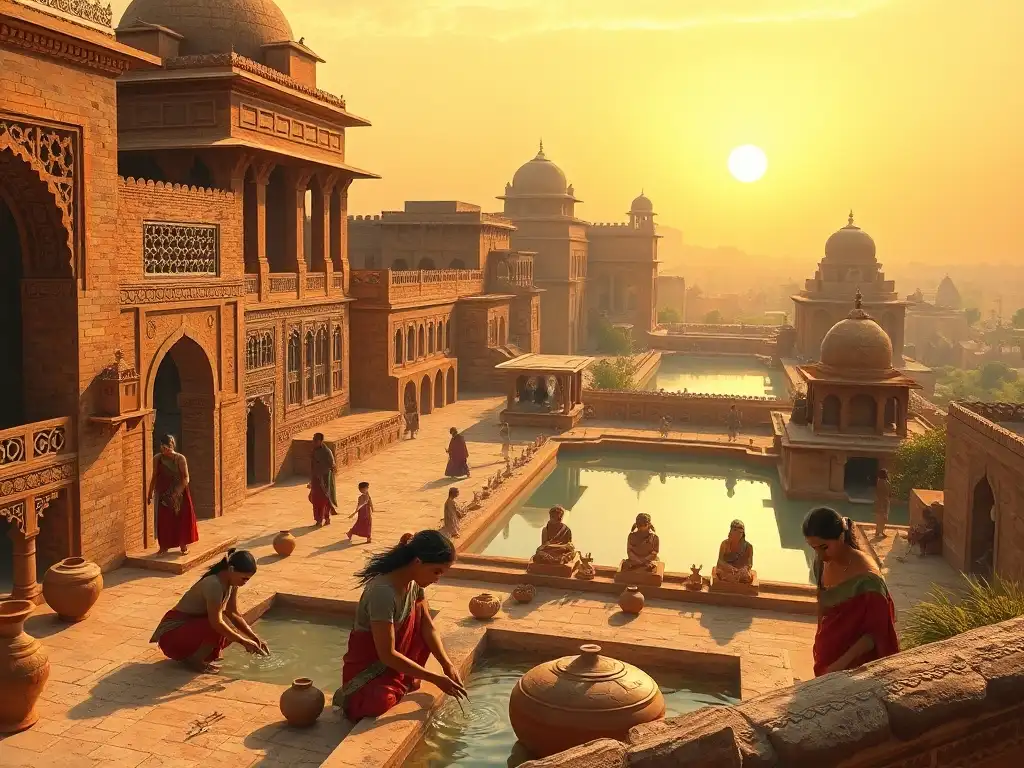
The art and architecture of the Indus Valley Civilization stand as a testament to the cultural sophistication of one of the world's earliest urban societies. This civilization, which flourished around 2500 BCE in what is now Pakistan and northwest India, displayed remarkable advancements in urban planning, engineering, and artistic expression that reflected their societal values and beliefs. The well-structured cities, such as Harappa and Mohenjo-Daro, were characterized by their grid layouts, advanced drainage systems, and uniform building materials, indicating a high level of organization and communal effort.
Indus Valley art is distinguished by its intricate craftsmanship and the use of various materials, including terracotta, bronze, and semi-precious stones. Artisans created exquisite pottery decorated with geometric patterns and motifs inspired by nature. The production of seals, often inscribed with script and adorned with animal figures, provides insight into the civilization's trade practices and religious beliefs. Overall, the harmony between functionality and aesthetics in their architectural designs and art forms exemplifies the cultural sophistication that defined the Indus Valley Civilization.
Social Structure and Its Impact on Artistic Expression
The social structure of the Indus Valley Civilization played a critical role in shaping its artistic expression. Archaeological findings suggest a stratified society with a notable division of labor, where skilled artisans, traders, and agriculturalists contributed to the economy and culture. This division facilitated the specialization of crafts, allowing for the development of distinct artistic styles and techniques.
The existence of large public works, such as the Great Bath, implies a centralized authority that likely commissioned various art forms for civic and religious purposes. The uniformity in design across different sites indicates a shared cultural identity, possibly influenced by a ruling elite who promoted specific artistic standards. Furthermore, the presence of figurines and seals suggests that art was not only a means of aesthetic expression but also served social and communicative functions within the community.
Role of Trade in Influencing Art and Architecture
Trade was a significant driving force behind the artistic and architectural developments of the Indus Valley Civilization. The strategic location of the Indus cities along trade routes facilitated the exchange of goods and ideas with neighboring regions, including Mesopotamia and Persia. This interaction led to the incorporation of foreign artistic elements and materials into Indus Valley art.
Items such as carnelian, lapis lazuli, and shell ornaments, which were not locally sourced, indicate a sophisticated trade network that influenced local craftsmanship. This exchange not only enriched the artistic repertoire of the Indus Valley artisans but also resulted in the creation of hybrid art forms that blended local traditions with foreign influences. Architectural advancements, such as the use of baked bricks and sophisticated drainage systems, may also have been inspired by interactions with other contemporary civilizations.
Religious and Spiritual Influences on Design and Art
Religious and spiritual beliefs significantly influenced the art and architecture of the Indus Valley Civilization. The presence of various seals depicting animals, deities, and ritualistic symbols suggests a complex belief system. The depiction of certain animals, like the unicorn, indicates the potential importance of mythology and spirituality in their daily lives.
Architecturally, structures such as the Great Bath may have served ritualistic purposes, reflecting the community's spiritual practices and societal norms. The emphasis on cleanliness and water in this grand structure signifies the possible importance of purification rituals in their culture. Additionally, the terracotta figurines, often thought to represent fertility goddesses or deities, highlight the integration of artistic expression and spirituality, showcasing the people's reverence for the divine through their craft.
Case Studies: Notable Examples of Indus Valley Art and Architecture
The Great Bath of Mohenjo-Daro
The Great Bath of Mohenjo-Daro is one of the most iconic structures of the Indus Valley Civilization, exemplifying their architectural prowess and social practices. Measuring approximately 12 meters in length and 7 meters in width, this large public bathing facility is constructed using highly fired bricks, showcasing the advanced engineering techniques of the time.
The Great Bath's sophisticated drainage system and water-tight design suggest that it was likely used for ritualistic bathing, reflecting the cultural importance of cleanliness and possibly religious purification. Archaeological evidence indicates that the area surrounding the Great Bath may have served as a communal space for gatherings, further illustrating its significance within the society.
Seals and Terracotta Figurines
Seals and terracotta figurines are among the most remarkable artifacts discovered from the Indus Valley, providing valuable insights into their artistic expression and daily life. The seals, often engraved with animal motifs and script, were used for trade and administrative purposes, indicating a complex economic system. The imagery on these seals suggests a rich tapestry of beliefs, possibly related to fertility, nature, and mythology.
Terracotta figurines, depicting human figures and animals, showcase the craftsmanship of the artisans. Many of these figurines are thought to represent deities or reflect societal roles, such as motherhood and fertility. The prevalence of these artifacts in domestic contexts indicates their importance in both ritualistic and everyday life, highlighting the intersection of art, culture, and spirituality in the Indus Valley Civilization.
Citadel Structures and Their Functions
The citadel structures of the Indus Valley, particularly those found in cities like Harappa and Mohenjo-Daro, reveal a complex understanding of urban planning and defensive architecture. These elevated areas were likely administrative and ceremonial centers, suggesting a hierarchical governance system. The strategic placement of the citadel indicates its role in both defense and community organization.
The structures within the citadel often included granaries, public baths, and assembly halls, underscoring their multifunctional nature. The architectural style, characterized by uniformity and advanced drainage systems, reflects the civilization's commitment to public health and social order. These citadels not only served practical purposes but also symbolized the power and cultural identity of the Indus Valley Civilization, making them essential to understanding their societal dynamics.
Conclusion: The Legacy of Indus Valley Art and Architecture
The art and architecture of the Indus Valley Civilization stand as a testament to the sophisticated urban planning and aesthetic sensibilities of one of the world’s earliest urban cultures. Characterized by well-planned cities, advanced drainage systems, and intricate craftsmanship, the legacy of the Indus Valley continues to influence modern architectural practices and urban design. The use of standardized fired bricks and innovative layouts in cities like Harappa and Mohenjo-Daro highlights a deep understanding of engineering and sustainability that resonates in contemporary discussions about urban living.
Moreover, the artistic expressions found in seals, pottery, and sculptures reveal a complex society with rich cultural practices, spiritual beliefs, and social structures. The legacy of this civilization is not merely a historical footnote but a vital thread woven into the fabric of Indian heritage, inspiring generations of artists, architects, and historians alike. The Indus Valley's contributions to art and architecture exemplify a cultural sophistication that laid the groundwork for future Indian civilizations.
Influence on Subsequent Indian Civilizations
The influence of Indus Valley art and architecture can be seen in subsequent Indian civilizations, particularly during the Vedic period and later in the Mauryan and Gupta Empires. Elements such as the use of fired bricks and urban planning principles were integrated into the construction of new cities, indicating a continuity of architectural practices. The decorative motifs and artistic styles from the Indus Valley, such as geometric patterns and animal motifs, can be traced in later Indian art forms, including sculptures and pottery.
Furthermore, the emphasis on public spaces and community planning seen in the Indus Valley cities resurfaced in later Indian urban centers, reflecting a legacy that prioritized social interaction and communal life. This influence underscores the enduring impact of the Indus Valley Civilization on the cultural and architectural development of India, illustrating a continuum of creativity and innovation over the centuries.
Preservation and Study of Indus Valley Heritage
Preserving the rich heritage of the Indus Valley Civilization is crucial for understanding the foundations of Indian history and culture. Archaeological sites like Harappa and Mohenjo-Daro are protected by various national and international organizations to ensure that future generations can study and appreciate these historical treasures. Efforts to preserve these sites include establishing boundaries, limiting tourist access to sensitive areas, and ongoing excavation and conservation projects.
The study of Indus Valley art and architecture is also bolstered by interdisciplinary approaches that involve archaeology, anthropology, and art history. Researchers are utilizing modern technologies, such as ground-penetrating radar and 3D modeling, to gain deeper insights into the civilization's urban layout and artistic expressions. These efforts not only enhance our understanding of the Indus Valley but also contribute to a broader appreciation of ancient Indian civilizations as a whole.
Further Reading and Resources on Indus Valley Civilization
To gain a deeper understanding of the Indus Valley Civilization, its art, and architecture, a variety of resources are available for both casual readers and scholars. Engaging with these materials can provide valuable insights into the complexities of this ancient civilization.
Recommended Books and Articles
-
"The Indus Civilization: A Contemporary Perspective" by Gregory L. Possehl
This book offers a comprehensive overview of the Indus Valley Civilization, integrating archaeological findings with contemporary theories.
-
"The Art and Architecture of the Indus Valley Civilization" by Rani Mohan
A detailed exploration of the artistic and architectural achievements of the Indus Valley, highlighting key sites and artifacts.
-
"Archaeology of the Indus Valley: An Introduction" by Richard H. Meadow
This article discusses the major archaeological discoveries in the region and their implications for understanding the civilization.
Online Resources for Indus Valley Research
-
The Archaeological Survey of India (ASI)
The official website of ASI provides access to reports, research articles, and updates on ongoing excavations related to the Indus Valley Civilization.
-
The British Museum: Indus Valley Collections
This online resource showcases artifacts from the Indus Valley, along with detailed descriptions and historical context.
-
Indus Valley Civilization: A Historical Overview (Wikipedia)
A well-sourced overview of the Indus Valley Civilization, including its history, art, architecture, and cultural significance.
Engaging with these resources will enrich your understanding of the Indus Valley and its lasting impact on Indian civilization.
- Introduction to Indus Valley Art and Architecture
- Historical Context of Indus Valley Civilization
- Characteristics of Indus Valley Art
- Architectural Innovations of the Indus Valley
- Cultural Sophistication Reflected in Art and Architecture
- Case Studies: Notable Examples of Indus Valley Art and Architecture
- Conclusion: The Legacy of Indus Valley Art and Architecture
- Further Reading and Resources on Indus Valley Civilization
- What is the significance of Indus Valley art and architecture?
- How did Indus Valley architecture influence later civilizations?
- What are some notable features of Indus Valley art?
- How does the art and architecture of the Indus Valley compare to other ancient cultures?
- What materials were commonly used in Indus Valley architecture?
Frequently Asked Questions
What is the significance of Indus Valley art and architecture?
The Indus Valley art and architecture reflect the cultural sophistication of ancient civilizations, showcasing advanced urban planning and intricate artistic expressions.
How did Indus Valley architecture influence later civilizations?
The Indus Valley architecture set foundational principles for urban development and engineering, influencing subsequent cultures in South Asia and beyond.
What are some notable features of Indus Valley art?
Indus Valley art is characterized by terracotta figurines, seals, and pottery, often depicting animals and human figures, highlighting the society’s aesthetic values.
How does the art and architecture of the Indus Valley compare to other ancient cultures?
While sharing some similarities, Indus Valley art and architecture are unique in their urban layout and use of materials, emphasizing both functionality and beauty, unlike other ancient cultures.
What materials were commonly used in Indus Valley architecture?
The Indus Valley architecture primarily utilized mud bricks, stone, and wood, demonstrating advanced construction techniques and a focus on durability and aesthetics.
Final Reflection: The Enduring Legacy of Indus Valley Art and Architecture
The intricate art and architecture of the Indus Valley civilization not only showcase a remarkable level of sophistication but also resonate with contemporary society's quest for cultural identity. Today, as we navigate a world increasingly defined by globalization, the unique expressions of the Indus Valley remind us of the importance of preserving our cultural heritage. The architectural innovations and artistic achievements of this ancient civilization serve as a powerful testament to human creativity and resilience.
The influence of Indus Valley art and architecture continues to shape our understanding of urban planning, craftsmanship, and cultural expression. From the meticulous layout of cities like Mohenjo-Daro to the exquisite seals that depict daily life, these artifacts offer a glimpse into a society that valued order, aesthetics, and functionality. Art is the most beautiful of all lies.
This quote by Claude Debussy encapsulates how the artistic endeavors of the Indus Valley transcend time, inviting us to appreciate the beauty and complexity of a culture that thrived thousands of years ago.
As we reflect on the lessons of the Indus Valley, let us embrace the call to honor and celebrate our own cultural narratives. Consider how the art and architecture around you can serve as a mirror reflecting your community's values and identity. Engage with your surroundings, explore local heritage, and contribute to the ongoing dialogue about cultural significance. By doing so, we not only pay homage to the past but also pave the way for future generations to appreciate the richness of human expression.
Uncover the Secrets of the Indus Valley!
Thank you for taking the time to explore the fascinating world of the Indus Valley civilization with us! You’ve just unlocked insights into their unparalleled art and architecture, which reflect a rich cultural sophistication. Now, let’s transform that knowledge into action!
- Dive deeper: Discover more about the daily life and innovations of the Indus Valley people and how their achievements continue to influence modern society.
- Share your thoughts: Engage with your friends by sharing this article on social media—start a conversation about the wonders of ancient cultures!
- Explore further: Participate in online forums or join local history groups to discuss and learn more about the remarkable civilizations that shaped our world.
What aspect of the Indus Valley's art or architecture do you find most intriguing, and how might it inspire today’s creators?