
The Spice Trade: How Indian Spices Influenced Chinese Cuisine

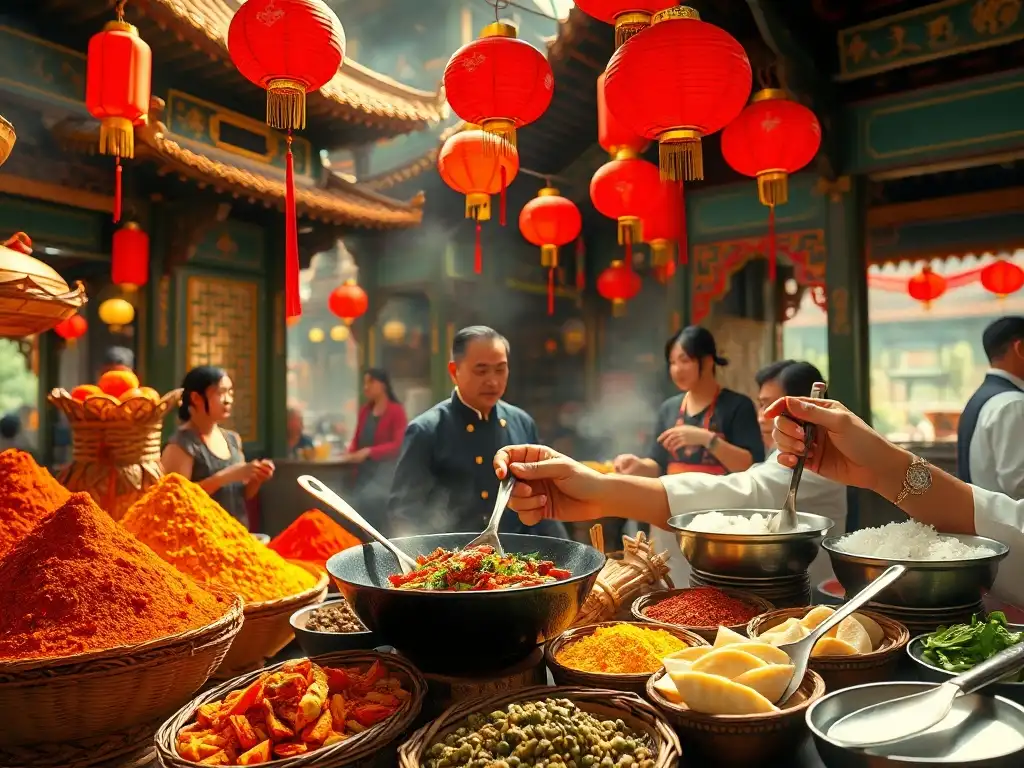
Welcome to Ancient India History, where we embark on a fascinating journey through the vibrant tapestry of ancient Indian civilizations. Here, we delve into the intricate connections that shaped cultures, including the intriguing influence of Indian spices in Chinese cuisine. In our featured article, "The Spice Trade: How Indian Spices Influenced Chinese Cuisine," we uncover the historical trade routes and culinary exchanges that transformed the flavors of China. Prepare to be captivated by the rich narratives of interaction and innovation that define our shared heritage—let's explore the remarkable contributions of ancient India together!
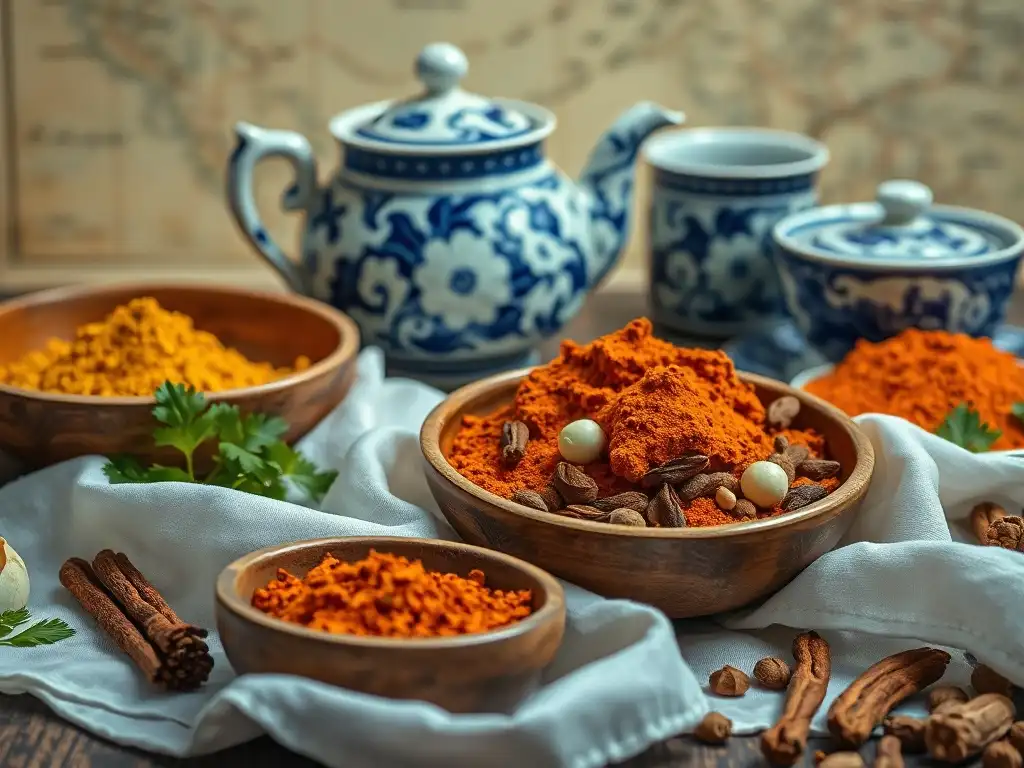
Introduction to Indian Spices in Chinese Cuisine
The exchange of spices between India and China has a profound historical significance that shaped not only culinary practices but also cultural interactions between these two great civilizations. Indian spices, renowned for their vibrant flavors and health benefits, have long been integral to Chinese cuisine, contributing to its complexity and diversity.
The fascinating journey of these spices encompasses centuries of trade, exploration, and culinary fusion, illustrating the intricate ties forged through commerce and culture. This article delves into the spice trade, exploring how Indian spices influenced the development of Chinese culinary traditions and the broader implications of these exchanges in history.
Overview of the Spice Trade Between India and China
The spice trade between India and China dates back thousands of years, forming a vital channel of interaction that transcended geographical boundaries. Spices such as black pepper, cardamom, cinnamon, and turmeric were not only prized for their culinary applications but also for their medicinal properties. The trade networks, including the Silk Road and maritime routes, facilitated the movement of these spices, allowing for a rich cultural exchange.
- Key Points of the Spice Trade:
- Spices were considered luxury items, often used as currency.
- The demand for Indian spices in China increased significantly during the Tang and Song dynasties.
- Trade agreements were established that benefited both regions economically and culturally.
Significance of Indian Spices in Culinary Traditions
Indian spices have left an indelible mark on Chinese cuisine, influencing flavors and cooking techniques. The incorporation of spices into Chinese dishes not only enhanced taste but also contributed to the development of unique culinary styles.
- Contributions of Indian Spices:
- Enhanced flavors: Spices added depth and complexity to traditional Chinese dishes.
- Health benefits: Many Indian spices were valued for their medicinal qualities, leading to their incorporation into Chinese herbal medicine.
- Culinary fusion: The blending of Indian spices with Chinese ingredients led to innovative dishes that enriched both cultures.
Historical Context of Indian Spices
Understanding the historical context of Indian spices provides insight into their significance in the culinary landscape of China. The origins and trade routes reveal the deep-rooted connections that have persisted over centuries.
The Origins of Indian Spices
Indian spices boast a rich heritage, with many varieties native to the Indian subcontinent. These spices have been cultivated and utilized for millennia, evolving into essential components of Indian cuisine.
- Notable Indian Spices:
- Black Pepper: Known as the "king of spices," it was highly sought after in ancient trade.
- Turmeric: Valued for its color and health benefits, it found its way into various culinary traditions.
- Cumin and Coriander: Integral to both Indian and Chinese cooking, these spices enhanced flavor profiles.
Early Trade Routes Connecting India and China
The early trade routes established between India and China were crucial in facilitating the exchange of spices. These routes were not only vital for commerce but also for cultural and intellectual exchanges.
- Major Trade Routes:
- The Silk Road: A network of overland routes that connected China with the West, facilitating spice trade and cultural exchange.
- Maritime Routes: Sea routes that connected Indian ports with Chinese coastal cities, enabling the transport of spices across vast distances.
The Role of Indian Spices in Ancient Trade
The trade of spices was a driving force in the economic interactions between India and China. The demand for Indian spices significantly impacted trade policies and practices.
- Impact on Trade:
- Spices were among the most lucrative commodities traded, often leading to the establishment of trade monopolies.
- The competition for spice trade routes spurred exploration and expansion efforts by various empires.
- Spices contributed to the wealth of trading cities, fostering cultural exchanges and innovations.
The spice trade between India and China not only influenced culinary practices but also fostered a rich tapestry of cultural interactions that shaped the history of both civilizations. The legacy of these exchanges continues to resonate in contemporary culinary traditions, highlighting the enduring impact of Indian spices in Chinese cuisine.
Key Indian Spices that Influenced Chinese Cuisine
The exchange of spices between India and China dates back centuries, establishing a culinary dialogue that has shaped both cultures. Indian spices have not only enriched Chinese cuisine but also brought depth and complexity to its flavors. Here are some key Indian spices that have left a significant mark on Chinese culinary practices:
Turmeric: The Golden Spice
Turmeric, known for its vibrant golden hue, is a cornerstone of Indian cooking, prized for its earthy flavor and health benefits. In Chinese cuisine, turmeric is used sparingly, primarily in regional dishes to impart color and subtle flavor. Its incorporation into traditional Chinese medicine has further solidified its importance, where it is recognized for its anti-inflammatory and antioxidant properties. The use of turmeric in Chinese soups and stews often reflects its Indian origins, showcasing the shared appreciation for this versatile spice.
Cardamom: Flavor and Fragrance
Cardamom, often referred to as the "queen of spices," carries a unique, aromatic flavor that has traversed cultural boundaries. In Chinese cuisine, green cardamom is occasionally found in both savory and sweet dishes, enhancing the overall flavor profile. Its sweet and spicy notes complement traditional ingredients, making it a valuable addition to various Chinese teas and desserts. The historical trade routes facilitated the exchange of cardamom, leading to its gradual acceptance and adaptation in Chinese culinary practices.
Black Pepper: The King of Spices
Black pepper is one of the most extensively used spices worldwide, and its journey from India to China is a testament to its popularity. Known for its pungent heat, black pepper has been integrated into numerous Chinese dishes, adding depth to stir-fries, soups, and marinades. The spice trade played a crucial role in introducing black pepper to Chinese kitchens, where it became a staple in both everyday cooking and gourmet dishes. Its bold flavor has made it an essential component in many regional variations of Chinese cuisine.
Cinnamon: Sweetness and Warmth
Cinnamon, with its warm and sweet flavor, has found a place in both Indian and Chinese kitchens. In Chinese cuisine, it is often used in savory dishes, especially in braises and stews, where it adds a hint of sweetness and complexity. The introduction of cinnamon through trade routes has allowed for innovative culinary fusions, whereby traditional Chinese recipes have adapted Indian influences. Its aromatic profile is appreciated in both sweet and savory contexts, making it a versatile spice that links the two cultures.
The Impact of Indian Spices on Chinese Culinary Techniques
The influence of Indian spices on Chinese culinary techniques is profound, leading to a rich tapestry of flavors and cooking methods. This interaction has not only transformed individual dishes but has also contributed to the evolution of Chinese cuisine as a whole.
Integration of Spices in Traditional Chinese Cooking
The integration of Indian spices into traditional Chinese cooking has resulted in a more diverse flavor palette. Chefs have begun to incorporate spices like cumin and coriander, commonly used in Indian dishes, into Chinese stir-fries and braises. This blending of techniques has allowed for the creation of new, hybrid dishes that retain the essence of both culinary traditions. The use of spices has also encouraged a greater emphasis on balance and harmony in flavors, a core principle in Chinese cooking.
Adaptation of Indian Spices in Chinese Recipes
As Indian spices became more prominent in Chinese cuisine, chefs adapted their use in various recipes. For instance, the introduction of curry powder, a blend that often includes turmeric, cumin, and coriander, has led to unique interpretations of traditional Chinese dishes. Curry-flavored stir-fries and sauces have become popular in many regions, showcasing the adaptability of Chinese cuisine. This fusion not only honors Indian flavors but also demonstrates the creative spirit of Chinese culinary practices.
Influence on Regional Chinese Cuisines
The impact of Indian spices is particularly notable in certain regional Chinese cuisines, especially those along trade routes. For example, the Yunnan and Sichuan provinces have seen a significant infusion of Indian spices, leading to the development of distinct flavors that differentiate them from other Chinese culinary traditions. In these regions, spices are often used more liberally, resulting in dishes that are both aromatic and bold. The culinary exchanges fostered by the spice trade have created a vibrant fusion, demonstrating the interconnectedness of Indian and Chinese food cultures.
Cultural Exchange Through Spices
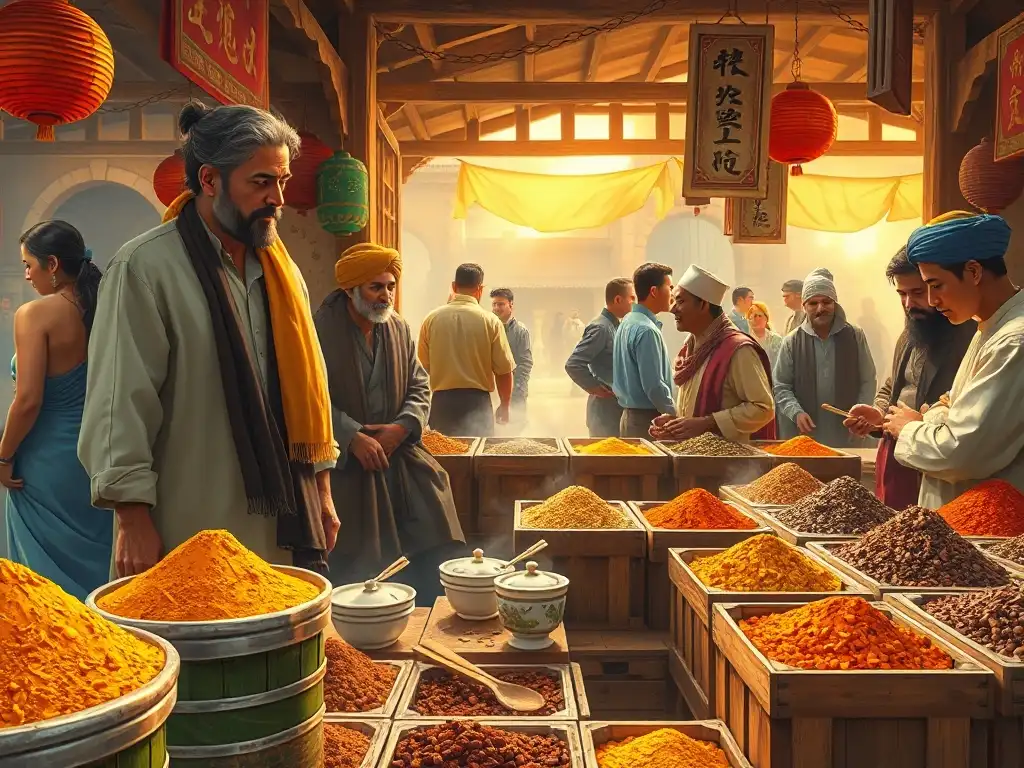
The historical interaction between India and China has produced a rich tapestry of cultural exchange, particularly through the medium of spices. As ancient trade routes, such as the Silk Road, facilitated the movement of goods and ideas, spices emerged as a significant commodity that transcended borders. Indian spices, known for their distinct flavors and medicinal properties, found their way into Chinese kitchens, influencing local culinary practices. This exchange fostered a unique blend of tastes and cooking methods, which not only enriched the cuisines of both civilizations but also laid the groundwork for future culinary explorations.
The significance of spices in this cultural exchange is reflected in the way they were utilized not merely as flavor enhancers but also as symbols of wealth and status. The demand for spices like black pepper, cardamom, and turmeric in China indicated a growing appreciation for diverse flavors, which further encouraged the exploration of Indian culinary techniques. This interaction was not just limited to food but extended to philosophical and medicinal exchanges, showcasing how spices served as a bridge between two great civilizations.
Culinary Fusion: Indian and Chinese Flavors
The fusion of Indian and Chinese flavors is a testament to the adaptability and creativity of both cuisines. Ingredients such as ginger, garlic, and chili, prominent in Indian cooking, have been seamlessly integrated into Chinese recipes, creating unique dishes that reflect both culinary traditions. For example, the use of turmeric in Chinese curries can be traced back to Indian influences, where it is revered not only for its flavor but also for its health benefits.
Moreover, the spiciness of Indian cuisine has influenced the development of regional Chinese dishes. Sichuan cuisine, known for its bold flavors and heat, showcases the integration of Indian spices, particularly chili peppers, which were introduced to China through trade. This culinary collaboration has led to a broader palette of flavors, allowing for a more dynamic dining experience that caters to diverse tastes.
The Role of Spices in Cultural Celebrations
Spices have long played a vital role in cultural celebrations across both Indian and Chinese societies. In India, spices are integral to festivals and religious ceremonies, symbolizing prosperity and joy. Similarly, in Chinese culture, spices feature prominently in festive dishes, enhancing the flavors of traditional celebrations. Events such as the Lunar New Year often see the use of spiced dishes, which evoke warmth and togetherness among families.
The intermingling of these traditions has resulted in the creation of hybrid celebratory dishes that incorporate Indian spices into Chinese festivities. The blending of culinary practices during significant events illustrates how spices can transcend their culinary roles to become vital components of cultural identity and communal bonding.
Preservation of Culinary Traditions Across Borders
As Indian spices became embedded in Chinese cuisine, they also contributed to the preservation of culinary traditions across borders. Families and communities began to adopt and adapt recipes that highlighted the use of spices, ensuring that these culinary practices were passed down through generations. This preservation has created a rich legacy of shared culinary knowledge that continues to evolve.
The use of Indian spices in traditional Chinese cooking serves as a reminder of the historical interactions that have shaped both cultures. Cookbooks and oral traditions play a critical role in maintaining these culinary practices, allowing newer generations to appreciate and continue the legacy of spice-infused dishes that emerged from this cross-cultural exchange.
The Modern Legacy of Indian Spices in Chinese Cuisine
The influence of Indian spices in contemporary Chinese cuisine is evident in various culinary practices and dish formulations. Today, chefs are increasingly experimenting with spices such as cumin, coriander, and fenugreek, which were once considered foreign elements in Chinese kitchens. This modern legacy reflects a growing acceptance and celebration of multicultural influences in the culinary landscape.
The continued popularity of Indian spices in China showcases the enduring impact of historical trade relationships and cultural exchanges. As globalization facilitates the mixing of cuisines, the presence of Indian spices has become a hallmark of innovation in Chinese gastronomy, leading to the creation of exciting new dishes that honor both culinary heritages.
Contemporary Usage of Indian Spices in Chinese Dishes
In contemporary Chinese cuisine, the usage of Indian spices is becoming more prevalent. Dishes like stir-fried noodles have seen the incorporation of spices such as garam masala, adding a new depth of flavor that resonates with adventurous eaters. Moreover, the rise of Indian-inspired Chinese restaurants in urban areas has encouraged the exploration of fusion dishes, further integrating these spices into daily dining experiences.
Chefs are now more willing to experiment with traditional recipes, blending Indian spices with local ingredients to create innovative dishes. This trend is not only a reflection of culinary creativity but also a nod to the rich history of culinary exchanges between India and China.
The Global Influence of Indian-Chinese Cuisine
The global influence of Indian-Chinese cuisine, often referred to as "Chindian," has garnered significant attention in recent years. This unique culinary fusion has found a niche in various parts of the world, especially in countries with significant Indian and Chinese populations. Dishes such as chili chicken, manchurian, and hakka noodles exemplify this blend of flavors, appealing to a wide range of palates.
The popularity of Indian-Chinese cuisine abroad demonstrates the successful integration of spices from both cultures, creating a distinct culinary identity that resonates with food enthusiasts. This global phenomenon underscores the power of spices as agents of cultural exchange and culinary innovation.
Popular Dishes Featuring Indian Spices Today
Today, several popular dishes showcase the harmonious marriage of Indian spices and Chinese cooking techniques. Some of these include:
- Chili Paneer: A popular Indo-Chinese dish featuring paneer cubes marinated in Indian spices and stir-fried with bell peppers and chili sauce.
- Manchurian: A dish made with vegetables or meat, coated in a spiced batter, and served in a tangy sauce that often incorporates Indian spices like cumin and coriander.
- Hakka Noodles: Stir-fried noodles that can include a variety of Indian spices to enhance the flavor, reflecting the influence of Indian cooking on Chinese noodles.
This culinary evolution illustrates how Indian spices continue to play a vital role in shaping modern Chinese cuisine, bridging cultural divides and creating delectable flavors that appeal to a global audience.
Conclusion: The Enduring Influence of Indian Spices on Chinese Cuisine
The historical interplay between Indian spices and Chinese cuisine has created a notable culinary legacy that transcends time and geography. Indian spices, characterized by their aromatic profiles and diverse applications, have not only enriched traditional Chinese dishes but have also contributed to the evolution of Chinese culinary practices. This enduring influence reflects a broader narrative of cultural exchange and adaptation, showcasing how two distinct civilizations have interwoven their gastronomic traditions through trade and interaction.
While contemporary Chinese cuisine continues to evolve, the foundational impact of Indian spices remains evident. Spices such as black pepper, cardamom, and cinnamon, once introduced through ancient trade routes, have become integral to various regional Chinese dishes, particularly in southwestern provinces. The fusion of flavors has led to unique culinary creations that honor both traditions, demonstrating the power of spices in bridging cultural divides.
Summary of Key Influences and Exchanges
Throughout history, the spice trade routes facilitated not only the movement of goods but also the exchange of ideas and culinary techniques between India and China. Key influences can be summarized as follows:
- Introduction of Spices: Indian spices like turmeric, coriander, and star anise were introduced into Chinese cooking, adding depth and complexity to flavors.
- Adaptation of Techniques: Chinese cooks began to adopt Indian cooking methods, including the use of spices in stir-fries and broths, enhancing the flavor profiles of traditional dishes.
- Culinary Fusion: The blending of Indian and Chinese culinary elements led to the creation of dishes that reflect both cultures, such as spicy noodle dishes and aromatic rice preparations.
These exchanges underscore the significance of spices as cultural conduits, fostering understanding and appreciation between two rich culinary heritages.
The Future of Indian Spices in Chinese Culinary Practices
Looking ahead, the integration of Indian spices into Chinese cuisine is likely to continue evolving. As globalization brings diverse culinary influences closer together, chefs and home cooks are increasingly experimenting with spice combinations that were once unthinkable. The rise of fusion cuisine in urban centers across China is a testament to this trend.
Moreover, the growing health consciousness among consumers may boost the popularity of spices known for their medicinal properties, such as turmeric and ginger. These spices not only enhance flavors but also offer health benefits, aligning with the modern emphasis on wellness in culinary choices.
Incorporating Indian spices into Chinese recipes can lead to innovative dishes that reflect contemporary palates while honoring historical connections. As the culinary landscape continues to change, the enduring legacy of Indian spices will likely inspire future generations of chefs.
References and Further Reading
To delve deeper into the fascinating relationship between Indian spices and Chinese cuisine, the following resources are recommended:
Suggested Books and Articles on Indian Spices and Chinese Cuisine
- "Spices and Flavorings in Indian & Chinese Cuisine" by Prakash Kumar: This book examines the role of spices in both culinary traditions, exploring their historical significance and contemporary applications.
- "The Spice Route: A History": by John Keay: An insightful exploration of the spice trade and its impact on global cuisines, including Indian and Chinese.
- "Culinary Crossroads: Indian and Chinese Fusion": by Mei Lin: This article discusses the blending of Indian and Chinese culinary practices through the lens of spices and flavors.
Additional Resources on Ancient Trade and Cultural Exchange
- "Trade and Cultural Exchange in Ancient India" by Ravi Sharma: A comprehensive study of how trade routes facilitated cultural exchanges, including the spread of spices across borders.
- "The Silk Road: A New History": by Valerie Hansen: This book provides a broader context for understanding the interactions between different civilizations, including those of India and China, highlighting the significance of trade in shaping culinary practices.
- Online Archives such as the National Archives of India and Chinese Historical Society may offer primary sources and documents related to ancient trade and cultural exchanges between these two civilizations.
By exploring these resources, readers can gain a deeper understanding of the rich tapestry of flavors and traditions that defines the culinary relationship between India and China.
- Introduction to Indian Spices in Chinese Cuisine
- Historical Context of Indian Spices
- Key Indian Spices that Influenced Chinese Cuisine
- The Impact of Indian Spices on Chinese Culinary Techniques
- Cultural Exchange Through Spices
- The Modern Legacy of Indian Spices in Chinese Cuisine
- Conclusion: The Enduring Influence of Indian Spices on Chinese Cuisine
- References and Further Reading
- What role did Indian spices play in Chinese cuisine?
- How did the spice trade between India and China begin?
- What are some examples of spices that were introduced to Chinese cooking from India?
- How did the cultural exchange impact the use of spices in both regions?
- Are there any modern influences of Indian spices on Chinese dishes today?
Frequently Asked Questions
What role did Indian spices play in Chinese cuisine?
Indian spices have significantly influenced Chinese cuisine by introducing unique flavors and enhancing the culinary diversity of various regional dishes.
How did the spice trade between India and China begin?
The spice trade began centuries ago as traders sought to exchange valuable goods, with Indian spices being highly sought after for their flavor and medicinal properties.
What are some examples of spices that were introduced to Chinese cooking from India?
Examples include cinnamon, ginger, and black pepper, which have become integral to many traditional Chinese recipes.
How did the cultural exchange impact the use of spices in both regions?
The cultural exchange led to a fusion of culinary practices, allowing both Indian and Chinese cuisines to incorporate and adapt spices from each other, enriching their flavors.
Are there any modern influences of Indian spices on Chinese dishes today?
Yes, many contemporary Chinese dishes feature Indian spices, showcasing the enduring legacy and cultural influence of the historic spice trade.
Final Reflection: The Enduring Legacy of Indian Spices in Chinese Cuisine
The intricate relationship between Indian spices and Chinese cuisine is not just a historical curiosity; it is a testament to the power of cultural exchange and culinary innovation. Today, as globalization continues to blur the lines between distinct culinary traditions, the influence of Indian spices in Chinese cuisine serves as a reminder of how interconnected our world truly is. This fusion of flavors highlights a striking reality: food is a universal language that transcends borders and unites diverse cultures.
Cultural exchanges through trade have shaped our culinary landscapes in profound ways, and the legacy of Indian spices in Chinese cuisine is a prime example of this ongoing dialogue. The spices that once traveled along ancient trade routes continue to inspire chefs and home cooks alike, enriching dishes with layers of flavor and history. Food is not just what we eat; it is an expression of who we are and where we come from.
This sentiment encapsulates the essence of how Indian spices have woven themselves into the fabric of Chinese culinary identity, creating a rich tapestry that reflects centuries of shared history.
As we savor the diverse flavors of our meals, let us take a moment to reflect on the stories behind them. I invite you to explore the spices in your own kitchen and consider how they connect you to cultures beyond your own. Embrace the spirit of culinary exploration, and allow the lessons of the spice trade to inspire you to create, share, and celebrate the vibrant tapestry of global cuisine. In doing so, you not only honor the past but also contribute to the ongoing narrative of food as a bridge between cultures.
Unleash the Flavor: Dive into the World of Spices!
Thank you for exploring the fascinating journey of Indian spices and their influence on global cuisine! You've uncovered the rich tapestry of flavors that transcends borders and eras. Now, let's turn that newfound knowledge into action!
Here’s how you can deepen your connection to this culinary heritage:
- Experiment with Indian Spices: Add an exotic twist to your meals by incorporating at least one Indian spice into your next dish! Consider using turmeric, cumin, or cardamom to introduce unique flavors.
- Share Your Culinary Creations: Document your spice-infused recipes on social media and inspire your friends and family to join this culinary adventure. Help spread the love for the vibrant flavors of Indian cuisine!
- Join a Local Cooking Class: Look for workshops that focus on Indian cooking or spice blending. Learning from experts can elevate your culinary skills while connecting you with fellow food enthusiasts!
What spice-inspired dish will you create today, and how do you think it will transform your cooking experience?