
The Cultural Resonance of Indian Myths in Chinese Folklore


Welcome to Ancient India History, where we embark on a journey through time to uncover the rich tapestry of ancient Indian civilizations and their profound contributions to the world. In our featured article, "The Cultural Resonance of Indian Myths in Chinese Folklore," we delve into the fascinating interplay between two great cultures, revealing how Indian myths have woven their way into the fabric of Chinese storytelling. Are you curious about the echoes of ancient legends across borders? Join us as we explore these captivating connections and their significance in the broader narrative of human history.
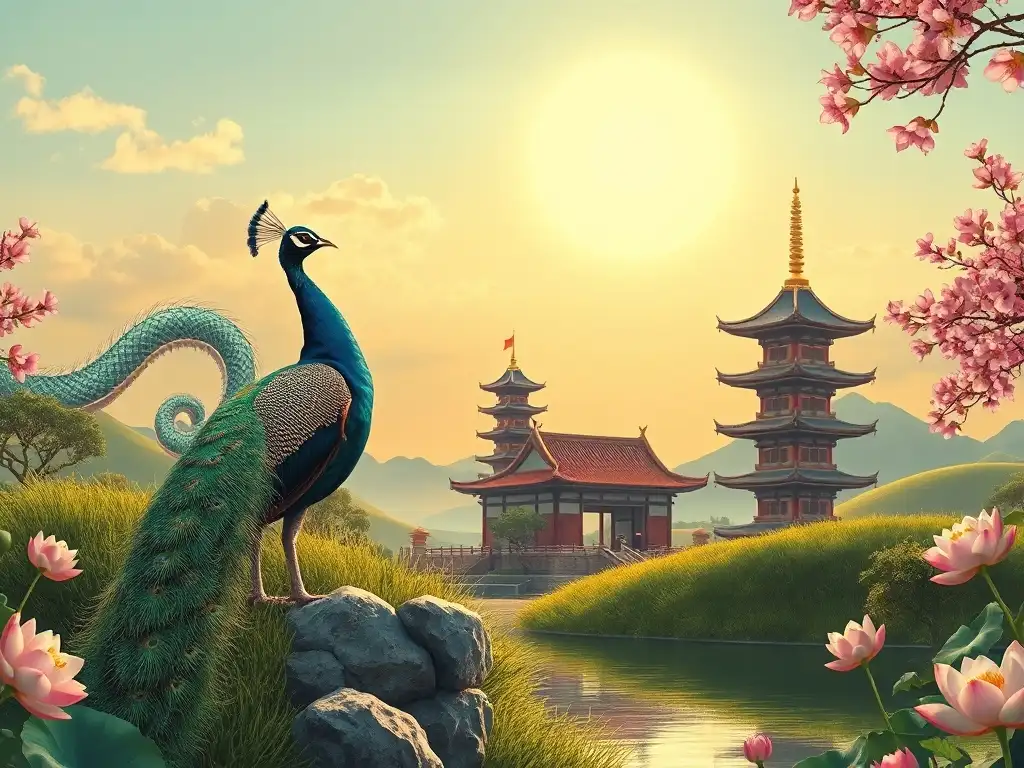
Introduction to Indian Myths and Chinese Folklore
The intricate tapestry of Indian myths and Chinese folklore reveals a profound cultural resonance that has evolved over centuries. This interplay between two of the world's oldest civilizations highlights how narratives, symbols, and archetypes transcend geographical boundaries, influencing one another through trade, philosophy, and artistic expression. Understanding the Indian myths in Chinese folklore provides a unique lens through which we can explore not only the shared themes and motifs but also the broader implications for cultural exchange and mutual influence. This article delves into the definitions, significance, and historical contexts that facilitated the blend of these rich traditions.
Understanding Myths: Definitions and Importance
Myths serve as foundational narratives that help societies explain the world around them. They embody the beliefs, values, and cultural heritage of a community. In both Indian and Chinese traditions, myths offer insight into:
- Cultural Identity: Myths reinforce a sense of belonging and continuity within a culture.
- Moral Lessons: Many myths convey ethical teachings and societal norms.
- Historical Context: Myths often reflect historical events or figures, albeit through a lens of symbolism.
By examining these aspects, we can appreciate how Indian myths have found resonance in Chinese folklore, often adapting to local contexts while retaining their essential messages.
Overview of Indian Myths and Their Significance
Indian mythology is rich and diverse, encompassing a multitude of narratives from various regions and traditions. Key texts such as the Mahabharata and the Ramayana not only recount epic tales but also explore themes of duty, righteousness, and the complexities of human relationships. Some significant aspects include:
- Deities and Divine Narratives: Figures like Vishnu, Shiva, and Devi play crucial roles in Indian myths, embodying various aspects of existence.
- Cosmology and Creation Stories: Indian myths often delve into the origins of the universe, emphasizing cycles of creation and destruction.
- Cultural Festivals: Many myths are celebrated through festivals, illustrating their ongoing relevance in contemporary society.
These narratives have permeated various cultures, including Chinese, through trade, migration, and philosophical exchanges.
Introduction to Chinese Folklore: An Overview
Chinese folklore is equally rich, characterized by a multitude of deities, legendary figures, and cultural heroes. Some key elements include:
- Folk Tales: Stories like those of the Eight Immortals and Mulan highlight moral virtues and heroic deeds.
- Mythical Creatures: Dragons, phoenixes, and other mythical beings symbolize power, fortune, and wisdom.
- Cultural Practices: Festivals such as the Mid-Autumn Festival and Qingming embody folklore, deeply rooted in mythology.
The narratives in Chinese folklore reflect the values and philosophies of Chinese society, while also showcasing the influence of external sources, including Indian myths.
Historical Context of Indian-Chinese Cultural Exchanges
The historical interactions between India and China are marked by significant exchanges that shaped their respective cultures. Understanding this context is essential to grasp the nuances of how Indian myths infiltrated Chinese folklore.
Trade Routes and Early Interactions
The Silk Road served as a crucial conduit for cultural exchange between India and China, facilitating not only trade in goods but also the exchange of ideas and narratives. Key aspects include:
- Buddhism's Spread: The transmission of Buddhism from India to China brought with it a wealth of mythological and philosophical concepts.
- Artistic Exchange: Indian artistic styles influenced Chinese art, particularly in the representation of deities and mythical narratives.
- Cultural Syncretism: The blending of traditions led to a unique fusion of Indian and Chinese elements in literature, art, and religion.
Influence of Indian Culture on Early Chinese Societies
The impact of Indian culture on Chinese society can be observed in various domains:
- Philosophical Thought: Concepts from Indian philosophy, particularly those related to meditation and spirituality, found their way into Chinese practices.
- Literature and Arts: Many Chinese literary works drew inspiration from Indian epics, adapting their themes to resonate with local audiences.
- Religious Practices: Elements of Indian religious practices, such as rituals and iconography, were incorporated into Chinese Buddhism and folk traditions.
Key Historical Events Promoting Cultural Exchange
Several pivotal events facilitated the deepening of cultural ties between India and China:
- The Arrival of Buddhist Monks: Notable figures like Xuanzang traveled to India to study Buddhism, bringing back texts and narratives that enriched Chinese folklore.
- Dynastic Policies: Various Chinese dynasties, particularly during the Tang period, promoted interactions with foreign cultures, including India.
- Trade Agreements: Diplomatic and trade agreements established pathways for cultural exchanges, fostering mutual influence.
By exploring the rich interplay between Indian myths and Chinese folklore, we gain valuable insights into how cultural exchanges shape narratives, beliefs, and identities across civilizations.
Common Themes in Indian Myths and Chinese Folklore
The cultural interplay between Indian myths and Chinese folklore reveals a rich tapestry of common themes that resonate across both traditions. At the heart of these narratives are concepts such as the struggle between good and evil, the importance of dharma (righteousness), and the cyclical nature of life and death. These themes not only reflect universal human experiences but also underscore the shared philosophical inquiries that have shaped both cultures.
Comparative Analysis of Mythical Themes
When examining the thematic parallels, one can observe striking similarities. For instance, both traditions emphasize the idea of cosmic order—in Indian mythology, this is often represented by the concept of rta, while in Chinese folklore, the notion of Tian (Heaven) plays a crucial role. Additionally, the narratives frequently depict heroic figures undergoing trials that test their virtues, which echo the archetypal hero's journey present in both mythologies.
Moreover, the use of nature as a backdrop in both Indian and Chinese myths signifies the deep respect both cultures have for the environment. Mountains, rivers, and celestial bodies often serve as both settings and characters, embodying spiritual significance and moral lessons.
The Role of Deities and Divine Beings
Deities play a central role in both Indian and Chinese mythologies, acting as intermediaries between the human and the divine. In Indian myths, gods such as Vishnu and Shiva possess multifaceted personalities and are often involved in human affairs, guiding and protecting their devotees. Similarly, in Chinese mythology, figures like the Jade Emperor and Guanyin serve as embodiments of moral authority and compassion, offering guidance and support to humanity.
Furthermore, the syncretism of beliefs is evident in the ways deities from one tradition have been integrated into the other. For instance, the Buddhist pantheon, which has its roots in Indian mythology, introduced figures like Avalokiteshvara into Chinese culture, further enriching the mythological landscape.
Morality and Ethical Lessons in Myths
Both Indian myths and Chinese folklore are steeped in moral teachings, often conveyed through engaging narratives. Central to these stories are the ethical dilemmas faced by characters, which serve as cautionary tales that emphasize virtues like honesty, loyalty, and respect for one's elders.
In Indian mythology, the epics often depict characters grappling with their duties and the consequences of their choices, which reflects the complex nature of dharma. In contrast, Chinese folklore frequently illustrates the importance of filial piety and communal harmony, reinforcing the value placed on family and societal obligations.
Specific Indian Myths Influencing Chinese Folklore
The influence of Indian myths on Chinese folklore can be observed through various narratives that have crossed cultural boundaries. These stories not only adapted to the local context but also enriched the Chinese mythological canon.
The Ramayana: Impact on Chinese Narratives
The Ramayana, one of the two great Indian epics, has significantly influenced Chinese literature and folklore. The tale of Rama's journey and his battle against the demon king Ravana resonates with themes of heroism and devotion. In China, elements of the Ramayana can be found in the Journey to the West, where the character of the Monkey King exhibits qualities akin to Hanuman, the monkey god from the Ramayana.
Additionally, the moral lessons derived from Ramayana have permeated Chinese culture, highlighting the ideals of righteousness and loyalty.
The Mahabharata and Its Echoes in Chinese Stories
The Mahabharata, another epic of ancient Indian literature, has also found its way into Chinese storytelling. The themes of conflict, justice, and the complexities of human relationships within the Mahabharata provide a rich source of material for Chinese adaptations.
Notably, the characters of Arjuna and Krishna have counterparts in Chinese folklore, where their narratives often revolve around similar themes of duty and moral conflict. The philosophical discourses within the Mahabharata, especially those related to ethics and governance, resonate with Chinese Confucian ideals.
Other Indian Myths: Lesser-Known Influences
Beyond the major epics, several lesser-known Indian myths have also made their mark on Chinese folklore. Stories of gods, heroes, and mythical creatures from Indian traditions have been assimilated into local narratives, often taking on new forms and meanings.
For example, tales of Naga (serpent beings) have parallels in Chinese dragon mythology, where both represent power and protection. The influence is not limited to direct narrative borrowing; it also includes the adoption of motifs and archetypes that reflect shared cultural values, demonstrating the fluidity and interconnectedness of mythological traditions across civilizations.
The Transformation of Indian Myths in Chinese Interpretations
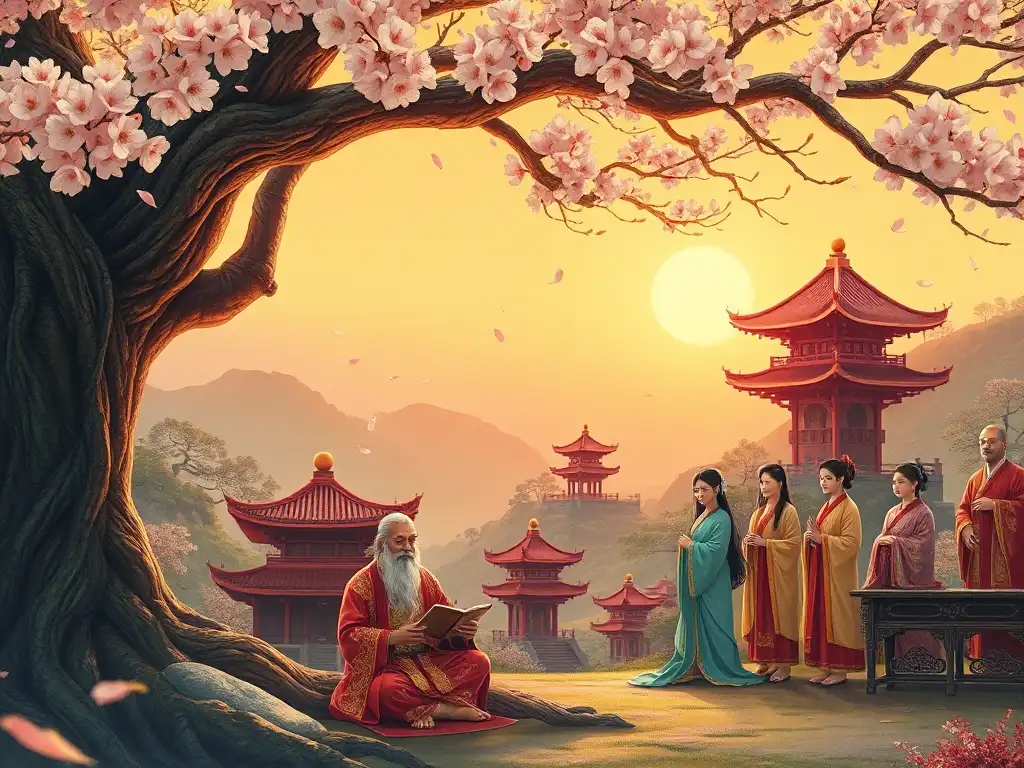
The transformation of Indian myths in Chinese interpretations reflects a rich interplay between two ancient cultures. As Indian narratives migrated to China, they underwent significant adaptations that were influenced by local beliefs, customs, and philosophical ideas. The process began during the early centuries of the Common Era when traders and monks facilitated cultural exchanges along the Silk Road. This exchange led to the translation of Sanskrit texts into Chinese, which allowed for the dissemination of Indian myths such as those found in Buddhist scriptures.
This transformation is not merely a process of translation; it involves a reinterpretation that resonates with Chinese ideologies. For instance, characters from Indian epics like the Ramayana and Mahabharata were often reimagined to align with Confucian and Daoist principles, highlighting virtues such as filial piety and harmony with nature. Consequently, these myths became integrated into the fabric of Chinese folklore, illustrating how cultural narratives can evolve while retaining core elements of their origins.
Adaptations and Reinterpretations of Indian Stories
The adaptations of Indian stories in Chinese folklore are characterized by a blend of narrative styles that reflect both cultures. One prominent example is the story of the Bodhisattva Avalokiteshvara, known in China as Guanyin. Originally depicted in Indian texts as a male figure embodying compassion, Guanyin is often represented as female in Chinese culture, symbolizing maternal qualities and mercy. This reinterpretation not only highlights gender dynamics but also emphasizes the role of compassion in Chinese Buddhism.
Another significant adaptation is seen in the tale of the monkey king, Sun Wukong, from the classic novel "Journey to the West." This character, while rooted in Indian mythology (specifically the figure of Hanuman), embodies traits that are distinctly Chinese, such as cleverness and rebellion against authority. The narrative follows a pilgrimage that echoes the Indian quest for enlightenment but is infused with Chinese cultural elements, showcasing the fusion of storytelling traditions.
Changes in Character Representations and Narratives
Character representations in the retelling of Indian myths within Chinese folklore often reflect underlying cultural values and social norms. For example, the heroic figures from Indian epics are portrayed in ways that resonate with Chinese ideals of virtue and loyalty. Characters like Rama, who is revered for his righteousness, are celebrated not just for their heroic deeds but also for their moral integrity, which aligns closely with Confucian values.
Moreover, the narratives themselves often shift to include local legends and folklore, creating hybrid stories that maintain a sense of familiarity for Chinese audiences. This blending results in a rich tapestry of storytelling that celebrates both the original Indian myths and the local cultural context, demonstrating the dynamic nature of folklore as it adapts to new environments.
Cultural Syncretism: Blending of Indian and Chinese Elements
Cultural syncretism is a defining feature of the relationship between Indian myths and Chinese folklore. The merging of these traditions is evident in various aspects of Chinese culture, including art, literature, and religious practices. For instance, the architectural styles of Buddhist temples in China often incorporate motifs and symbolism derived from Indian art, showcasing a shared aesthetic appreciation.
In literature, the incorporation of Indian mythological elements into Chinese poetry and prose highlights the influence of Indian thought on Chinese literary practices. Themes of morality, karma, and the cycle of rebirth from Indian philosophy have found resonance in Chinese narratives, enriching the literary landscape of both cultures.
Additionally, festivals and rituals in China sometimes reflect Indian mythological themes, illustrating how deeply intertwined these cultural traditions have become. This syncretic approach not only enriches the cultural heritage of both civilizations but also exemplifies the power of myths to transcend geographical boundaries.
Modern Reflections of Indian Myths in Chinese Culture
The echoes of Indian myths can still be discerned in modern Chinese culture, illustrating the enduring legacy of these ancient narratives. As globalization continues to facilitate cultural exchanges, the influence of Indian mythology has adapted to contemporary contexts, appearing in various forms of media and public celebrations.
Contemporary Literature and Media Influences
In contemporary literature, Chinese authors often draw inspiration from Indian myths, weaving them into modern narratives that explore themes of identity, spirituality, and morality. Works such as "The Three-Body Problem" by Liu Cixin reflect on philosophical questions that resonate with Indian thought, even as they engage with science fiction. This blending of genres showcases the versatility of Indian myths in addressing modern existential dilemmas.
Moreover, Indian epics have found their way into Chinese cinema and television, with adaptations that reinterpret these stories through a modern lens. Films and series that depict epic battles or moral dilemmas resonate with audiences, illustrating how ancient narratives can be revitalized to engage contemporary viewers.
The Role of Indian Myths in Chinese Festivals and Celebrations
Indian myths also play a role in certain Chinese festivals and celebrations, particularly those related to Buddhism. Events such as the Vesak Festival, which commemorates the birth, enlightenment, and death of the Buddha, have been embraced in various forms within China, showcasing the shared spiritual heritage that originated from Indian traditions.
During these celebrations, stories of Indian mythological figures are recounted, often accompanied by rituals that highlight their significance. This incorporation of Indian narratives into Chinese festivals serves as a testament to the cultural resonance that continues to thrive between the two civilizations.
Academic Perspectives: Scholars on Indian Influence
Academic perspectives on the influence of Indian myths in Chinese culture have been the subject of extensive research. Scholars argue that understanding this cultural exchange is essential to comprehending the broader context of Asian history. They emphasize the importance of recognizing the nuanced layers of influence, where Indian narratives were not merely imported but actively adapted and transformed within the Chinese cultural landscape.
Research has highlighted instances of cross-cultural dialogue, wherein scholars from both traditions engage in comparative studies, exploring shared themes and philosophical underpinnings. This academic discourse fosters a deeper appreciation for the interconnectedness of Asian civilizations, reinforcing the idea that myths serve as a bridge between cultures, facilitating mutual understanding and respect.
Conclusion: The Lasting Legacy of Indian Myths in Chinese Folklore
The interplay between Indian myths and Chinese folklore has fostered a rich cultural tapestry that has significantly influenced literature, art, and religious thought across both civilizations. This exchange, rooted in historical trade routes and philosophical dialogues, showcases the profound depth of cultural interaction. The stories of deities, moral lessons, and philosophical concepts have traversed geographical boundaries, adapting and evolving while maintaining core elements that resonate with both cultures. The legacy of these shared narratives continues to inspire contemporary artists, writers, and thinkers, highlighting the enduring relevance of ancient myths in modern contexts.
Summary of Key Points
- Cultural Exchange Mechanisms: The transmission of Indian myths to China primarily occurred through trade routes such as the Silk Road, where both merchants and monks facilitated the sharing of stories and beliefs.
- Influence of Buddhism: As Buddhism spread from India to China, it brought with it a wealth of mythological narratives that were integrated into Chinese folklore, influencing local religious practices and literary traditions.
- Adaptation and Syncretism: Indian myths often underwent a process of adaptation in Chinese culture, leading to unique interpretations that reflect local values and beliefs. For example, the Indian epic Mahabharata has parallels in Chinese tales that embody similar ethical dilemmas and moral lessons.
- Artistic Representations: The visual arts in China, including painting and sculpture, have been significantly influenced by Indian mythological themes, showcasing the syncretic nature of cultural exchanges and artistic expression.
Future Research Directions on Cultural Exchanges
Future research on the cultural exchanges between India and China should focus on several key areas:
- Comparative Mythology: Scholars could delve deeper into the comparative aspects of Indian and Chinese myths, exploring how similar themes manifest in different cultural contexts and what this reveals about human experience.
- Literary Analysis: A thorough examination of ancient texts can uncover the nuances of Indian influence in Chinese literature, particularly during periods of significant cultural exchange, such as the Tang and Song dynasties.
- Cultural Impact Studies: Investigating the impact of Indian myths on specific Chinese art forms, such as opera, painting, and folk narratives, could provide insights into the dynamic interplay between these cultures.
- Field Research: Engaging with communities that continue to celebrate these mythologies can illuminate contemporary practices and beliefs stemming from ancient narratives, fostering a living connection to the past.
Final Thoughts on Indian Myths in Chinese Folklore
The exploration of Indian myths within Chinese folklore reveals a fascinating narrative of cultural exchange that transcends time and geography. These ancient stories serve not only as a testament to the interconnectedness of human cultures but also as a reminder of the shared values and moral lessons that resonate across civilizations.
As we continue to study and appreciate this rich tapestry of mythological heritage, it becomes increasingly clear that the legacy of Indian myths in Chinese folklore is not merely historical; it is a vibrant thread in the ongoing dialogue of cultural identity and expression. Embracing this legacy encourages a deeper understanding of our collective human experience, fostering respect and appreciation for the diverse narratives that shape our world today.
- Introduction to Indian Myths and Chinese Folklore
- Historical Context of Indian-Chinese Cultural Exchanges
- Common Themes in Indian Myths and Chinese Folklore
- Specific Indian Myths Influencing Chinese Folklore
- The Transformation of Indian Myths in Chinese Interpretations
- Modern Reflections of Indian Myths in Chinese Culture
- Conclusion: The Lasting Legacy of Indian Myths in Chinese Folklore
- What is the significance of Indian myths in Chinese folklore?
- How did Indian mythology influence Chinese stories?
- What are some examples of Indian myths found in Chinese folklore?
- Why is it important to study the cultural connections between India and China?
- How have modern interpretations of these myths evolved?
Frequently Asked Questions
What is the significance of Indian myths in Chinese folklore?
The cultural resonance of Indian myths in Chinese folklore demonstrates the historical interactions between these two civilizations, enriching both cultures through shared narratives and themes.
How did Indian mythology influence Chinese stories?
The transmission of Indian mythology into Chinese stories occurred through trade routes and Buddhism, leading to the incorporation of Hindu gods and myths into Chinese literature and folklore.
What are some examples of Indian myths found in Chinese folklore?
Notable examples include the Buddha's stories, which reflect Indian narratives, and figures like Avalokiteshvara, who has parallels in Chinese mythology as Guanyin, the goddess of mercy.
Why is it important to study the cultural connections between India and China?
Studying these cultural connections helps us understand the syncretism of mythologies, revealing how ideas and beliefs can transcend borders and influence societies over time.
How have modern interpretations of these myths evolved?
Today, modern interpretations of Indian myths in Chinese folklore continue to evolve through literature, art, and film, showcasing the dynamic nature of these ancient stories and their relevance in contemporary society.
Final Reflection: The Enduring Legacy of Indian Myths in Chinese Folklore
The intertwining of Indian myths in Chinese folklore is not merely a historical curiosity; it is a vibrant testament to the cultural exchanges that have shaped civilizations. Today, as we navigate an increasingly interconnected world, the stories that have traveled across borders remind us of our shared humanity and the universal themes that resonate through time. The rich tapestry of these myths continues to inspire and inform contemporary narratives, urging us to explore the depths of our cultural heritage.
Cultural exchange is a powerful force that shapes our understanding of identity and belonging. The influence of Indian myths in Chinese folklore is a prime example of how stories transcend geographical boundaries, fostering a sense of unity amidst diversity. As the scholar Joseph Campbell once noted, “Myths are public dreams; dreams are private myths.” This observation underscores the idea that the myths we share not only reflect our individual experiences but also connect us to a broader narrative that spans cultures and epochs.
As we reflect on the significance of Indian myths in Chinese folklore, I invite you to consider how these ancient stories can inspire your own journey. Take a moment to explore the myths that resonate with you personally and think about how they can inform your understanding of the world around you. In doing so, you contribute to the ongoing dialogue between cultures, ensuring that the legacy of these timeless tales continues to thrive in our collective consciousness.
Explore the Fascinating Links Between Indian Myths and Chinese Folklore!
Thank you for taking the time to delve into the captivating world of Indian myths intertwined with Chinese folklore. By exploring these rich narratives, you've unlocked insights into cultural parallels that shape our understanding of these ancient traditions. Now, let's take your curiosity further with some actionable steps!
- Dive deeper into these enchanting stories by selecting one myth from Indian folklore and one from Chinese tradition. Compare and contrast their messages and themes—share your findings with friends or on social media to ignite discussions!
- Join forums or online groups focused on mythology and cultural studies to connect with like-minded individuals who share your passion for these fascinating connections.
- Consider creating a visual representation such as a mind map or infographic that illustrates the connections you have discovered. This can be a fun and creative way to synthesize your learnings!
As you reflect on the intricate relationships between these rich traditions, we invite you to ponder this: What personal experiences or stories resonate with the themes found in both Indian and Chinese mythology? Share your thoughts below!