
The Importance of Ayurvedic Festivals and Celebrations in Ancient India

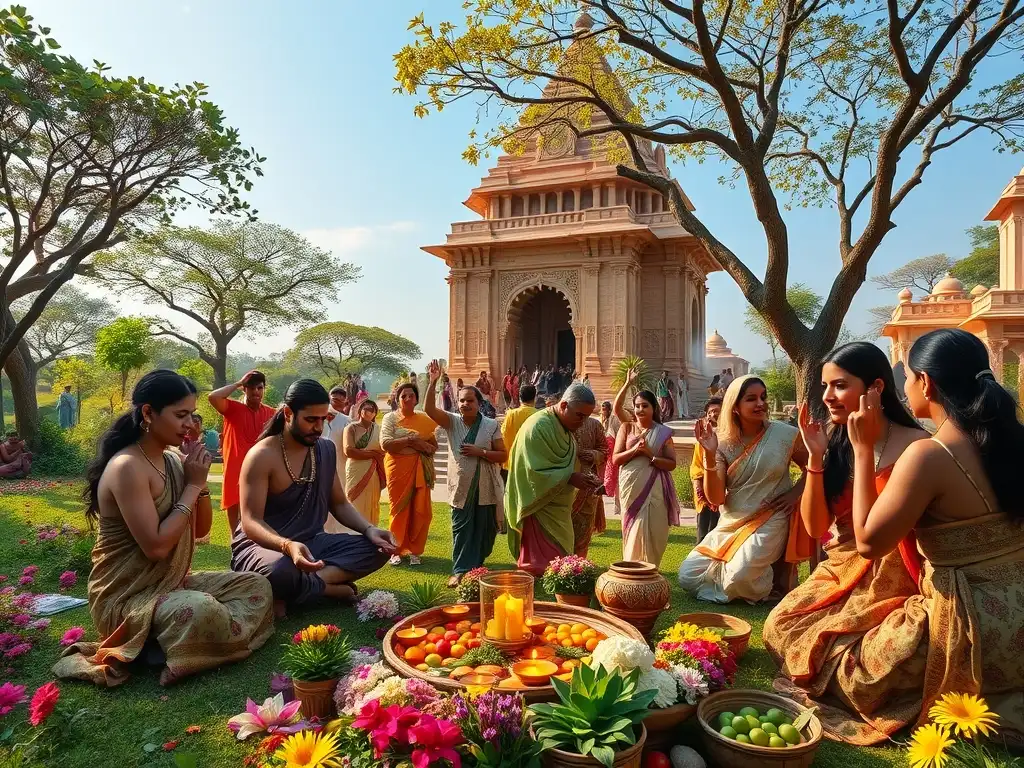
Welcome to Ancient India History, where we journey through the fascinating tapestry of one of the world's oldest civilizations. Delve into the vibrant Ayurvedic festivals in ancient India, a captivating aspect that highlights the harmonious blend of science, medicine, and culture. Discover how these celebrations not only marked the changing seasons but also played a crucial role in the health and spirituality of ancient societies. What insights can the ancient practices of Ayurveda offer us today? Join us as we explore this intriguing topic and uncover the wisdom of the past that continues to resonate in our lives.
Introduction to Ayurvedic Festivals in Ancient India
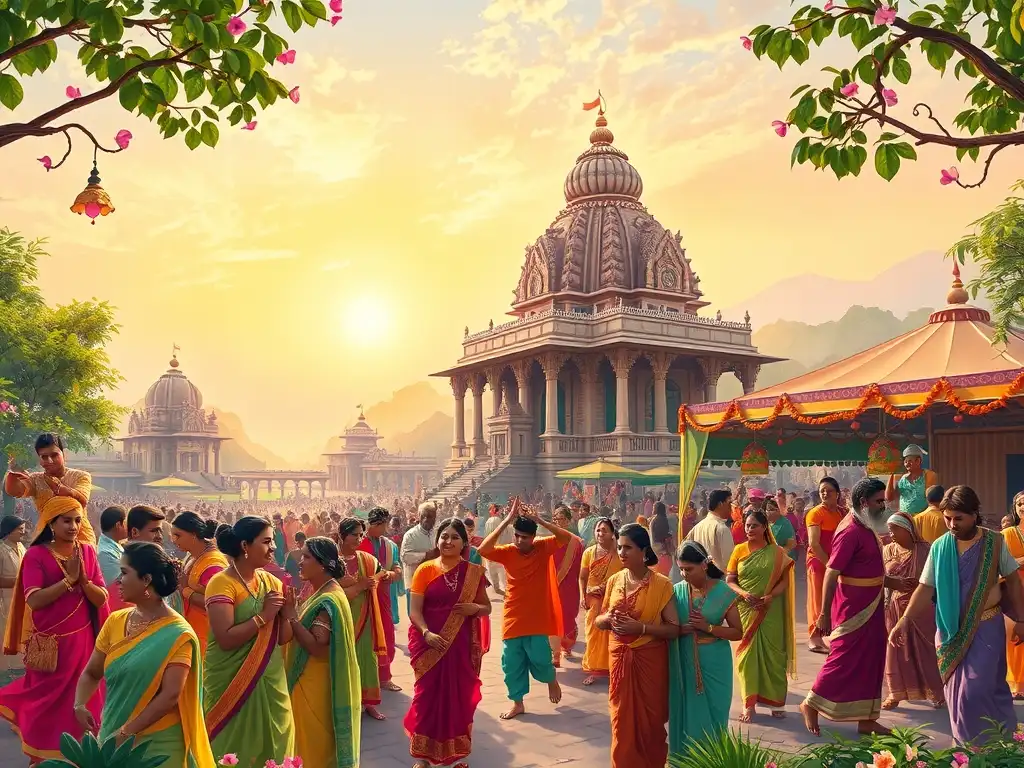
Ayurvedic festivals in ancient India hold significant cultural, spiritual, and medicinal value, intertwining the principles of Ayurveda with the rich tapestry of Indian traditions. These festivals served not only as occasions for celebration but also as platforms for the dissemination of knowledge regarding health, wellness, and the holistic practices inherent in Ayurveda. Through rituals, communal gatherings, and educational activities, these festivals fostered a deeper understanding of the natural world and the human body, emphasizing the balance necessary for maintaining health and harmony.
In ancient Indian society, where the connection between mind, body, and environment was paramount, Ayurvedic festivals played a crucial role in reinforcing these beliefs. They provided a structured way for communities to engage with their heritage, celebrate medicinal practices, and honor the deities connected to health and wellness. This article delves into the importance of these festivals, exploring their definitions, significance, historical context, and evolution in ancient India.
Definition of Ayurvedic Festivals
Ayurvedic festivals are special occasions dedicated to celebrating and promoting the principles of Ayurveda, the ancient Indian system of medicine. These festivals often involve rituals, prayers, and communal activities that highlight the importance of natural healing, herbal remedies, and wellness practices derived from Ayurvedic teachings. They serve as a reminder of the interconnectedness of health, spirituality, and nature, fostering a sense of community and shared knowledge.
Significance of Celebrations in Ancient Indian Culture
Celebrations in ancient Indian culture were deeply rooted in spirituality and community bonding. They provided opportunities for individuals to come together, share knowledge, and reinforce cultural values. Ayurvedic festivals specifically emphasized:
- Community Cohesion: These gatherings strengthened social ties, fostering a sense of belonging among participants.
- Knowledge Sharing: Elders and practitioners used these occasions to impart wisdom about health, herbal practices, and preventive care.
- Spiritual Connection: Many festivals included prayers and rituals to honor deities associated with healing and wellness, reinforcing spiritual beliefs related to health.
Historical Context of Ayurvedic Festivals
Understanding the historical context of Ayurvedic festivals is essential to appreciate their role in ancient Indian society. These festivals are deeply intertwined with the origins of Ayurveda and its evolution over the centuries.
Origins of Ayurveda in Ancient India
Ayurveda, often referred to as the "Science of Life," traces its origins to the Vedic texts, with foundational principles articulated around 1500 BCE. Rooted in a holistic understanding of health, Ayurveda emphasizes the balance of body, mind, and spirit, drawing from nature's bounty. The early practitioners of Ayurveda recognized the need for communal support and collective healing practices, leading to the establishment of festivals that celebrated these principles.
Evolution of Festivals Associated with Ayurvedic Practices
As Ayurveda evolved, so did the festivals associated with it. Initially simple gatherings focused on knowledge sharing, these festivals grew in complexity, incorporating various cultural and spiritual elements. Over time, significant milestones in Ayurvedic practice—such as the harvest of medicinal herbs, the new moon, and seasonal changes—became occasions for elaborate celebrations. These festivals not only honored the healing traditions of Ayurveda but also adapted to the changing cultural landscape of ancient India, reflecting the dynamic interplay of science, spirituality, and community life.
Major Ayurvedic Festivals in Ancient India
In ancient India, Ayurvedic festivals played a crucial role in celebrating the rich traditions and practices of Ayurveda. These festivals not only marked the change of seasons but also highlighted the importance of health, wellness, and the interconnectedness of nature and human life. Prominent Ayurvedic festivals included:
- Makar Sankranti: Celebrated in mid-January, Makar Sankranti marks the end of winter solstice and the onset of longer days. This festival was significant for Ayurvedic practitioners as it emphasized detoxification and rejuvenation, aligning with the principles of seasonal health adjustments.
- Vasant Panchami: This spring festival celebrated in January or February is dedicated to Saraswati, the goddess of knowledge. It symbolized the importance of mental clarity and learning in Ayurveda, as it encouraged the study of Ayurvedic texts and the transmission of knowledge from one generation to another.
- Navratri: A nine-night festival dedicated to the worship of the goddess Durga, Navratri also held significance for Ayurvedic practices. During these days, devotees often engaged in fasting and detoxification, promoting physical and mental well-being through Ayurvedic dietary guidelines.
- Dhanteras: Celebrated just before Diwali, Dhanteras is dedicated to wealth and health. It was a time when families would purchase Ayurvedic herbs and medicines, emphasizing the importance of preventive health measures in daily life.
These festivals served not only as a means of celebration but also as a platform for the propagation and practice of Ayurvedic principles among the community.
Overview of Prominent Festivals
The prominent Ayurvedic festivals in ancient India were deeply rooted in the agricultural calendar, reflecting the seasonal changes that impacted health and well-being. Each festival had specific rituals and practices associated with Ayurveda, which underscored the importance of harmony between nature and human health.
- Seasonal Awareness: Festivals like Makar Sankranti and Vasant Panchami were timed to coincide with the changing seasons, encouraging communities to adapt their diets and lifestyles according to the principles of Ayurveda. This seasonal awareness helped in maintaining balance and preventing seasonal ailments.
- Rituals and Offerings: Each festival involved specific rituals such as the offering of herbs and medicinal plants, often believed to enhance health and ward off diseases. The rituals reinforced the community's connection to Ayurvedic practices and the natural world.
- Community Participation: The communal aspect of these festivals fostered a sense of belonging and collective identity among participants, emphasizing the shared values of health and wellness.
The Role of Ayurvedic Festivals in Society
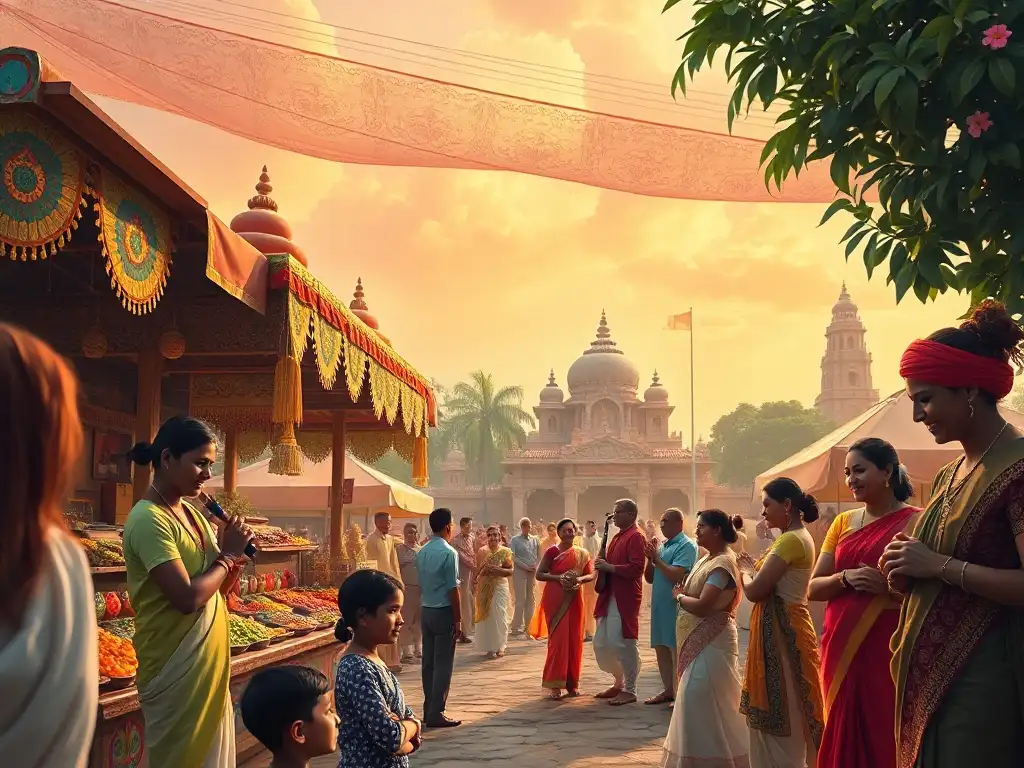
Ayurvedic festivals were integral to the social fabric of ancient Indian society, serving as important occasions for cultural expression and community engagement. Their role extended far beyond mere celebrations; they were pivotal in reinforcing societal values and promoting collective well-being.
Social Cohesion and Community Bonding
The celebration of Ayurvedic festivals fostered social cohesion within communities. These events brought people together, reinforcing relationships and creating bonds among families and neighbors.
- Collective Celebrations: Festivals encouraged collective participation in rituals, leading to shared experiences that strengthened community ties. This sense of togetherness was essential in ancient societies where cooperation and support were critical for survival.
- Intergenerational Transmission: Through the celebration of these festivals, knowledge about Ayurveda was passed down from elders to younger generations. This intergenerational transmission ensured the continuity of Ayurvedic practices and beliefs, enriching the community's cultural heritage.
- Support Systems: The gatherings during these festivals often resulted in the establishment of support systems within the community, where individuals shared resources, knowledge, and assistance in maintaining health and wellness.
Preservation of Ayurvedic Knowledge and Practices
Ayurvedic festivals served as vital platforms for the preservation and promotion of Ayurvedic knowledge and practices.
- Educational Opportunities: These festivals often included discussions, demonstrations, and workshops on Ayurvedic principles, allowing practitioners to educate the community about health, nutrition, and wellness practices rooted in Ayurveda.
- Ritualistic Practices: The rituals performed during festivals often incorporated traditional Ayurvedic practices, ensuring that these methods remained alive within the community. From the preparation of medicinal concoctions to dietary practices aligned with Ayurvedic principles, these rituals reinforced the relevance of Ayurveda in daily life.
- Documentation and Innovation: Festivals provided opportunities for scholars and practitioners to document their findings and innovations in Ayurveda. This collaborative spirit contributed to the evolution and refinement of Ayurvedic practices over generations.
Ayurvedic festivals in ancient India were not only significant cultural events but also crucial for fostering community ties and preserving the ancient wisdom of Ayurveda. They demonstrated the integral relationship between health, society, and the environment, emphasizing the holistic approach that Ayurveda embodies.
Ayurvedic Festivals and Natural Cycles
Ayurvedic festivals in ancient India served as crucial touchpoints that aligned human activities with the rhythms of nature. These celebrations were not merely social gatherings; they were deeply embedded in the understanding of the natural cycles that govern life. The holistic perspective of Ayurveda recognizes the interconnection between the body, mind, and the environment. This interconnectedness was manifested in the way festivals were celebrated, with specific timings and practices that emphasized harmony with nature.
The timing of these festivals was intricately linked to the agricultural calendar, seasonal changes, and celestial events. By observing the cycles of nature, ancient Indians were able to harmonize their health and well-being with the environment's energy, reinforcing the principles of balance and equilibrium central to Ayurvedic philosophy.
Connection to Seasonal Changes
Each Ayurvedic festival was strategically aligned with seasonal changes, emphasizing the need to adapt to the varying influences of the environment. For instance, festivals during the monsoon season often involved preparations for cultivating new crops, reflecting the importance of water and fertility in agriculture. Celebrations in spring, such as Vasant Panchami, celebrated the arrival of new life and growth, aligning with the principles of rejuvenation found in Ayurvedic practices.
These seasonal festivals also served as reminders for people to adjust their diets and lifestyles according to the changing environment. For example, during summer, cooling foods were emphasized in celebrations to counterbalance the heat, while winter festivals often highlighted the consumption of warming foods to promote health and vitality. This awareness of seasonal transitions reinforced the Ayurvedic principle of living in harmony with nature.
Influence of Celestial Events on Festival Timing
Celestial events, such as solstices and equinoxes, played a significant role in determining the timing of Ayurvedic festivals. The ancient Indians believed that these cosmic occurrences had profound effects on the environment and human physiology. For instance, the summer solstice was seen as a time for celebrating the sun's peak energy, leading to festivals that involved sun worship and rituals aimed at harnessing this energy for health and prosperity.
Furthermore, astrological alignments were considered when planning these festivals. The positions of planets and stars were believed to influence the effectiveness of rituals and the healing properties of herbs used in celebrations. This intricate relationship between celestial events and Ayurvedic festivals highlights the holistic worldview prevalent in ancient Indian culture, where the cosmos and the earth were seen as interconnected.
Celebratory Practices and Rituals
The celebratory practices associated with Ayurvedic festivals were rich in symbolism and rituals that promoted health, community, and spiritual well-being. These rituals were designed not just for celebration but also for healing and rejuvenation, reflecting Ayurveda's core principles of balance and harmony.
Traditional Rituals Associated with Ayurvedic Festivals
Traditional rituals during Ayurvedic festivals often included community gatherings, prayers, and offerings to deities associated with health and prosperity. These gatherings fostered a sense of community, reinforcing social bonds and collective well-being. For instance, during the festival of Makar Sankranti, people would gather to honor the sun god and partake in communal feasts, which included healthy, seasonal foods beneficial for digestion and vitality.
Rituals also involved the preparation of special Ayurvedic dishes that utilized seasonal ingredients and herbs. These dishes were not only delicious but also crafted to enhance health and balance within the body. The practice of sharing these meals among family and friends was essential, as it symbolized unity and the collective pursuit of health.
Use of Medicinal Herbs and Ingredients in Celebrations
Medicinal herbs and ingredients played a crucial role in Ayurvedic festivals, serving both practical and symbolic purposes. Many festivals featured specific herbs believed to possess healing properties, which were incorporated into food offerings, drinks, and rituals. For example, turmeric, known for its anti-inflammatory and antioxidant properties, was often used in festive dishes, embodying the spirit of health and wellness.
Additionally, the preparation of herbal concoctions, such as herbal teas and tonics, was a common practice during celebrations. These beverages were imbued with the intention of promoting health and vitality among participants. The use of such ingredients not only enhanced the nutritional value of the celebrations but also reinforced the core principles of Ayurveda, where the focus is on using natural resources to foster well-being.
Ayurvedic festivals in ancient India were rich in meaning and practice, reflecting a deep understanding of the natural world and its cycles. They served as a way to connect with the environment, promote health, and strengthen community ties through shared rituals and the celebration of life.
The Impact of Ayurvedic Festivals on Health and Well-being
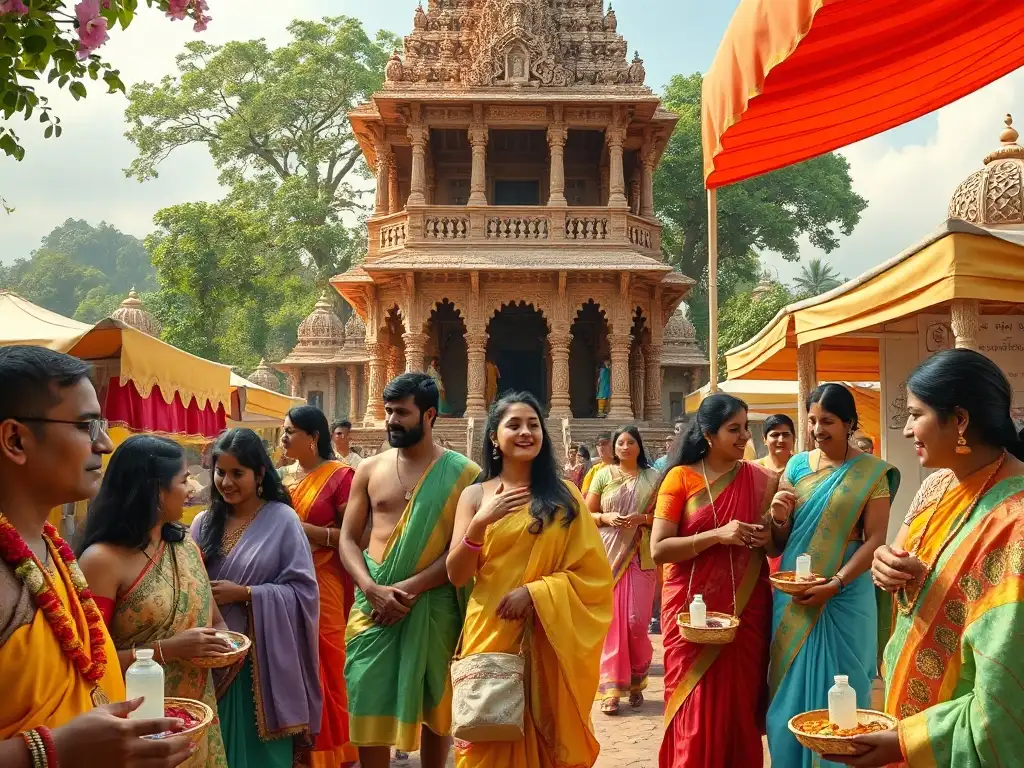
Ayurvedic festivals in ancient India were more than mere celebrations; they were integral to promoting health and well-being within communities. These festivals often aligned with seasonal changes, ensuring that the practices and rituals observed resonated with the natural rhythm of the environment. By encouraging a connection between individuals and nature, these festivals fostered not only physical health but also mental and spiritual well-being.
The communal aspect of these festivals played a crucial role in enhancing social bonds. Gathering for celebrations allowed individuals to engage in collective activities that promoted emotional support and shared joy, which are essential for mental health. The rituals performed during these festivals often included yoga and meditation, further enhancing the holistic health of participants.
Promoting Holistic Health through Celebrations
Ayurvedic festivals served to reinforce the principles of Ayurveda, emphasizing the interconnectedness of body, mind, and spirit. Celebrations often included rituals that honored the five elements—earth, water, fire, air, and space—integrating them into daily life and fostering a deeper appreciation of their influence on health.
Additionally, these festivals encouraged practices such as detoxification and purification, which were believed to align the body’s energies and promote balance. Activities like communal bathing in sacred rivers or participating in traditional cleansing ceremonies were common, reinforcing the importance of maintaining a balanced lifestyle.
Ayurvedic Dietary Practices during Festivals
Dietary practices during Ayurvedic festivals were carefully curated to align with Ayurvedic principles. Festivities often featured seasonal foods that were fresh and locally sourced, enhancing their nutritional value. Specific dishes were prepared to balance the doshas—Vata, Pitta, and Kapha—of individuals, ensuring that everyone could enjoy the festival without compromising their health.
Moreover, the act of sharing meals during these festivals reinforced community bonds. Traditional Ayurvedic dishes, rich in herbs and spices, were not only delicious but also designed to promote digestion and overall health. Ingredients like turmeric, ginger, and ghee were commonly used, known for their medicinal properties and contributions to physical well-being.
Conclusion
Summary of the Importance of Ayurvedic Festivals
Ayurvedic festivals in ancient India played a pivotal role in enhancing health and well-being through their holistic approach. By promoting community engagement, practicing cleansing rituals, and adhering to Ayurvedic dietary practices, these celebrations fostered a comprehensive understanding of health that extended beyond mere physicality.
Lasting Legacy of Ayurvedic Celebrations in Modern India
The legacy of Ayurvedic festivals continues to resonate in modern India. Many contemporary celebrations still incorporate traditional Ayurvedic practices, reflecting a deep-rooted respect for the wisdom of ancient health systems. These festivals serve as a reminder of the importance of health, community, and the cyclical nature of life, ensuring that the principles of Ayurveda remain vital in today’s society. The enduring relevance of these celebrations highlights the significance of holistic health practices that originated in ancient Indian culture.
References
Ayurveda: The Science of Self-Healing by Dr. Vasant Lad
In "Ayurveda: The Science of Self-Healing," Dr. Vasant Lad provides a comprehensive introduction to the fundamental principles of Ayurveda. The book explores the concept of balance in the body and mind, emphasizing how Ayurvedic practices can promote overall health and well-being. Dr. Lad discusses various herbs, dietary guidelines, and lifestyle practices integral to maintaining harmony within oneself. The importance of seasonal festivals and celebrations is highlighted as an essential part of Ayurvedic culture, which serves to reinforce community bonds and enhance individual well-being through collective participation in healing rituals.
The Complete Book of Ayurvedic Home Remedies by Dr. Vasant Lad
This book serves as a vital resource for understanding how Ayurveda can be applied in everyday life. Dr. Vasant Lad offers practical advice on home remedies that align with Ayurvedic principles, including the use of specific herbs during seasonal festivals. He delves into the significance of various celebrations, focusing on how they honor the changing seasons and the healing properties of nature. Such festivals not only serve as a reminder of the interconnectedness of life but also facilitate the practice of self-care and community healing, reinforcing the vital role of Ayurvedic traditions in ancient Indian society.
Ancient Indian Medicine: An Overview by Dr. R. K. Sharma
Dr. R. K. Sharma's "Ancient Indian Medicine: An Overview" provides an in-depth look at the historical context of medical practices in ancient India, including the evolution of Ayurveda as a healing system. This work discusses the interplay between Ayurvedic festivals and the cultural practices that sustained the ancient Indian way of life.
Dr. Sharma emphasizes how these festivals were not merely celebratory but also served as occasions for the transmission of knowledge and rituals associated with health and wellness. The book underscores the significance of these festivals in preserving Ayurvedic wisdom and fostering a holistic approach to health that integrates physical, mental, and spiritual well-being.
- Introduction to Ayurvedic Festivals in Ancient India
- Historical Context of Ayurvedic Festivals
- Major Ayurvedic Festivals in Ancient India
- The Role of Ayurvedic Festivals in Society
- Ayurvedic Festivals and Natural Cycles
- Celebratory Practices and Rituals
- The Impact of Ayurvedic Festivals on Health and Well-being
- Conclusion
- References
Frequently Asked Questions
What were Ayurvedic festivals in ancient India?
Ayurvedic festivals in ancient India were celebrations that honored the principles of Ayurveda, focusing on health, wellness, and the changing seasons. They often featured rituals, herbal offerings, and community gatherings.
How did Ayurvedic festivals contribute to health?
These festivals promoted holistic health by encouraging people to embrace natural remedies, participate in cleansing rituals, and share knowledge about healthy practices in line with Ayurvedic teachings.
Can you name some prominent Ayurvedic festivals?
Prominent Ayurvedic festivals included Makar Sankranti, which celebrated the sun's movement and its impact on health, and Navaratri, which honored the goddess Durga, often linked with seasonal detoxification and rejuvenation.
What role did Ayurveda play in ancient Indian culture?
Ayurveda was not just a system of medicine but a way of life, influencing daily routines, dietary practices, and even spiritual beliefs, making it integral to the cultural fabric of ancient India.
Are there any modern celebrations inspired by ancient Ayurvedic festivals?
Yes, many modern Ayurvedic festivals are celebrated today, emphasizing wellness and natural healing, often incorporating traditional practices and teachings to promote health and community well-being.
Final Reflection: Embracing the Wisdom of Ayurvedic Festivals in Ancient India
The significance of Ayurvedic festivals in ancient India resonates profoundly in today's world, where the quest for holistic well-being and cultural identity is more relevant than ever. These celebrations were not merely events on the calendar; they were a harmonious blend of spirituality, health, and community, emphasizing the interconnectedness of mind, body, and nature. As we navigate the complexities of modern life, the teachings and traditions of these festivals remind us of the importance of balance and wellness in our daily routines.
Cultural practices rooted in ancient wisdom continue to shape our social landscape, fostering a sense of belonging and purpose. The Ayurvedic festivals served as a reminder of the cyclical nature of life and the importance of nurturing our physical and spiritual selves. As Mahatma Gandhi once said, “The best way to find yourself is to lose yourself in the service of others.” This sentiment echoes the essence of these celebrations, where community and self-care intertwine, creating a tapestry of support and shared experience that transcends generations.
As we reflect on the lessons imparted by Ayurvedic festivals, let us embrace the opportunity to integrate these timeless practices into our lives. I invite you to explore the rich heritage of these celebrations and consider how their principles can enhance your well-being and connection to the world around you. By honoring the wisdom of our ancestors, we can cultivate a more balanced and fulfilling life, ensuring that the spirit of these ancient traditions continues to thrive in our modern existence.
Embrace the Spirit of Ayurvedic Celebrations!
Thank you for immersing yourself in the fascinating world of Ayurvedic festivals and celebrations in ancient India! We hope you’ve gained insight into how these rich traditions not only fostered community but also promoted holistic health and well-being. Now it's time to take that knowledge and make it a part of your life.
Here’s how you can connect with the wisdom of these ancient practices:
- Join a local Ayurveda class or workshop to experience the benefits of these traditions firsthand.
- Participate in an Ayurvedic festival in your community—share the joy, stories, and practices with friends and family.
- Explore and share resources about Ayurvedic health and festivals on social media to spark conversations and educate others!
As you reflect on how these celebrations can enrich your life, consider this question: What is one Ayurvedic practice or celebration you would love to integrate into your daily routine? Let's start a conversation in the comments below!